
Chef Takumi
Red Turnip Pickle (赤かぶ漬け, Akakabuzuke)
A winter pickle of salt, vinegar, and patience: red turnip skin gives its color slowly, turning the flesh bright and clean without dye, trickery, or fuss.

Updated June 3, 2026
The pickled tradition that closes every Japanese meal. From the daily rice-bran bed and the quick salt pickle a home cook learns first, through the three Kyoto specialties (shibazuke, senmaizuke, suguki) and Nara's sake-lees uri, to the regional pickles every washoku cook should know: Akita's smoke-cured daikon, Nagano's fermented mountain greens, Tokyo's Bettara, Kumamoto's takana, Hokkaido's herring-and-cabbage barrel. Pickling is the most ordinary practice in a Japanese kitchen, not a craft for specialists, only unfamiliar from the outside.
A cooking platform built around craft, culture, and the stories behind what we eat.
Chef Takumi
A winter pickle of salt, vinegar, and patience: red turnip skin gives its color slowly, turning the flesh bright and clean without dye, trickery, or fuss.
Chef Takumi
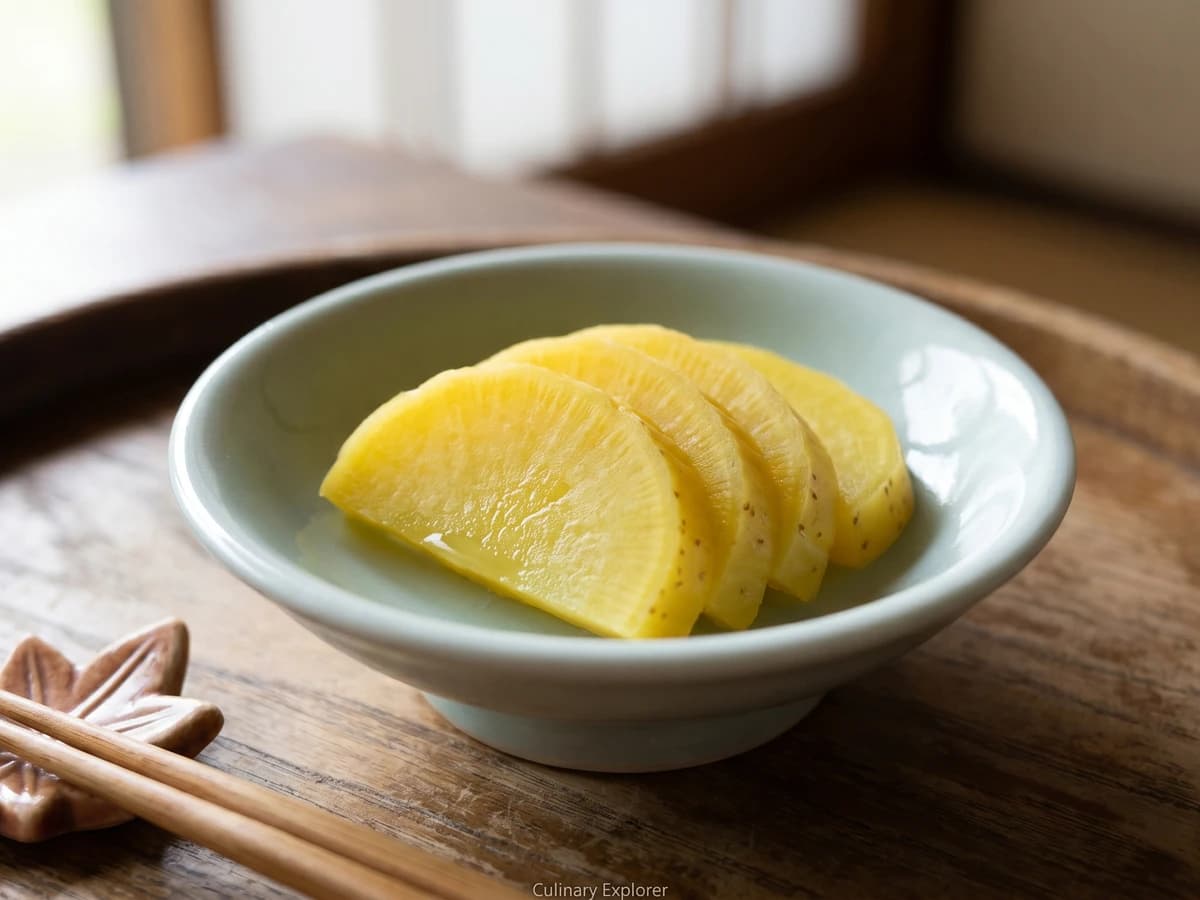
Takuan is winter daikon made patient: dried until it bends, buried in rice bran and salt, then sliced bright yellow beside rice, where one crisp bite clears the mouth.
Chef Takumi
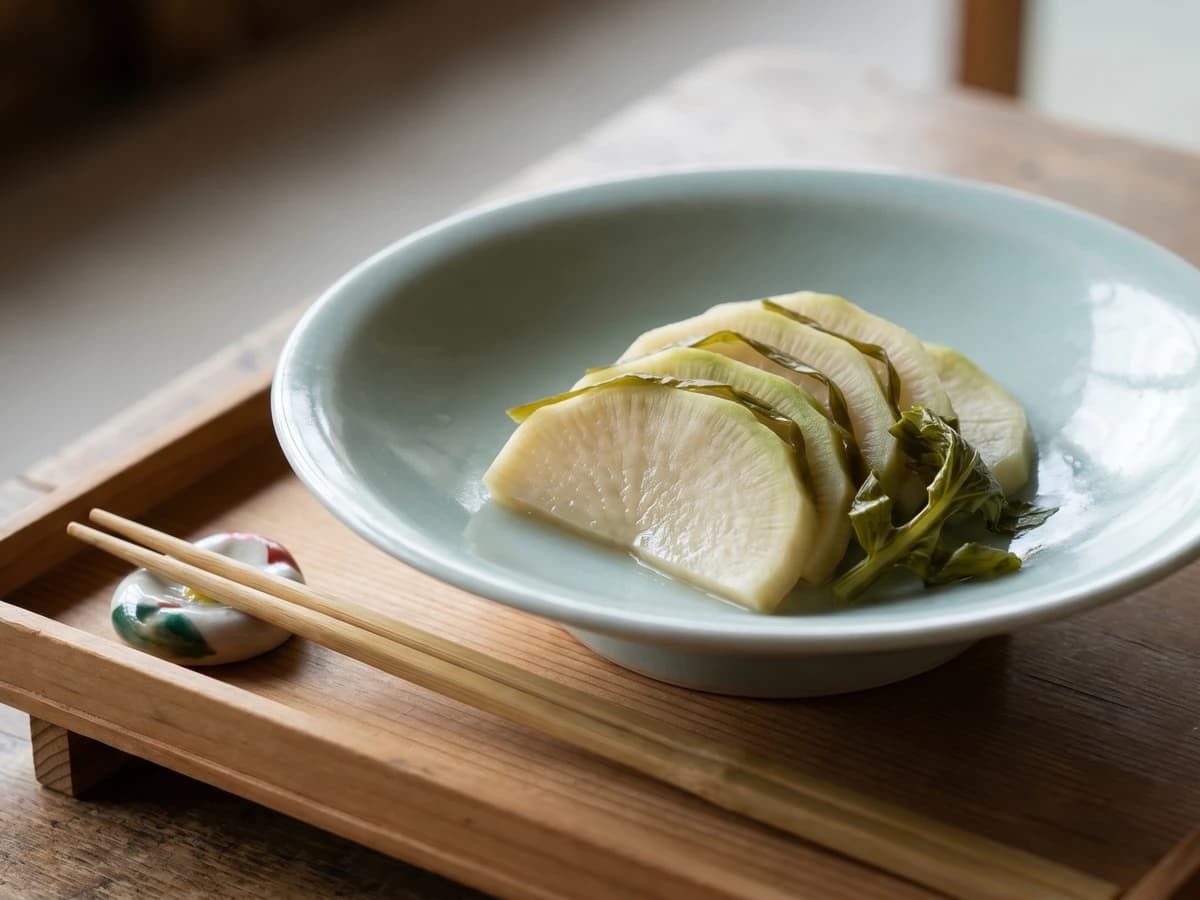
Suguki is Kyoto winter made plain: sugukina turnips, salt, hard pressure, and time. No vinegar enters. The clean sourness comes from lactic fermentation doing its quiet work while you wait.

Chef Takumi
Bettarazuke is a winter-white daikon pickle from Tokyo, first salted to draw out water, then tucked into sweet rice kōji until it turns pale, sticky, and quietly fragrant.
Chef Takumi
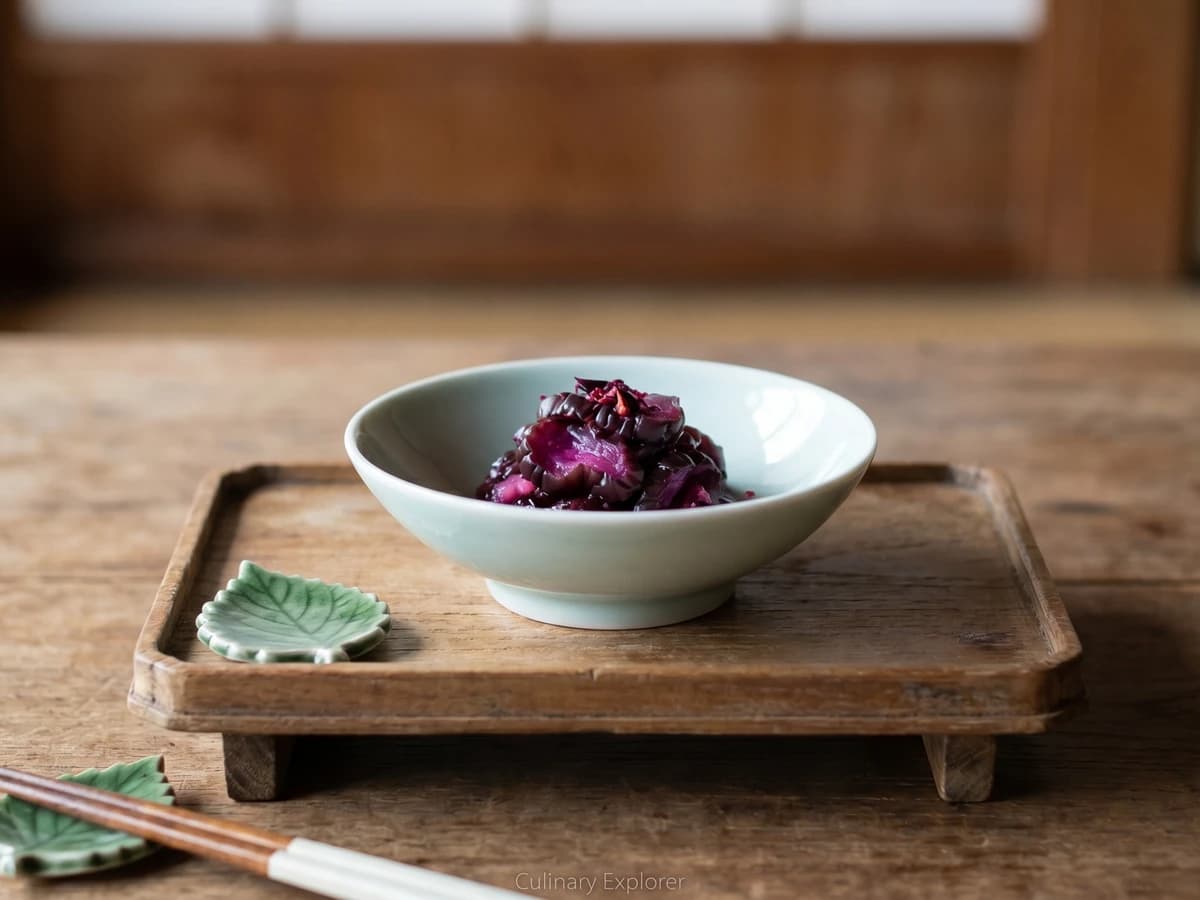
Shibazuke is summer held under salt: eggplant, cucumber, and red shiso pressed until they sour gently and stain themselves deep purple.

Chef Takumi
Gari is young ginger, sliced thin, briefly blanched, then left in sweet rice vinegar until it turns crisp, pale, and quietly pink on its own.
Chef Takumi
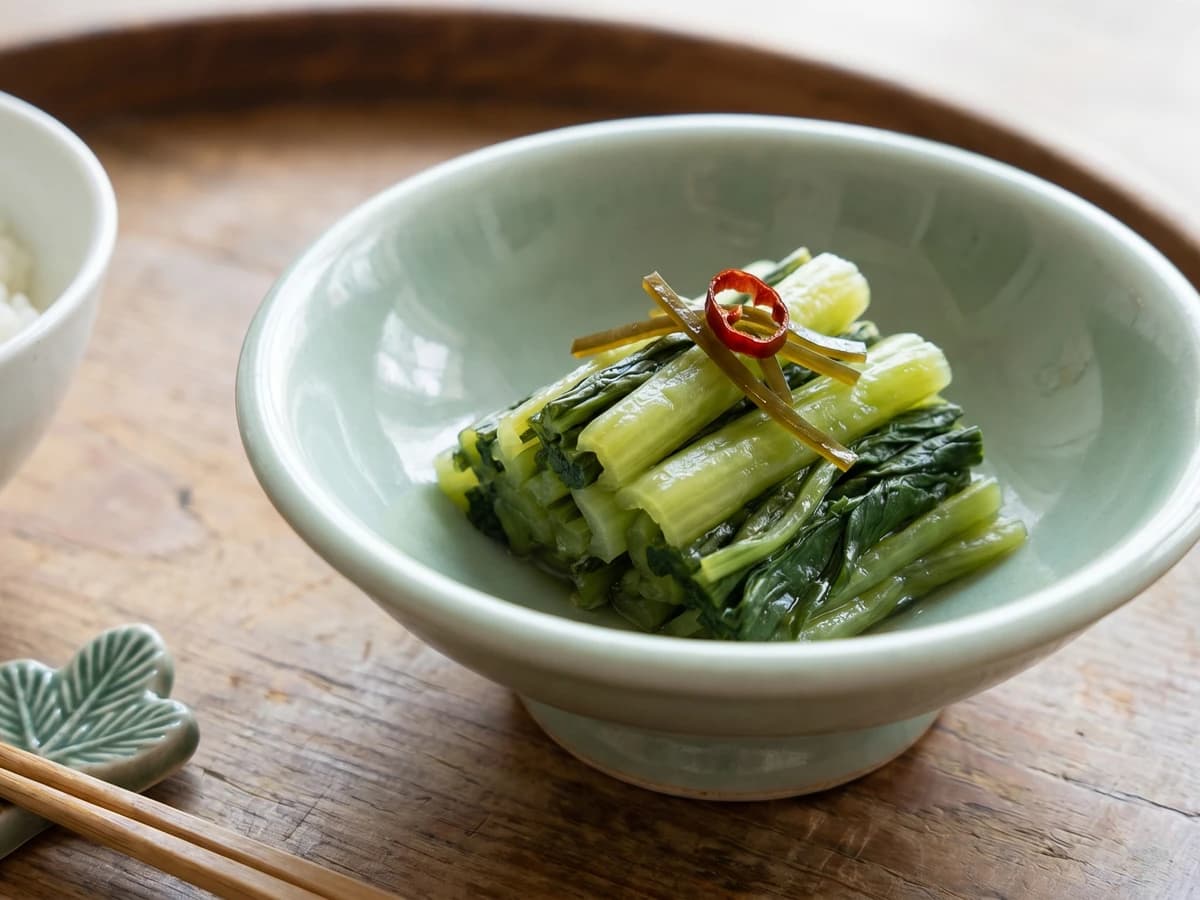
Whole Nozawana greens, salt, a little konbu, and patient pressure. The mountain winter does the clever part, drawing a clean brine and turning tall leaves into rice's quiet companion.

Chef Takumi
Aso takanazuke is spring caught in salt: sharp mustard greens pressed until they soften, fermented until their edge turns round, then fried briefly with sesame for rice.
Chef Takumi
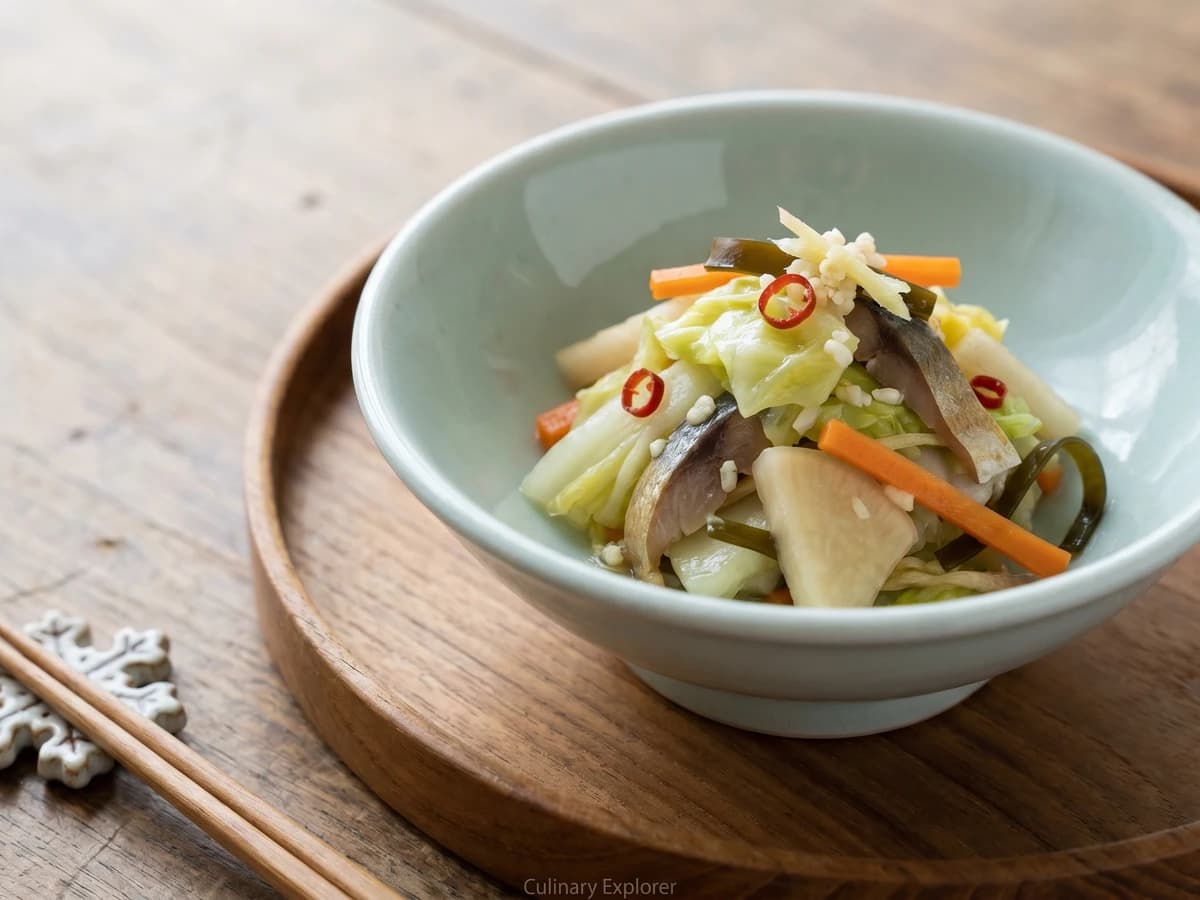
Nishinzuke is Hokkaido winter in a crock: crisp autumn vegetables, dried herring, salt, and rice kōji left to settle into something sweet, savory, and quietly alive.
Chef Takumi
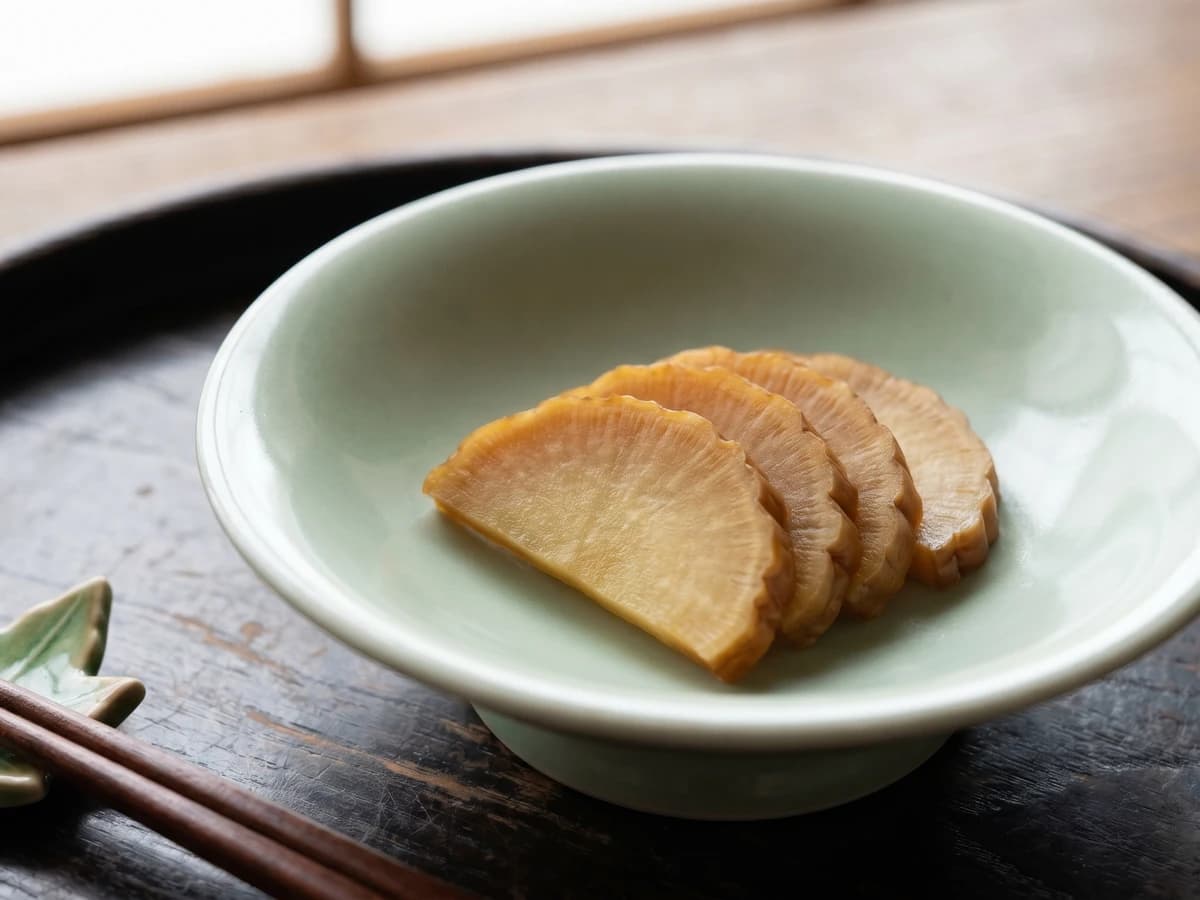
Snow-country takuan begins with smoke. Hang the daikon, dry it gently, then let rice bran, salt, and time turn it into Akita's amber pickle.
Chef Takumi
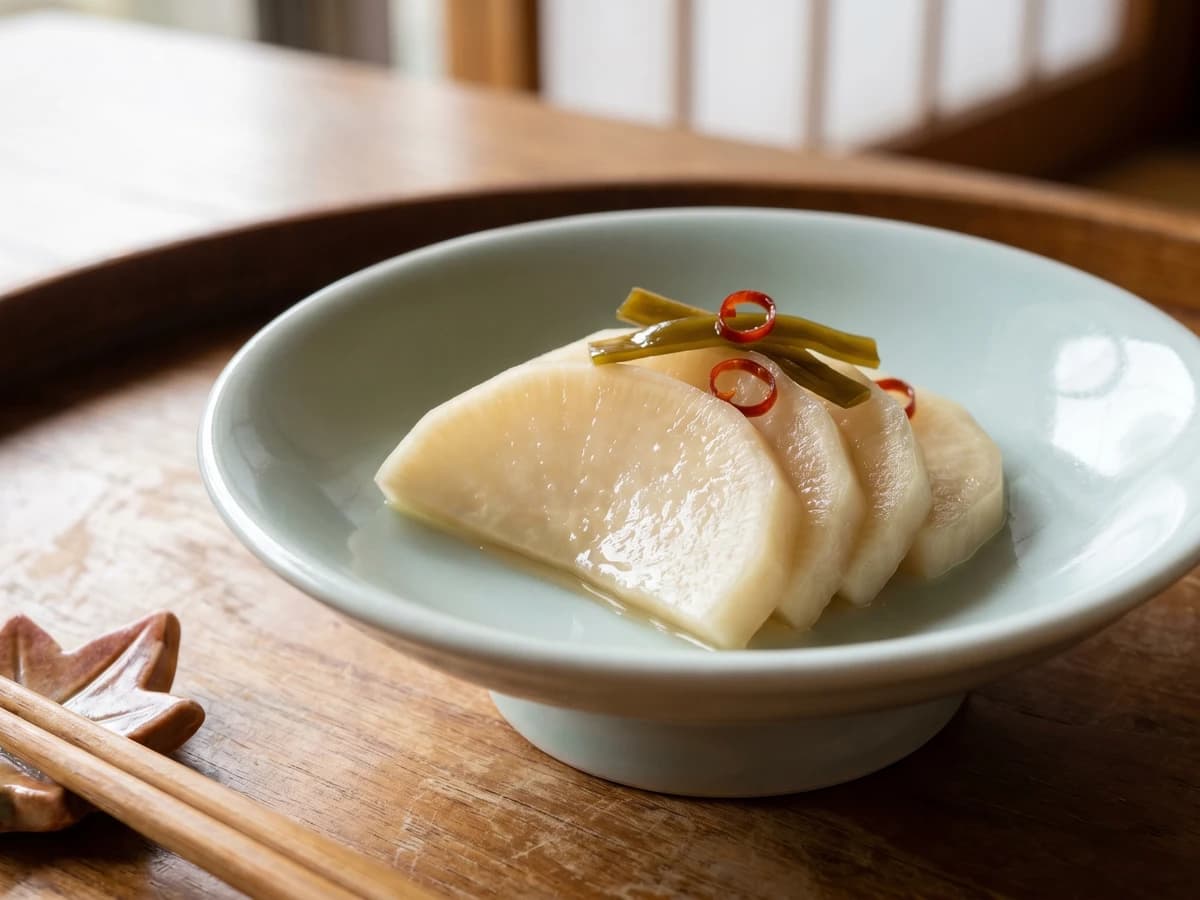
Senmaizuke asks for one good winter turnip, sliced thin enough to turn translucent, then left under weight with konbu and sweet rice vinegar until it softens into quiet elegance.
Chef Takumi
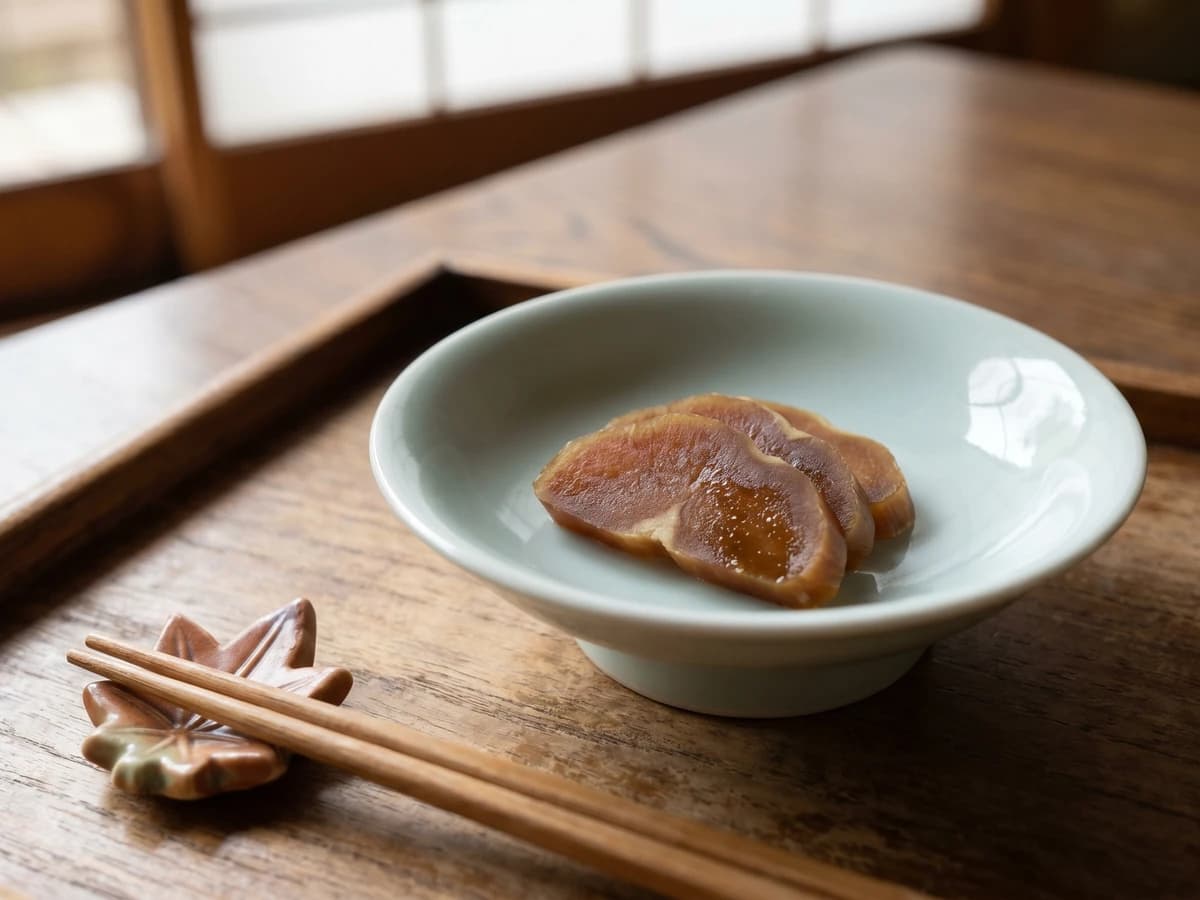
White uri melon, salt, sake lees, and time. Narazuke looks like a pickle for specialists, but the first secret is simple: remove water before you ask flavor to enter.

Chef Takumi
Dried squid, carrot, soy, and patience. Ika ninjin looks like a small dish, but on a Fukushima New Year table it carries the salt, sweetness, and cheer of winter.
Chef Takumi
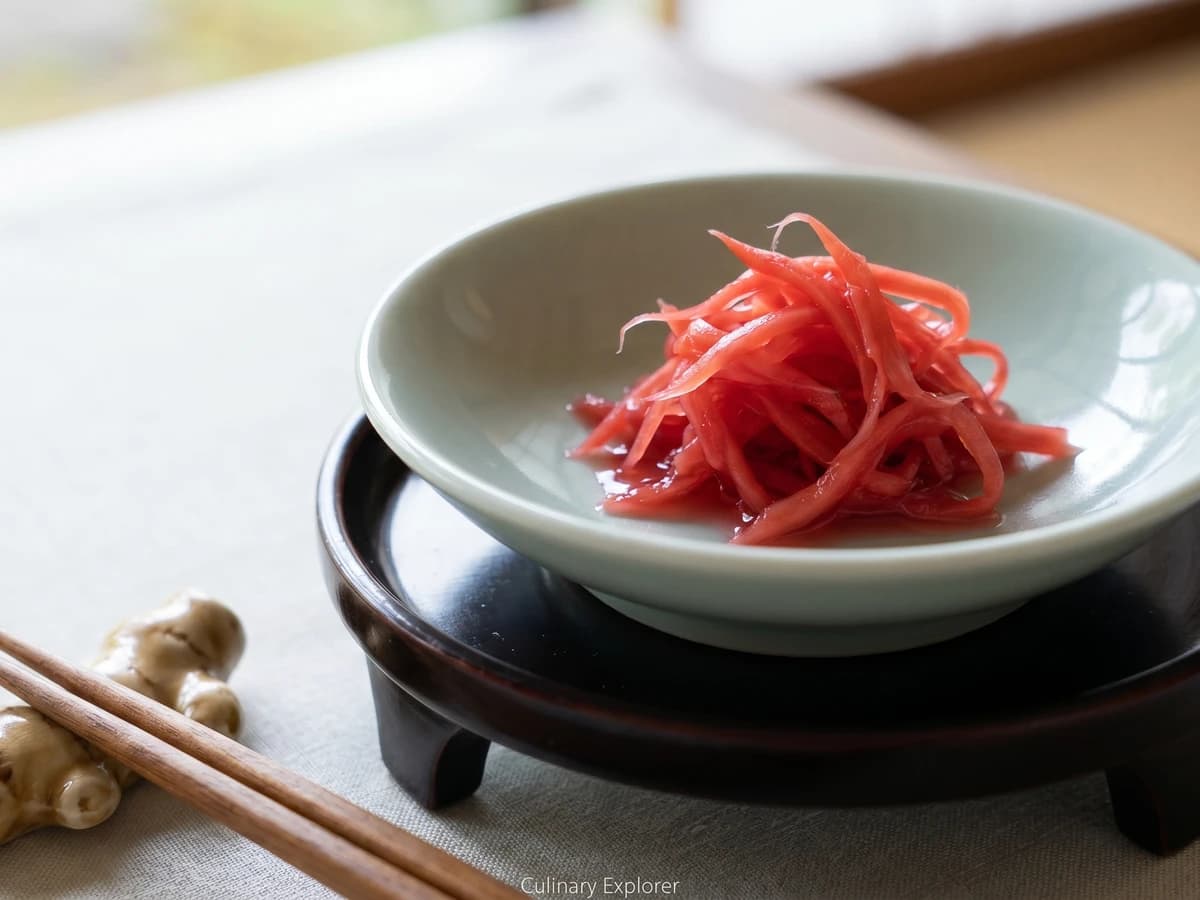
Beni shōga is not decoration. Young ginger, salt, and red ume vinegar make a bright, sharp pickle that cuts the richness of yakisoba, gyūdon, and takoyaki.

Chef Takumi
Fukujinzuke is curry rice's small red punctuation: chopped vegetables salted, squeezed dry, and set in sweet soy until they stay crisp beside the rice. The cut decides it more than the stove.
Chef Takumi
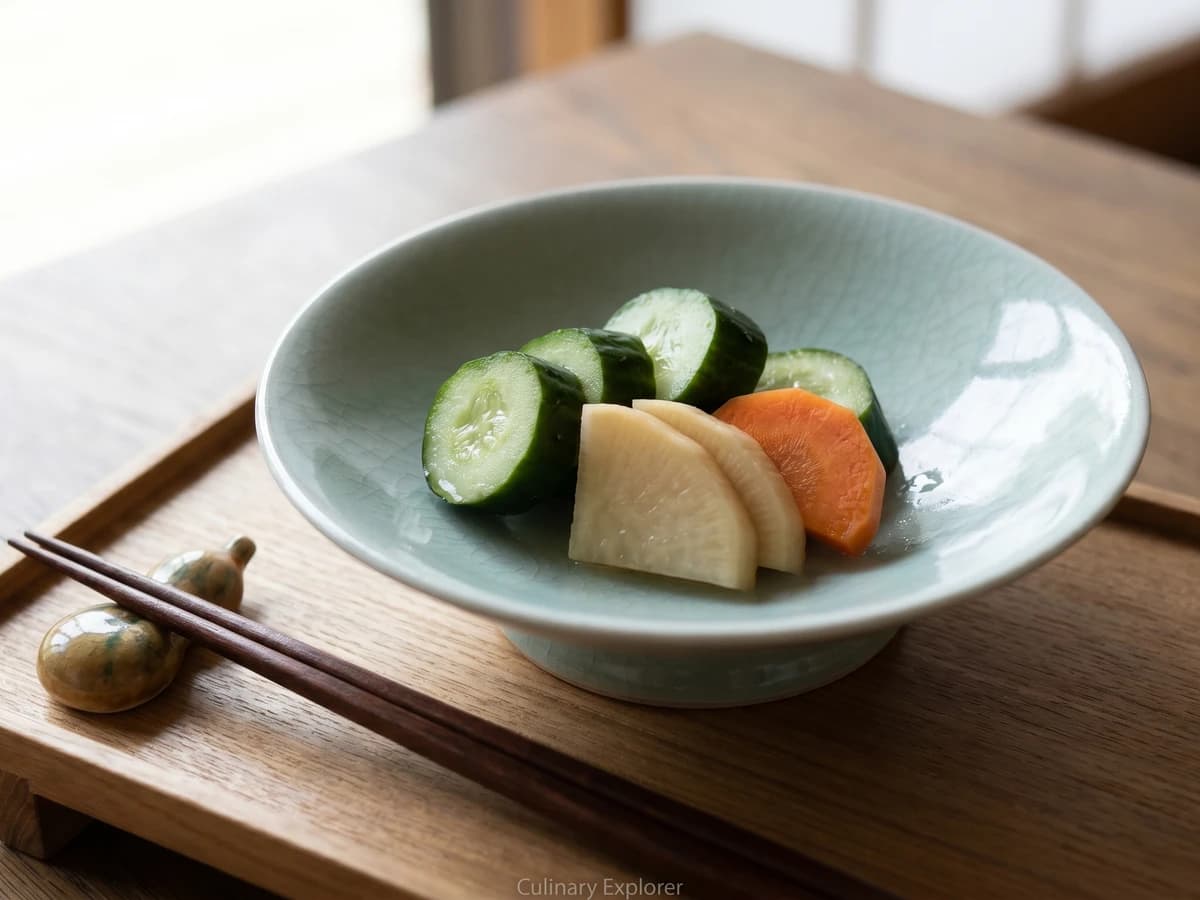
Nukazuke looks like kitchen witchcraft until you touch it. It is only rice bran, salt, water, a little patience, and the daily habit that keeps the bed alive.
Chef Takumi
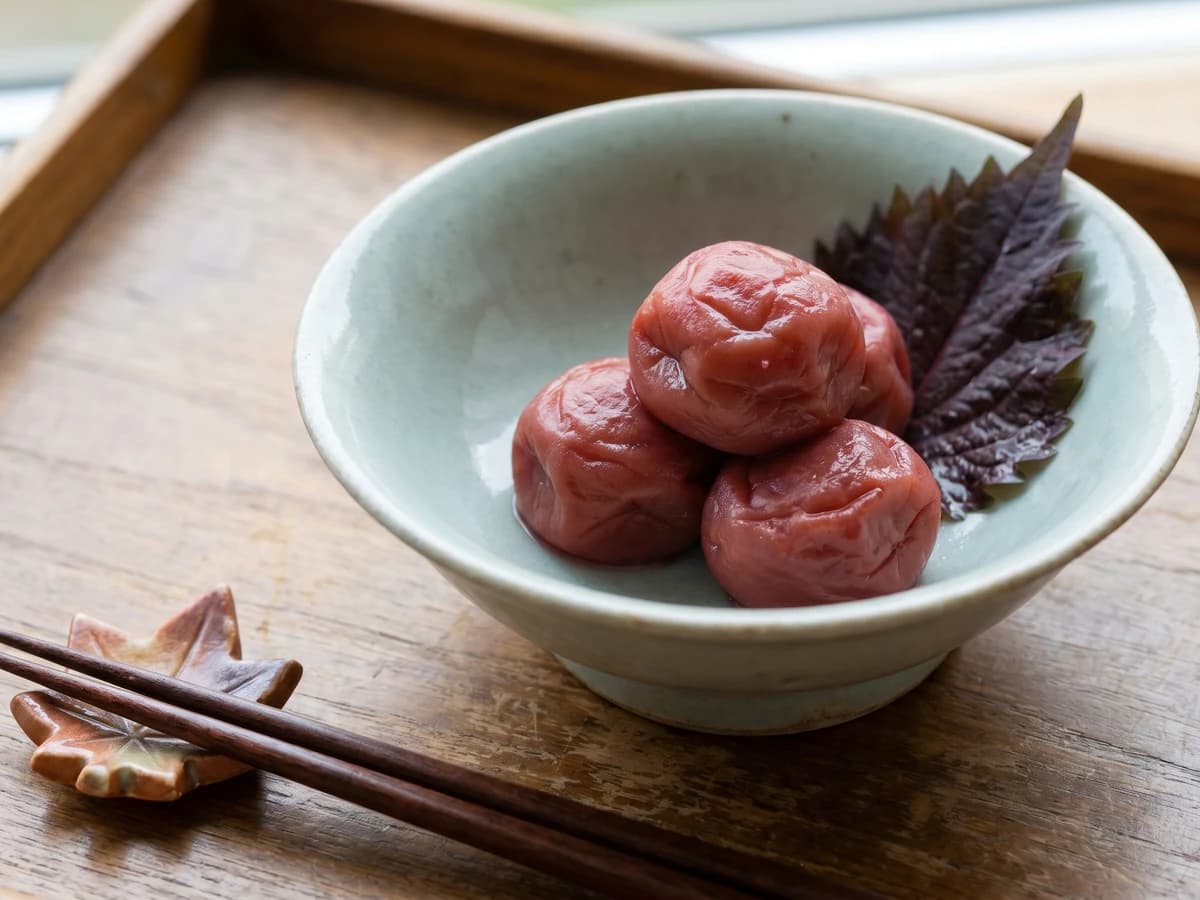
Umeboshi looks like a preserve with secrets. It is really ripe ume, enough salt, patience through the rains, and three clear summer days to make the fruit honest and sharp.
Chef Takumi
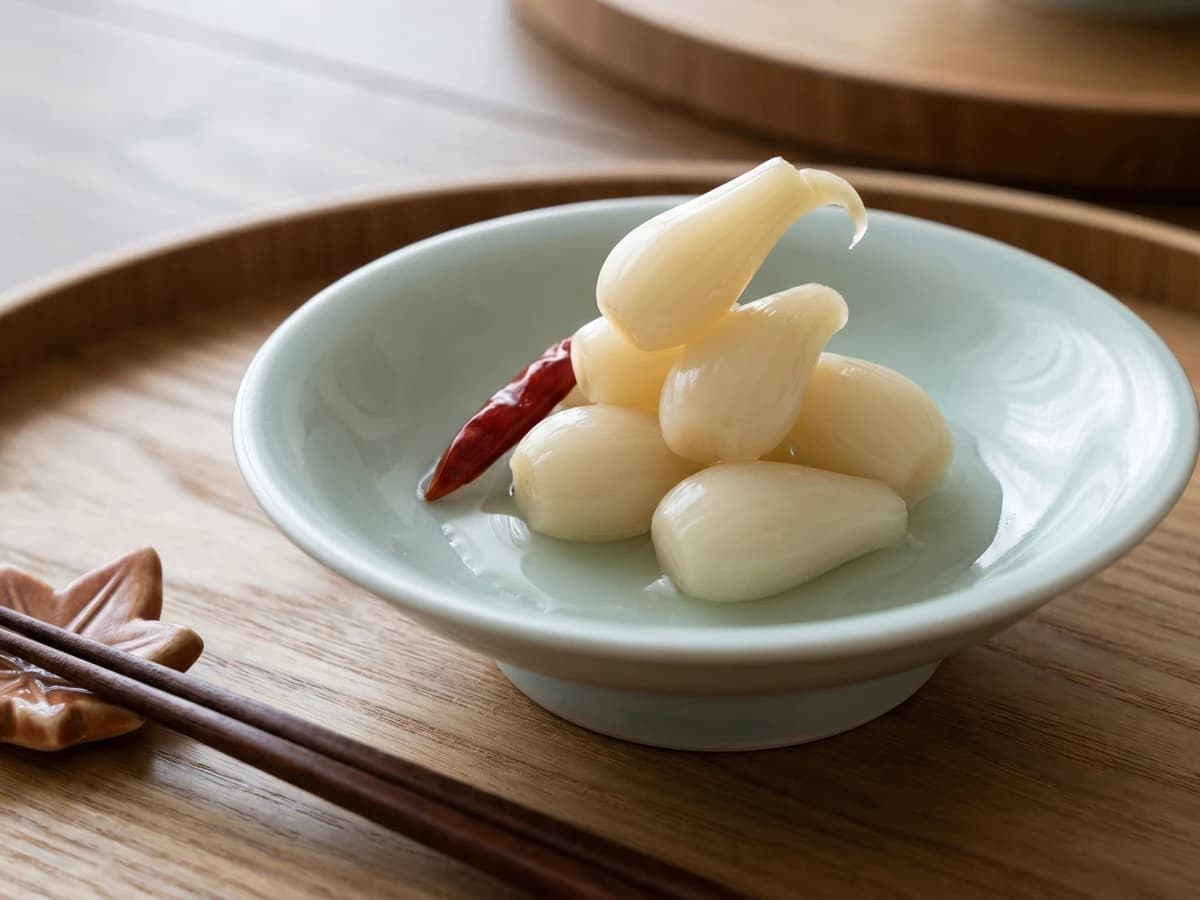
Rakkyozuke is not difficult pickle work. It is clean bulbs, enough salt, patient vinegar, and one plain decision: keep the rakkyo crisp from the start.
Chef Takumi
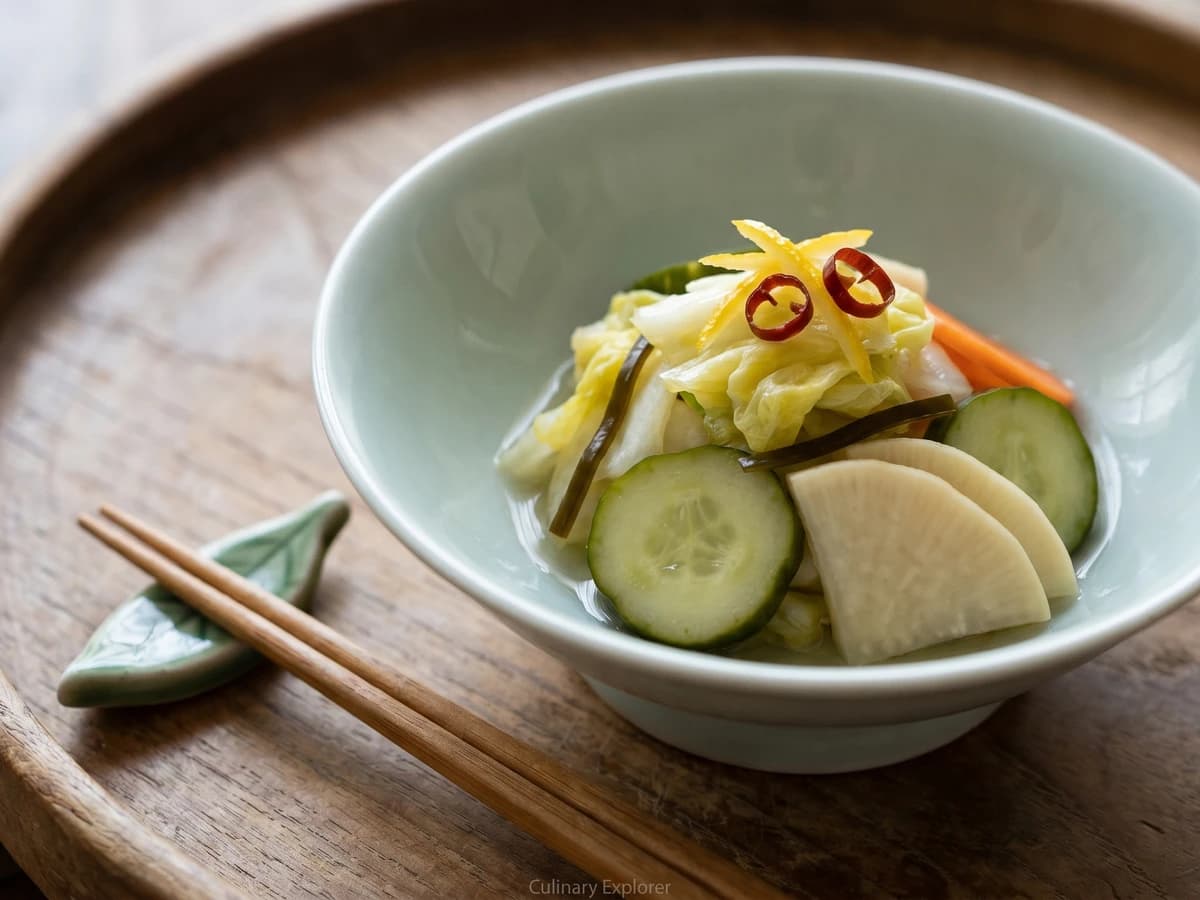
Asazuke is what you make when vegetables are good and time is short: salt, konbu, a little pressure, and the courage to stop before the crunch disappears.
Chef Takumi
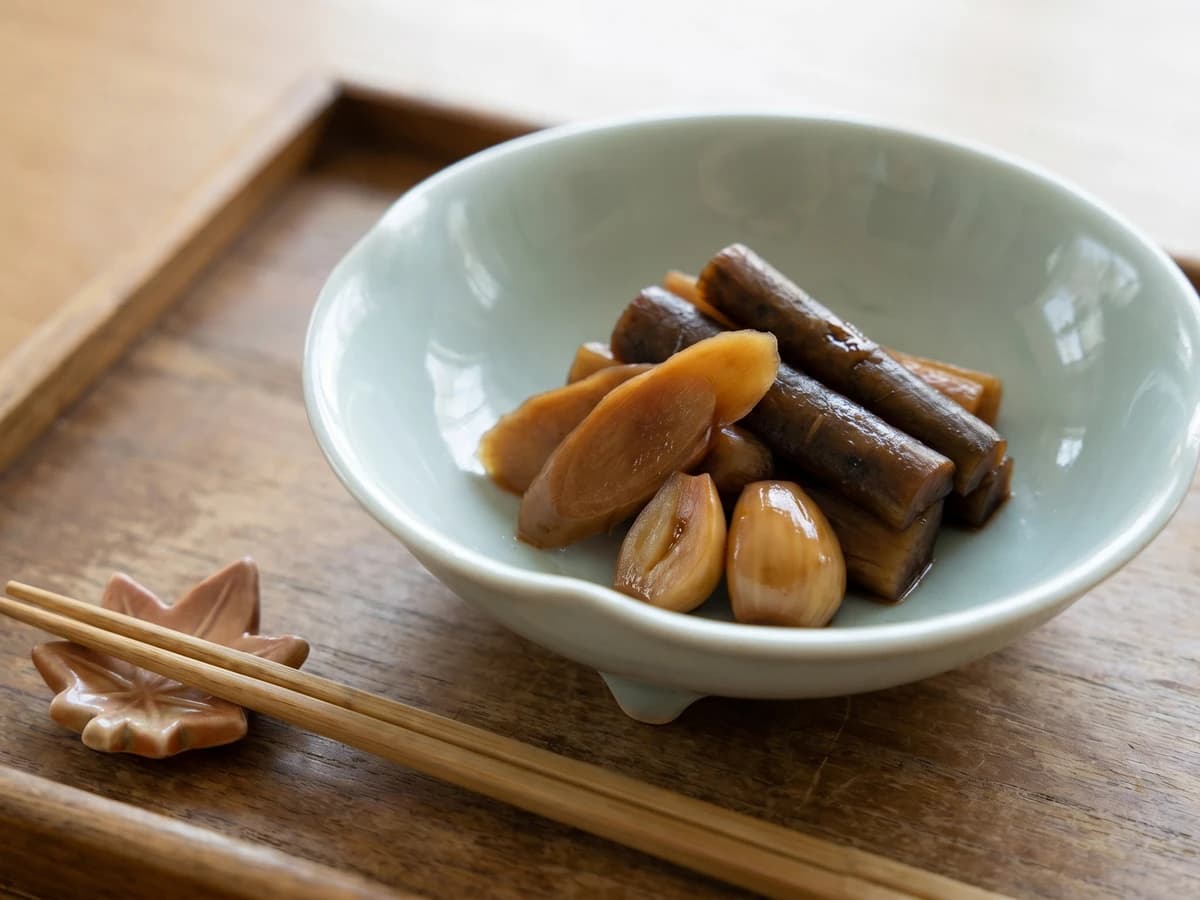
Dark tamari does the quiet work here: salted roots, cooled soy, and time. Dry the vegetables well before they meet the jar, and the pickle turns savory, firm, and deeply colored.
Chef Takumi
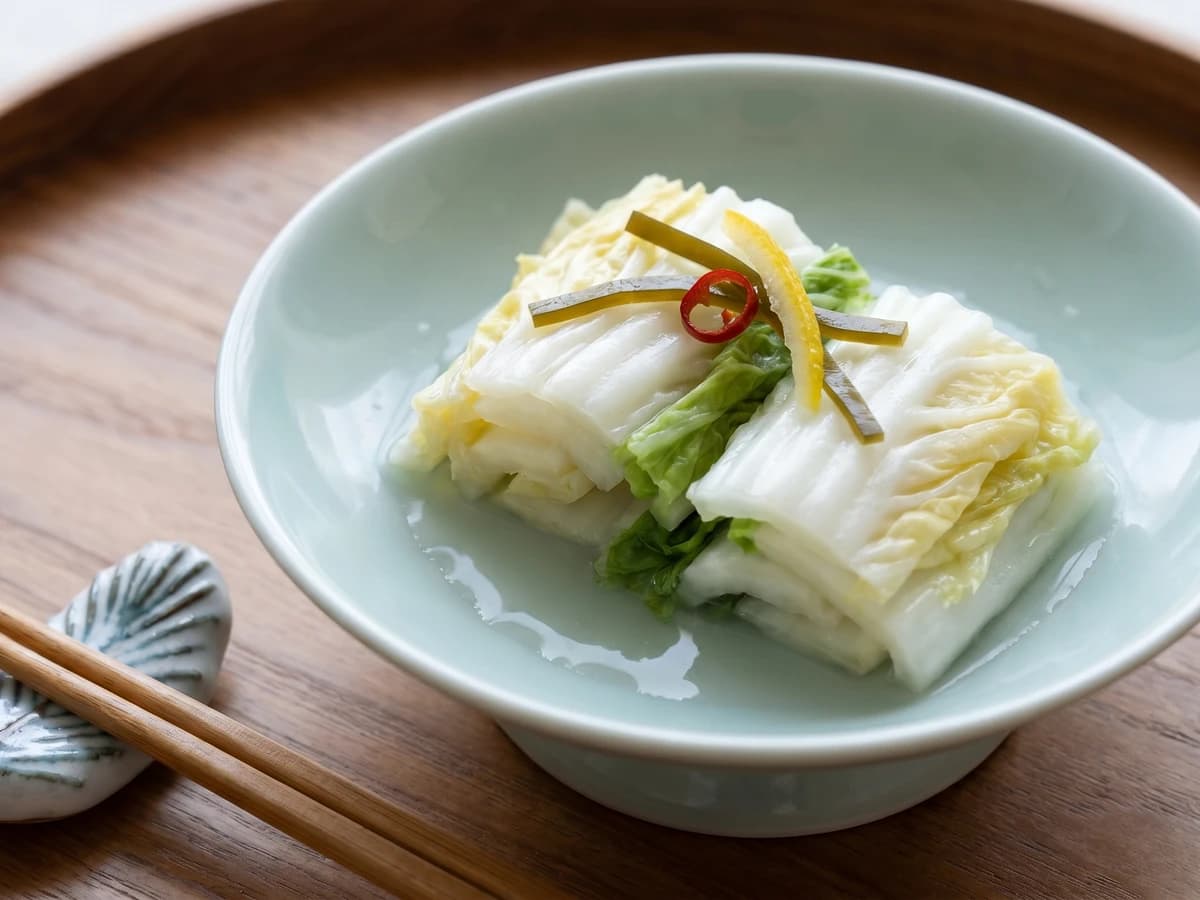
Hakusai no shiozuke is winter cabbage made quiet and useful: salt, weight, and time collapse the leaves into a crisp-tender pickle that tastes sweet beside a bowl of rice.
Culinary guides, cultural storytelling, and the editorial depth that makes cooking meaningful.
Discover Culinary ExplorerChef Takumi is a fictional culinary guide to Japanese Washoku Cuisine, written with the assistance of AI.