
Chef Takumi
Ago Dashi (あごだし, grilled flying fish stock)
Ago dashi is quiet luxury: roasted flying fish, konbu, and patient water. Steep it slowly and you get a clear stock that tastes sweet, clean, and full without heaviness.
A cooking platform built around craft, culture, and the stories behind what we eat.

Created by
Hakusai no shiozuke is winter cabbage made quiet and useful: salt, weight, and time collapse the leaves into a crisp-tender pickle that tastes sweet beside a bowl of rice.
Winter hakusai looks too large for the bowl, then salt teaches it modesty. The leaves slump, the rib stays crisp, and the cabbage gives up enough water to pickle itself. This is tsukemono at its plainest: no vinegar, no sugar, no heavy sauce, only the vegetable at its shun and salt doing honest work.
The first secret is weight. Salt pulls water from the cabbage; the weight presses that water back around every leaf so the seasoning reaches the thick white ribs and the tender green tops evenly. Leave it unweighted and you get salty edges with stubborn raw centers, a very small tragedy, but still a tragedy when rice is waiting.
We eat a pickle like this beside rice and soup, not as a loud condiment but as the bite that wakes the meal. Use firm winter Napa cabbage with pale, tight leaves and a clean cut stem. Weigh the cabbage after trimming, then use about 3 percent salt by weight. That number is not fussiness. It is the little guardrail that keeps the pickle clean, sweet, and properly seasoned.
Hakusai is younger in Japan than many cooks expect. Chinese cabbage seeds were introduced from China in the Meiji period, but reliable domestic cultivation spread mainly in the Taishō era, when growers learned to control seed production and the vegetable became a winter staple. Salted hakusai belongs to the broad family of shiozuke, salt pickles that predate refrigeration and rely on salt and weight to draw out a self-made brine.
Quantity
1 medium, about 1kg after trimming
trimmed and quartered through the core
Quantity
30g, or 3% of trimmed cabbage weight
Quantity
1 piece, about 10cm square
wiped and cut into thin strips
Quantity
1
seeds removed and thinly sliced
Quantity
1 strip
white pith removed
Quantity
120ml water mixed with 4g fine sea salt
| Ingredient | Quantity |
|---|---|
| Napa cabbage (hakusai)trimmed and quartered through the core | 1 medium, about 1kg after trimming |
| fine sea salt | 30g, or 3% of trimmed cabbage weight |
| konbu (dried kelp)wiped and cut into thin strips | 1 piece, about 10cm square |
| dried red chile (takanotsume) (optional)seeds removed and thinly sliced | 1 |
| yuzu peel (optional)white pith removed | 1 strip |
| 3% saltwater (optional) | 120ml water mixed with 4g fine sea salt |
Remove any bruised outer leaves, then cut the cabbage lengthwise through the core into quarters so each wedge holds together. Rinse only if there is grit, then pat it dry and weigh the trimmed cabbage. The salt is measured against this weight, usually 3 percent, because salt by the handful makes one batch timid and the next harsh.
Fan open the leaves over a tray and sprinkle the salt mostly over the thick white ribs and core end, using a lighter hand on the green tips. Rub gently until the cut faces begin to glisten. The ribs carry more water and need the salt first; if you season only the outside, the greens collapse while the ribs stay raw and plain.
Put the salted wedges into a clean tsukemono-daru, a pickling crock, or a nonreactive bowl. Tuck the konbu strips between the layers, and add the chile and yuzu peel if using. The konbu gives a quiet savor as the cabbage makes its own brine, while the chile and yuzu should be small notes, not a mask.
Set a clean drop-lid or plate directly on the cabbage, then put a tsukemono-ishi, a pickling weight, on top. A jar or sealed bag filled with water works well as a stand-in. Use a weight about 1 1/2 to 2 times the cabbage weight, and leave it in a cool place for 4 to 6 hours, until clear liquid pools around the leaves.
When the liquid has risen well around the cabbage, reduce the weight to about the same weight as the cabbage and move the vessel to the refrigerator for 18 to 24 hours. If the brine has not climbed around the leaves after 8 hours, add just enough 3 percent saltwater to help it along. Do not add plain water, which dilutes the salt and makes the pickle less clean.
Lift out only what you plan to serve and squeeze it gently, just enough to stop it dripping. Cut crosswise into 3cm pieces, keeping some rib and leaf together in each bite. Taste a piece; if it is sharply salty, pass it quickly through cold water and squeeze again, but do not soak away the cabbage. Arrange in a small dish with a few strips of konbu and yuzu peel.
1 serving (about 160g)
Culinary guides, cultural storytelling, and the editorial depth that makes cooking meaningful.
Discover Culinary ExplorerChef Takumi
Ago dashi is quiet luxury: roasted flying fish, konbu, and patient water. Steep it slowly and you get a clear stock that tastes sweet, clean, and full without heaviness.
Chef Takumi
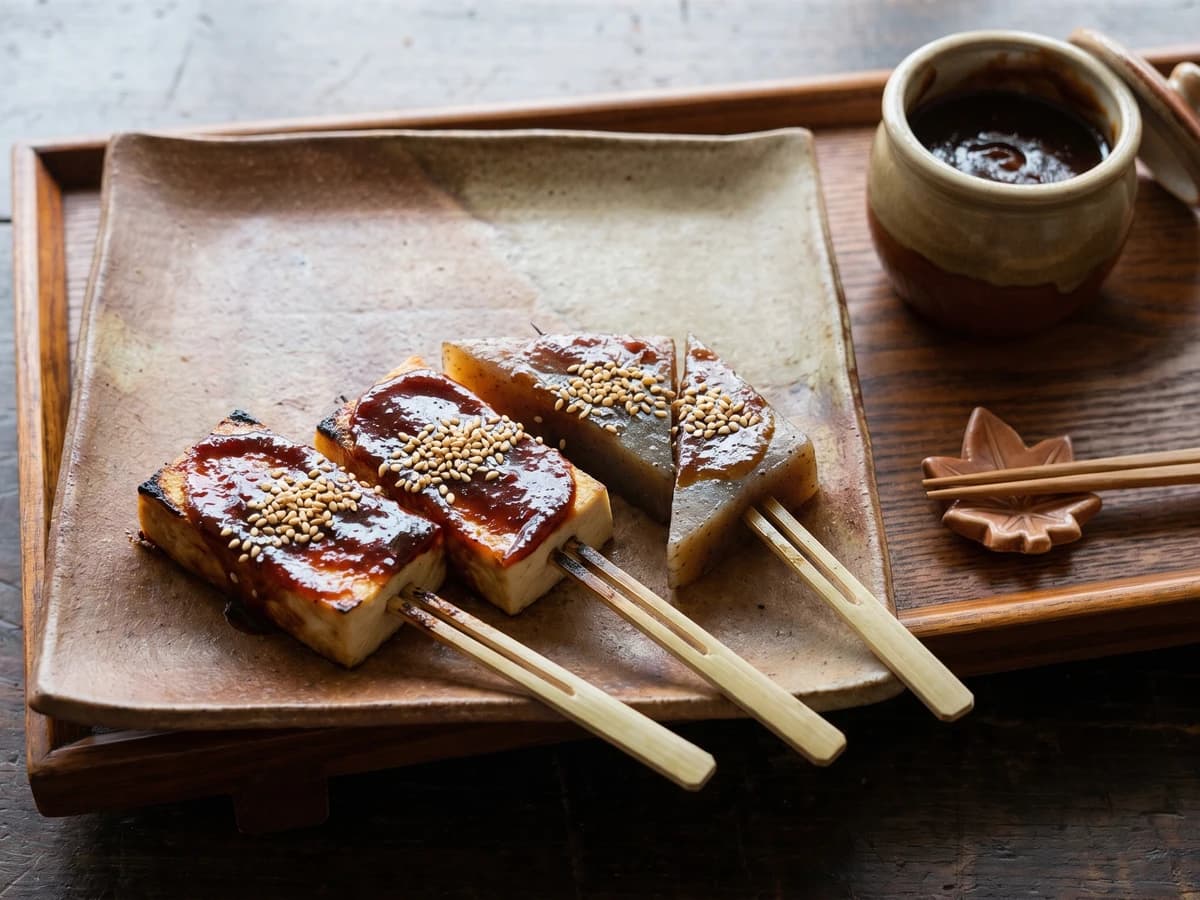
Akamiso dengaku-miso is plain work: bean miso, sweetness, sake, and patient stirring until the glaze turns dark, glossy, and thick enough to cling to the grill.
Chef Takumi
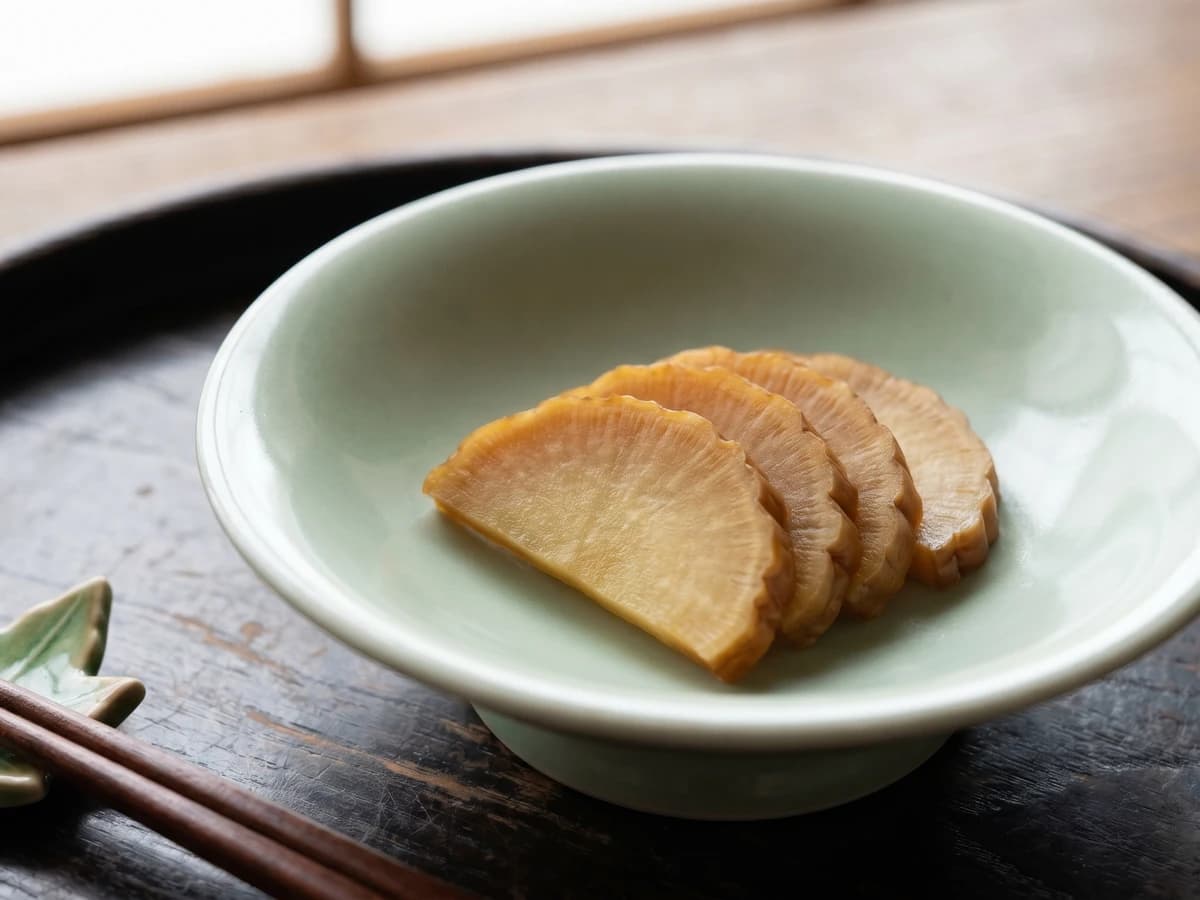
Snow-country takuan begins with smoke. Hang the daikon, dry it gently, then let rice bran, salt, and time turn it into Akita's amber pickle.

Chef Takumi
Aso takanazuke is spring caught in salt: sharp mustard greens pressed until they soften, fermented until their edge turns round, then fried briefly with sesame for rice.