
Chef Takumi
Ago Dashi (あごだし, grilled flying fish stock)
Ago dashi is quiet luxury: roasted flying fish, konbu, and patient water. Steep it slowly and you get a clear stock that tastes sweet, clean, and full without heaviness.
A cooking platform built around craft, culture, and the stories behind what we eat.
Created by
White uri melon, salt, sake lees, and time. Narazuke looks like a pickle for specialists, but the first secret is simple: remove water before you ask flavor to enter.
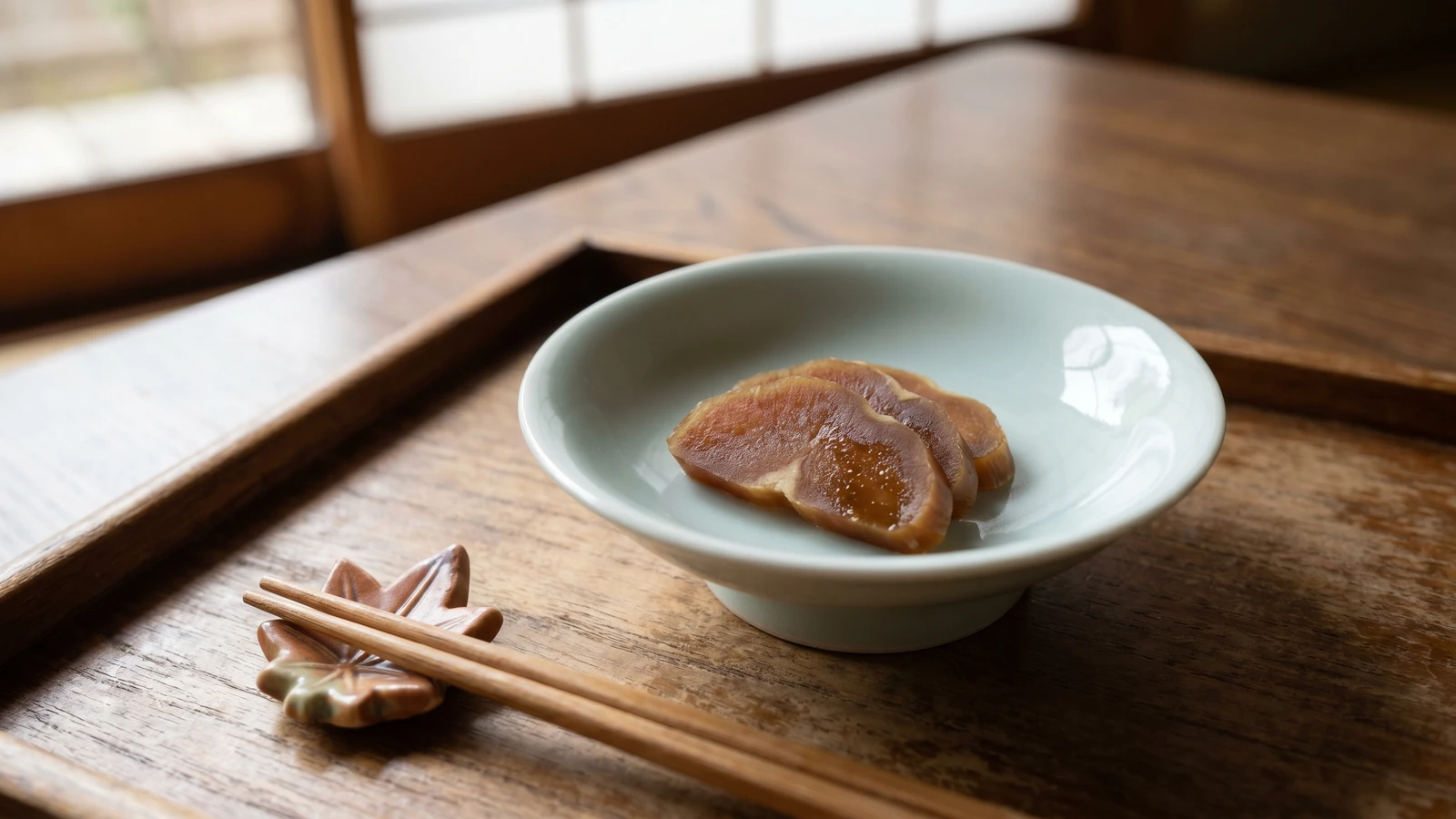
Narazuke asks for patience before it asks for skill. That is why people fear it a little. A white uri melon goes into salt pale and crisp, then spends months buried in sake lees until the flesh turns amber and the smell deepens into rice, yeast, alcohol, and something almost smoky. Nothing is quick here. Nothing is difficult either.
The one thing that decides it is water. Salt the uri first, press it, and dry the surface before it meets the sake kasu, the lees left from brewing sake. If you skip that first cure, the melon leaks into the lees, the bed turns loose, and the flavor never settles properly. Remove water first, then let the kasu give back aroma, sweetness, and depth. That is the method, not the mystery.
We eat Narazuke in small slices, often beside plain rice or with tea, because its strength is part of its manners. This is tsukemono, pickled food, but it behaves more like a seasoning than a side dish. Serve too much and it bullies the bowl. Serve three thin slices and suddenly the rice tastes sweeter, the meal more awake. Leave it room.
Nara has been associated with sake-lees pickling since the Nara period, when wooden tablets from the eighth-century capital record vegetables preserved in sake lees. The name Narazuke became strongly tied to the old capital in later centuries, especially as travelers and temple visitors carried the dark, fragrant pickles home as a regional specialty. Traditional makers often move the vegetables through several beds of sake lees over many months, sometimes longer, which explains the deep amber color and pronounced aroma.
Quantity
1.5kg
halved lengthwise and seeded
Quantity
180g
Quantity
1.2kg
Quantity
200g
Quantity
120ml
Quantity
2 tablespoons
only if needed to loosen the lees
| Ingredient | Quantity |
|---|---|
| shiro uri (white pickling melon)halved lengthwise and seeded | 1.5kg |
| sea salt | 180g |
| sake kasu (sake lees) | 1.2kg |
| sugar | 200g |
| mirin | 120ml |
| sake (optional)only if needed to loosen the lees | 2 tablespoons |
Scrape the seeds from the halved uri and rub the cut surfaces and hollows with the salt. Pack them cut-side up in a clean crock or food-safe container, scatter any remaining salt over them, and weight them lightly. The salt pulls water from the melon, firms the flesh, and makes room for the sake lees to enter later.
Leave the uri under the weight for 24 hours at cool room temperature, then drain off the brine. The pieces should look slightly collapsed but still crisp when you press them. If they feel soft or smell sour in the wrong way, start again. Narazuke is unhurried, but it isn't careless.
Wipe the uri dry and set the pieces on a rack for 2 to 3 hours, away from direct sun. You want the surface dry to the touch, not leathery. Excess water thins the kasu bed and weakens the preserving power, so this small pause does real work.
Knead the sake kasu with the sugar and mirin until it becomes a soft, even paste. Add a spoonful or two of sake only if it is too stiff to spread. The lees should smell deep and clean, like rice, yeast, and alcohol, not musty. This bed is the seasoning and the preservative at once.
Spread a layer of seasoned kasu in the bottom of the crock, nestle in the uri without letting pieces touch, and cover every surface with more kasu. No bare spots. The lees must meet the melon on all sides, because uneven contact gives uneven color, uneven flavor, and occasionally trouble.
Cover and keep the crock in a cool, dark place for at least one month, and preferably three to six months. Check once after the first week to make sure the pieces remain fully covered. The flesh will slowly turn amber and the sharp salt will round into the perfume of sake lees. Time is doing the cooking here, quietly and without applause.
For deeper Narazuke, lift the uri out after one to three months, wipe off the old kasu, and bury it again in a fresh batch of seasoned sake lees. The first bed takes up water and harsh salt from the melon; the second gives cleaner aroma and better color. This is the one detail that decides whether the pickle tastes flat or truly settled.
To serve, wipe off the kasu, rinse only if the flavor is too strong, pat dry, and cut into thin slices across the grain. Serve three or five slices beside plain rice, with plenty of empty space in the dish. Narazuke is powerful. It perfumes the meal best when it is not asked to shout.
1 serving (about 50g)
Culinary guides, cultural storytelling, and the editorial depth that makes cooking meaningful.
Discover Culinary ExplorerChef Takumi
Ago dashi is quiet luxury: roasted flying fish, konbu, and patient water. Steep it slowly and you get a clear stock that tastes sweet, clean, and full without heaviness.
Chef Takumi
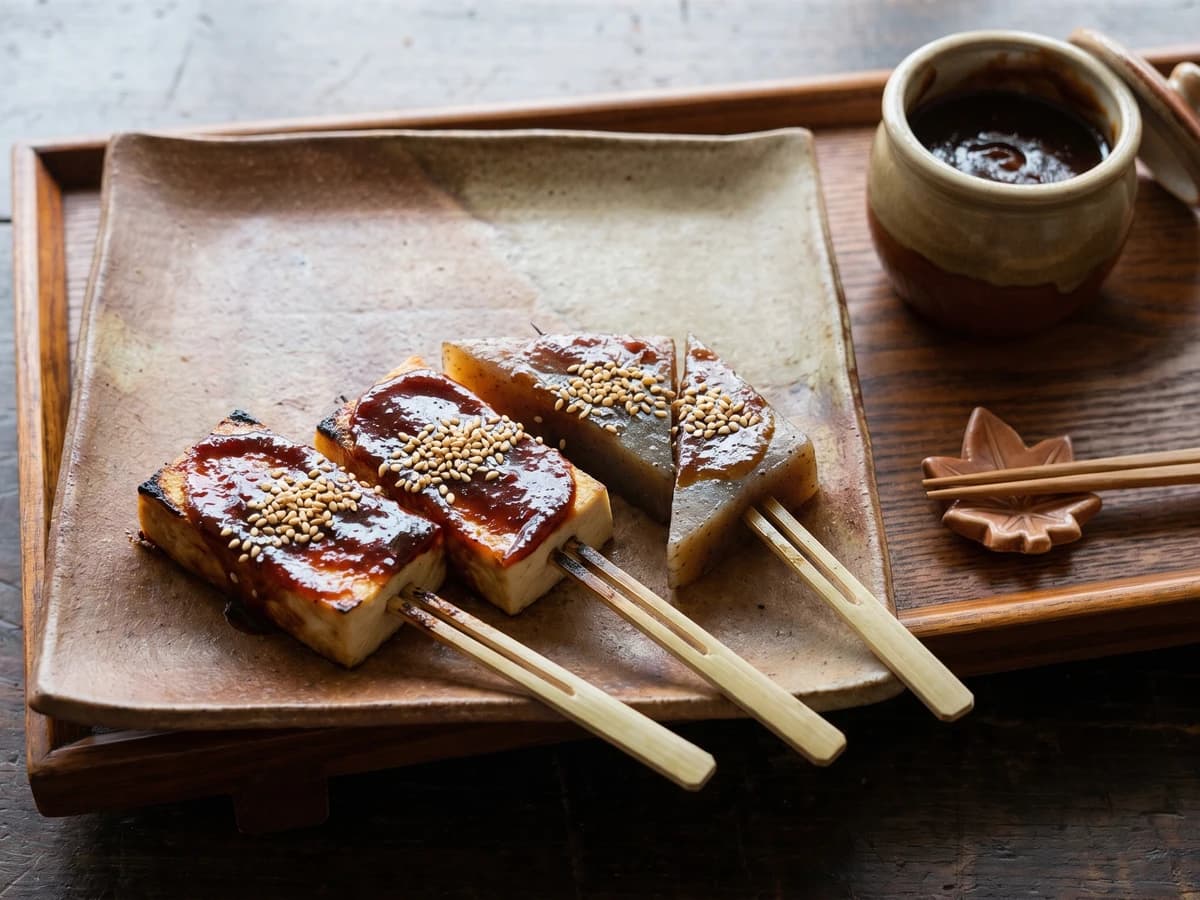
Akamiso dengaku-miso is plain work: bean miso, sweetness, sake, and patient stirring until the glaze turns dark, glossy, and thick enough to cling to the grill.
Chef Takumi
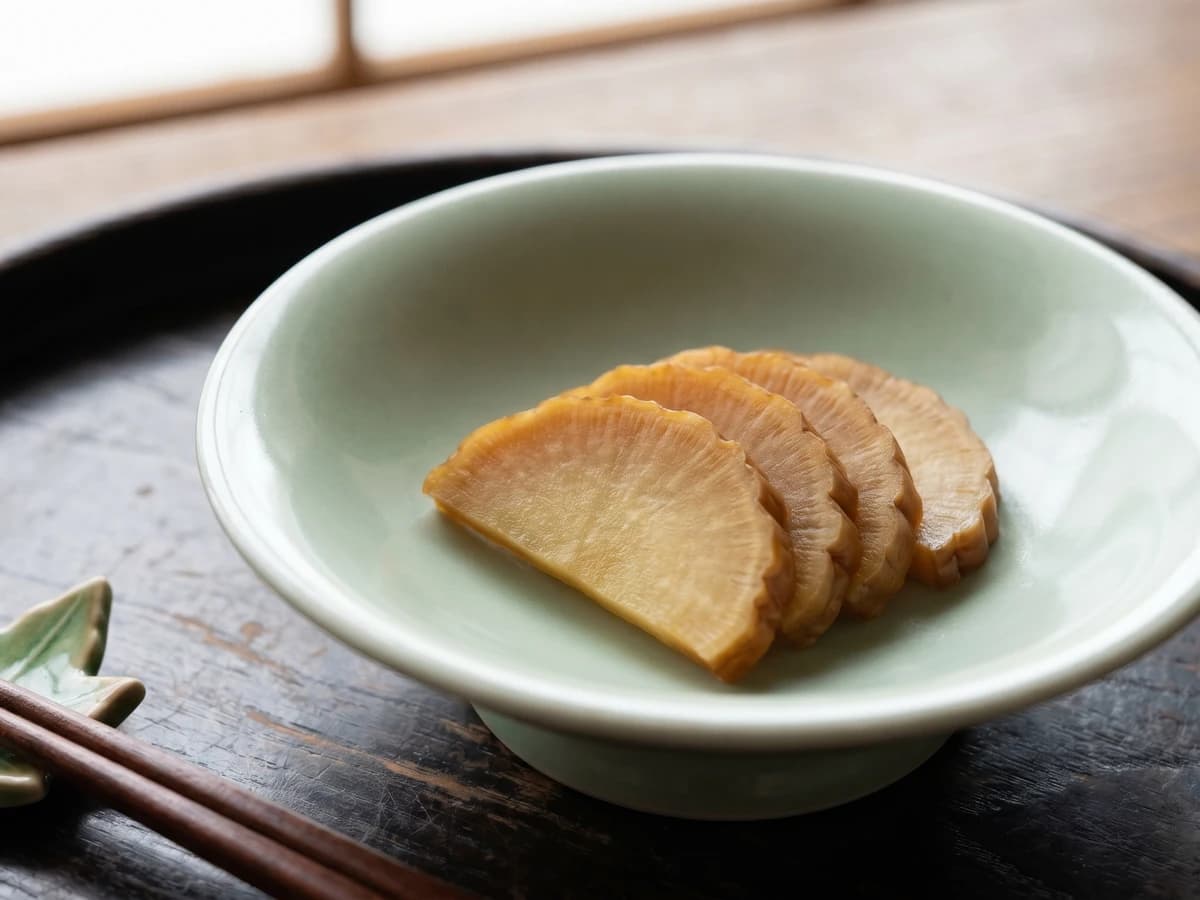
Snow-country takuan begins with smoke. Hang the daikon, dry it gently, then let rice bran, salt, and time turn it into Akita's amber pickle.

Chef Takumi
Aso takanazuke is spring caught in salt: sharp mustard greens pressed until they soften, fermented until their edge turns round, then fried briefly with sesame for rice.