
Chef Takumi
Ago Dashi (あごだし, grilled flying fish stock)
Ago dashi is quiet luxury: roasted flying fish, konbu, and patient water. Steep it slowly and you get a clear stock that tastes sweet, clean, and full without heaviness.
A cooking platform built around craft, culture, and the stories behind what we eat.

Created by
Whole Nozawana greens, salt, a little konbu, and patient pressure. The mountain winter does the clever part, drawing a clean brine and turning tall leaves into rice's quiet companion.
Nozawana is a winter green with height in its bones. It grows tall in Nagano, takes the cold, and becomes best after the season has put a little firmness into it. This pickle asks for that moment. If the greens are limp, yellow, or tired, don't salt them into obedience. Cook them and wait for better ones.
The method is almost austere: greens, salt, weight, cold. That is why people mistrust it. Surely something with a regional name and a wooden tub must be more complicated. It isn't. The first secret is that the brine must come from the greens themselves, pulled out by salt and pressure, then kept covering every leaf. That brine is the small world where the pickle becomes itself.
This is shiozuke, salt pickling, and there is no vinegar to do the work for you. Konbu lends a quiet sea note, chile keeps the finish clean, and the cold slows everything down so the stems stay crisp instead of collapsing into sourness. The calendar matters less than the smell and the bite: green, salty, faintly lactic, with a stem that snaps under the tooth.
On a Shinshū table, Nozawana-zuke sits beside rice as if it has always been there, and in winter it nearly has. Chop it small for ochazuke, fold it into onigiri, or set three little lengths in a kobachi and leave the dish some room. The pickle is plain. That is its dignity.
Nozawana is associated with Nozawa Onsen in northern Nagano, where local tradition dates its beginning to 1756, when the eighth priest of Kenmei-ji is said to have returned from western Japan with seed of the Tennōji turnip. In the cold Shinshū climate, the plant came to be valued for its long leaves and stems more than its root, and salting it whole in wooden tubs made a winter food that could keep through snow months. Nozawana-zuke became one of Nagano's defining tsukemono, eaten with rice, used in onigiri, and chopped into fillings for oyaki.
Quantity
2kg
roots trimmed, stems and leaves kept whole
Quantity
80g, or 4% of the trimmed greens' weight
Quantity
10g
wiped and cut into thin strips
Quantity
2
seeds removed and sliced into rings
Quantity
1 strip
Quantity
500ml filtered water plus 20g sea salt
used only if the greens are not covered after 24 hours
| Ingredient | Quantity |
|---|---|
| fresh Nozawana greensroots trimmed, stems and leaves kept whole | 2kg |
| coarse sea salt | 80g, or 4% of the trimmed greens' weight |
| konbuwiped and cut into thin strips | 10g |
| dried red chiles (takanotsume)seeds removed and sliced into rings | 2 |
| dried persimmon peel (optional) | 1 strip |
| 4% top-up brine (optional)used only if the greens are not covered after 24 hours | 500ml filtered water plus 20g sea salt |
Choose Nozawana in late autumn or winter, with tall firm stems, clean green leaves, and no yellowing. Trim off roots and bruised leaves, then weigh the usable greens. The salt is not a guess: use 4% of that weight. Enough salt draws a clean brine and keeps the greens crisp while the slow fermentation begins.
Wash the Nozawana in a large basin of cold water, paying attention to the thick stem bases where grit hides. Change the water until the basin is clean, then drain the greens well and lay them on towels or hang them over a rack for an hour. Surface water thins the brine you just measured so carefully, and grit has no honorable place in tsukemono.
Let the greens wilt in a cool shaded place for 3 to 6 hours, until the stems bend without snapping. Take a handful of the measured salt and rub it into the thick stem ends. This is where the plant is slowest to season, so we help the salt enter there first. The wilt is not decoration; it lets the tall greens fold into the tub without breaking.
Scatter a little of the remaining salt in the bottom of a clean pickling tub or crock. Lay the Nozawana in bundles, stem ends alternating left and right, sprinkling salt, konbu strips, chile rings, and the optional dried persimmon peel between layers. Put a little more salt on the stems than the leaves. A level stack takes pressure evenly, and even pressure makes an even brine.
Set an oshi-buta, a pressing lid, directly on the greens, or use a clean plate that fits inside the vessel. Add 4 to 6kg of weight, cover the vessel, and leave it in a cool place. Within 12 to 24 hours the salt and pressure should pull enough liquid from the greens to cover them. If the brine has not risen over the greens after 24 hours, add only the 4% top-up brine, never plain water. Plain water weakens the salt and invites trouble.
Once the greens are covered, reduce the weight to 1 to 2kg, just enough to keep everything under the brine. Move the vessel to a refrigerator or a very cold room, ideally 2 to 8 C. Too much weight after the brine rises crushes the stems. Too little lets leaves meet air, and air is where mold begins.
Check the pickle every 2 or 3 days with clean hands or clean tongs. Press the greens back below the brine and skim away any stray foam. The smell should be green, salty, and faintly sour; the leaves deepen toward olive while the stems stay pale and crisp. If the brine smells rotten, feels slimy, or mold grows on the submerged greens, discard it. Nothing good is rescued by pretending.
Taste after 7 days for a bright asazuke, a light pickle, or wait 14 to 21 days for a deeper Nozawana-zuke. Lift out only what you need, squeeze it lightly, and rinse only if it is too salty. Cut across the stems and leaves into 3 to 4cm lengths so each bite has both crunch and leaf. Serve in a small dish with rice, ochazuke, or tea, and return the rest under its brine at once.
1 serving (about 110g)
Culinary guides, cultural storytelling, and the editorial depth that makes cooking meaningful.
Discover Culinary ExplorerChef Takumi
Ago dashi is quiet luxury: roasted flying fish, konbu, and patient water. Steep it slowly and you get a clear stock that tastes sweet, clean, and full without heaviness.
Chef Takumi
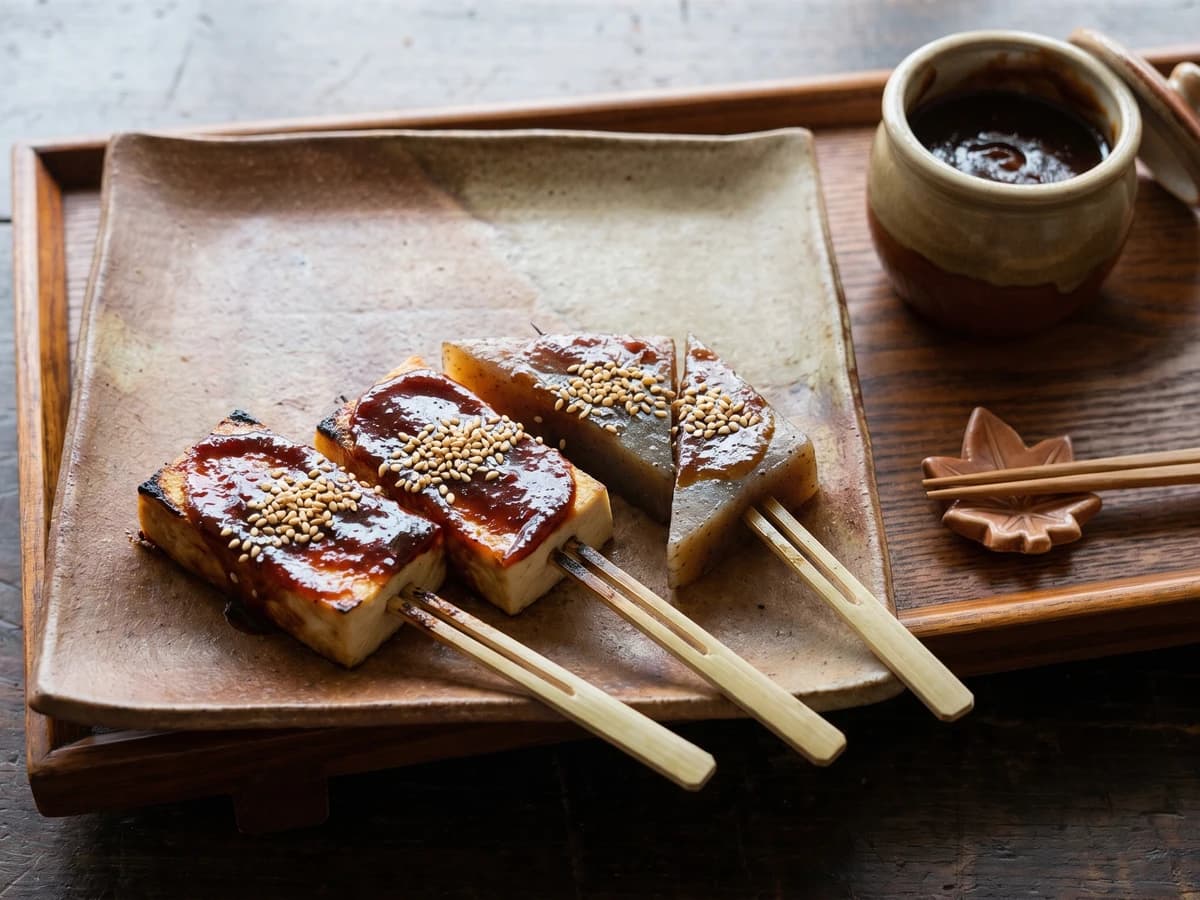
Akamiso dengaku-miso is plain work: bean miso, sweetness, sake, and patient stirring until the glaze turns dark, glossy, and thick enough to cling to the grill.
Chef Takumi
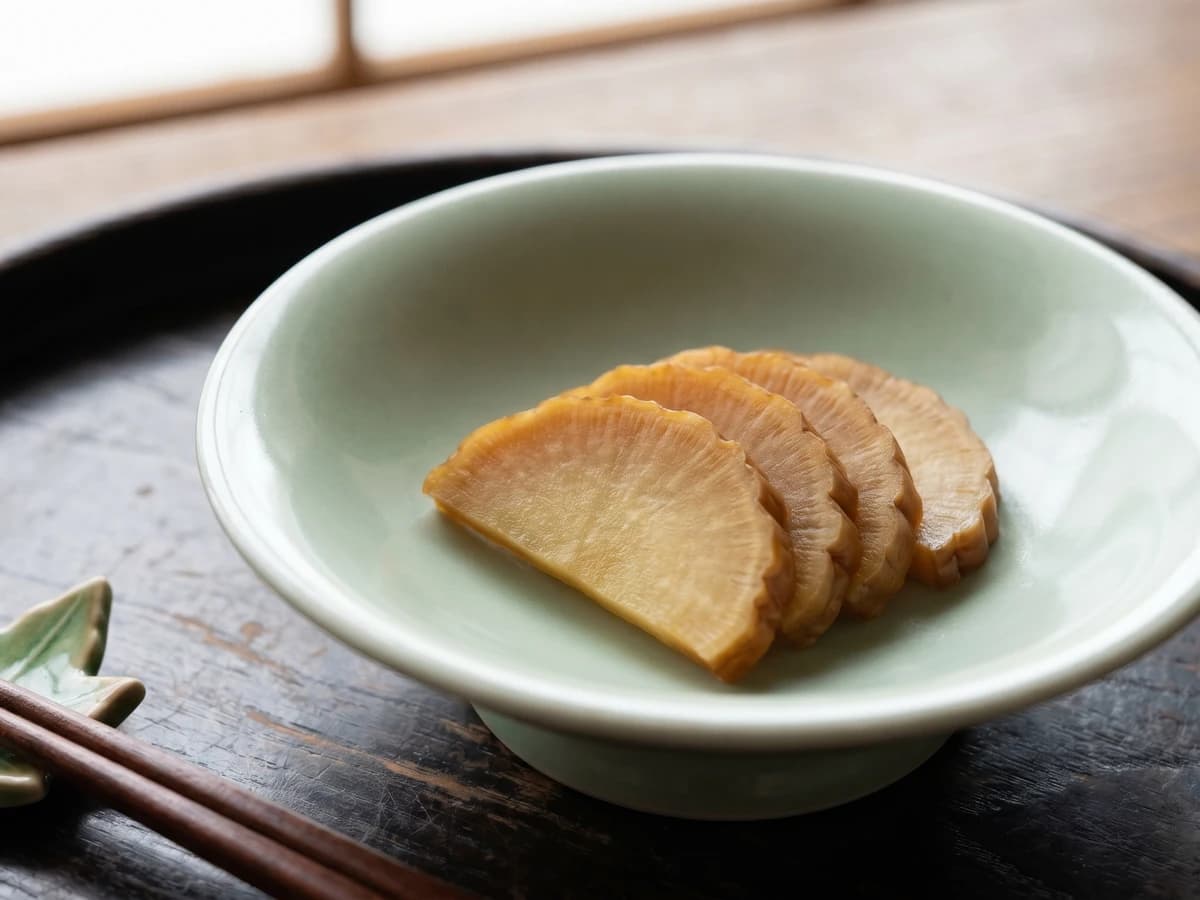
Snow-country takuan begins with smoke. Hang the daikon, dry it gently, then let rice bran, salt, and time turn it into Akita's amber pickle.

Chef Takumi
Aso takanazuke is spring caught in salt: sharp mustard greens pressed until they soften, fermented until their edge turns round, then fried briefly with sesame for rice.