
Chef Jeong-sun
Miyeokjulgi-bokkeum (미역줄기볶음, Stir-Fried Seaweed Stems)
Salted seaweed stems drawn back from the brine, cut short, and stir-fried until glossy and tender-chewy, the kind of quiet banchan that earns its place beside rice all week.
Recipe Archive
Side dishes should earn their place at the table. These recipes focus on contrast, seasoning, and supporting flavors that make the whole meal better.
1006 recipes
A cooking platform built around craft, culture, and the stories behind what we eat.
Chef Jeong-sun
Salted seaweed stems drawn back from the brine, cut short, and stir-fried until glossy and tender-chewy, the kind of quiet banchan that earns its place beside rice all week.
Chef Lesia
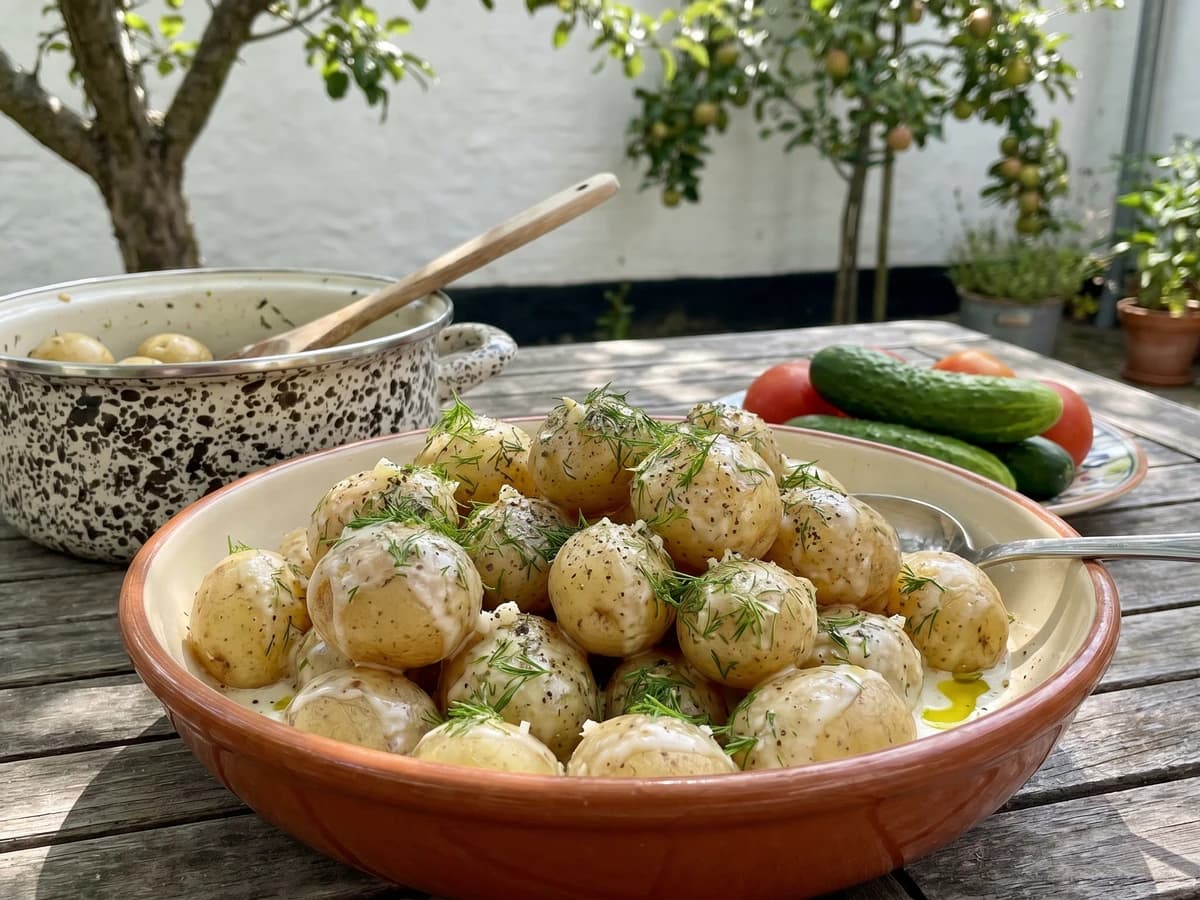
The first potatoes of summer need almost nothing: smetana warmed until glossy, garlic crushed with salt, and enough dill that the bowl looks like it wandered in from the garden.

Chef Juliana
You think a clay-pot moqueca belongs to someone else's kitchen. Wrong. Ripe plantain, tomato, onion, coentro, and urucum make the side that turns rice and fish into dinner.

Chef Lupita
Veracruz's jarocho rice and black beans, darkened with bean broth, epazote, achiote, and pork lard, then sharpened with the Afro-Cuban garlic-vinegar mojo that came through the port.
Chef Lupita
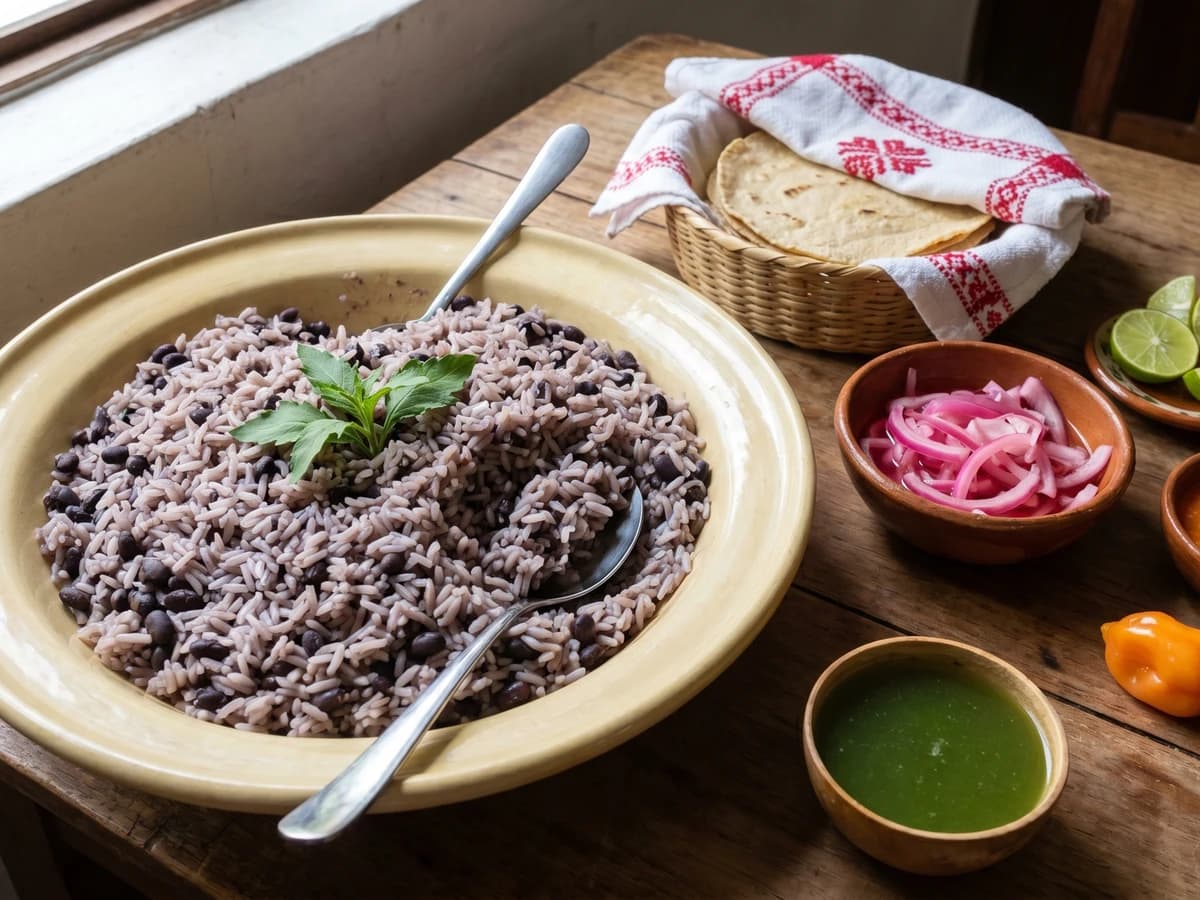
Yucatan's one-pot rice and black beans, built on lard, epazote, and a whole habanero, with the dark bean broth giving the grains their color and their backbone.
Chef Takumi
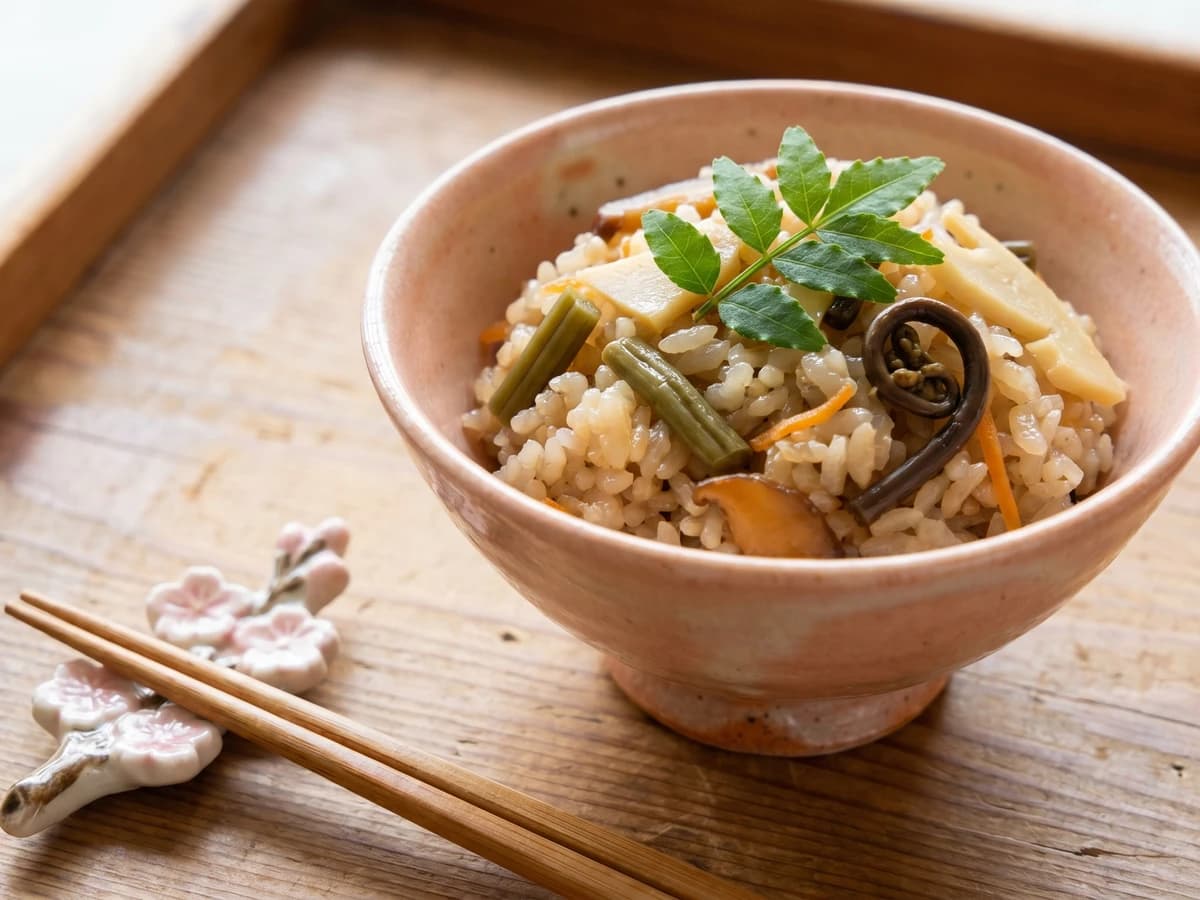
Spring mountain vegetables carry their own small bitterness. Steam them into soaked mochigome with clear dashi, and the rice turns glossy, chewy, and quietly fragrant without needing anything heavy.

Chef Jeong-sun
The quiet white radish banchan that turns sweet when cooked slowly, seasoned with restraint so the radish stays itself, tender, clear-edged, and ready for rice.

Chef Klaus
Münsterland puts the potato into one thick pan cake, not a stack of little fritters: crisp edges, soft centre, bacon fat doing honest work.

Chef Jeong-sun
Sun-dried radish strips brought back just enough to stay chewy, then worked by hand with gochujang, perilla oil, garlic, and sesame into the banchan that makes plain rice feel cared for.

Chef Takumi
Mushi-zushi is Kyoto's cold-weather comfort: vinegared rice warmed in a small bowl, anago and shiitake shining on top, and the vinegar softened by patient steaming.

Chef Thomas
Dried marrowfat peas soaked overnight and simmered slowly until they give up and fall apart, finished with butter and torn mint into something the chip shop only half remembers.

Chef Jeong-sun
Tiny dried anchovies, toasted until clean and crisp, then glossed off the heat with soy, rice syrup, sesame, and restraint: the make-ahead mitbanchan that keeps rice from ever feeling lonely.
Chef Jeong-sun
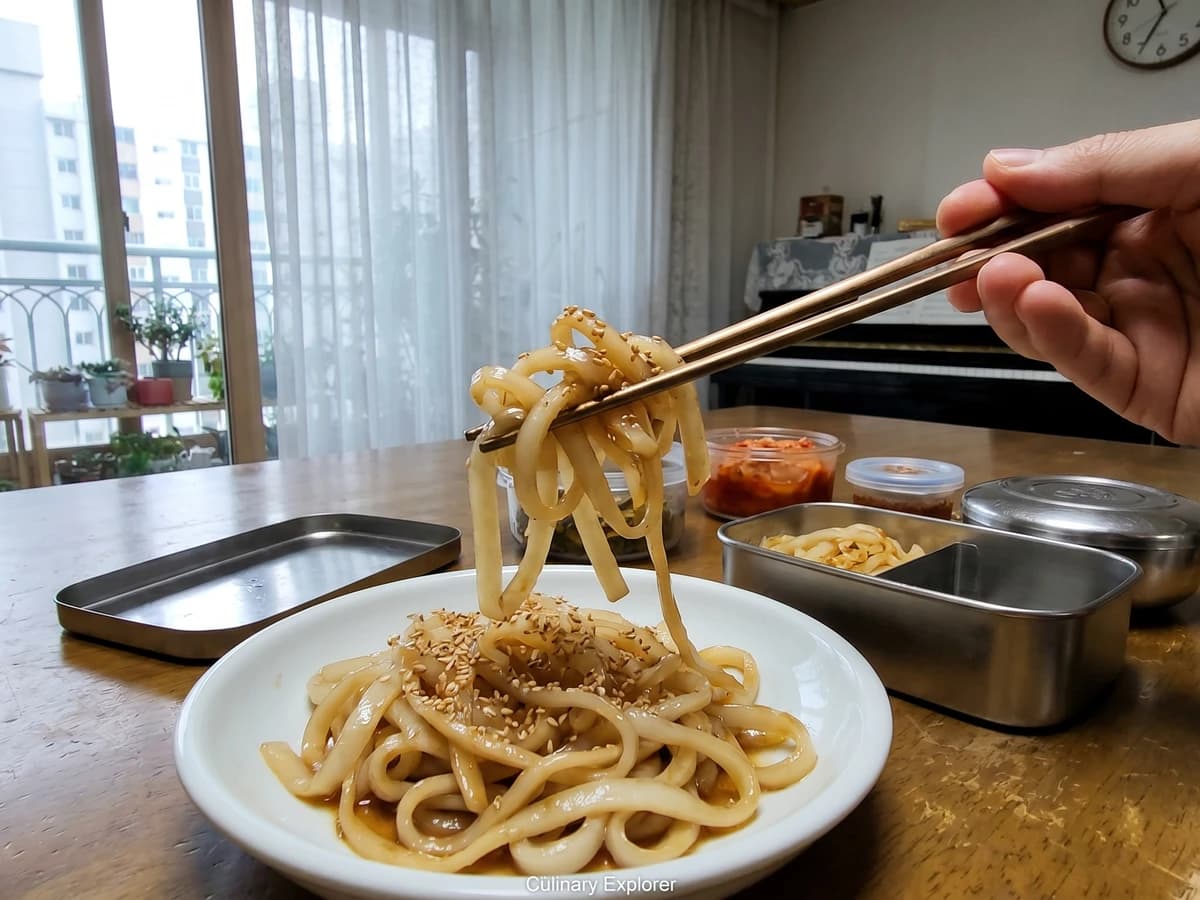
Pale dried pollack ribbons softened with mayonnaise, then turned quickly through a soy-rice syrup glaze so they stay tender, glossy, and useful beside rice for several days.

Chef Jeong-sun
The first wild green of spring, root and leaf blanched just long enough to soften, then dressed with doenjang and sesame so its field-earth bitterness still speaks.

Chef Dean
The legendary Monday supper of the Crescent City: velvety red kidney beans slow-simmered with smoky ham hock and spicy andouille, spooned over fluffy white rice and finished with bright green onions. This is the dish that fed generations of New Orleans families.

Chef Thomas
The first new potatoes of June, boiled in salted water until waxy and tender, then rolled in melting butter with torn mint. Three ingredients and no reason on earth to do anything more.

Chef Dean
A golden-topped casserole of tender egg noodles bound in sweet custard, studded with plump raisins, and crowned with a shattering cinnamon streusel that fills the kitchen with warmth.

Chef Lupita
Guanajuato's nopalitos a la mexicana, cooked in manteca with tomato, onion, xoconostle, serrano, and chilcuague from the Sierra Gorda for that sharp Bajio tingle.

Chef Lupita
Ciudad de México's southern nopal country gives you this comal side: whole cactus paddles blistered until tender, onions charred black at the edges, lime and salt doing honest work.

Chef Lupita
Whole cactus paddles charred on a hot comal until tender and smoky, sliced into ribbons, dressed with lime, raw white onion, and coarse salt. The everyday side from the central plateau.

Chef Lupita
Querétaro's Sierra Gorda Otomí side dish of thick nopal paddles charred on a dry comal, then covered with tart xoconostle, white onion, chile serrano, limón, and oregano de monte.

Chef Lupita
Jalisco's cookout cactus paddles, scored and charred on a hot comal, then dressed with lime, white onion, cilantro, and a rough salsa of Yahualica chile de arbol.

Chef Lupita
Northern Mexico's grilled cactus paddles, charred over mesquite until tender and chopped with white onion, lime, and crushed chiltepin. A Sonoran ranch side dish that has fed cowboys and families for generations.

Chef Lupita
Michoacán's Meseta P'urhépecha gives these nopales their character: clean cactus bite, dry-toasted guajillo and pasilla chilke rojo, epazote, and manteca de cerdo in a barro cazuela.
Culinary guides, cultural storytelling, and the editorial depth that makes cooking meaningful.
Discover Culinary Explorer