Chef Juliana
Abobrinha Refogada
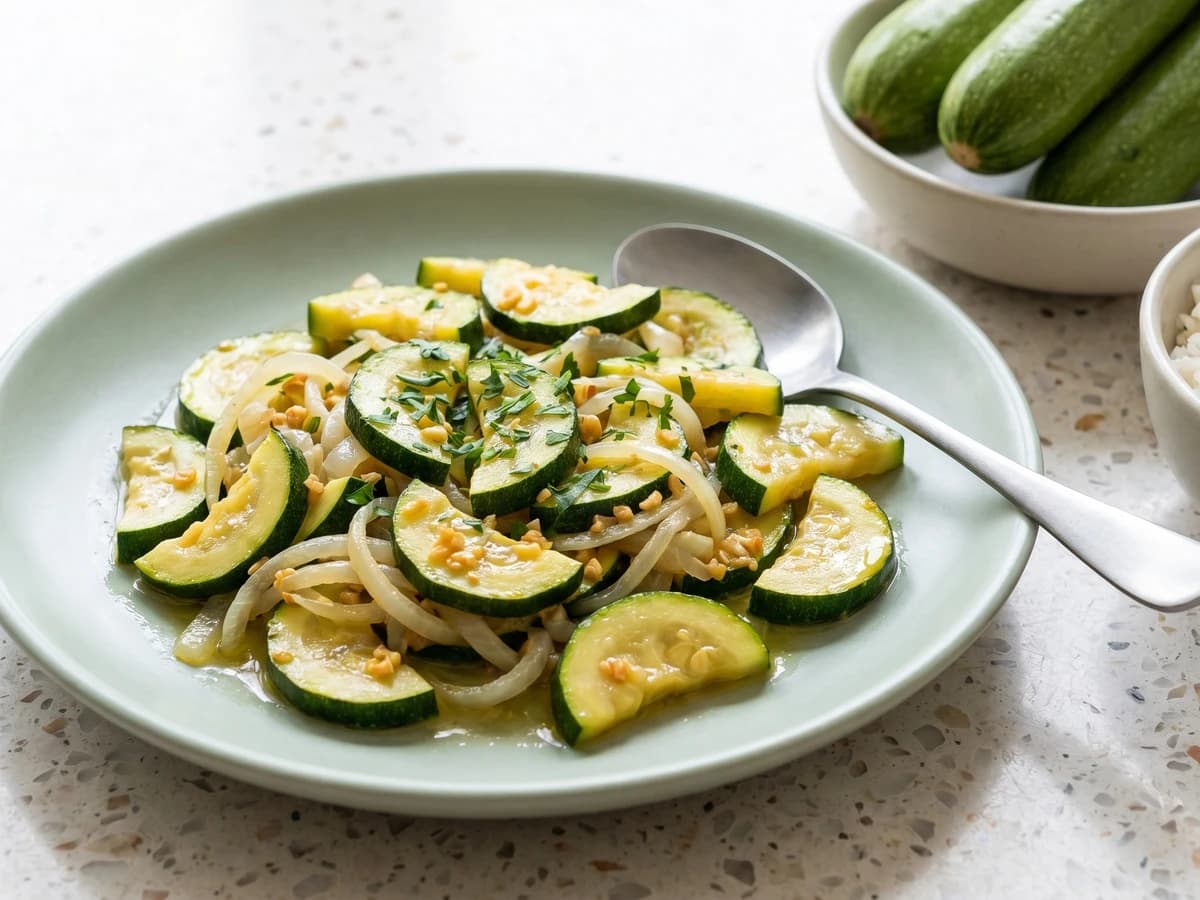
You think you'll turn zucchini into mush. Fine. Anota aí: high heat, wide pan, salt at the end, and suddenly this little green side starts solving dinner.
A cooking platform built around craft, culture, and the stories behind what we eat.
Created by
You don't need a Mineira grandmother standing behind you. You need cooked beans, an honest refogado, and farinha added slowly until the spoon tells you dinner is ready.
You know that quiet little sentence, isso não é pra mim, that shows up when a recipe says Minas, farinha, and ponto? I know it. The first time I tried to thicken beans, I made something closer to school paste than dinner. Anota aí: the problem wasn't my hand, and it isn't yours. The problem was nobody explaining what the spoon should show you.
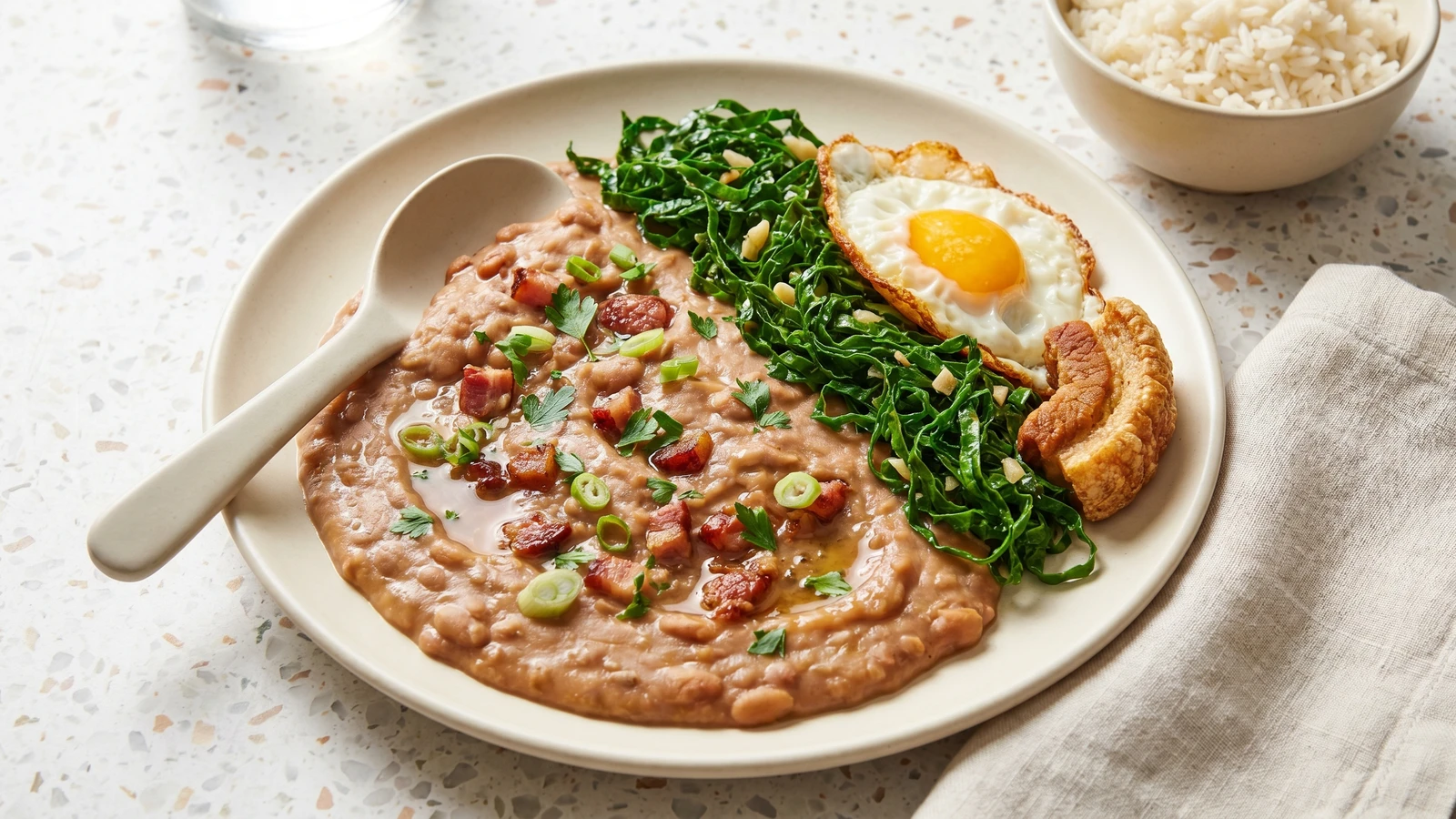
This is how a gente turns a pot of feijão into a side that solves the plate. Tutu sits right in the pê-efe family: rice, beans with body, an egg or a piece of pork if that's your table, and couve cut fine and shiny in the pan. It stretches food without making it feel stretched. That's comida de verdade: cheap, sturdy, Brazilian, and not powdered imitation dressed up as a shortcut.
The method is learnable because it has checkpoints. Soak the beans so they cook evenly and sit easier. Build an honest refogado until the onion murcha and the garlic smells alive, then mash a ladle of beans into it so the caldo turns creamy instead of watery. Blend the rest, bring it back to the pan, and rain in the farinha slowly. When it pulls back from the spoon in a soft, glossy mound, you've got the ponto.
Cozinhar não é dom, é um aprendizado. If you have beans from the freezer, use them and you'll eat tonight in half an hour. If you only have canned beans, choose the plain kind and know the cost: less caldo, less depth, more correcting at the stove. We can be practical. We don't have to be fooled.
Tutu de feijão is strongly associated with Minas Gerais, especially the food of inland kitchens and tropeiro routes, where beans, pork fat, and cassava flour made a filling plate that could travel and feed workers. The word tutu is commonly linked to Central African languages used in Brazil, with the sense of a thick mash or pap, which fits the texture better than any pretty legend. Minas and São Paulo still share a friendly border argument here: tutu à mineira is usually smoother and spoonable, while virado à paulista keeps more whole beans and a drier crumble.
Quantity
1 1/2 cups
rinsed and soaked overnight
Quantity
6 cups, plus hot water as needed
Quantity
2
Quantity
4 ounces
cut into small cubes
Quantity
6 ounces
cut into half-moons
Quantity
1 to 3 tablespoons
as needed for the refogado
Quantity
1 medium
finely chopped
Quantity
4 cloves
minced
Quantity
1 teaspoon, plus more to taste
Quantity
1/2 teaspoon
Quantity
1/2 to 3/4 cup
preferably fine or medium
Quantity
1/4 cup
chopped or sliced
Quantity
as needed
Quantity
as needed
Quantity
as needed
Quantity
as needed
| Ingredient | Quantity |
|---|---|
| dried carioca beansrinsed and soaked overnight | 1 1/2 cups |
| water | 6 cups, plus hot water as needed |
| bay leaves | 2 |
| bacon (optional)cut into small cubes | 4 ounces |
| calabresa sausage or linguiça (optional)cut into half-moons | 6 ounces |
| oil or lardas needed for the refogado | 1 to 3 tablespoons |
| onionfinely chopped | 1 medium |
| garlicminced | 4 cloves |
| salt | 1 teaspoon, plus more to taste |
| freshly ground black pepper | 1/2 teaspoon |
| toasted cassava flour (farinha de mandioca torrada)preferably fine or medium | 1/2 to 3/4 cup |
| parsley or scallionschopped or sliced | 1/4 cup |
| cooked white rice (optional) | as needed |
| sautéed couve (optional) | as needed |
| fried eggs (optional) | as needed |
| torresmo (optional) | as needed |
Pick over the beans, rinse them, and cover with plenty of cold water. Let them soak 8 to 12 hours, then drain and rinse before cooking. The soaking water already did its job: it helped the beans hydrate evenly so the centers and skins cook at the same pace, and it helps the pot sit easier later. Throw it out and start clean.
Put the drained beans in a heavy 4-liter pot with 6 cups fresh water and the bay leaves. Bring to a boil, then lower to a calm simmer with the lid partly on. Cook until a bean crushes easily against the roof of your mouth, 1 to 1 1/2 hours, adding hot water if the beans peek above the liquid. Salt goes in only after they're tender, because tough skins are a boring argument to have with dinner. You need about 4 cups cooked beans and 2 cups caldo.
Set a wide heavy skillet or 3-liter sauté pan over medium heat. Add the bacon and cook until the fat melts and the cubes are golden at the edges, 6 to 8 minutes. Add the sausage in one layer and dourar until browned on both sides, 3 to 4 minutes. If the pan is crowded, brown in two rounds; crowded meat releases water, drops the heat, and gives you grey, tired pieces instead of flavor. Scoop out a third for topping, if you like. If you're skipping pork, warm 3 tablespoons oil or lard and go straight to the onion.
Keep about 3 tablespoons fat in the pan, adding oil if the pan looks dry or spooning some off if it looks greasy. Add the onion with a pinch of the salt and cook, stirring now and then, until soft, shiny, and see-through, 5 to 7 minutes. Add the garlic and stir for 1 minute, just until you smell it. Burnt garlic is bitter and unforgiving, and it'll follow you through the whole pan. Add one ladle of cooked beans with caldo and mash it hard into the refogado; this glues the bean starch to the fat and aromatics, making a creamy base without any packet pretending to help.
Blend the remaining cooked beans with 1 1/2 cups of caldo until thick and mostly smooth, leaving a little texture if you like. Use short pulses and hold the lid firmly. It should pour like thick soup, not sit like cement; if it is too thick, add caldo by the 1/4 cup. The farinha still has to drink, so don't start dry.
Pour the blended beans into the refogado and stir in the salt and black pepper. Simmer for 5 minutes, stirring often, until glossy and bubbling thickly. Lower the heat and sprinkle in 1/2 cup farinha little by little with one hand while stirring with the other. Wait 1 minute before deciding to add more, because farinha keeps thickening after it hits the pan. Stop when the tutu pulls back from the spoon and a line dragged across the pan closes slowly. It should mound softly and still shine. Too little farinha and it runs; too much and you've built a wall. If it gets too stiff, loosen it with hot caldo or water.
Stir most of the browned bacon and sausage back into the tutu, saving a little for the top if you held some aside. Taste and correct the salt, then fold in the parsley or scallions. Spoon it into a warm serving dish and finish with the reserved browned pieces. Serve with arroz soltinho, couve, fried eggs, and torresmo. That's the everyday plate doing its work: beans, rice, something from the skillet, something green, and nobody hungry.
1 serving (about 220g)
Culinary guides, cultural storytelling, and the editorial depth that makes cooking meaningful.
Discover Culinary ExplorerChef Juliana
You think you'll turn zucchini into mush. Fine. Anota aí: high heat, wide pan, salt at the end, and suddenly this little green side starts solving dinner.

Chef Juliana
You think this is sacred enough to be impossible. It isn't. Acaçá is patience, stirring, and ponto, taught plainly, with respect for the terreiros that carry it.
Chef Juliana
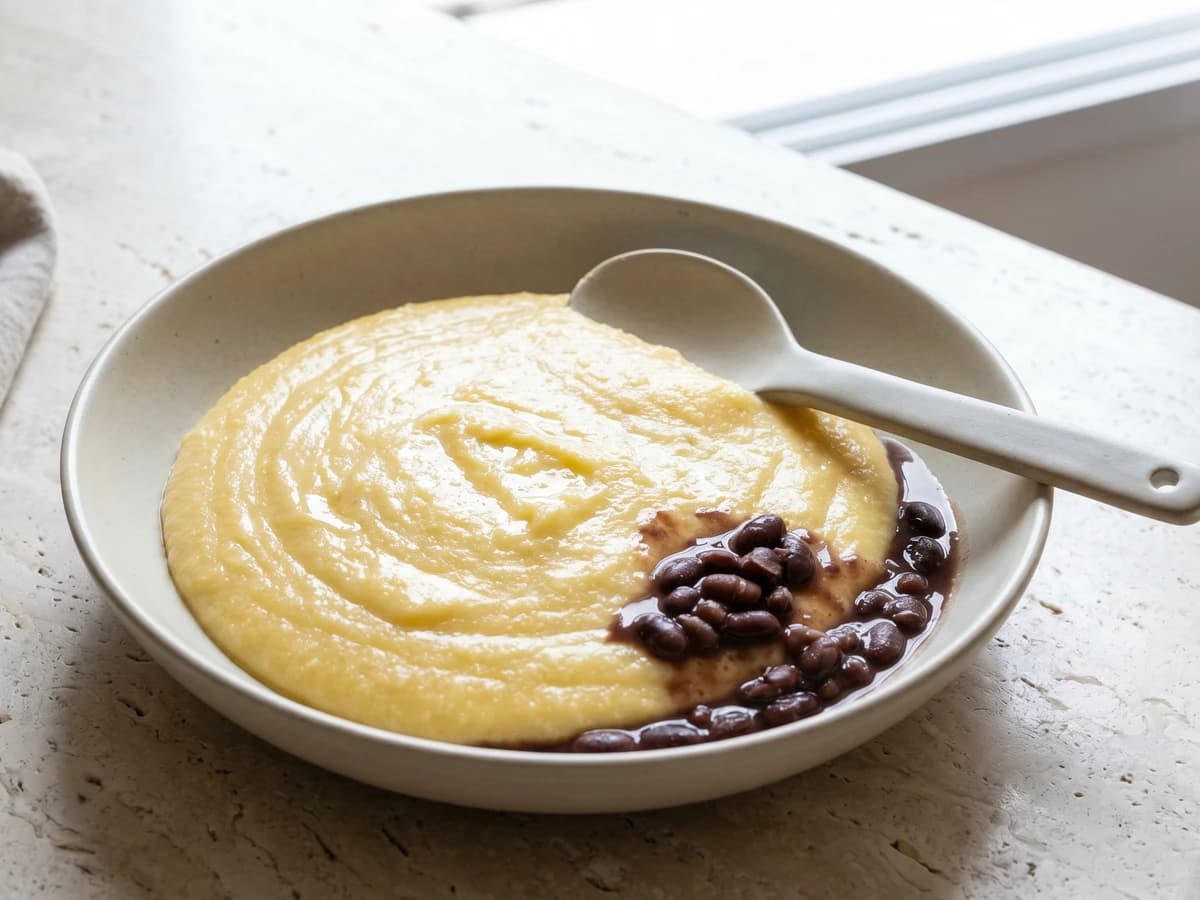
You think cornmeal will turn into lumps and shame. It won't. Cold water first, patient stirring, and a real garlic base give you angu that solves dinner.
Chef Juliana
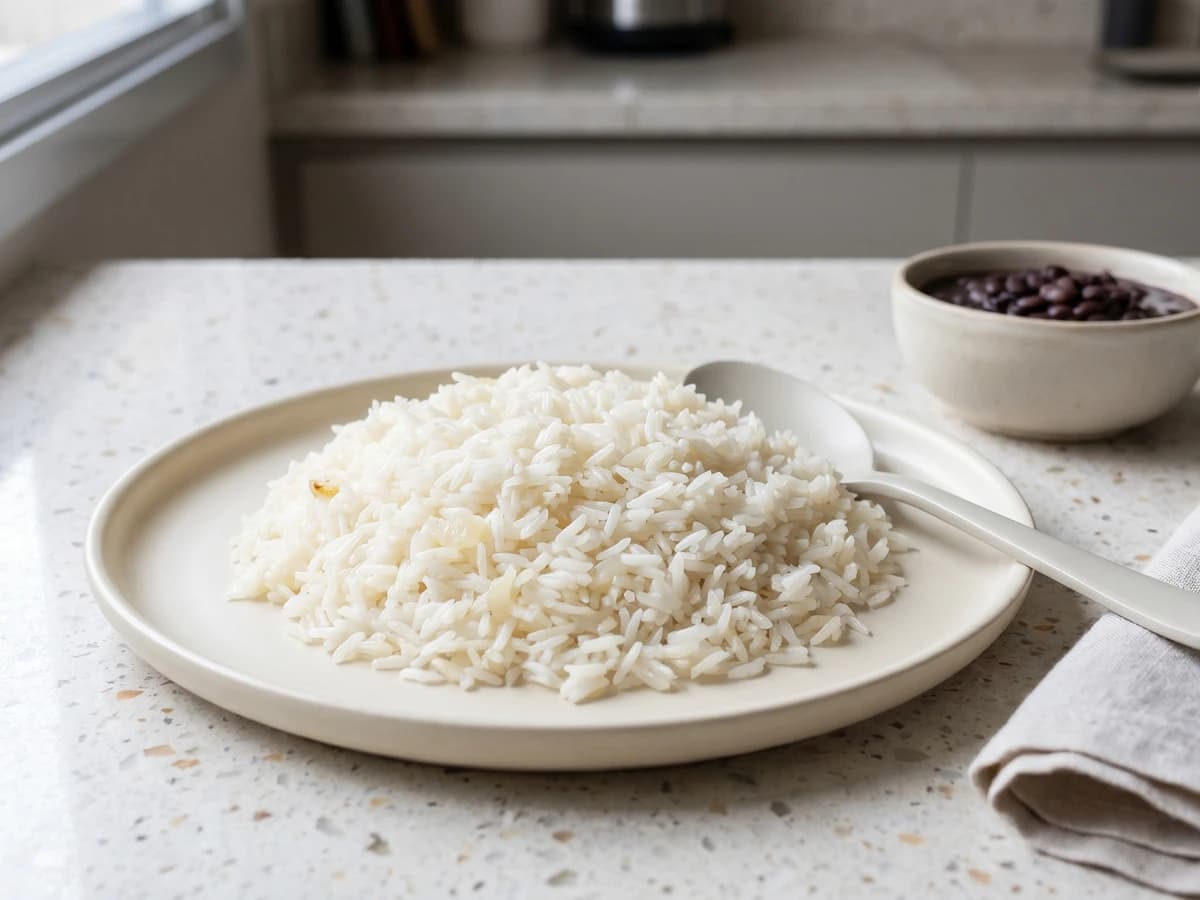
Everyone swears they can't make good rice. They're wrong. Refogue onion and garlic, use two parts water to one rice, then close the lid and leave the poor thing alone.