
Chef Klaus
Teichelmauke
The Oberlausitz plate built like a little pond: floury mashed potatoes holding beef broth, sliced boiled beef, and sharp sauerkraut in one honest spoonful.

Recipe Archive
Side dishes should earn their place at the table. These recipes focus on contrast, seasoning, and supporting flavors that make the whole meal better.
1006 recipes
A cooking platform built around craft, culture, and the stories behind what we eat.
Chef Klaus
The Oberlausitz plate built like a little pond: floury mashed potatoes holding beef broth, sliced boiled beef, and sharp sauerkraut in one honest spoonful.
Chef Joost
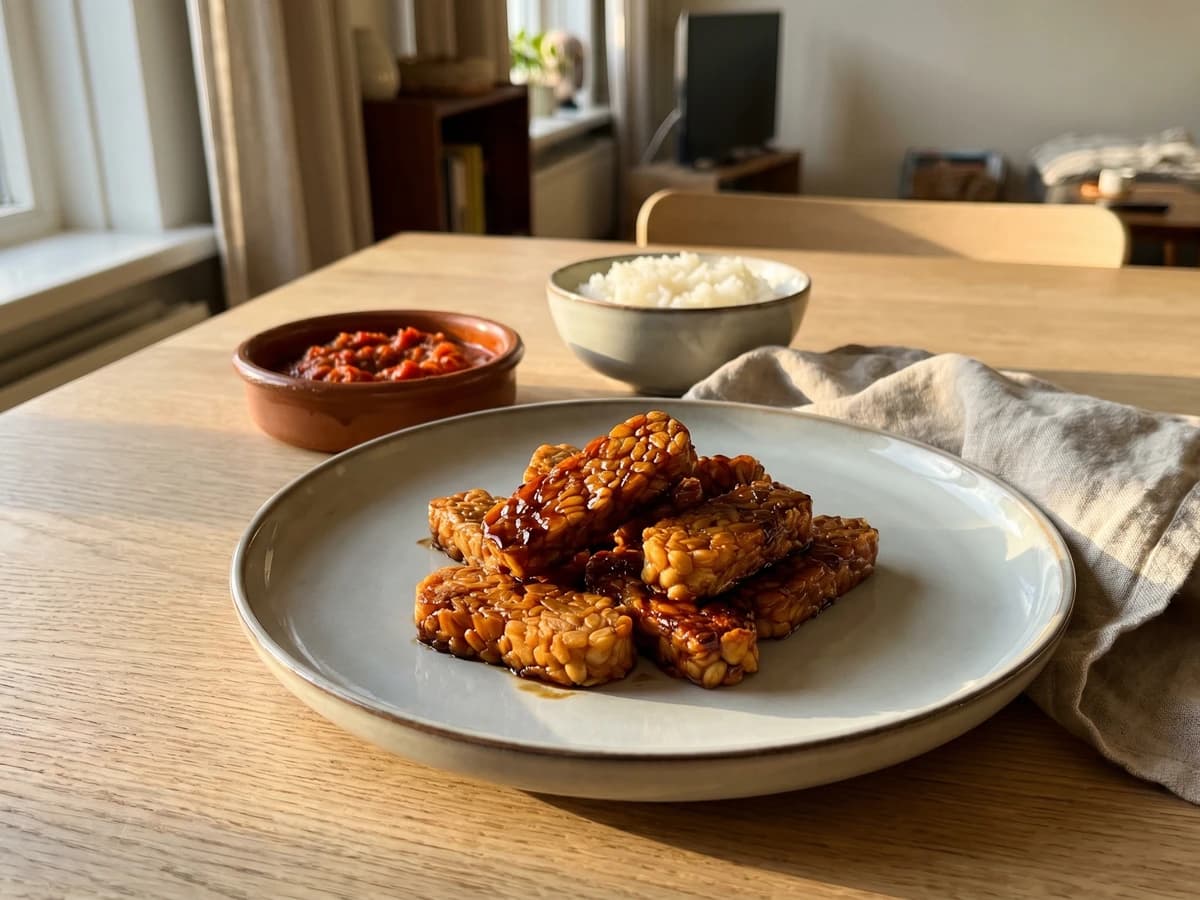
A Javanese soybean cake, a Dutch colonial table, and one honest pan of hot oil: tempeh goreng proves the Indo-Dutch side dish can be both spare and generous.
Chef Takumi
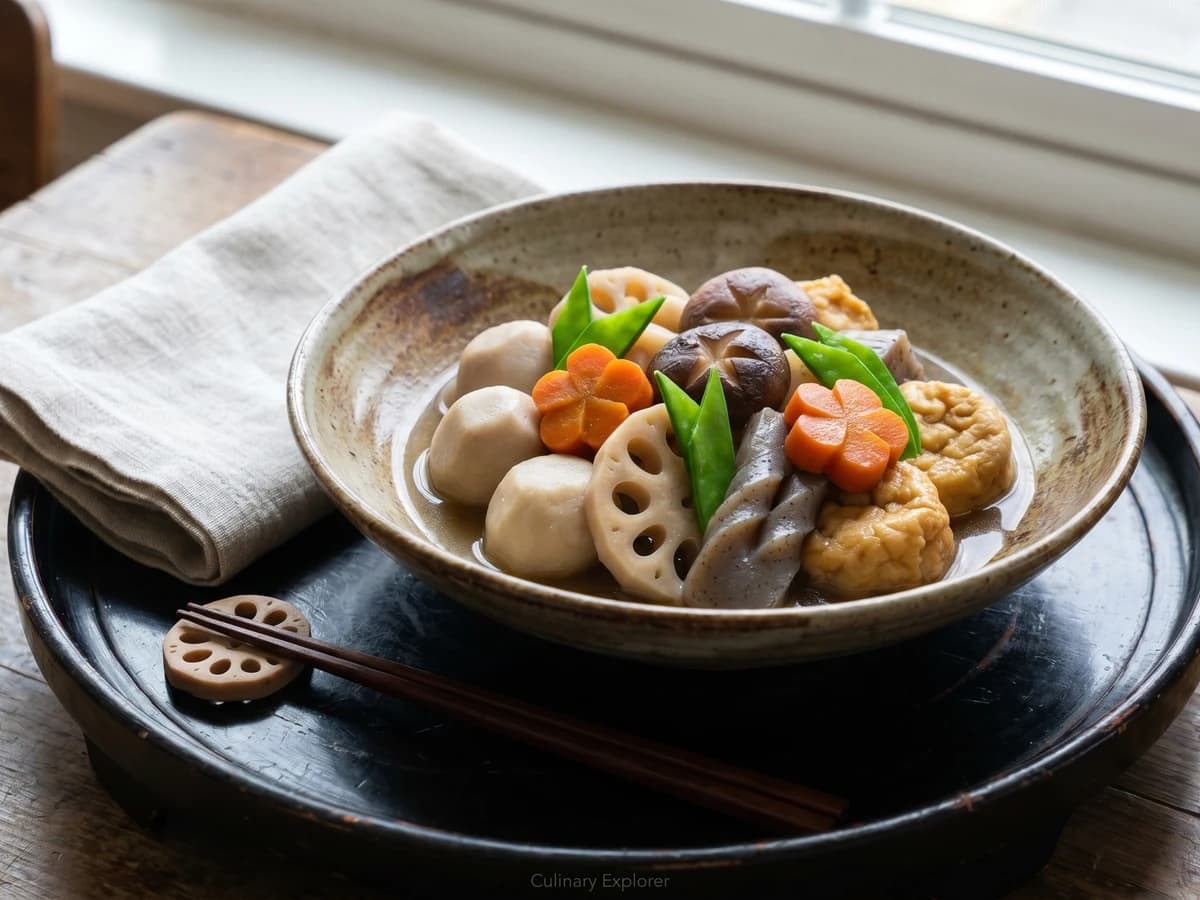
Obon's temple plate looks complicated because every vegetable keeps its shape. The secret is careful simmering: each piece drinks the same dashi while keeping its own character.

Chef Klaus
Thuringia's Sunday dumpling is decided at the cloth: two parts raw potato wrung bone-dry, one part cooked potato, a crisp bread cube inside, and water that only trembles.

Chef Elsa
Hand-shaped Tyrolean bread dumplings loaded with smoky Speck and fresh parsley, simmered until pillowy and served in golden beef broth or beside warm Sauerkraut, the way every Gasthaus in the Alps has done it for centuries.

Chef Jeong-sun
Dried taro stems soaked until the harshness leaves, boiled to a slippery-tender bite, then sauteed with perilla powder for a quiet namul that belongs beside five-grain rice.
Chef Juliana
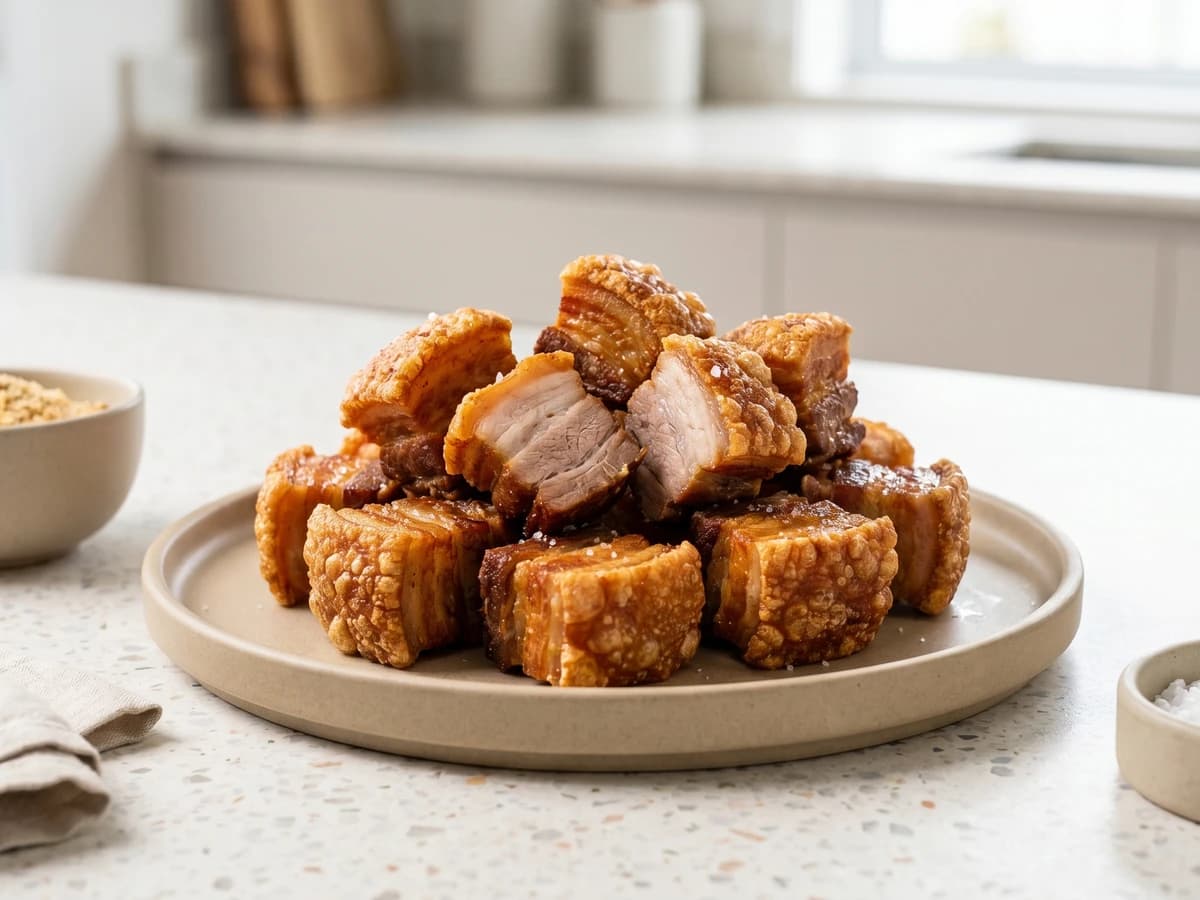
You don't need courage, you need a heavy pot, dry pork belly, and patience. Low fire melts the fat, high fire crisps the edges, and your pê-efe suddenly sounds like Minas.

Chef Lupita
Valle de Puebla potato cakes for Cuaresma, mashed by hand with queso fresco, pan-fried until the edges crisp, then set into a tomato caldillo scented with one chile chipotle meco.

Chef Lupita
Veracruz's coastal tostones turn green plátano macho into crisp, salty rounds, twice-fried in manteca de cerdo and finished with a sharp ajo-vinegar mojo.

Chef Lupita
Veracruz's Sotavento tostones are green plantain rounds fried twice in manteca de cerdo, salted hot, and served beside black beans, fish, or a sharp salsa macha.
Chef Lesia
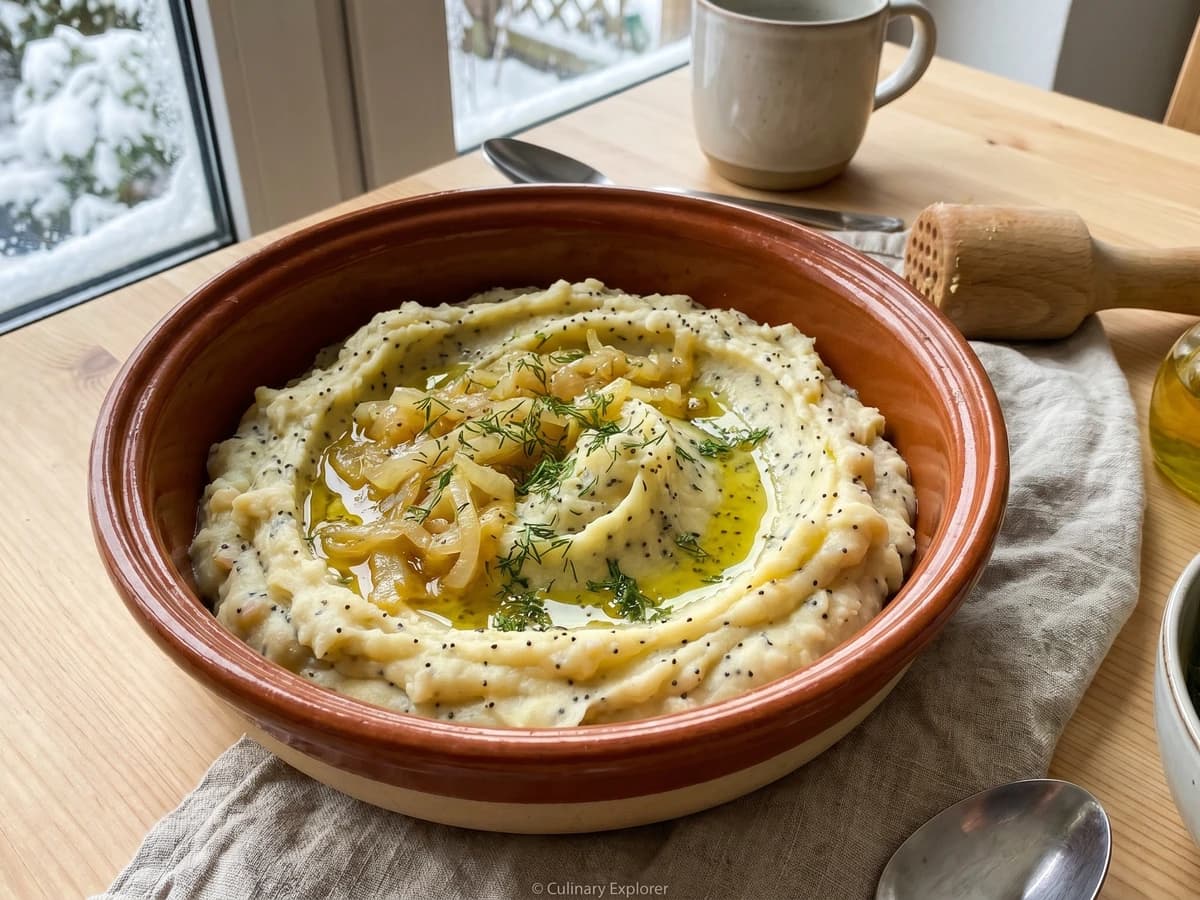
Poppy seed is the surprise here: tiny black seeds pounded until they perfume a pale mash of potatoes and beans, making poor-pantry food taste quietly rich.

Chef Lupita
Michocan's rainy-season charamakua, trompa de puerco mushroom from the Meseta Purhepecha, cooked on a comal de lena with garlic, chile, epazote, and manteca de cerdo.
Chef Makoa
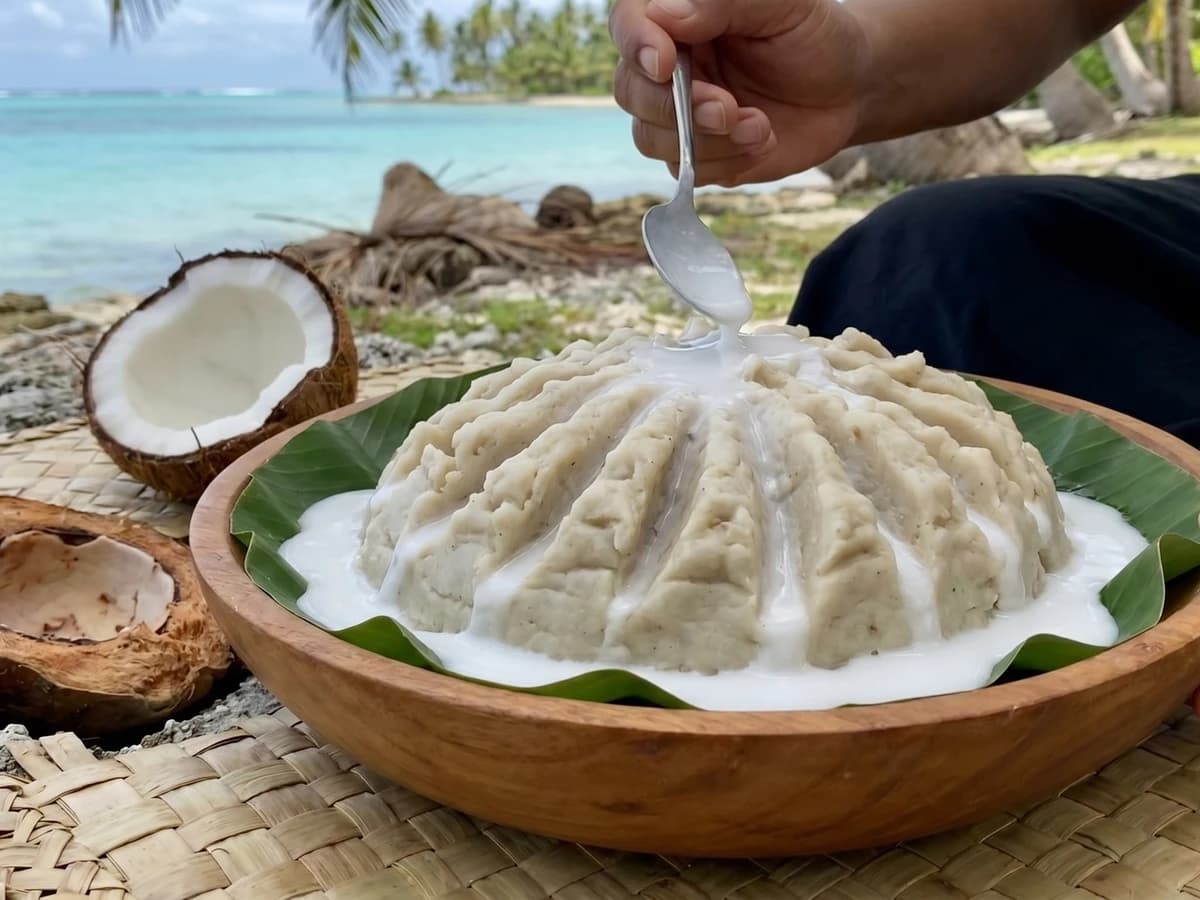
Tuvaluan tulolo is pulaka from the coral pit, cooked until it gives, mashed slow, and crowned with fresh lolo, coconut cream. Two Tuvalu foods, one bowl, enough for the family.

Chef Takumi
Kaburamushi looks like ceremony, but the work is plain: good white fish, sweet winter turnip, soft steam, and a clear ankake sauce poured while it still shines.
Chef Lesia
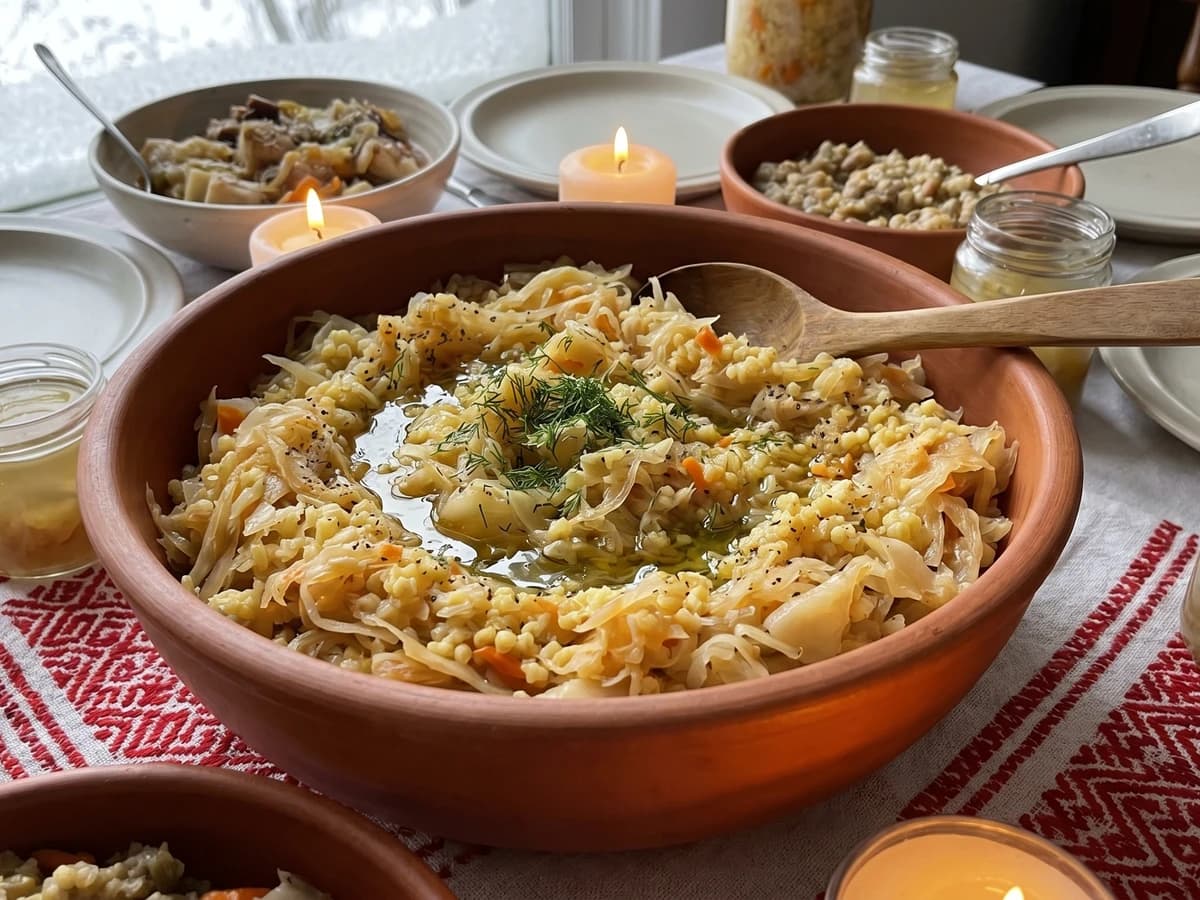
Millet disappears into the cabbage like little golden beads, drinking the sourness, thickening the pot, and turning a winter vegetable into something soft, sweet, and worth waiting for.
Chef Lesia
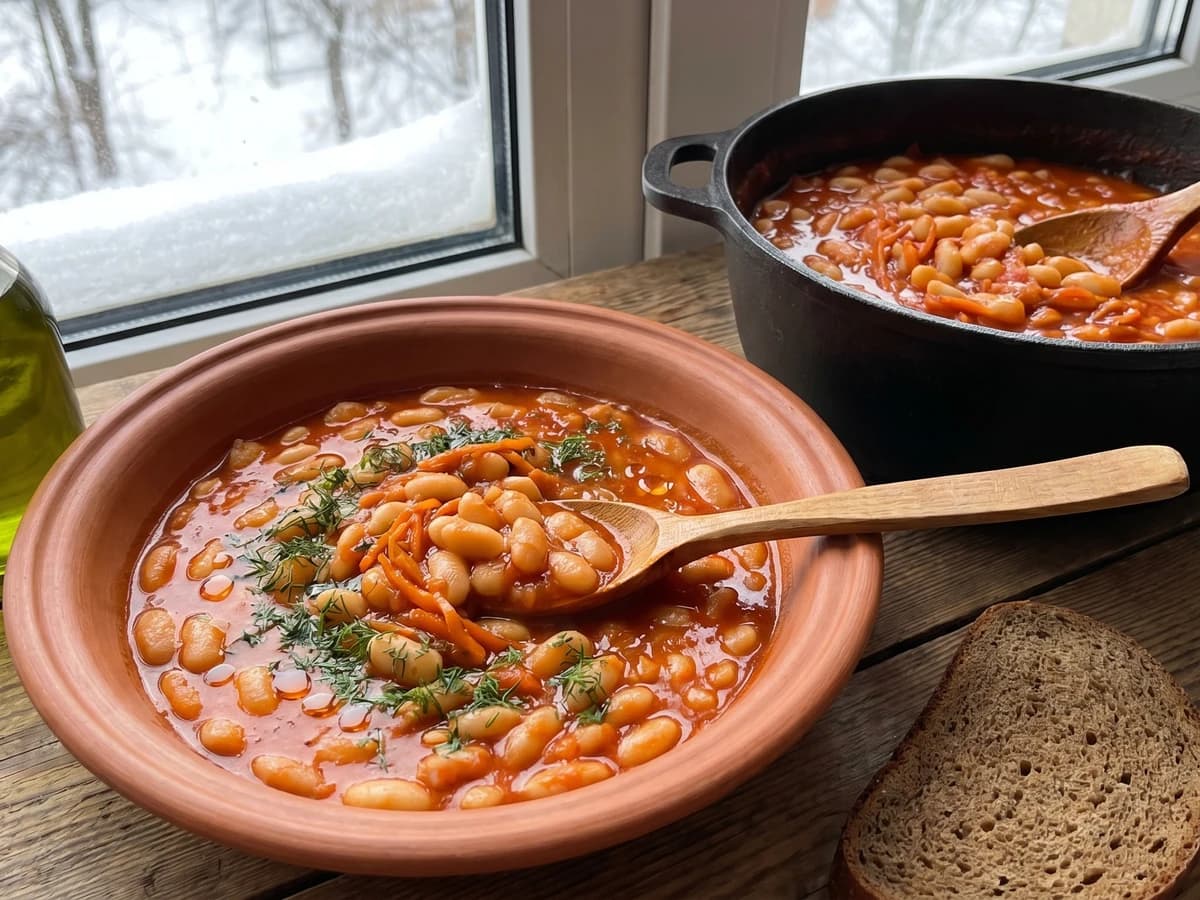
Beans are not a poor table when the onions go sweet, the tomato darkens, and the sunflower oil shines orange around the spoon.
Chef Juliana
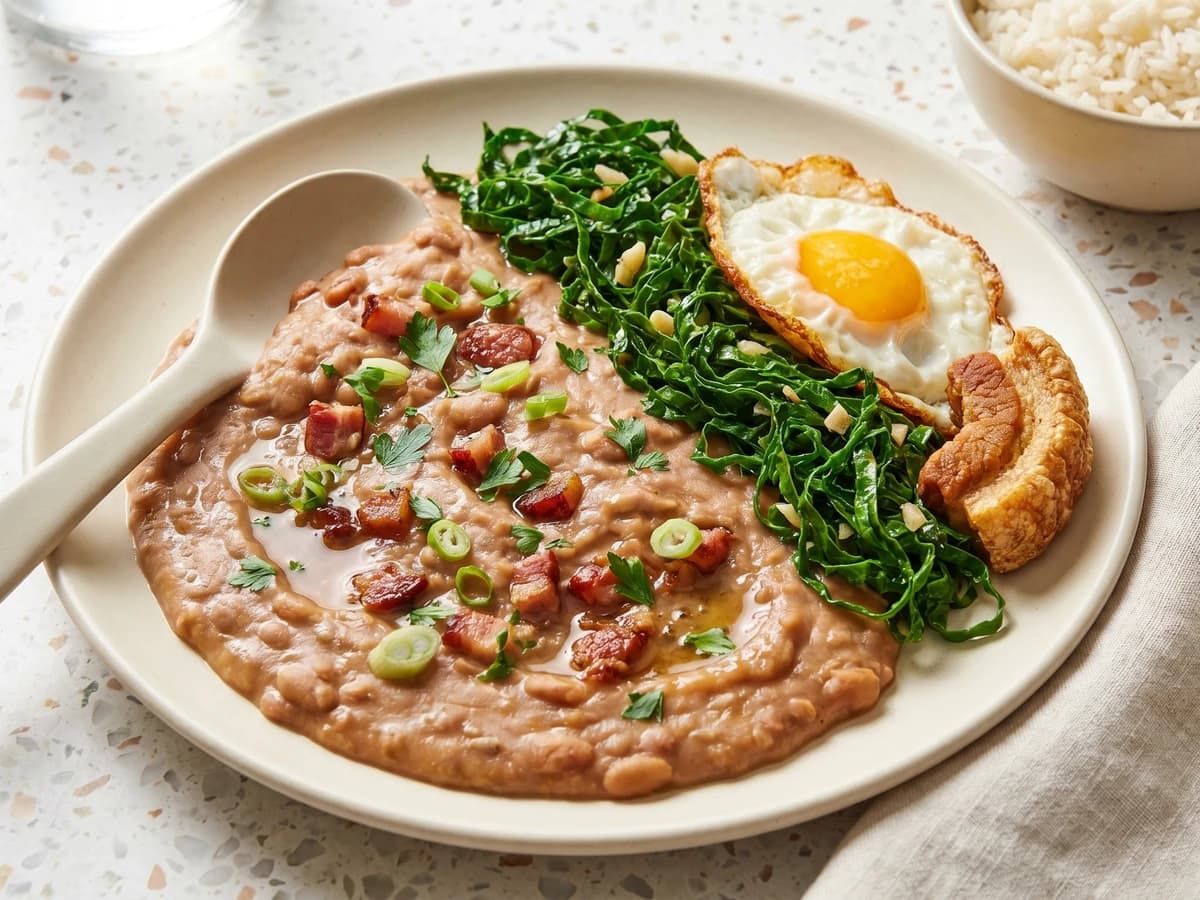
You don't need a Mineira grandmother standing behind you. You need cooked beans, an honest refogado, and farinha added slowly until the spoon tells you dinner is ready.
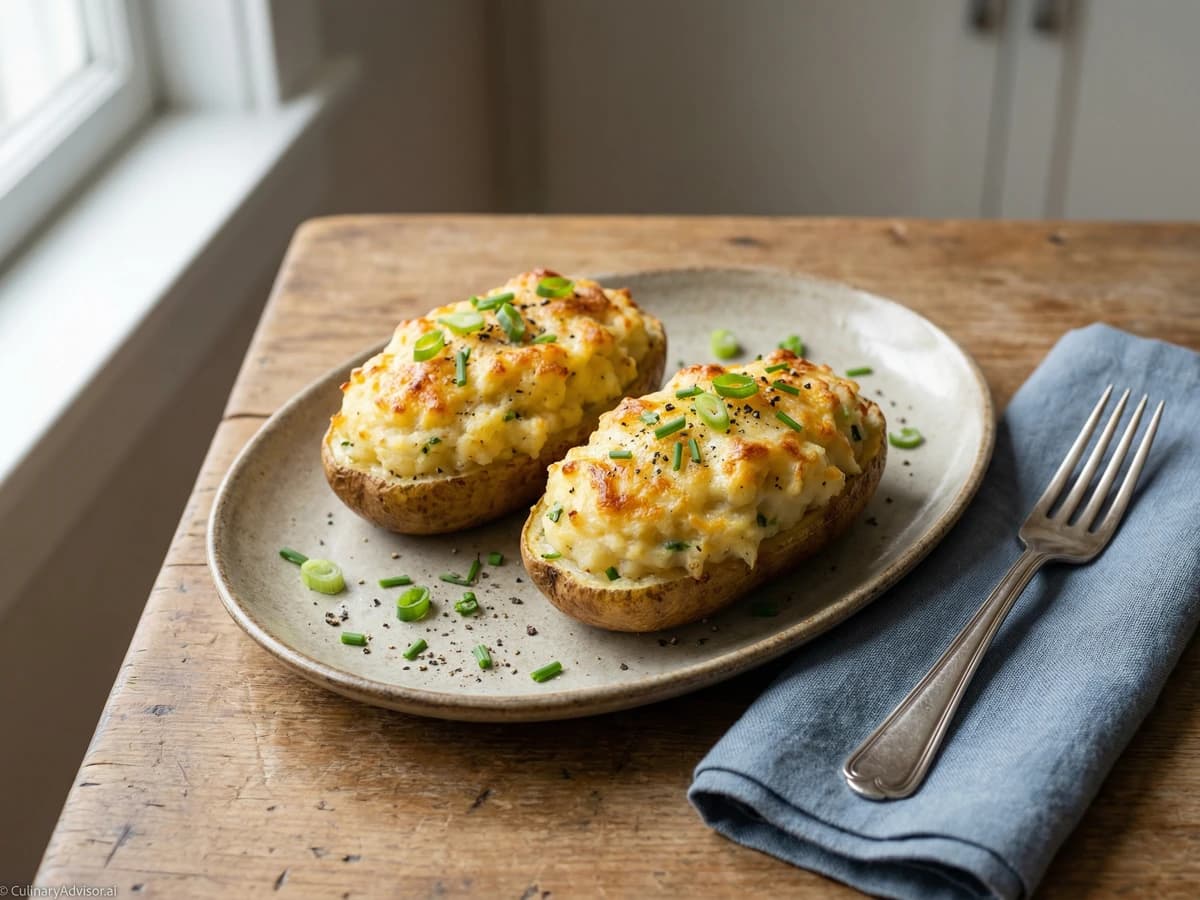
Chef Dean
Fluffy potato filling enriched with sharp cheddar, smoky bacon, and sour cream, piled back into crisp shells and baked until golden. This is the potato that made steakhouses famous.
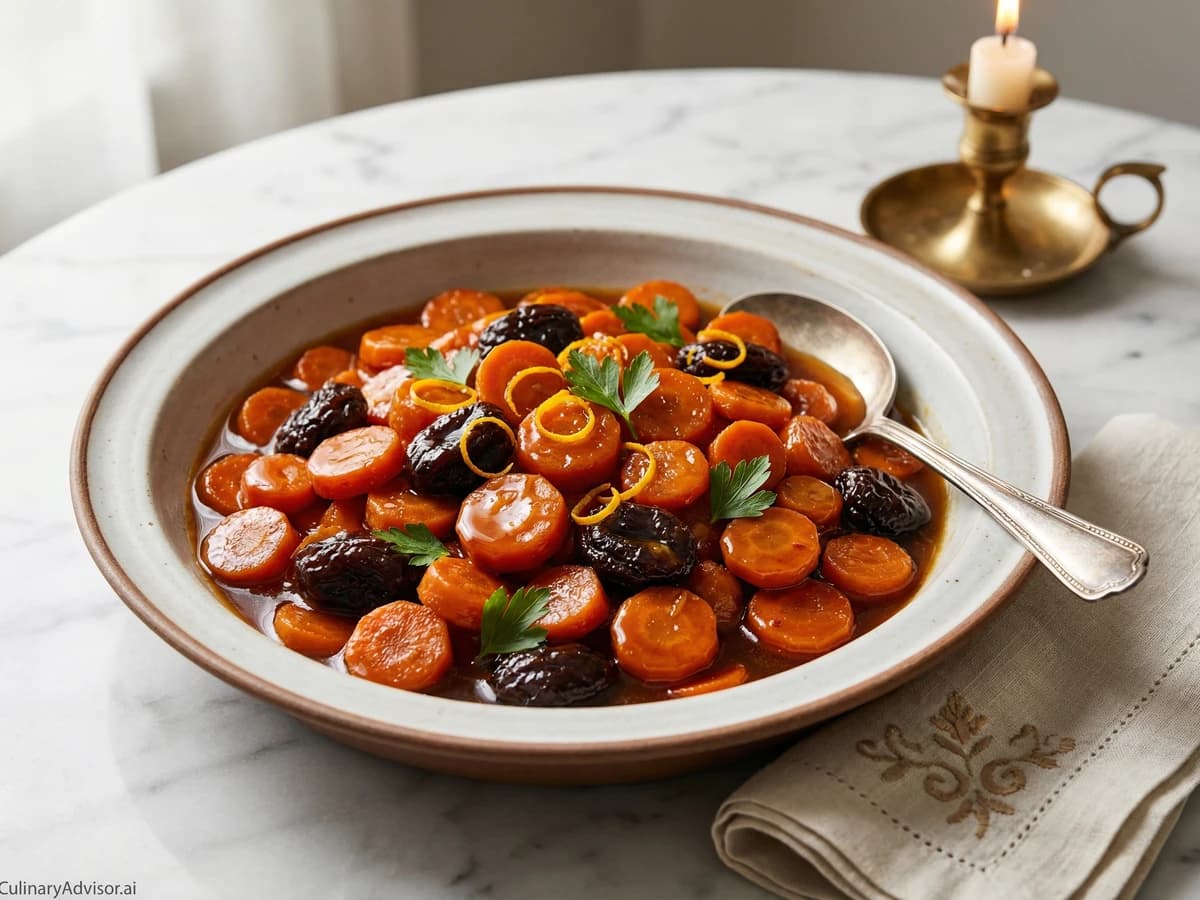
Chef Dean
Tender carrots and plump prunes braised low and slow in honey and warm spices, a dish that honors generations of Jewish grandmothers who understood that sweetness is both flavor and blessing.
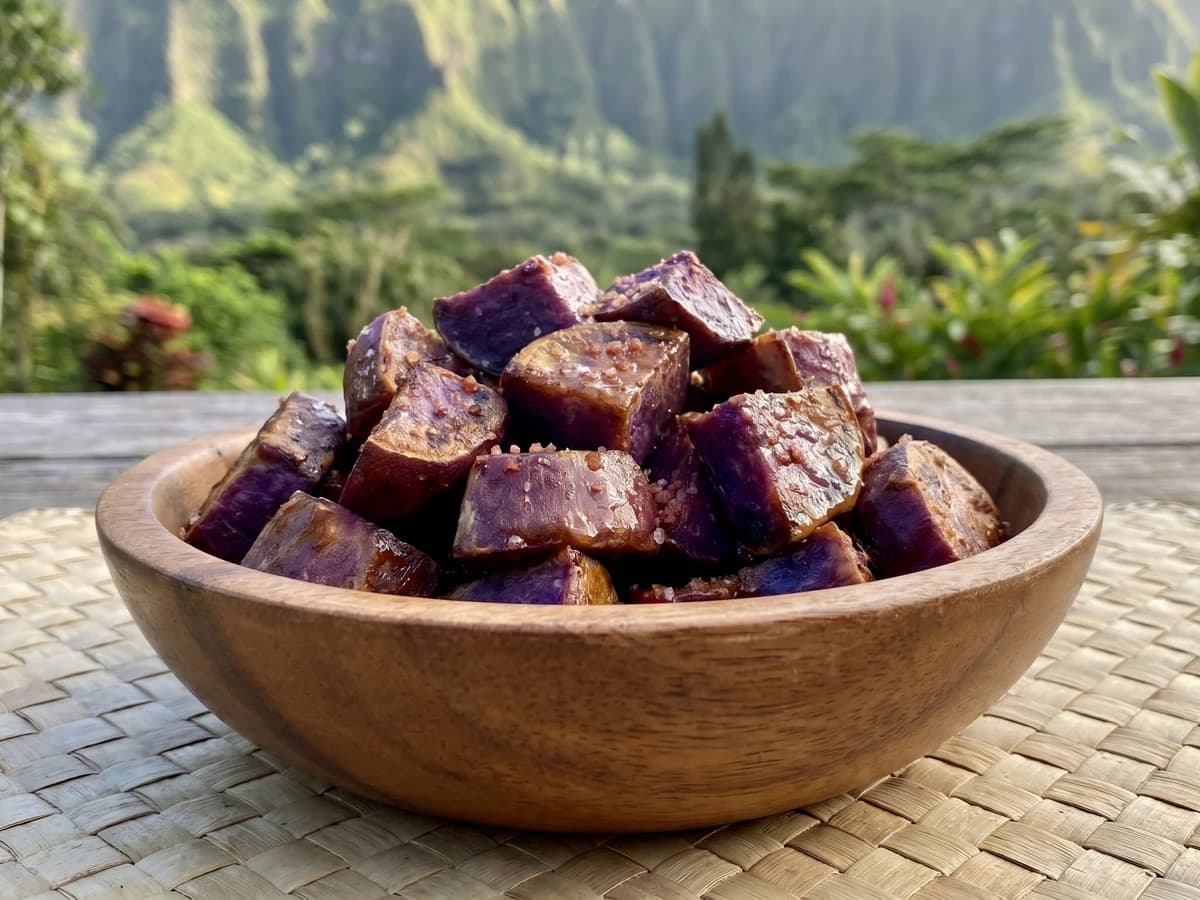
Chef Makoa
Purple Hawaiian ʻuala roasted until soft at the center and crisp at the edges, then glossed with island honey, butter, and paʻakai for the sweet side of the lūʻau plate.

Chef Jeong-sun
Autumn burdock cut into thin matchsticks, briefly soaked, then braised in soy, rice syrup, and sesame until each piece turns glossy, chewy, and ready for the week's rice bowls.
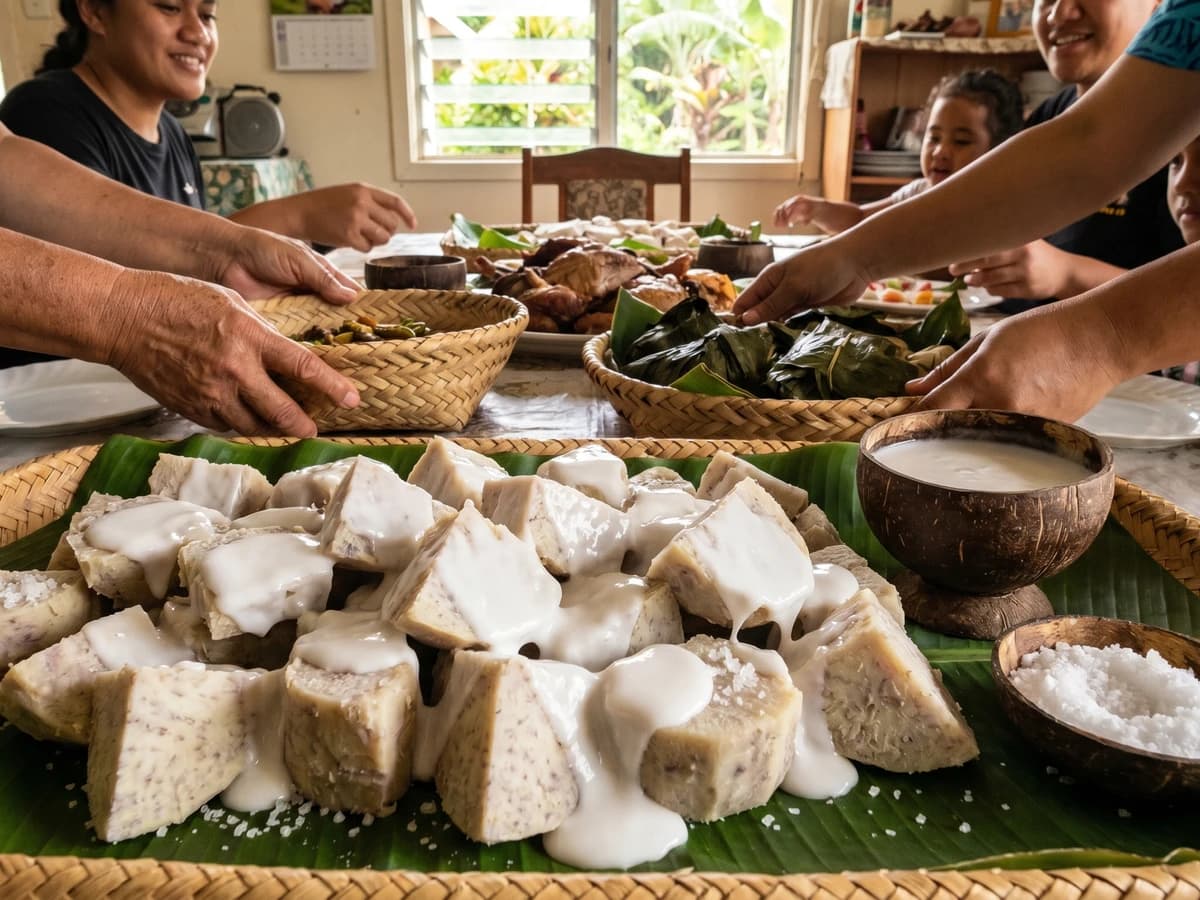
Chef Makoa
Tonga's prized garden yam, boiled in its own quiet time until dense and tender, then eaten with lolo niu, coconut cream, salt, and whatever the family table is carrying.

Chef Makoa
Rapa Nui uhi, the old white yam of the far eastern corner, boiled tender, roasted at the edges, and finished simply with coconut, salt, and lime.

Chef Makoa
Mature Hawaiian ʻulu cut into wedges, par-cooked until it gives, fried golden, and finished with paʻakai. The canoe crop takes the potato's place without pretending to be one.
Culinary guides, cultural storytelling, and the editorial depth that makes cooking meaningful.
Discover Culinary Explorer