
Chef Lupita
Mochomos Sonorenses
Sonora's signature beef dish from Los Mochis: shredded machaca fried into mahogany threads as crispy as a desert ant scatter, tossed with onion, serrano, and tomato, eaten in a sonorense flour tortilla.
Recipe Archive
Main dishes anchor the meal. This category gathers poultry, seafood, meat, pasta, grains, and plant-forward recipes with clear methods and satisfying structure.
3095 recipes
A cooking platform built around craft, culture, and the stories behind what we eat.
Chef Lupita
Sonora's signature beef dish from Los Mochis: shredded machaca fried into mahogany threads as crispy as a desert ant scatter, tossed with onion, serrano, and tomato, eaten in a sonorense flour tortilla.
Chef Takumi
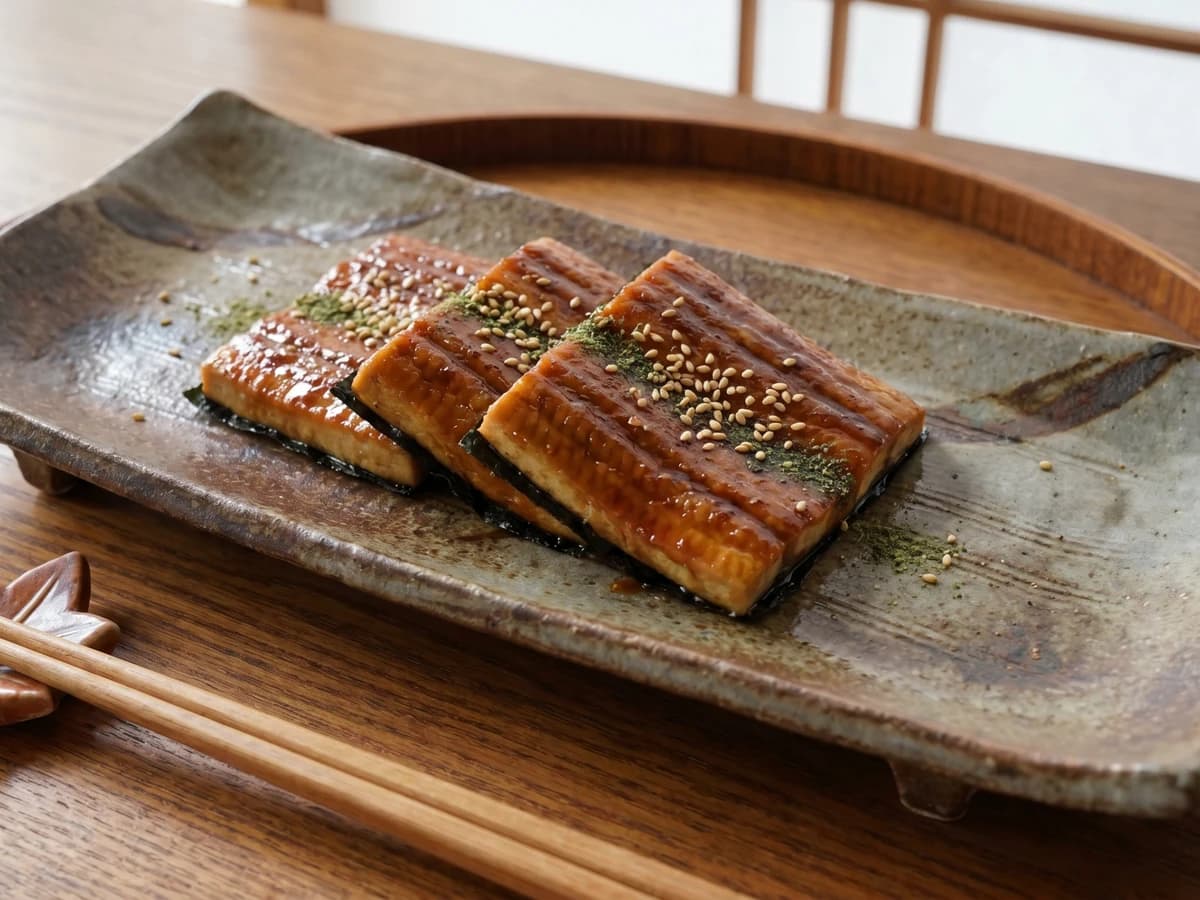
This is not eel pretending badly. It is temple cooking's clever answer: tofu and mountain yam shaped on nori, fried until tender inside, then glazed like kabayaki.
Chef Takumi
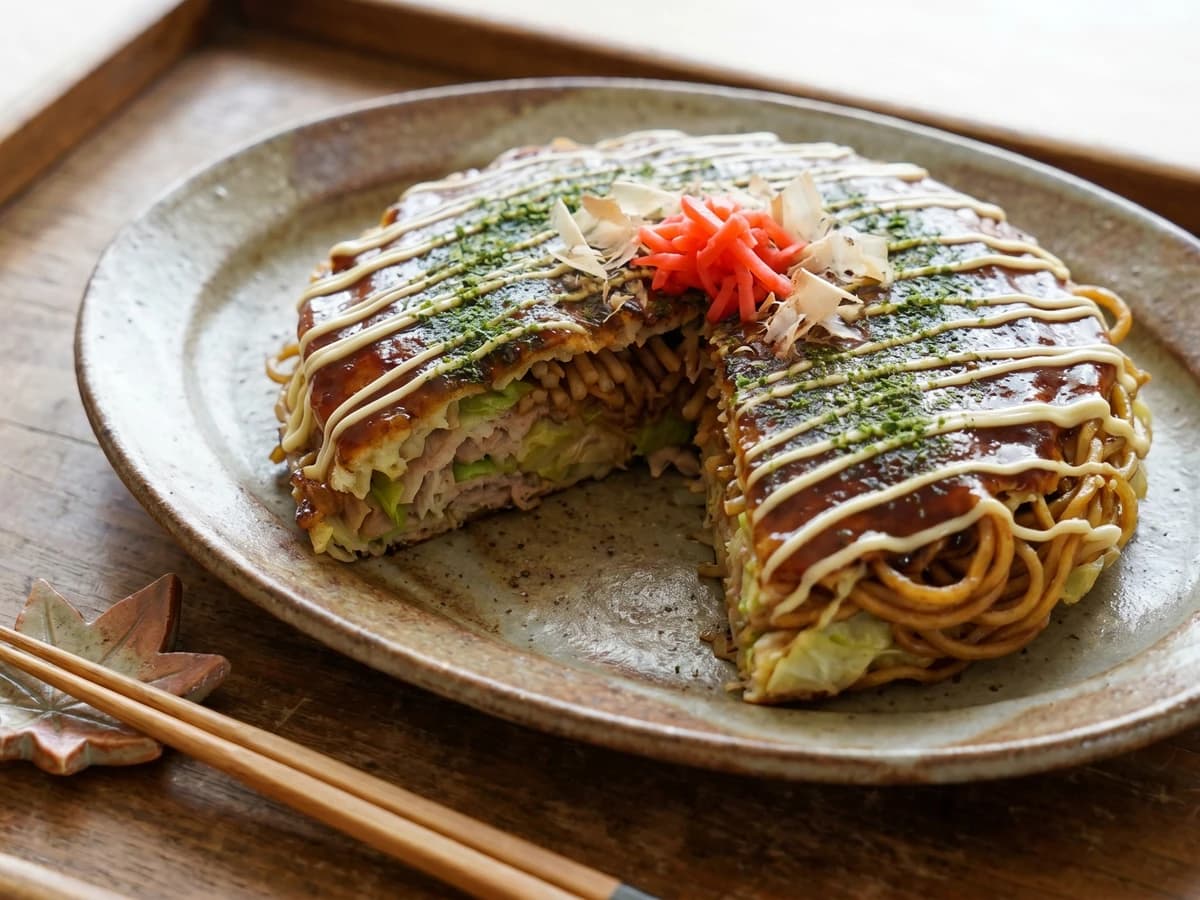
Modan-yaki looks like a large piece of griddle work, but the secret is small: crisp the noodles flat first, then let the cabbage batter bind them.
Chef Elsa
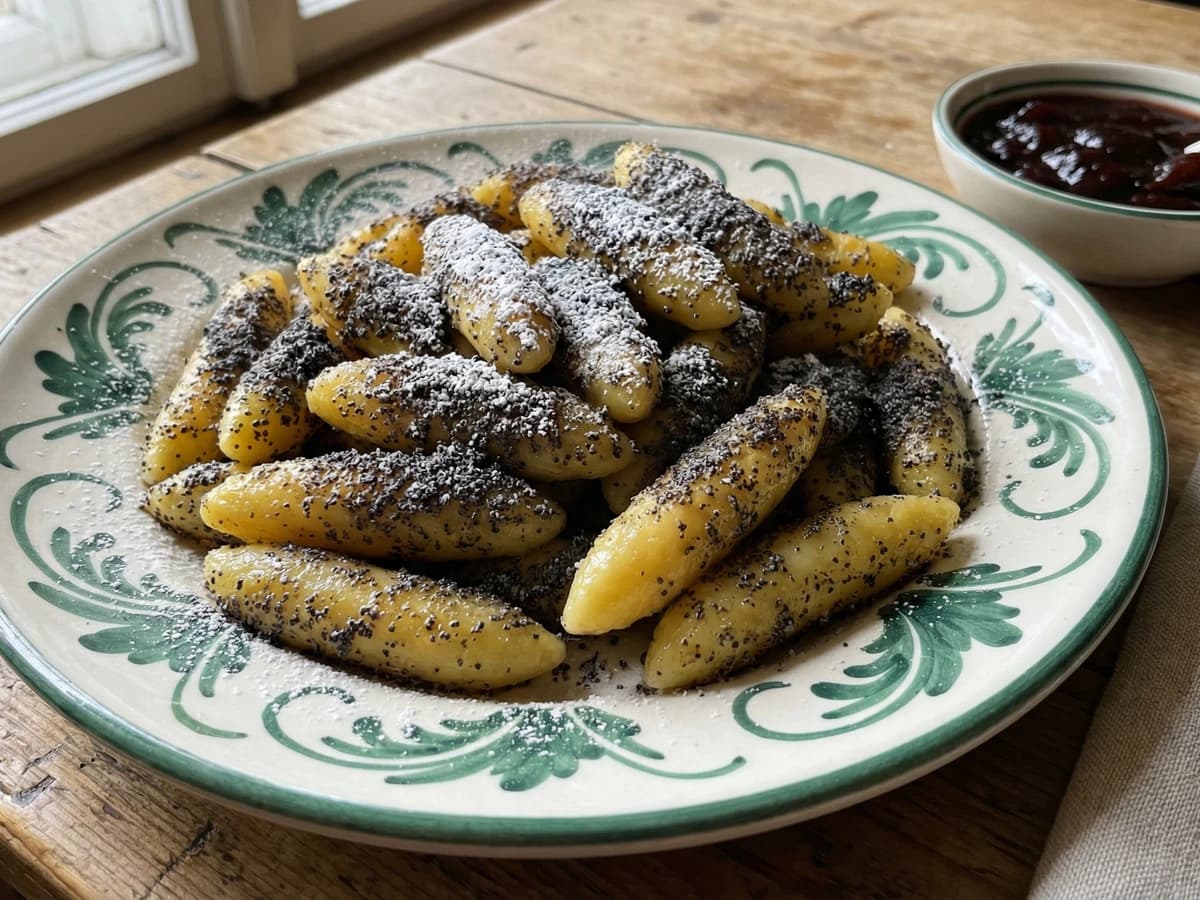
Soft potato finger noodles from the Waldviertel, rolled in melted butter and coated in ground gray poppy seeds and sugar, the dish that taught me Austrian cooking doesn't draw a line between sweet and savory.

Chef Lupita
Catemaco's mojarra from Veracruz's Los Tuxtlas, wrapped with hoja santa and banana leaf, roasted whole, then dressed with green piquín, garlic, and lime sauce that bites clean and stays.

Chef Lupita
The everyday plate of the Costa Chica, the Afro-Mexican coast of Guerrero and Oaxaca: a whole lagoon mojarra fried until the skin cracks, fanned with caramelized plátano macho, white rice, and salsa de chile costeño.

Chef Lupita
Guanajuato's Lerma corridor fish, scored to the bone, rubbed with garlic, serrano, and limón, then pan-fried whole until the fins turn crisp and the table smells like a Bajío river picnic.

Chef Jeong-sun
Pork neck collar cut thick, salted with restraint, grilled until the edges brown and the center stays juicy, then wrapped in lettuce with ssamjang, garlic, and a little patience.

Chef Lupita
Oaxaca's lighter, brothy weeknight mole, built on chilhuacle amarillo, charred tomatillos, and hoja santa, thickened with masa to a clean finish over poached chicken and chayote.

Chef Lupita
Oaxaca's funeral mole, the rarest of the seven, built on chilhuacle negro, deliberately burnt tortillas and seeds, and toasted avocado leaves. A bitter, smoky sauce that carries beef the way only Oaxaca knows how.

Chef Lupita
Oaxaca's red mole over poached chicken, built on toasted ancho and guajillo, sesame, almonds, ripe plantain, and a square of chocolate de mesa. The everyday cousin of mole negro and the one most Oaxacan families actually cook on a Sunday.
Chef Lupita
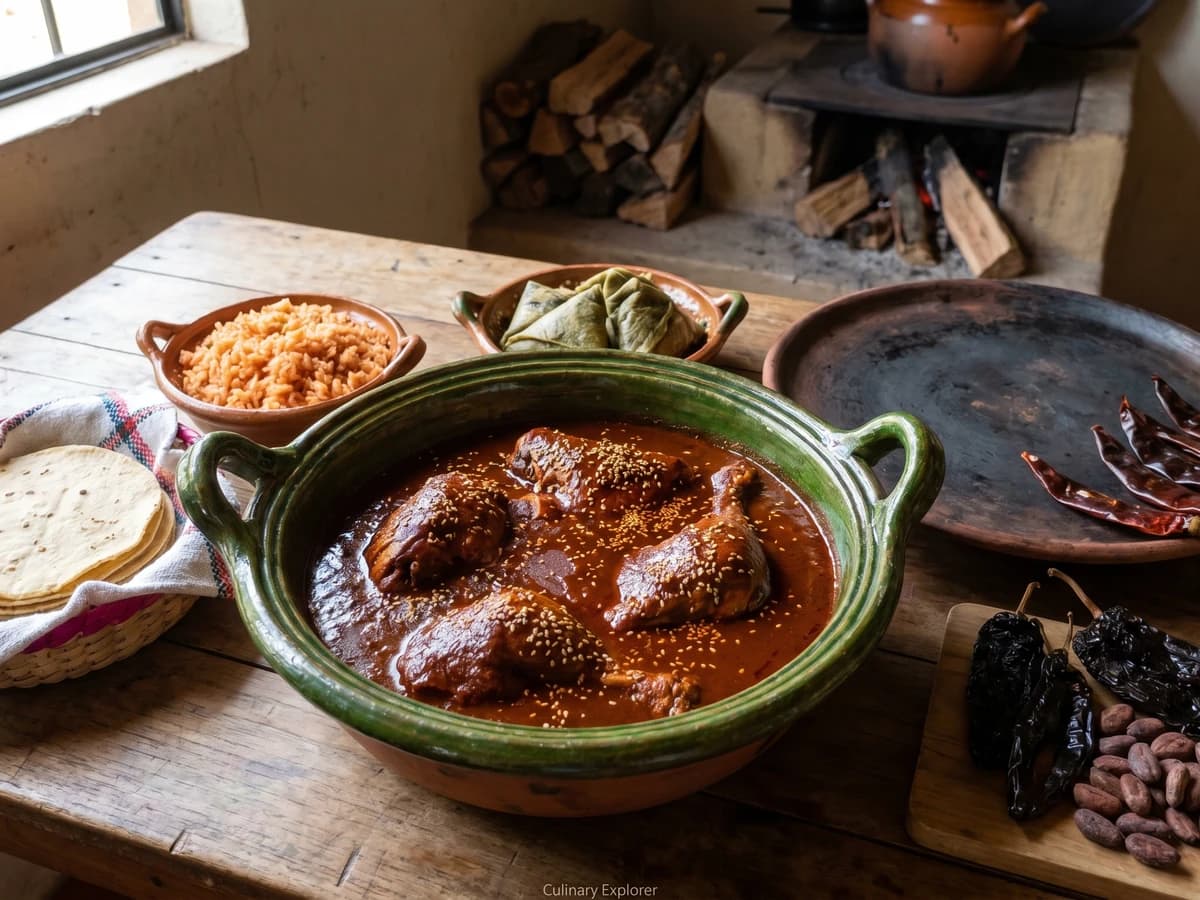
Michoacán's Meseta P'urhépecha baptism mole, chicken braised in guajillo, ancho, cacao, sesame, and lard, made for a crowded patio where cocineras measure ceremony by the cazuela.

Chef Lupita
Michoacán's Meseta P'urhépecha funeral mole, thickened with maize from the milpa and served with queso de rancho when the mourning kitchen does not cook meat.
Chef Lupita
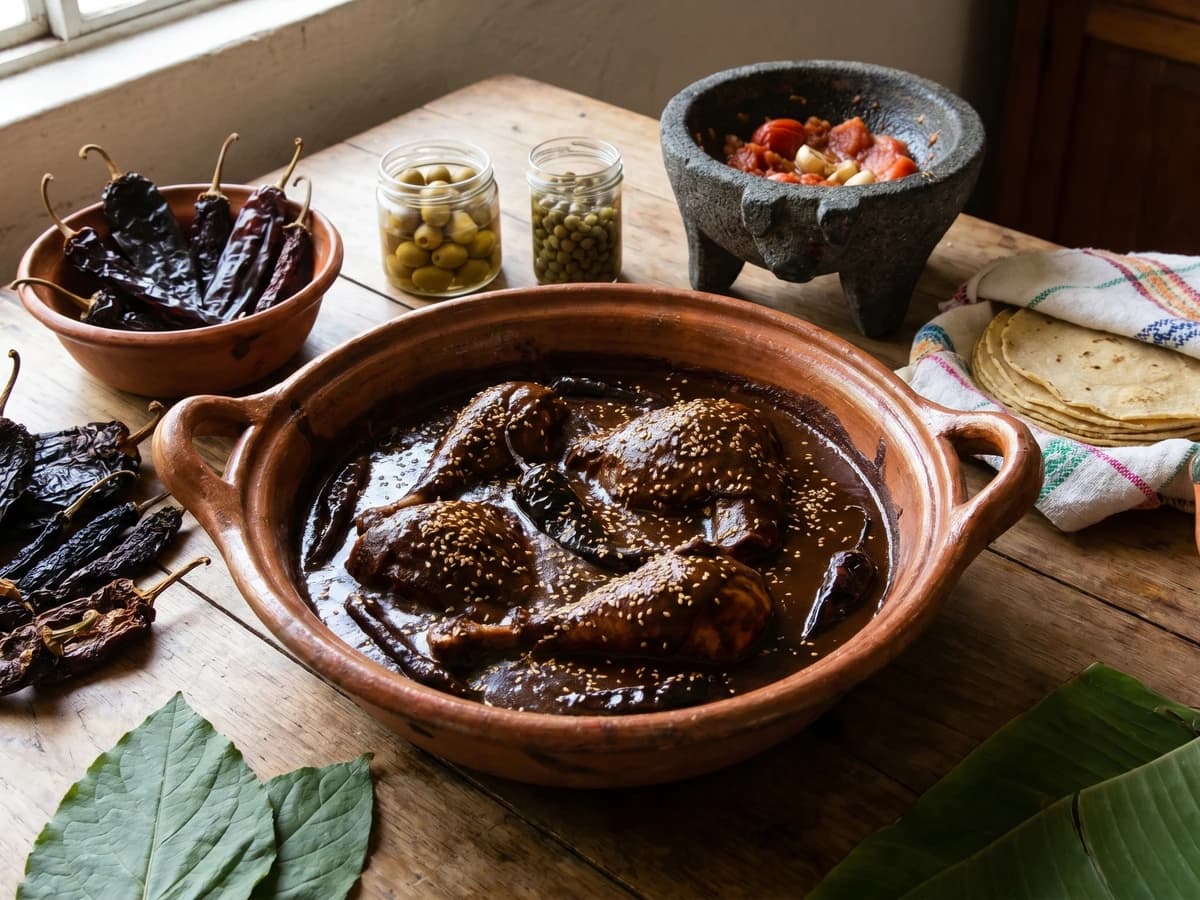
Central Veracruz's celebration mole from Xico, dark with mulato, ancho, pasilla, chipotle, fried plantain, sesame, almonds, raisins, and chocolate, served over turkey for feast days.

Chef Lupita
Oaxaca's tablecloth-stainer mole, built on toasted ancho and guajillo, fried plantain, pineapple, and pears, simmered with pork until the fruit gives up its juice and the chile takes over.

Chef Lupita
Oaxaca's king mole, built over two days from chilhuacle negro, mulato, and burnt seeds, finished with chocolate and avocado leaf, ladled generously over slow-poached guajolote for the table.

Chef Lupita
Puebla's banquet mole over slow-poached turkey, built from ancho, mulato, and pasilla, toasted seeds, charred fruit, and Mexican chocolate. Thirty-plus ingredients ground into one mahogany sauce that takes two days and feeds a celebration.
Chef Lupita
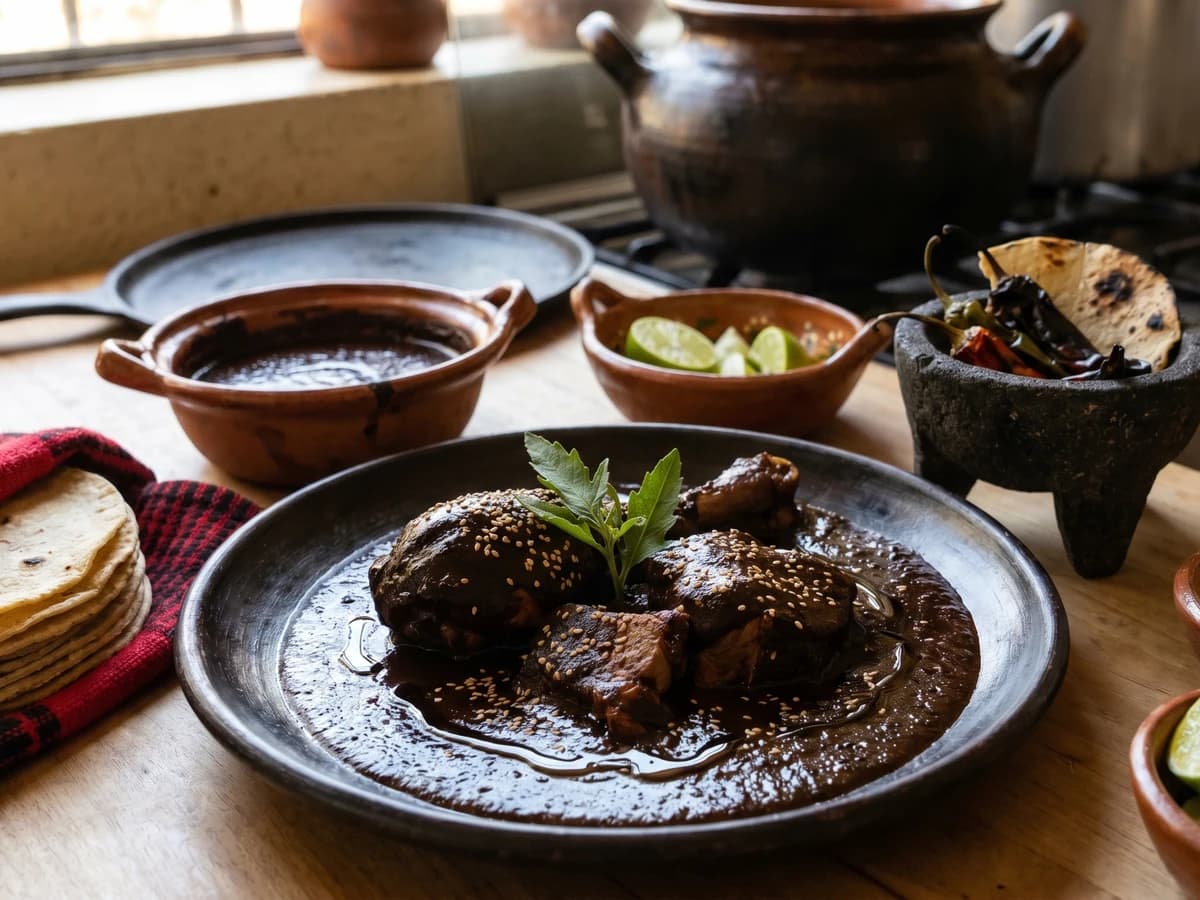
Tlaxcala's ritual black mole, built on burned tortillas, four dried chiles, and fresh corn masa, slow-cooked with turkey and pork for the village fiestas of Carnaval and the great family celebrations of the central highlands.

Chef Lupita
Michoacán's Meseta P'urhépecha mole rojo, lamb braised until tender in toasted ancho, guajillo, pasilla, sesame, and manteca, the fiesta pot Zacán's cocineras serve with rice and guacamole.

Chef Lupita
Oaxaca's bright red mole, built on toasted guajillo, ancho, costeño, and pasilla oaxaqueño with charred tomato and a whisper of Mexican chocolate, ladled over slow-simmered beef the way they make it in the Valles Centrales.

Chef Lupita
Michoacán's Meseta P'urhépecha wedding mole, built in Zacán with becerro, tatemado chile ancho and guajillo, toasted seeds, and manteca until the sauce turns dark, glossy, and serious.

Chef Lupita
Guerrero's green mole is a pumpkin-seed pepian from the central valleys, bright with tomatillo and hoja santa, thickened with masa, and poured over chicken without pretending every mole needs chocolate.

Chef Lupita
Oaxaca's herbal green mole, built on toasted pepitas, hoja santa, and epazote, simmered with pork spine until the bones release their weight into the bright, vegetal broth.

Chef Lupita
Tabasco's Chontal lowland mone wraps firm pejelagarto with hoja de momo, achiote, chile dulce, and banana leaf, then cooks it slowly until the fish tastes of river, leaf, and smoke memory.
Culinary guides, cultural storytelling, and the editorial depth that makes cooking meaningful.
Discover Culinary Explorer