
Chef Takumi
Miso-Marinated Spanish Mackerel (鰆の西京焼き, Sawara no Saikyōyaki)
Sawara carries spring in its very kanji. Give it two quiet days in sweet white miso, then grill it gently after wiping the miso away, and the fish stays tender.

Updated June 2, 2026
The grilled-mains tradition of washoku, taught from the gas-burner fish drawer outward. Six methods, one foundation: salt-grill (shio-yaki) as the bare bone, then the marinated family — teriyaki, saikyō-yaki, yūan-yaki, kasuzuke — each a one-bowl tare the home cook can do with patience. Fish leads by weight (salmon, mackerel, sanma, hokke, ayu, sawara, gindara, buri), the canonical home set anchored to shun. Then the meat side: shōgayaki, the chicken thigh teriyaki, miso-marinated pork and beef, the Hokkaido iron griddle. Honmono throughout, nothing hidden behind sauce.
A cooking platform built around craft, culture, and the stories behind what we eat.
Chef Takumi
Sawara carries spring in its very kanji. Give it two quiet days in sweet white miso, then grill it gently after wiping the miso away, and the fish stays tender.

Chef Takumi
Saikyōyaki asks for patience, not difficulty: sweet white miso, a night's rest, and gentle heat so the chicken cooks through before the miso catches.

Chef Takumi
Hokkaido salmon, cabbage, mushrooms, sweet miso, and a small knob of butter cook together under a lid until the fish flakes and the vegetables drink the sauce.

Chef Takumi
A clean sear, a small pan sauce, and daikon oroshi make steak speak Japanese: rich beef, soy-dark gloss, crisp garlic chips, and nothing heavier than the ingredient can carry.

Chef Takumi
Aji no hiraki is weeknight fish at its plainest and best: split, salted, dried, then grilled skin-side first so the surface crisps while the flesh stays glossy.

Chef Takumi
Sanma asks for almost nothing: good autumn fish, salt, a hot grill, and the patience to let the skin blister while the rich liver stays tucked inside.
Chef Takumi
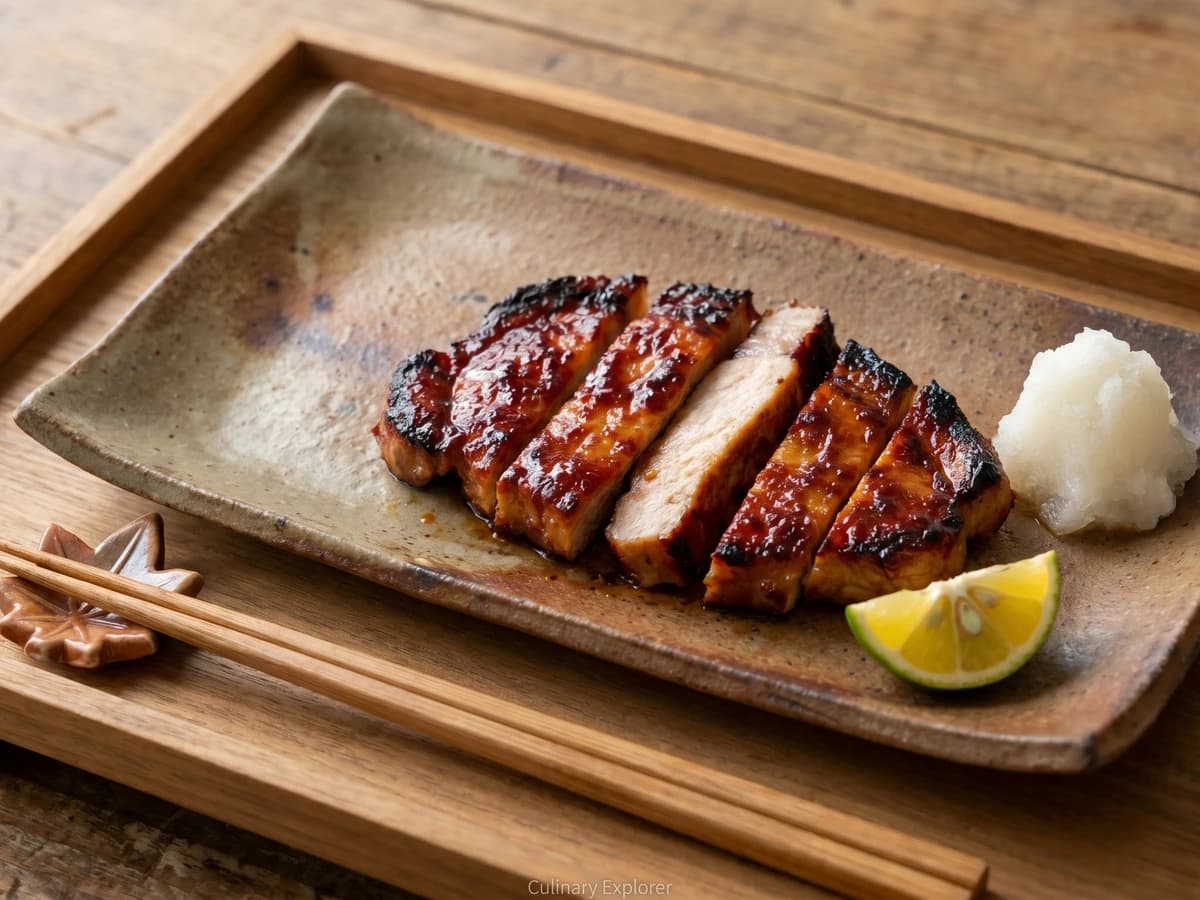
A modest pork loin chop becomes dinner-party food after a night in red miso. Wipe it clean before grilling, and the surface turns glossy instead of scorched.

Chef Takumi
Red miso gives chicken thigh a deeper cure than sweet white miso: two quiet days in the refrigerator, a clean wipe before the grill, and a glossy mahogany finish.

Chef Takumi
A foil packet does quiet work: it holds the scallop liquor, mushroom scent, butter, and soy together until the scallops set gently and the broth at the bottom becomes the reason for rice.

Chef Takumi
Roe-bellied shishamo asks for almost nothing: a light hand with salt, a hot grill, and enough patience for the skin to blister while the tiny bones soften.

Chef Takumi
Three quiet days in sweet Kyoto miso do the hard work. Wipe the fish clean, grill it gently, and the sablefish comes out lacquered, buttery, and honest.

Chef Takumi
Mie's working-town pork steak is a plain pleasure: thick shoulder scored at the edges, seared until browned, then pulled through a dark garlic sauce with cabbage waiting beside it.

Chef Takumi
Winter buri asks for restraint: a dry sear, a small pan of soy, mirin, sake, and sugar, then patient basting until the glaze shines like lacquer and the fish stays tender.

Chef Takumi
This is the home dinner Japan eats more than any restaurant burger: a soft, seared patty finished under a lid, then sharpened with grated daikon and ponzu.

Chef Takumi
Hokke no hiraki asks for one good fish and a little patience. Salt, air, and the grill concentrate the flesh until it flakes open at the touch of chopsticks.

Chef Takumi
Sake lees do the quiet work here, seasoning the salmon over time, then stepping aside before the grill so the fish browns cleanly instead of burning.

Chef Takumi
Sawara is a spring fish with soft flesh and a clean sweetness. Give it two days in Yūan tare, then grill it gently until the surface shines.

Chef Takumi
This is the fish that teaches honesty: fresh sardines, salt, fierce heat, and no hiding place. Grill them quickly and the skin crisps while the small bones soften.

Chef Takumi
Real teriyaki is not a sticky bottled sauce. It is chicken thigh cooked skin-side first, then glazed in soy, mirin, and sake until the surface shines.

Chef Takumi
Salt-grilled salmon is the weekday test of restraint: fresh fish, salt used in two quiet moments, and a hot grill that crisps the skin while keeping the flesh moist.

Chef Takumi
A whole tai looks ceremonial because it is, but the cooking is plain: good fish, enough salt, steady heat, and the patience to keep the fins from burning.

Chef Takumi
Thin pork, fresh ginger, and a small pan are enough. Sear the meat before the sauce touches it, then glaze quickly so the ginger stays clean and the pork stays tender.

Chef Takumi
The river fish of summer asks for almost nothing: salt, steady heat, and the patience to let its cucumber fragrance rise from the skin.

Chef Takumi
The blue-backed home fish asks for salt, time, and a hot grill. Rest it twenty minutes, start skin-up under the broiler, and the flesh turns clean while the skin crisps.

Chef Takumi
Jingisukan is lamb made plain and cheerful: thin slices over the crown of a domed pan, vegetables tucked below, and a soy-apple tare doing just enough work.

Chef Takumi
Red miso does the quiet work overnight, drawing moisture from well-marbled beef and seasoning it through. Wipe it clean, grill it hot, and the surface turns glossy and deep before the center tightens.
Culinary guides, cultural storytelling, and the editorial depth that makes cooking meaningful.
Discover Culinary ExplorerChef Takumi is a fictional culinary guide to Japanese Washoku Cuisine, written with the assistance of AI.