
Chef Takumi
Aji Fry (アジフライ, panko-fried horse mackerel)
Aji fry is weeknight fish with no mystery: fresh horse mackerel opened cleanly, breaded lightly, and fried until the panko crackles while the flesh stays sweet.
A cooking platform built around craft, culture, and the stories behind what we eat.

Created by
Winter buri asks for restraint: a dry sear, a small pan of soy, mirin, sake, and sugar, then patient basting until the glaze shines like lacquer and the fish stays tender.
Buri is a winter fish in its best clothes. At its shun, the flesh is firm and rich, with enough clean fat to meet a soy-dark glaze without being buried under it. If the fish in front of you smells strong or looks dull, don't ask the sauce to perform charity. Choose another dish that day. Nothing hidden.
Teriyaki looks more difficult than it is because the finished fish shines like someone has been polishing it with a tiny brush. The method is plain: salt the fish, wipe it dry, sear it first, then glaze it in stages. Dry fish browns. Wet fish steams in its own surface moisture and sulks in the pan, which is not a culinary virtue, however common it is.
The one detail that decides this dish is timing the tare, the glaze. Soy sauce, mirin, sake, and sugar turn glossy as water cooks away, but that same sugar burns if you rush it. Add the sauce after the fish has browned, spoon it over as it thickens, and stop when the bubbles grow slow and shiny. Teriyaki means shine-grilled, not scorched-and-apologized-for.
Serve it with rice, soup, and one quiet vegetable, and the meal is complete. This is washoku by method, not by decoration: a seasonal fish, a restrained sauce, and the discipline to let the surface gleam without hiding the flesh beneath.
Teriyaki is a yaki method named for teri, the glossy shine produced when soy sauce, mirin, sake, and sugar reduce against heat. The technique took shape in the Edo period (1603-1868), when urban cooking made broad use of koikuchi shōyu from the Kantō region and sweet mirin. Buri, the mature Japanese amberjack, is a shusse-uo, a fish whose name changes as it grows, and it has long served as toshitori-zakana, a year-end fish, in parts of western Japan.
Quantity
4 pieces, 150-170g each
skin-on if possible
Quantity
1 teaspoon
Quantity
1 tablespoon
Quantity
3 tablespoons
Quantity
3 tablespoons
Quantity
3 tablespoons
Quantity
1 tablespoon
Quantity
2 thin slices
Quantity
4
Quantity
for serving
| Ingredient | Quantity |
|---|---|
| buri fillets or steaks (mature Japanese amberjack/yellowtail)skin-on if possible | 4 pieces, 150-170g each |
| fine sea salt | 1 teaspoon |
| neutral oil | 1 tablespoon |
| Japanese soy sauce (shōyu) | 3 tablespoons |
| mirin | 3 tablespoons |
| sake | 3 tablespoons |
| sugar | 1 tablespoon |
| fresh ginger (optional) | 2 thin slices |
| hajikami pickled ginger shoots (optional) | 4 |
| cooked short-grain rice (optional) | for serving |
Set the buri on a tray and sprinkle both sides lightly with the salt. Leave it for 10 minutes, just until beads of moisture appear on the surface. Wipe the fish very dry with paper towels. The salt draws out surface moisture and any rough aroma, and the wiping gives you the dry face you need for browning.
Stir together the shōyu, mirin, sake, and sugar until the sugar mostly dissolves. This is the tare, the glaze. Have it ready before the fish goes into the pan, because once the surface is browned you don't want to stand there measuring while the fish overcooks.
Heat a heavy skillet over medium-high heat and add the oil. Lay the buri in presentation-side down, the side you want facing up on the plate, and leave it alone for 2 to 3 minutes until the surface is golden. Turn it carefully and sear the second side for 1 to 2 minutes. You're building color before the sugar arrives, because sugar browns fast and burns faster.
Lower the heat to medium. If the buri has released a lot of fat, use tongs and a folded paper towel to wipe most of it from the pan, leaving the fish in place. Oil makes the tare slide around instead of clinging, and a clean pan gives you a clean glaze. Add the ginger slices now if using.
Pour half the tare around the fish, not directly over the browned surface. It should bubble in small, quick beads. Tilt the pan and spoon the sauce over the fish for about 1 minute, then add the remaining tare and keep basting. Staging the sauce gives the fish time to finish cooking before the sugar gets too dark.
Lift the fish out as soon as the sauce is glossy and the flesh yields to a chopstick without falling apart, usually 2 to 3 minutes after the tare goes in. If the sauce thickens before the fish is ready, add 1 teaspoon water or sake and keep the heat moderate. If the fish is ready before the sauce shines, take the fish out and reduce the sauce alone for a few breaths, then spoon it over. Serve with hajikami and rice.
1 serving (about 310g)
Culinary guides, cultural storytelling, and the editorial depth that makes cooking meaningful.
Discover Culinary ExplorerChef Takumi
Aji fry is weeknight fish with no mystery: fresh horse mackerel opened cleanly, breaded lightly, and fried until the panko crackles while the flesh stays sweet.
Chef Takumi
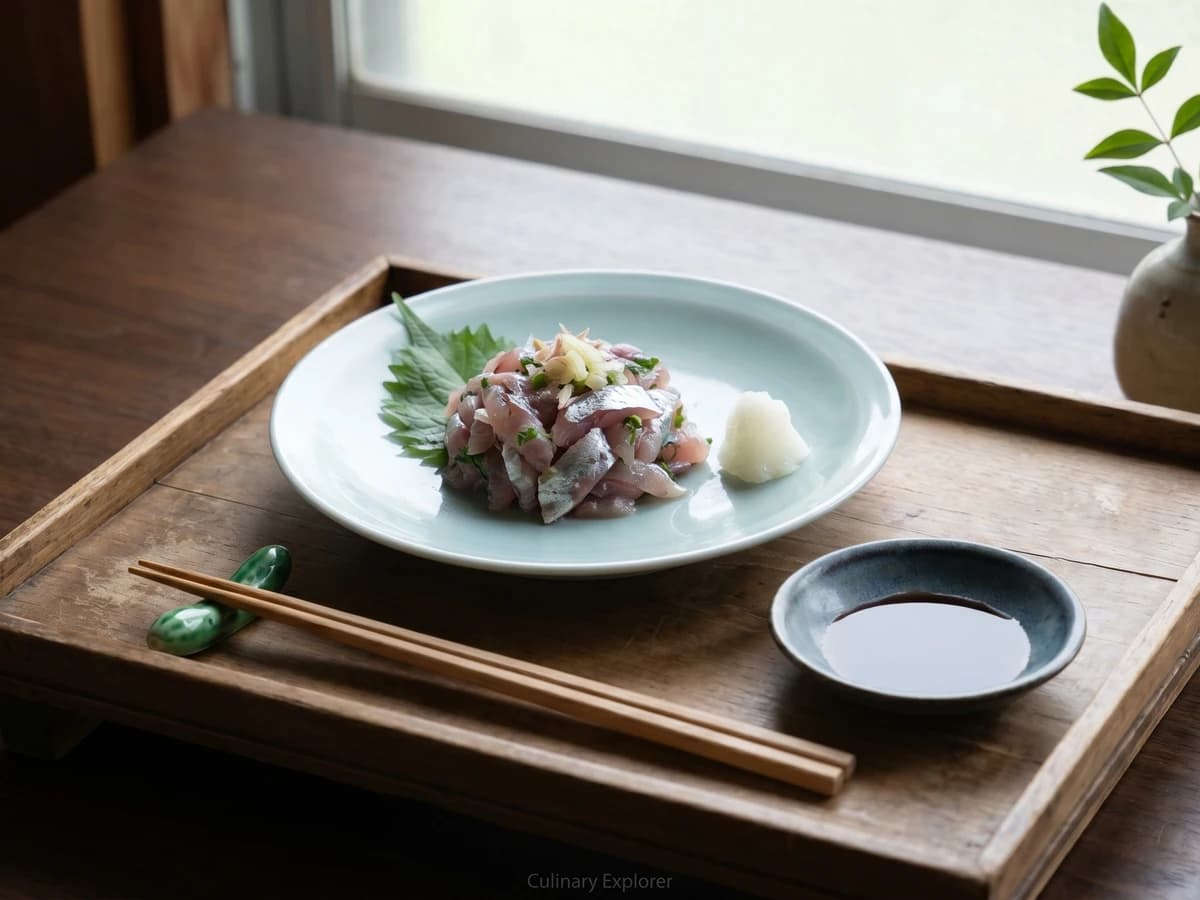
Summer horse mackerel, chopped just enough to catch ginger and scallion, becomes a cool, clean main dish with rice. The secret is fresh fish and a knife that does not bruise it.
Chef Takumi
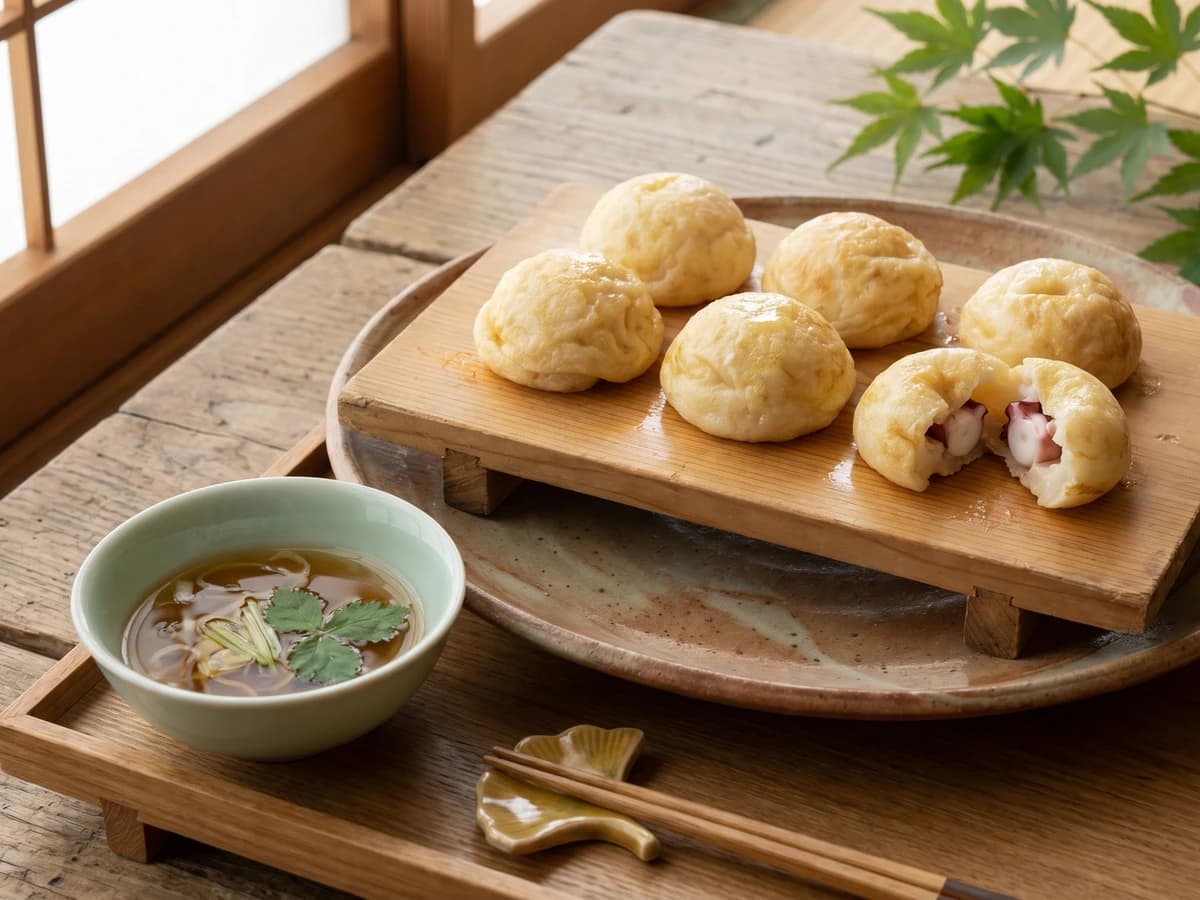
Akashi-yaki is not sauced takoyaki. It is egg-rich batter, tender octopus, and clear dashi, cooked pale and soft so each ball can be dipped like a small custard dumpling.

Chef Takumi
A whole anago looks like a test of nerve. It is mostly good sourcing, a dry skin, cold batter, and oil hot enough to leave the eel sweet under its lace.