
Chef Takumi
Aji Fry (アジフライ, panko-fried horse mackerel)
Aji fry is weeknight fish with no mystery: fresh horse mackerel opened cleanly, breaded lightly, and fried until the panko crackles while the flesh stays sweet.
A cooking platform built around craft, culture, and the stories behind what we eat.

Created by
Sawara carries spring in its very kanji. Give it two quiet days in sweet white miso, then grill it gently after wiping the miso away, and the fish stays tender.
Sawara is a spring fish in western Japan, so plainly seasonal that its kanji writes fish and spring together. When it's at its prime, the flesh is pale, moist, and fine-grained, with enough oil to take a miso marinade without disappearing under it. Sourcing first, always. A tired fillet won't be rescued by miso, only sweetly disguised, and that's not the way we do it here.
Saikyōyaki looks like a special-occasion dish because the surface comes out lacquered and the fish flakes in clean, pearly sheets. The work itself is almost bashful. Salt the fish lightly, blot it, bury it in sweet white miso for two days, then scrape that miso off before it goes near the grill. That last part decides the dish. Leave the miso on and the sugar burns before the fish cooks, and then everyone blames the grill, poor innocent thing.
The marinade is Saikyō miso, the pale, sweet white miso of Kyoto, loosened with sake and mirin. It seasons slowly, firms the flesh, and lends a round sweetness without making a sauce of the fish. This is honmono made reachable: good fish, patient miso, careful heat. Nothing hidden. Serve it with rice, a small vinegared dish, and something green or bitter from the season, and leave the plate room to breathe.
Saikyō miso takes its name from Kyoto after the imperial capital moved to Tokyo in 1869, when Kyoto was sometimes called Saikyō, the western capital. Its high proportion of rice kōji and lower salt content make it pale, sweet, and well suited to miso-curing delicate fish. Sawara is especially associated with spring in Kansai and the Seto Inland Sea, though in parts of eastern Japan the fattier winter fish, kan-sawara, is also prized.
Quantity
4 fillets (about 120g each)
skin on if possible
Quantity
1 teaspoon
Quantity
200g
Quantity
2 tablespoons
Quantity
2 tablespoons
Quantity
1 teaspoon
Quantity
a little
for the grill rack or foil
Quantity
4 pieces
Quantity
small wedges
| Ingredient | Quantity |
|---|---|
| sawara (Spanish mackerel) filletsskin on if possible | 4 fillets (about 120g each) |
| sea salt | 1 teaspoon |
| Saikyō miso (sweet white Kyoto miso) | 200g |
| sake | 2 tablespoons |
| mirin | 2 tablespoons |
| sugar (optional) | 1 teaspoon |
| vegetable oilfor the grill rack or foil | a little |
| hajikami pickled ginger (optional) | 4 pieces |
| sudachi or lemon (optional) | small wedges |
Check the fillets for pin bones and pat them dry. Sprinkle the salt evenly over both sides and rest the fish on a rack for 20 minutes. The salt draws out surface moisture and a little strong aroma, so the miso can season cleanly instead of sliding off wet fish.
Stir the Saikyō miso, sake, mirin, and sugar if using until smooth and spreadable. The sake loosens the miso and carries its aroma, while the mirin rounds the sweetness and helps the finished surface brown.
Blot the salted fish very dry. Spread a thin layer of miso in a shallow container, lay down the fillets, and cover them completely with the remaining miso. For a neater method, wrap the fish in a single layer of gauze before burying it. Cover and refrigerate for 36 to 48 hours. Time does the seasoning here; too short and the center stays plain, too long and the miso begins to make the fish salty and tight.
Lift the fillets from the miso and wipe them clean with your fingers, a spatula, or a damp paper towel. Don't rinse unless you must, because water steals the surface seasoning you waited two days to build. The fish should look lightly stained and glossy, not coated in paste.
Heat a fish grill, broiler, or toaster oven to medium-high and oil the rack or a sheet of foil. Grill the fish skin-side up first if it has skin, 3 to 4 minutes, then turn carefully and cook another 3 to 5 minutes. Move it farther from the heat if the color races. You want light amber patches and a lacquered sheen, not black edges.
Rest the fish for 2 minutes before moving it to plates. The flesh settles and flakes more cleanly after that short pause. Serve with hajikami pickled ginger and a small wedge of sudachi or lemon if you like, but don't squeeze citrus over the whole fillet. Let each bite keep its miso sweetness.
1 serving (about 125g)
Culinary guides, cultural storytelling, and the editorial depth that makes cooking meaningful.
Discover Culinary ExplorerChef Takumi
Aji fry is weeknight fish with no mystery: fresh horse mackerel opened cleanly, breaded lightly, and fried until the panko crackles while the flesh stays sweet.
Chef Takumi
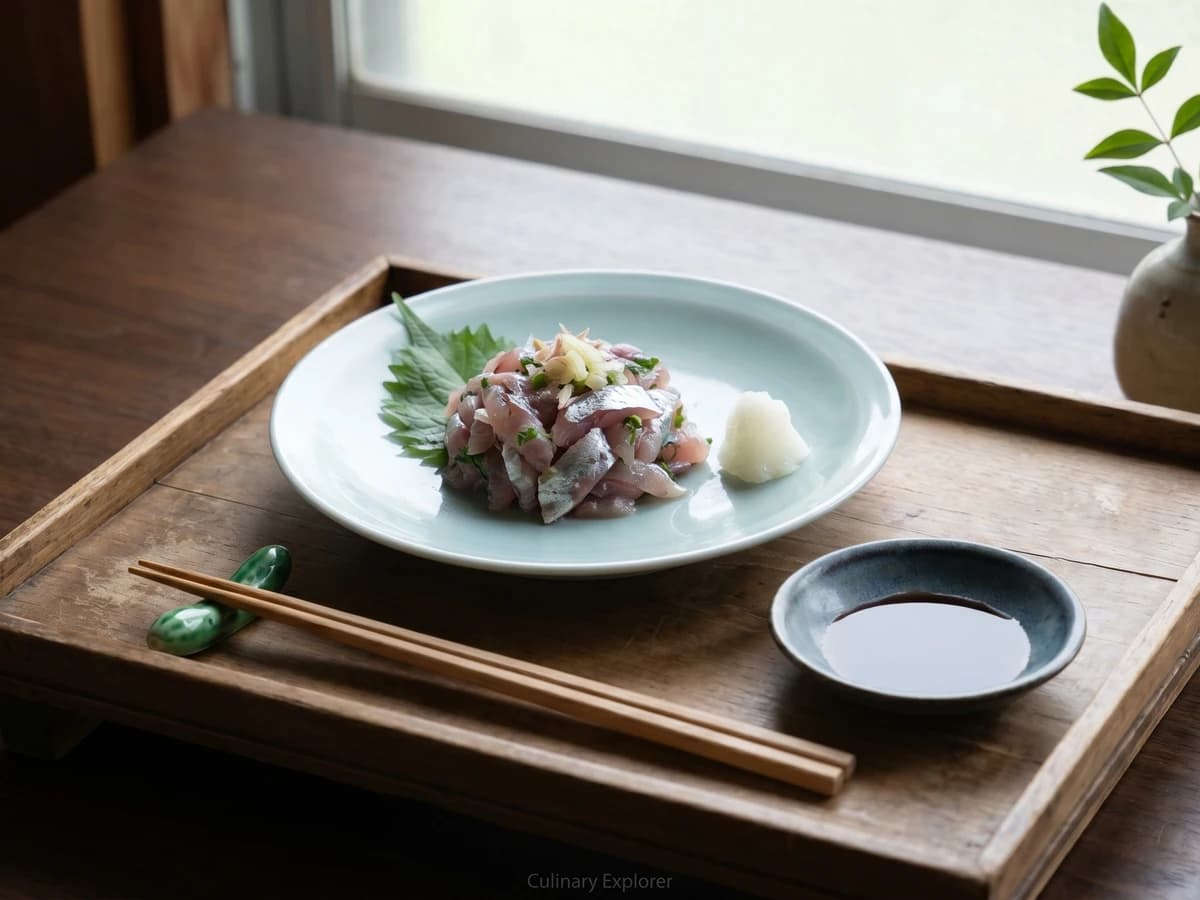
Summer horse mackerel, chopped just enough to catch ginger and scallion, becomes a cool, clean main dish with rice. The secret is fresh fish and a knife that does not bruise it.
Chef Takumi
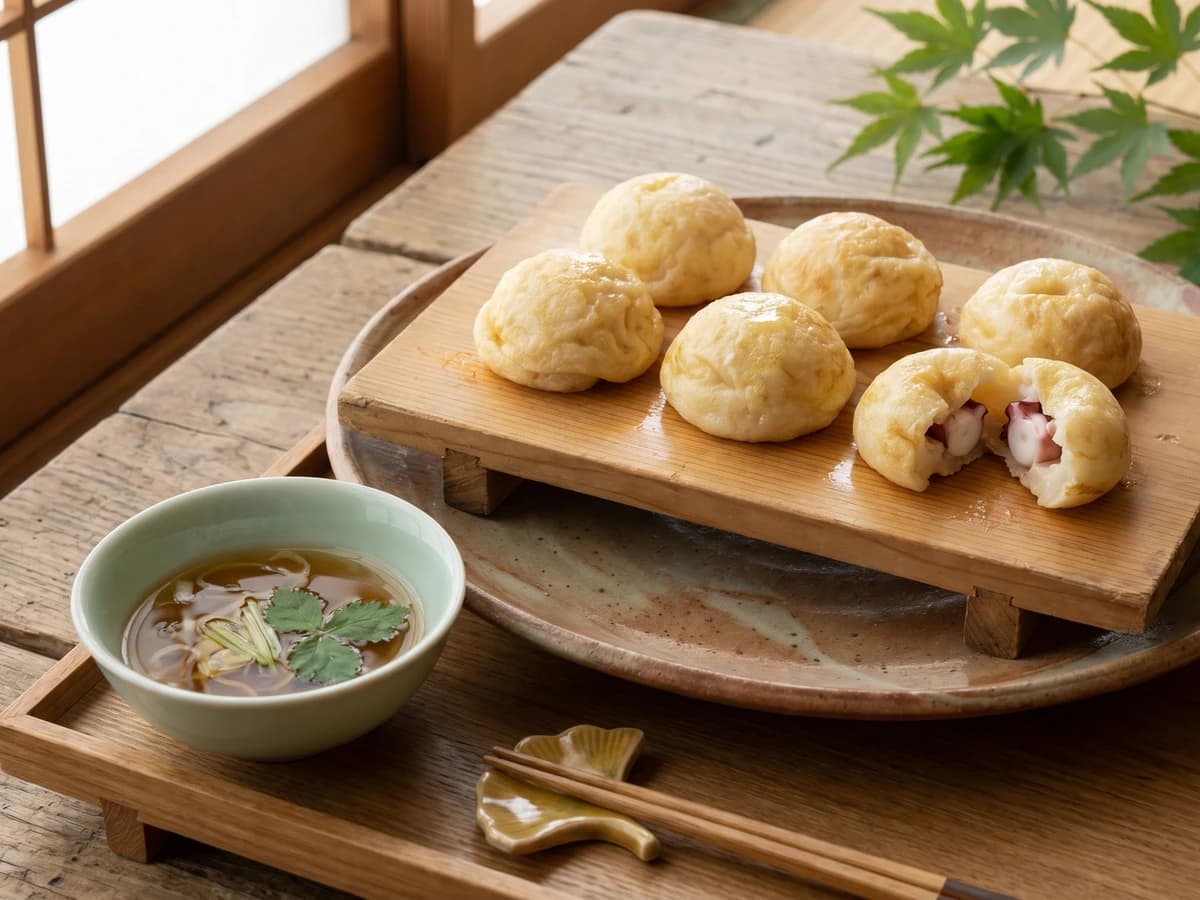
Akashi-yaki is not sauced takoyaki. It is egg-rich batter, tender octopus, and clear dashi, cooked pale and soft so each ball can be dipped like a small custard dumpling.

Chef Takumi
A whole anago looks like a test of nerve. It is mostly good sourcing, a dry skin, cold batter, and oil hot enough to leave the eel sweet under its lace.