
Chef Takumi
Aji Fry (アジフライ, panko-fried horse mackerel)
Aji fry is weeknight fish with no mystery: fresh horse mackerel opened cleanly, breaded lightly, and fried until the panko crackles while the flesh stays sweet.
A cooking platform built around craft, culture, and the stories behind what we eat.
Created by
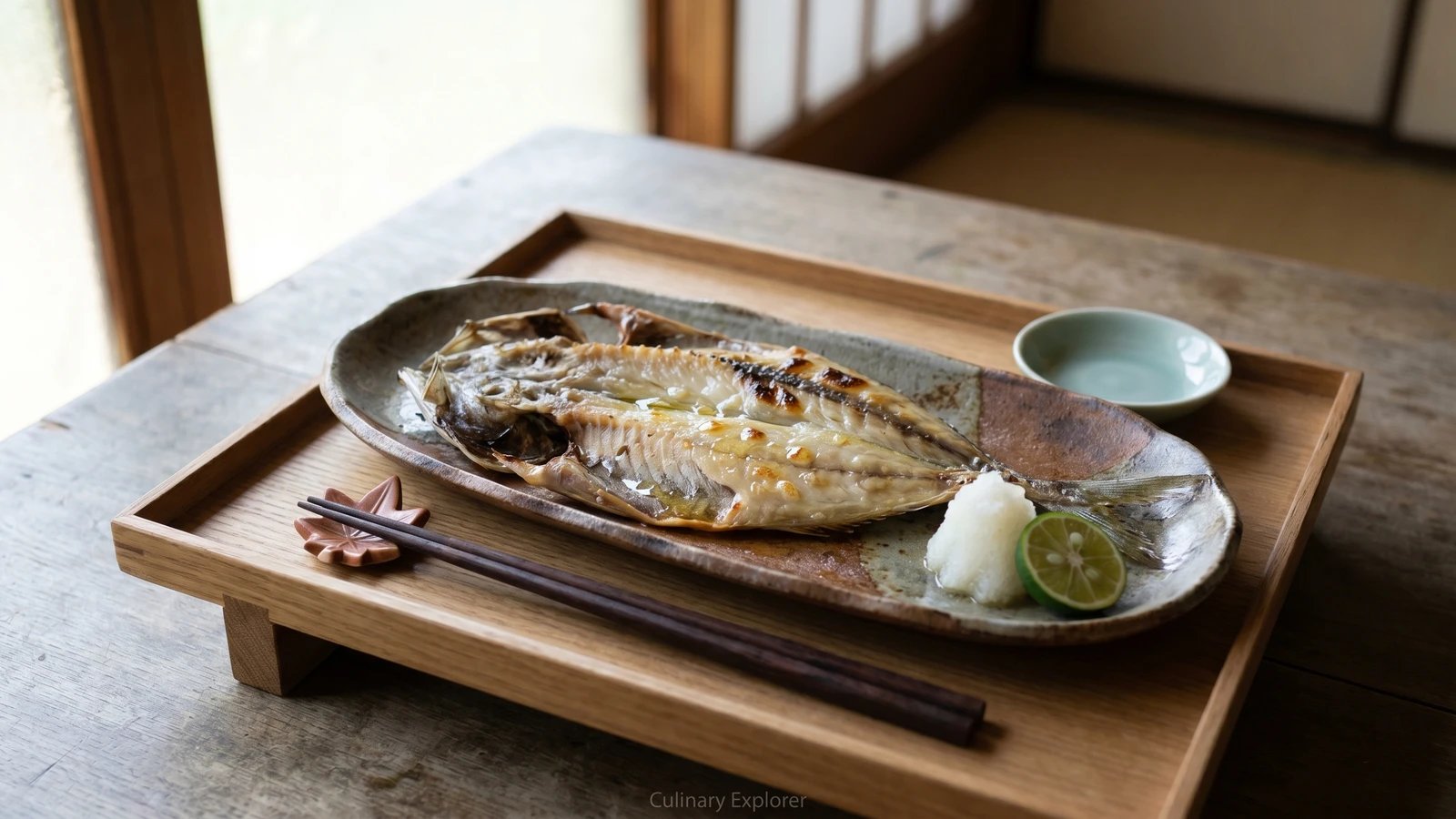
Aji no hiraki is weeknight fish at its plainest and best: split, salted, dried, then grilled skin-side first so the surface crisps while the flesh stays glossy.
Aji no hiraki is the small, honest fish of the grill drawer. Horse mackerel reaches its 旬 (shun) in late spring and summer, when the flesh is firm and the oil is bright, and a little salt and drying make it taste larger than its price. This isn't a grand performance. It is rice, miso soup, pickles, and a fish that does its work without ceremony.
Hiraki means "opened." The fish is split flat, salted, and dried just enough that the surface tightens while the flesh stays tender. Drying is not there to make the fish old. It concentrates flavor and gives the grill a dry surface to crisp, which is why prepared himono can feel like a small secret in the freezer. Buy good prepared aji no hiraki, or dry fresh aji overnight on a rack in the refrigerator if your market gives you fish worth the trouble.
The one detail that decides it is the order of the heat: skin-side first, then flesh-side. The skin carries salt and oil, and it needs the first heat to crisp and protect the opened flesh from drying out. Turn once, gild the cut face, and stop as soon as the thickest part flakes. Put grated daikon beside it, not a heavy sauce. This is 本物 (honmono) in its plainest form: no sauce doing the fish's job. We let the fish, the salt, and the grill speak plainly.
Himono, salted and dried fish, was recorded in the Nara-period ritsuryō system as a preserved marine product used for tribute and offerings, long before refrigeration widened the reach of daily fish. Aji no hiraki became closely associated with coastal towns such as Odawara on Sagami Bay, where horse mackerel from nearby waters was opened, salted, and dried for households and inns. The name is literal: aji is horse mackerel, and hiraki means opened, the butterfly cut that lets salt, air, and grill heat work evenly.
Quantity
2 fish (about 120-160g each)
thawed if frozen and patted dry
Quantity
1/2 cup
grated and lightly squeezed
Quantity
2 teaspoons
for serving
Quantity
1, halved, or 1 lemon wedge
Quantity
a few drops
for oiling the grill rack
| Ingredient | Quantity |
|---|---|
| prepared aji no hiraki (split-dried horse mackerel)thawed if frozen and patted dry | 2 fish (about 120-160g each) |
| daikongrated and lightly squeezed | 1/2 cup |
| soy saucefor serving | 2 teaspoons |
| sudachi or kabosu (optional) | 1, halved, or 1 lemon wedge |
| neutral oilfor oiling the grill rack | a few drops |
Grate the daikon, gather it in your hand, and squeeze only until it holds a soft mound. It should still feel moist. Grate it now, before the fish goes on, because grilled aji waits for no one and the sharp bite of daikon fades as it sits.
Lay the aji no hiraki on a rack and pat both sides with paper towel, especially the skin and tail. If it was frozen, it should be fully thawed first. Don't rinse prepared himono. The salt has already done its work, and water slackens the surface you want to crisp.
Heat a Japanese fish grill, oven broiler, toaster-oven broiler, or well-seasoned grill pan to medium-high. If using a broiler, set the rack about 6 inches from the heat. Line the tray with foil and oil the rack lightly. Give the heat five minutes to settle. A hot, lightly oiled rack grips less, so the skin crisps instead of tearing when you turn it.
Set the fish with the skin facing the heat: skin-side up under a broiler or fish grill, skin-side down on a grill pan. Grill for 3-4 minutes, until the skin tightens, the silver turns tawny in places, and the tail and fin tips are crisp. Skin first matters because the dried, salted surface needs direct heat to render a little oil and firm up before the tender opened flesh sees the fire.
Turn the fish once, supporting the head and body so it doesn't break at the middle. Grill the flesh side for 2-3 minutes, just until the cut face is pale gold in patches, oil beads on the surface, and the thickest part flakes when nudged with chopsticks. Hiraki is thin. If you wait for a heavy crust, you've waited past the best point.
Set the fish head-left, tail-right, flesh side showing, with grated daikon at the front right and the citrus wedge beside it. Spoon a little soy sauce onto the daikon, not across the fish. The fish is seasoned already; the daikon gives the oil a clean edge, and the empty space on the plate keeps the meal calm. Eat with hot rice, miso soup, and pickles.
1 serving (about 140g)
Culinary guides, cultural storytelling, and the editorial depth that makes cooking meaningful.
Discover Culinary ExplorerChef Takumi
Aji fry is weeknight fish with no mystery: fresh horse mackerel opened cleanly, breaded lightly, and fried until the panko crackles while the flesh stays sweet.
Chef Takumi
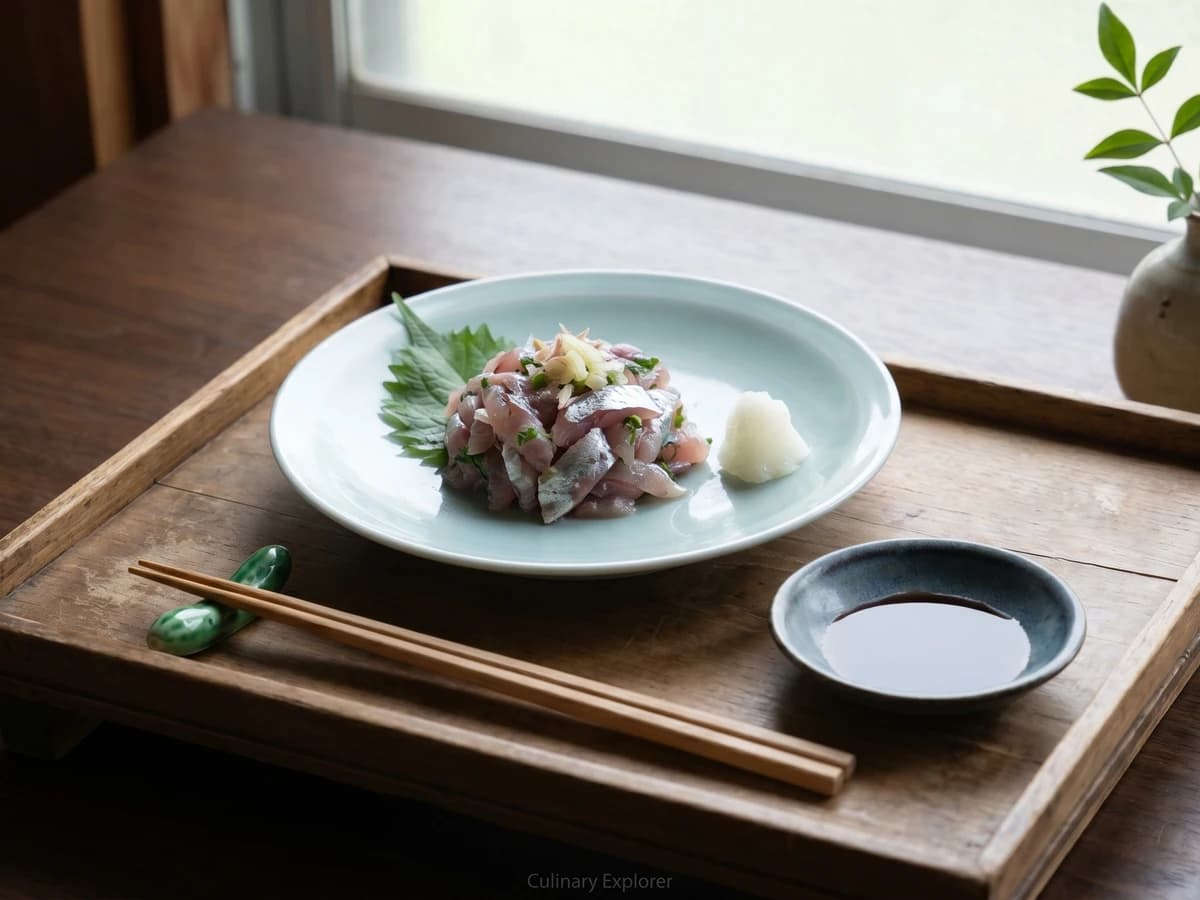
Summer horse mackerel, chopped just enough to catch ginger and scallion, becomes a cool, clean main dish with rice. The secret is fresh fish and a knife that does not bruise it.
Chef Takumi
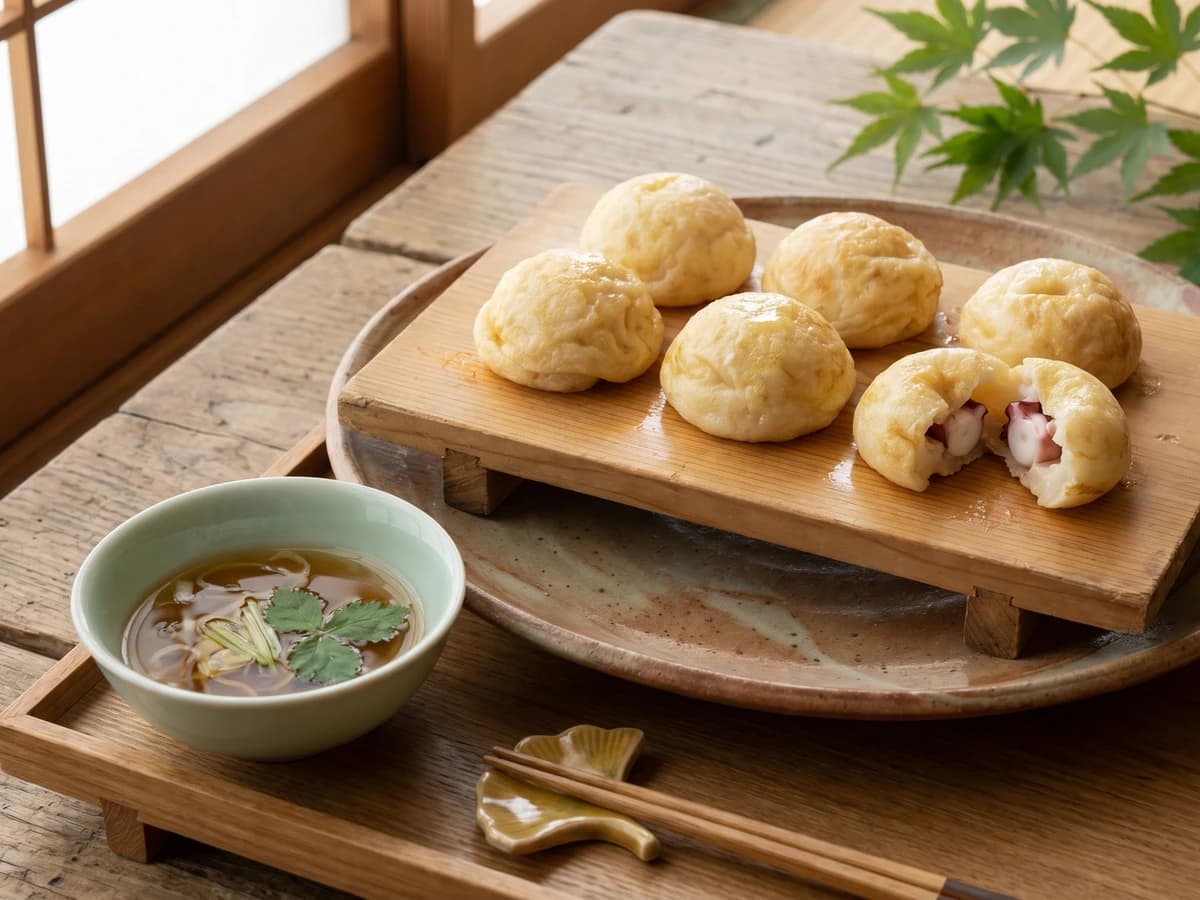
Akashi-yaki is not sauced takoyaki. It is egg-rich batter, tender octopus, and clear dashi, cooked pale and soft so each ball can be dipped like a small custard dumpling.

Chef Takumi
A whole anago looks like a test of nerve. It is mostly good sourcing, a dry skin, cold batter, and oil hot enough to leave the eel sweet under its lace.