
Chef Takumi
Aji Fry (アジフライ, panko-fried horse mackerel)
Aji fry is weeknight fish with no mystery: fresh horse mackerel opened cleanly, breaded lightly, and fried until the panko crackles while the flesh stays sweet.
A cooking platform built around craft, culture, and the stories behind what we eat.

Created by
Salt-grilled salmon is the weekday test of restraint: fresh fish, salt used in two quiet moments, and a hot grill that crisps the skin while keeping the flesh moist.
Salt-grilled salmon looks almost too plain to need a recipe. That's the trap. A plain dish has no little curtain to hide behind, so the freshness of the fish and the way you use salt decide everything. If autumn gives you akizake, the returning salmon at its shun, use it. If not, buy the cleanest skin-on fillet you can find, glistening fresh and smelling of almost nothing.
The first salt is not seasoning in the ordinary sense. It draws out surface moisture and a little of the fish-heavy scent that makes poor salmon announce itself too loudly. Wipe that away, then salt again lightly before the grill. The first salt cleans and firms. The second salt seasons. It sounds fussy until you do it once, then it seems like the sort of thing a sensible person should have guessed.
After that, the dish asks for heat and attention. A hot grill sets the skin before the flesh dries, and the salmon should come away crisp at the edges, moist at the center, with nothing hidden under sauce. We set it beside rice, miso soup, pickles, and a small mound of grated daikon. Honmono can be as spare as this: fish, salt, fire, and the discipline to stop there.
Salt-grilled fish, shioyaki, is one of the old grilling forms of washoku, a method built around preservation as much as flavor. Salmon has a long northern history in Japan, especially in Hokkaido and in Murakami, present-day Niigata, where Edo-period records describe managed salmon returns on the Miomote River. With refrigeration and modern transport, lightly salted grilled salmon moved from a preserved regional fish into the standard breakfast plate of rice, miso soup, and pickles.
Quantity
2 fillets (about 150g each)
pin bones removed
Quantity
1 teaspoon (about 5 to 6g)
divided
Quantity
a few drops
for the rack or pan
Quantity
1/2 cup
grated and lightly squeezed
Quantity
2
Quantity
a few drops
for the grated daikon
| Ingredient | Quantity |
|---|---|
| skin-on salmon filletspin bones removed | 2 fillets (about 150g each) |
| fine sea saltdivided | 1 teaspoon (about 5 to 6g) |
| neutral oilfor the rack or pan | a few drops |
| daikongrated and lightly squeezed | 1/2 cup |
| sudachi, yuzu, or lemon wedges (optional) | 2 |
| soy sauce (optional)for the grated daikon | a few drops |
Choose salmon with clear color, tight flesh, and a clean scent. The skin should look glossy, not dull, and the cut face should be moist without sitting in liquid. Pat the fillets dry and check for pin bones. Sourcing first: this dish has only salt to speak for it, so a tired piece of fish will tell on you before the grill is hot.
Sprinkle about 3/4 teaspoon of the salt evenly over both sides of the fillets, including the skin. Set them skin-side up on a wire rack over a tray and refrigerate uncovered for 30 minutes. The salt draws moisture to the surface, firms the flesh, and keeps the fish from sitting in its own brine.
Wipe away the beads of moisture and the first salt with a paper towel. Don't rinse. Water puts back the wet surface you just drew out and slows the skin from crisping. Sprinkle the remaining 1/4 teaspoon salt lightly over the fish, a little extra on the skin, and leave it while the grill heats.
Heat a yakiami, a Japanese grilling net, a fish grill, a broiler, or a ridged grill pan until very hot. Oil the rack or pan with just a few drops. The hot surface sets the skin quickly and keeps the flesh from lingering over heat long enough to dry.
Under a broiler or one-sided fish grill, start the fillets skin-side down, flesh facing the heat, for 3 to 4 minutes. Turn them skin-side up and grill 2 to 4 minutes more, until the skin is crisp and the thickest part flakes under chopsticks but still glistens. On a yakiami or grill pan heated from below, start skin-side down for about 4 minutes, then turn briefly to finish the flesh side.
Rest the salmon for 2 minutes so the heat settles through the flesh. Set each fillet on a plate with grated daikon and a citrus wedge. If using soy sauce, put a few drops on the daikon, not over the fish. The salt has already done its work. Serve with rice, miso soup, and pickles, leaving the plate room to breathe.
1 serving (about 155g)
Culinary guides, cultural storytelling, and the editorial depth that makes cooking meaningful.
Discover Culinary ExplorerChef Takumi
Aji fry is weeknight fish with no mystery: fresh horse mackerel opened cleanly, breaded lightly, and fried until the panko crackles while the flesh stays sweet.
Chef Takumi
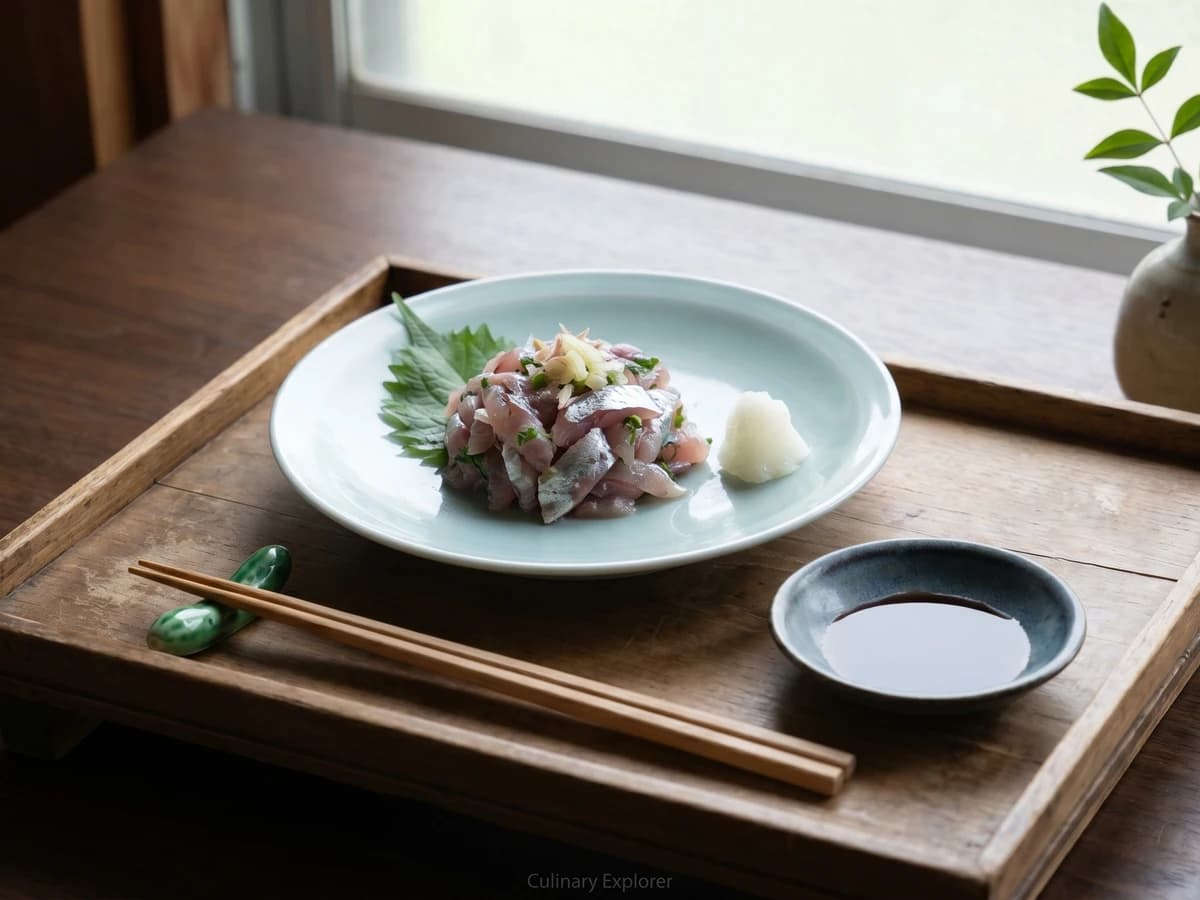
Summer horse mackerel, chopped just enough to catch ginger and scallion, becomes a cool, clean main dish with rice. The secret is fresh fish and a knife that does not bruise it.
Chef Takumi
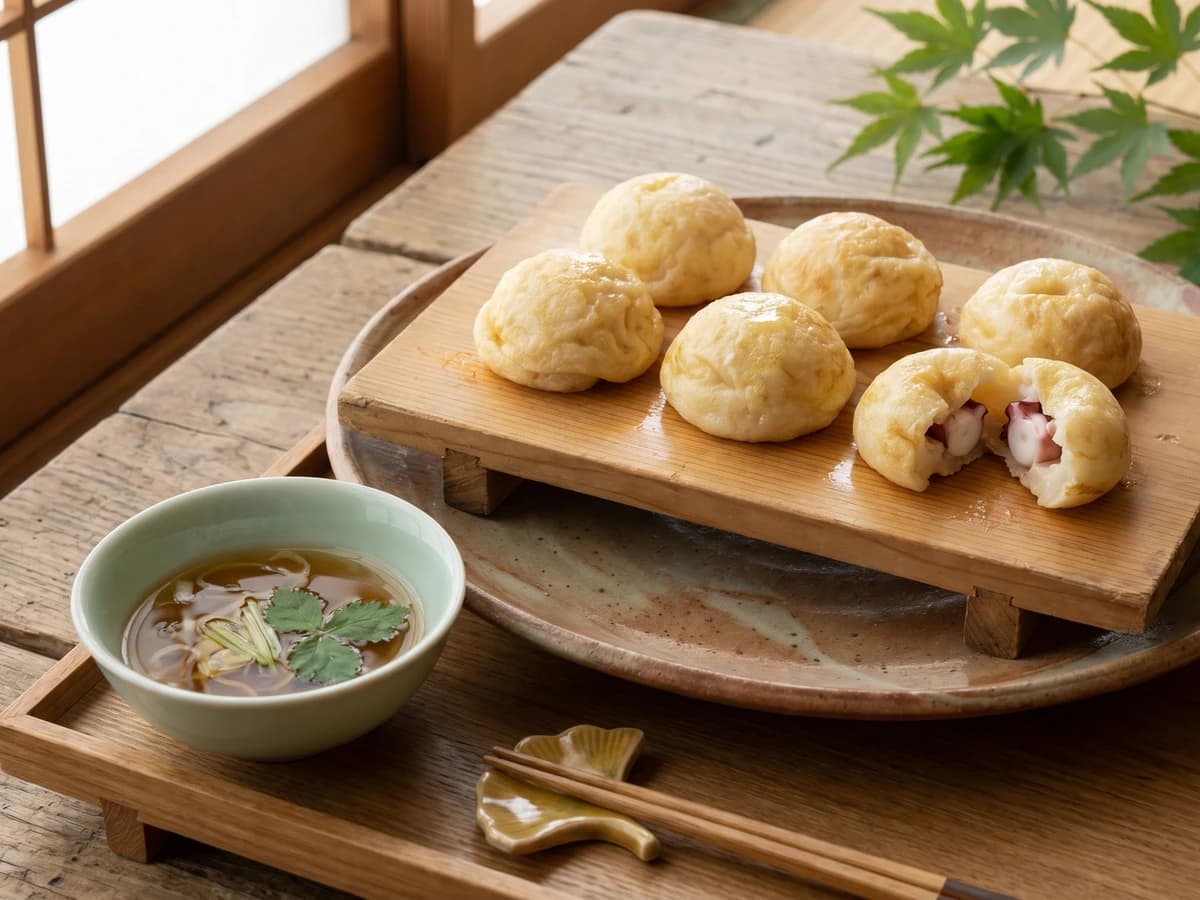
Akashi-yaki is not sauced takoyaki. It is egg-rich batter, tender octopus, and clear dashi, cooked pale and soft so each ball can be dipped like a small custard dumpling.

Chef Takumi
A whole anago looks like a test of nerve. It is mostly good sourcing, a dry skin, cold batter, and oil hot enough to leave the eel sweet under its lace.