
Chef Lesia
Varenyky z Kvasoleyu (вареники з квасолею, bean dumplings)
Beans and onions do the quiet work here: soft, sweet, peppery filling sealed in thin dough, boiled until the edges flutter, then glossed with green sunflower oil.

Updated June 13, 2026
The filled and the wrapped, in their meatless forms: savory varenyky folded in the family triangle around potato, curd, sauerkraut, mushroom, Carpathian brynza, buckwheat and bean; and holubtsi rolled in cabbage or grape leaf around Lenten rice, the ancient millet, and Poltava buckwheat.
A cooking platform built around craft, culture, and the stories behind what we eat.
Chef Lesia
Beans and onions do the quiet work here: soft, sweet, peppery filling sealed in thin dough, boiled until the edges flutter, then glossed with green sunflower oil.
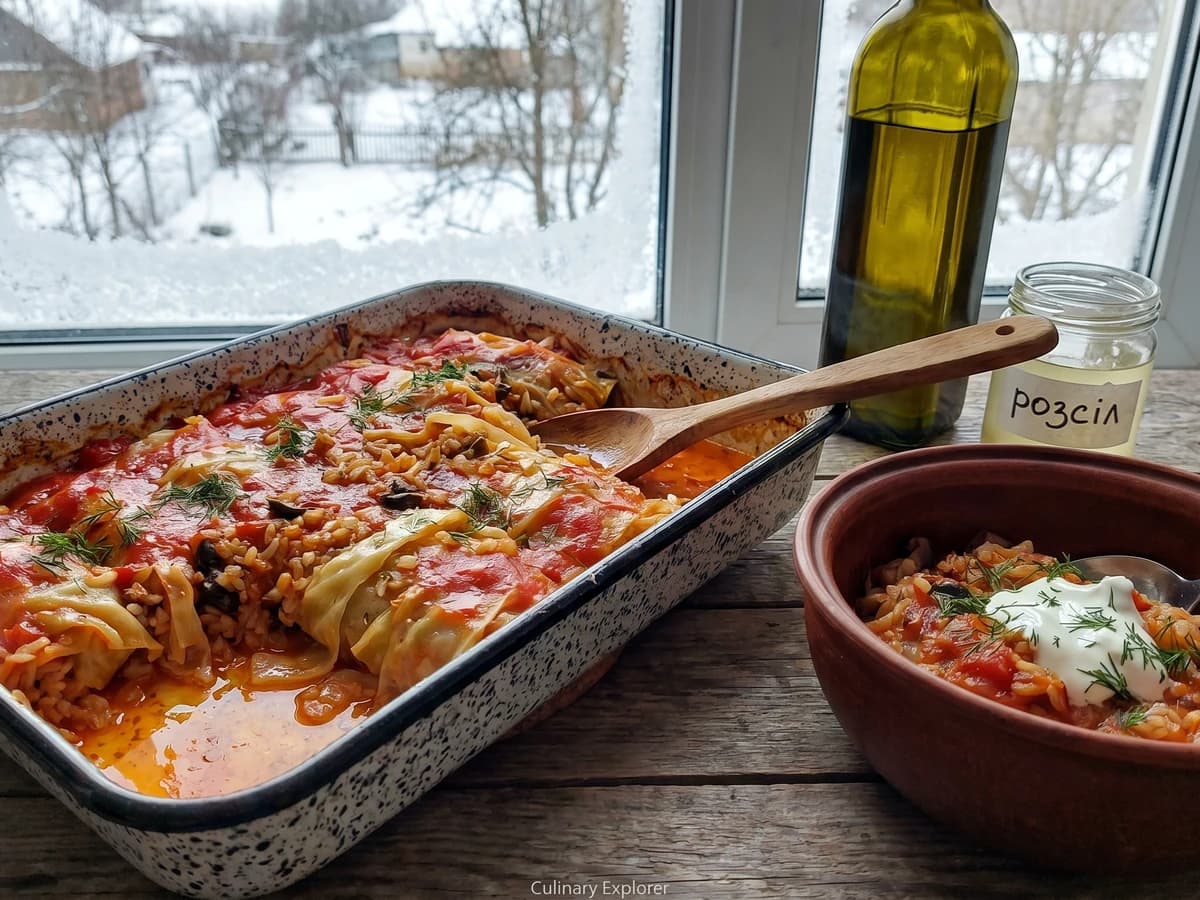
Chef Lesia
All the cabbage-roll comfort is here, but the leaves give up their ceremony: chopped cabbage, rice, mushrooms, and tomato bake together until the edges catch and the sauce turns sweet.

Chef Lesia
The filling can be sweet or salty, but the seam has no patience for wet cheese. Drain the syr hard and the dumpling stays tender, plump, and honest.

Chef Lesia
The cheapest varenyky often disappear first: tender dough around hot oniony potato, green-gold oil shining in the folds, dill on top, smetana cold at the side.
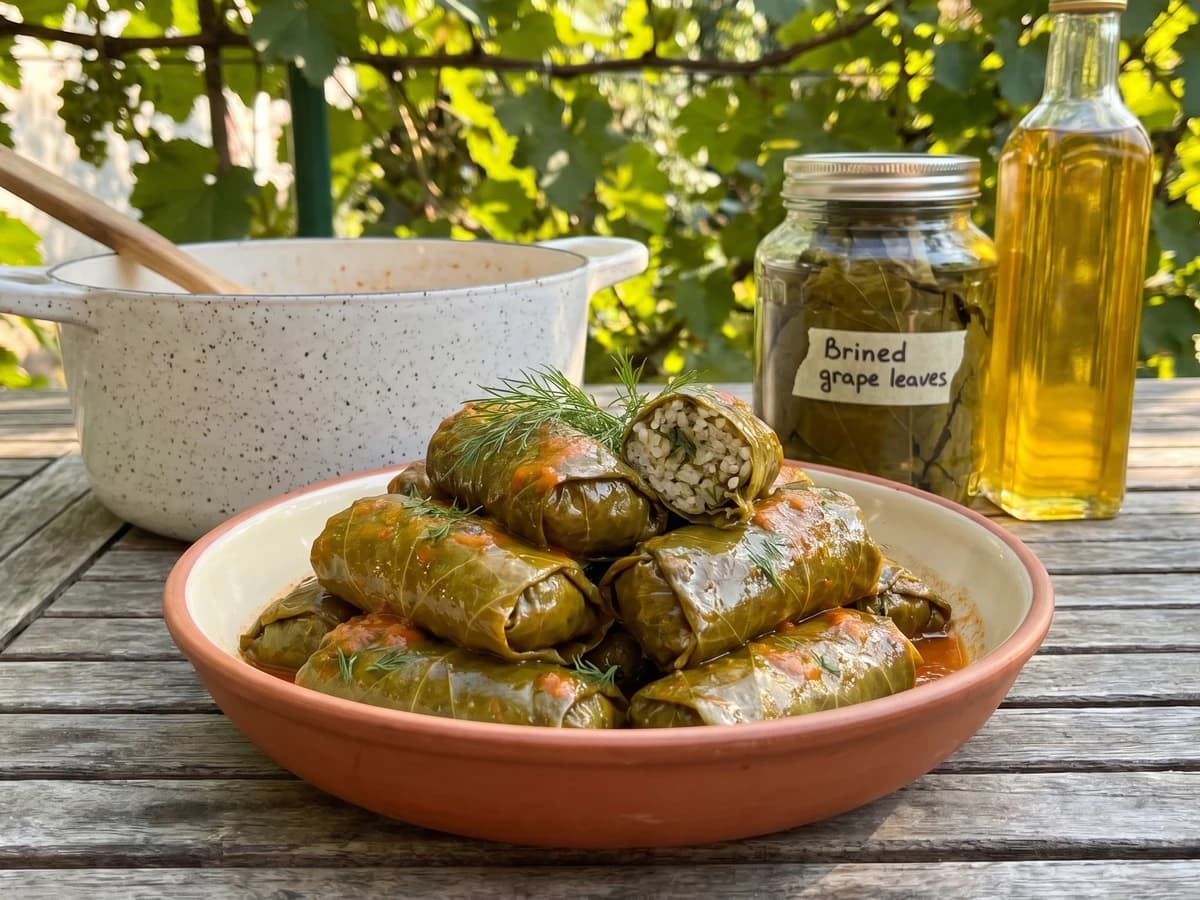
Chef Lesia
Grape leaves turn holubtsi into summer food: small, tart, and green at the edges, with rice and dill tucked inside and a late zasmazhka brightening the pot.

Chef Lesia
These little Lenten dumplings look modest until you cut one open: sweet cabbage, creamy bean, black pepper, and onion oil doing the work meat usually gets praised for.

Chef Lesia
These are the dumplings you can fold almost blind: thin dough, potato mashed with salty curd, and buttered onion poured over while the cold smetana waits.

Chef Lesia
Dried porcini wake in hot water like a forest after rain, then disappear into soft dumpling dough with sweet onion, black pepper, and enough buttered shine for the whole table.

Chef Lesia
These little fingers are the dumpling you make when nobody has patience for folding: mashed potato, dry curd cheese, a knife, and a pan of onions sweet enough to perfume the whole flat.

Chef Lesia
Buckwheat is not soft background here. Each grain sits inside the dumpling like a small brown bead, nutty, separate, and sweetened by onion.
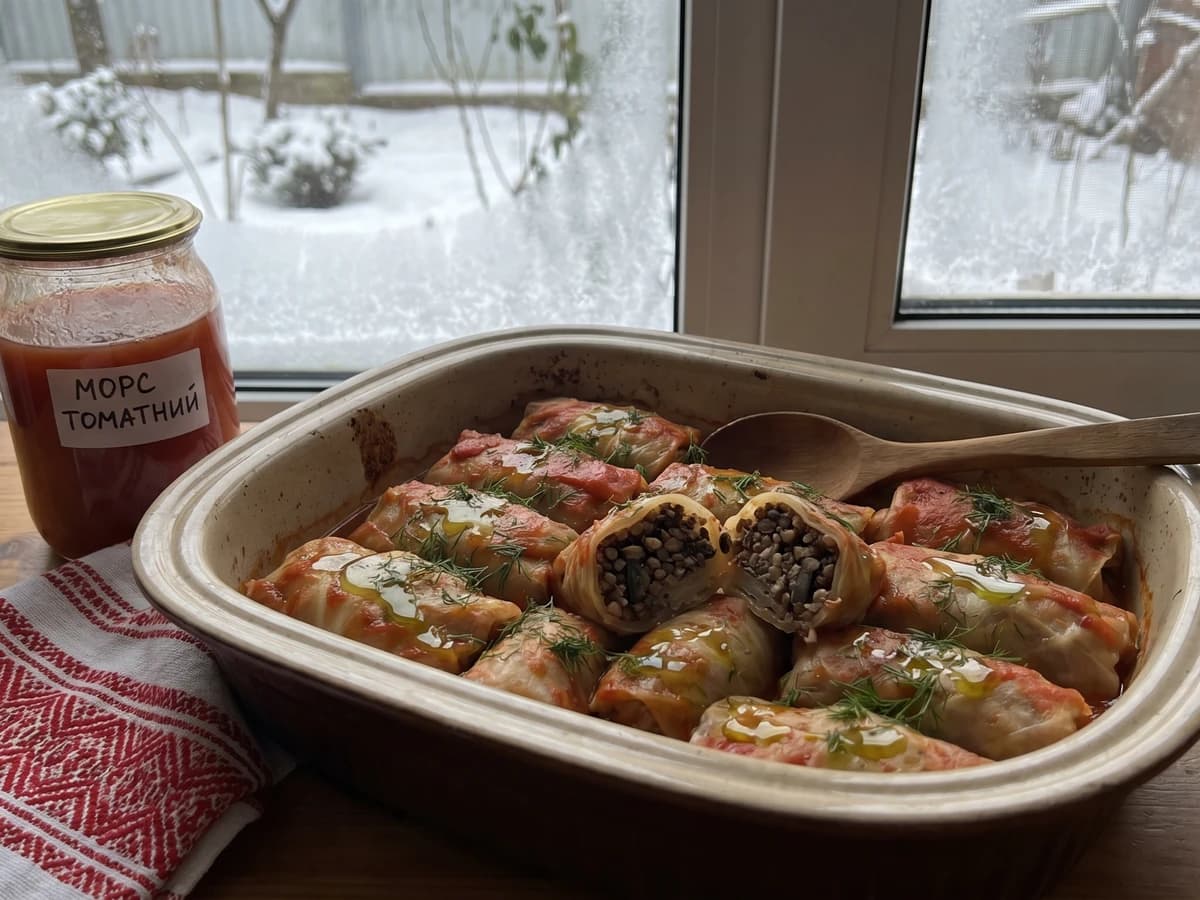
Chef Lesia
Buckwheat makes these Poltava cabbage rolls smell like a toasted field after rain: nutty groats, sweet cabbage, and a tomato braise brightened at the end with slow onion and carrot.
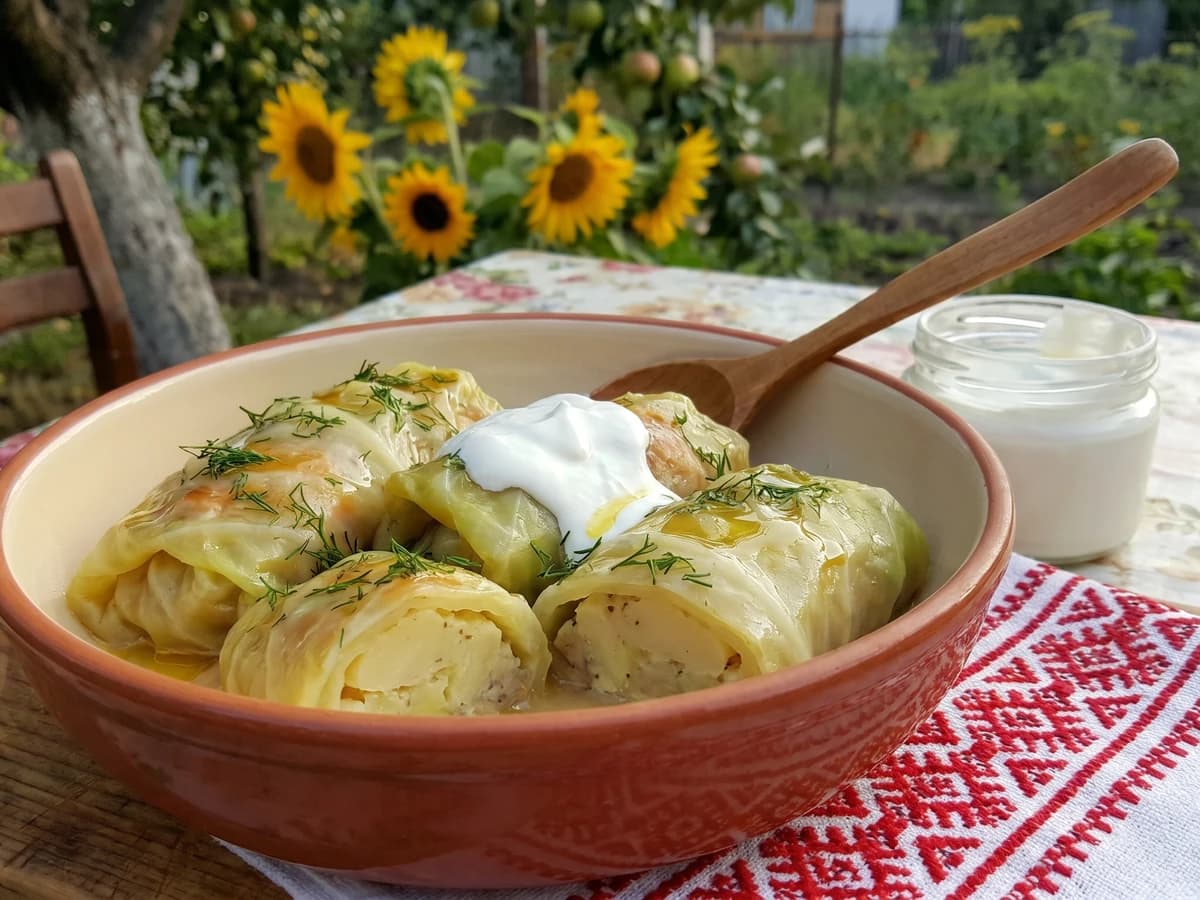
Chef Lesia
Raw potato goes into the cabbage leaf pale and loose, then comes out set like a soft dumpling, scented with onion, dill, and the sour warmth of smetana.

Chef Lesia
Before rice reached many village cupboards, millet was already swelling in cabbage leaves, drinking tomato and sunflower oil until each roll turned soft, golden, and serious enough for Sunday.

Chef Lesia
The filling is called sand: flour toasted in sunflower oil until golden, crumbly, sweet-smelling, and tender enough to make poverty taste like someone loved you properly.

Chef Lesia
Salty sheep brynza does half the cooking before your pot is even on, sharp from the Carpathian high pastures and tucked into soft dough with just enough potato to steady it.

Chef Lesia
Sharp sauerkraut goes into the pan loud and wet, then onion oil tames it into a deep winter filling, tucked into tender varenyky for Christmas Eve or any cold table.
Chef Lesia
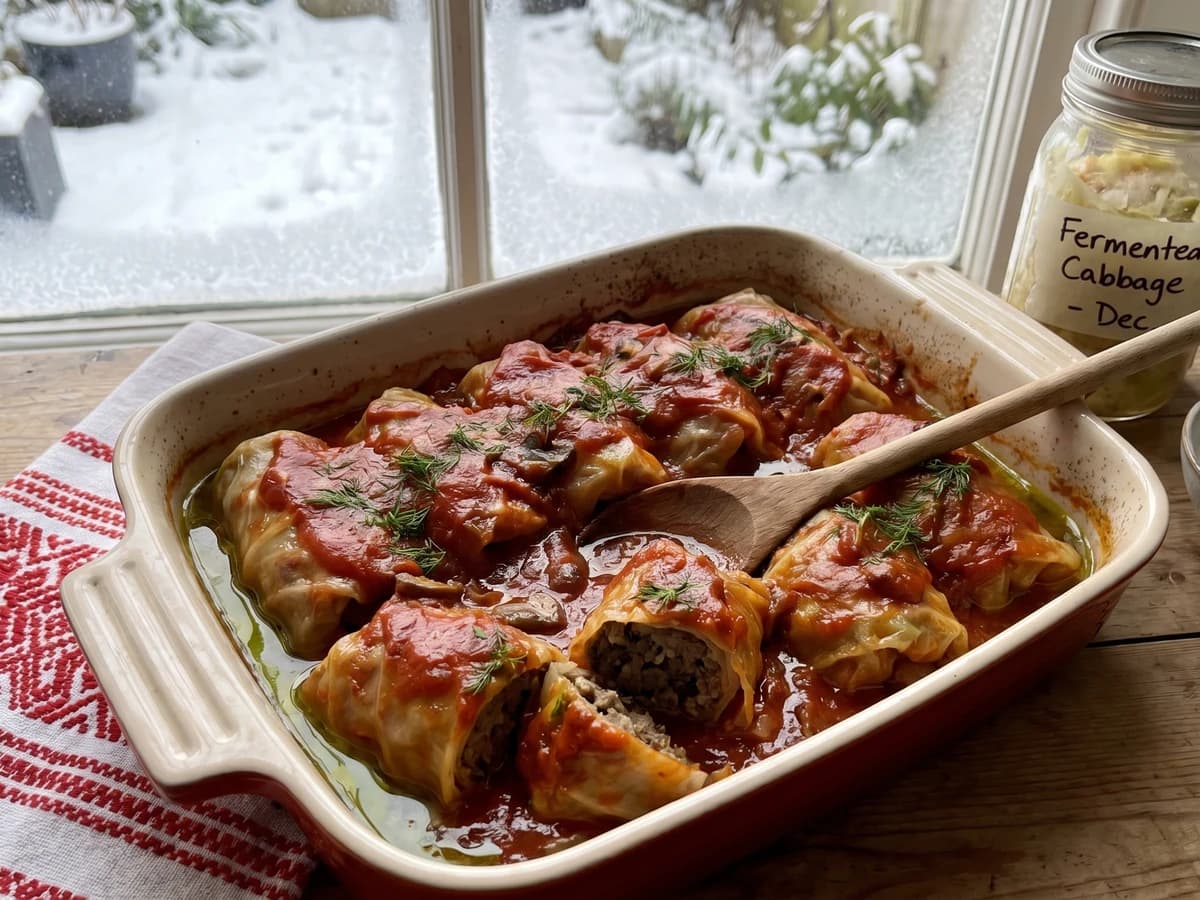
The oldest holubtsi start with a whole fermented cabbage leaf, sour from the barrel, wrapped around rice and fried onion, then stewed until tomato, leaf, and filling become one soft thing.

Chef Lesia
The best thing in these meatless holubtsi is the water you almost threw away: dark mushroom liquor that soaks into the rice, stains the cabbage bronze, and makes the pot taste fed.
Culinary guides, cultural storytelling, and the editorial depth that makes cooking meaningful.
Discover Culinary ExplorerChef Lesia is a fictional culinary guide to Ukrainian Southern-Steppe Cuisine, written with the assistance of AI.