
Chef Lesia
Kvashenyi Buryak (квашений буряк, fermented whole beets)
The beets stain the brine first like spilled ink, then slowly turn it sour, ruby-deep, and useful enough to carry a whole winter pot of borshch.
Updated June 13, 2026
The ferment heartland of the Ukrainian table and the working sauces around it: kvasheni tomatoes, cucumbers, sauerkraut, fermented sweet peppers and stuffed aubergines, the whole Kherson watermelon soured in a barrel, the beet kvas that reddens borshch, plus zasmazhka, khrin, hrenovina, adzhyka, the mushroom pidliva, and the dark plum povydlo that closes the season.
A cooking platform built around craft, culture, and the stories behind what we eat.
Chef Lesia
The beets stain the brine first like spilled ink, then slowly turn it sour, ruby-deep, and useful enough to carry a whole winter pot of borshch.

Chef Lesia
The gravy should start dark as wet bark, then soften when smetana goes in. Spoon it over buckwheat, potatoes, or mlyntsi and nobody asks where the meat went.
Chef Lesia
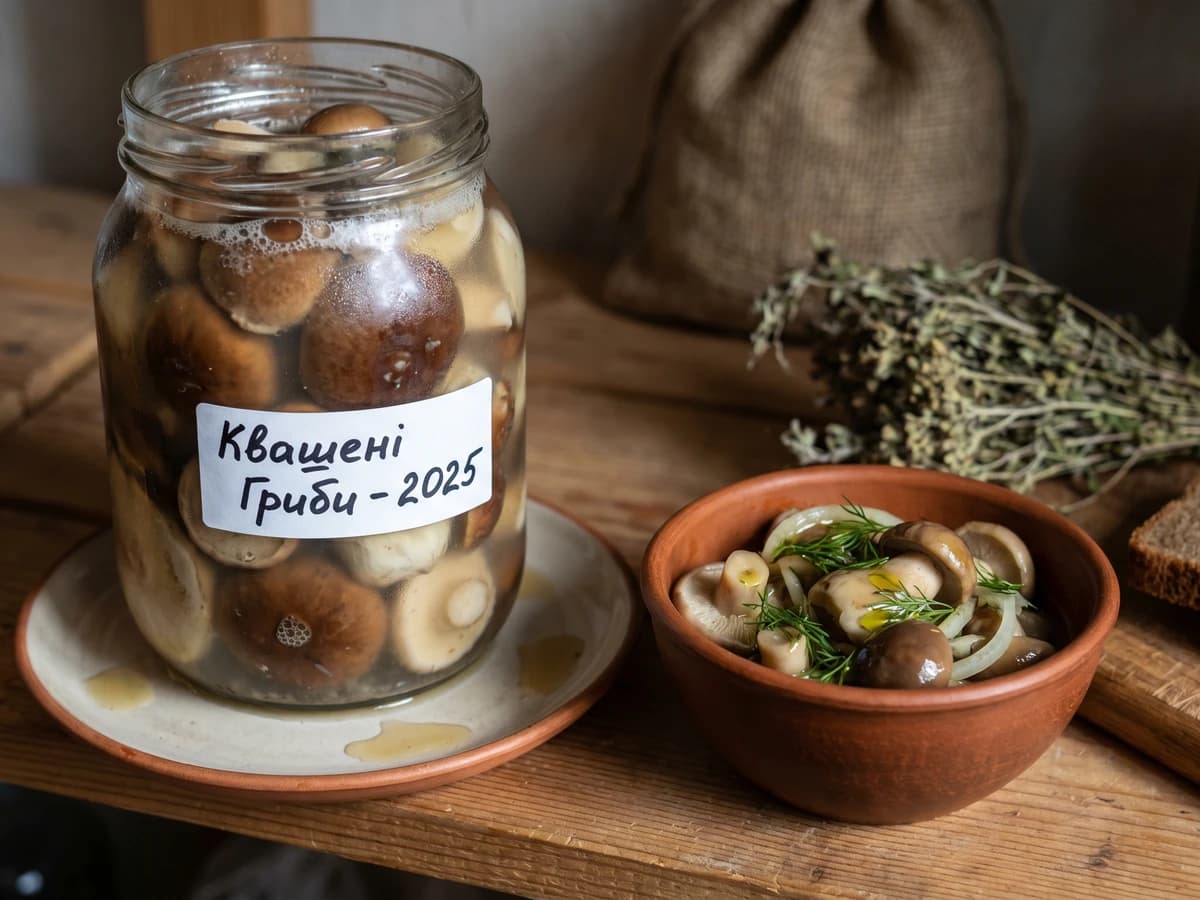
Mushrooms are not pickled here to make them sharp. They are salted, weighted, and left to sour slowly until the forest smell turns deep, garlicky, and alive.
Chef Lesia
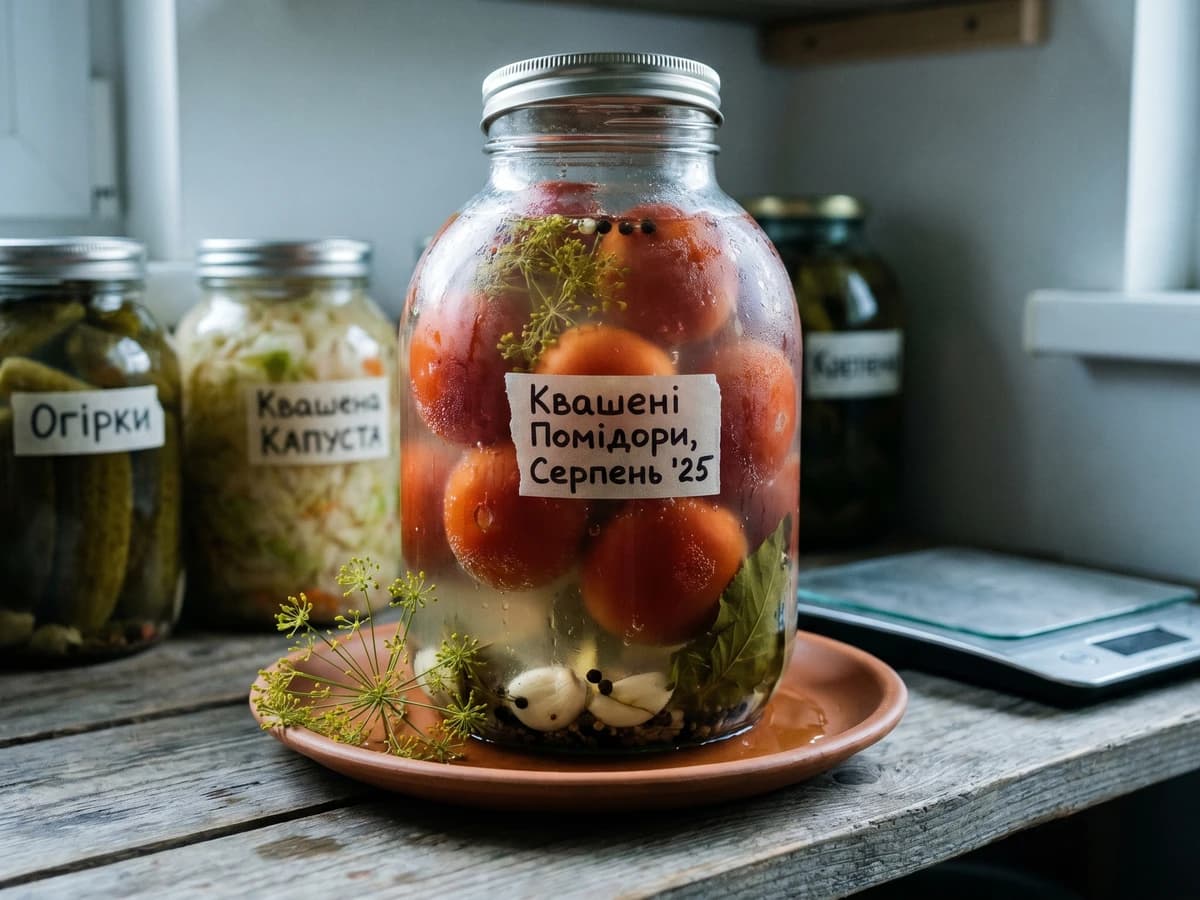
Whole tomatoes go into the jar taut and glossy, then come out fizzing, sour, and a little alive. Weigh the water, weigh the salt; this brine doubts nothing.
Chef Lesia
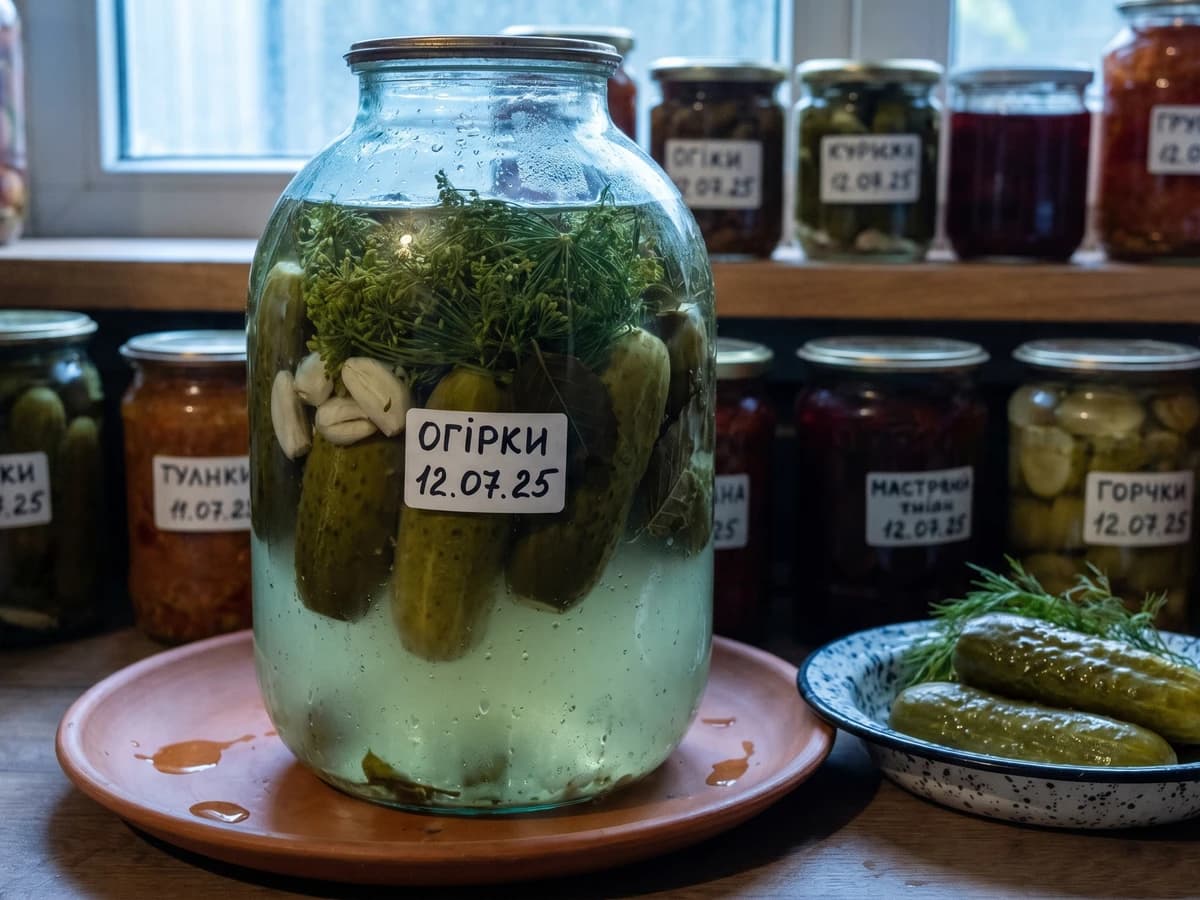
The brine goes cloudy on purpose: small cucumbers, dill crowns, garlic and one tannin leaf sour slowly until they snap under your teeth with salt, fizz and summer-kitchen sharpness.

Chef Lesia
The tomatoes go from garden-red to brick-red while the peppers slump and the garlic waits. By the end, the spoon leaves a path and the whole south fits in one jar.
Chef Lesia
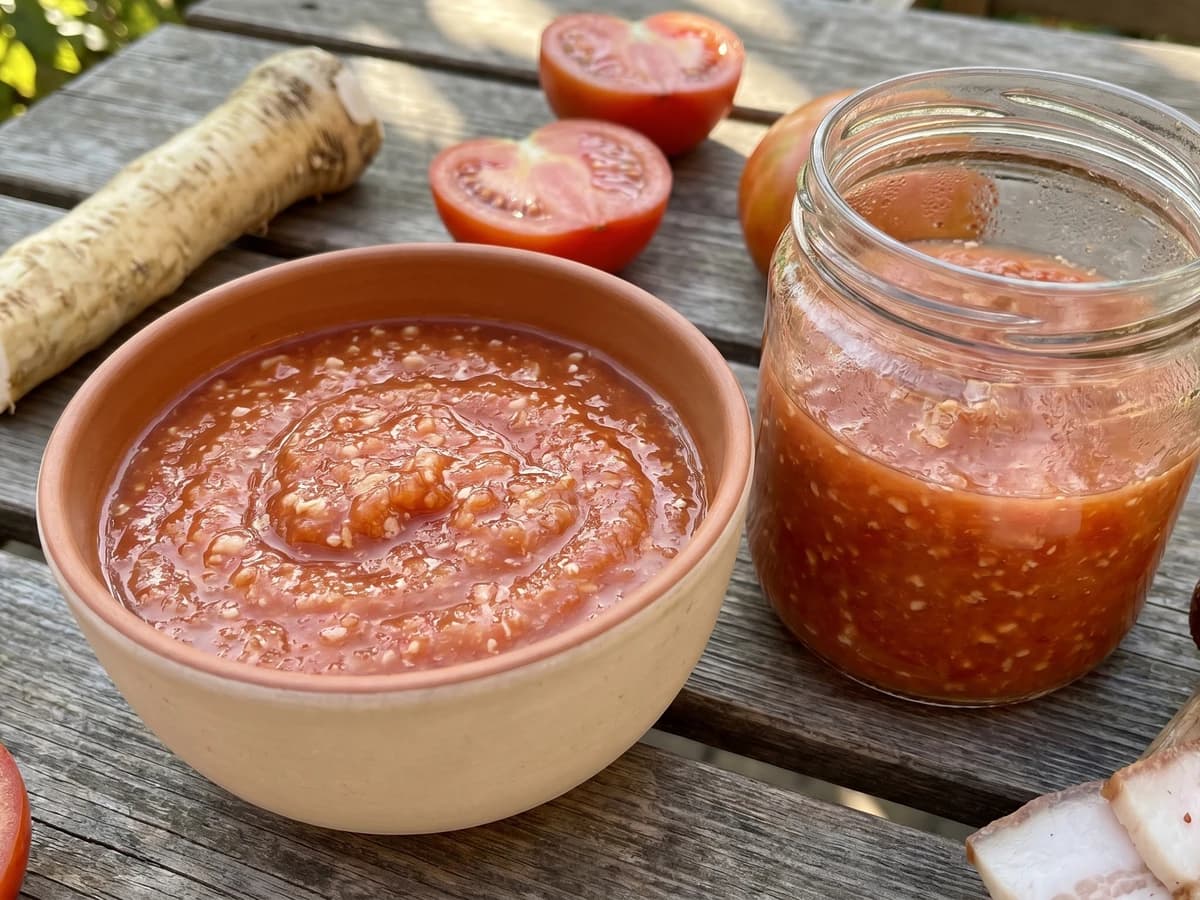
The color looks sweet first: tomato-red, glossy, almost innocent. Then the horseradish catches your nose, your eyes water, and every cold slice of pork wakes up.

Chef Lesia
Raw garlic, salt, and green sunflower oil turn into a sauce that announces itself from the doorway, sharp enough for pampushky, potatoes, grilled meat, and any tired Tuesday plate.
Chef Lesia
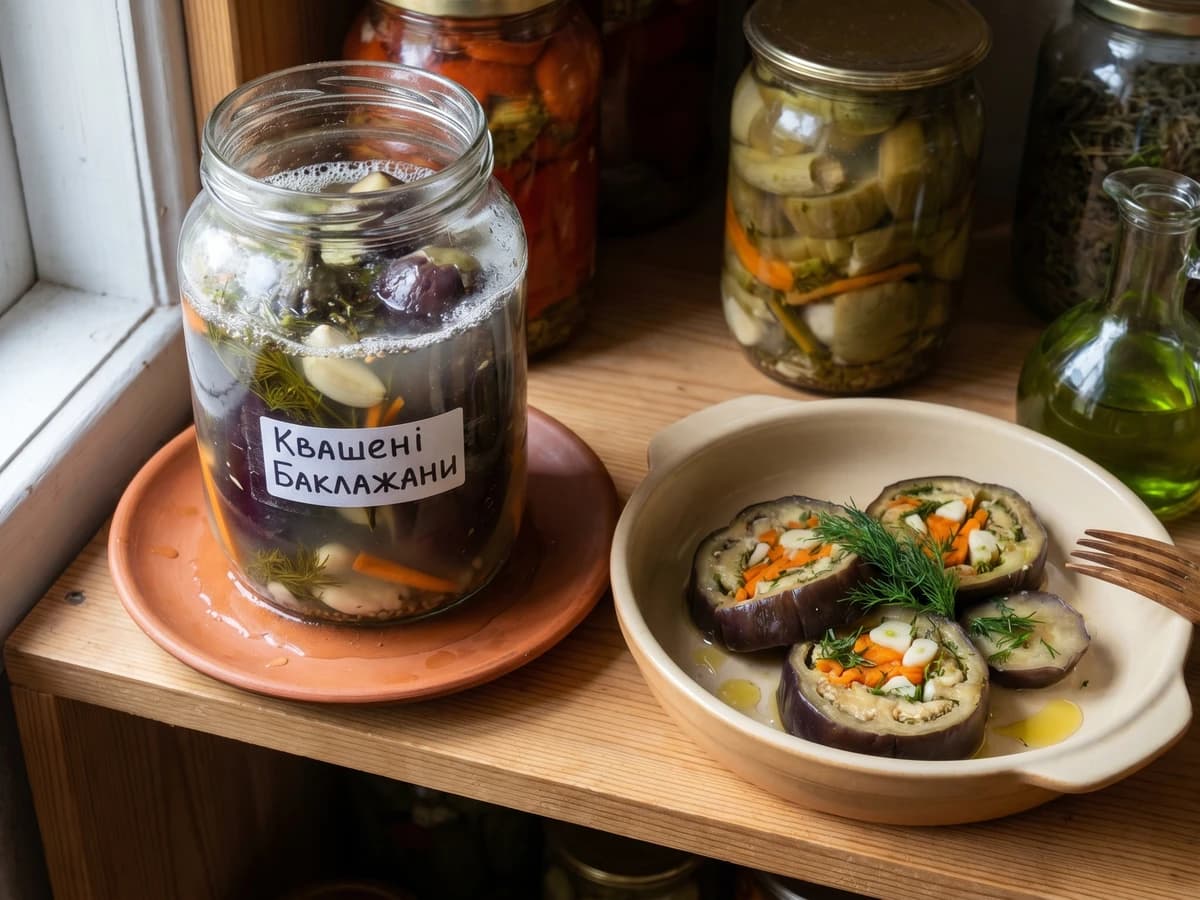
The aubergines come out of the jar striped purple, orange, and dill-green, sour enough to wake your mouth and tender enough to eat like a small meal.
Chef Lesia
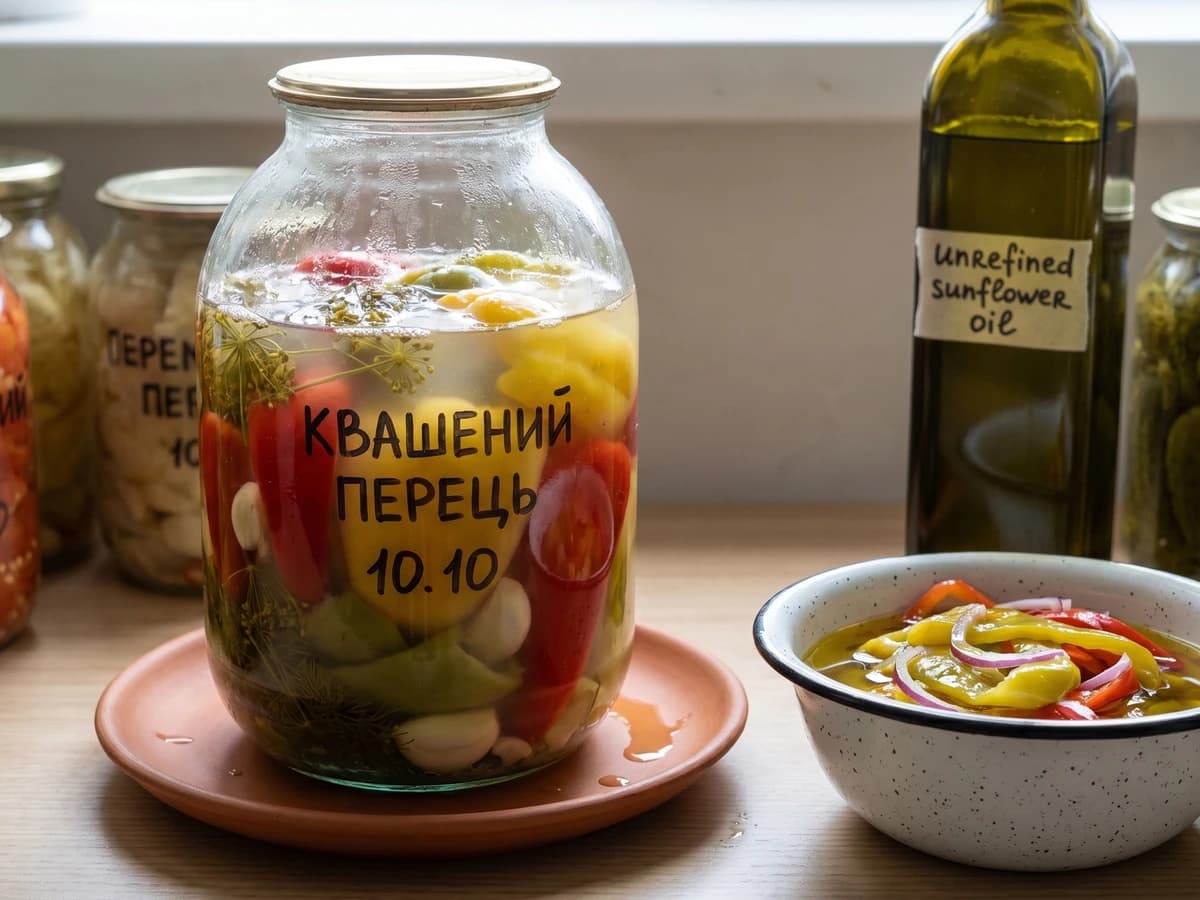
Red and yellow peppers go into the jar glossy and loud, then the brine turns cloudy and they soften into a sour, fizzy condiment for potatoes, beans, rye bread, and winter plates.
Chef Lesia
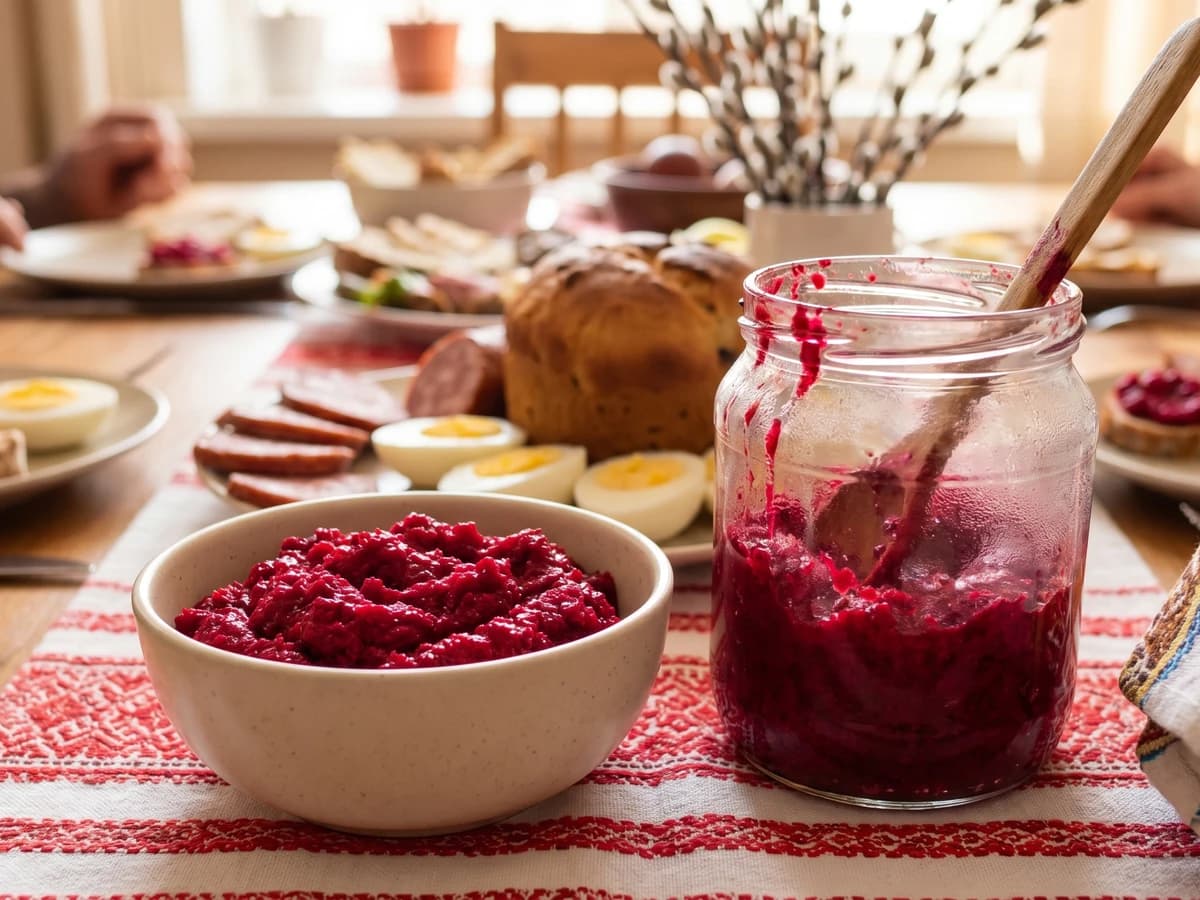
The beet makes it glow like a church window, then the horseradish comes up through your nose and reminds everyone at the Easter table to sit straighter.

Chef Lesia
A jar of grated beets turns ordinary water into sour red light, the kind that wakes borshch from inside instead of shouting over it.
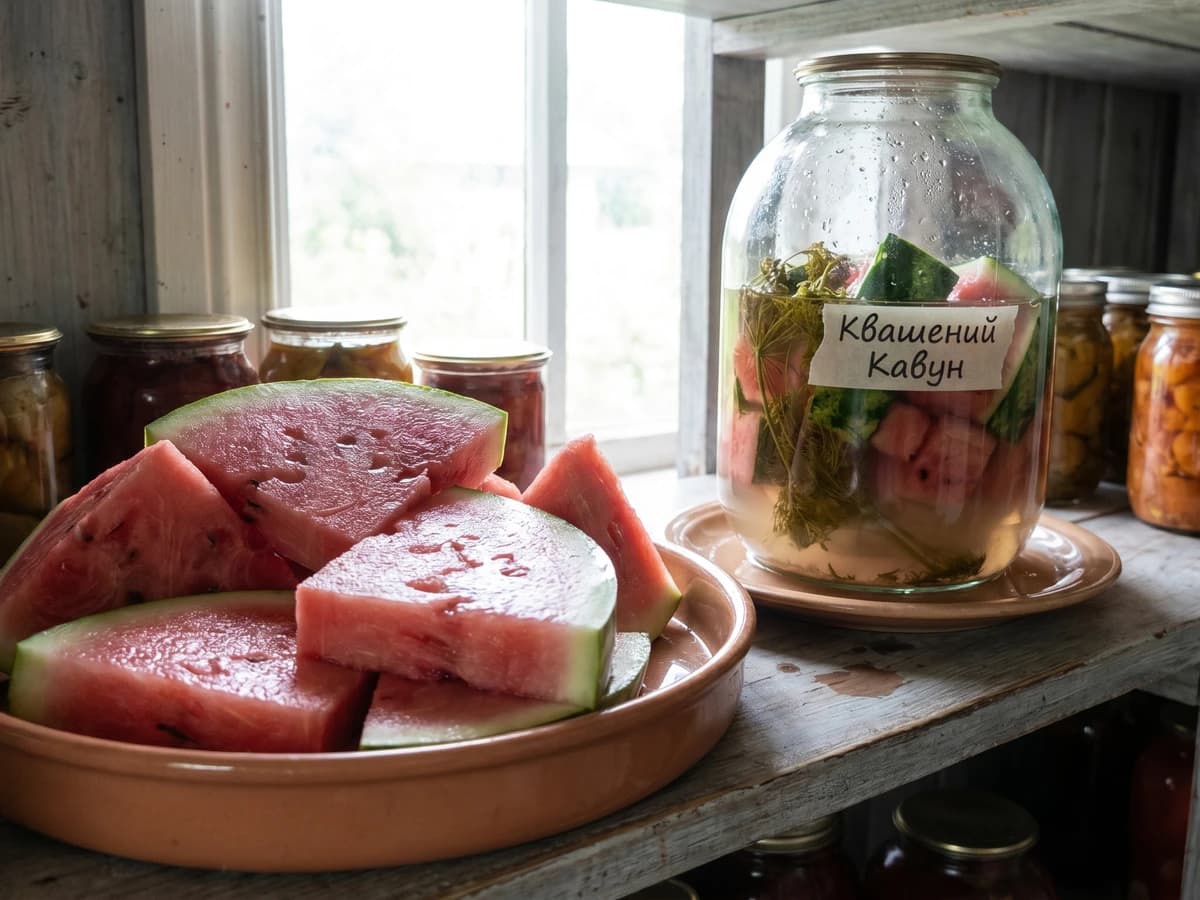
Chef Lesia
A whole watermelon goes into brine as summer fruit and comes back as something stranger: pink, salty, sour-sweet, faintly fizzy, and very much alive.
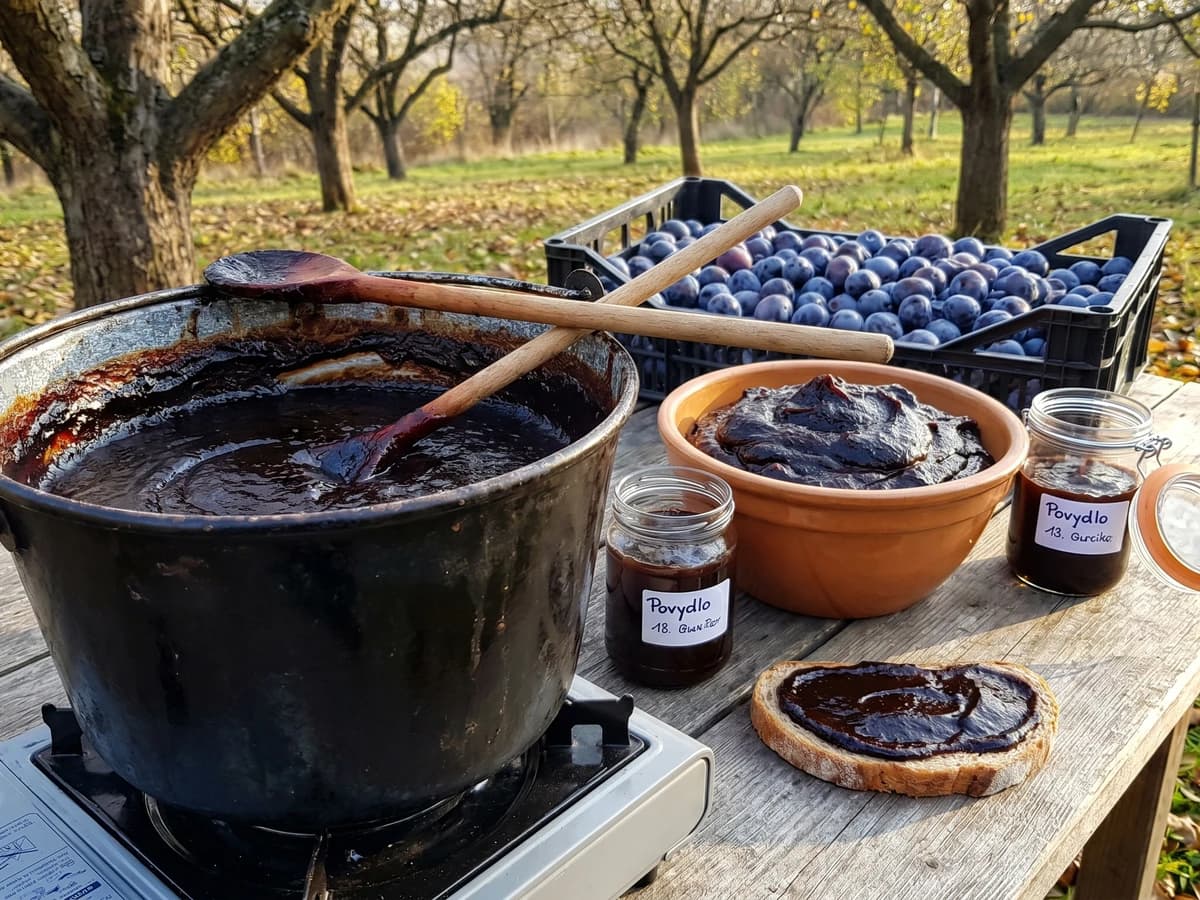
Chef Lesia
Late plums collapse into a dark, glossy butter so thick a spoon dragged through leaves a clean path. No pectin, no hurry, just fruit cooked until it changes character.
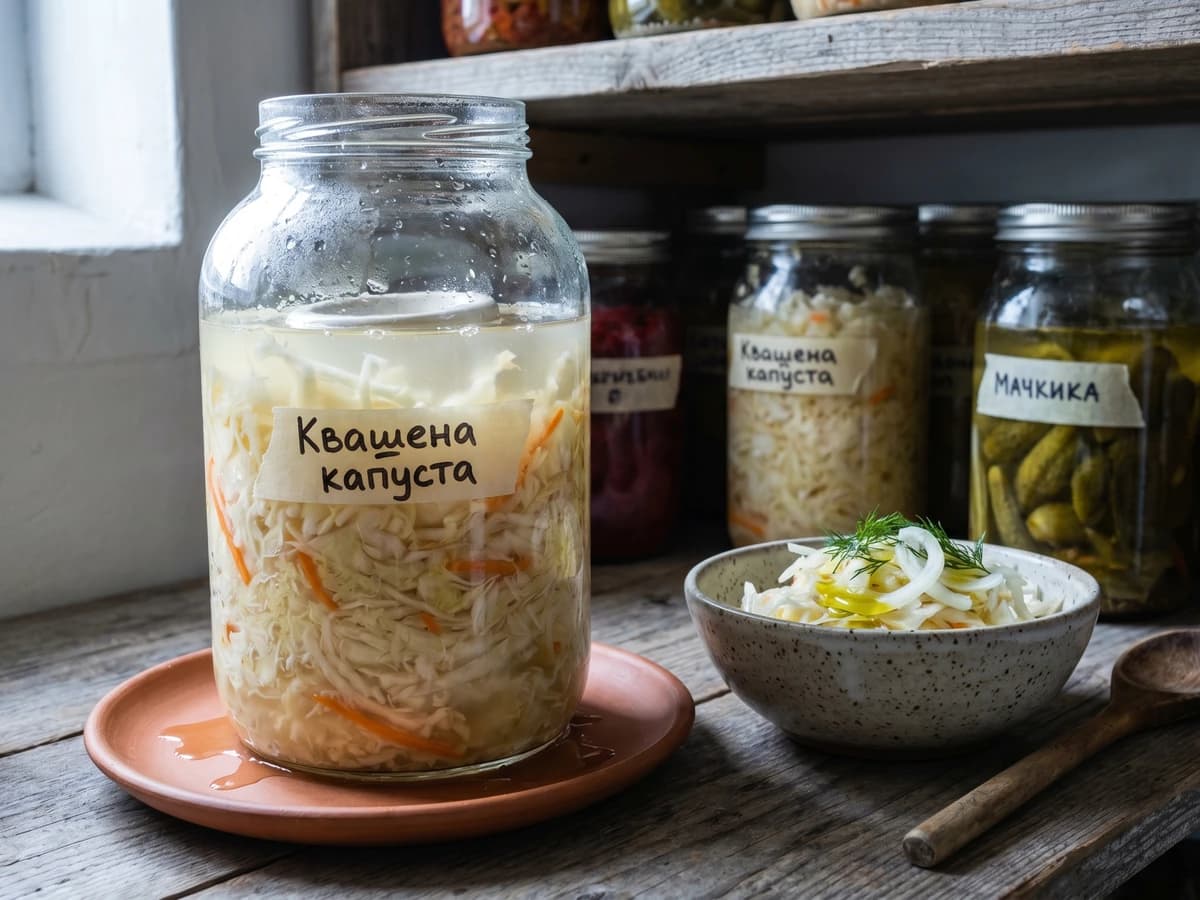
Chef Lesia
Cabbage looks like nothing until salt wakes it up: the bowl turns glossy, the jar starts to hiss, and winter suddenly has something green and sharp to bite.
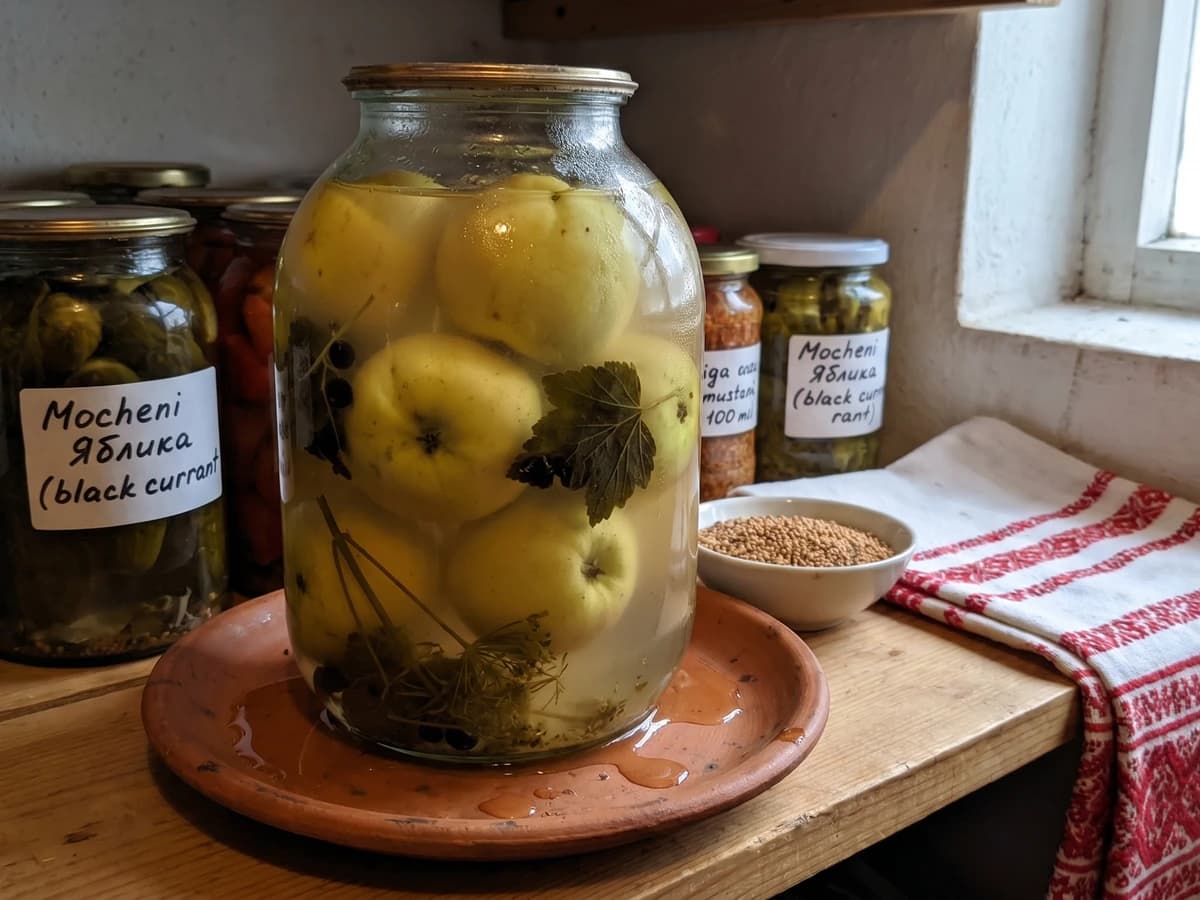
Chef Lesia
The apples stay whole, but they change their mind: crisp flesh turns winey, sour-sweet, and faintly fizzy, with dill stems and rye whispering from the brine.
Chef Lesia
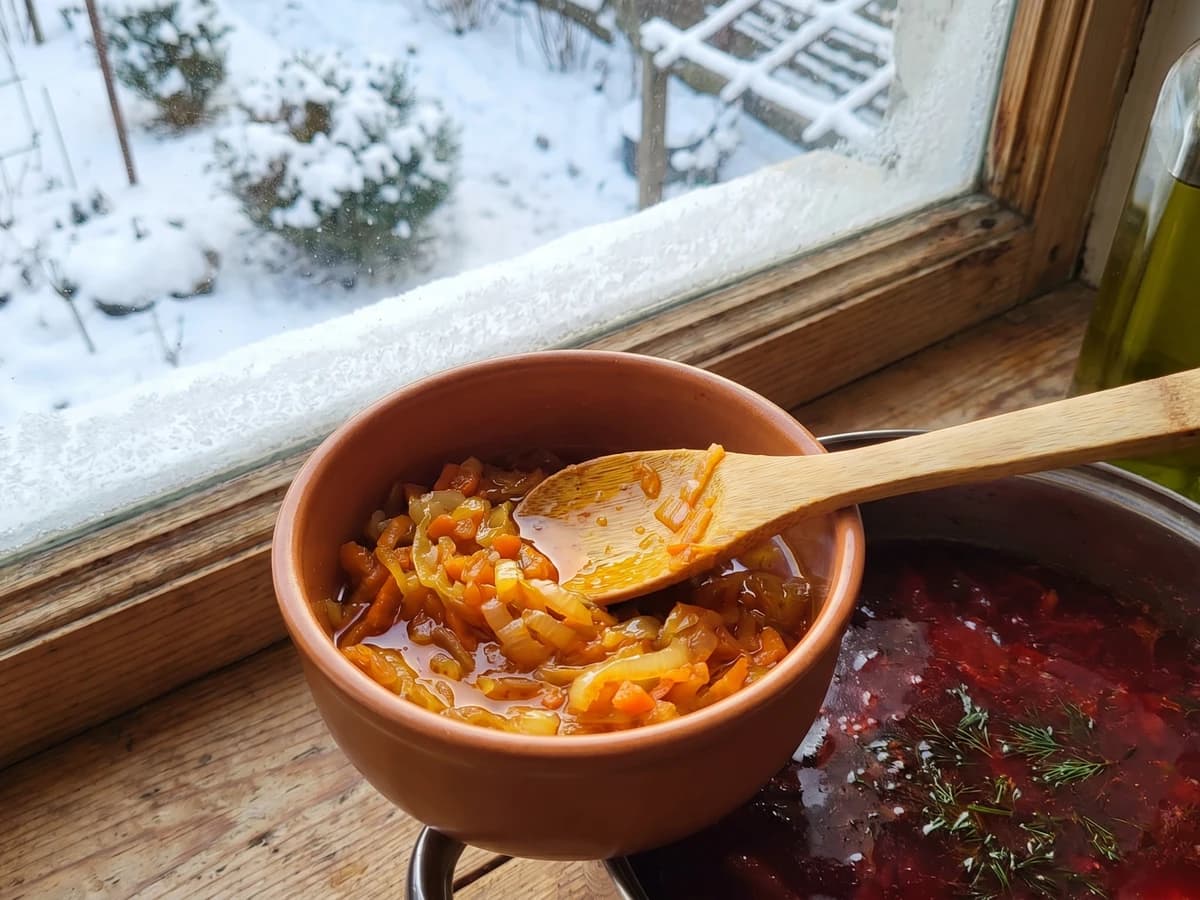
Orange fat is flavor you can see: onion and carrot cooked low and slow until sweet, glossy, and ready to wake up a whole pot of borshch.

Chef Lesia
Fresh horseradish is quiet until you cut it, then it fills the room, clears your head, and makes cold pork taste awake again.
Chef Lesia
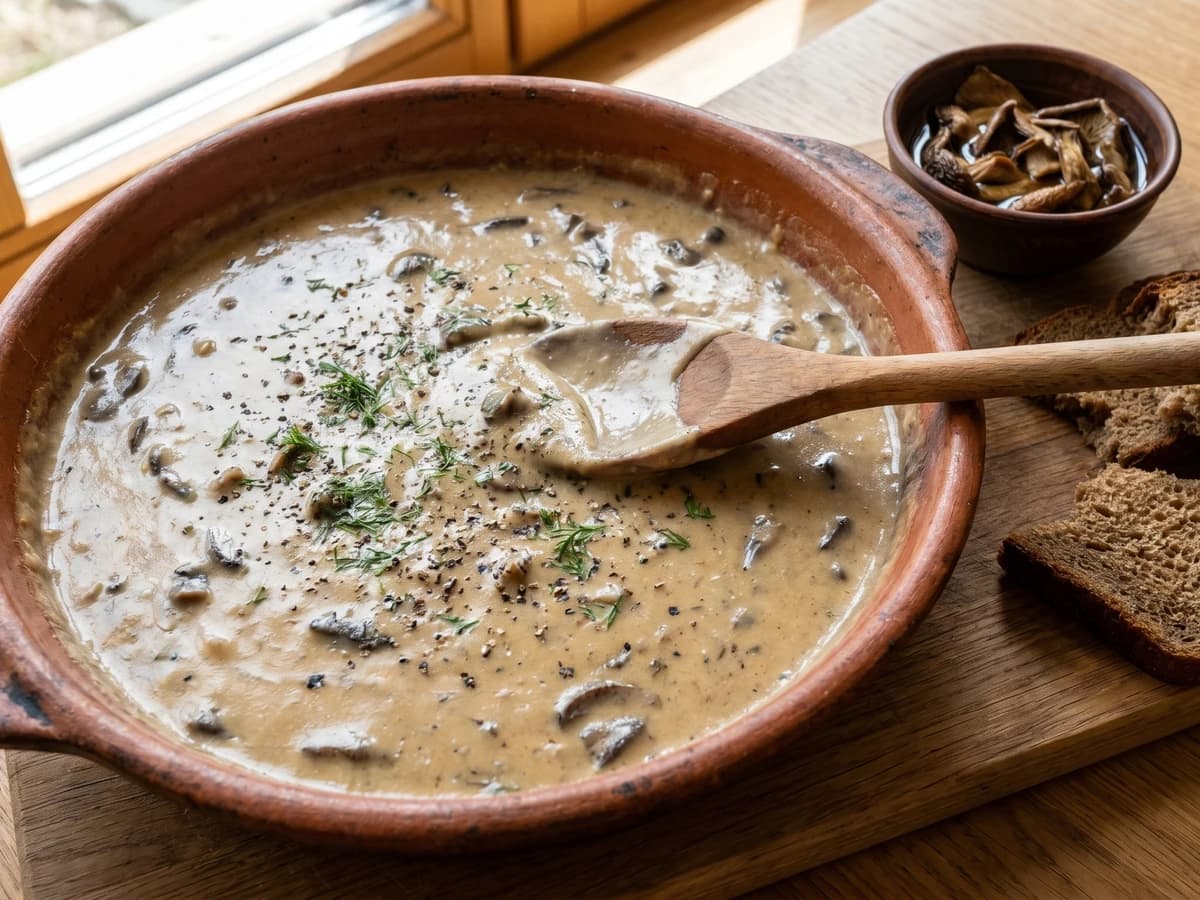
A spoonful of machanka should fall slowly, mushroom-dark and smetana-pale at once, the kind of sauce that turns bread into supper.
Culinary guides, cultural storytelling, and the editorial depth that makes cooking meaningful.
Discover Culinary ExplorerChef Lesia is a fictional culinary guide to Ukrainian Southern-Steppe Cuisine, written with the assistance of AI.