Chef Juliette
Sorbets (Sherbets)
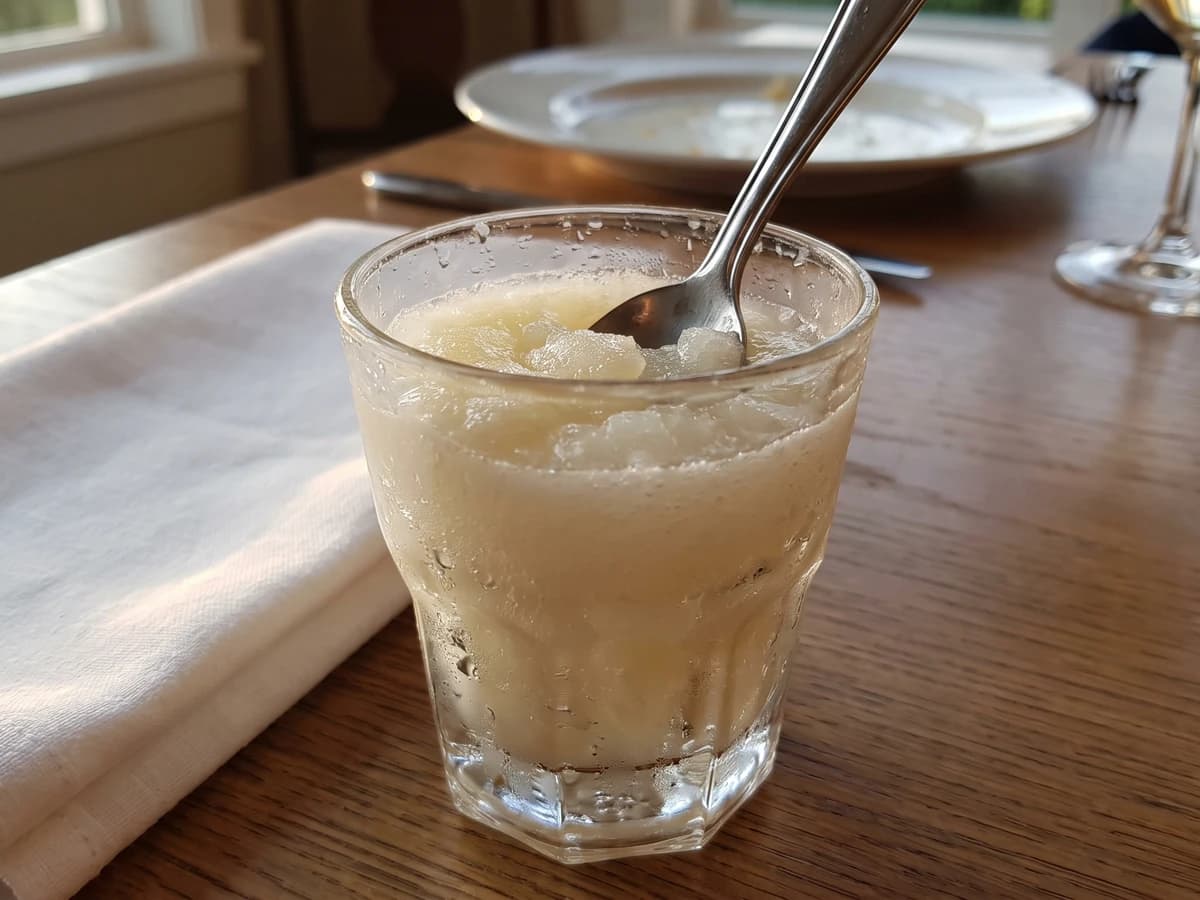
Sorbets are not meant to wait in hard scoops. Churn this lemon ice only to loose crystals, then serve it between courses while it is bright, tart, and nearly fluid.
Updated August 3, 2026
The still-frozen half of Escoffier's ices chapter, and the half that actually suits a home kitchen, because almost nothing here needs a churn. The iced mousses come first, and they are as plain as the canon gets: cold syrup, fruit purée, and twice their volume of stiff Chantilly, or a crème anglaise gone stone cold, let down with raw cream and whisked over ice until it froths, then moulded and left to set. The parfait is the same argument in a taller mould, yolks cooked with syrup, whisked cold, folded into stiff cream with rum. Then the iced puddings, which are not ices at all but iced entremets on a thick custard: Castries in alternating vanilla and tangerine bands, Marie-Rose walled in rolled gaufrettes and piped full of strawberry ice, Miramar in its scallop-shell mould with Chartreuse-soaked biscuits and pineapple, Seymour layered with brioche, poached peaches, William pears, and Bar-le-Duc currant jam. The iced soufflés follow, and their whole trick is a buttered paper collar standing two inches proud of the timbale so the frozen preparation rises like a soufflé that never saw an oven. Then the sorbets and their cousins, the light barely-congealed ices served between the entrée and the roast to wake the palate: wine and citrus sorbets lightened with meringue italienne, a green watermelon opened and loosened in its own shell with maraschino, granités left alone in the cold until they set granular, marquises folded with fruited Chantilly at the last minute, punch à la romaine finished with rum little by little, and spooms carrying twice the meringue so they eat like frozen froth. The original assumed a saccharometer, a turbine, a barrow of broken ice packed with rock salt, and a commis to turn the handle. Your kitchen offers a freezer, a whisk, and a cold bowl, and here that is genuinely enough, because across this whole span the air is the machine: whip the cream stiff, fold the meringue gently, and the mixture freezes smooth without ever being churned. C'est la même grammaire. À table!
A cooking platform built around craft, culture, and the stories behind what we eat.
Chef Juliette
Sorbets are not meant to wait in hard scoops. Churn this lemon ice only to loose crystals, then serve it between courses while it is bright, tart, and nearly fluid.
Chef Juliette
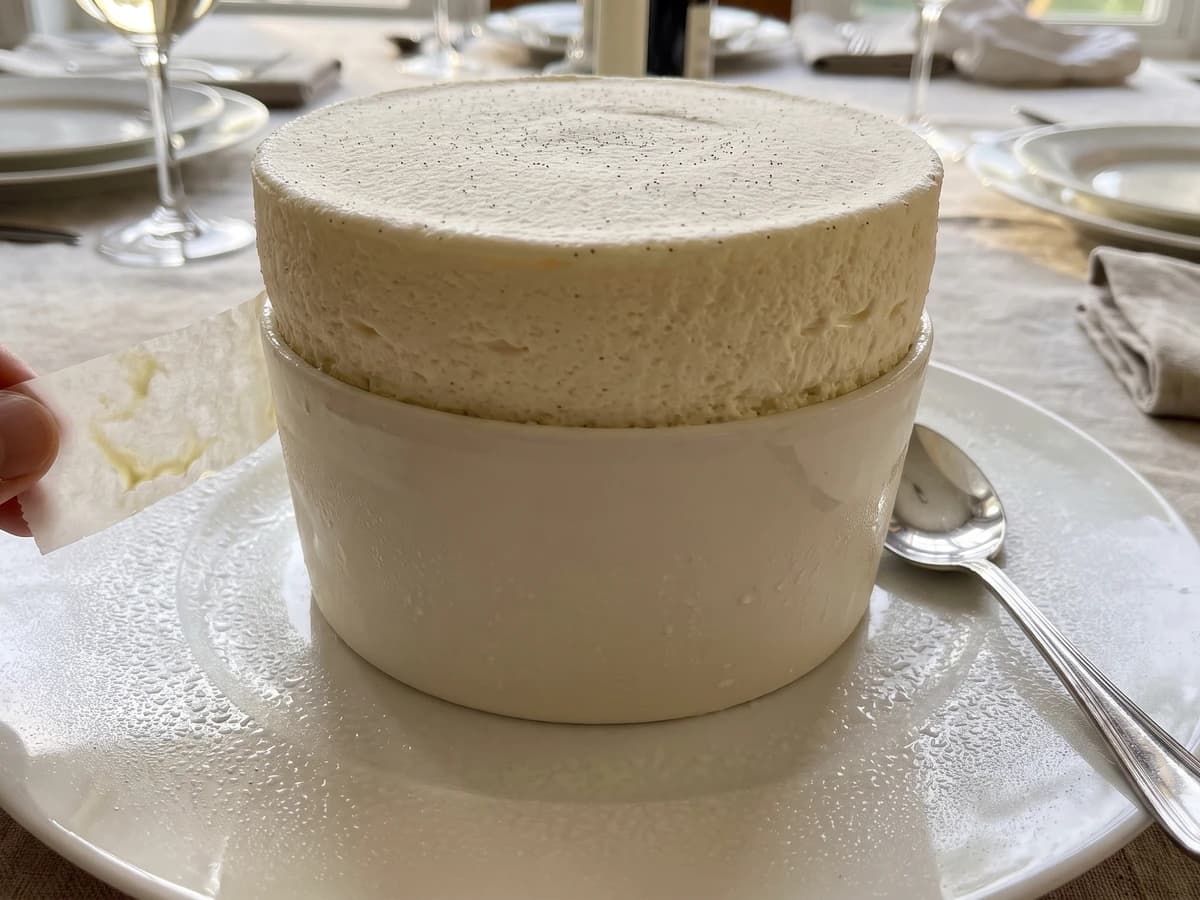
A buttered paper collar makes the frozen mousse stand above its timbale like a hot soufflé, while a vanilla pâte à bombe and softly whipped cream keep every spoonful light.
Chef Juliette
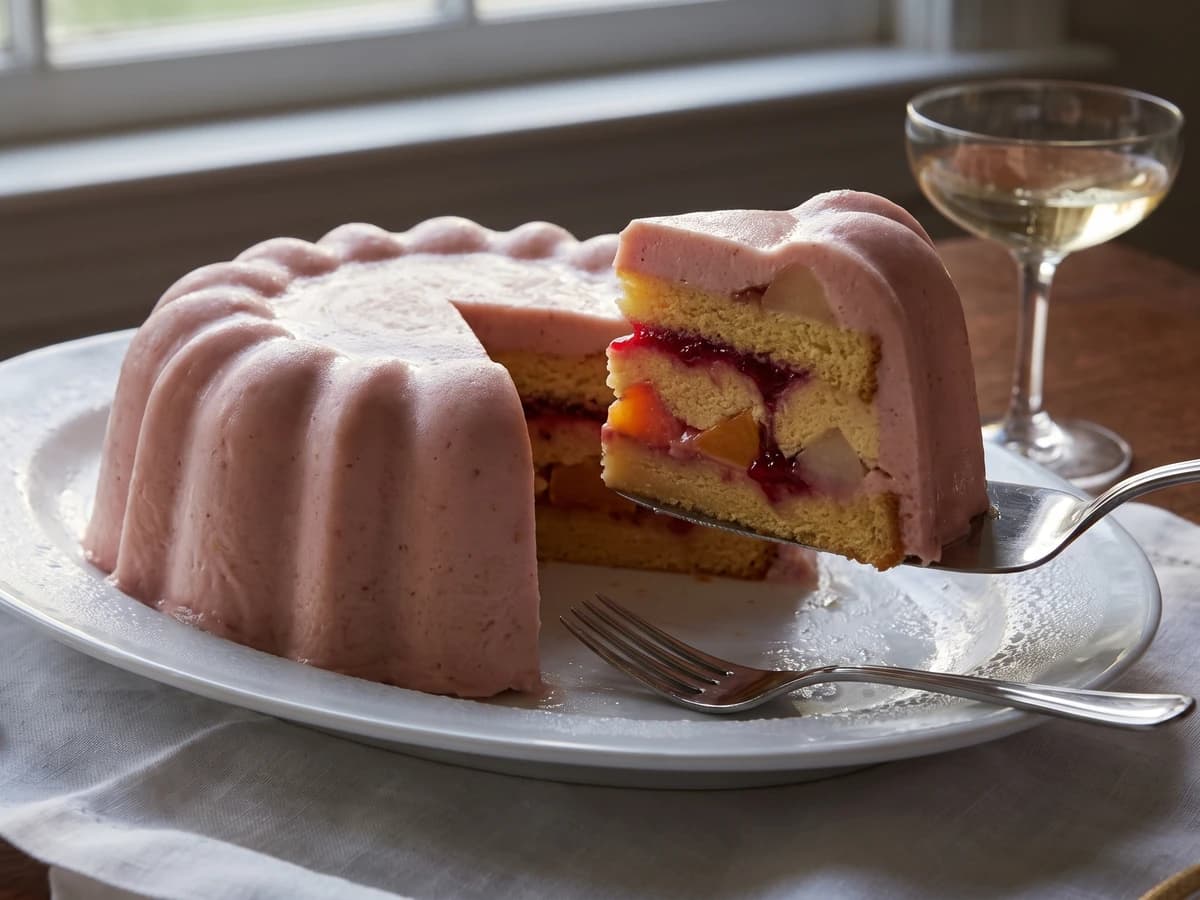
A frozen French pudding of kirsch-touched brioche, vanilla peaches, ripe William pears, and Bar-le-Duc currants held in a pale pink orgeat pâte à bombe, with every generous layer kept distinct.
Chef Juliette
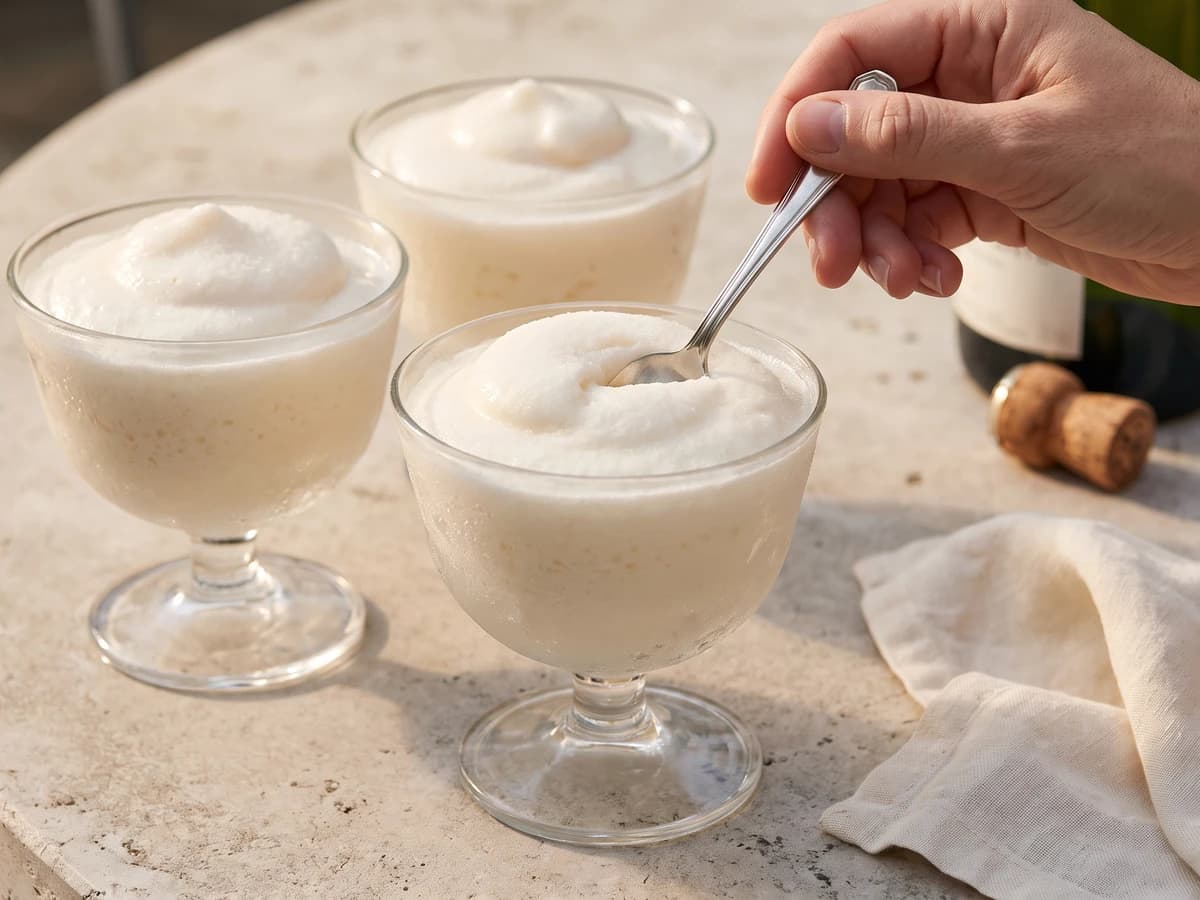
Spoom is frozen restraint: Champagne syrup and a doubled measure of Italian meringue, worked just enough to hold a pale, airy froth that settles softly into a chilled glass.
Chef Juliette
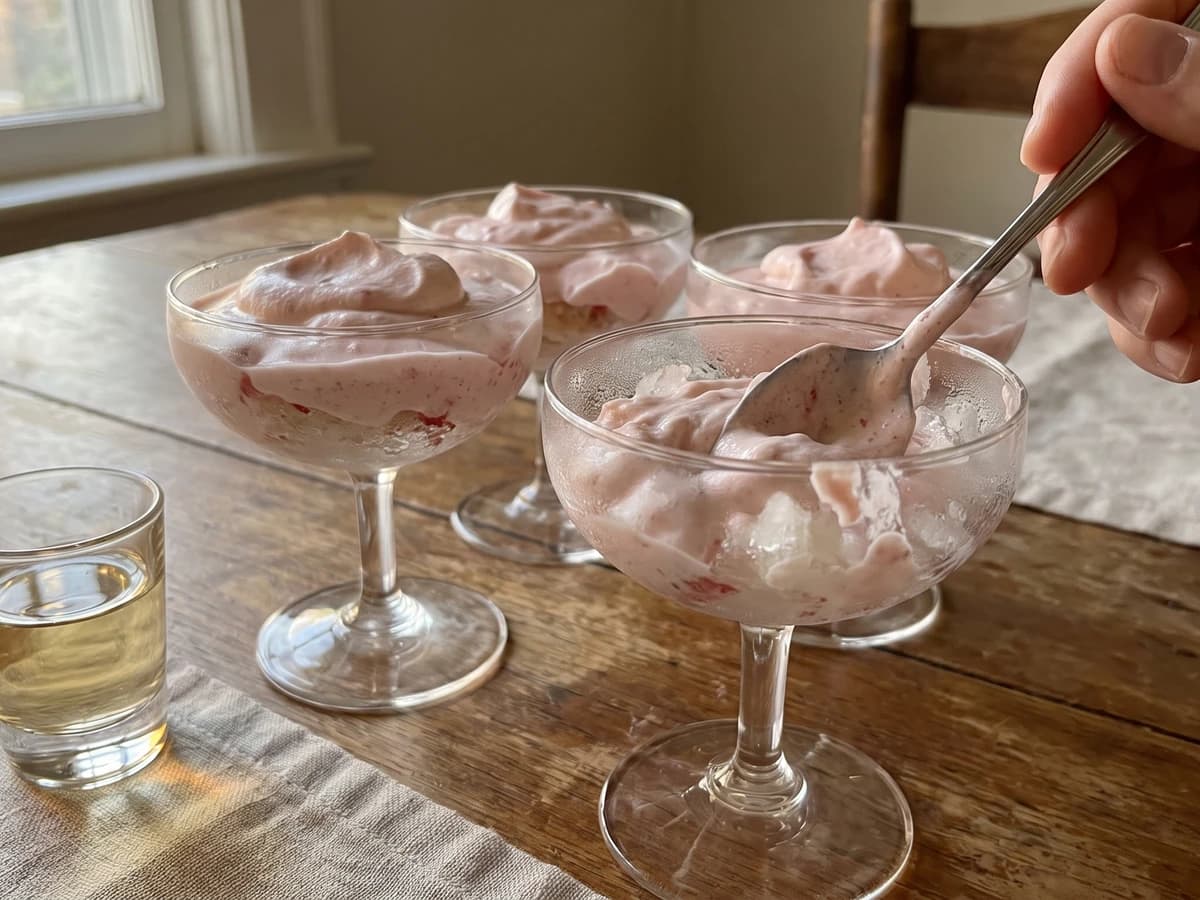
Kirsch sherbet frozen finer and firmer than granité, then folded at the glass with fruit Chantilly: a cold dessert whose pleasure lies in the last-minute contrast of crystals, cream, and ripe fruit.
Chef Juliette
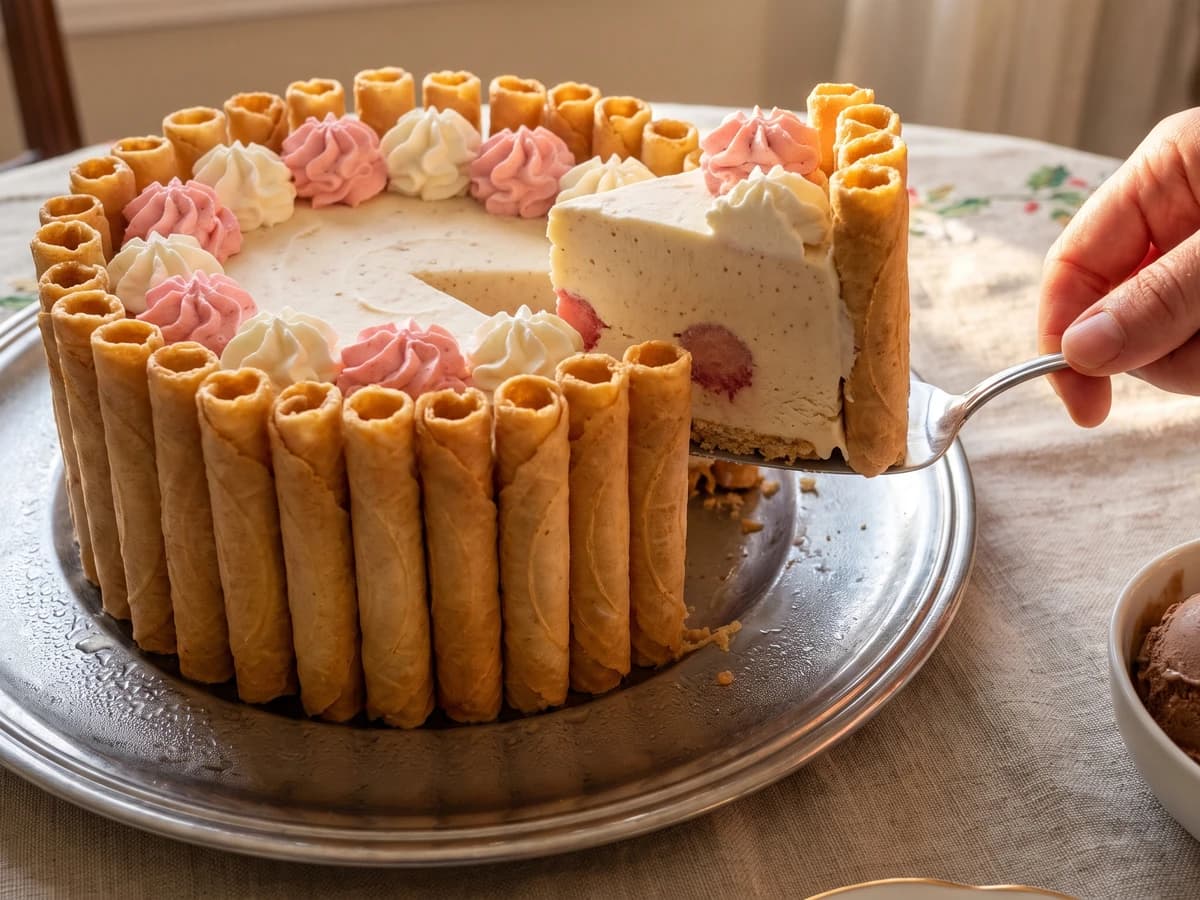
Crisp gaufrettes filled with hard strawberry ice form the pink wall around a vanilla-praline bombe, crowned in two-tone Chantilly and served with chocolate ice cream alongside.
Chef Juliette
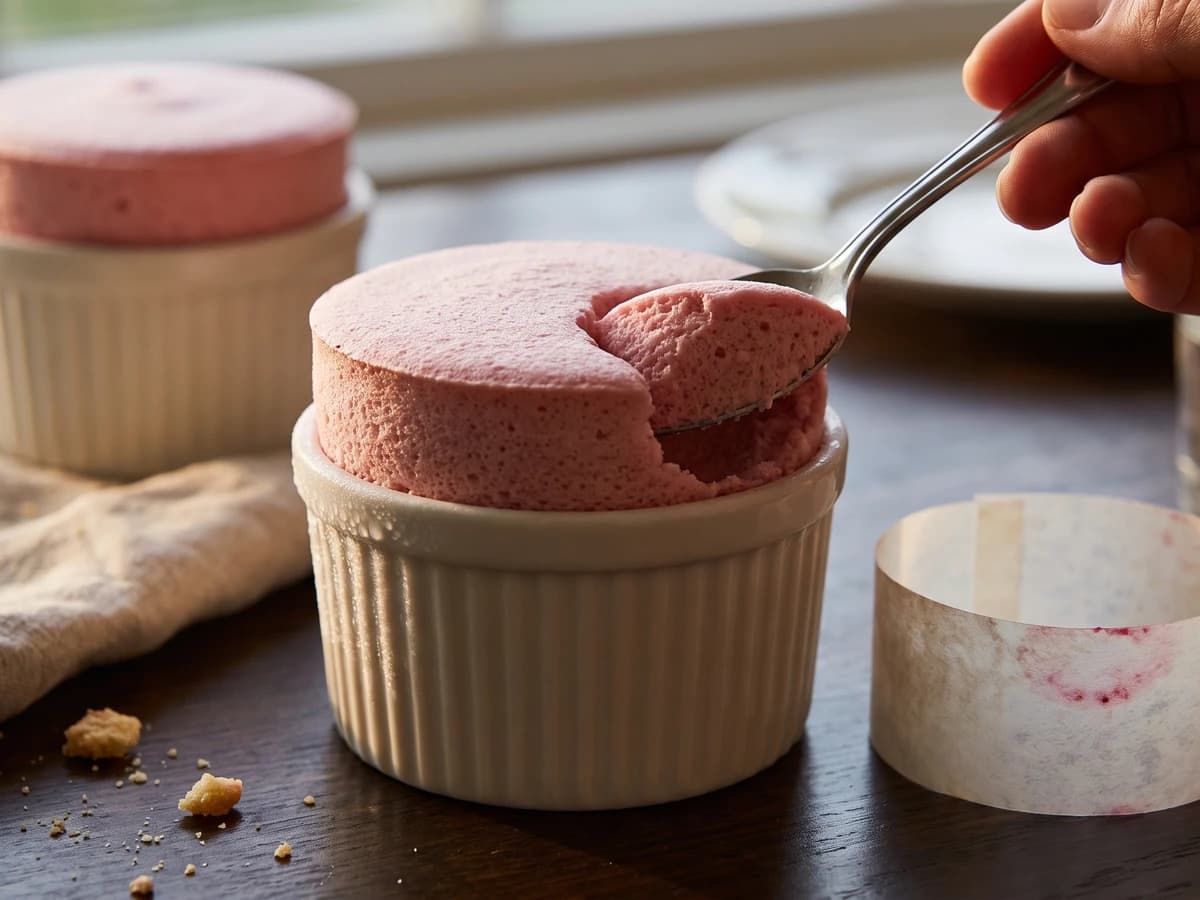
The cold soufflé that teaches sugar work: small-crack syrup streamed into stiff whites, then raspberry purée and cream folded through for a feather-light, rose-pink freeze.
Chef Juliette
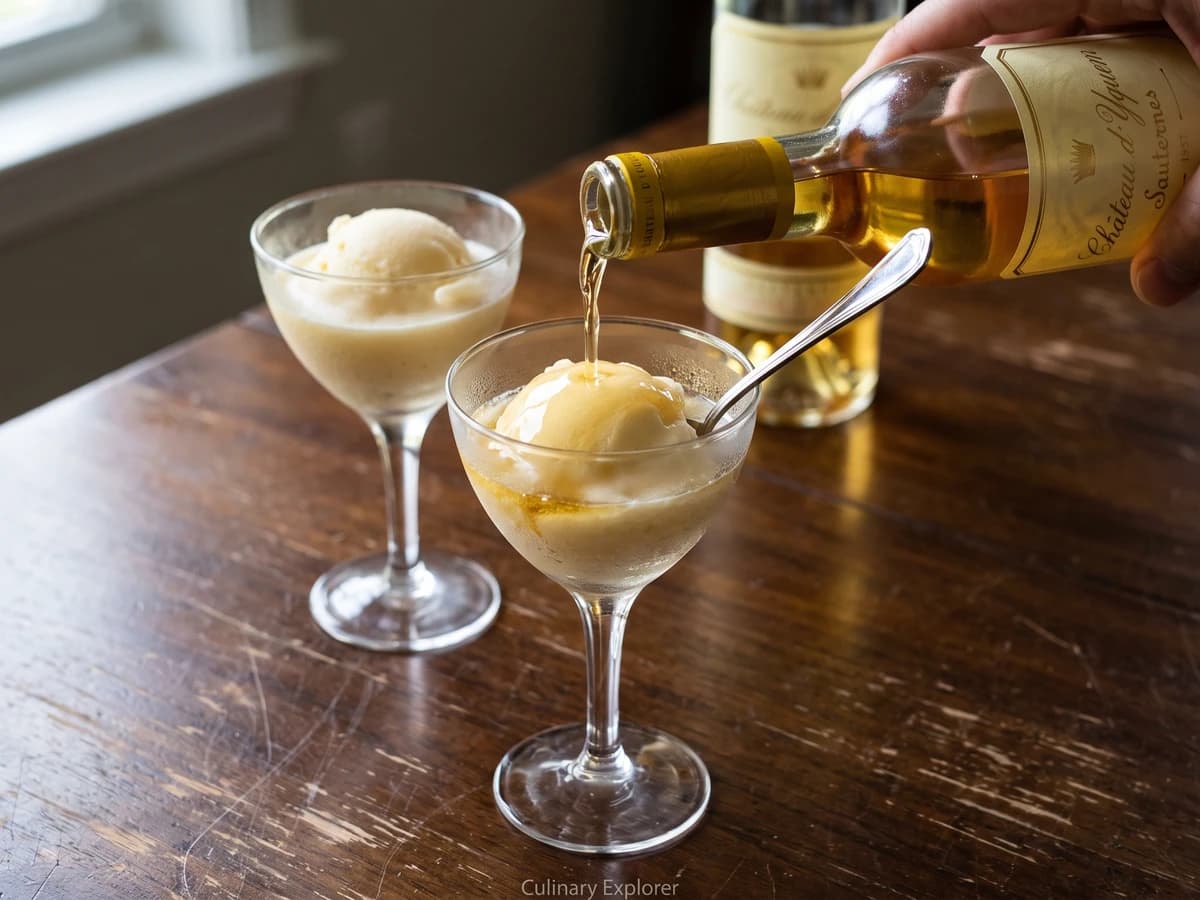
A classical wine-and-citrus sorbet, churned fine, lightened with a quarter its weight of Meringue à l’Italienne (No. 2383), and finished with liqueur only after freezing so it stays soft enough to drink.
Chef Juliette
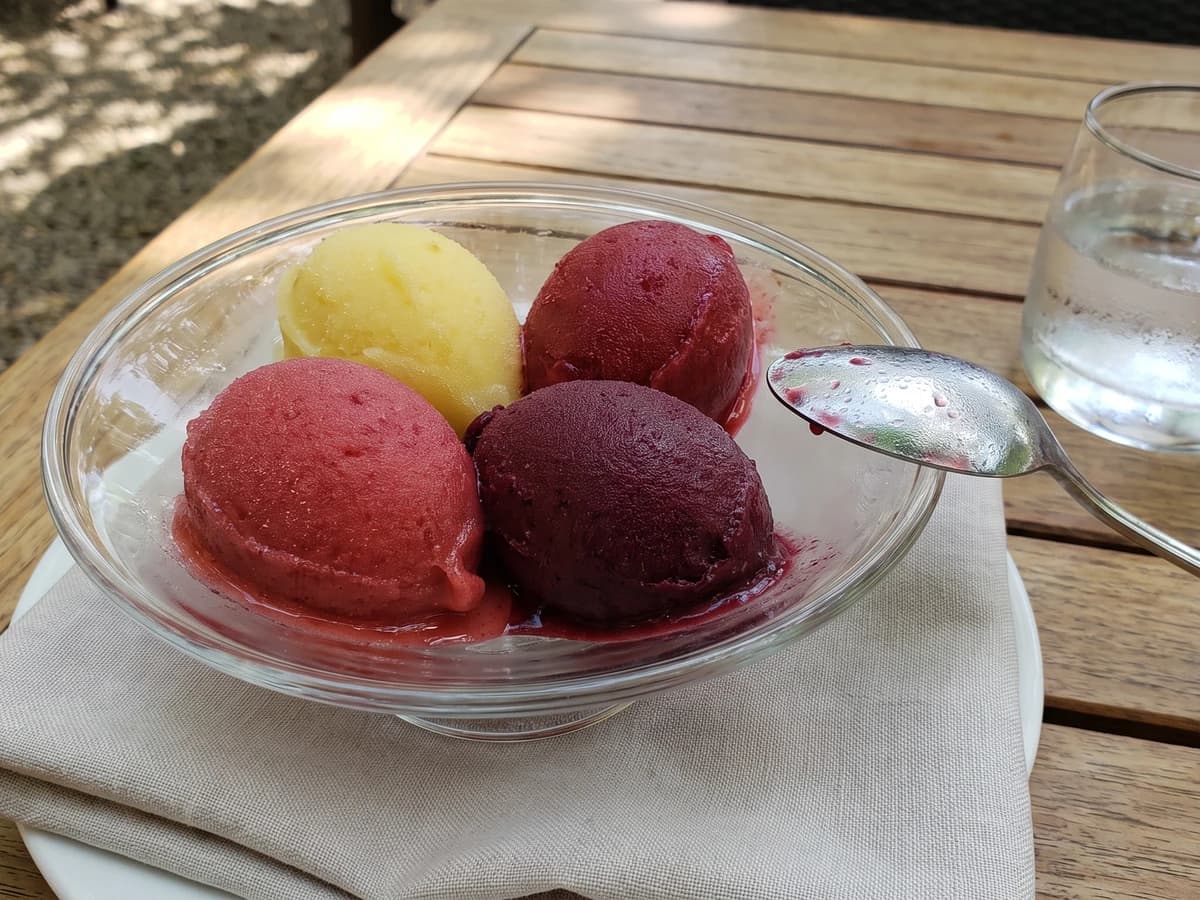
One measured method turns clear pineapple, cherry, berry, wine, or liqueur into a bright, fine-grained sorbet, with sugar and alcohol balanced so every batch freezes cleanly and scoops softly.
Chef Juliette
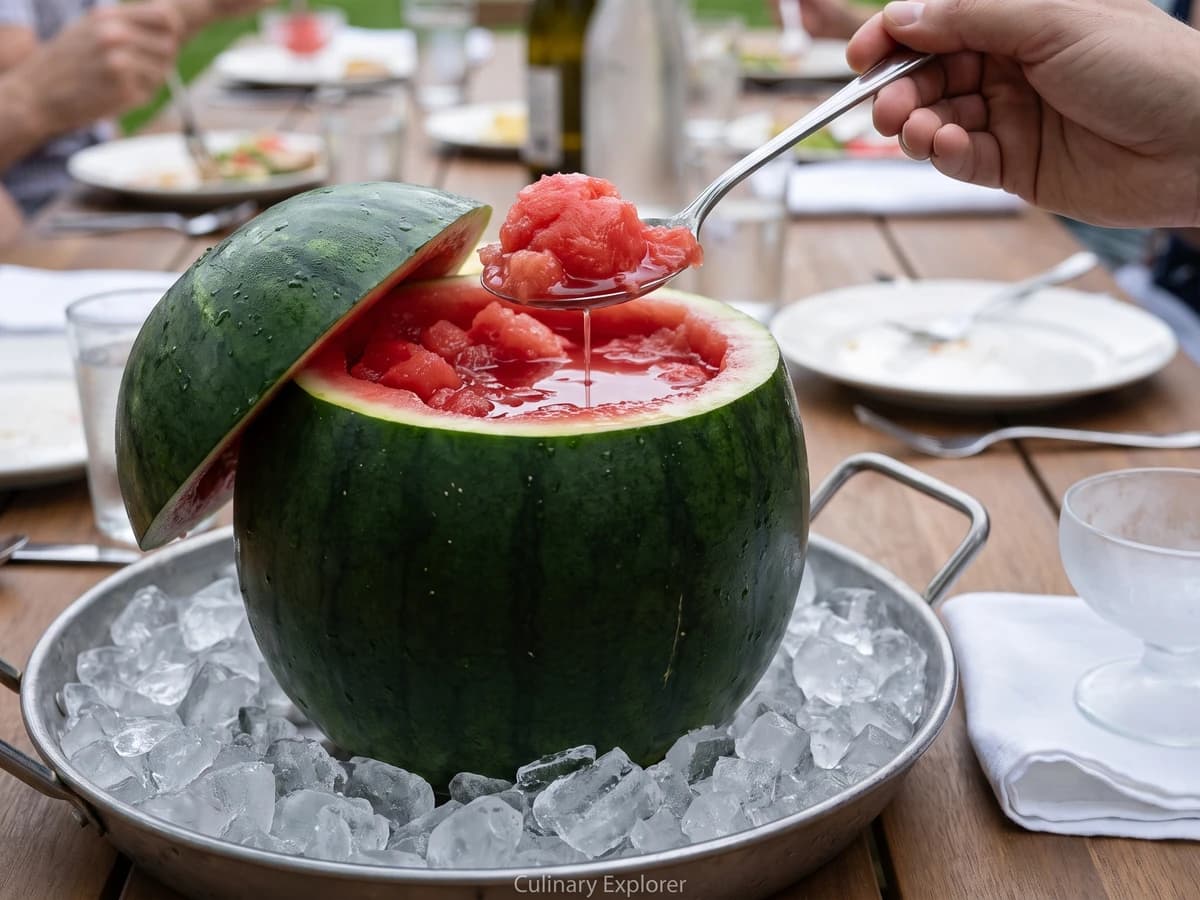
A green watermelon, chilled through and opened before service, holds ruby pulp loosened in its own shell and scented with maraschino. No churning, no syrup, just cold fruit served from the rind.
Chef Juliette
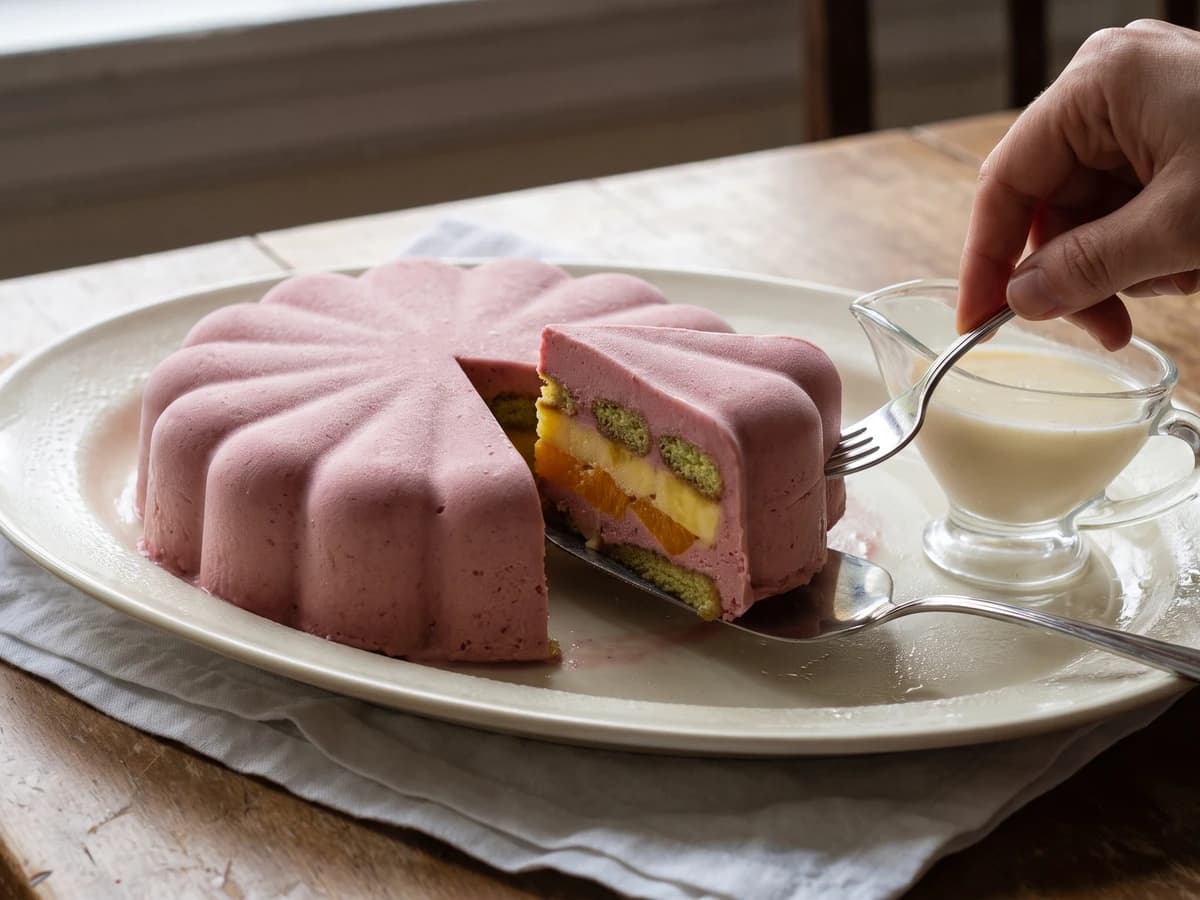
Chartreuse-soaked biscuits and kirsch-bright fruit stripe a pomegranate bombe, frozen in a narrow mould and served with cold vanilla syrup. Its jewel-cut beauty depends on one plain discipline: drain the fruit hard.

Chef Juliette
Parfait turns syrup-cooked yolks, whipped cream, and rum into a pale frozen mousse with a close, silken crumb. Cool the yolk base completely before folding, and the dessert keeps every bit of its lift.

Chef Juliette
A stone-cold crème anglaise, real cream, and patient whisking over ice become a pale, airy frozen mousse, proof that temperature, not force, is what lets this classical dessert hold its lift.

Chef Juliette
Mousse glacée teaches the cold dessert canon in one bowl: cook a smooth crème anglaise, fold it with softly whipped cream, choose your perfume, and freeze it without churning.
Chef Juliette
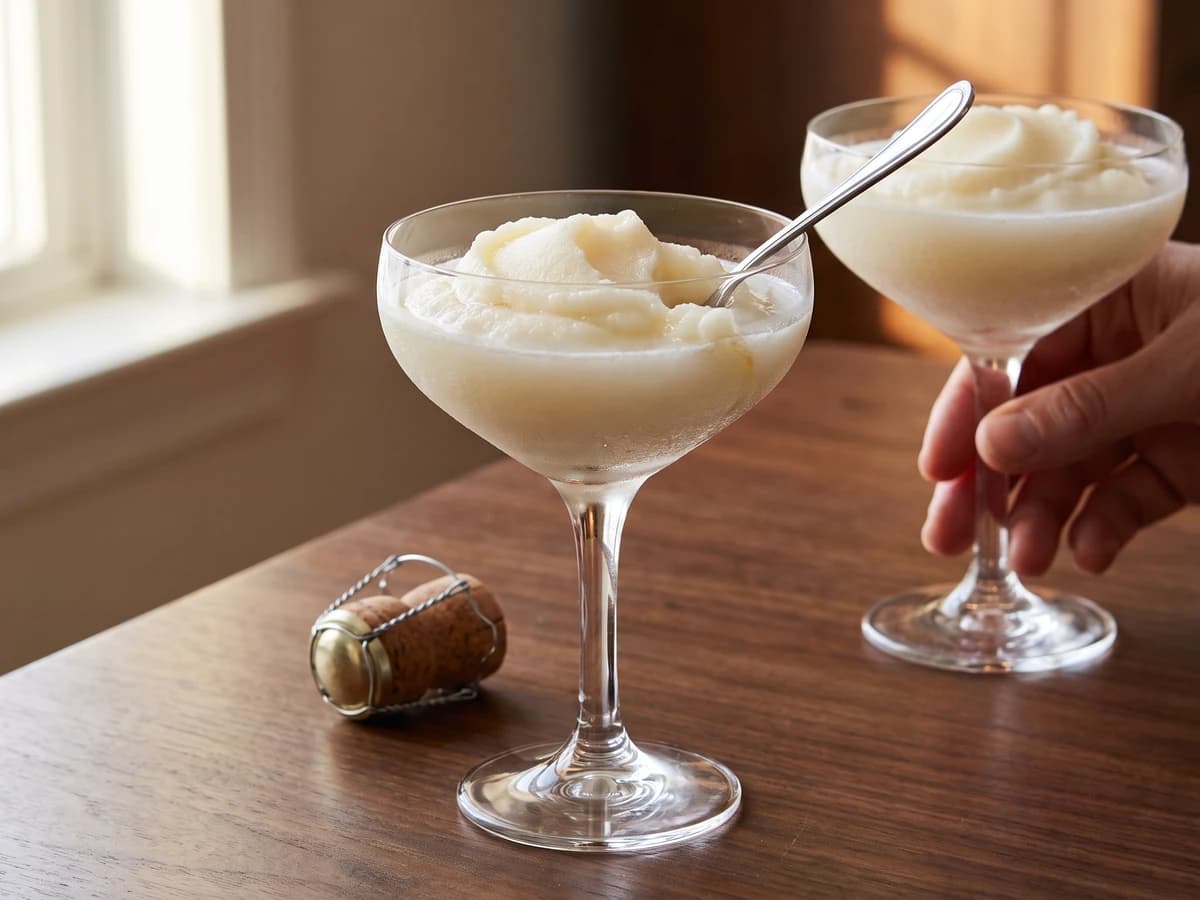
Champagne and citrus freeze to a bright, pale ice, then airy meringue and measured rum turn it spoonable, frothy, and ready for chilled glasses at a celebration table.
Chef Juliette
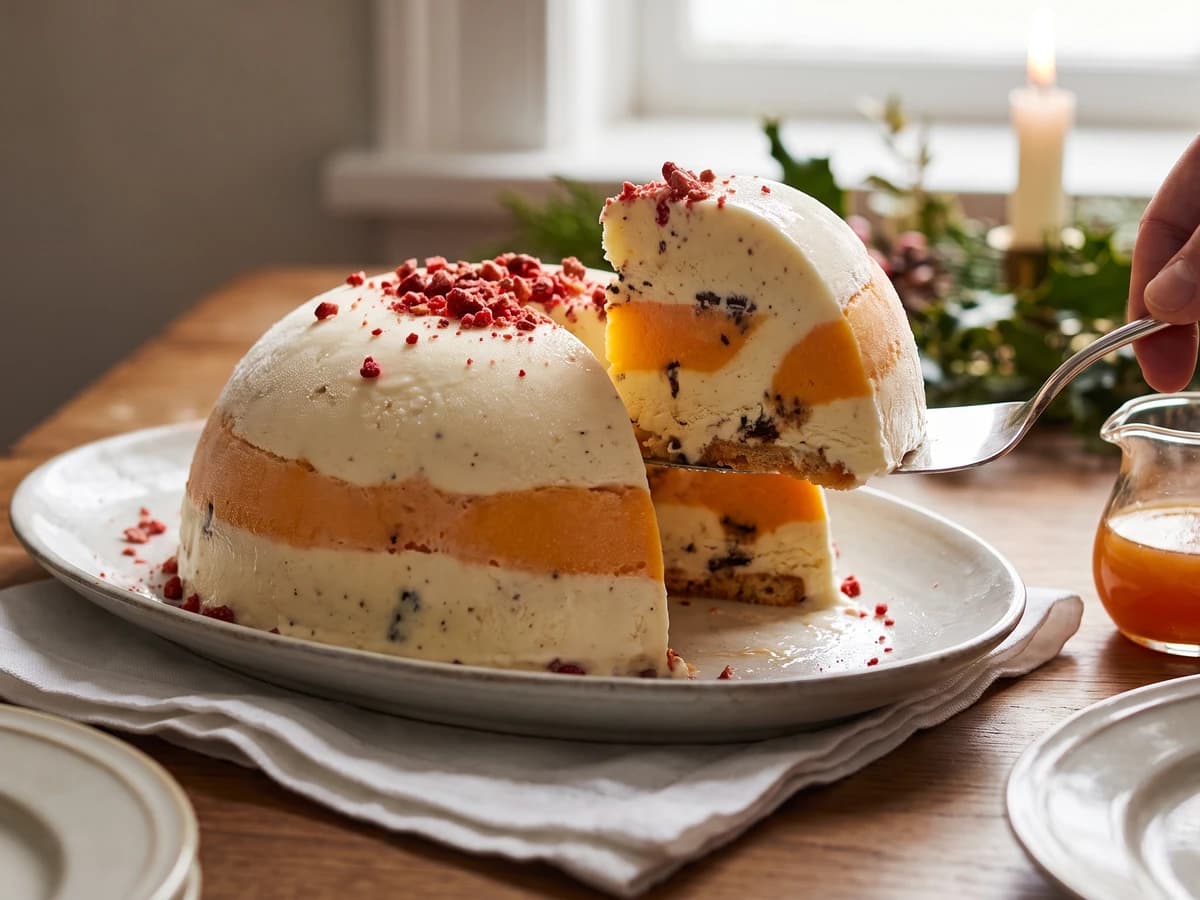
A frozen bombe built by patience: vanilla ice around alternating vanilla and tangerine creams, anisette-touched biscuits, chocolate, and red pralin, with bright tangerine syrup waiting at the table.

Chef Juliette
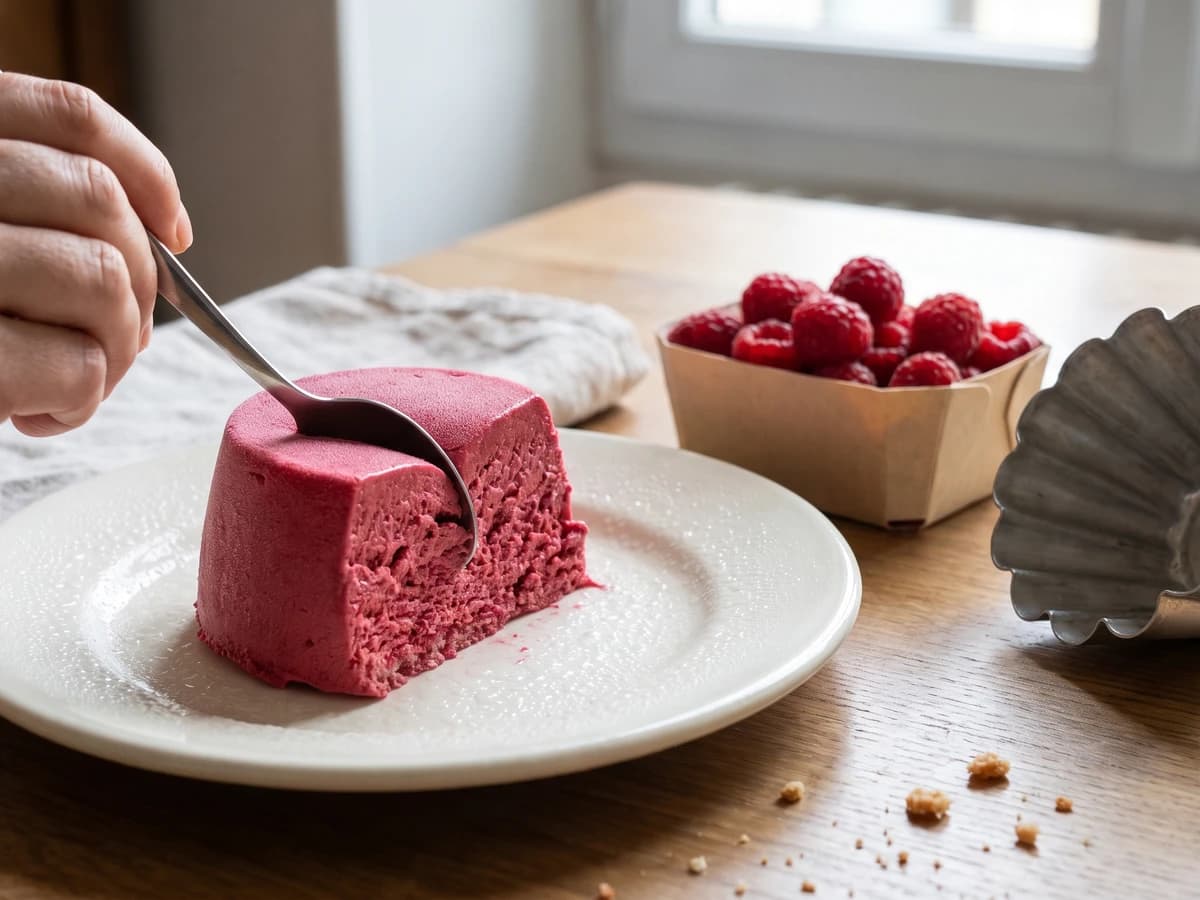
Pouding glacé is a frozen entremet, not ice cream: vanilla crème anglaise collée, folded with whipped cream and set in a mold. Master its custard and a whole family of no-churn desserts follows.
Chef Juliette
Mousses glacées aux fruits teach the no-churn grammar of frozen dessert: one part cold syrup, one part pure fruit, two parts very stiff Chantilly, folded lightly and frozen before the air can fall.
Chef Juliette
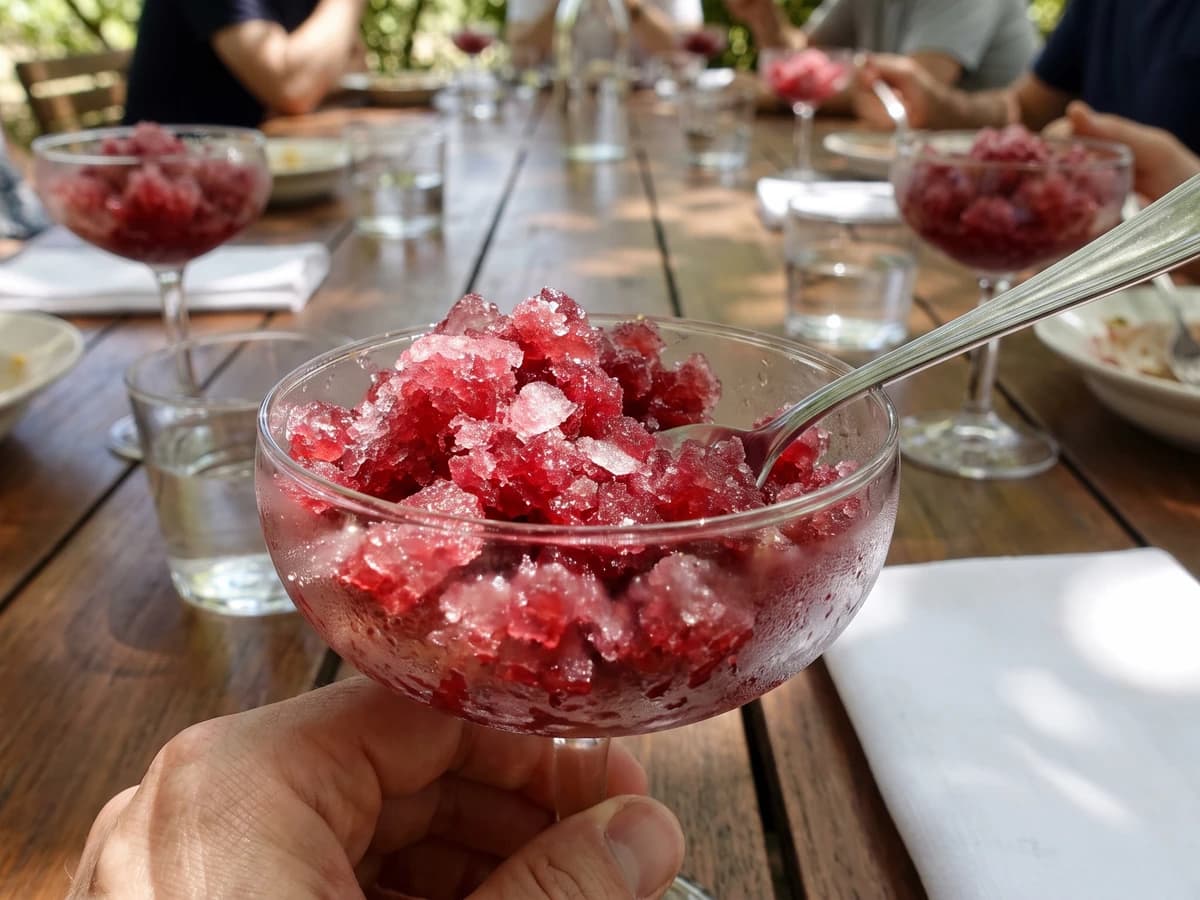
Granités teach the discipline of leaving well enough alone: a thin fruit syrup freezes untouched into bright, loose crystals, then breaks under the fork with no cream, no meringue, and no fuss.
Culinary guides, cultural storytelling, and the editorial depth that makes cooking meaningful.
Discover Culinary Explorer