Chef Isabel
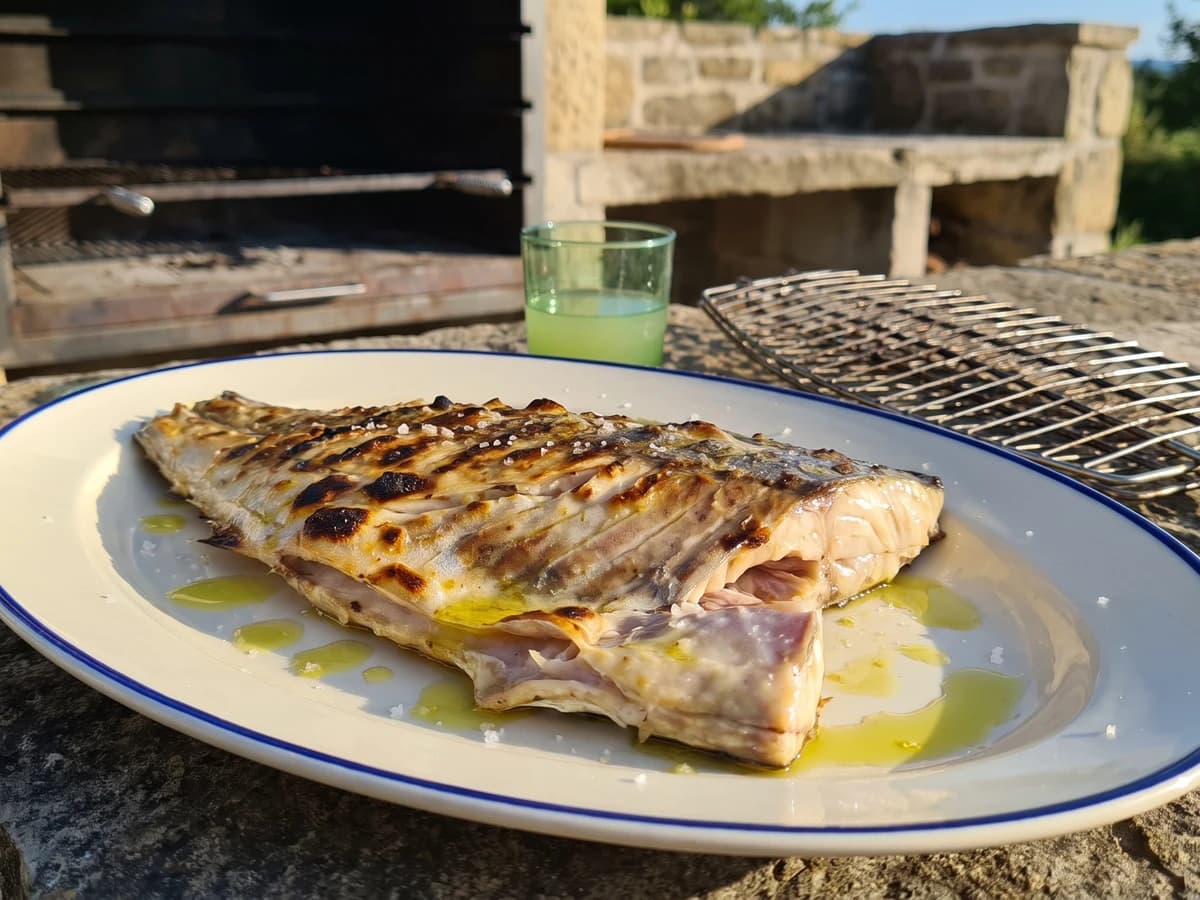
Ventresca de Bonito a la Parrilla
The Basque coast's prized belly cut, grilled over fierce coals only until its pearly layers set, then rested and dressed with olive oil so its own fine fat remains the sauce.

Updated September 17, 2026
The Atlantic table of Galicia and the Cantabrian coast, where the product needs almost nothing done to it. Pulpo á feira dressed with oil and pimentón, hake and turbot the Galician way, mussels and razor clams straight off the plancha, percebes and centollo from the rías, the ventresca of Cantabrian bonito and the oricios of Asturias. Freeze the octopus, scare it into the boil, and finish everything in order: oil, then salt, then pimentón.
A cooking platform built around craft, culture, and the stories behind what we eat.
Chef Isabel
The Basque coast's prized belly cut, grilled over fierce coals only until its pearly layers set, then rested and dressed with olive oil so its own fine fat remains the sauce.
Chef Isabel
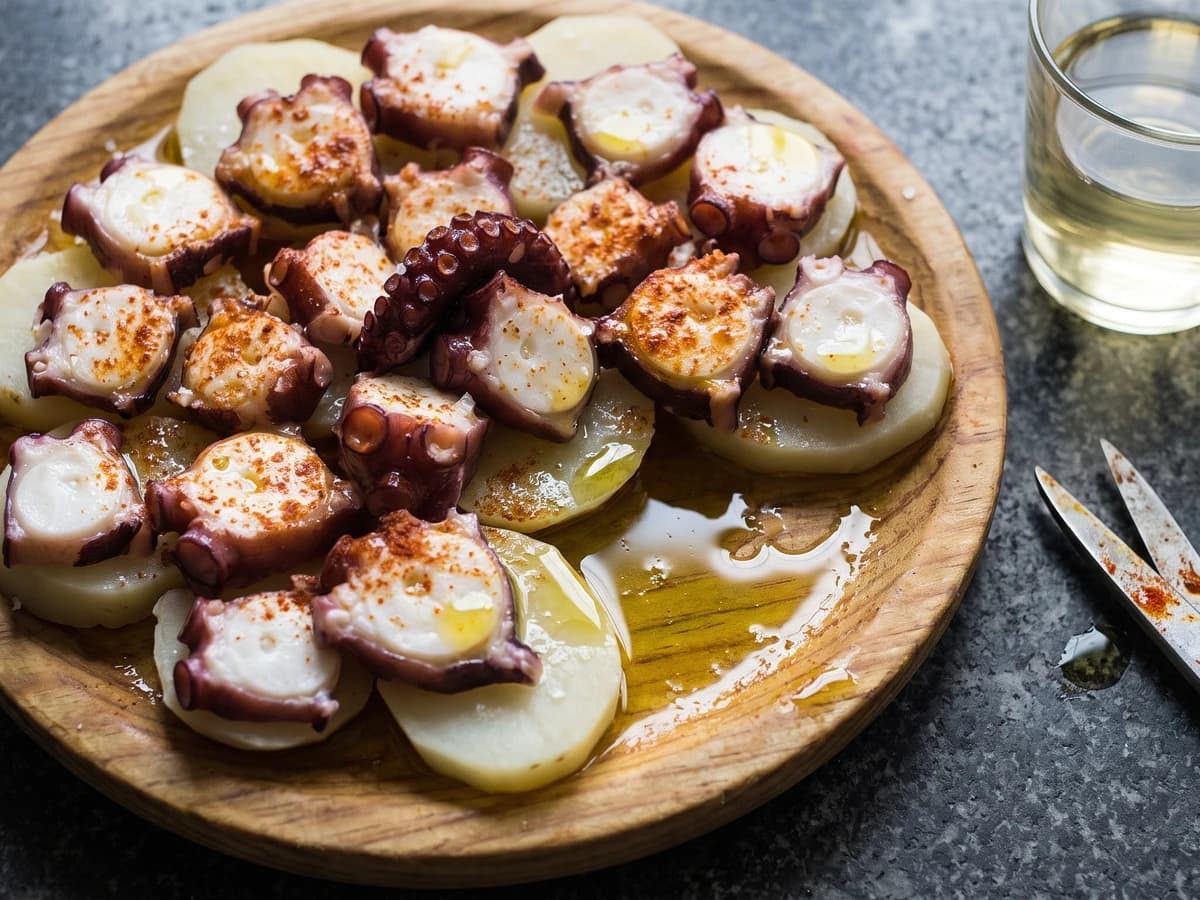
Galicia's fairground octopus, boiled until tender, cut over waxy potatoes, and dressed with green-gold olive oil, coarse salt, and pimentón. Freeze it first, dip it three times, and the skin stays put.
Chef Isabel
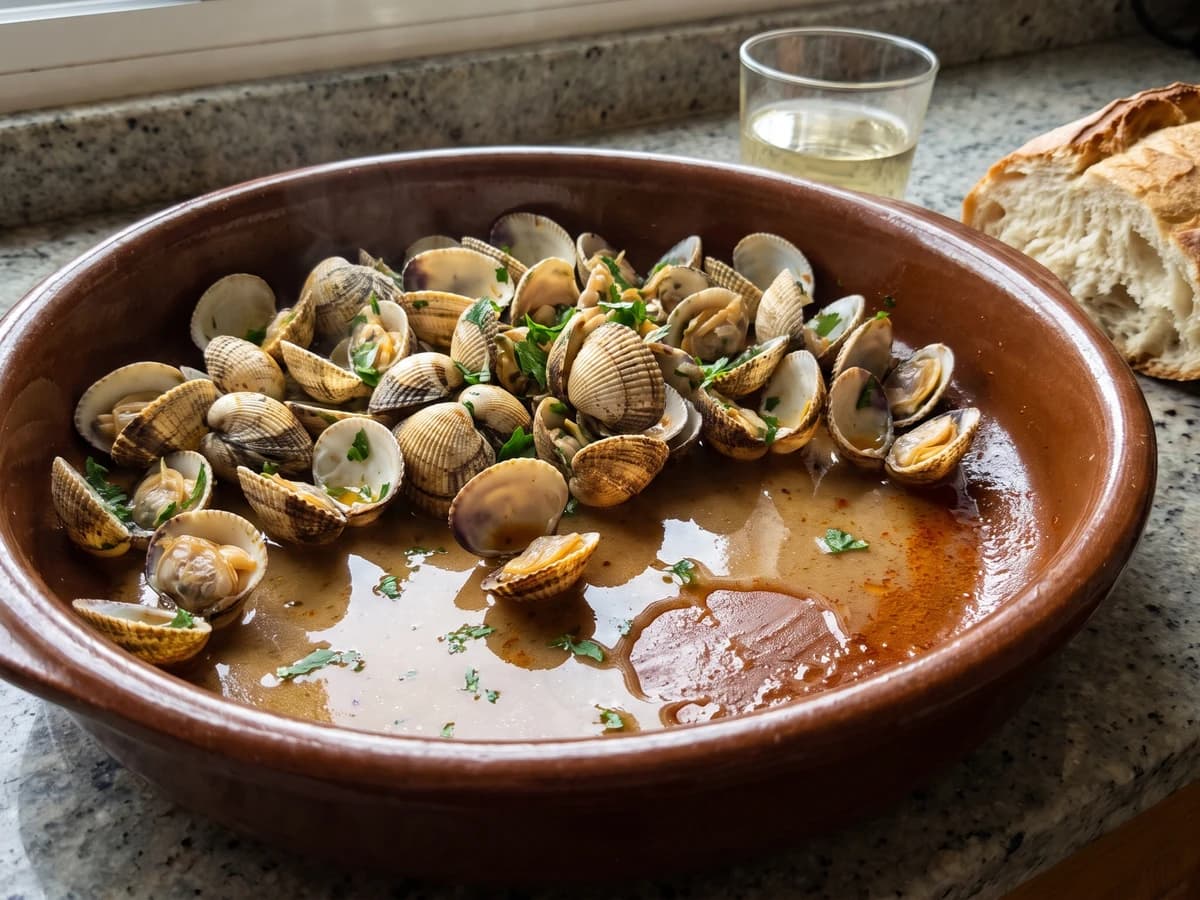
Galicia's briny cockles meet a dark-gold onion base, garlic, white wine, and pimentón; purge them well, cover them briefly, and lift them as soon as they open.
Chef Isabel
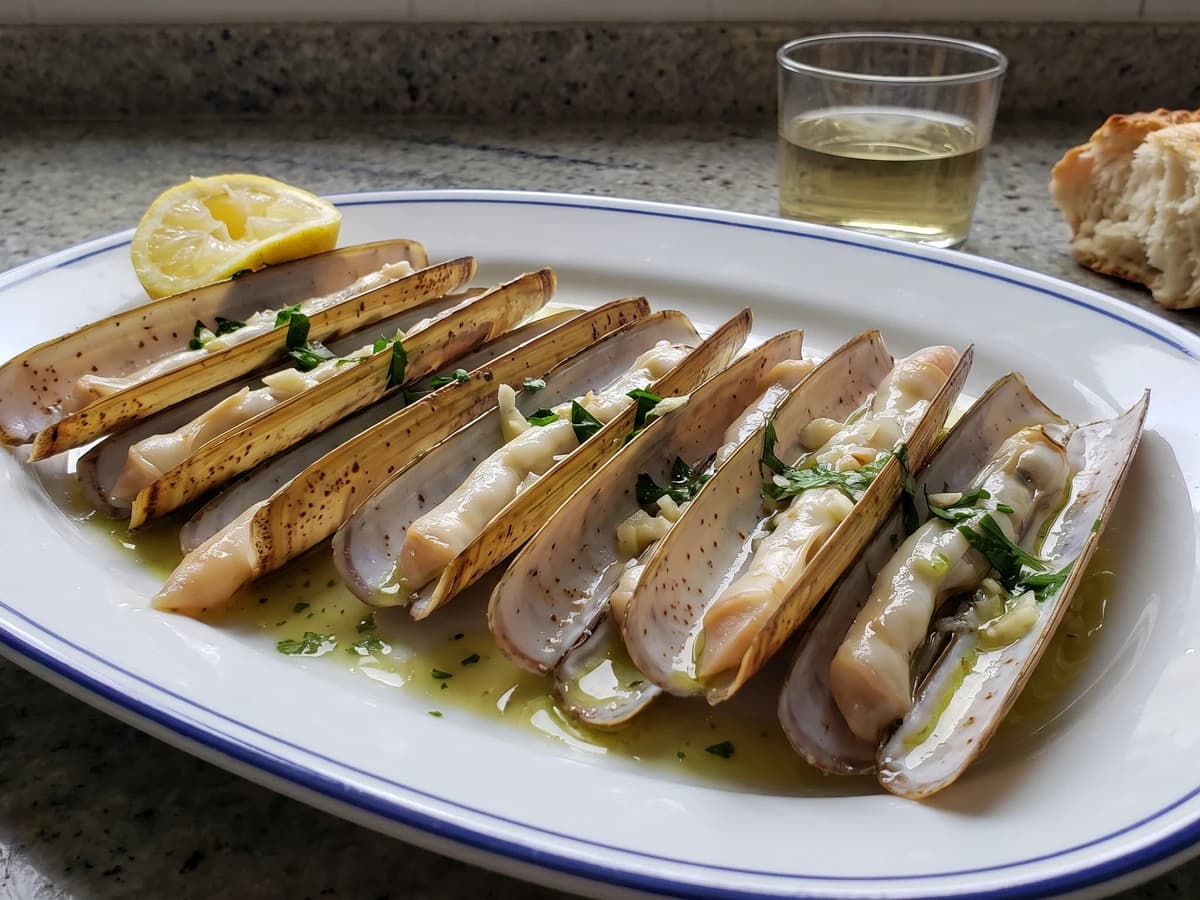
Navajas a la plancha are Galicia's quickest shellfish supper: live razor clams, a fierce griddle, garlic, parsley, and lemon. Pull each clam as it opens, and the flesh stays sweet and tender.
Chef Isabel
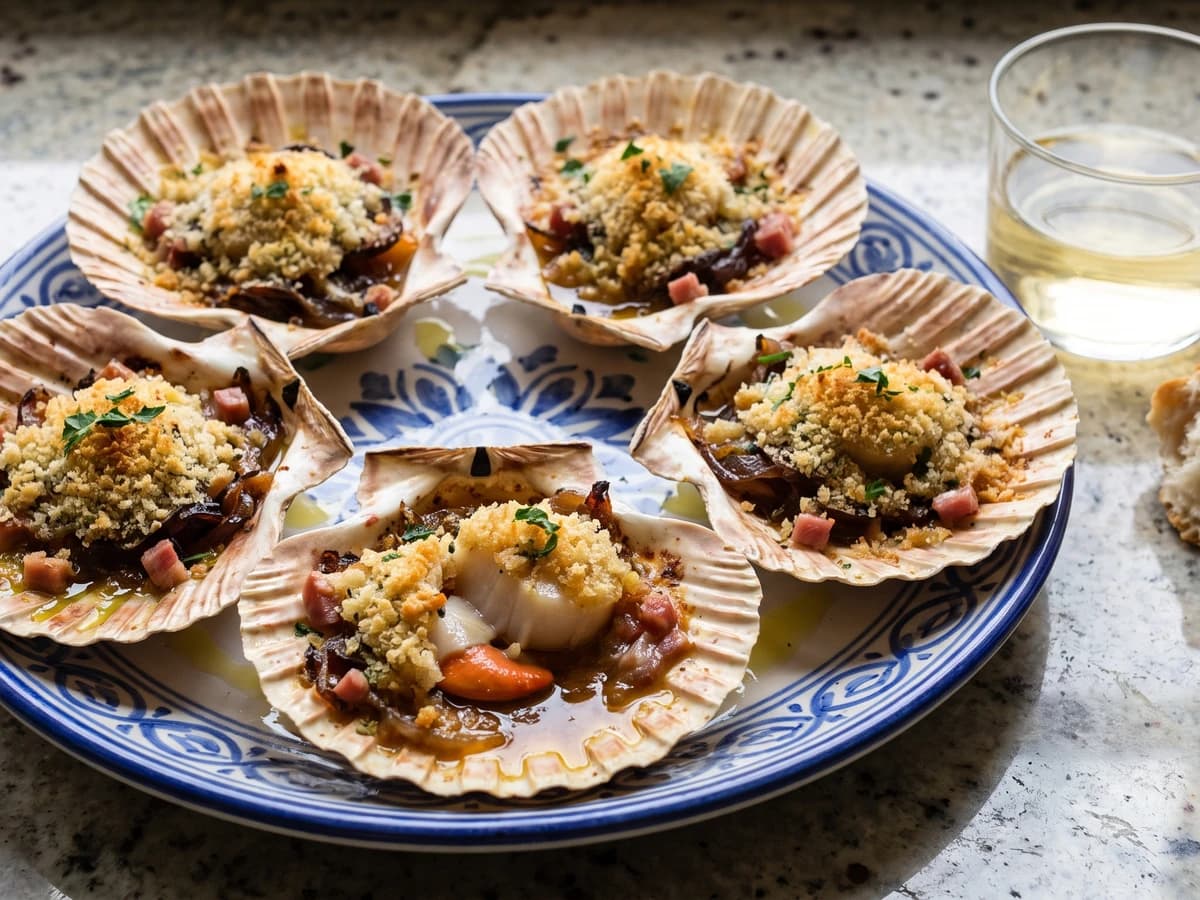
Vieiras al horno are Galicia's festive scallops: sweet shellfish baked in their cupped shells beneath dark-gold onion, jamón, Albariño, and a thin breadcrumb crust that protects the meat without smothering it.
Chef Isabel
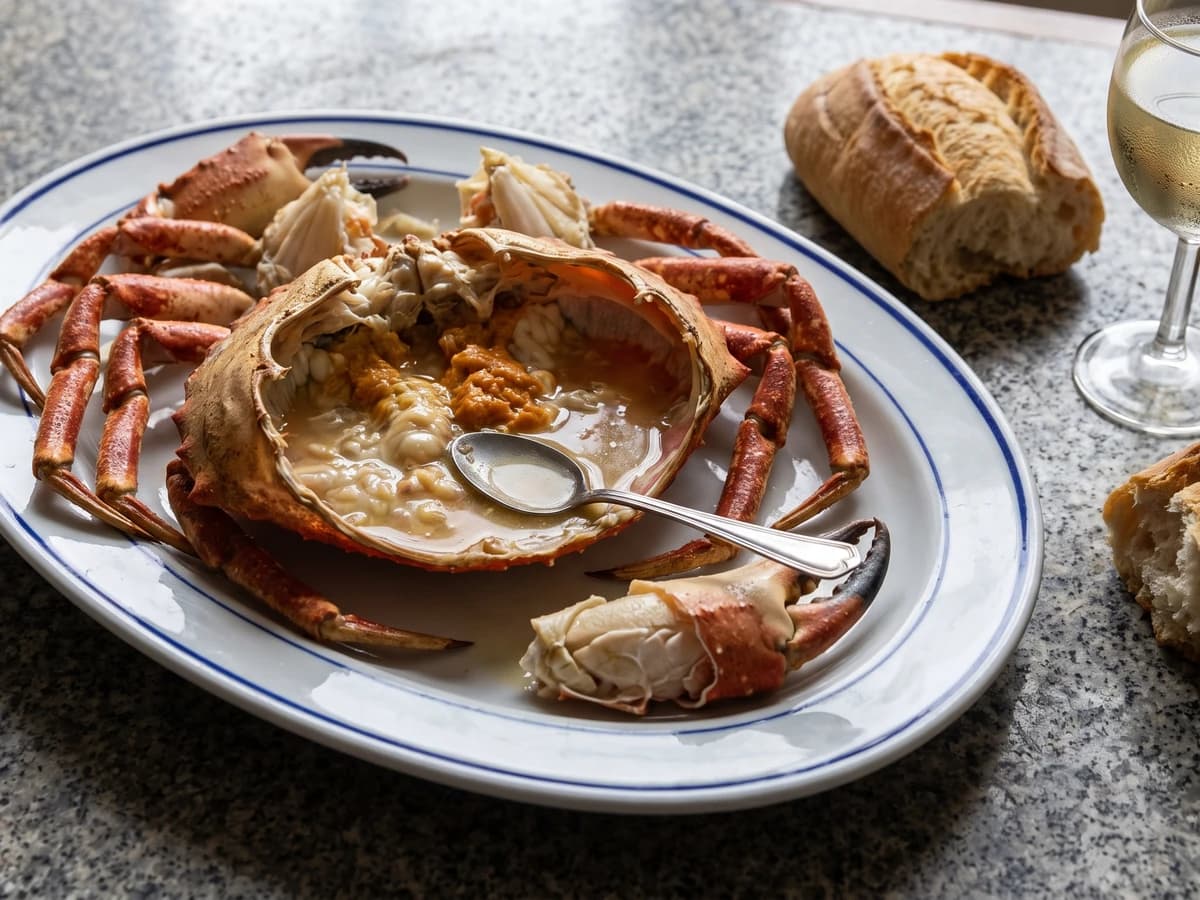
Galicia's prized spider crab needs no sauce: boil it from cold in properly salted water, keep its coral and sweet body juices, and serve the cracked shellfish straight from its own shell.
Chef Isabel
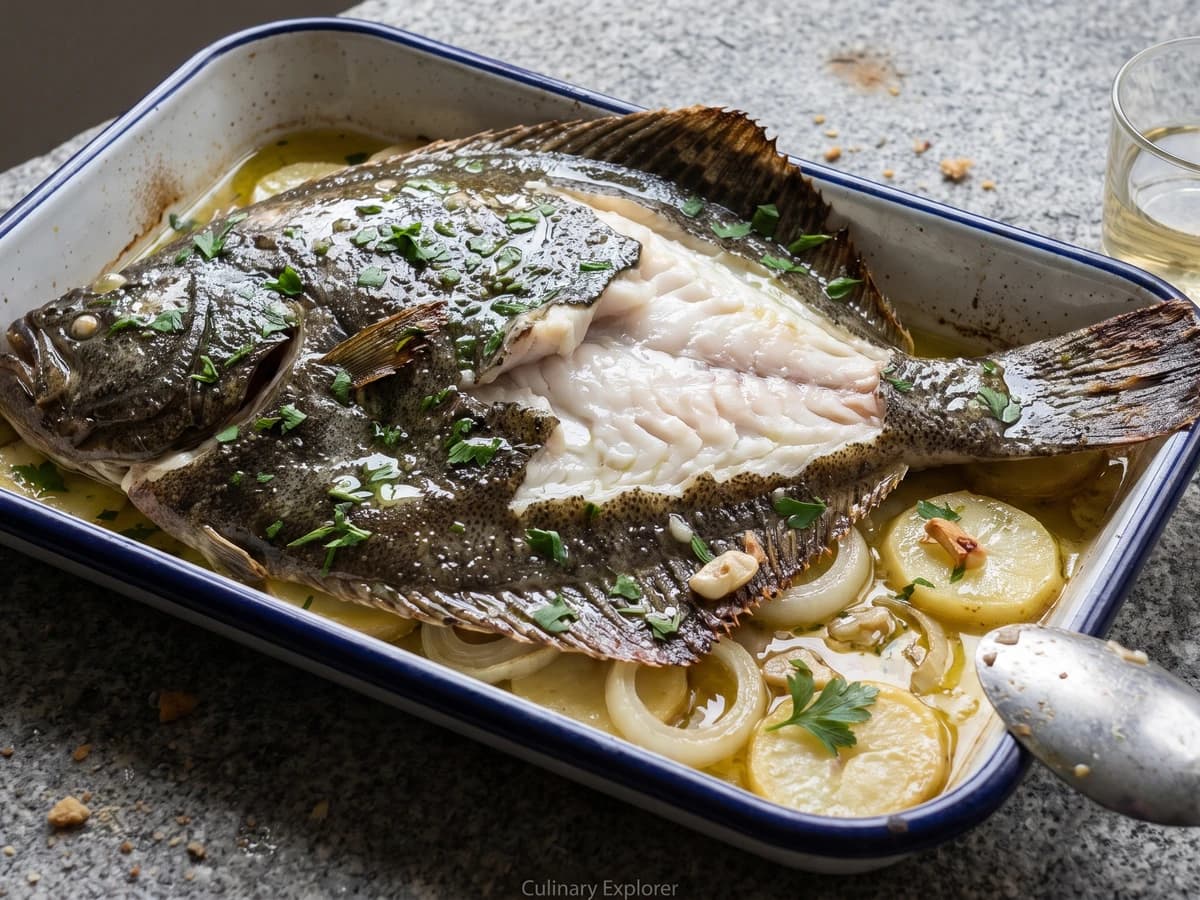
Galicia bakes whole turbot on patacas panadeiras, thin potatoes and onion softened first, then lets white wine, garlic, parsley, and the fish's own gelatin make the sauce.
Chef Isabel
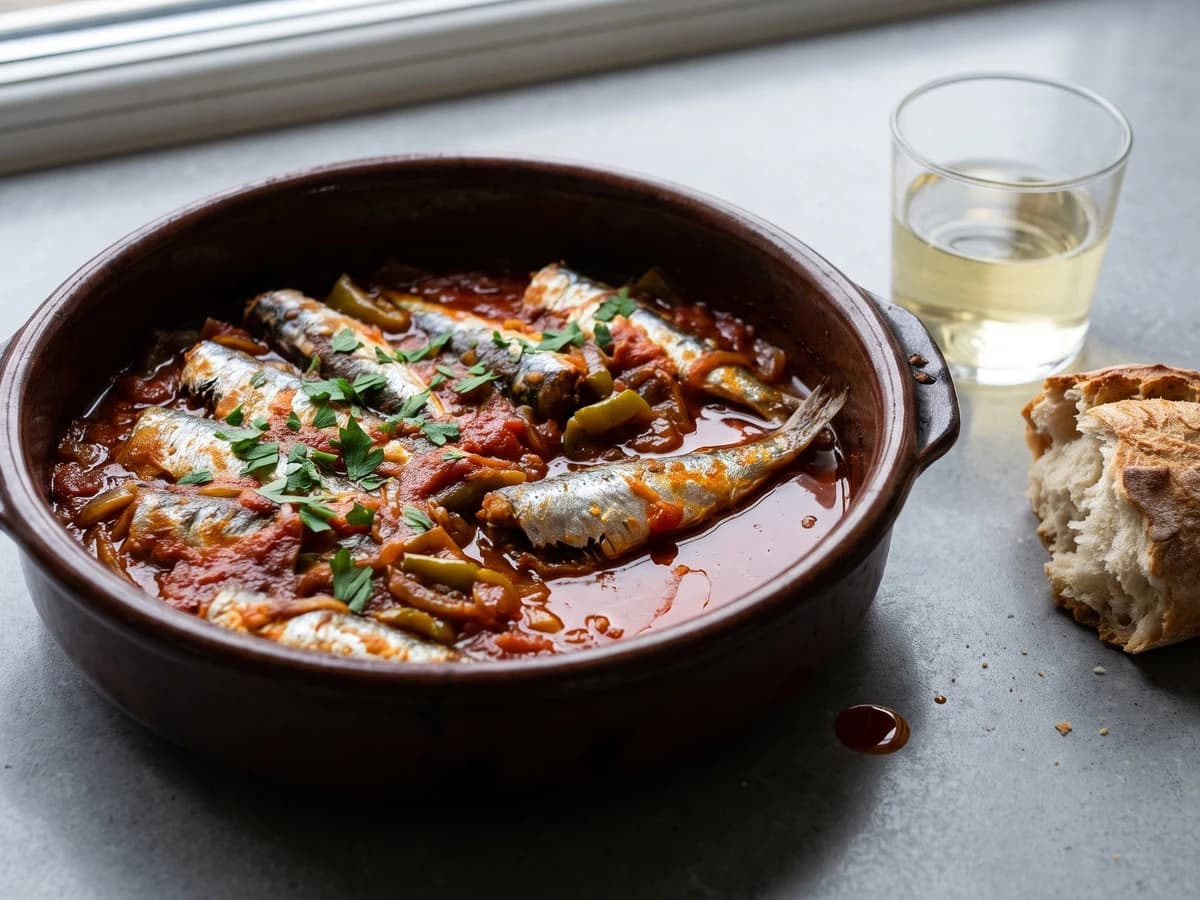
Galicia's small sardines settle beneath a dark, sweet onion and tomato sofrito, where gentle cooking leaves them tender and the pimentón-stained juices demand a thick piece of bread.
Chef Isabel
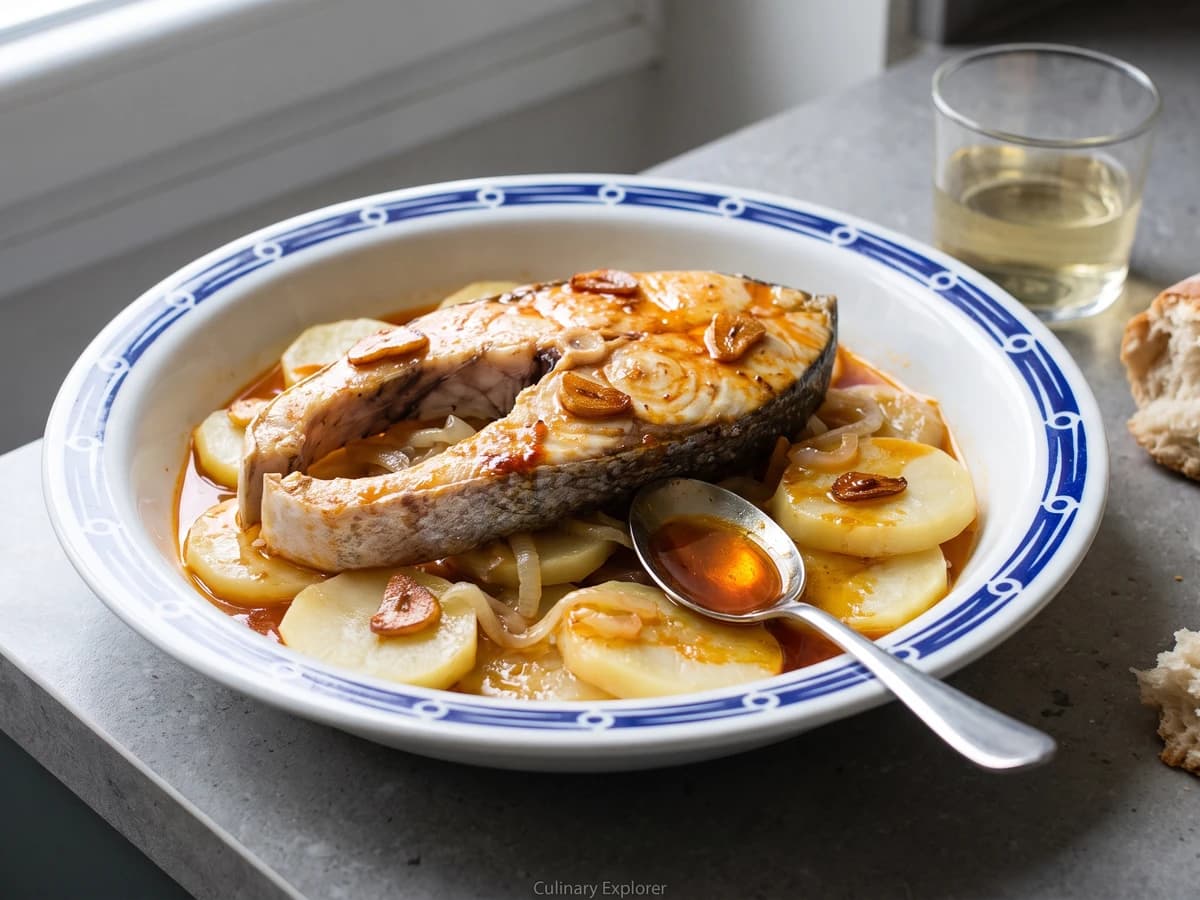
Merluza a la Gallega belongs to Galicia: thick hake steaks, potatoes and onion cooked gently, then flooded with warm ajada whose garlic and sweet pimentón stain the plate red-gold.
Chef Isabel
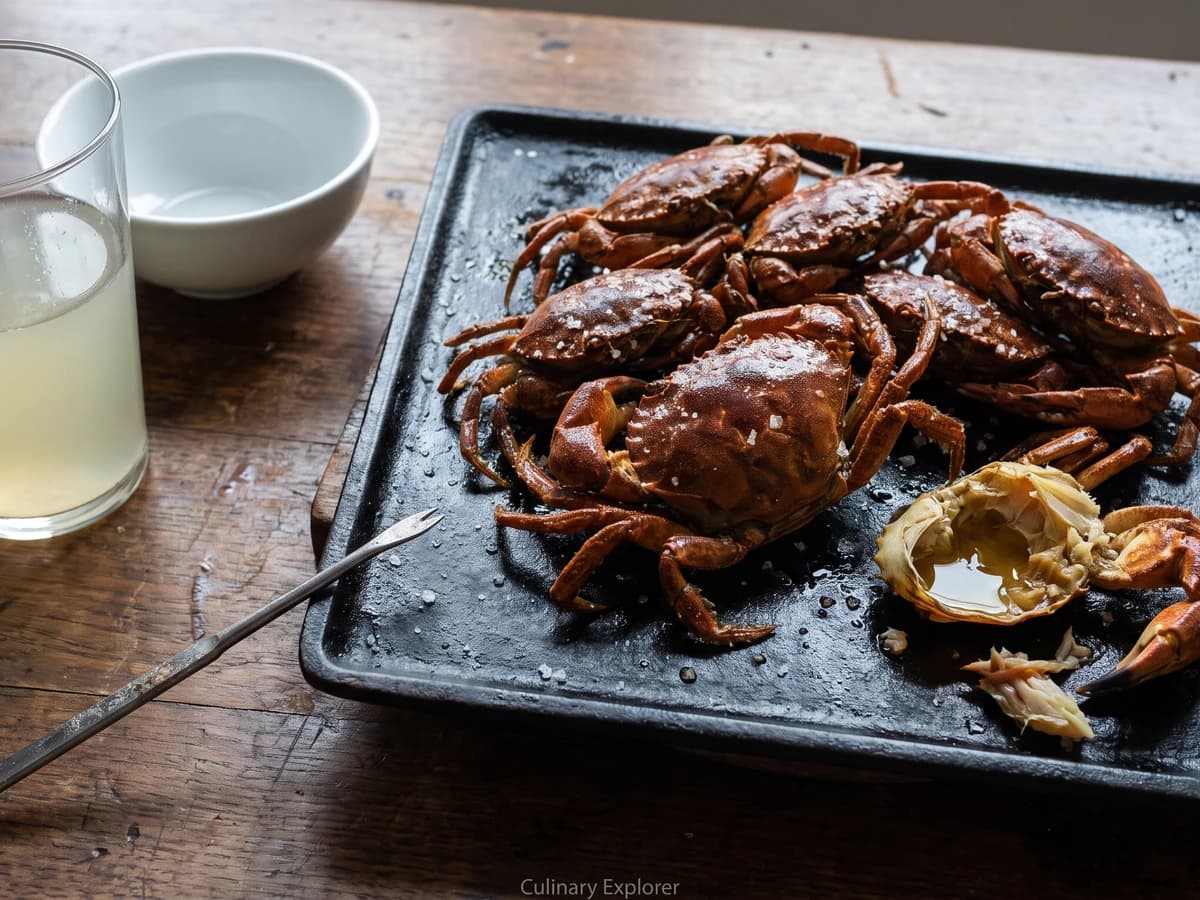
Asturias puts its small velvet crabs straight on a fierce plancha with salt and oil, keeping the shell liquor sweet and briny. Dry them well, cook them fast, and bring plenty of napkins.
Chef Isabel
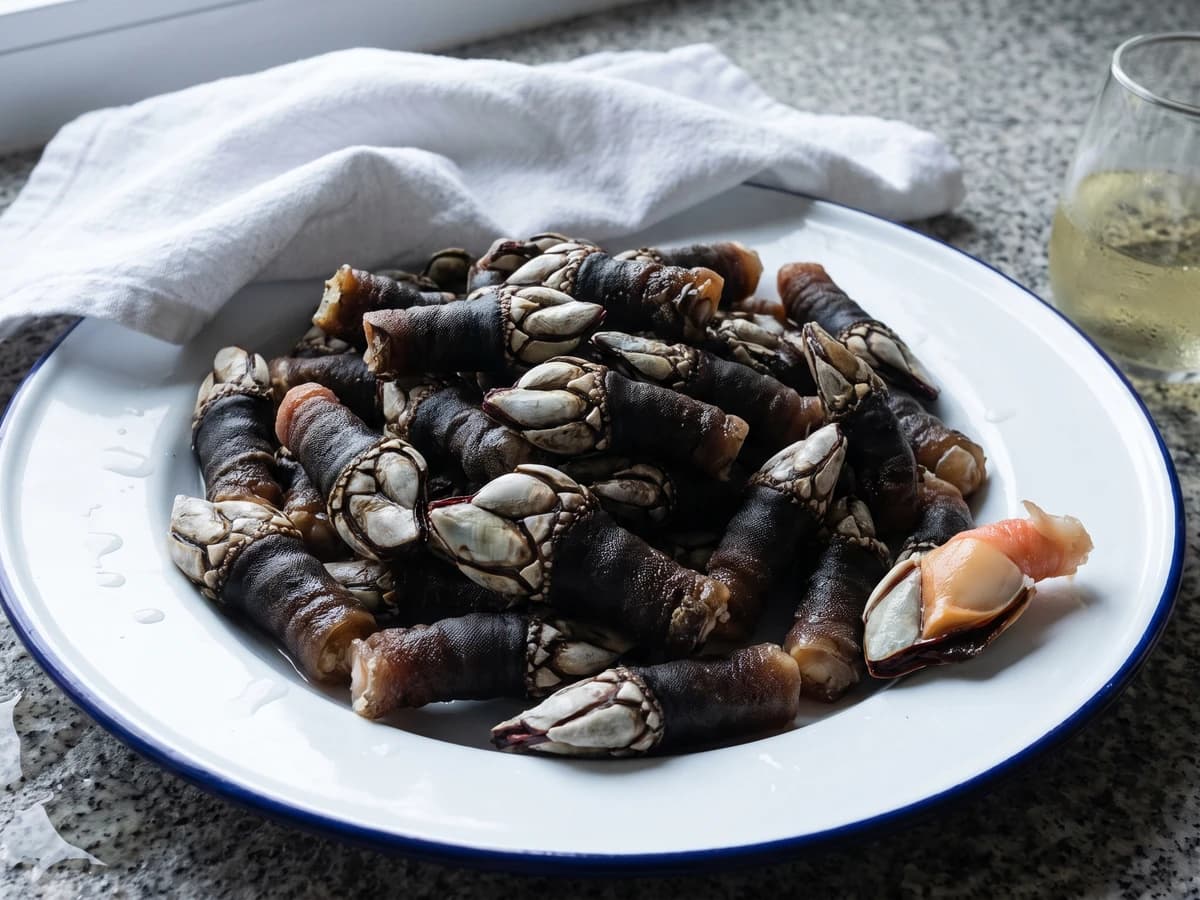
Galicia's cliff-harvested percebes need no sauce and no cleverness: fiercely salted water, one return to the boil, then straight to the table while the tender stalks still taste of the Atlantic.
Chef Isabel
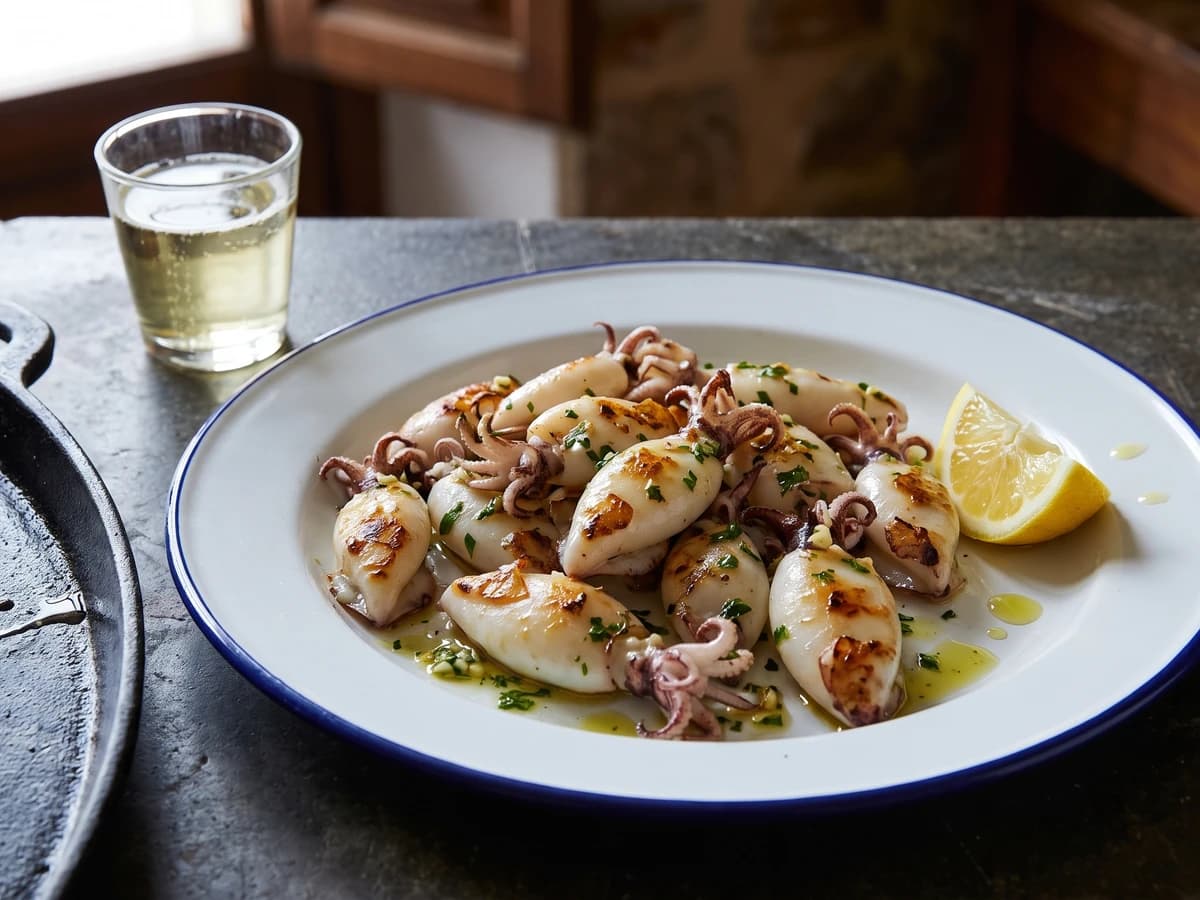
On the Basque coast, baby squid meet a blazing plancha for barely two minutes, then take garlic-parsley oil: dry them thoroughly, leave room between them, and they'll brown while the centres stay tender.
Chef Isabel
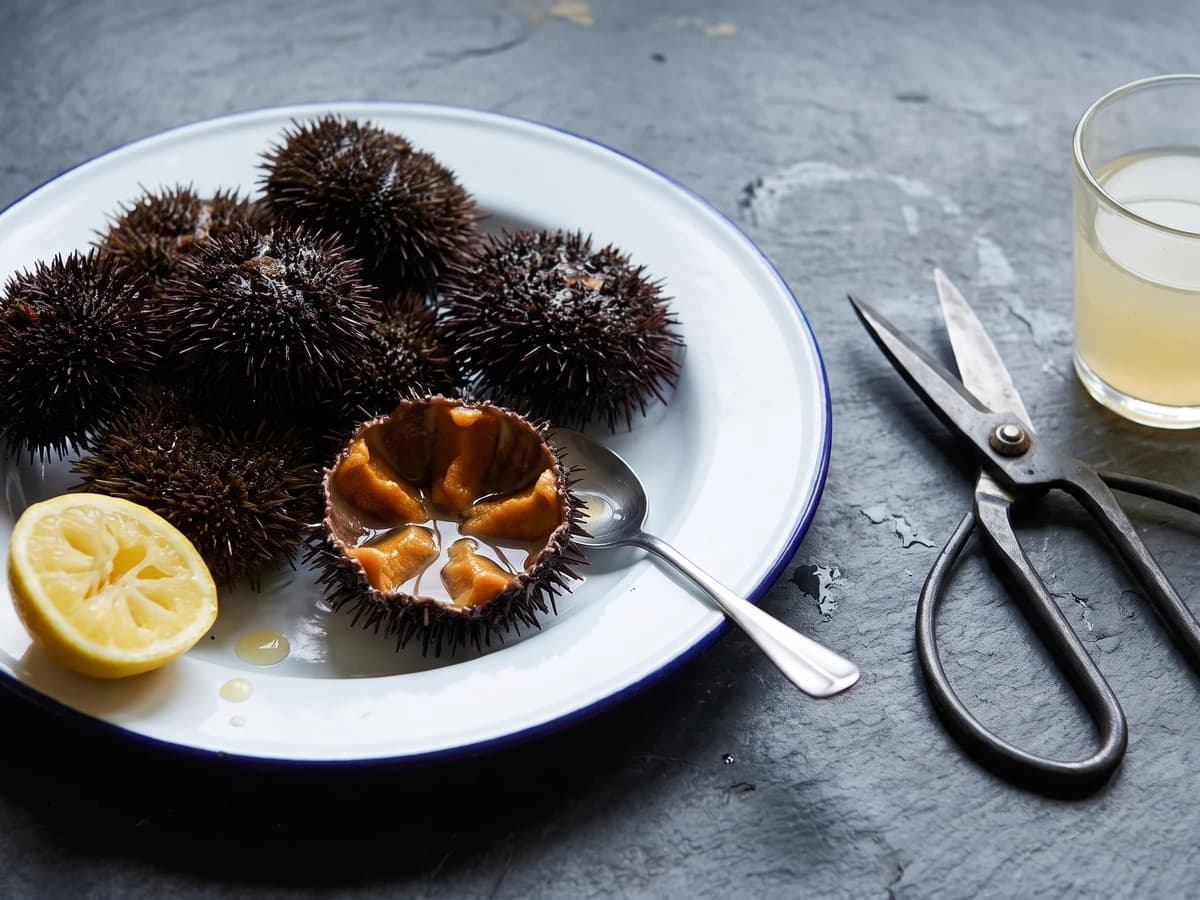
Oricios are Asturias at its most bare and exact: live winter sea urchins, briefly boiled in their shells, opened at the table, and eaten with a teaspoon and barely a squeeze of lemon.
Chef Isabel
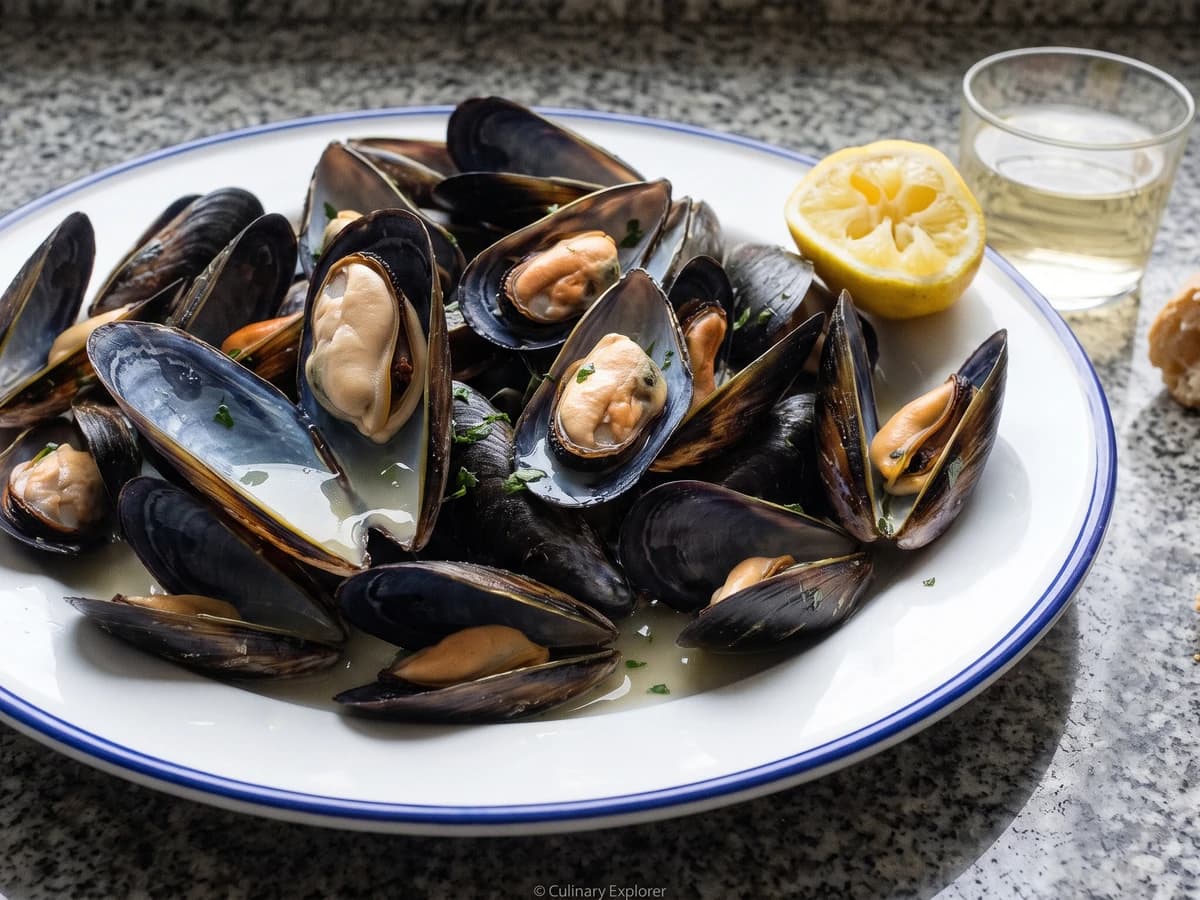
Galicia puts the mussel first: rope-grown shellfish opened quickly in their own liquor with bay and a splash of dry white wine, then carried to the table with lemon.
Chef Isabel
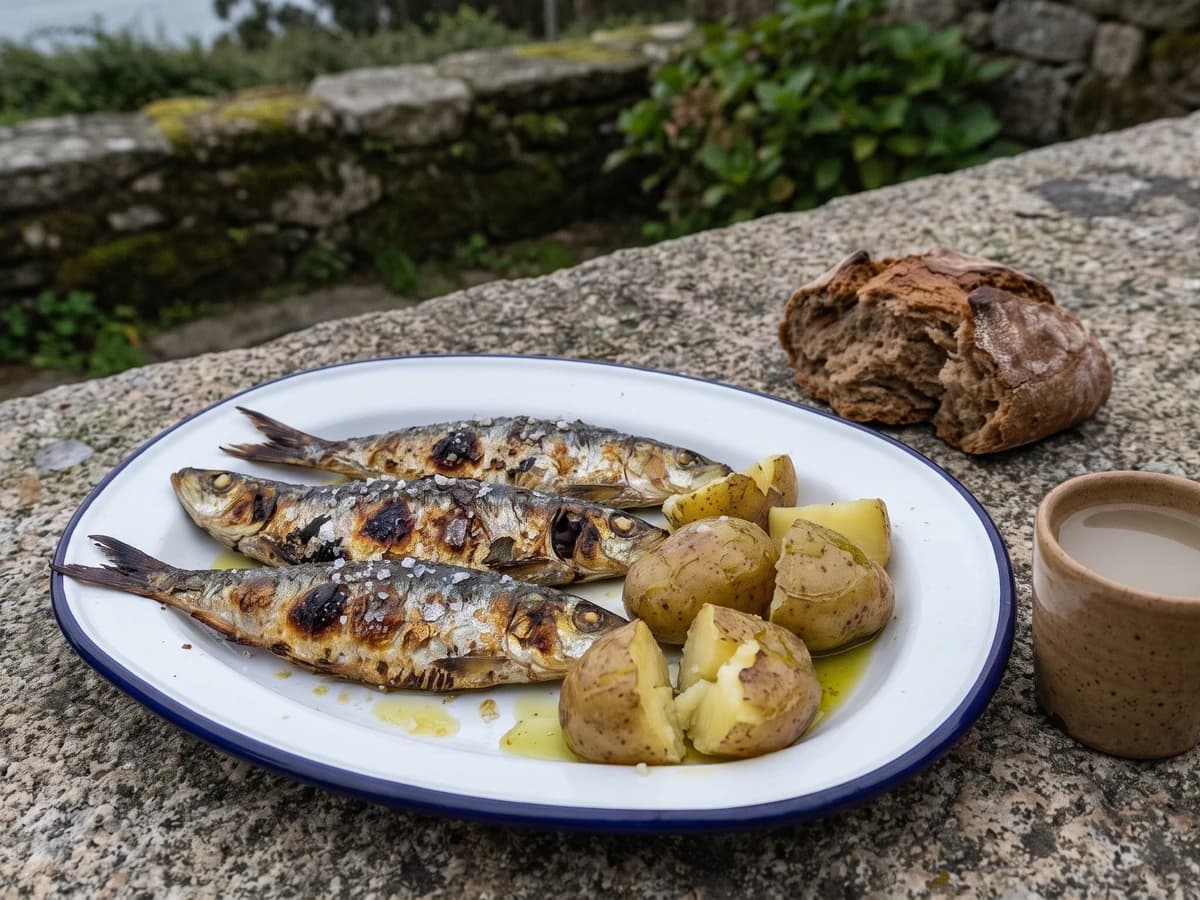
Galicia's midsummer grill puts fat whole sardines over fierce, settled coals and cachelos beside them. Salt the fish, turn them once, and serve before the crisp skin has time to soften.
Chef Isabel
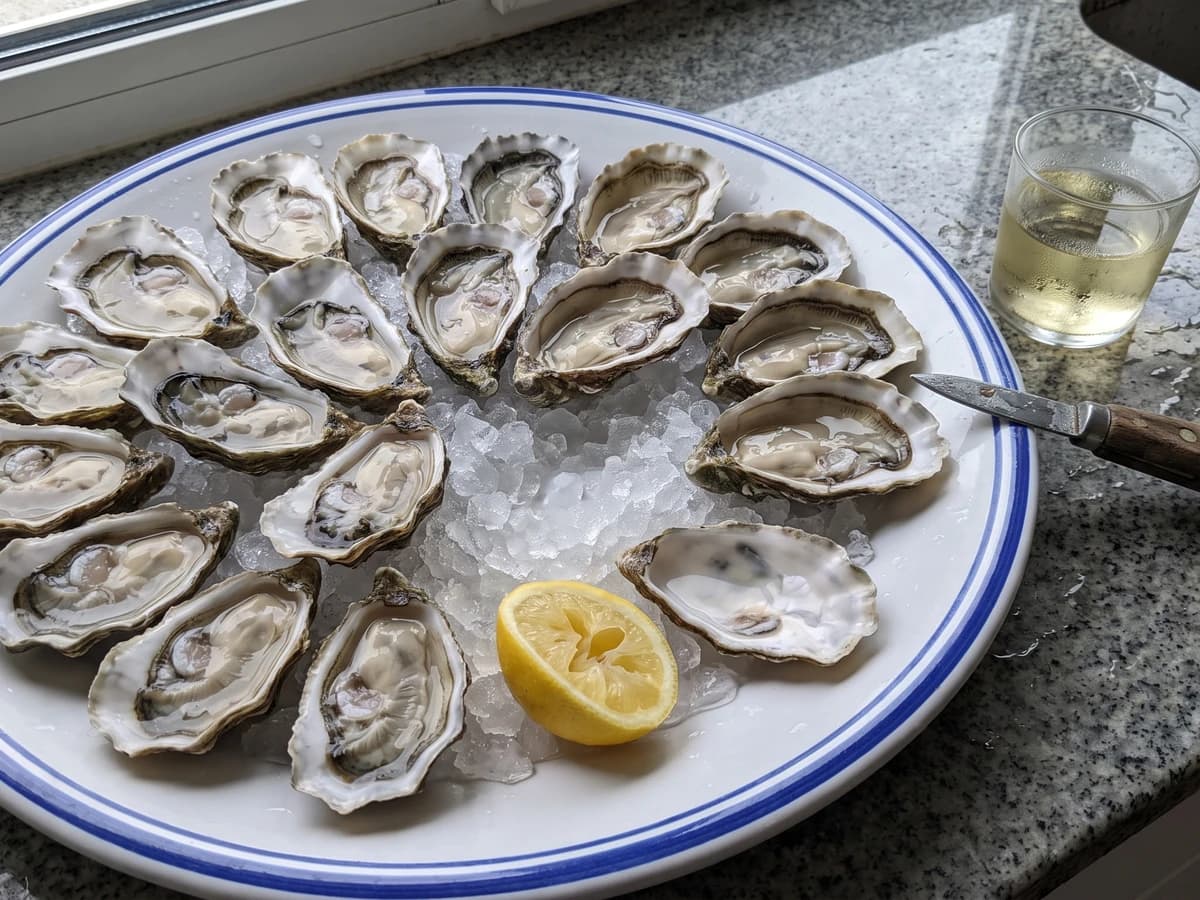
Ostras de Arcade are Galicia at its clearest: live flat oysters from the inner ría de Vigo, opened cold without losing their liquor, then eaten at once with only a few drops of lemon.
Culinary guides, cultural storytelling, and the editorial depth that makes cooking meaningful.
Discover Culinary Explorer