Chef Isabel
Abanico Ibérico a la Plancha
Extremadura's dehesa gives us this fan-shaped, marbled rib cut: salt it at the last moment, lay it on a fierce plancha, and count in seconds so the centre stays juicy.
A cooking platform built around craft, culture, and the stories behind what we eat.
Created by
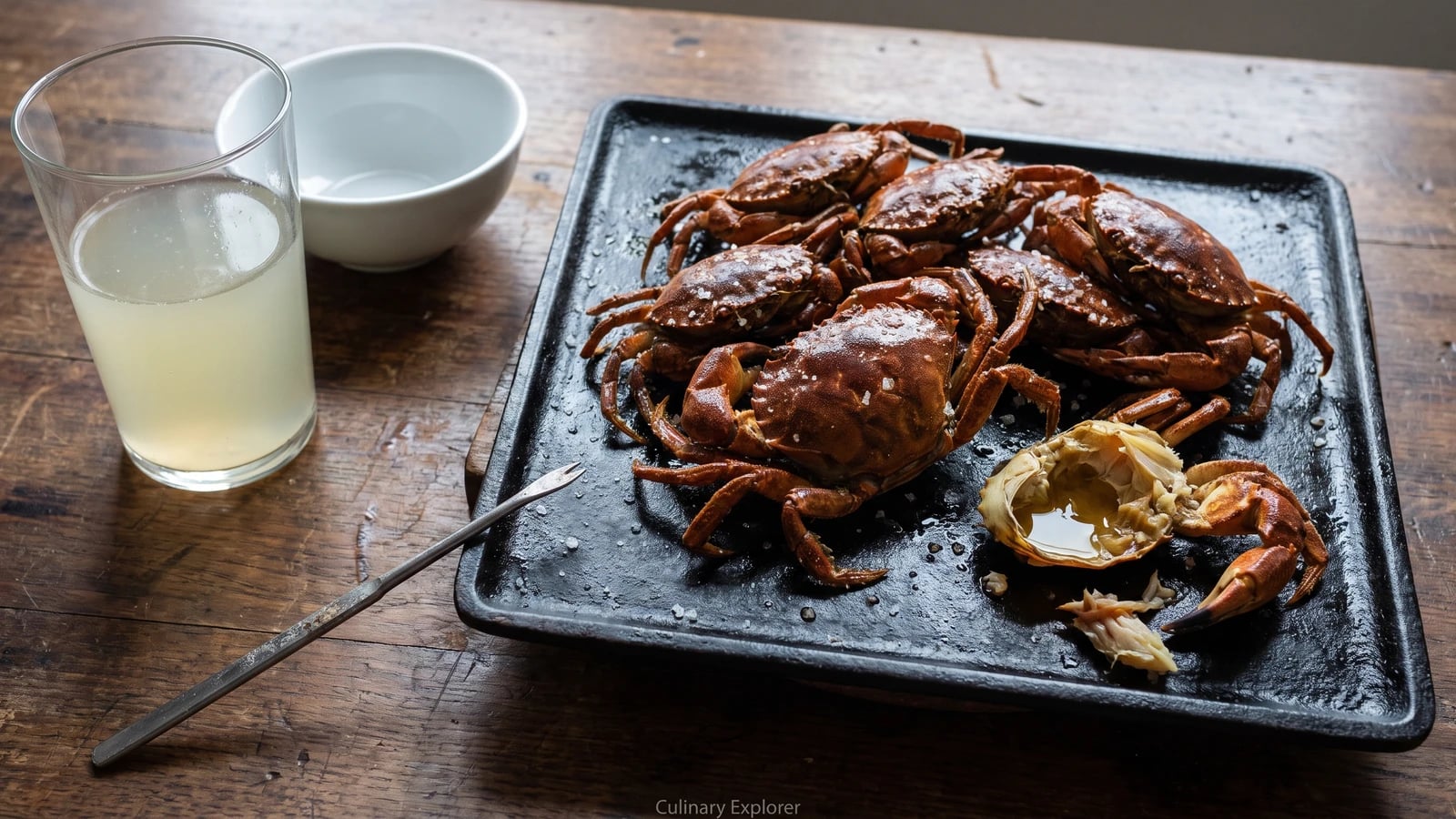
Asturias puts its small velvet crabs straight on a fierce plancha with salt and oil, keeping the shell liquor sweet and briny. Dry them well, cook them fast, and bring plenty of napkins.
Andaricas a la plancha are Asturian: small velvet crabs cooked whole on hot iron with nothing more than olive oil and coarse salt. In a coastal sidrería they arrive in a red, unruly heap, and the table goes quiet except for shells cracking. What makes the dish Asturian is the andarica itself, the dark-shelled crab of the Cantabrian coast, treated plainly enough that its own liquor becomes the sauce.
The method that decides it is simple. Dry every crab properly, make the plancha fierce, and put the carapace down first. The shell cups the sweet juices while the heat works through it; the underside needs only a short finish. Start with a wet crab or a timid pan and you get something pale and watery. That would be a pity after paying for good shellfish.
If andaricas don't reach your market, use small live hard-shell blue crabs of the same 100-140g size. Their flesh is a little sweeter and less deeply marine, but they take well to the same whole-crab method. Don't use soft-shell crabs, which cook and eat quite differently. No hace falta haber pisado España, you don't need to have set foot in Spain, but the crabs must be fresh.
The Margin beside this recipe says only, "sécalas una a una," dry them one by one. It sounds fussy until you taste the first crab. Pésalo, no lo adivines, weigh the salt and mind the clock. Siempre sale, si lo sigues.
Andarica is the Asturian-language name for the velvet swimming crab, Necora puber, which lives among the rocky shallows of the Cantabrian coast and is traditionally caught in baited pots called nasas. Asturian fish markets, seafood houses and sidrerías serve these crabs either boiled in salted water or cooked whole on the plancha, always with little interference. Their place at the table follows the sea's calendar, including the closed seasons that protect them while they reproduce and renew their shells.
Quantity
1.5kg, about 12 crabs weighing 100-140g each
dispatched to order, briefly rinsed and dried thoroughly
Quantity
30ml
Quantity
18g
15g for the plancha and 3g to finish
| Ingredient | Quantity |
|---|---|
| live andaricas or velvet crabsdispatched to order, briefly rinsed and dried thoroughly | 1.5kg, about 12 crabs weighing 100-140g each |
| olive oil | 30ml |
| coarse sea salt15g for the plancha and 3g to finish | 18g |
Buy lively andaricas with intact shells and a clean smell of the sea, then ask the fishmonger to dispatch them immediately before you take them home. Cook them within two hours and keep them properly chilled meanwhile. A raw crab found dead in the tank is not a bargain. Leave it there.
Rinse each crab briefly under cold running water, brushing any grit from the underside, leg joints and claws. Don't soak them. Dry them one by one with a clean cloth or kitchen paper until the shells and legs are completely dry. Wet andaricas cool the iron and boil in their rinse water instead of searing.
Set a large cast-iron or carbon-steel plancha over high heat for 8 minutes, until its surface reaches 220-230°C and a drop of water skitters away at once. Rub the crabs all over with the 30ml olive oil. Scatter 15g coarse salt evenly across the hot iron.
Lay the crabs on the salt with the carapace against the plancha and the legs pointing upward. Leave a little room between them and cook without pressing or shifting for 5 minutes. This is the step that decides the dish: the top shell acts like a little cup, holding the sweet crab liquor while the heat works through it.
Turn every crab once and cook underside-down for 4 minutes. The shell should be brick-red, the legs firm and the juices bubbling at the joints. For certainty, slide a thin instant-read probe through a rear leg joint into the body meat; it must reach 63°C. Crabs nearer 140g may need 1 minute more. Return them to a tray carapace-down, scatter over the remaining 3g salt and rest for 2 minutes.
Serve the andaricas immediately, still carapace-down so their liquor stays inside. Pull away the abdominal flap and lift off the top shell over the plate. Discard the feathery grey gills and the small stomach sac behind the eyes, then eat the white body and claw meat with the brown meat and any orange coral. No sauce is needed. The crab has already made one.
1 serving (about 355g)
Culinary guides, cultural storytelling, and the editorial depth that makes cooking meaningful.
Discover Culinary ExplorerChef Isabel
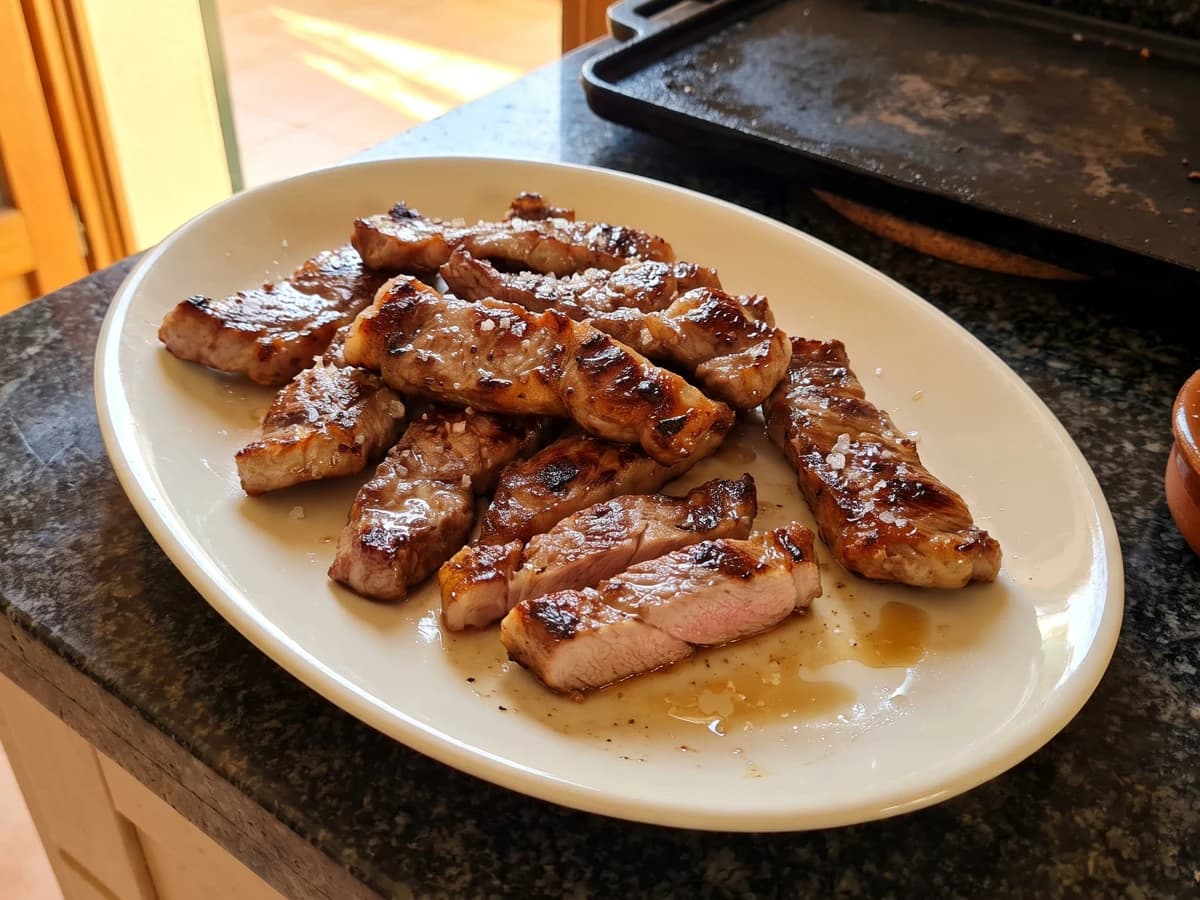
Extremadura's dehesa gives us this fan-shaped, marbled rib cut: salt it at the last moment, lay it on a fierce plancha, and count in seconds so the centre stays juicy.
Chef Isabel
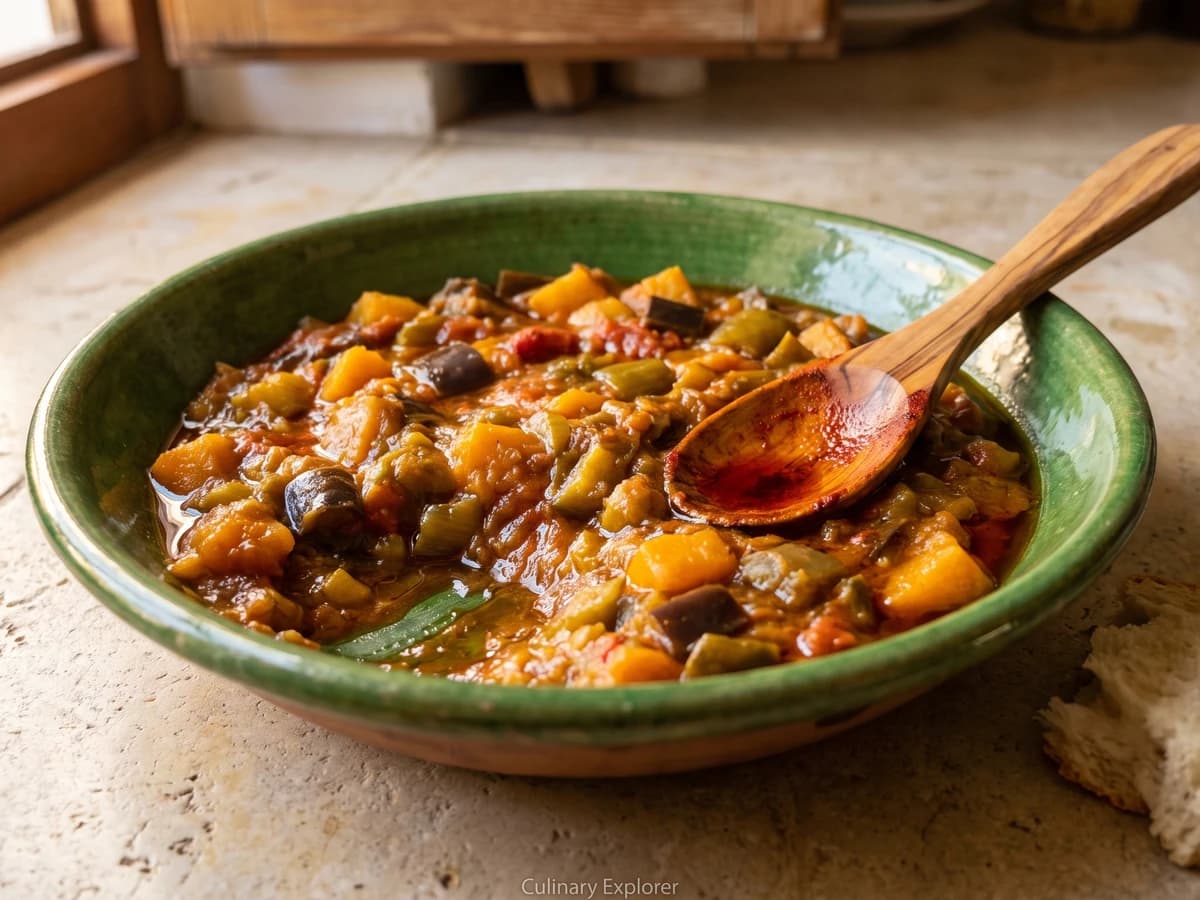
Alboronía is Andalucía's old pumpkin and aubergine stew, deepened with tomato, pimentón, and cumin, then cooked without hurry until the vegetables settle into a glossy, sweet, spoon-soft whole.

Chef Isabel
Aletría Murciana is Murcia's humble noodle guiso: fine fideos, pork ribs, potato, saffron, and a dark sweet sofrito. Get that base right and the pot knows where it's going.
Chef Isabel
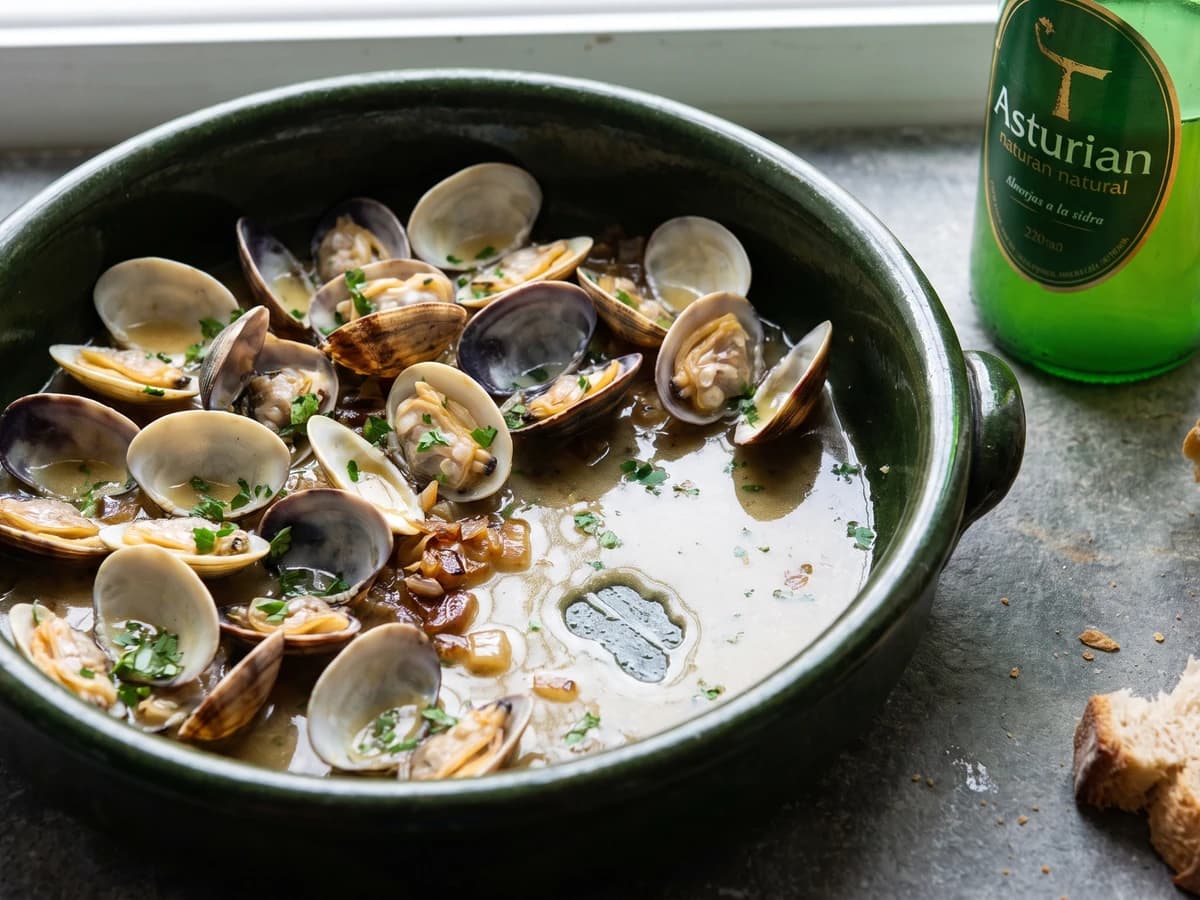
Asturias opens clams in tart natural cider over a slow onion and garlic sofrito, making a bright, briny sauce that asks for bread and rewards one rule: lift each clam as it opens.