Chef Isabel
Abanico Ibérico a la Plancha
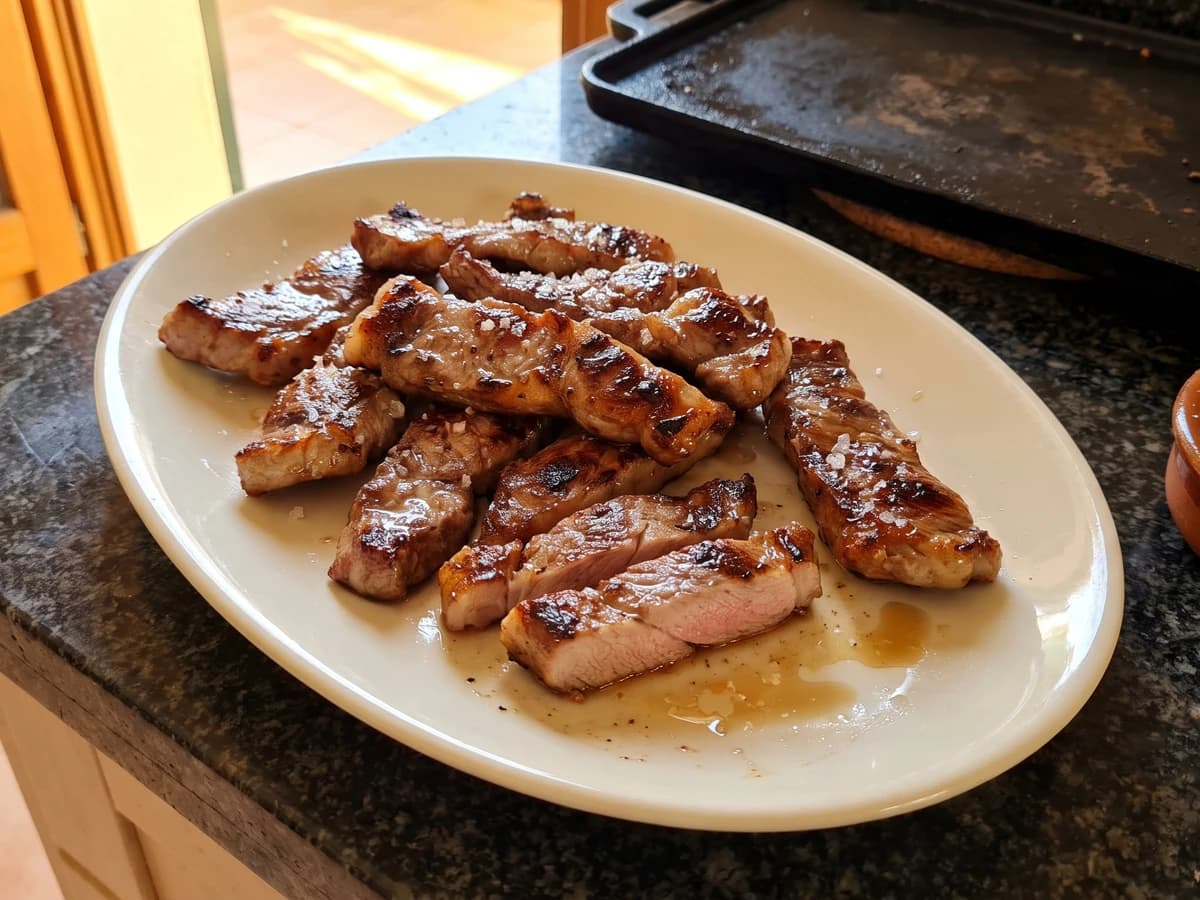
Extremadura's dehesa gives us this fan-shaped, marbled rib cut: salt it at the last moment, lay it on a fierce plancha, and count in seconds so the centre stays juicy.
A cooking platform built around craft, culture, and the stories behind what we eat.
Created by
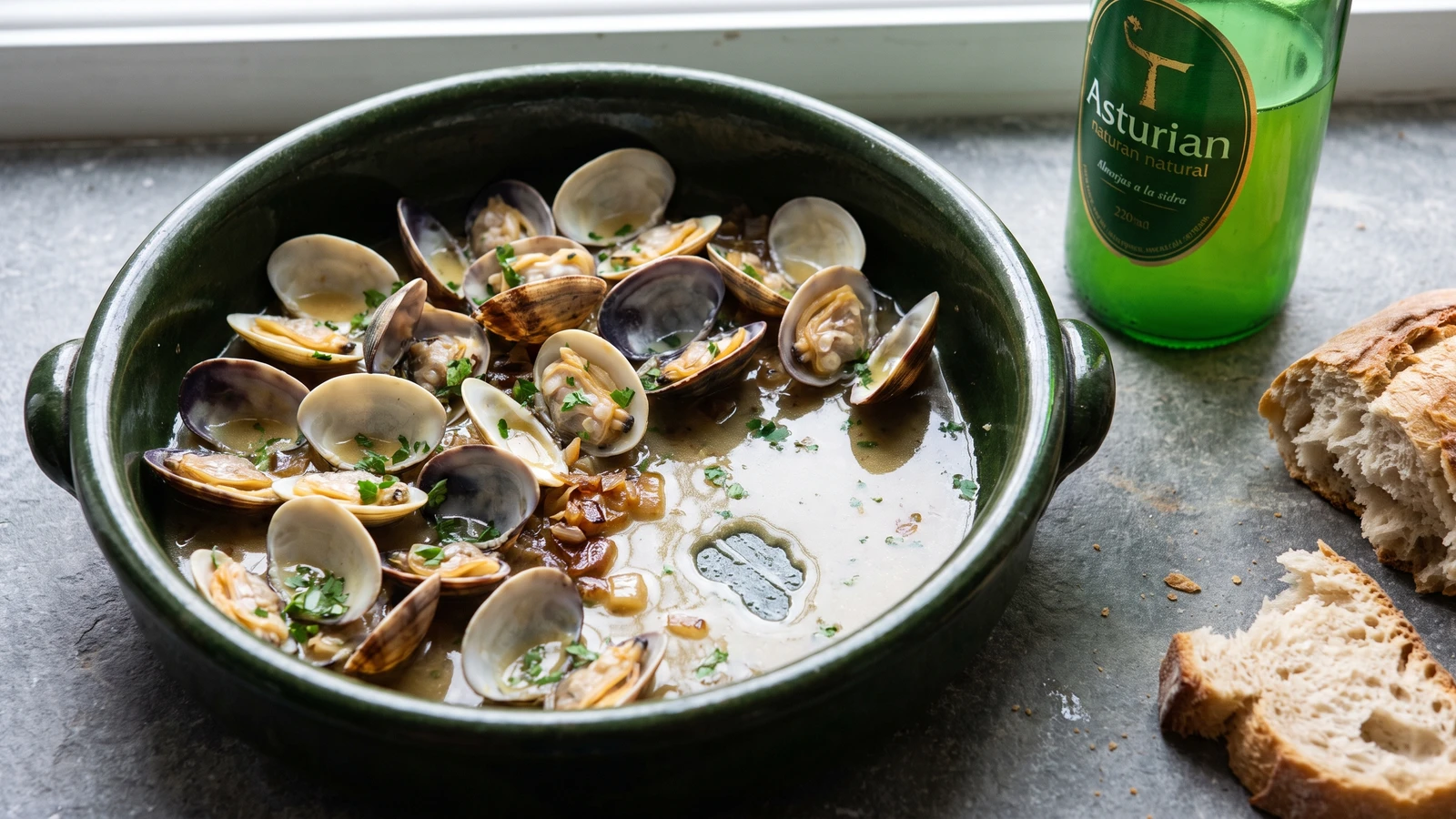
Asturias opens clams in tart natural cider over a slow onion and garlic sofrito, making a bright, briny sauce that asks for bread and rewards one rule: lift each clam as it opens.
Almejas a la sidra are Asturian: fresh clams opened in the region's dry natural cider over onion and garlic cooked slowly in olive oil. In Galicia next door, white wine might go into the pan. Asturias reaches for cider, and that sharp orchard fruit makes this a different dish.
It brings two Asturian larders together, shellfish from the Cantabrian coast and apples from the green country behind it. The step that decides the sauce is the sofrito, the slow onion base. Cook it low until dark gold and jammy, because its sweetness must round the cider's acidity. Rush it and the cider tastes sharp rather than bright.
Once the clams go in, stay beside the pan and lift each one out as it opens. They don't all keep the same clock, and waiting for the slowest turns the first ones tough. Return them only long enough to take on the parsley and glossy sauce. This is quick food, but it isn't unattended food.
Far from Asturias, use an unsweetened dry hard apple cider, preferably still. A dry sparkling one will do if you pour it into a jug and let it settle first, though the sauce will be a little fruitier and less tannic. Apple juice is not a substitute; it makes supper taste like pudding. The Margin beside this recipe says only, "dry cider, open clams, no dawdling." Siempre sale, si lo sigues.
Asturias's cider country gathers around orchard towns such as Villaviciosa and Nava, while its northern edge meets the shellfish-rich Cantabrian Sea. Cooking clams in sidra natural joins those two regional provisions in one pan, using tart fermented apple where neighboring coastal kitchens often use white wine. The cider is traditionally poured from a height to wake it in the glass, but in the cooking pot its acidity has another purpose: it cuts through the clam liquor and olive oil without covering their flavor.
Quantity
1.5kg
scrubbed
Quantity
2 litres
for purging the clams
Quantity
70g
for purging the clams
Quantity
45ml
Quantity
180g
very finely diced
Quantity
3 cloves (about 12g)
finely chopped
Quantity
15g
Quantity
300ml
Quantity
10g
finely chopped
Quantity
300g
sliced, for serving
| Ingredient | Quantity |
|---|---|
| live clams, preferably almeja fina or babosascrubbed | 1.5kg |
| cold waterfor purging the clams | 2 litres |
| sea saltfor purging the clams | 70g |
| extra virgin olive oil | 45ml |
| onionvery finely diced | 180g |
| garlicfinely chopped | 3 cloves (about 12g) |
| plain flour | 15g |
| dry Asturian sidra natural | 300ml |
| flat-leaf parsley leavesfinely chopped | 10g |
| crusty country bread (optional)sliced, for serving | 300g |
Dissolve the 70g sea salt in 2 litres of cold water. Discard any clam with a broken shell, then tap any open ones and discard those that don't close. Set the clams in the salted water for 30 minutes in a cool place so they release their sand. Lift them out rather than pouring the water away over them, rinse well under cold running water, and drain.
Warm the olive oil in a wide 30 to 32cm pan over medium-low heat. Add the onion and cook for 14 to 18 minutes, stirring often, until dark gold, very soft, and jammy. Add the garlic and cook for 2 minutes without letting it brown. This slow sofrito, the onion base, decides the sauce: its sweetness rounds the cider's sharpness. Rush it and the sauce stays thin and raw-tasting.
Sprinkle the flour over the sofrito and stir continuously for 1 minute. It should disappear into the oil and smell lightly toasted, with no dry white patches left. This small amount gives the cider and clam liquor enough body to cling to the shells without turning the sauce pasty.
Pour in the cider slowly while stirring, scraping up everything from the bottom of the pan. Raise the heat to medium and simmer uncovered for 5 to 7 minutes, until the raw alcoholic smell has gone and the sauce lightly coats the back of a spoon.
Add the drained clams, spread them into an even layer, and cover the pan. Cook over medium-high heat for 90 seconds, then shake the covered pan firmly. Check every 30 seconds after that, lifting each open clam into a large bowl with a slotted spoon. Most will open within 4 to 6 minutes. Removing them as they open keeps the first ones tender while the last ones finish.
Discard any clams that remain closed. If the sauce looks watery, simmer it without the clams for 1 to 2 minutes. If it is thicker than pouring cream, stir in 15 to 30ml water. Taste before adding any salt because the clam liquor usually supplies enough. Stir in the parsley, return the open clams and their collected juices, and turn them through the sauce for 30 seconds. Serve at once with bread for the cider sauce.
1 serving (about 270g)
Culinary guides, cultural storytelling, and the editorial depth that makes cooking meaningful.
Discover Culinary ExplorerChef Isabel
Extremadura's dehesa gives us this fan-shaped, marbled rib cut: salt it at the last moment, lay it on a fierce plancha, and count in seconds so the centre stays juicy.
Chef Isabel
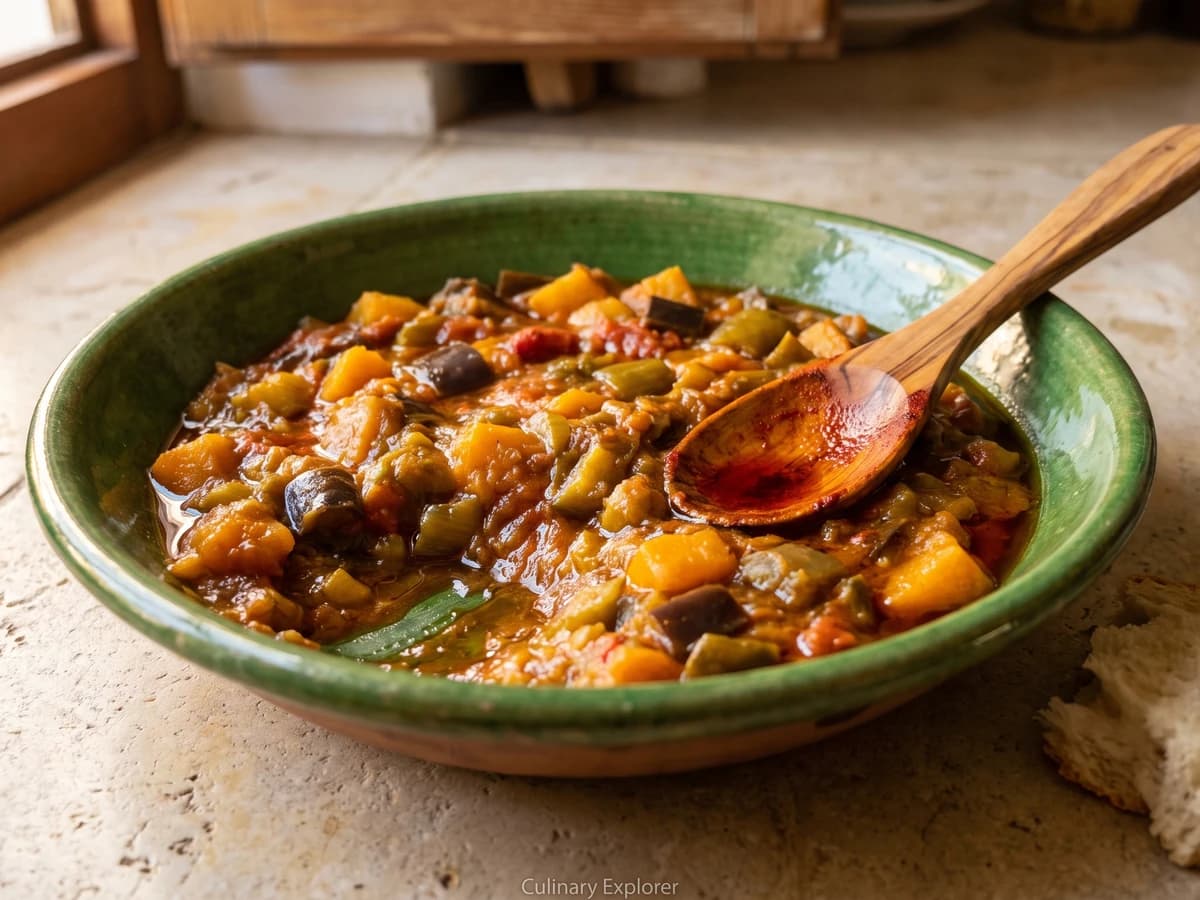
Alboronía is Andalucía's old pumpkin and aubergine stew, deepened with tomato, pimentón, and cumin, then cooked without hurry until the vegetables settle into a glossy, sweet, spoon-soft whole.

Chef Isabel
Aletría Murciana is Murcia's humble noodle guiso: fine fideos, pork ribs, potato, saffron, and a dark sweet sofrito. Get that base right and the pot knows where it's going.
Chef Isabel
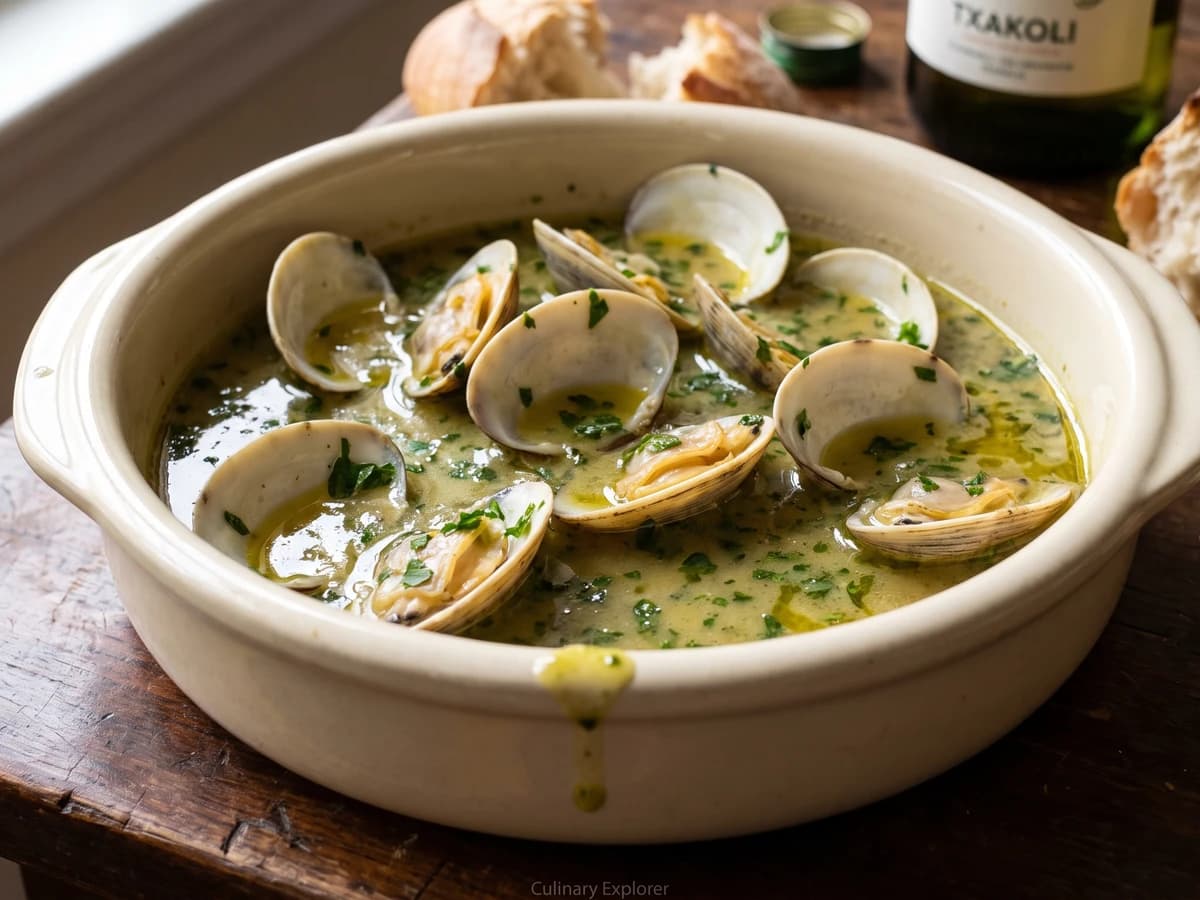
Almejas en salsa verde belong to the Basque coast: briny clams, garlic, parsley and txakoli in a pale green sauce that thickens when you shake the cazuela, never when you fuss with a spoon.