Chef Isabel
Abanico Ibérico a la Plancha
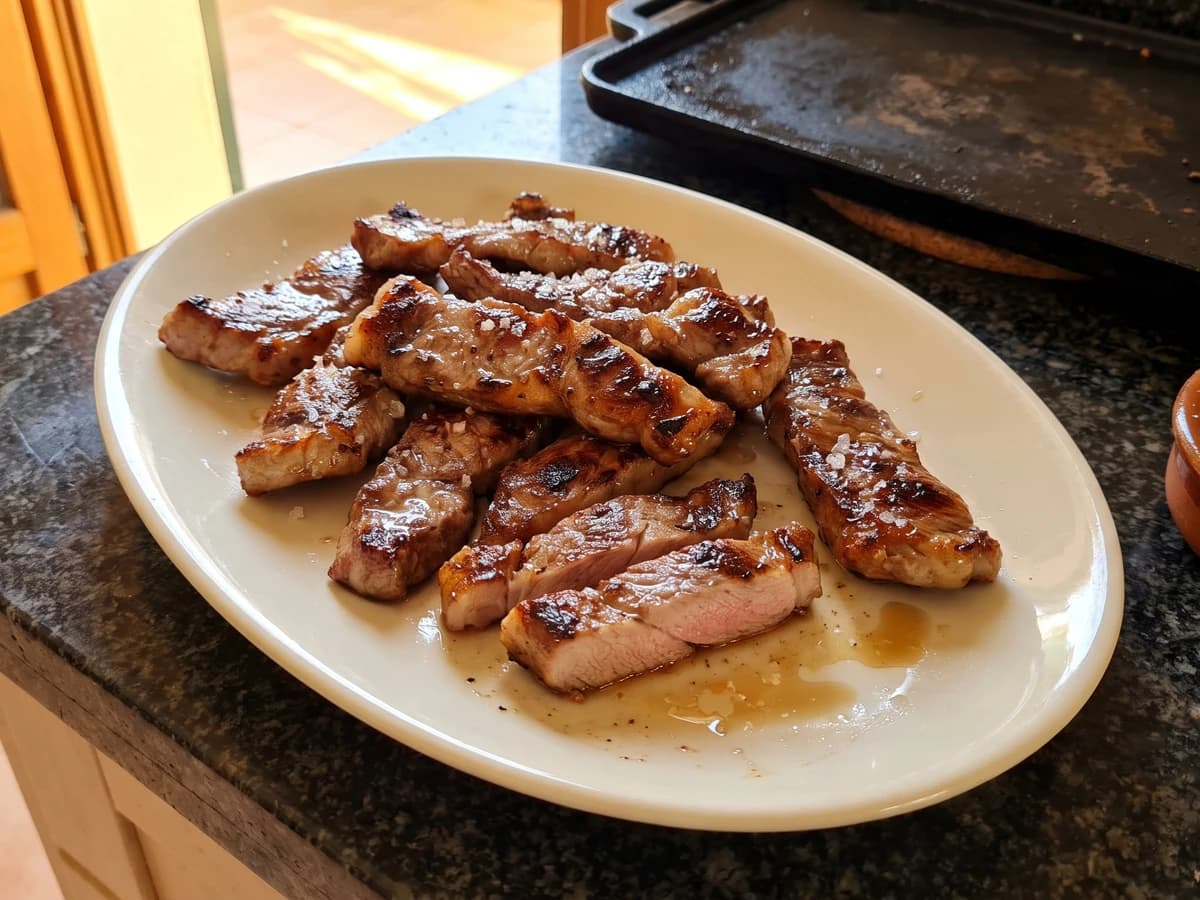
Extremadura's dehesa gives us this fan-shaped, marbled rib cut: salt it at the last moment, lay it on a fierce plancha, and count in seconds so the centre stays juicy.
A cooking platform built around craft, culture, and the stories behind what we eat.
Created by
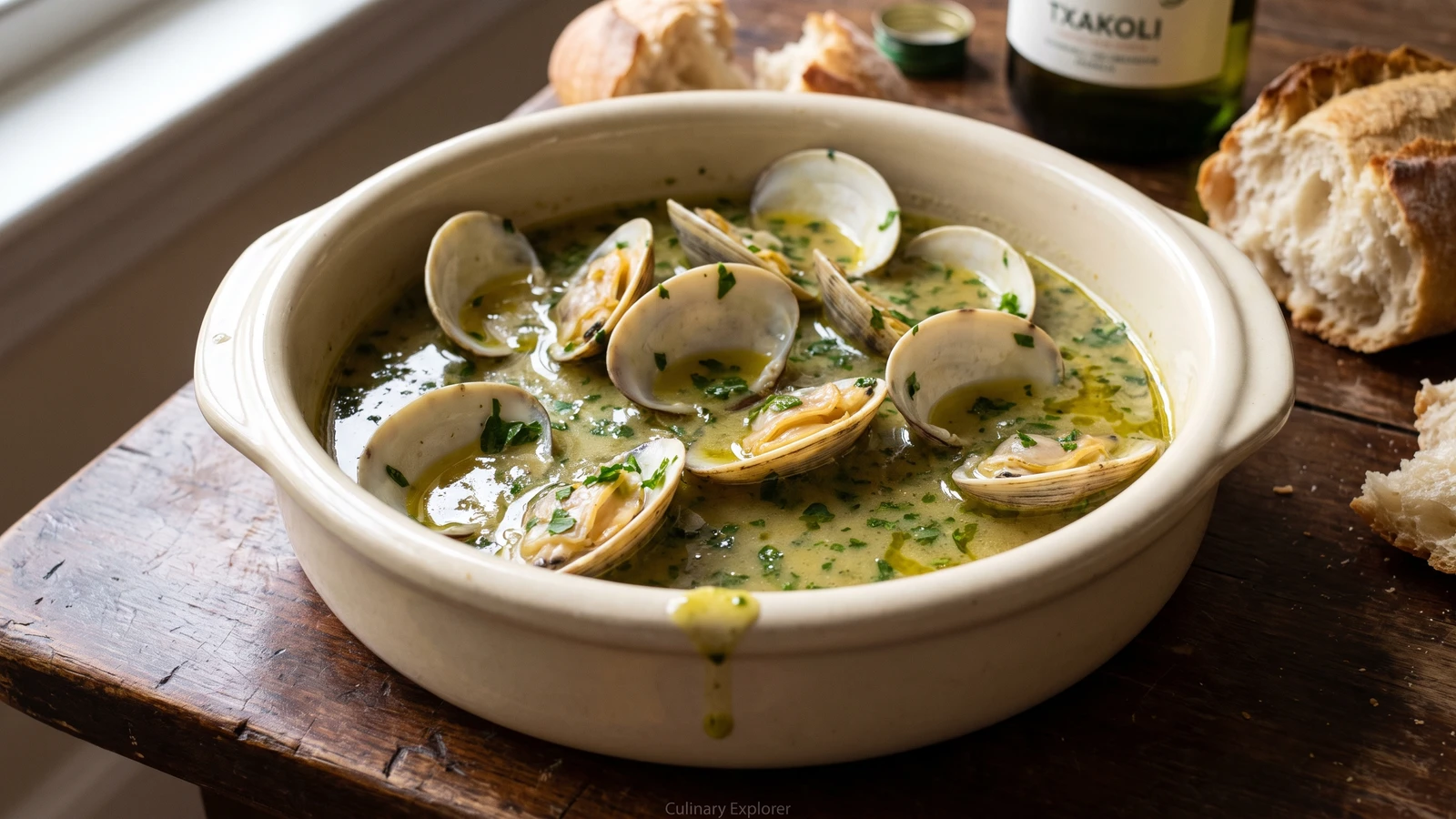
Almejas en salsa verde belong to the Basque coast: briny clams, garlic, parsley and txakoli in a pale green sauce that thickens when you shake the cazuela, never when you fuss with a spoon.
Almejas en salsa verde, clams in green sauce, belongs to the Basque coast. Fresh clams open in a warm sauce of garlic, parsley and txakoli, with their own liquor providing most of the seasoning. Its green comes from parsley, not a raw herb paste, and its body comes from a little flour. No cream. The sauce should remain light enough to run into the open shells.
The movement decides the dish. Once the clams enter the cazuela, the low, wide cooking pan, you shake it in small circles instead of stirring. That steady motion binds the olive oil, flour and clam liquor while the shells open, giving you a glossy sauce rather than a floury gravy. Lift each clam out as it opens, because one extra minute turns a tender clam stubborn.
If txakoli is hard to find, use a young, bone-dry white wine such as Albariño. The sauce will lose a little of txakoli's sharp northern acidity, but it will still be right. Small live littlenecks also work in place of Basque almejas; they are firmer, so allow them up to one extra minute. No hace falta haber pisado España. The Margin beside mine says simply: move the pan, not the clams. Siempre sale, si lo sigues.
Almejas en salsa verde belongs to the coastal kitchens of the Basque Country, where cooks use the shellfish liquor itself as stock and waste none of its briny strength. Salsa verde there names a family of warm parsley sauces, especially associated with hake; the Donostia preparation known as merluza a la koskera carries the same foundation with clams, asparagus and egg. The flour is not there to make a heavy gravy, but to hold olive oil, wine and seafood juices in a thin sauce meant to be gathered with bread.
Quantity
1.2kg
sorted, purged and scrubbed
Quantity
2L
Quantity
70g
Quantity
60ml
Quantity
3 cloves (about 12g)
finely chopped
Quantity
1 small
split
Quantity
15g
Quantity
125ml
Quantity
100ml
Quantity
20g
very finely chopped and divided
Quantity
up to 1g
add only after tasting
Quantity
300g
sliced for serving
| Ingredient | Quantity |
|---|---|
| live small clams, preferably almeja fina or babosa, or littleneck clamssorted, purged and scrubbed | 1.2kg |
| cold water, for purging | 2L |
| fine sea salt, for purging | 70g |
| extra virgin olive oil | 60ml |
| garlicfinely chopped | 3 cloves (about 12g) |
| dried guindilla (optional)split | 1 small |
| plain flour | 15g |
| dry txakoli, or another young dry white wine | 125ml |
| water, for the sauce | 100ml |
| flat-leaf parsleyvery finely chopped and divided | 20g |
| fine sea salt (optional)add only after tasting | up to 1g |
| crusty country bread (optional)sliced for serving | 300g |
Discard clams with cracked shells. Tap any open clam firmly against the worktop and discard it if the shell does not close. Dissolve the 70g sea salt in 2L cold water, add the clams, and refrigerate for 30 minutes. Lift them out rather than pouring them into a colander, which would tip the expelled grit straight back over them. Rinse under cold running water and scrub the shells.
Drain the clams well. Chop the garlic and parsley, measure the flour, wine and water, and set a bowl and tongs beside the stove. Once the clams enter the pan, the cooking moves quickly. This isn't the moment to begin looking for the parsley.
Warm the olive oil in a wide 28 to 30cm lidded cazuela or sauté pan over medium-low heat. Add the garlic and guindilla, if using, and cook for 60 to 90 seconds, until fragrant and only faintly golden at the edges. Keep the garlic pale; browned garlic makes this delicate sauce bitter. Sprinkle the flour evenly over the oil and turn it through with a wooden spoon for 45 seconds to remove its raw taste.
Pour in the txakoli, then the 100ml water. From this point, put the spoon aside. Hold the cazuela by its handles and move it in small, steady circles while the liquid comes to a gentle bubble. Cook for 2 minutes, then add half the parsley. The sauce should be smooth and loose because the clams still have their liquor to give.
Add the clams in an even layer, cover the pan, and raise the heat to medium-high. Cook for 3 to 5 minutes, shaking the covered cazuela every 20 seconds. Shaking folds the clam liquor into the oil and flour without knocking the shellfish about, and that movement is what makes the sauce silky. Start checking after 2 minutes and lift each opened clam into the waiting bowl with tongs. Littlenecks may need up to 6 minutes. Discard any clam that remains closed.
Once all the clams are out, shake the uncovered cazuela over medium heat for 30 seconds. The sauce should cling lightly to a shell but still pool freely. If it is too thick, shake in 15ml water; if thin, give it another 30 seconds. Return the clams and any clean liquor from their bowl, scatter in the remaining parsley, and shake for 20 seconds without boiling them again. Taste before adding any salt. Serve at once with bread for gathering every bit of sauce.
1 serving (about 145g)
Culinary guides, cultural storytelling, and the editorial depth that makes cooking meaningful.
Discover Culinary ExplorerChef Isabel
Extremadura's dehesa gives us this fan-shaped, marbled rib cut: salt it at the last moment, lay it on a fierce plancha, and count in seconds so the centre stays juicy.
Chef Isabel
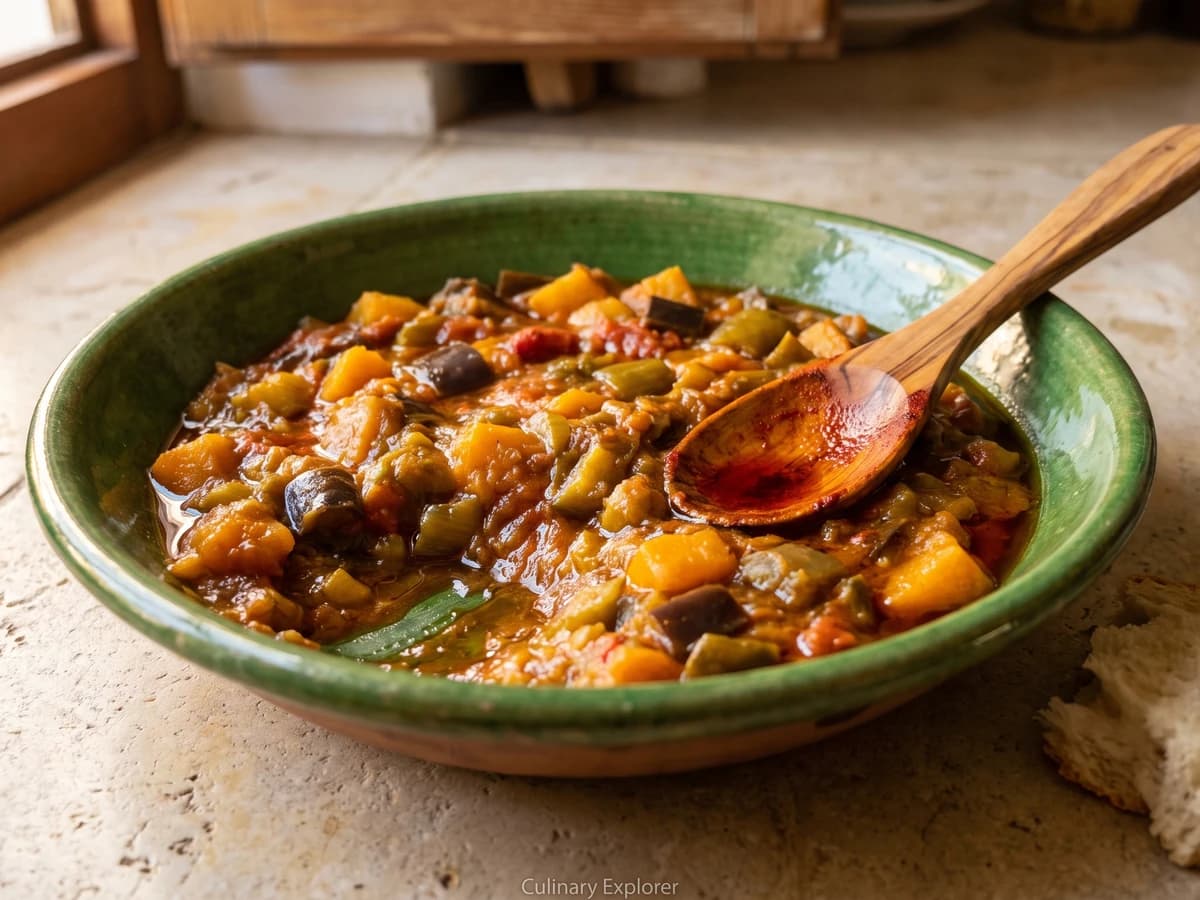
Alboronía is Andalucía's old pumpkin and aubergine stew, deepened with tomato, pimentón, and cumin, then cooked without hurry until the vegetables settle into a glossy, sweet, spoon-soft whole.

Chef Isabel
Aletría Murciana is Murcia's humble noodle guiso: fine fideos, pork ribs, potato, saffron, and a dark sweet sofrito. Get that base right and the pot knows where it's going.
Chef Isabel
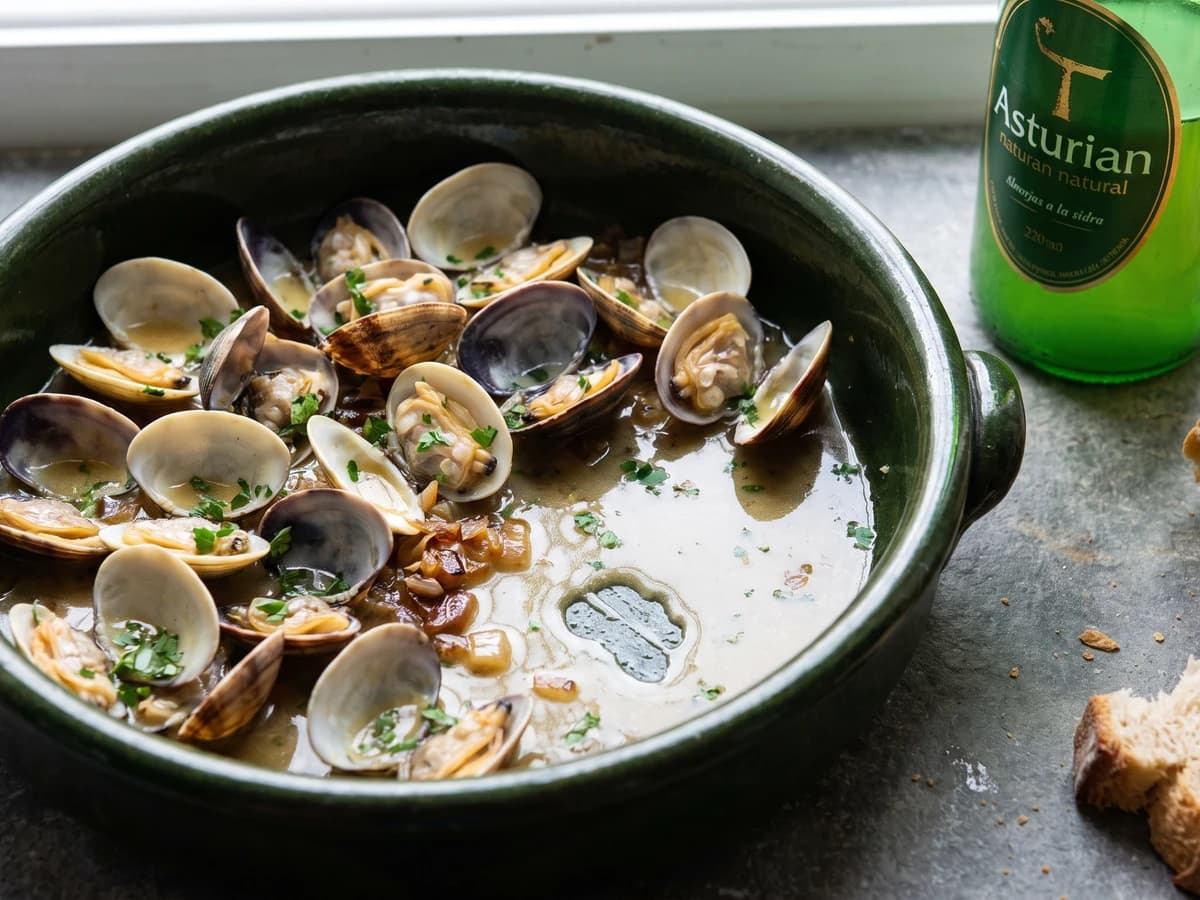
Asturias opens clams in tart natural cider over a slow onion and garlic sofrito, making a bright, briny sauce that asks for bread and rewards one rule: lift each clam as it opens.