Chef Isabel
Abanico Ibérico a la Plancha
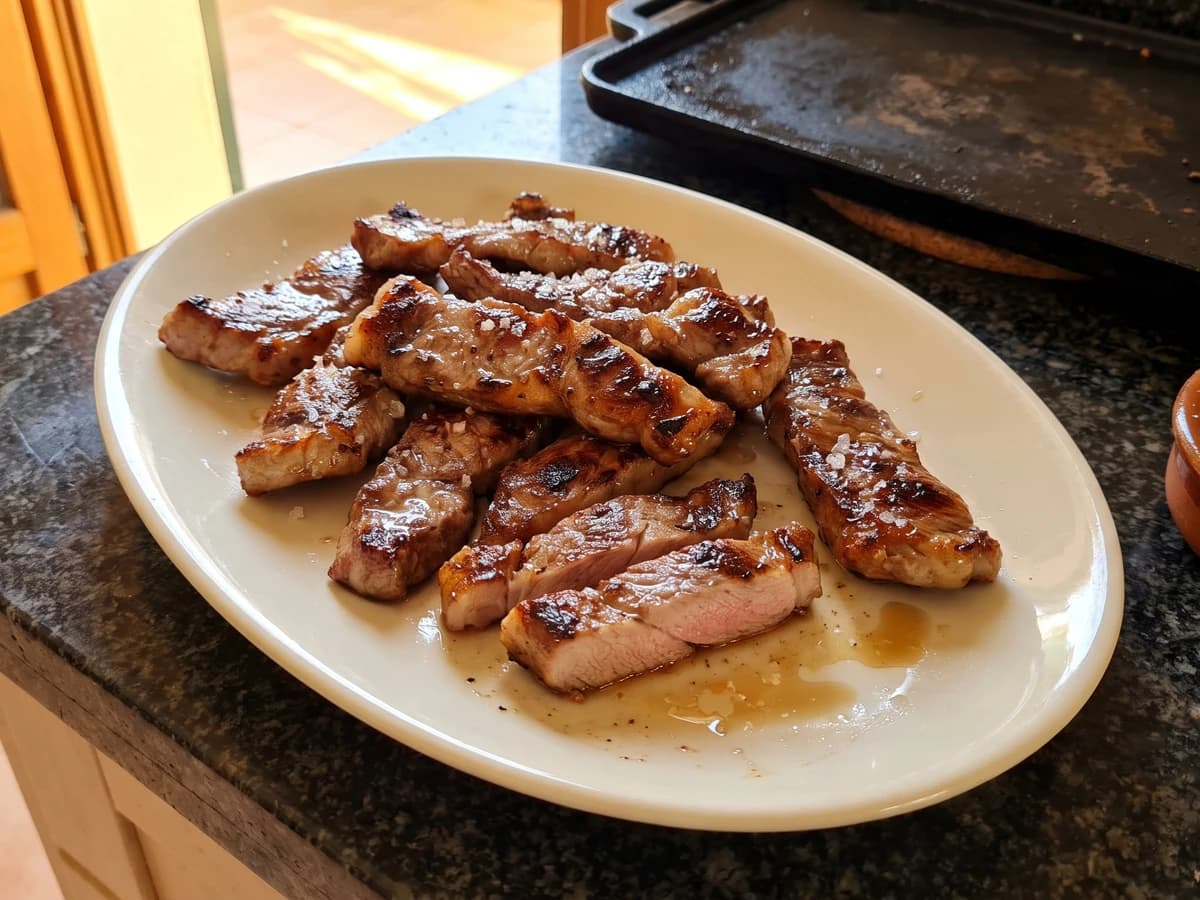
Extremadura's dehesa gives us this fan-shaped, marbled rib cut: salt it at the last moment, lay it on a fierce plancha, and count in seconds so the centre stays juicy.
A cooking platform built around craft, culture, and the stories behind what we eat.
Created by
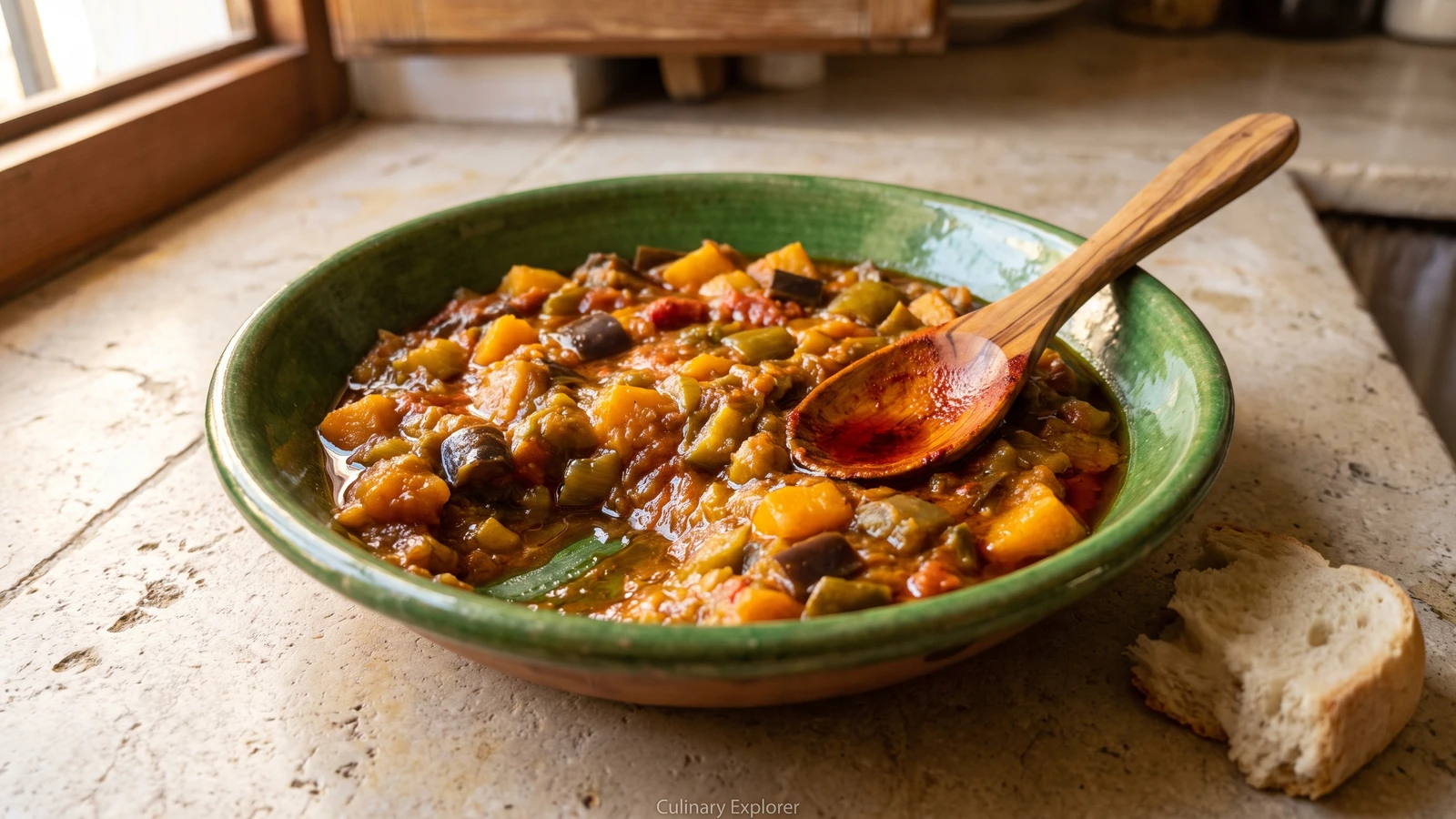
Alboronía is Andalucía's old pumpkin and aubergine stew, deepened with tomato, pimentón, and cumin, then cooked without hurry until the vegetables settle into a glossy, sweet, spoon-soft whole.
Alboronía is Andalusian: pumpkin and aubergine settled into a slow base of onion, green pepper, tomato, sweet pimentón, and cumin until the pieces are tender and the juices nearly cling to the spoon. The pumpkin and cumin mark it off from the better-known pistos of neighbouring kitchens. It belongs to the meatless Lenten table, but it is ample enough for supper with bread.
The method that decides it is reduction. Cook the sofrito, the slow onion base, until dark gold and sweet, then let the tomato lose its raw water before you cover the pan. If every wet ingredient is hurried together, the vegetables boil and stay separate; give them time uncovered and they become soft, glossy, and properly jammy. Keep a few pieces intact. Alboronía is spoon food, not purée.
If your market has no firm Spanish calabaza, use butternut squash. It is sweeter and softens sooner, so cut it a little larger and watch the final ten minutes. Good canned whole tomatoes are better than pale fresh ones, and ordinary sweet paprika can stand in for pimentón, though the finish will be less deep. My Margin says only this: stop when the spoon leaves a path across the pan and no watery juice runs back. Siempre sale, si lo sigues.
The name alboronía descends from the Arabic al-burāniyya, an aubergine preparation traditionally connected to Būrān and the feast for her marriage to the Abbasid caliph al-Ma'mun. In Andalucía, aubergine from the Andalusi kitchen later met American pumpkin, tomato, and pepper; pimentón and cumin fixed the sweet, earthy form now known. Its meatless richness suited vigils and Lent, and the dish is often treated as an ancestor of the region's later pistos.
Quantity
700g
weighed after peeling and seeding, cut into 2.5cm cubes
Quantity
500g
trimmed and cut into 2cm cubes
Quantity
250g
finely diced
Quantity
180g
seeded and finely diced
Quantity
15g
finely chopped
Quantity
100ml
divided
Quantity
600g
coarsely grated, skins discarded
Quantity
400g
crushed
Quantity
6g
Quantity
2g
Quantity
10g
divided
Quantity
30ml
| Ingredient | Quantity |
|---|---|
| firm orange pumpkinweighed after peeling and seeding, cut into 2.5cm cubes | 700g |
| auberginestrimmed and cut into 2cm cubes | 500g |
| yellow onionfinely diced | 250g |
| long green frying pepperseeded and finely diced | 180g |
| garlicfinely chopped | 15g |
| extra virgin olive oildivided | 100ml |
| ripe plum tomatoescoarsely grated, skins discarded | 600g |
| canned whole peeled tomatoes (optional)crushed | 400g |
| sweet pimentón | 6g |
| ground cumin | 2g |
| fine sea saltdivided | 10g |
| water (optional) | 30ml |
Toss the aubergine with 3g of the salt in a colander and leave it for 20 minutes while you prepare the remaining vegetables. Blot the cubes thoroughly with a clean cloth or kitchen paper; don't rinse them. Drawing off that surface moisture helps the aubergine soften in oil instead of flooding the pan.
Put 70ml of the olive oil in a wide, heavy pan over medium-low heat. Add the onion, green pepper, and 3g salt. Cook for 20 to 25 minutes, stirring every few minutes, until the pepper has collapsed and the onion is dark gold, sweet, and nearly jammy. Add the garlic and cook for 2 minutes more. This slow sofrito is the floor of the dish; rush it and the finished stew tastes thin.
Add the remaining 30ml olive oil, followed by the pumpkin and dried aubergine. Raise the heat to medium and cook for 8 to 10 minutes, folding from the bottom every 2 minutes. The cubes should become glossy and take a little colour at their edges, but they need not be tender yet. Turn them gently so the aubergine does not collapse.
Take the pan off the heat. Scatter over the pimentón and cumin and stir through the oil for 20 seconds, just until fragrant. Add the grated tomato and 2g salt at once, then return the pan to medium-low heat. Cook uncovered for 10 minutes, stirring occasionally, until the tomato loses its raw smell and begins to cling to the vegetables. Pimentón burns quickly, and burnt pimentón is bitter, which is why the tomato follows without delay.
Cover the pan, lower the heat, and cook for 15 minutes, folding the vegetables once halfway through. Uncover and continue cooking gently for 20 to 25 minutes. Stir every 5 minutes, scraping the bottom and turning rather than crushing the pieces. If the pumpkin is still firm and the pan has gone dry, add the 30ml water; otherwise leave it out. Add the final 2g salt during the last 5 minutes. It is ready when the pumpkin yields to a spoon, the aubergine is creamy, beads of red-gold oil show at the edges, and a spoon drawn through the pan leaves a path that does not fill with watery juice.
Remove the pan from the heat and leave the alboronía uncovered for 10 minutes. The vegetables settle, the oil returns to the surface, and the sauce tightens around the pieces. Serve warm or at room temperature with plain country bread to carry the juices.
1 serving (about 465g)
Culinary guides, cultural storytelling, and the editorial depth that makes cooking meaningful.
Discover Culinary ExplorerChef Isabel
Extremadura's dehesa gives us this fan-shaped, marbled rib cut: salt it at the last moment, lay it on a fierce plancha, and count in seconds so the centre stays juicy.

Chef Isabel
Aletría Murciana is Murcia's humble noodle guiso: fine fideos, pork ribs, potato, saffron, and a dark sweet sofrito. Get that base right and the pot knows where it's going.
Chef Isabel
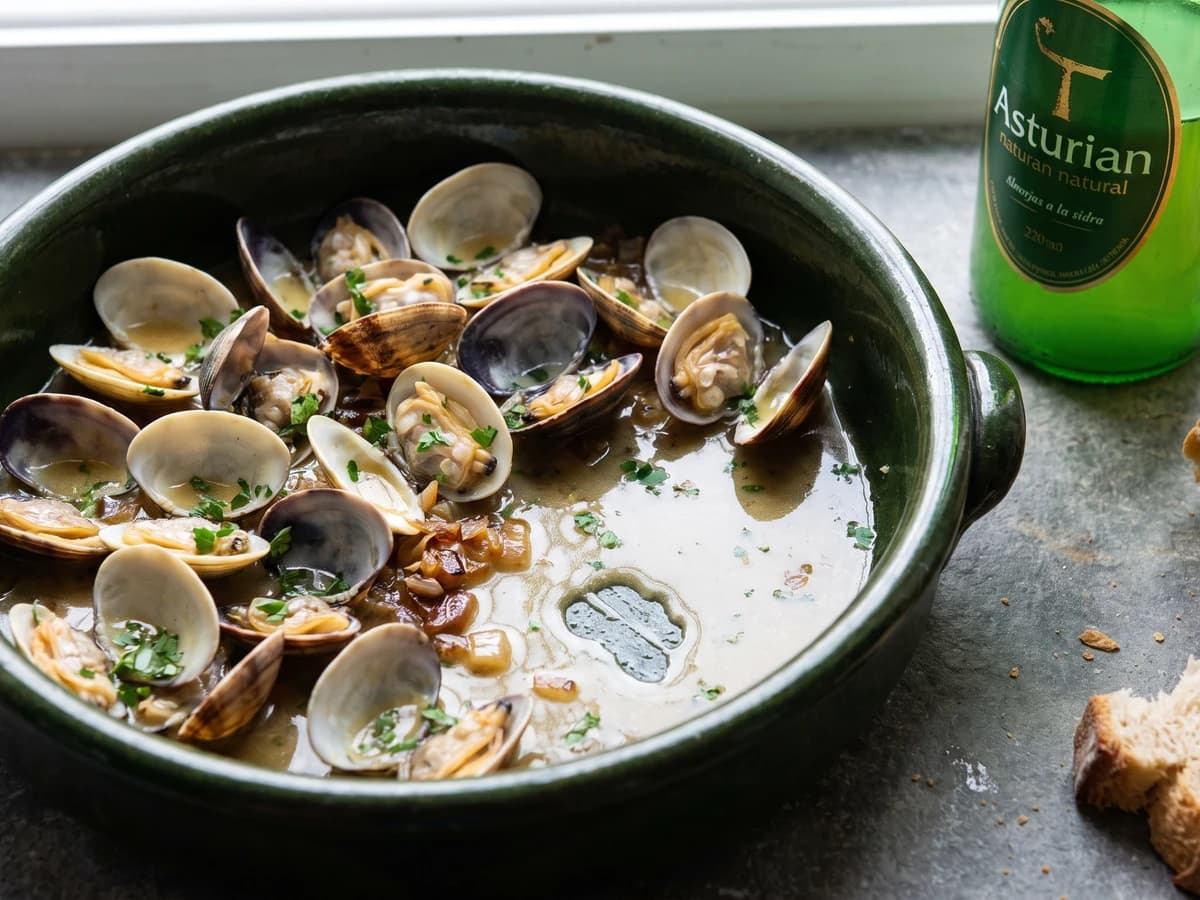
Asturias opens clams in tart natural cider over a slow onion and garlic sofrito, making a bright, briny sauce that asks for bread and rewards one rule: lift each clam as it opens.
Chef Isabel
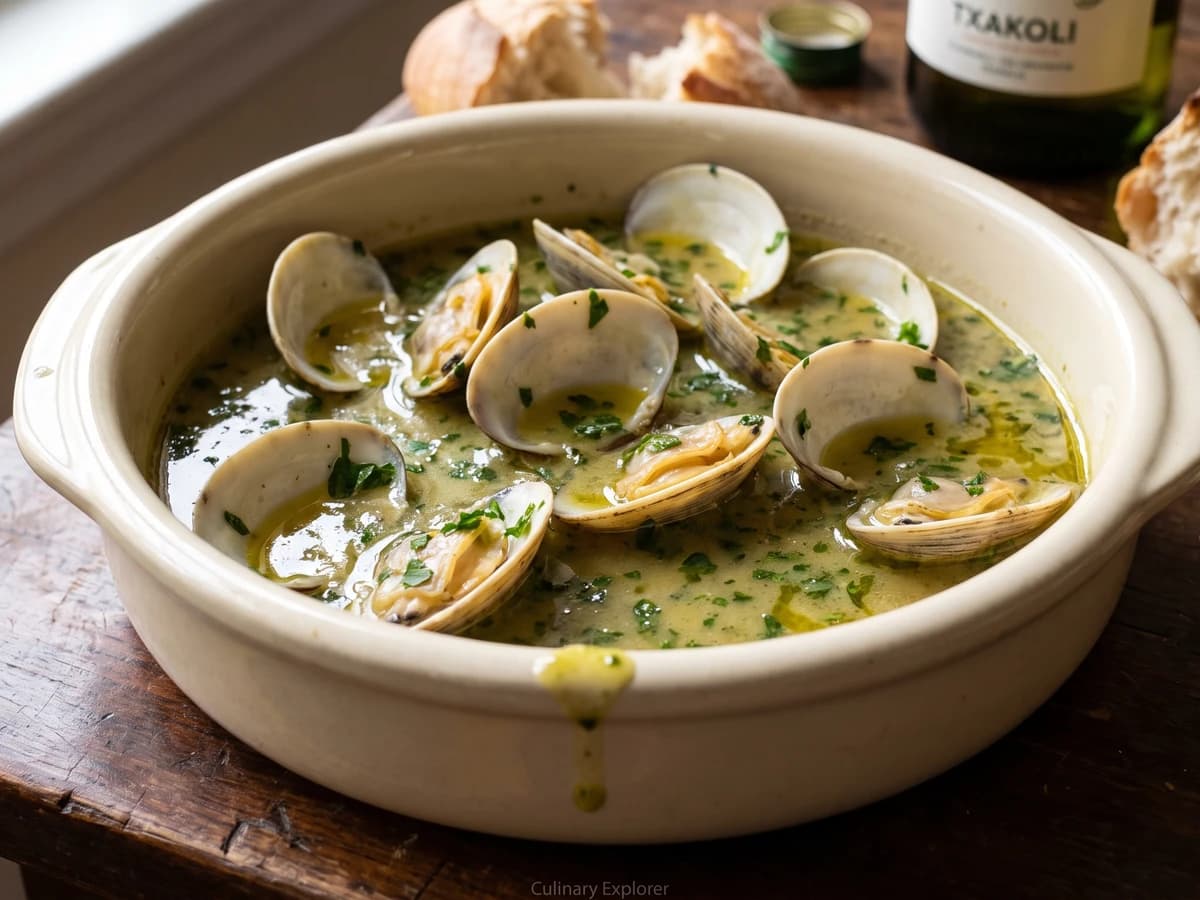
Almejas en salsa verde belong to the Basque coast: briny clams, garlic, parsley and txakoli in a pale green sauce that thickens when you shake the cazuela, never when you fuss with a spoon.