Chef Isabel
Abanico Ibérico a la Plancha
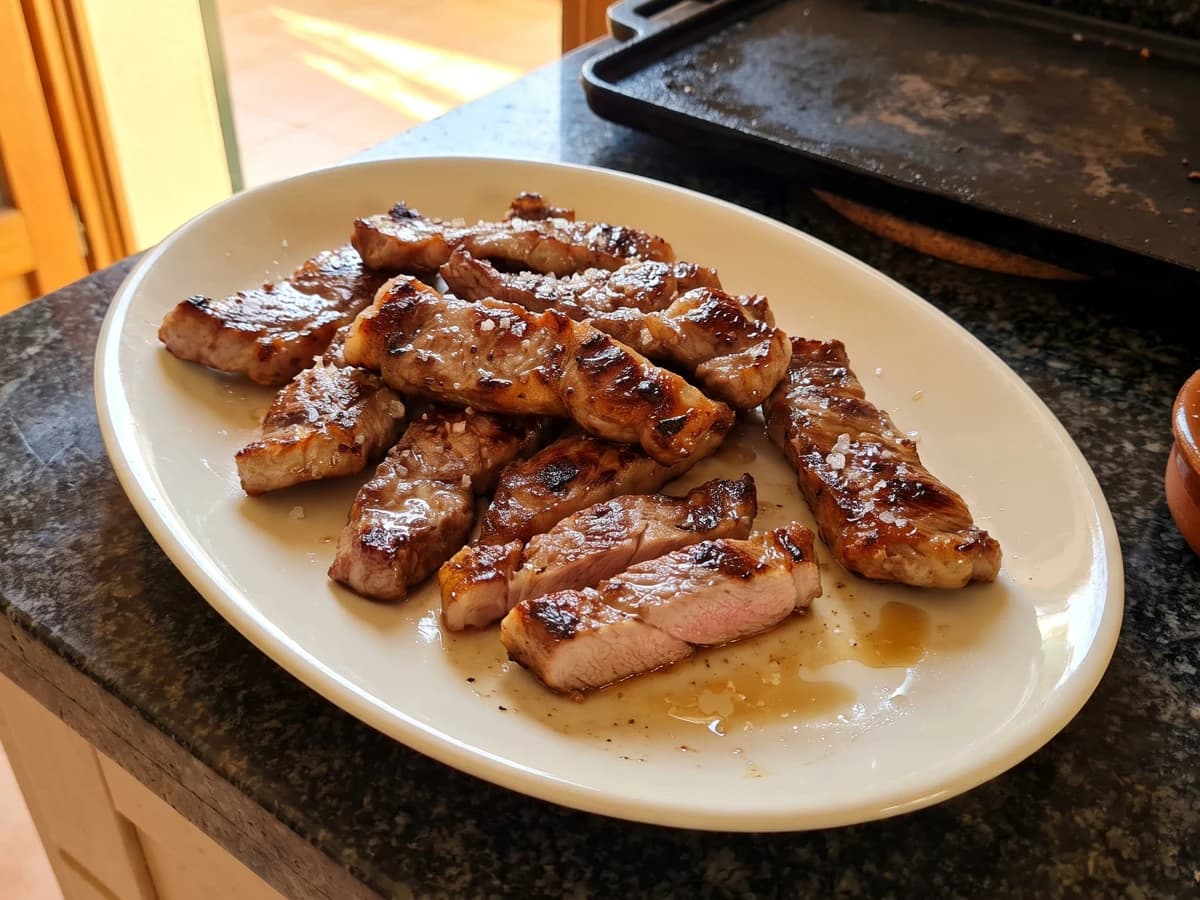
Extremadura's dehesa gives us this fan-shaped, marbled rib cut: salt it at the last moment, lay it on a fierce plancha, and count in seconds so the centre stays juicy.
A cooking platform built around craft, culture, and the stories behind what we eat.
Created by
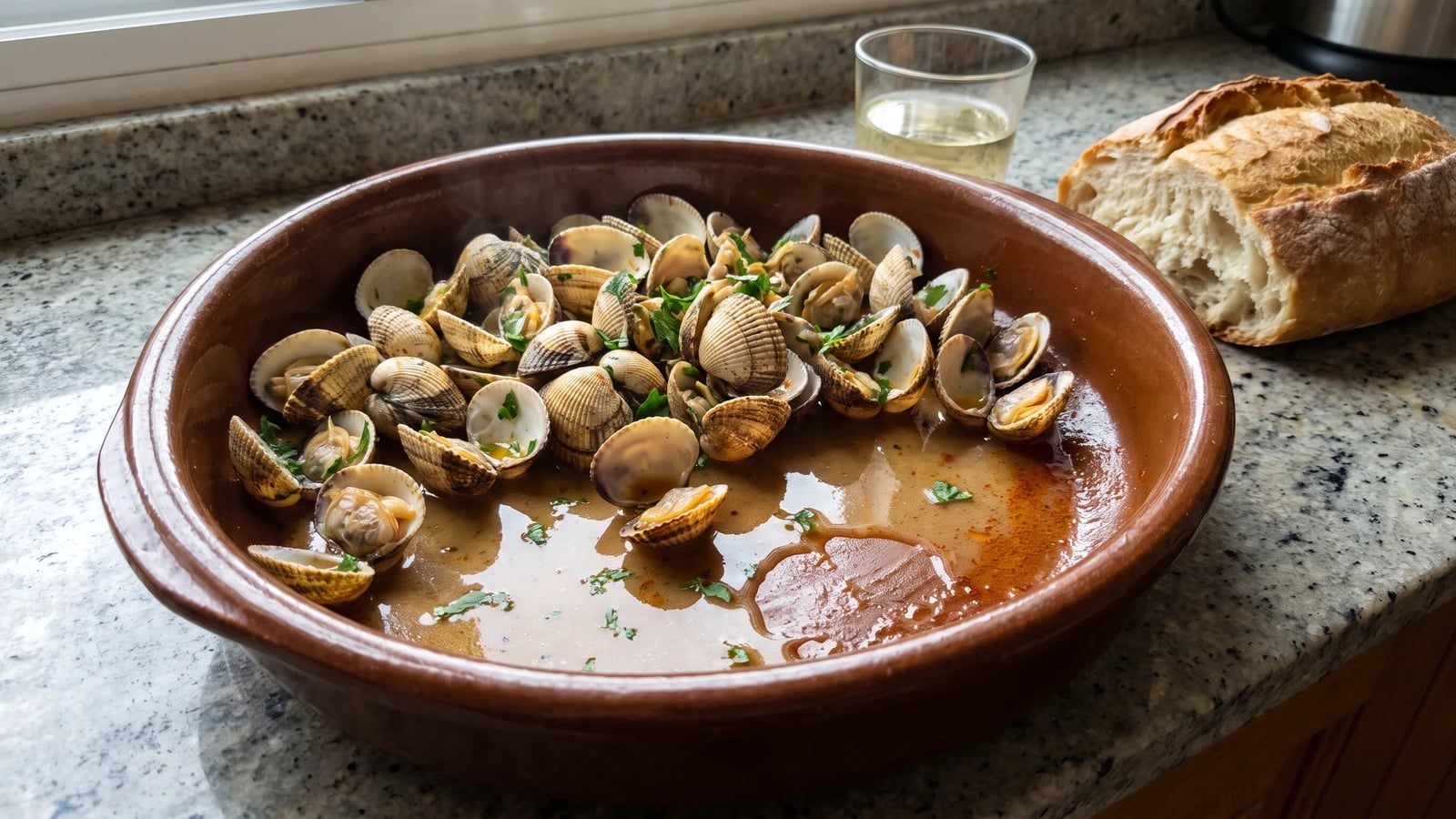
Galicia's briny cockles meet a dark-gold onion base, garlic, white wine, and pimentón; purge them well, cover them briefly, and lift them as soon as they open.
Berberechos a la marinera are Galician, from the tidal rías where cockles carry the clean taste of salt water and the Atlantic. What makes them a la marinera, rather than berberechos al vapor, is the little sauce: onion and garlic cooked sweet in olive oil, white wine, pimentón, and the liquor released by the shells. It should coat them lightly, not bury them. At a Galician table, they arrive with bread because leaving that sauce behind would be foolish.
Purging decides this dish. Give the live cockles two hours in cold water salted like the sea, 35 grams per litre, then lift them out instead of tipping the sandy water over them again. Build the sofrito, the slow onion base, until deep gold; add the pimentón off the heat so it stays sweet, and cover the cockles only until they open. Leave them longer and they turn from tender to rubber. A small shellfish does not become nobler through suffering.
If berberechos aren't sold where you live, use small live almejas such as Manila or littleneck clams. The dish then becomes almejas a la marinera, with firmer meat and another minute or two of cooking, but the same Galician method. Canned cockles are excellent as conservas, preserved shellfish, but not here; they can't give the sauce their fresh liquor. In the Margin I wrote one practical line: salt the purging water, not the sauce. Siempre sale, si lo sigues.
Berberechos a la marinera belong to Galicia's rías, especially the sandbanks of Noia in the Ría de Muros e Noia, where mariscadoras, women shellfish gatherers, collect cockles on foot at low tide. The name a la marinera covers a Galician family of shellfish sauces built from onion or garlic, wine, parsley, and the shellfish's own liquor; some homes add tomato, while the pimentón version stays rust-coloured and clean. The sauce answered a household need as much as a culinary one: it carried the precious juices to the bread instead of leaving them in the pan.
Quantity
1.5kg
sorted, purged, and rinsed
Quantity
2L
for purging
Quantity
70g
dissolved in the purging water
Quantity
45ml
Quantity
120g
finely diced
Quantity
12g (about 3 medium cloves)
finely minced
Quantity
10g
Quantity
2g (1 level teaspoon)
Quantity
150ml
Quantity
75ml
for the sauce
Quantity
1 small
Quantity
15g
finely chopped and divided
Quantity
300g
thickly sliced for serving
| Ingredient | Quantity |
|---|---|
| live cocklessorted, purged, and rinsed | 1.5kg |
| cold waterfor purging | 2L |
| fine sea saltdissolved in the purging water | 70g |
| extra virgin olive oil | 45ml |
| yellow onionfinely diced | 120g |
| garlicfinely minced | 12g (about 3 medium cloves) |
| plain flour | 10g |
| sweet pimentón | 2g (1 level teaspoon) |
| dry white wine, preferably Albariño or Ribeiro | 150ml |
| cold waterfor the sauce | 75ml |
| bay leaf | 1 small |
| flat-leaf parsleyfinely chopped and divided | 15g |
| rustic country bread (optional)thickly sliced for serving | 300g |
Discard any cockle with a broken shell. Tap any gaping shell firmly; if it doesn't close, discard it. Dissolve the 70g salt completely in 2L cold water, set a colander inside a large bowl if it fits, and submerge the cockles. Cover loosely and refrigerate for 2 hours. This water matches the salinity they know, so they stay alive and expel their sand instead of closing tight.
Lift the colander from the bowl without pouring the sandy water back over the cockles. Rinse them thoroughly under cold running water, rubbing handfuls of shells together to remove mud from the ridges. Drain well. If the bottom of the bowl held a good deal of sand, repeat the salted soak for another 30 minutes with fresh water and salt.
Heat the olive oil in a wide 30 to 32cm pan over medium-low heat. Add the onion without salt and cook for 14 to 16 minutes, stirring regularly, until deep gold, soft, and sweet but not scorched. Add the garlic and cook for 90 seconds. This is the sofrito, the slow onion base; rushing it leaves the wine sauce pale and sharp.
Sprinkle in the flour and stir for 1 minute so it loses its raw taste. Take the pan off the heat, add the pimentón, and stir for 10 seconds. Pour in the wine at once while stirring, then return the pan to medium heat. Add the 75ml water, bay leaf, and half the parsley. Simmer for 2 minutes. The sauce should remain fluid enough to run between the shells, not sit like paste.
Raise the heat to medium-high and add the drained cockles. Turn them through the sauce, cover tightly, and cook for 2 minutes. Shake the pan by its handles, uncover, and transfer every open cockle to a warm serving bowl. Cover again and check every 30 seconds; most will open within 3 to 4 minutes. The liquor they release will loosen and season the sauce.
Discard the bay leaf. Return the opened cockles and any liquor collected in their bowl to the pan. Add the remaining parsley and turn everything together for 20 to 30 seconds, just long enough to gloss the shells with sauce. Taste before adding any salt; the cockle liquor is usually enough. Carry the pan straight to the table and serve with bread for the sauce.
1 serving (about 220g)
Culinary guides, cultural storytelling, and the editorial depth that makes cooking meaningful.
Discover Culinary ExplorerChef Isabel
Extremadura's dehesa gives us this fan-shaped, marbled rib cut: salt it at the last moment, lay it on a fierce plancha, and count in seconds so the centre stays juicy.
Chef Isabel
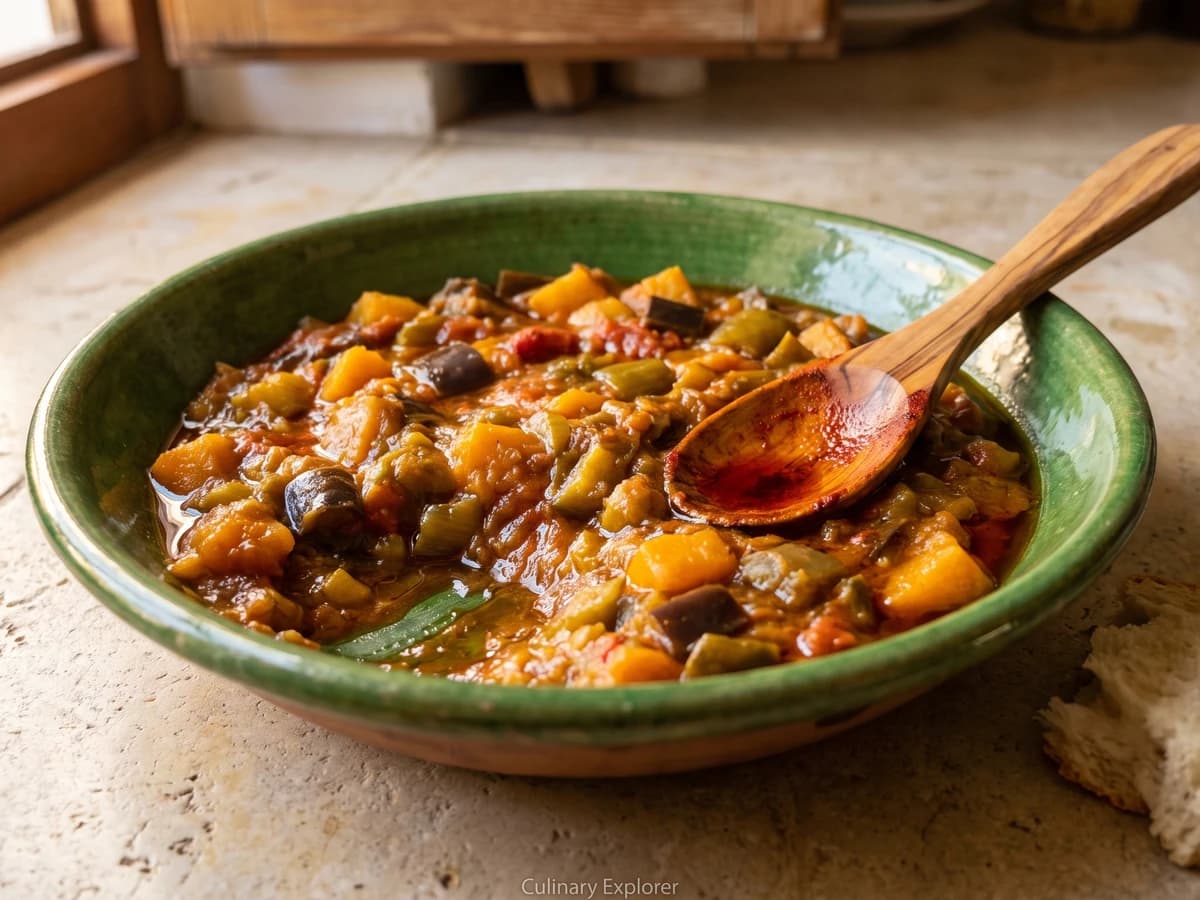
Alboronía is Andalucía's old pumpkin and aubergine stew, deepened with tomato, pimentón, and cumin, then cooked without hurry until the vegetables settle into a glossy, sweet, spoon-soft whole.

Chef Isabel
Aletría Murciana is Murcia's humble noodle guiso: fine fideos, pork ribs, potato, saffron, and a dark sweet sofrito. Get that base right and the pot knows where it's going.
Chef Isabel
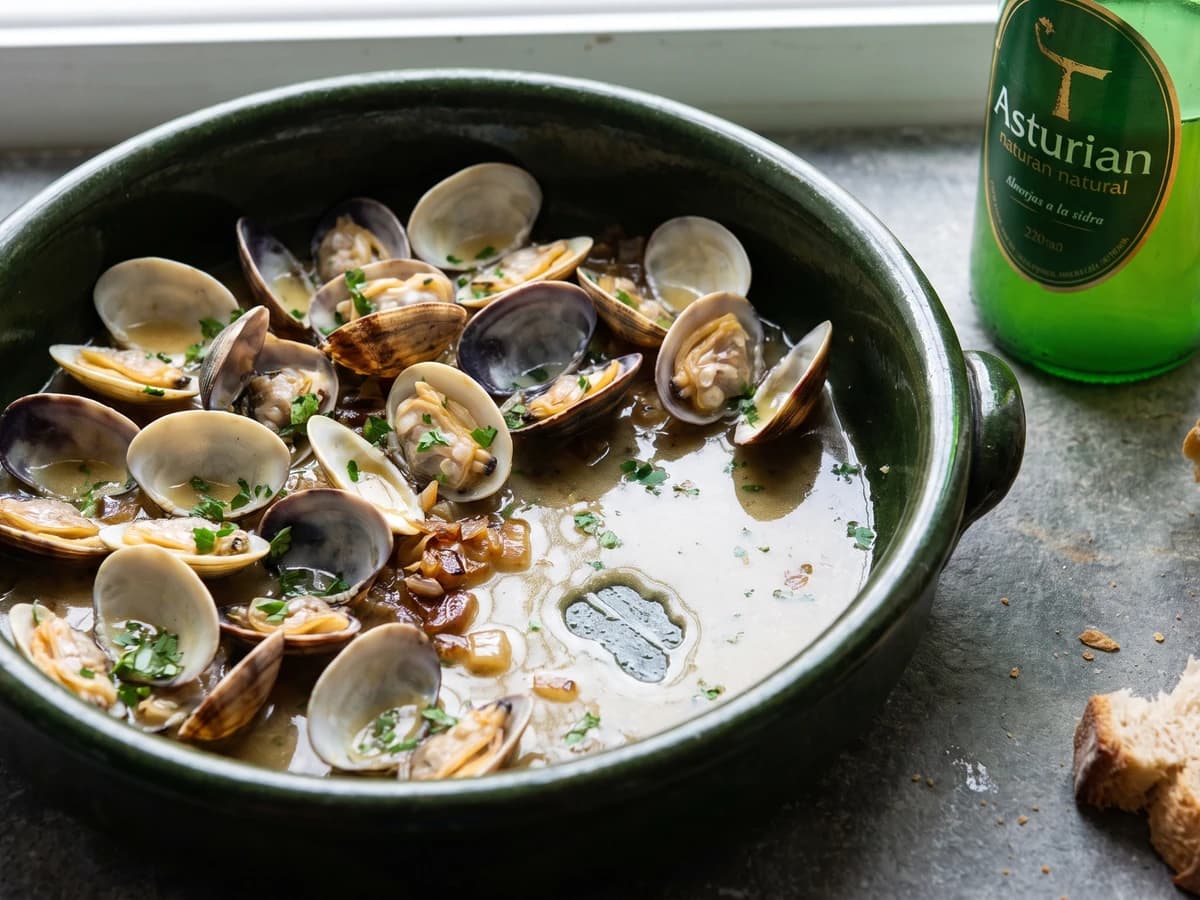
Asturias opens clams in tart natural cider over a slow onion and garlic sofrito, making a bright, briny sauce that asks for bread and rewards one rule: lift each clam as it opens.