Chef Isabel
Abanico Ibérico a la Plancha
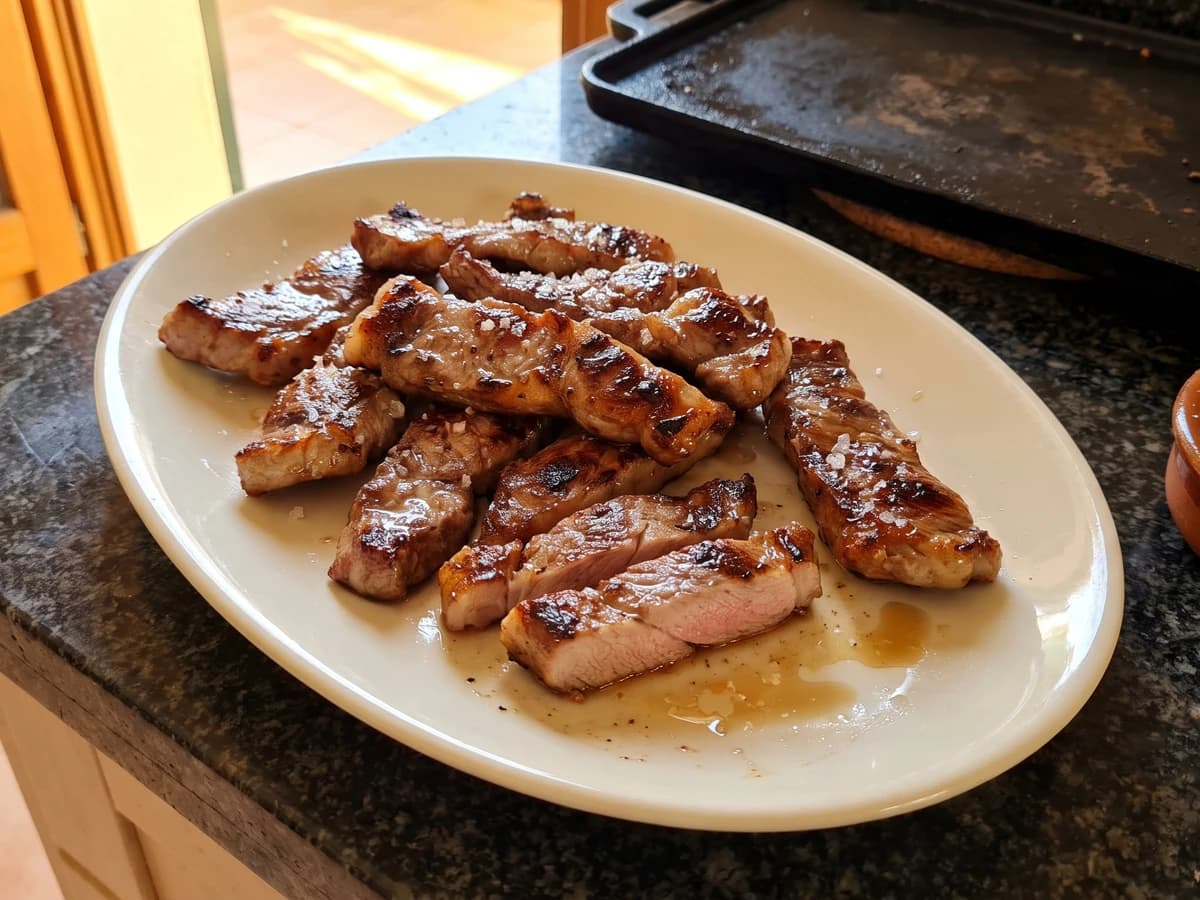
Extremadura's dehesa gives us this fan-shaped, marbled rib cut: salt it at the last moment, lay it on a fierce plancha, and count in seconds so the centre stays juicy.
A cooking platform built around craft, culture, and the stories behind what we eat.
Created by
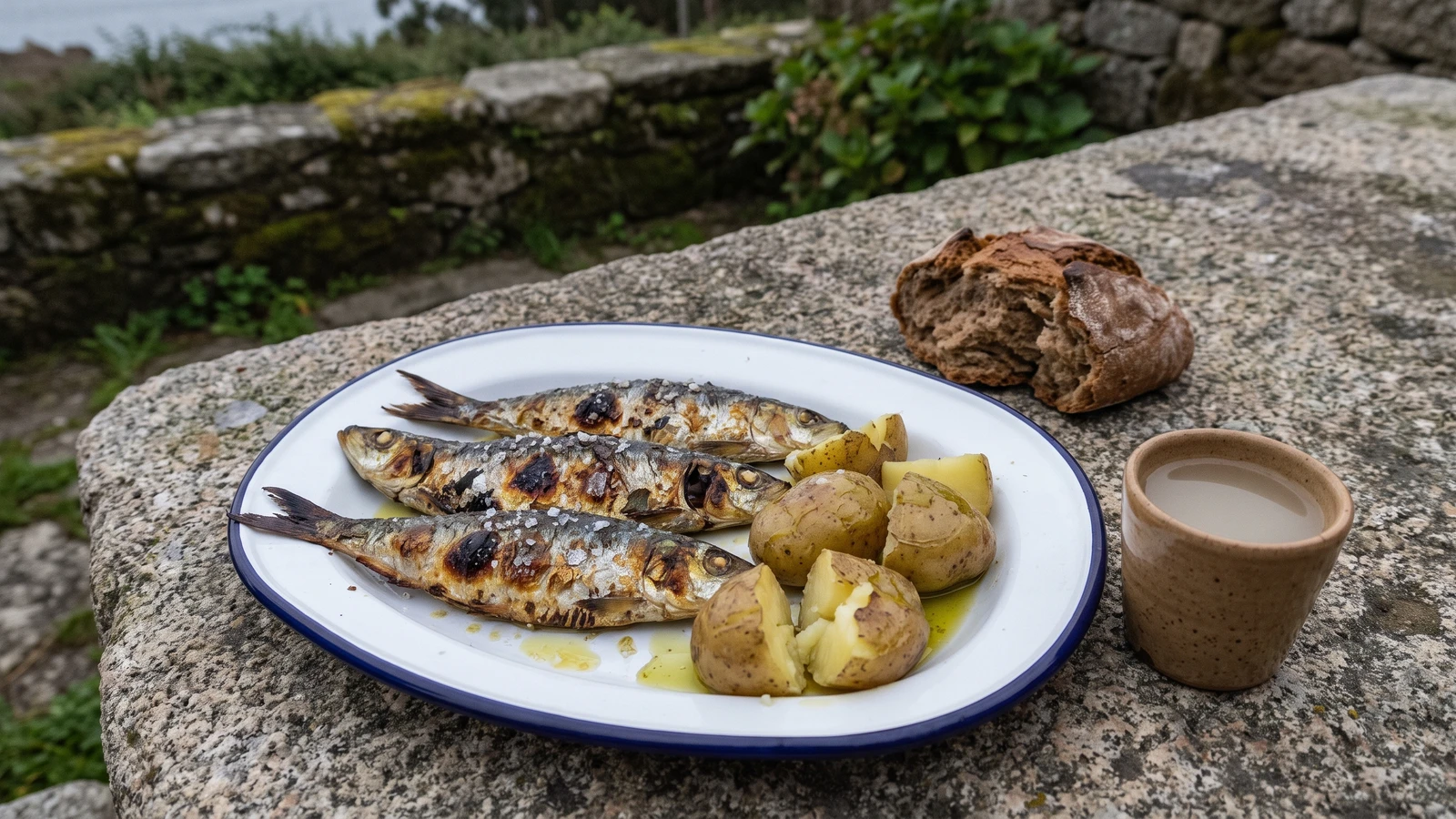
Galicia's midsummer grill puts fat whole sardines over fierce, settled coals and cachelos beside them. Salt the fish, turn them once, and serve before the crisp skin has time to soften.
Sardinas asadas con cachelos is Galicia's midsummer plate: fat whole sardines, coarse salt, hard coals, and potatoes boiled in their skins. In Galicia you'll hear sardiñas for sardines, and around San Xoán they go onto outdoor grills by the trayful. No marinade or sauce hides the fish. Its own oil runs through the blistered skin and into the cachelos and bread.
The heat decides it. Wait until the coals are fierce but settled, set the sardines down, and don't worry them until the skin has browned and released from the grate. That first firm sear keeps the skin attached and the flesh juicy. Turn once. More handling doesn't make you a better cook; it only makes smaller pieces of sardine.
If fresh whole sardines don't reach your market, properly frozen whole sardines are the honest substitute. Thaw them in the refrigerator for 12 to 18 hours and dry them thoroughly; the flesh will be a little softer and the skin more likely to stick, so a fish basket helps. If all you can find are fillets, grill small whole mackerel instead. That becomes xarda asada con cachelos, another Galician supper, not the same dish.
I leave the sardines ungutted when they're impeccably fresh because the intact fish stays moister and the faint bitterness belongs here. A fishmonger can gut them if you prefer, though they'll be more fragile. The Margin beside this recipe says only, "hot grate, one turn." Siempre sale, si lo sigues, it turns out if you follow it.
Across Galicia, communal sardiñadas belong to the noite de San Xoán, the eve of Saint John's Day, when bonfires burn and sardines are grilled outdoors. The Galician saying Polo San Xoán, a sardiña molla o pan, at San Xoán the sardine wets the bread, records the fish at its early-summer best, fat enough for its juices to soak a slice. Cachelos and pan de millo, corn bread, turned the catch into an inexpensive supper that could feed the whole gathering.
Quantity
12 large (about 1kg)
unscaled, ungutted and patted completely dry
Quantity
25g
20g for the sardines and up to 5g to finish
Quantity
1kg
scrubbed and cut into 5cm chunks, skin left on if sound
Quantity
2.5 litres
Quantity
25g
Quantity
2
Quantity
30ml
divided between the grill and potatoes
Quantity
200g
cut into thick pieces for serving
| Ingredient | Quantity |
|---|---|
| fresh whole sardinesunscaled, ungutted and patted completely dry | 12 large (about 1kg) |
| coarse sea salt20g for the sardines and up to 5g to finish | 25g |
| Galician-style or all-purpose potatoesscrubbed and cut into 5cm chunks, skin left on if sound | 1kg |
| cold water | 2.5 litres |
| fine sea salt | 25g |
| dried bay leaves | 2 |
| extra virgin olive oildivided between the grill and potatoes | 30ml |
| pan de millo or plain crusty bread (optional)cut into thick pieces for serving | 200g |
Light the charcoal about 30 minutes before you want to eat. Once the coals are red inside and covered with pale ash, spread them into a dense, even bed with one clear edge as a cooler refuge. Set the grate 8 to 10cm above them and heat it for 5 minutes. You want fierce, settled heat, roughly 230 to 260°C at the grate, without active flames.
Keep the sardines whole, with their scales and innards, tal como se hace allí, exactly as it's done there. Pat them completely dry, then sprinkle 20g coarse salt evenly over both sides. Refrigerate them uncovered for 20 minutes while the potatoes cook. Just before grilling, blot away any beads of moisture without rubbing off the salt.
Put the potatoes into a 4-litre saucepan with 2.5 litres cold water, the fine salt, and bay leaves. Bring to a boil, lower the heat, and cook at a steady simmer for 18 to 22 minutes. The largest piece is ready when a thin skewer passes through its centre without resistance, but before the edges collapse. Drain well, discard the bay leaves, and return the cachelos to the uncovered warm pan for 1 minute so their surfaces dry. Fold through 15ml olive oil.
With long tongs, wipe the hot grate lightly with the remaining 15ml olive oil. Lay the sardines across the bars in one uncrowded layer and leave the grill open. Cook without moving them for 3 to 4 minutes, until the skin is blistered, browned in patches, and releases cleanly from the grate. Turn once with a broad fish spatula or close the grilling basket, then cook the second side for 2 to 3 minutes. The flesh at the shoulder should be opaque, juicy, and easy to lift from the backbone; the largest fish should reach 63°C at its thickest point.
Put three sardines on each plate with a generous portion of cachelos. Taste the potatoes and use up to the remaining 5g coarse salt if they need it. Bring the fish straight from the grill to the table, with pan de millo or crusty bread to catch the juices. Don't cover or hold them warm, because trapped moisture softens the skin. Lift away the top fillet, remove the backbone, and eat the lower fillet. Nadie nace sabiendo, nobody is born knowing.
1 serving (about 440g)
Culinary guides, cultural storytelling, and the editorial depth that makes cooking meaningful.
Discover Culinary ExplorerChef Isabel
Extremadura's dehesa gives us this fan-shaped, marbled rib cut: salt it at the last moment, lay it on a fierce plancha, and count in seconds so the centre stays juicy.

Chef Isabel
Aletría Murciana is Murcia's humble noodle guiso: fine fideos, pork ribs, potato, saffron, and a dark sweet sofrito. Get that base right and the pot knows where it's going.
Chef Isabel
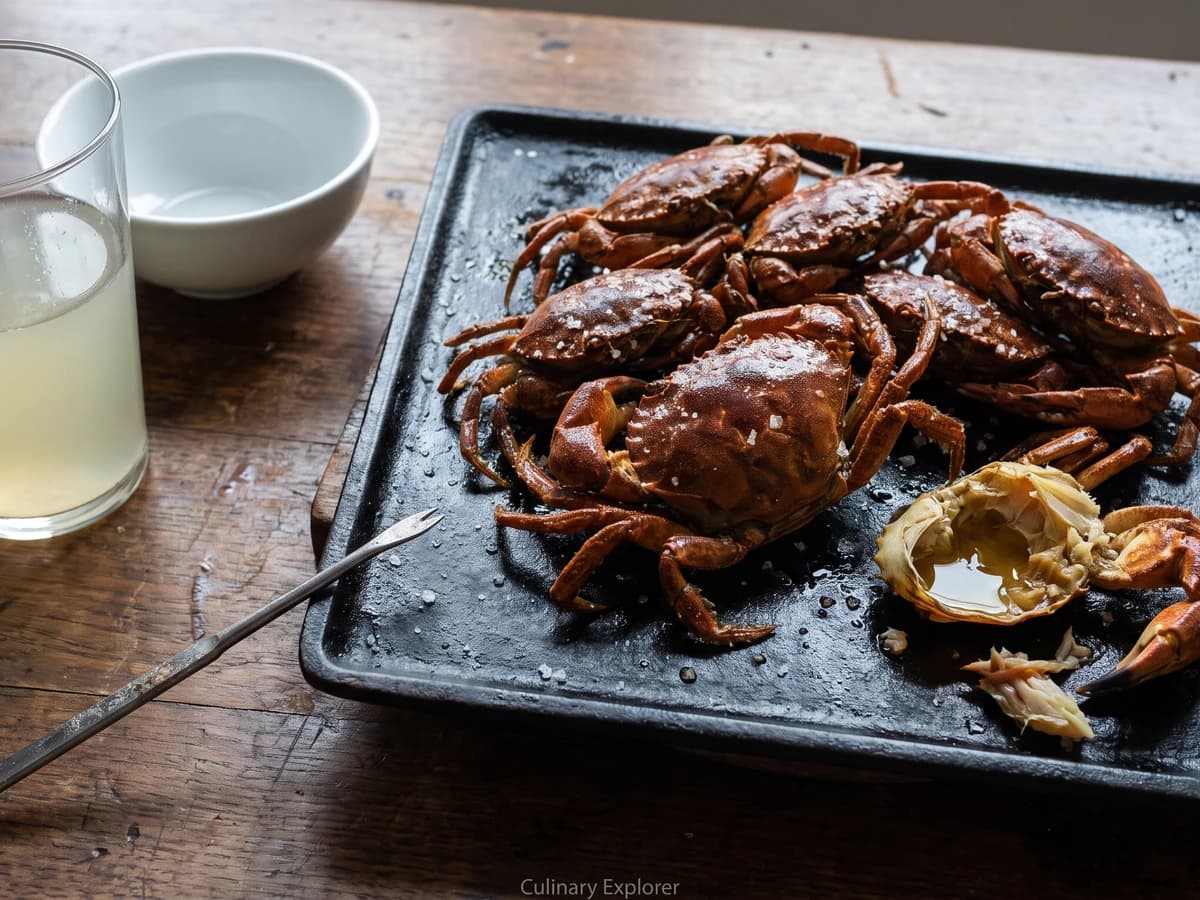
Asturias puts its small velvet crabs straight on a fierce plancha with salt and oil, keeping the shell liquor sweet and briny. Dry them well, cook them fast, and bring plenty of napkins.

Chef Isabel
Andrajos are Andalucía's dough-rag stew from Jaén and Granada: a slow rabbit guiso thickened with torn sheets of flour dough, rolled thin so they cook tender instead of gummy.