Chef Isabel
Abanico Ibérico a la Plancha
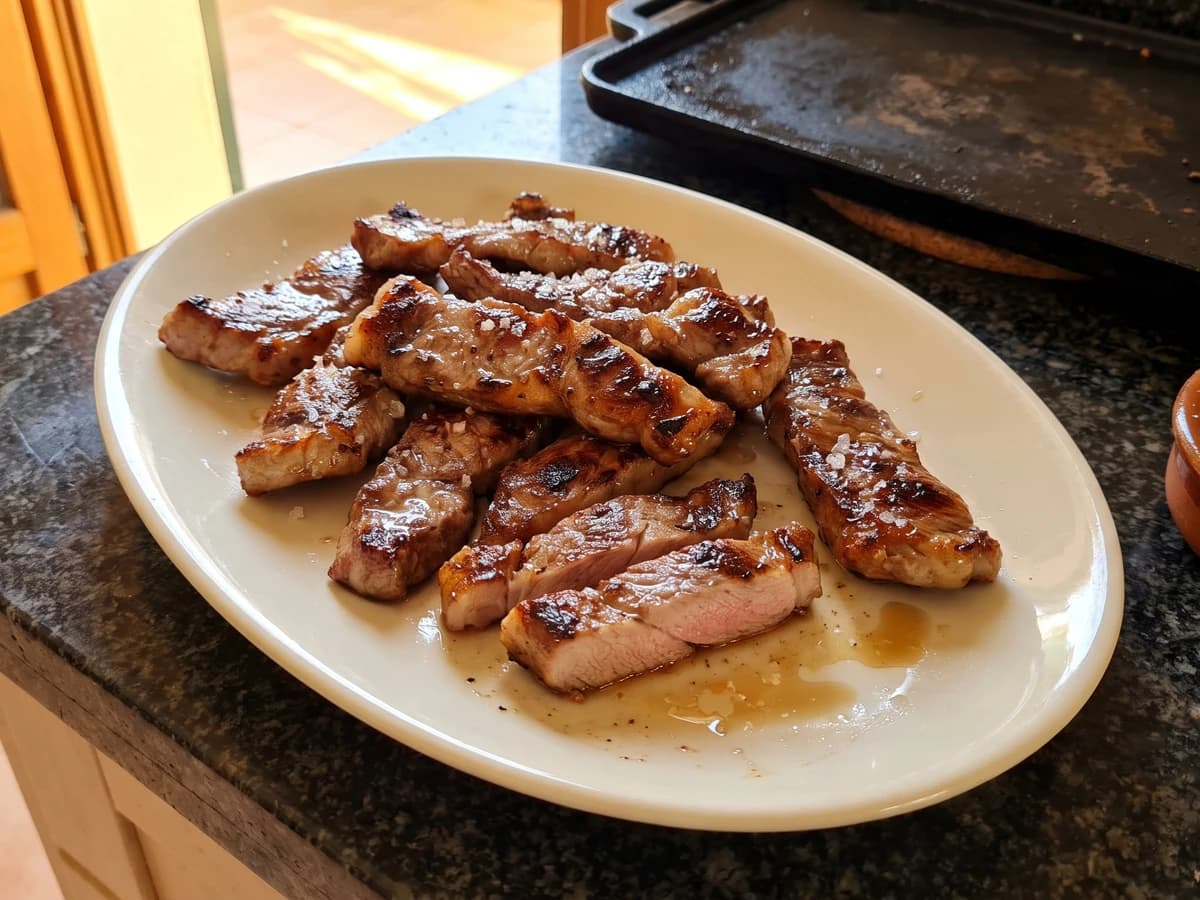
Extremadura's dehesa gives us this fan-shaped, marbled rib cut: salt it at the last moment, lay it on a fierce plancha, and count in seconds so the centre stays juicy.
A cooking platform built around craft, culture, and the stories behind what we eat.
Created by
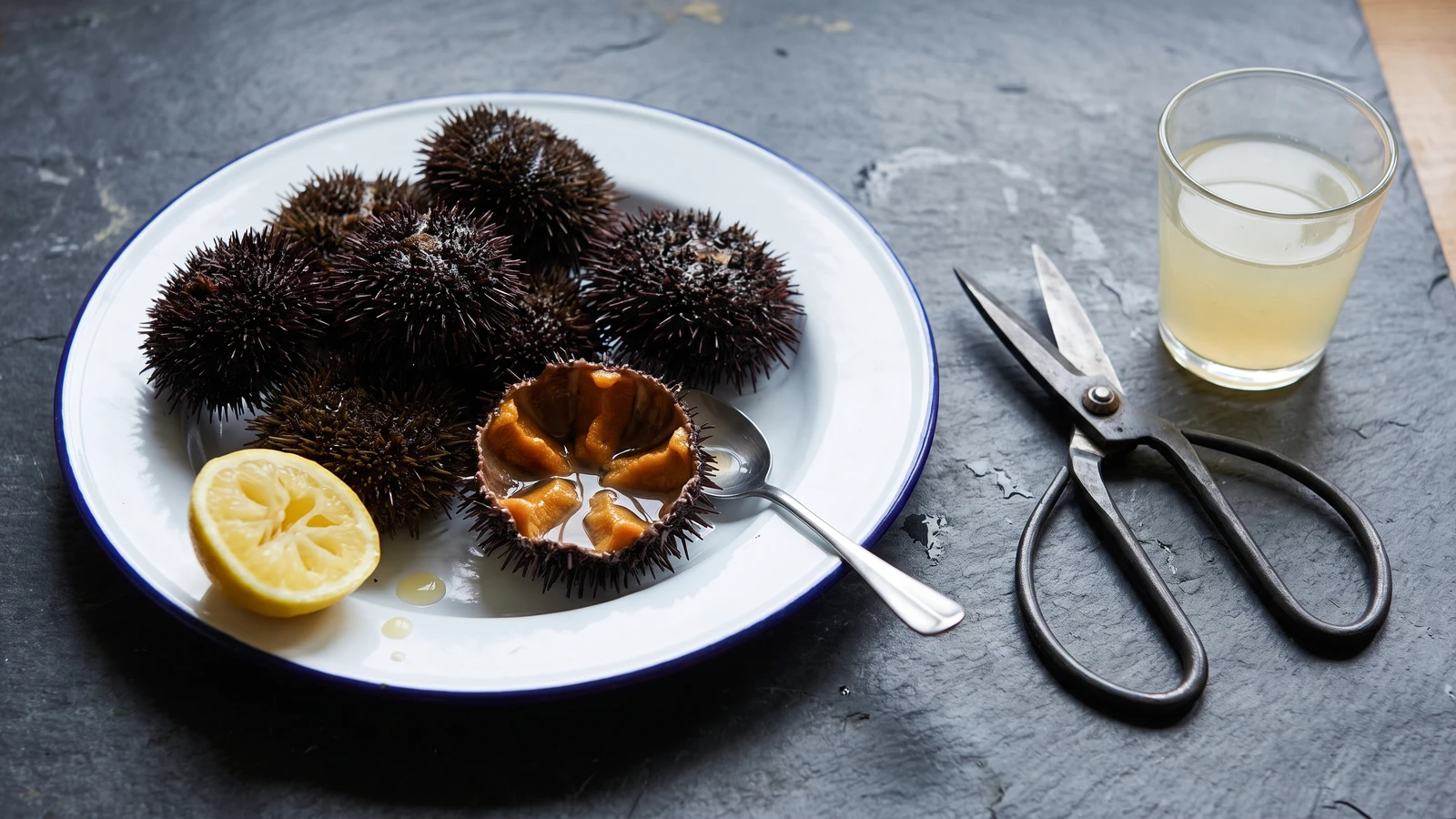
Oricios are Asturias at its most bare and exact: live winter sea urchins, briefly boiled in their shells, opened at the table, and eaten with a teaspoon and barely a squeeze of lemon.
Oricios cocidos are Asturian: whole winter sea urchins from the rocky Cantabrian coast, given one minute in a covered pot and opened at the table. Other coasts eat sea urchins under other names, but Asturias calls them oricios and keeps the shell as the serving bowl. The five orange-gold lobes and their briny liquor are the dish. Lemon is allowed; enthusiasm with lemon is not.
The minute decides it. Set the oricios mouth-side up over shallow water, cover the pot, and begin counting only when the water boils strongly. Sixty seconds barely firms the coral while leaving it creamy and sweet. Give it several cautious extra minutes and it turns grainy. There is no salt, sofrito, or sauce here. Cream and breadcrumbs belong to another Asturian preparation, not this one.
Far from Asturias, ask a reputable fishmonger for live, edible cold-water sea urchins. Maine green urchins or Pacific red and purple urchins can stand in; their size, colour, and sweetness differ, but the method holds. If all you can buy is cleaned uni in a tray, serve it cool with a few drops of lemon and don't boil it. It will be good sea urchin, but it won't be oricios opened from the shell. The Margin beside this recipe says only, "have the scissors ready." Siempre sale, si lo sigues.
Oriciu is the Asturian name for the sea urchin gathered during winter from the rocky Cantabrian shore, especially along the central coast around Gijón, when its edible coral is fullest. It was coastal food before it became known as caviar del Cantábrico: fishing families ate it raw or gave it this brief covered boil, preserving the liquor held inside the shell. What diners commonly call roe is actually five golden or orange gonads arranged like a star beneath the shell.
Quantity
20 (about 1.8kg total)
Quantity
700ml
divided between two batches
Quantity
1 (about 120g)
cut into 8 wedges
| Ingredient | Quantity |
|---|---|
| medium live sea urchins (oricios) | 20 (about 1.8kg total) |
| cold waterdivided between two batches | 700ml |
| medium lemon (optional)cut into 8 wedges | 1 (about 120g) |
Cook the oricios on the day you buy them. They should smell of clean seawater, feel heavy for their size, and show some movement in the spines or tiny tube feet when touched. Cold makes that movement slow. Reject any with a cracked or leaking shell, a sour or ammonia smell, or flesh already coming loose. Rinse them briefly under cold running water and brush away visible grit. Don't leave them soaking in fresh water.
Pour 350ml cold water into a wide, heavy pot. Wearing puncture-resistant gloves or using long tongs, arrange 10 oricios in one layer, rounded side down and flatter mouth-side up. The mouth is the small round opening in the centre of the underside. The water should make a shallow layer around the shells, not cover them. Fit the lid tightly and set the pot over high heat.
When the water is bubbling hard around the shells, start a timer for exactly 60 seconds and keep the pot covered. At once, lift the oricios onto a platter with tongs, keeping the mouth-side upward so their liquor stays inside. Discard the cooking water, add the remaining 350ml fresh water, and repeat with the second batch. Don't add extra time for reassurance. That extra time is how tender coral becomes grainy.
Let the oricios settle for 2 minutes, just until they can be handled safely. At the table, cradle one in a thick folded cloth with its mouth upward. Insert the lower blade of sturdy kitchen shears beside the central mouth and cut a circle about 5cm wide through the brittle shell. Lift away the cut cap and hard mouthparts together. Check carefully for shell fragments. Keep the clear briny liquor and remove only loose dark digestive material that obscures the five orange or yellow coral lobes. Never rinse the opened shell.
Eat the coral directly from the shell with a small teaspoon while it is still warm. Add two or three drops of lemon if you like, no more. The lemon should sharpen the sea sweetness, not replace it. Serve the next oricio as soon as the first is empty. Tal como se hace allí.
1 serving (about 130g)
Culinary guides, cultural storytelling, and the editorial depth that makes cooking meaningful.
Discover Culinary ExplorerChef Isabel
Extremadura's dehesa gives us this fan-shaped, marbled rib cut: salt it at the last moment, lay it on a fierce plancha, and count in seconds so the centre stays juicy.

Chef Isabel
Aletría Murciana is Murcia's humble noodle guiso: fine fideos, pork ribs, potato, saffron, and a dark sweet sofrito. Get that base right and the pot knows where it's going.
Chef Isabel
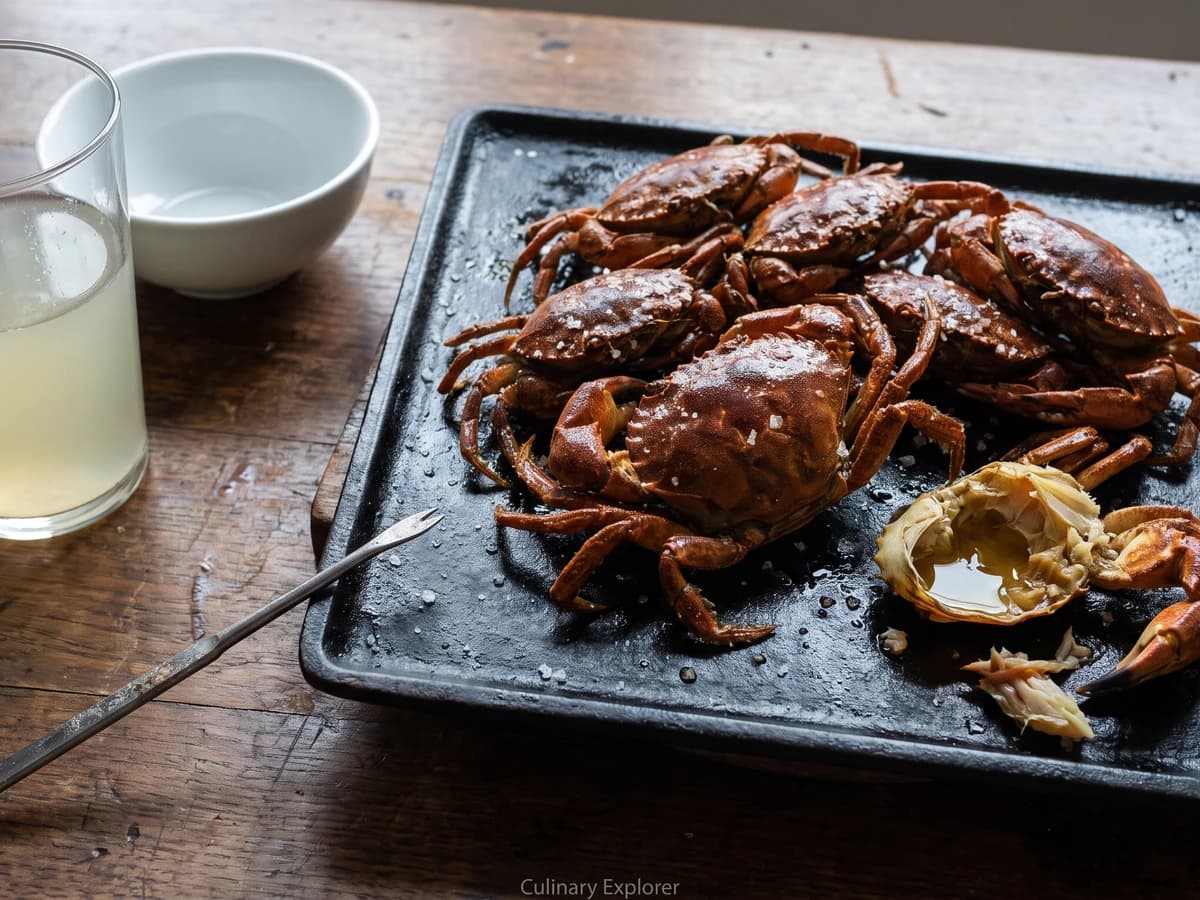
Asturias puts its small velvet crabs straight on a fierce plancha with salt and oil, keeping the shell liquor sweet and briny. Dry them well, cook them fast, and bring plenty of napkins.

Chef Isabel
Andrajos are Andalucía's dough-rag stew from Jaén and Granada: a slow rabbit guiso thickened with torn sheets of flour dough, rolled thin so they cook tender instead of gummy.