Chef Isabel
Abanico Ibérico a la Plancha
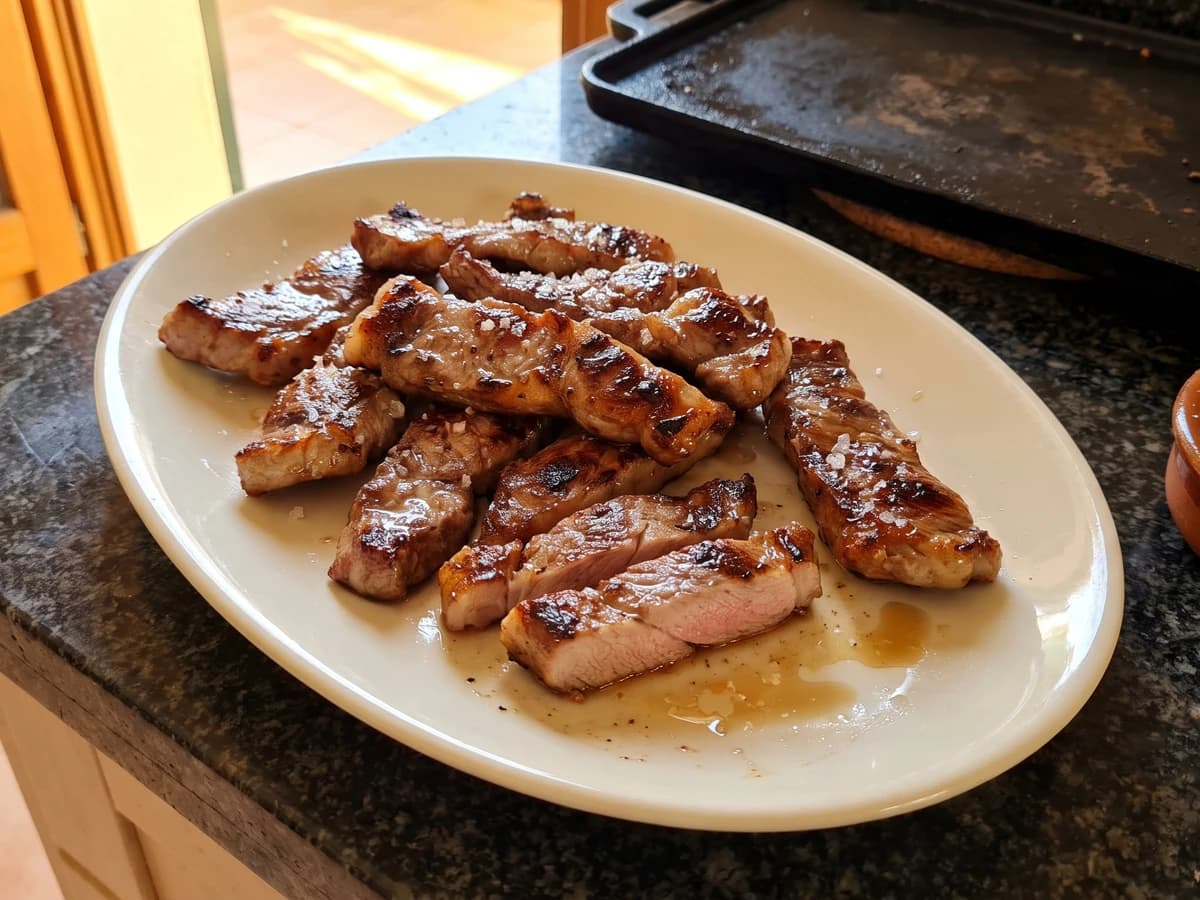
Extremadura's dehesa gives us this fan-shaped, marbled rib cut: salt it at the last moment, lay it on a fierce plancha, and count in seconds so the centre stays juicy.
A cooking platform built around craft, culture, and the stories behind what we eat.
Created by
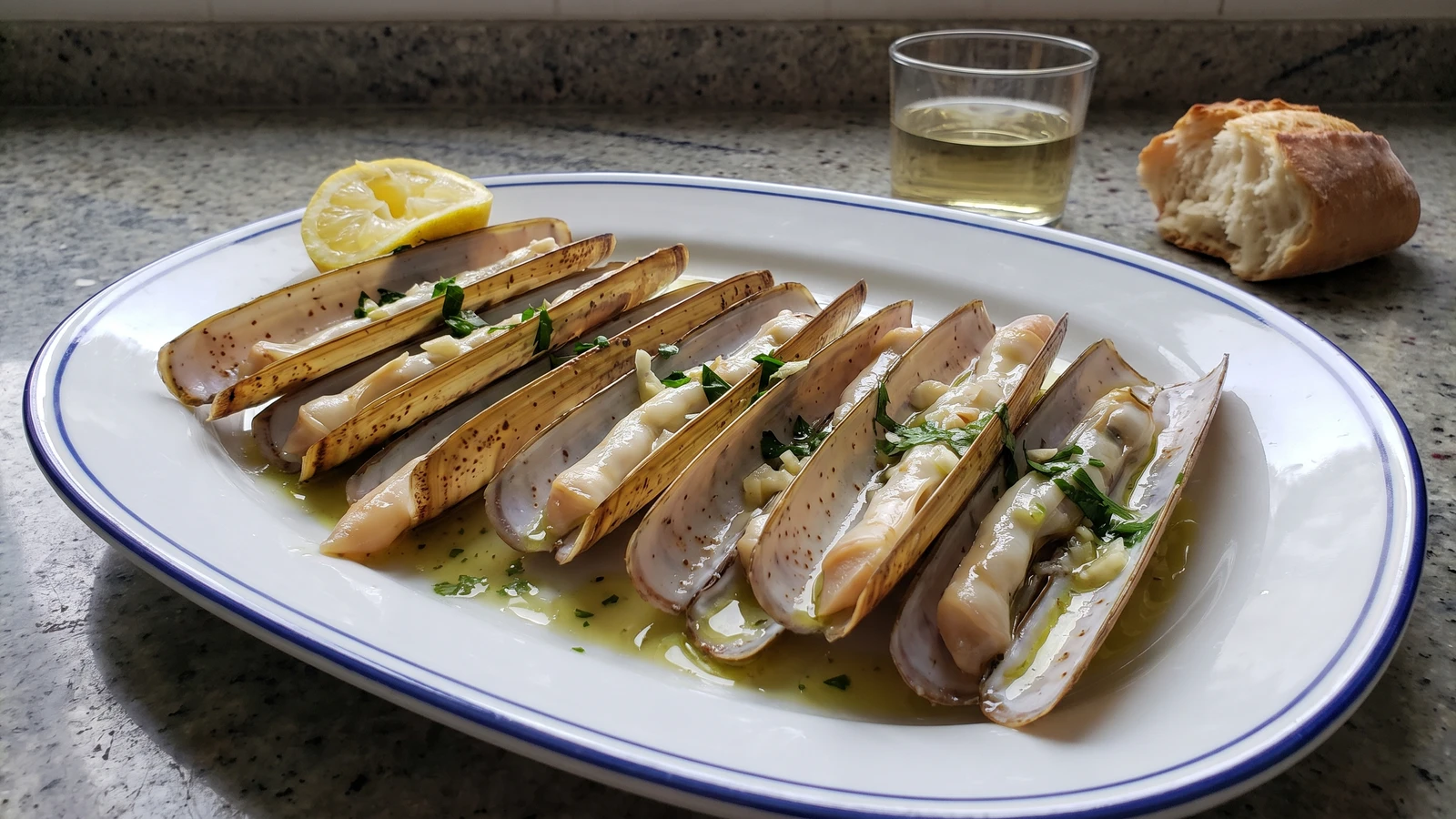
Navajas a la plancha are Galicia's quickest shellfish supper: live razor clams, a fierce griddle, garlic, parsley, and lemon. Pull each clam as it opens, and the flesh stays sweet and tender.
Navajas a la plancha are Galician, at home along the rías where good shellfish needs very little interference. Live razor clams go onto a fierce plancha, then receive garlic, parsley, olive oil, and just enough lemon to sharpen their own briny liquor. Nothing is battered or buried under sauce. The clam remains the dish.
Clearing the sand matters, but the method that decides the texture is the cooking. Heat the plancha properly, spread the clams in one layer, and lift each one the moment it opens and turns pearly. A moment too long and the sweet flesh tightens like an elastic band. Garlic and parsley go on only after the shells open, because burnt garlic has no business correcting good shellfish.
Far from Galicia, buy locally harvested live razor clams from a fishmonger you trust. A straight-shelled longueirón is the closest substitute and cooks by the same method, though its flesh is usually a little firmer. Atlantic jackknife clams also work; they are often larger, so follow the opaque flesh rather than the clock. My Margin says only this beside the cooking time: serve the first batch before anyone has time to ask when supper is coming.
In the Galician rías, especially the Rías Baixas, navajas belong to the working shellfish larder, gathered from clean sandy bottoms as part of marisqueo and sold alive. Traditional gatherers locate the breathing holes exposed at low tide and use salt to coax the deeply buried molluscs from the sand. Galician markets distinguish the slightly curved navalla from the straighter longueirón; both meet the plancha, but they are not quite the same shellfish.
Quantity
1.2kg
Quantity
3 litres
Quantity
105g
Quantity
60ml
divided
Quantity
8g (2 large cloves)
very finely minced
Quantity
12g
finely chopped
Quantity
1 medium
15ml juice, remainder cut into 4 wedges
Quantity
1g
Quantity
300g
for serving
| Ingredient | Quantity |
|---|---|
| live razor clams | 1.2kg |
| cold water, for purging | 3 litres |
| fine sea salt, for purging | 105g |
| extra virgin olive oildivided | 60ml |
| garlicvery finely minced | 8g (2 large cloves) |
| flat-leaf parsley leavesfinely chopped | 12g |
| lemon15ml juice, remainder cut into 4 wedges | 1 medium |
| flaky sea salt (optional) | 1g |
| rustic country bread (optional)for serving | 300g |
Discard any razor clam with a broken shell or a sour smell. Stir the 105g salt into the 3 litres of cold water, then stand the clams upright in a tall container so released sand can fall away from them. Refrigerate for 30 to 40 minutes. Lift them out rather than pouring them through the sandy water, rinse each shell briefly under cold water, and pat them thoroughly dry.
Combine 45ml olive oil with the minced garlic, chopped parsley, and 15ml lemon juice. Leave it for 10 minutes while the plancha heats. The garlic stays raw and sharp enough to season the clam liquor, but it goes on late so it cannot burn and turn bitter.
Set a cast-iron plancha or wide heavy griddle over high heat for 5 minutes. It is ready when a drop of water beads and races across the surface. Brush it with the remaining 15ml oil. The metal must be fiercely hot before the clams arrive, or they release their liquor slowly and toughen before they open.
Lay half the clams flat on the plancha in one uncrowded layer. They should begin opening within 30 to 60 seconds. As they open, spoon half the garlic and parsley dressing into the shells. Remove each clam with tongs as soon as its flesh turns pearly opaque and curls slightly at the edges, usually after another 20 to 30 seconds. Repeat with the second batch.
Arrange the clams on a warm platter and spoon over any garlicky juices left on the plancha. Taste before adding the 1g flaky salt because good razor clams carry plenty of their own. Serve immediately with the lemon wedges and bread for catching the liquor. A minute on the plancha is supper; several minutes is rubber. Siempre sale, si lo sigues.
1 serving (about 170g)
Culinary guides, cultural storytelling, and the editorial depth that makes cooking meaningful.
Discover Culinary ExplorerChef Isabel
Extremadura's dehesa gives us this fan-shaped, marbled rib cut: salt it at the last moment, lay it on a fierce plancha, and count in seconds so the centre stays juicy.
Chef Isabel
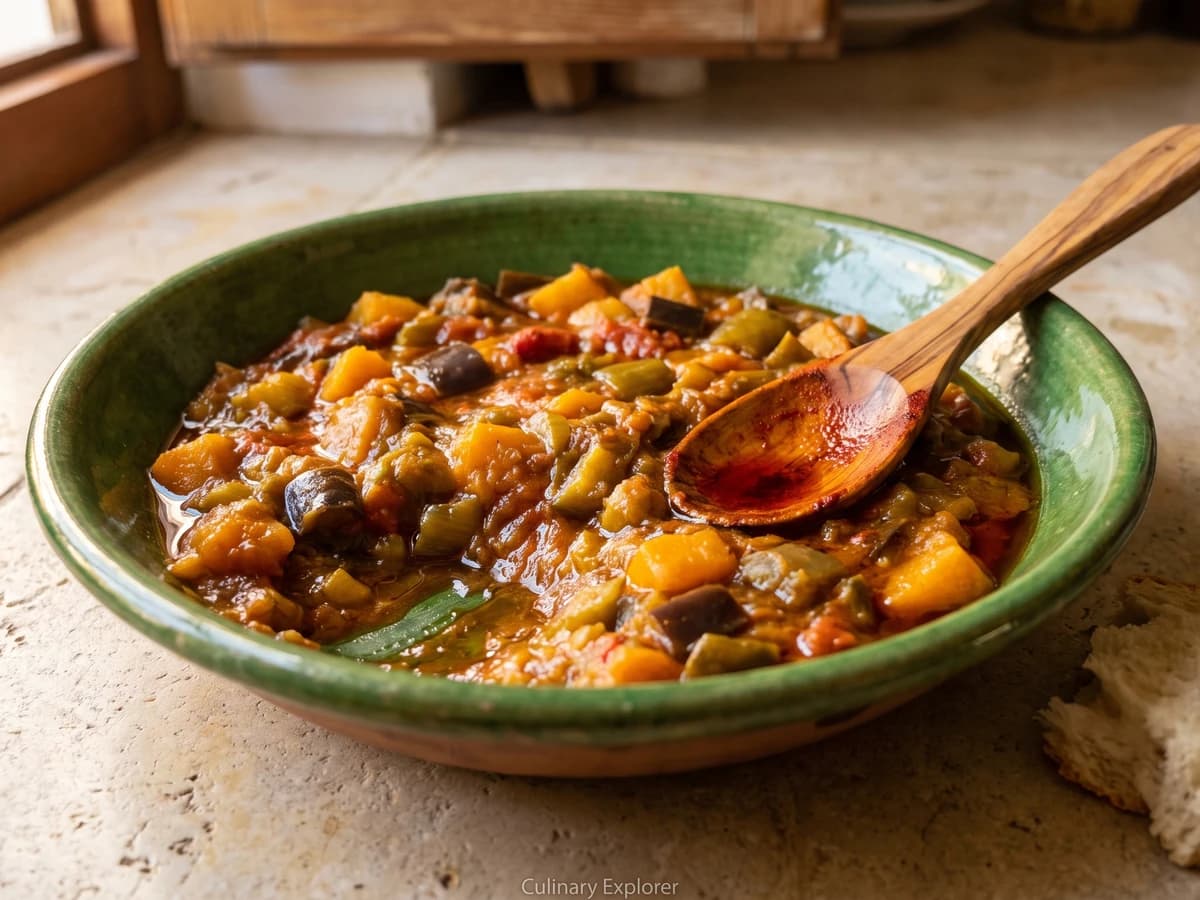
Alboronía is Andalucía's old pumpkin and aubergine stew, deepened with tomato, pimentón, and cumin, then cooked without hurry until the vegetables settle into a glossy, sweet, spoon-soft whole.

Chef Isabel
Aletría Murciana is Murcia's humble noodle guiso: fine fideos, pork ribs, potato, saffron, and a dark sweet sofrito. Get that base right and the pot knows where it's going.
Chef Isabel
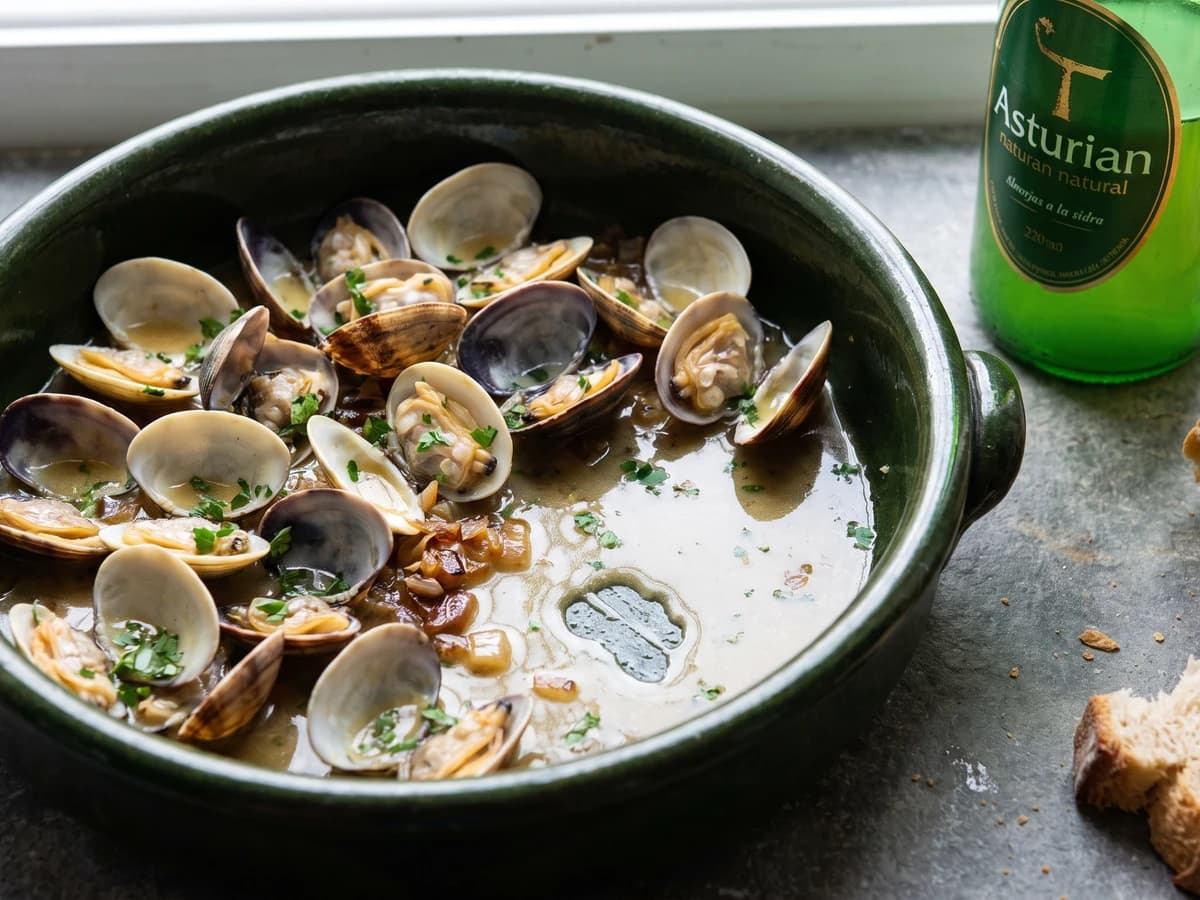
Asturias opens clams in tart natural cider over a slow onion and garlic sofrito, making a bright, briny sauce that asks for bread and rewards one rule: lift each clam as it opens.