Chef Isabel
Abanico Ibérico a la Plancha
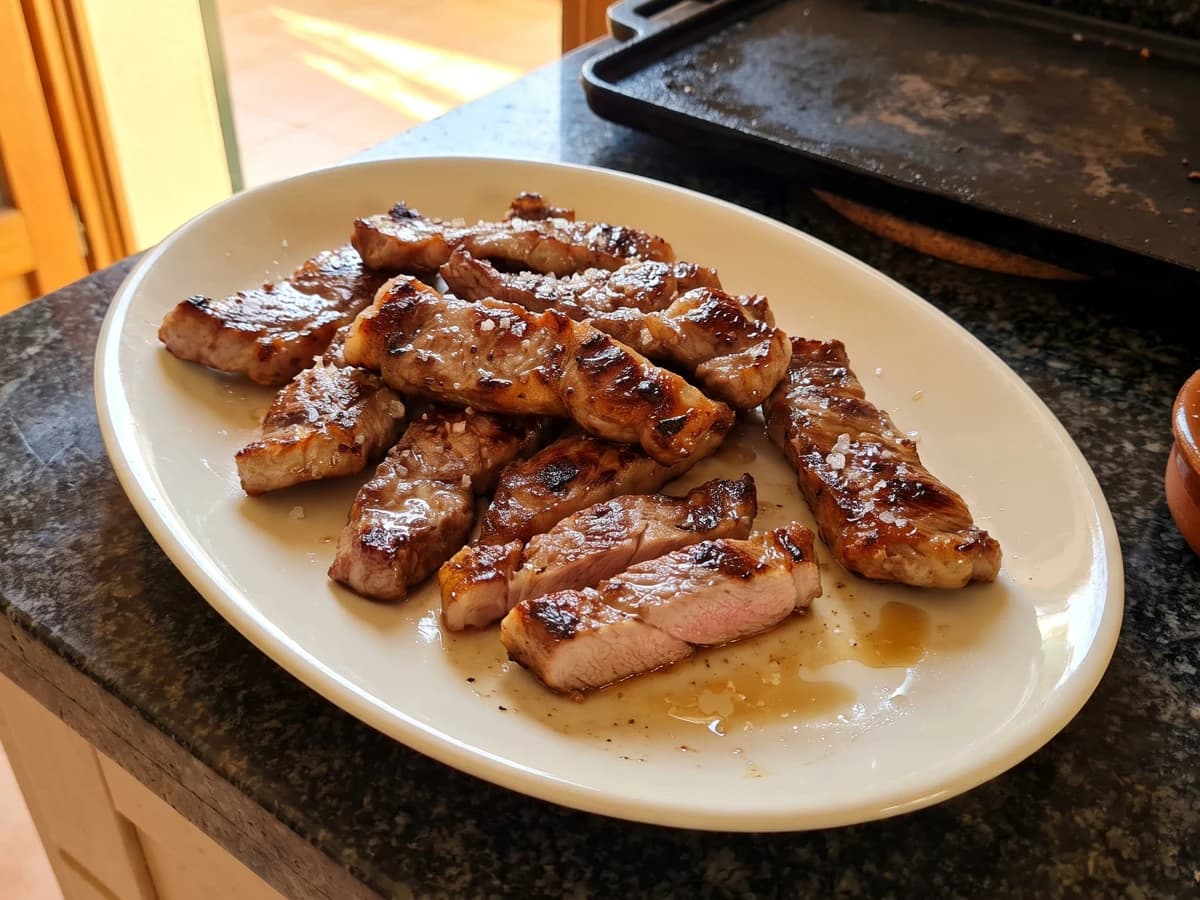
Extremadura's dehesa gives us this fan-shaped, marbled rib cut: salt it at the last moment, lay it on a fierce plancha, and count in seconds so the centre stays juicy.
A cooking platform built around craft, culture, and the stories behind what we eat.
Created by
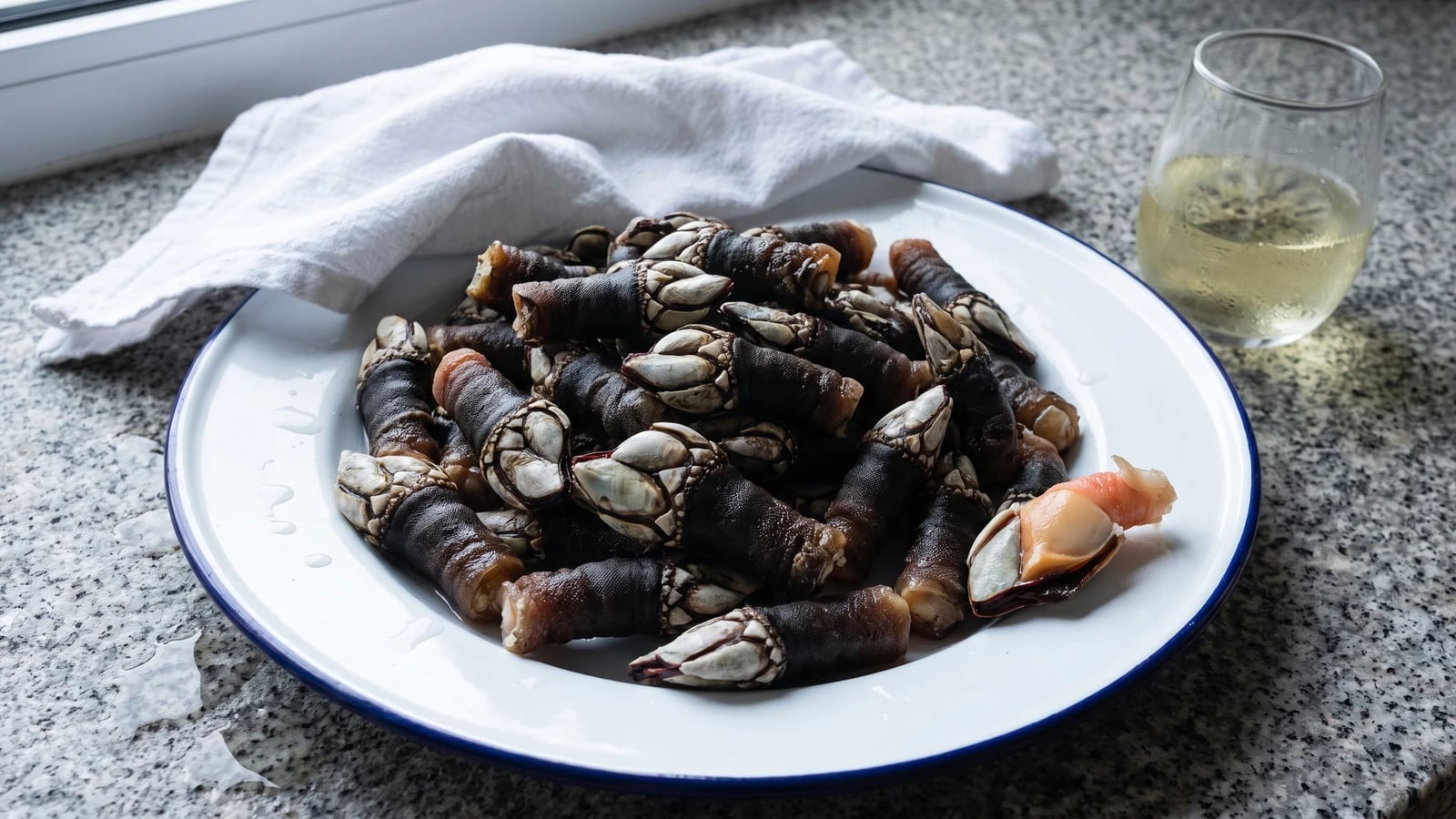
Galicia's cliff-harvested percebes need no sauce and no cleverness: fiercely salted water, one return to the boil, then straight to the table while the tender stalks still taste of the Atlantic.
Percebes cocidos are Galician, especially of the wave-beaten Costa da Morte, and Galicia serves them with nothing to hide them. The barnacles go into fiercely salted boiling water, come out almost at once, and reach the table bare. No oil, no lemon, no sauce. The sea has already seasoned them.
The method that decides the dish is an old Galician rule: auga a ferver, percebes botar; auga a ferver, percebes sacar. Water boiling, barnacles in; water boiling again, barnacles out. That brief, fierce heat sets the flesh while leaving the stalk tender and full of its own briny liquor. Let them boil on and they turn firm and dry. There is no rescue after that, so stay beside the pot.
Far from Galicia, buy legally harvested Atlantic percebes from a specialist fishmonger. If those cannot be found, responsibly harvested Pacific gooseneck barnacles are the nearest honest substitute. Their stalks are often longer and firmer, and their flavor is less concentrated, but the same boiling rule holds. Serve them under a damp cloth, twist one open with your fingers, and mind where you point it because the first may squirt. Siempre sale, si lo sigues. The Margin beside this recipe carries only that boiling rule. It needs no more.
Percebes belong to Galicia's exposed Atlantic rocks, especially the Costa da Morte, where percebeiros work between waves and tides to cut the clustered barnacles free. The short, thick percebe de sol, grown on rock open to hard surf, is prized above the longer, softer percebe de sombra from sheltered cracks. Harvest grounds are managed through Galician fishing guilds because danger, slow growth, and limited gathering days make this Christmas shellfish scarce.
Quantity
1kg
legally harvested; Pacific gooseneck barnacles may be substituted
Quantity
3 litres
Quantity
210g
| Ingredient | Quantity |
|---|---|
| raw, very fresh Galician percebeslegally harvested; Pacific gooseneck barnacles may be substituted | 1kg |
| drinking water | 3 litres |
| coarse sea salt | 210g |
Keep the percebes cold until the cooking water is nearly ready. Put them in a colander, rinse briefly under cold running water, and pick away loose grit or scraps of seaweed. Do not soak them in fresh water; it draws out the liquor you paid for.
Put 3 litres of drinking water and exactly 210g coarse sea salt into a 6 to 8 litre pot. Pésalo, no lo adivines, weigh it, don't guess. Bring the water to a full rolling boil over high heat. The large volume keeps the temperature from collapsing when the cold barnacles go in.
Lower all the percebes into the water close to its surface so the brine cannot splash you. Cover the pot immediately and keep the heat high. Watch closely. The moment the water returns to a full rolling boil, usually within 45 to 90 seconds, uncover the pot and remove the percebes. Do not give them another minute. One return to the boil is the whole method.
Tip the percebes straight into a large colander and let them drain for 15 seconds. Do not rinse them. Heap them on a platter and cover with a clean cotton cloth dampened with a spoonful of the cooking brine. Carry them to the table at once, still glossy and full of hot liquor.
Hold the pale, claw-like shell in one hand and grip the leathery stalk just below it with the other. Point the join away from your face, bend it gently, and twist. Peel the dark skin downward to uncover the coral-cream flesh, catch the briny liquid, and eat the flesh in one bite. Tal como se hace allí, exactly as it's done there.
1 serving (about 250g)
Culinary guides, cultural storytelling, and the editorial depth that makes cooking meaningful.
Discover Culinary ExplorerChef Isabel
Extremadura's dehesa gives us this fan-shaped, marbled rib cut: salt it at the last moment, lay it on a fierce plancha, and count in seconds so the centre stays juicy.
Chef Isabel
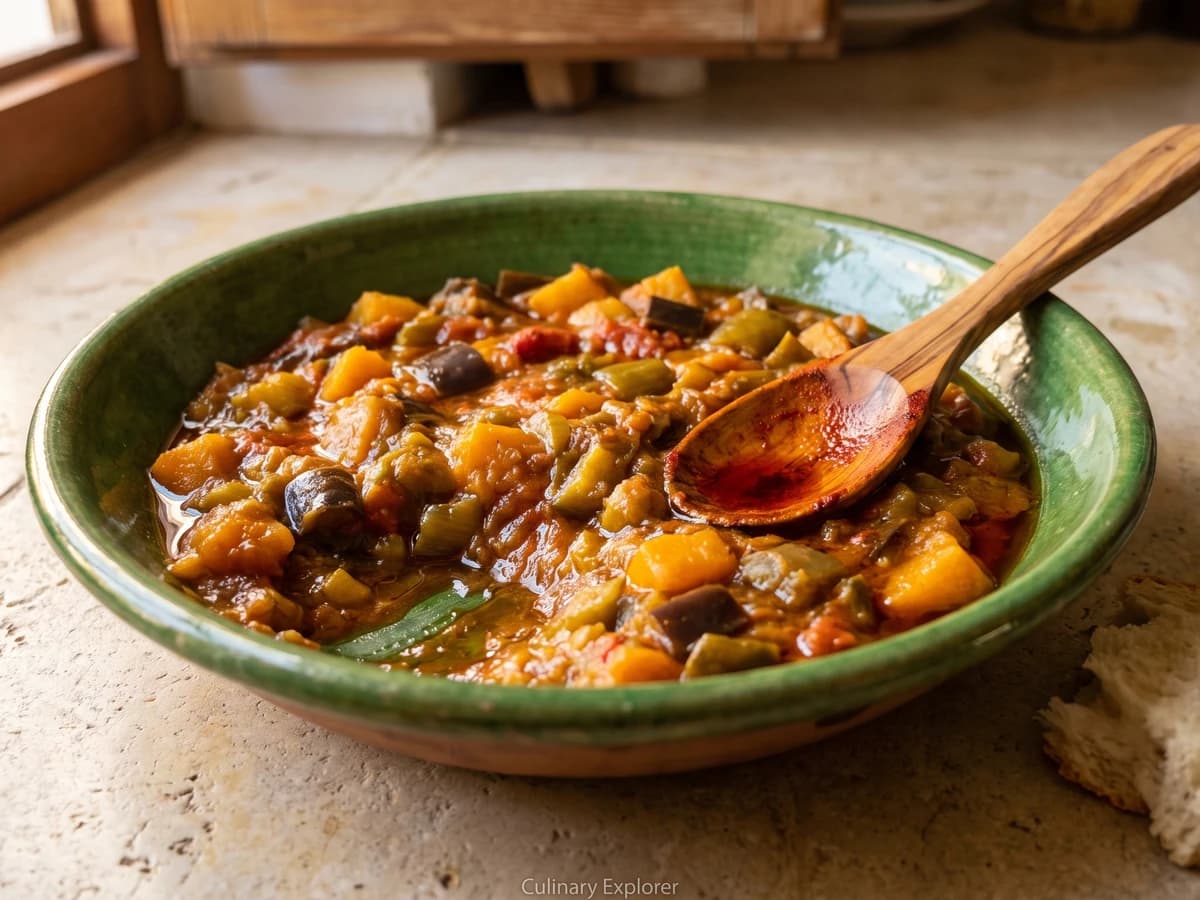
Alboronía is Andalucía's old pumpkin and aubergine stew, deepened with tomato, pimentón, and cumin, then cooked without hurry until the vegetables settle into a glossy, sweet, spoon-soft whole.

Chef Isabel
Aletría Murciana is Murcia's humble noodle guiso: fine fideos, pork ribs, potato, saffron, and a dark sweet sofrito. Get that base right and the pot knows where it's going.
Chef Isabel
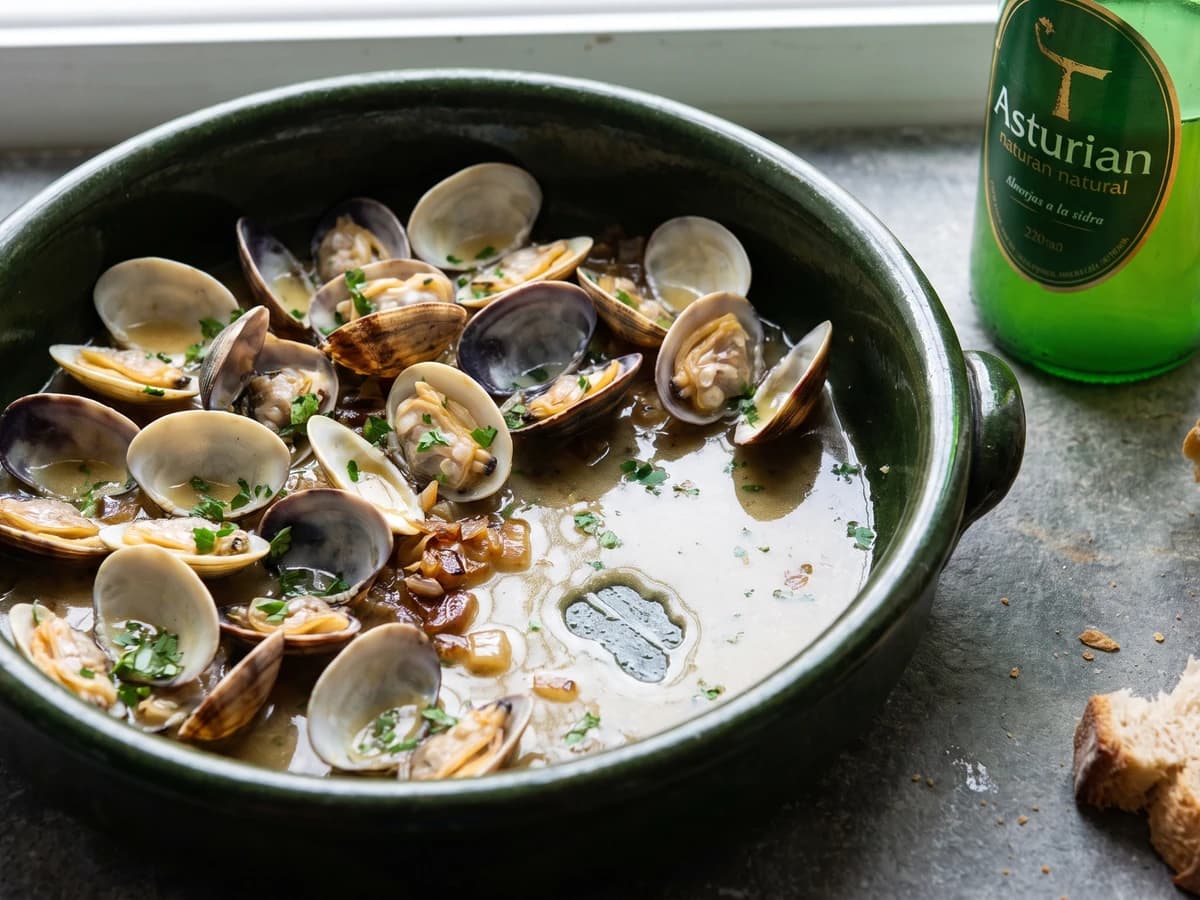
Asturias opens clams in tart natural cider over a slow onion and garlic sofrito, making a bright, briny sauce that asks for bread and rewards one rule: lift each clam as it opens.