Chef Isabel
Abanico Ibérico a la Plancha
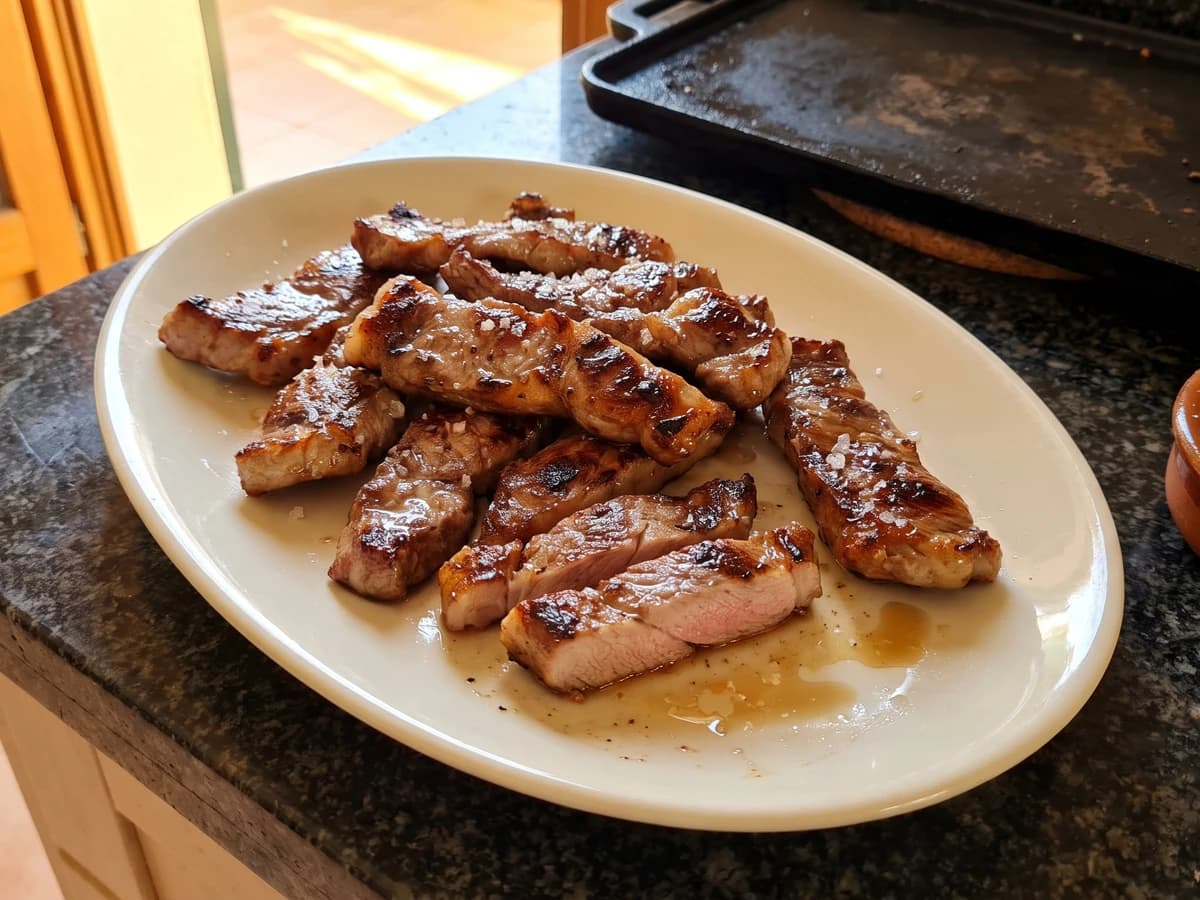
Extremadura's dehesa gives us this fan-shaped, marbled rib cut: salt it at the last moment, lay it on a fierce plancha, and count in seconds so the centre stays juicy.
A cooking platform built around craft, culture, and the stories behind what we eat.
Created by
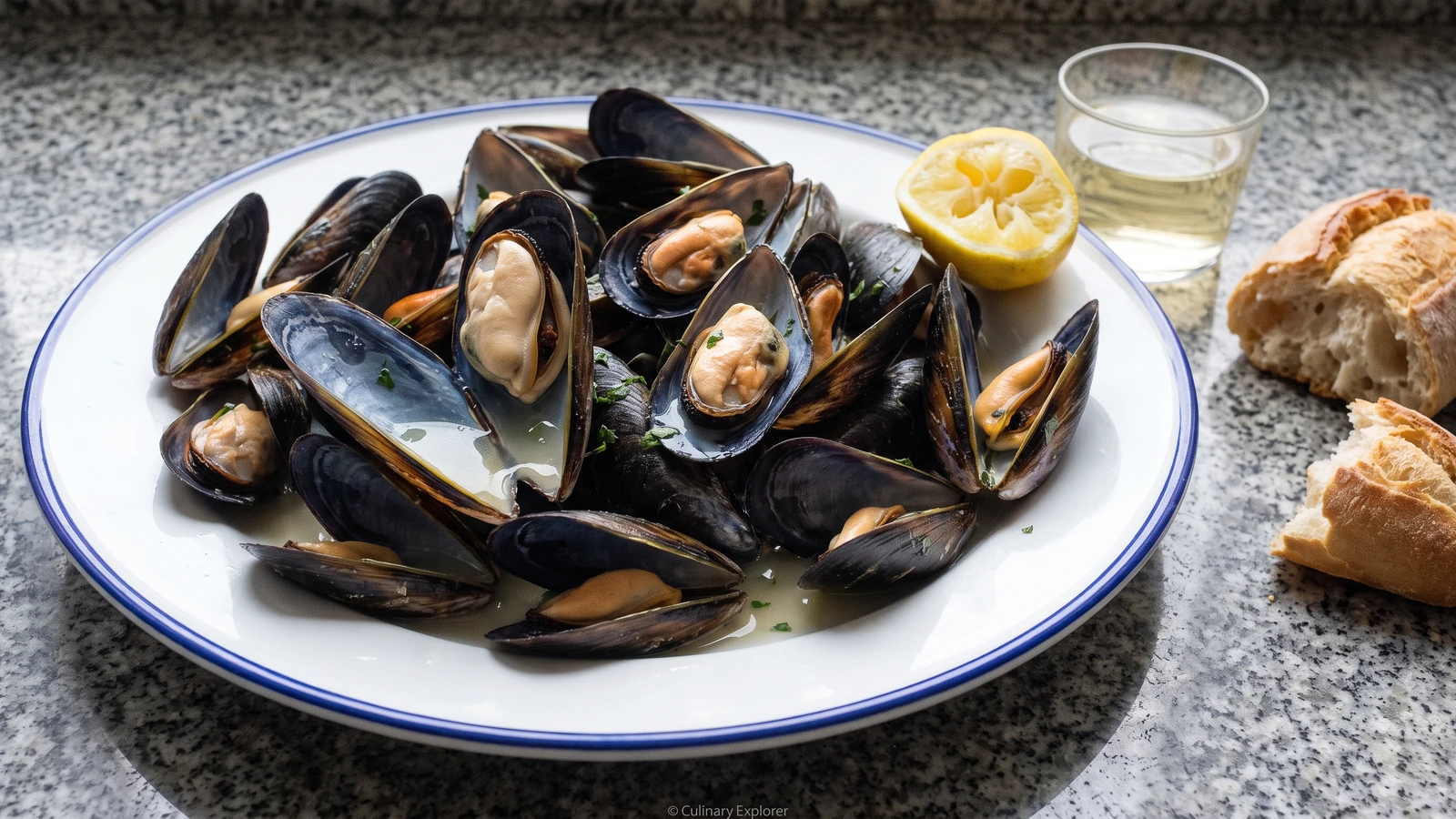
Galicia puts the mussel first: rope-grown shellfish opened quickly in their own liquor with bay and a splash of dry white wine, then carried to the table with lemon.
Mejillones al vapor are Galician, mexillóns ao vapor in Galician, and the mussel is the dish. Along the rías they grow on ropes beneath wooden bateas, broad floating rafts, until their flesh is full and their liquor tastes clean and mineral. At home they need little more than bay, a splash of dry local wine, and lemon at the table. No garlic, no tomato, no sauce laid over them.
The method that decides them is brief, fierce cooking in a wide pot with a tight lid. Bring the wine and bay to a boil, add the cleaned mussels, cover, and shake once. Lift them as soon as the shells gape. Keep going and the meat contracts into small, chewy knots. I strain their liquor and spoon it back over the half shells. Don't reduce it. The sea has salted it already.
If you cannot buy Mexillón de Galicia, choose small or medium farmed mussels with closed, heavy shells and a clean sea smell. Farmed mussels from another cold coast are the honest substitute. They may taste less deeply mineral, but the method does not change. Albariño or Ribeiro belongs here, though any dry, unoaked white works. Use 100ml water if wine isn't wanted, and the flavor will be plainer and more purely of the mussel itself.
Serve them at once, with lemon and bread for the liquor. My Margin has only two words beside this one: "no esperes," don't wait. That is for the cook as much as the shellfish. Siempre sale, si lo sigues. It turns out if you follow it.
Mejillones al vapor belong to Galicia's rías, especially the Ría de Arousa, where Atlantic currents carry the phytoplankton that feeds the mussels. They are raised on long ropes hanging beneath bateas, broad wooden rafts anchored in the estuaries, rather than gathered from beds on the seabed. Mexillón de Galicia is the protected name for mussels raised there, and this plain preparation of wine, bay, and their own liquor lets the harvest remain the strongest flavor.
Quantity
2kg
sorted, scrubbed, and debearded
Quantity
100ml
Quantity
2
Quantity
1 (about 120g)
cut into 8 wedges
Quantity
300g
thickly sliced, for serving
| Ingredient | Quantity |
|---|---|
| live rope-grown musselssorted, scrubbed, and debearded | 2kg |
| dry white wine, preferably Albariño or Ribeiro | 100ml |
| dried bay leaves | 2 |
| medium lemoncut into 8 wedges | 1 (about 120g) |
| crusty country bread (optional)thickly sliced, for serving | 300g |
Put the mussels in a colander and rinse them briefly under cold running water. Scrub away any mud or rough growth, then pull each beard firmly toward the shell hinge. Discard cracked mussels and any open one that does not close within 30 seconds after a firm tap. Do not soak them in fresh water; it weakens live mussels and washes away the clean sea liquor you want in the pot.
Pour the 100ml wine into a wide 8-litre pot and add the bay leaves. Cover and bring it to a full boil over high heat, about 1 minute. Add all the mussels at once and replace the lid immediately. Add no salt. The mussels will release plenty of their own seasoned liquor.
Cook over high heat for 2 minutes, then hold the lid firmly and shake the pot once to move the mussels from top to bottom. Cover for another 2 minutes. Starting at 4 minutes, transfer opened mussels to a warm platter with tongs, replacing the lid between checks. Most will open within 4 to 6 minutes. Stop after 7 minutes and discard any that remain closed. The short, fierce cook traps the juice and keeps the flesh plump; extra time only makes it tough.
Let the cooking liquor settle for 30 seconds, then pour it through a fine-mesh sieve lined with clean damp muslin, stopping before the sandy final spoonful reaches the sieve. Do not reduce it or add salt. Break away the empty upper half of each shell and arrange the mussels in their remaining half shells. Spoon enough strained liquor over them to gloss the flesh and leave a shallow pool on the platter.
Carry the platter straight to the table with the lemon wedges and bread. Let each person squeeze on lemon as they eat, rather than drowning the whole platter in it. Use the shells as little spoons for the liquor. Mejillones al vapor wait for nobody, and that is no hardship when supper takes less than half an hour.
1 serving (about 230g)
Culinary guides, cultural storytelling, and the editorial depth that makes cooking meaningful.
Discover Culinary ExplorerChef Isabel
Extremadura's dehesa gives us this fan-shaped, marbled rib cut: salt it at the last moment, lay it on a fierce plancha, and count in seconds so the centre stays juicy.
Chef Isabel
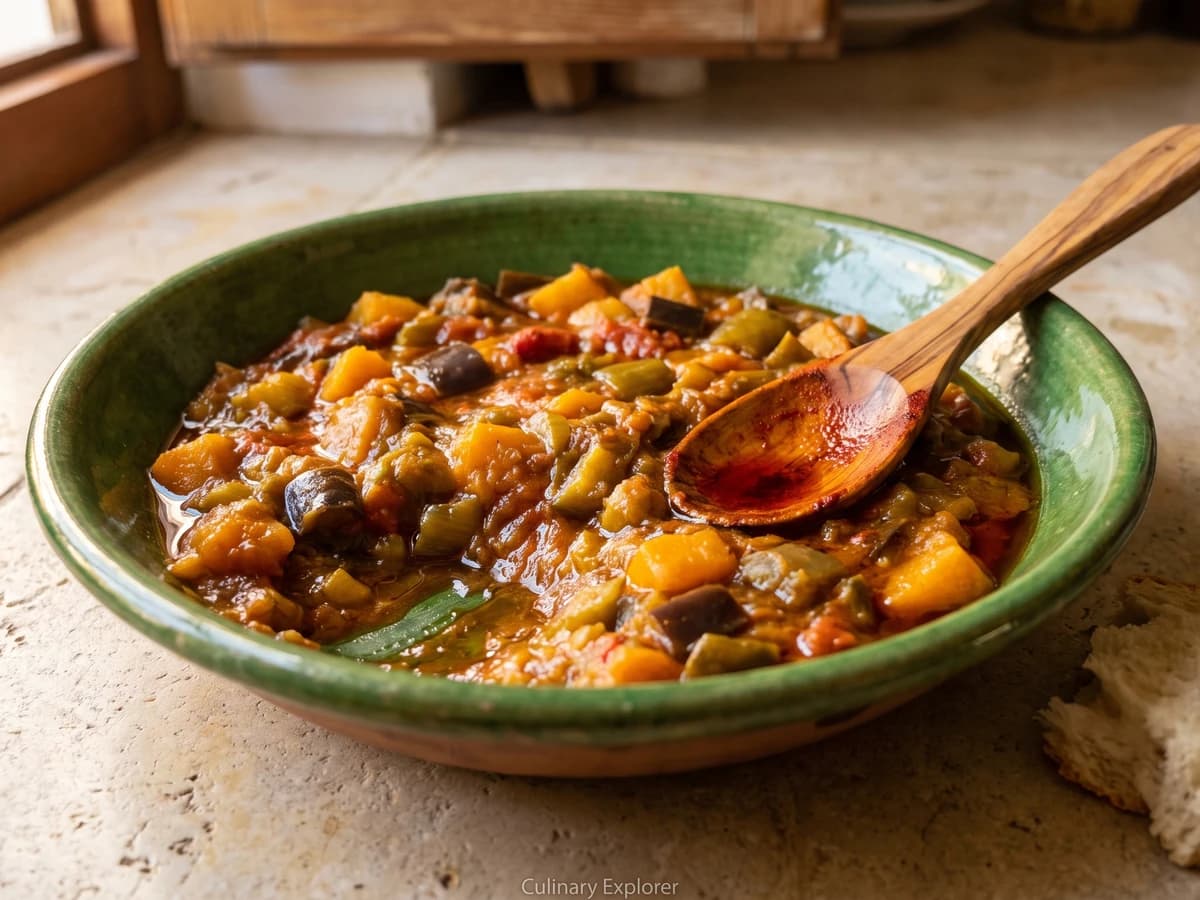
Alboronía is Andalucía's old pumpkin and aubergine stew, deepened with tomato, pimentón, and cumin, then cooked without hurry until the vegetables settle into a glossy, sweet, spoon-soft whole.

Chef Isabel
Aletría Murciana is Murcia's humble noodle guiso: fine fideos, pork ribs, potato, saffron, and a dark sweet sofrito. Get that base right and the pot knows where it's going.
Chef Isabel
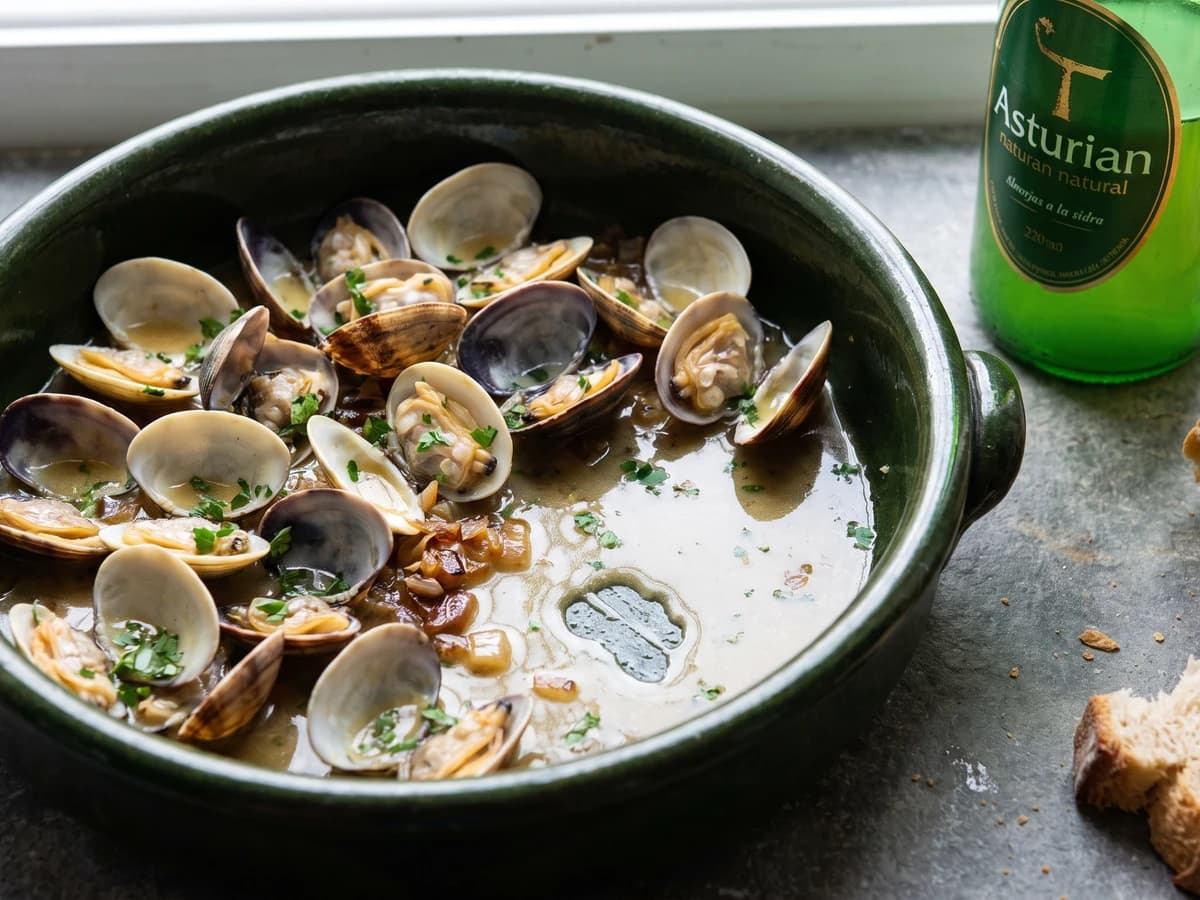
Asturias opens clams in tart natural cider over a slow onion and garlic sofrito, making a bright, briny sauce that asks for bread and rewards one rule: lift each clam as it opens.