
Chef Takumi
Yokosuka Kaigun Karē (横須賀海軍カレー, navy curry)
This is the curry that made Japan a curry country: plain beef, potatoes, carrots, onions, and a roux dark enough to taste cooked, not raw.

Updated June 2, 2026
The Western-Japan layer that nationalized between Meiji and the postwar decades and now reads as home-cook comfort food. The British-Navy roux that became Japanese curry, the Yokohama-born baked rice of doria, the kissaten plate of Napolitan, the kid-night omurice. Honmono yōshoku, reachable.
A cooking platform built around craft, culture, and the stories behind what we eat.
Chef Takumi
This is the curry that made Japan a curry country: plain beef, potatoes, carrots, onions, and a roux dark enough to taste cooked, not raw.

Chef Takumi
Katsu karē is weeknight yōshoku with backbone: crisp pork, quiet brown curry, and rice doing its steady work beneath the spoon. No ceremony, only timing.

Chef Takumi
Ketchup rice and soft egg are not a trick. Keep the eggs pale, keep the rice dry, and fold with calm hands. That is the whole craft.

Chef Takumi
Sapporo soup curry keeps the broth thin, the vegetables generous, and the rice separate. The one detail is balance: clear stock first, spice second, nothing muddied.

Chef Takumi
Tarako spaghetti is weeknight yōshoku at its best: salted cod roe, butter, soy, hot pasta, and the discipline to take the pan off the heat.

Chef Takumi
The secret is not a thick sauce. Make the bechamel a little loose, and the oven will turn it into a creamy yōshoku supper under a browned, crisp top.

Chef Takumi
Pirafu is yōshoku at its most useful: rice glossed in butter, cooked through with clear consommé, and finished with the faint browned bottom that rewards patience.

Chef Takumi
Autumn mushrooms, browned until their edges darken, meet butter, shōyu, and a spoon of dashi. The sauce is small by design, just enough to coat spaghetti and carry shiso's green perfume.

Chef Takumi
The boxed roux is not a guilty shortcut here. Cook the onions until sweet, add the roux off the heat, and the curry settles into the thick, mellow comfort every Japanese table knows.

Chef Takumi
This is yōshoku honmono: thick spaghetti under a tomato-beef sauce simmered until sweet, soft, and glossy, the cafeteria classic that asks for patience more than skill.

Chef Takumi
This is the ketchup rice under omurice, but it stands on its own: chicken, onion, butter, and rice cooked until every grain is red-gold and separate.

Chef Takumi
Kīma karē is Japanese curry taken almost dry: browned mince, patient onion, and roux cooked down until the sauce clings. Set it beside rice, break the soft egg, and supper is done.

Chef Takumi
Napolitan is yōshoku honmono: soft spaghetti, ketchup cooked until glossy, onion and green pepper, ham, butter, and a kissaten plate that asks for Tabasco at the table.
Chef Takumi
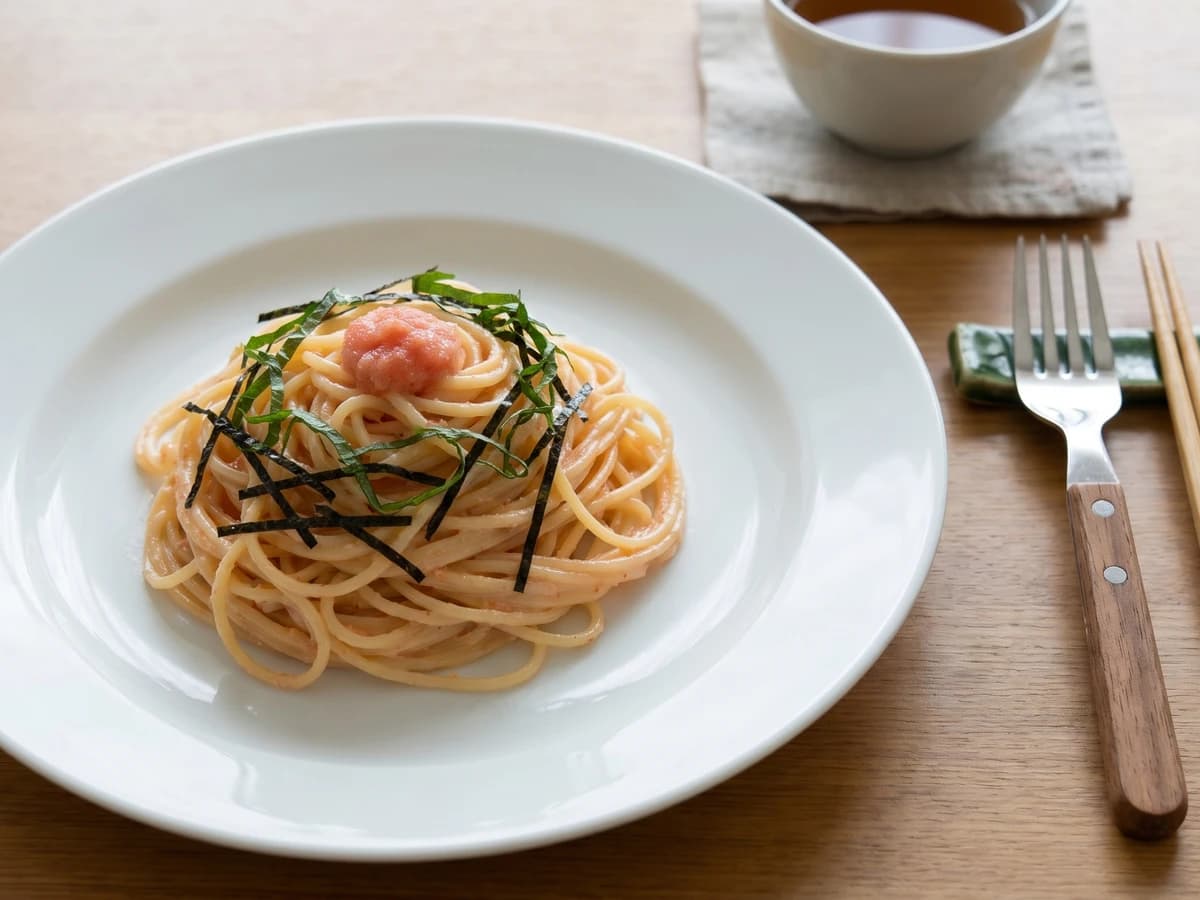
Karashi mentaiko brings salt, chili, and a clean sea sweetness. Keep the sauce off the flame, let the hot spaghetti do the work, and each strand turns glossy and pink-speckled.

Chef Takumi
Hayashi raisu looks like a long European stew, but the home version is quicker: thin beef, sweet onions, tomato, demi-glace, and rice waiting beside it.

Chef Takumi
Doria is yōshoku comfort food with its sleeves rolled up: buttered rice, shrimp, white sauce, and cheese. The one detail is thickness, bechamel loose enough to settle, not swamp.

Chef Takumi
Butter rice, a neat spoonful of meat sauce, loose bechamel, and just enough cheese: Milano-fū Doria is yōshoku comfort baked until the top freckles brown and the bowl murmurs at the edges.
Culinary guides, cultural storytelling, and the editorial depth that makes cooking meaningful.
Discover Culinary ExplorerChef Takumi is a fictional culinary guide to Japanese Washoku Cuisine, written with the assistance of AI.