
Chef Takumi
Aji Fry (アジフライ, panko-fried horse mackerel)
Aji fry is weeknight fish with no mystery: fresh horse mackerel opened cleanly, breaded lightly, and fried until the panko crackles while the flesh stays sweet.
A cooking platform built around craft, culture, and the stories behind what we eat.
Created by
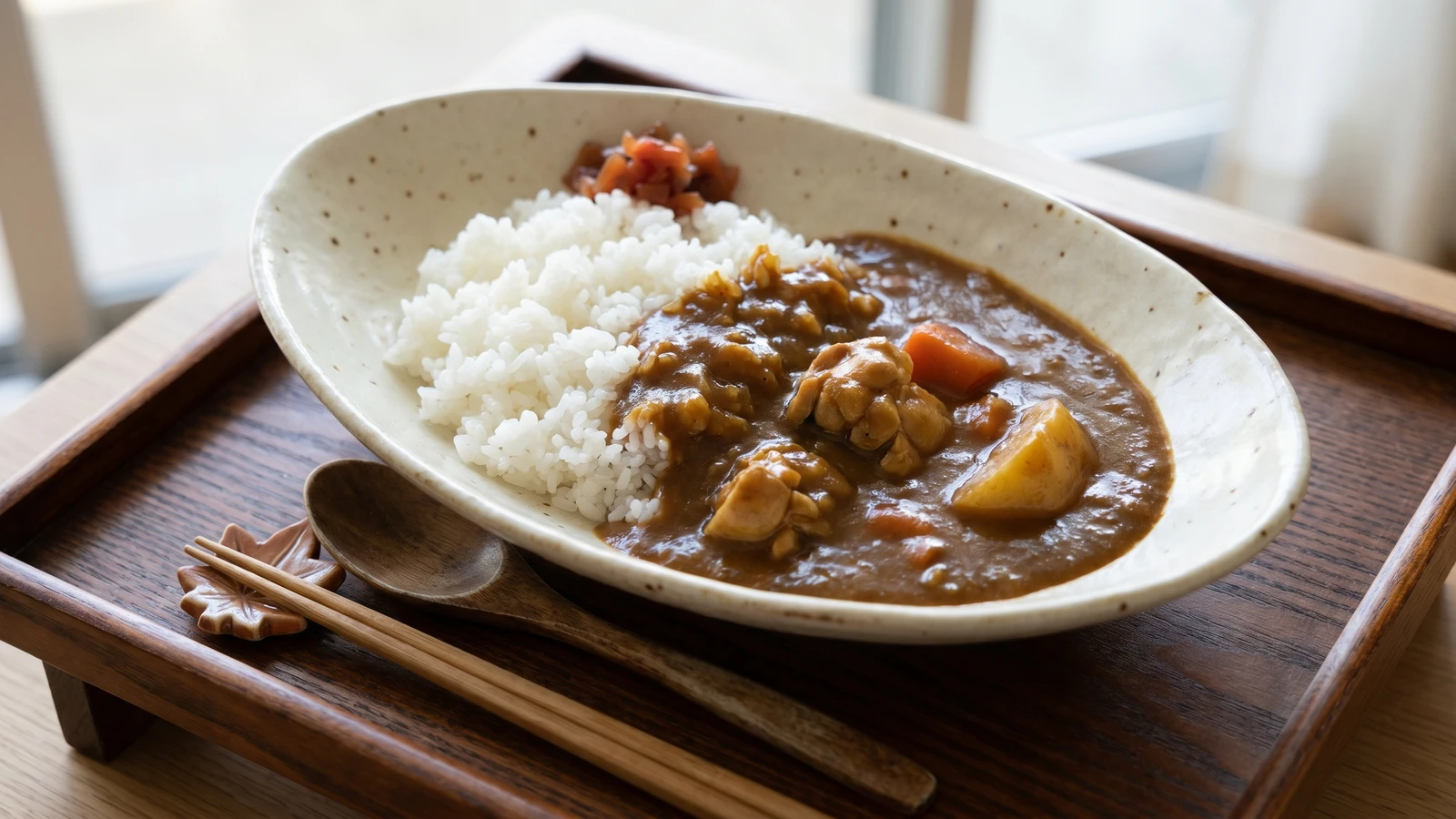
The boxed roux is not a guilty shortcut here. Cook the onions until sweet, add the roux off the heat, and the curry settles into the thick, mellow comfort every Japanese table knows.
Karē raisu is honest about being useful. A block of curry roux, onions, carrot, potato, meat, and rice: this is not delicate cooking, and it shouldn't be made to apologize for that. The fear, if there is one, is that using the block is cheating. Here it isn't. The block is the Japanese home form of the dish, and cooking it well gives you 本物 (honmono, the real thing).
One detail decides it: the roux goes in after the vegetables are tender, with the pot off the heat. The curry block is fat, flour, curry powder, and salt already cooked together; if you boil it hard into the pot, it clumps and catches before it can open. Let the heat drop, dissolve it patiently, then simmer low until the sauce turns glossy and coats the spoon.
Before that, give the onions time. Their sweetness is what makes Japanese curry round instead of harsh, the quiet balance to the spices and the salt in the roux. This is yōshoku, Western-style food absorbed into the Japanese table, and it sits beside rice as naturally as miso soup sits beside fish. The method, not the menu. Make enough for tomorrow, because curry is one of the few dishes that improves after a night of thinking about itself.
Karē raisu entered Japan in the Meiji period through British curry powder, and an early rice curry recipe appears in the 1872 Western cooking book Seiyō Ryōri Shinan. The Imperial Japanese Navy adopted curry as a practical galley meal because meat and vegetables could be simmered together and served with rice; the Japan Maritime Self-Defense Force still keeps a Friday curry custom. S&B began selling Japanese-made curry powder in 1923, and boxed roux spread after the 1950s, turning curry rice into one of Japan's most familiar home dishes.
Quantity
2 rice-cooker cups (360ml, about 300g)
rinsed until the water runs almost clear
Quantity
to the rice-cooker line, or 430ml for stovetop
Quantity
1 tablespoon
Quantity
500g
cut into 1 1/2-inch pieces
Quantity
1/2 teaspoon
Quantity
2 medium (about 450g)
sliced into thick half-moons
Quantity
2 medium (about 250g)
cut rangiri, or into 1-inch chunks
Quantity
2 medium (about 450g)
peeled and cut into 1 1/2-inch chunks
Quantity
3 cups
Quantity
90 to 100g
Quantity
1 teaspoon
Quantity
to serve
| Ingredient | Quantity |
|---|---|
| Japanese short-grain ricerinsed until the water runs almost clear | 2 rice-cooker cups (360ml, about 300g) |
| water for the rice | to the rice-cooker line, or 430ml for stovetop |
| neutral oil | 1 tablespoon |
| boneless skinless chicken thighscut into 1 1/2-inch pieces | 500g |
| sea salt | 1/2 teaspoon |
| yellow onionssliced into thick half-moons | 2 medium (about 450g) |
| carrotscut rangiri, or into 1-inch chunks | 2 medium (about 250g) |
| waxy potatoes, such as Yukon Goldpeeled and cut into 1 1/2-inch chunks | 2 medium (about 450g) |
| water or unsalted chicken stock | 3 cups |
| Japanese curry roux blocks | 90 to 100g |
| shōyu (Japanese soy sauce) (optional) | 1 teaspoon |
| fukujinzuke (red pickled vegetables) (optional) | to serve |
Rinse the rice in several changes of water, rubbing lightly with your fingers, until the water runs almost clear. This washes away surface starch so the grains cook glossy, not gummy. Cook it in a rice cooker with water to the proper line, or combine it with 430ml water in a heavy lidded pot, soak 20 minutes, bring to a boil, cover, cook 12 minutes on low, then rest 10 minutes off the heat.
Season the chicken with the salt. Cut the carrots with a rolling cut, rangiri, if you can; the uneven faces catch the sauce nicely. Put the potato chunks in cold water for 5 minutes, then drain. That brief soak rinses off loose starch, so the potatoes hold their edges instead of clouding the curry before the roux has its turn.
Heat the oil in a heavy pot over medium heat. Add the chicken in one layer and brown it lightly, 2 to 3 minutes per side, then lift it to a plate. Don't chase a hard crust. The meat will simmer later, and a gentle browning gives depth without fighting the mild sweetness of the curry.
Add the onions to the same pot and cook over medium-low heat for 10 to 12 minutes, scraping the bottom as they soften. They should turn limp, sweet-smelling, and pale gold at the edges. This is where the curry gets round. Rush the onions and the finished sauce tastes salty before it tastes sweet.
Return the chicken to the pot with the carrots, potatoes, and 3 cups water or stock. Bring it just to a simmer, skim off any foam, then lower the heat and cover with the lid slightly ajar. Cook 18 to 22 minutes, until a potato yields cleanly to a skewer but has not begun to crumble. The vegetables need to finish before the roux goes in, because once the sauce thickens, the pot is harder to cook evenly.
Turn off the heat. Break the curry roux blocks into pieces, add them to the pot, and stir slowly until they melt completely. If you want the neatest way, put the pieces in a ladle, lower the ladle into the hot liquid, and stir the roux there before releasing it into the pot. Off the heat, the flour and fat loosen smoothly; in a hard boil, they clump and catch on the bottom.
Return the pot to low heat and simmer 8 to 10 minutes, stirring the bottom often with a wooden spoon or spatula. The curry should turn glossy and thick enough to coat the spoon, with the vegetables sitting in the sauce rather than sinking out of sight. Taste it. Add the shōyu only if it needs a little sharper edge; many roux blocks are salty enough without help. If it is too thick, loosen it with a splash of water.
Fluff the rice and mound it to one side of a deep oval plate. Spoon the curry beside it and slightly over the rice, leaving some white grains visible. Karē raisu is rice and sauce together, not a flood. Add a small spoonful of fukujinzuke on the side and serve with a spoon.
1 serving (about 700g)
Culinary guides, cultural storytelling, and the editorial depth that makes cooking meaningful.
Discover Culinary ExplorerChef Takumi
Aji fry is weeknight fish with no mystery: fresh horse mackerel opened cleanly, breaded lightly, and fried until the panko crackles while the flesh stays sweet.
Chef Takumi
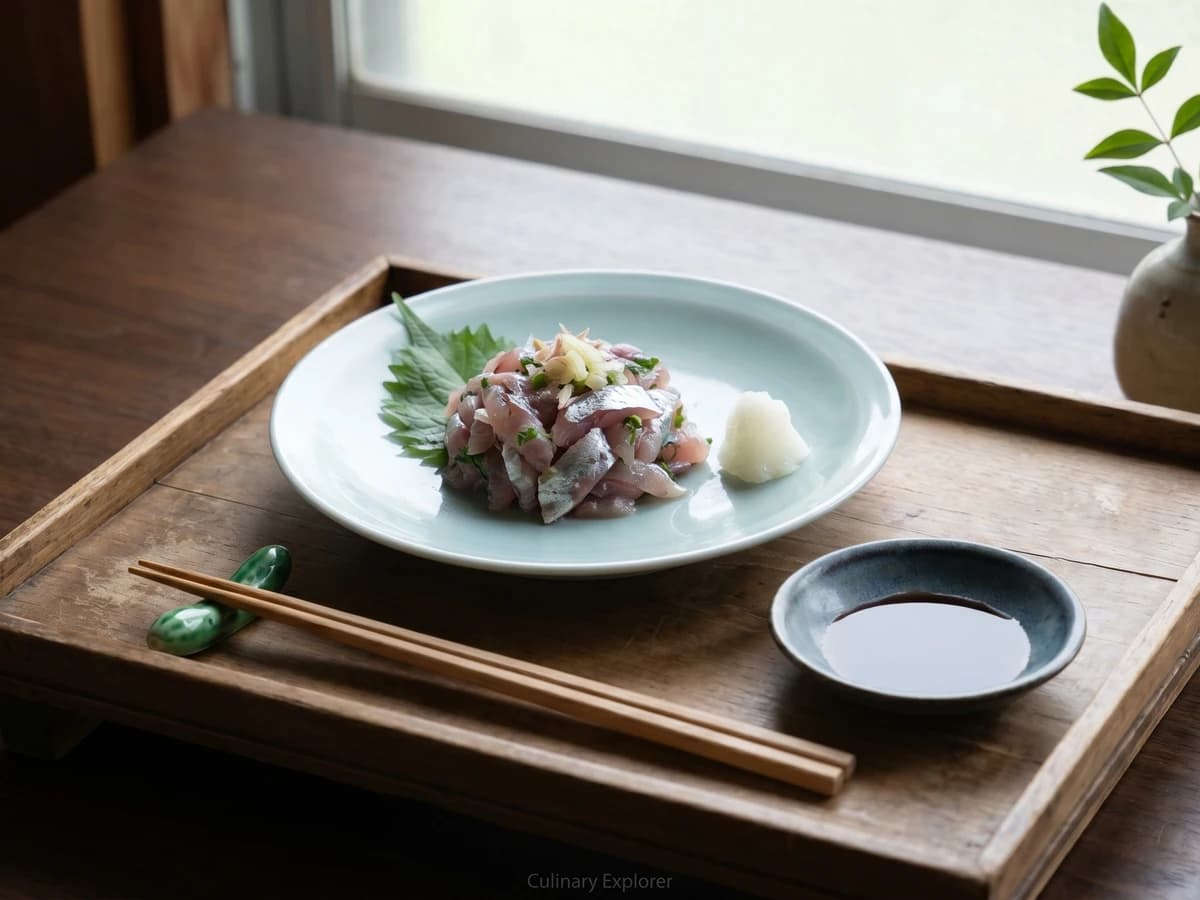
Summer horse mackerel, chopped just enough to catch ginger and scallion, becomes a cool, clean main dish with rice. The secret is fresh fish and a knife that does not bruise it.
Chef Takumi
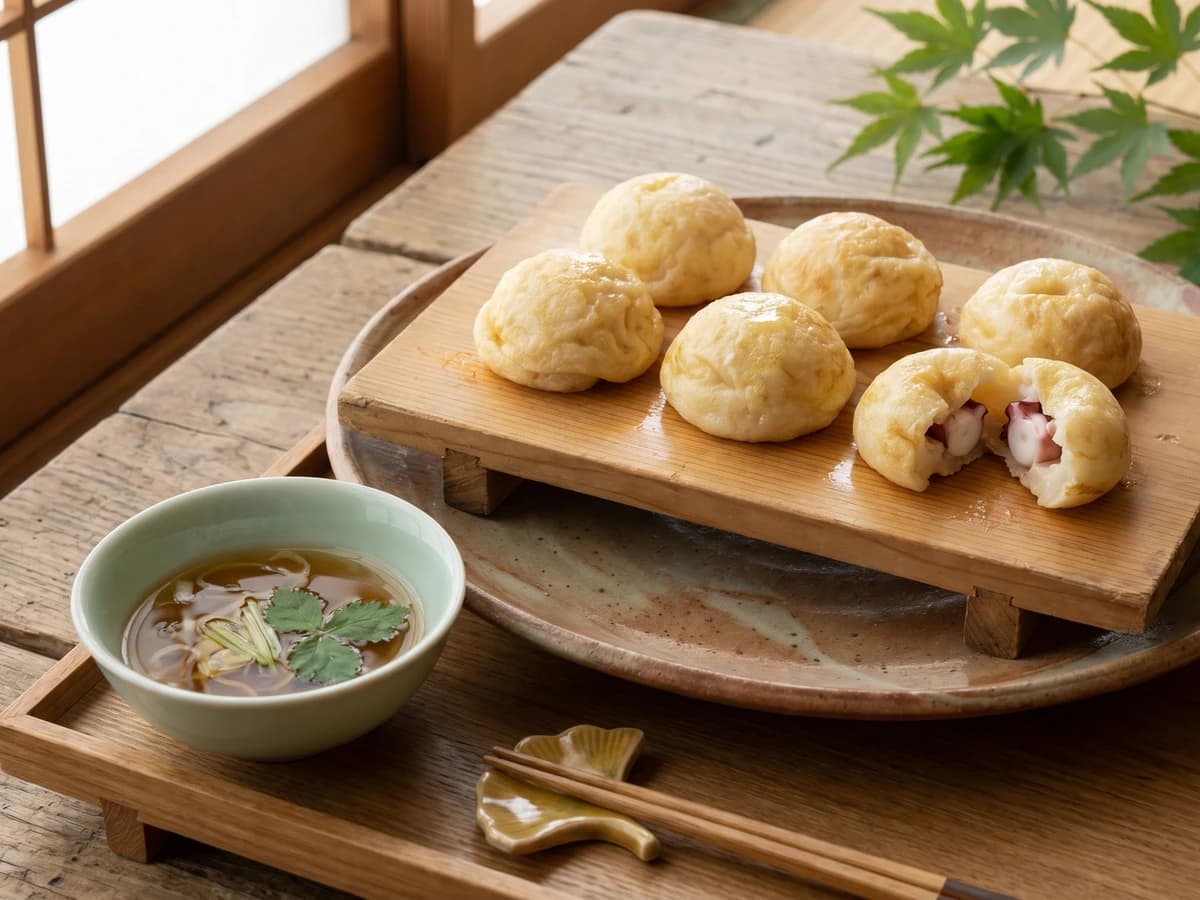
Akashi-yaki is not sauced takoyaki. It is egg-rich batter, tender octopus, and clear dashi, cooked pale and soft so each ball can be dipped like a small custard dumpling.

Chef Takumi
A whole anago looks like a test of nerve. It is mostly good sourcing, a dry skin, cold batter, and oil hot enough to leave the eel sweet under its lace.