
Chef Takumi
Aji Fry (アジフライ, panko-fried horse mackerel)
Aji fry is weeknight fish with no mystery: fresh horse mackerel opened cleanly, breaded lightly, and fried until the panko crackles while the flesh stays sweet.
A cooking platform built around craft, culture, and the stories behind what we eat.
Created by
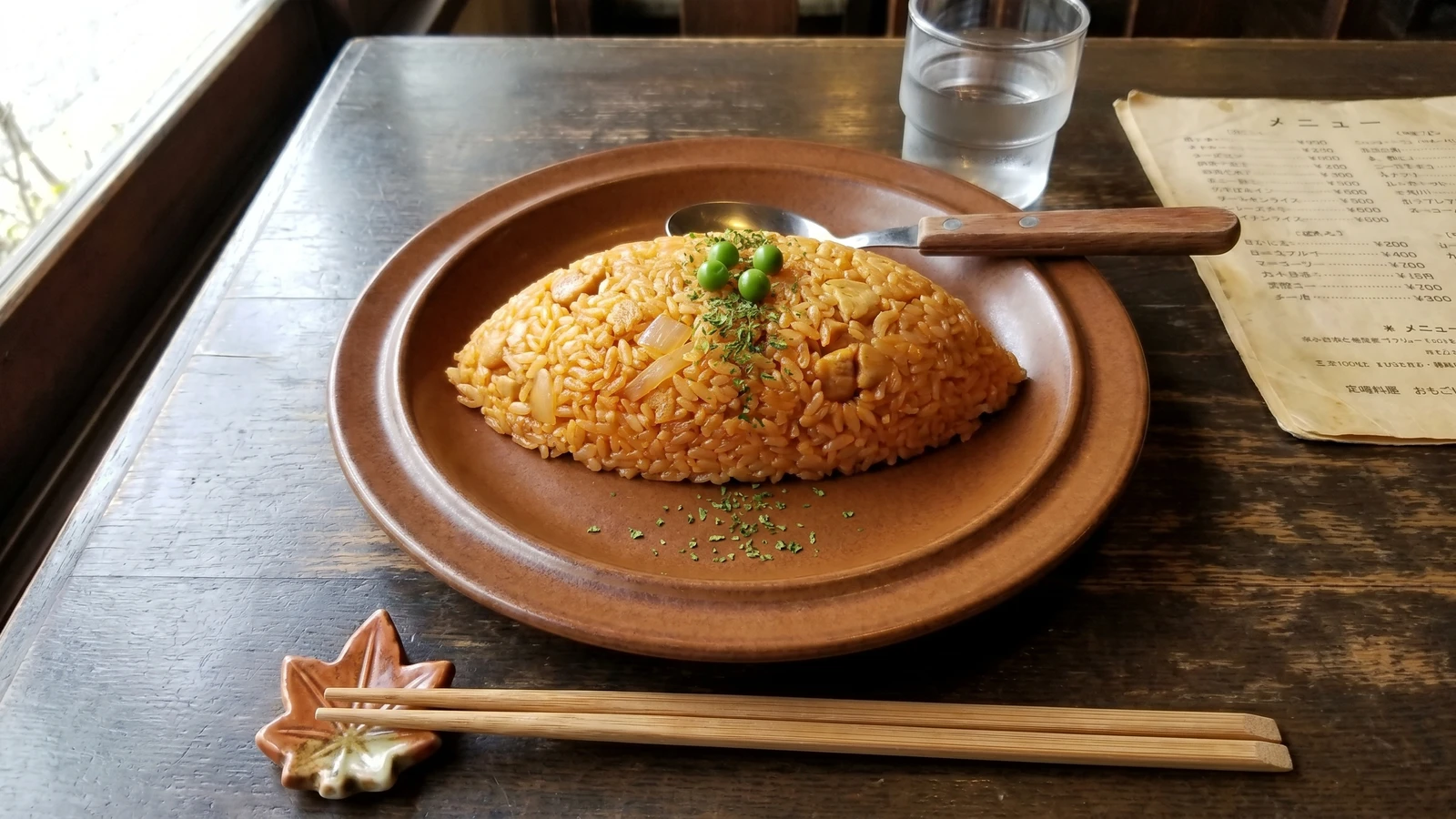
This is the ketchup rice under omurice, but it stands on its own: chicken, onion, butter, and rice cooked until every grain is red-gold and separate.
Ketchup does honest work here. That surprises people, because they expect yōshoku to apologize for itself, as if a Japanese kitchen using butter and tomato ketchup must be less serious. No. Chikin raisu is honmono, the real thing, a home dish that knows exactly what it is.
The one detail that decides it is the rice. Use cooked short-grain rice that has cooled a little, because hot, wet rice clumps and turns pasty when it meets ketchup. Cold rice is fine too, if you loosen it first. You want each grain coated red-gold, not a sticky red mass. Ketchup goes into the pan before the rice for a moment, so its raw sweetness cooks down and its tomato taste deepens. That little minute is the difference between bright seasoning and a lunchbox accident.
Cut the chicken small, and the onion smaller. This isn't thrift for its own sake, though it is a kind dish to a budget. Small pieces season the rice evenly, so every spoonful has chicken, onion, and butter without needing a heavy sauce to hide behind. A few green peas at the end give color and a soft pop. Leave it room on the plate, as we do even with the plainest food. A mound with a little height looks calm, and calm food is easier to eat.
Chikin raisu belongs to yōshoku, the Japanese cooking of Western-derived dishes that took shape after the Meiji Restoration and became ordinary home and cafe food in the twentieth century. Tomato ketchup became widely available in Japan in the early 1900s through domestic producers such as Kagome, and it settled naturally into rice dishes, spaghetti Napolitan, and omurice. By the Shōwa period, ketchup chicken rice was firmly established as both a dish on its own and the red rice tucked under the omelet in omurice.
Quantity
2 cups
cooled or day-old, gently loosened
Quantity
150g
cut into 1/2-inch pieces
Quantity
1/2
finely diced
Quantity
1 tablespoon
Quantity
1 teaspoon
Quantity
3 tablespoons
Quantity
1 teaspoon
Quantity
1 teaspoon
Quantity
1/4 teaspoon, plus more to taste
Quantity
to taste
Quantity
2 tablespoons
thawed
Quantity
1 tablespoon
| Ingredient | Quantity |
|---|---|
| cooked Japanese short-grain ricecooled or day-old, gently loosened | 2 cups |
| boneless chicken thighcut into 1/2-inch pieces | 150g |
| small onionfinely diced | 1/2 |
| unsalted butter | 1 tablespoon |
| neutral oil | 1 teaspoon |
| tomato ketchup | 3 tablespoons |
| Worcestershire sauce | 1 teaspoon |
| soy sauce | 1 teaspoon |
| fine sea salt | 1/4 teaspoon, plus more to taste |
| freshly ground white pepper | to taste |
| frozen green peasthawed | 2 tablespoons |
| finely chopped parsley (optional) | 1 tablespoon |
Break the cooked rice apart with wet fingers or a rice paddle before it goes near the pan. Cooled short-grain rice likes to hold together, and if you try to crush the clumps in the skillet, you bruise the grains and make them sticky. You want the rice ready to be coated, not beaten into obedience.
Set a frying pan over medium heat and add the oil and butter. When the butter foams gently, add the chicken with a pinch of salt. Cook until the pieces lose their raw pink color and begin to smell savory, about three minutes. Small pieces cook quickly and season the rice evenly, which is the quiet virtue of this dish.
Add the diced onion and cook, stirring, until it turns translucent and sweet, three to four minutes. Don't brown it hard. Chikin raisu wants sweetness and butter, not a roasted flavor that fights the ketchup.
Push the chicken and onion to one side of the pan. Add the ketchup to the bare spot and stir it there for about one minute, until it darkens slightly and loses its raw sharp smell. Then stir in the Worcestershire sauce and soy sauce. Cooking the ketchup first concentrates it, so the rice tastes seasoned rather than simply wet.
Add the loosened rice and raise the heat to medium-high. Fold and press lightly with a rice paddle or wooden spatula until every grain is red-gold, two to three minutes. Scrape the bottom as you work, but don't mash. The rice should look glossy and separate, with chicken and onion scattered through it rather than buried.
Stir in the peas just long enough to warm them, then taste for salt and white pepper. Shape the rice into a low oval mound on a warm plate, sprinkle with parsley if using, and serve at once. If you're making omurice, this is the rice you wrap. If you're not, it still has nothing to prove.
1 serving (about 280g)
Culinary guides, cultural storytelling, and the editorial depth that makes cooking meaningful.
Discover Culinary ExplorerChef Takumi
Aji fry is weeknight fish with no mystery: fresh horse mackerel opened cleanly, breaded lightly, and fried until the panko crackles while the flesh stays sweet.
Chef Takumi
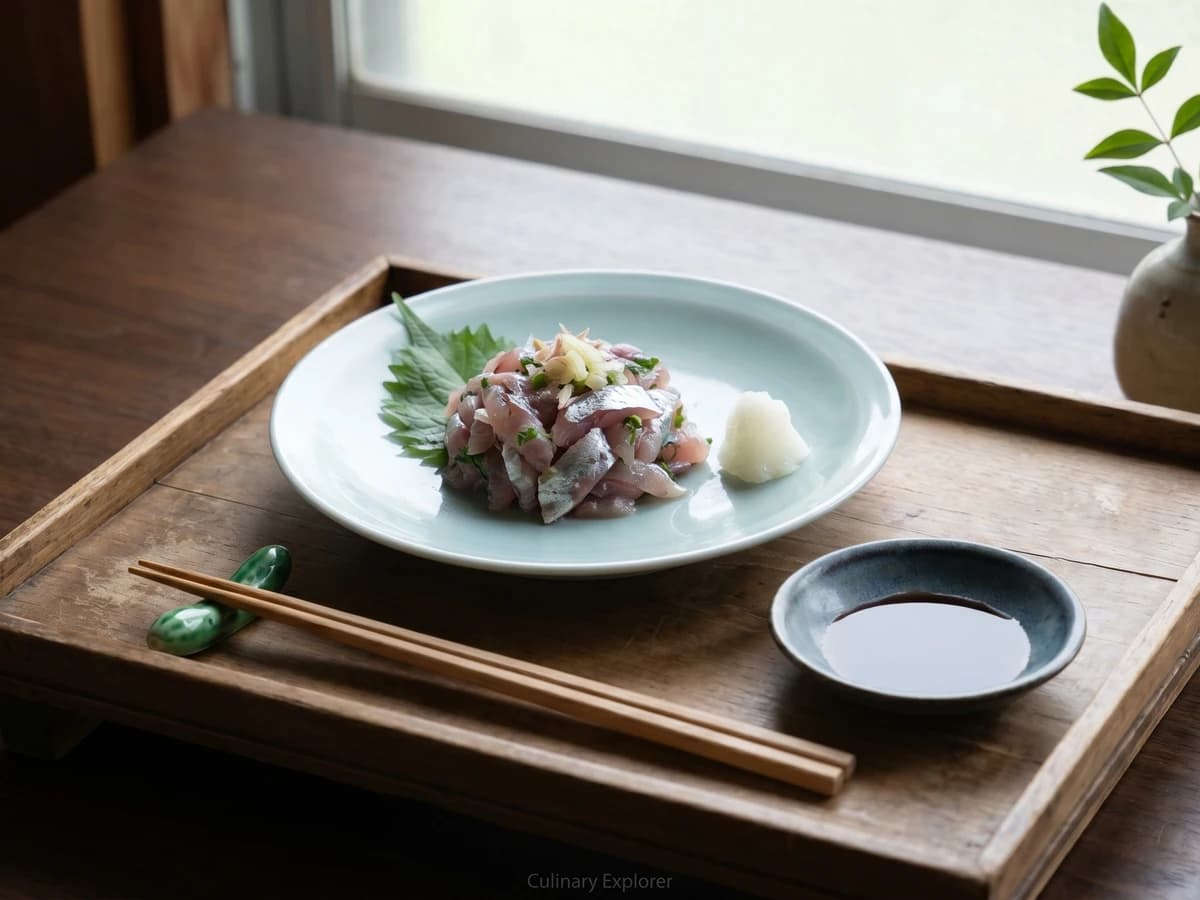
Summer horse mackerel, chopped just enough to catch ginger and scallion, becomes a cool, clean main dish with rice. The secret is fresh fish and a knife that does not bruise it.
Chef Takumi
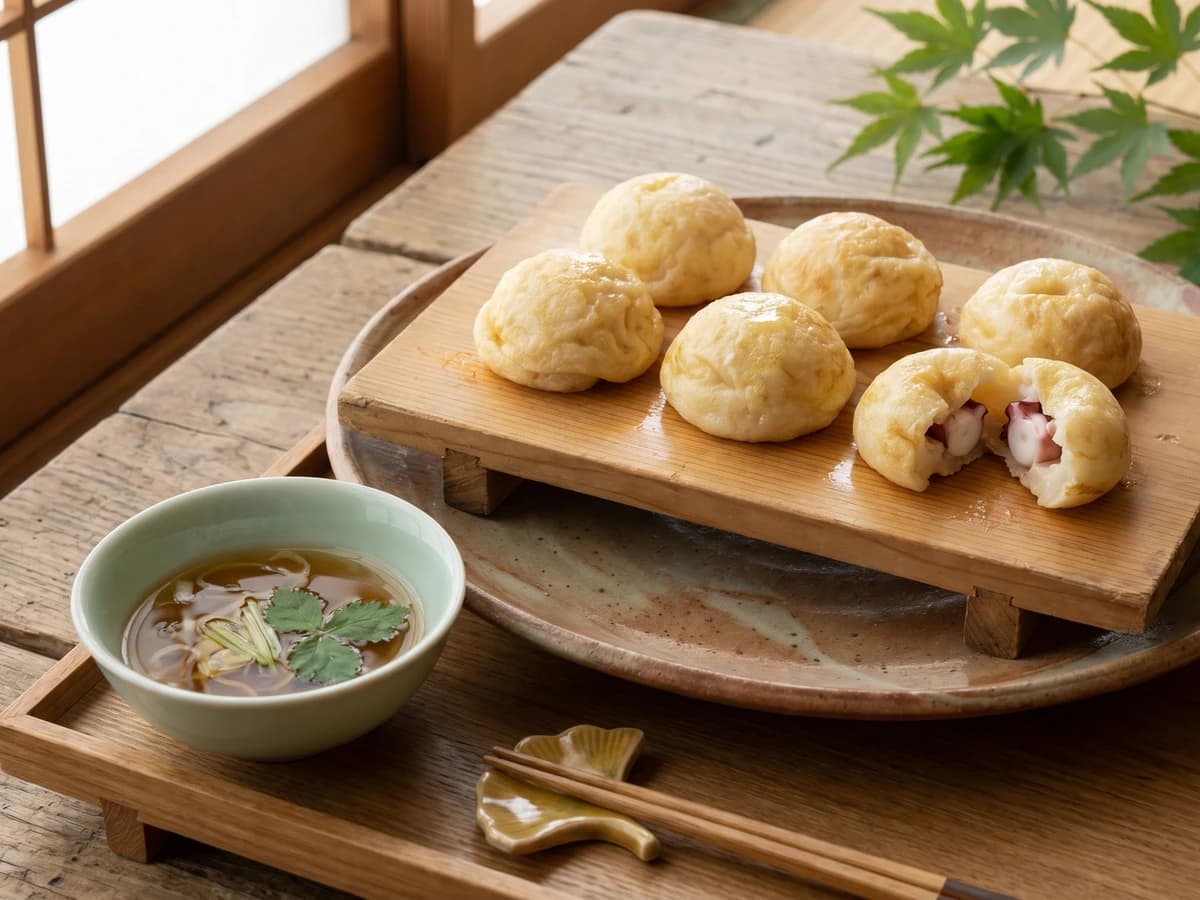
Akashi-yaki is not sauced takoyaki. It is egg-rich batter, tender octopus, and clear dashi, cooked pale and soft so each ball can be dipped like a small custard dumpling.

Chef Takumi
A whole anago looks like a test of nerve. It is mostly good sourcing, a dry skin, cold batter, and oil hot enough to leave the eel sweet under its lace.