
Chef Takumi
Aji Fry (アジフライ, panko-fried horse mackerel)
Aji fry is weeknight fish with no mystery: fresh horse mackerel opened cleanly, breaded lightly, and fried until the panko crackles while the flesh stays sweet.
A cooking platform built around craft, culture, and the stories behind what we eat.

Created by
Napolitan is yōshoku honmono: soft spaghetti, ketchup cooked until glossy, onion and green pepper, ham, butter, and a kissaten plate that asks for Tabasco at the table.
Ketchup is the ingredient people mistrust here, so let's be plain about it. Napolitan is not pretending to be Italian pasta. It belongs to yōshoku, the Japanese way of taking Western dishes into the home kitchen and making them answer to Japanese appetite. That makes it honmono, not a joke with red sauce.
The one detail that decides it is cooking the ketchup. If you only squeeze it over hot noodles, it tastes sharp and raw, like a bottle left open on the counter. Let it hit the skillet with onion, pepper, and ham, and the acidity softens, the sweetness deepens, and the sauce turns glossy enough to cling. Butter goes in at the end because its milk fat rounds the tomato and gives the noodles that wet shine a kissaten plate should have.
Use ordinary spaghetti and don't chase firmness too hard. Napolitan wants noodles a shade softer than Italian pasta, because this dish grew around the texture of cafe spaghetti, not bronze-die severity. Rinse or oil the cooked noodles if they must wait, then fry them hard enough that sauce and pasta become one thing. It is quick food, weeknight food, and comfort food, but it still has a method. The method, not the menu, is what makes it sit properly on a Japanese table.
Napolitan is strongly associated with Hotel New Grand in Yokohama, where chef Shigetada Irie is said to have developed a tomato-sauce spaghetti after World War II, influenced by spaghetti eaten by American occupation forces. The ketchup-heavy version spread through kissaten, Japan's coffee shops, especially in the Shōwa period, where it became a standard plate served with grated cheese and Tabasco. Its name points not to a strict Neapolitan recipe, but to the Japanese naming habit that attached foreign place names to new yōshoku dishes.
Quantity
200g
Quantity
1 tablespoon
Quantity
1/2 medium
thinly sliced
Quantity
1 small
thinly sliced
Quantity
4 thin slices
cut into short strips
Quantity
4
thinly sliced
Quantity
1/3 cup
Quantity
1 teaspoon
Quantity
1 teaspoon
Quantity
2 tablespoons, plus more as needed
Quantity
1 tablespoon
Quantity
for the pasta water
Quantity
to taste
Quantity
for serving
Quantity
for serving
| Ingredient | Quantity |
|---|---|
| dried spaghetti | 200g |
| neutral oil | 1 tablespoon |
| onionthinly sliced | 1/2 medium |
| green bell pepperthinly sliced | 1 small |
| hamcut into short strips | 4 thin slices |
| button mushrooms (optional)thinly sliced | 4 |
| ketchup | 1/3 cup |
| Worcestershire sauce | 1 teaspoon |
| soy sauce | 1 teaspoon |
| reserved pasta cooking water | 2 tablespoons, plus more as needed |
| unsalted butter | 1 tablespoon |
| fine salt | for the pasta water |
| freshly ground black pepper | to taste |
| grated Parmesan-style cheese (optional) | for serving |
| Tabasco (optional) | for serving |
Bring a large pot of salted water to a boil and cook the spaghetti until just past firm, about one minute longer than the package's al dente timing. Napolitan wants a softer noodle because it will be fried in the skillet and should bend easily into the sauce. Reserve a small cup of the cooking water, then drain well.
Heat the oil in a wide skillet over medium heat. Add the onion and cook until it softens and turns translucent at the edges, about three minutes. Add the green pepper, ham, and mushrooms if using, and cook until the pepper smells sweet and the ham edges take on a little color. This short frying wakes up the vegetables and keeps them from tasting raw under the ketchup.
Push the vegetables and ham to one side of the skillet. Add the ketchup to the bare metal and let it sizzle for thirty to sixty seconds, stirring it in place until it darkens slightly and looks glossy. This is the first secret. Cooking the ketchup drives off its raw acidity and turns it from a condiment into a sauce.
Stir the ketchup through the vegetables, then add the Worcestershire sauce, soy sauce, and two tablespoons of pasta water. The Worcestershire gives a faint spiced edge, and the soy sauce brings salt without making the dish taste plainly of soy. The pasta water loosens the sauce so it can coat the noodles instead of sitting in clumps.
Add the drained spaghetti and toss with tongs until every strand is coated and the sauce tightens around the noodles, one to two minutes. If the skillet looks dry before the pasta is coated, add another spoonful of pasta water. Turn off the heat and fold in the butter until the noodles shine. Butter last keeps its fragrance and gives the sauce a round finish.
Mound the Napolitan with a little height on a warm plate, leaving room around the edge. Grind black pepper over the top and serve with grated cheese and Tabasco at the table. The cheese and Tabasco are not decoration; they are part of the kissaten grammar, added by the eater in the amount that makes the plate their own.
1 serving (about 410g)
Culinary guides, cultural storytelling, and the editorial depth that makes cooking meaningful.
Discover Culinary ExplorerChef Takumi
Aji fry is weeknight fish with no mystery: fresh horse mackerel opened cleanly, breaded lightly, and fried until the panko crackles while the flesh stays sweet.
Chef Takumi
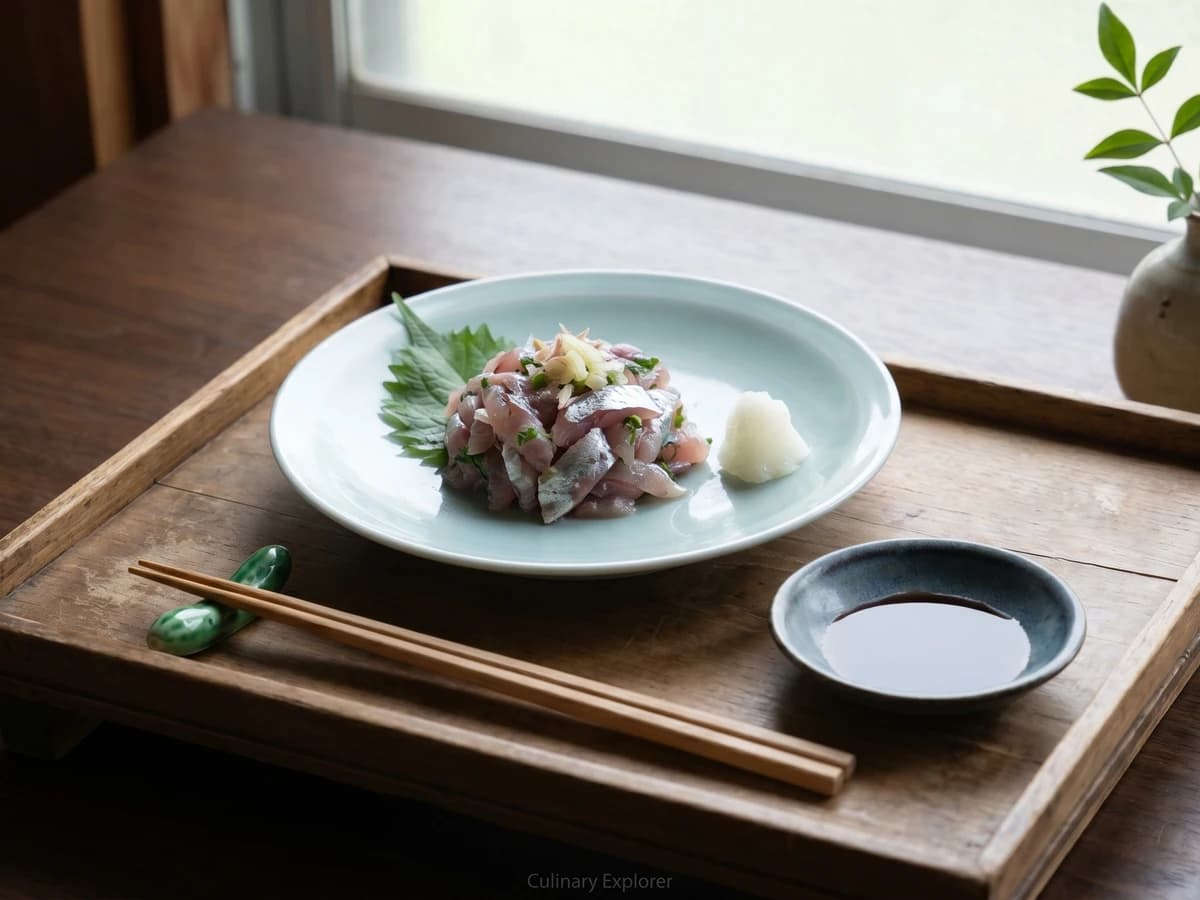
Summer horse mackerel, chopped just enough to catch ginger and scallion, becomes a cool, clean main dish with rice. The secret is fresh fish and a knife that does not bruise it.
Chef Takumi
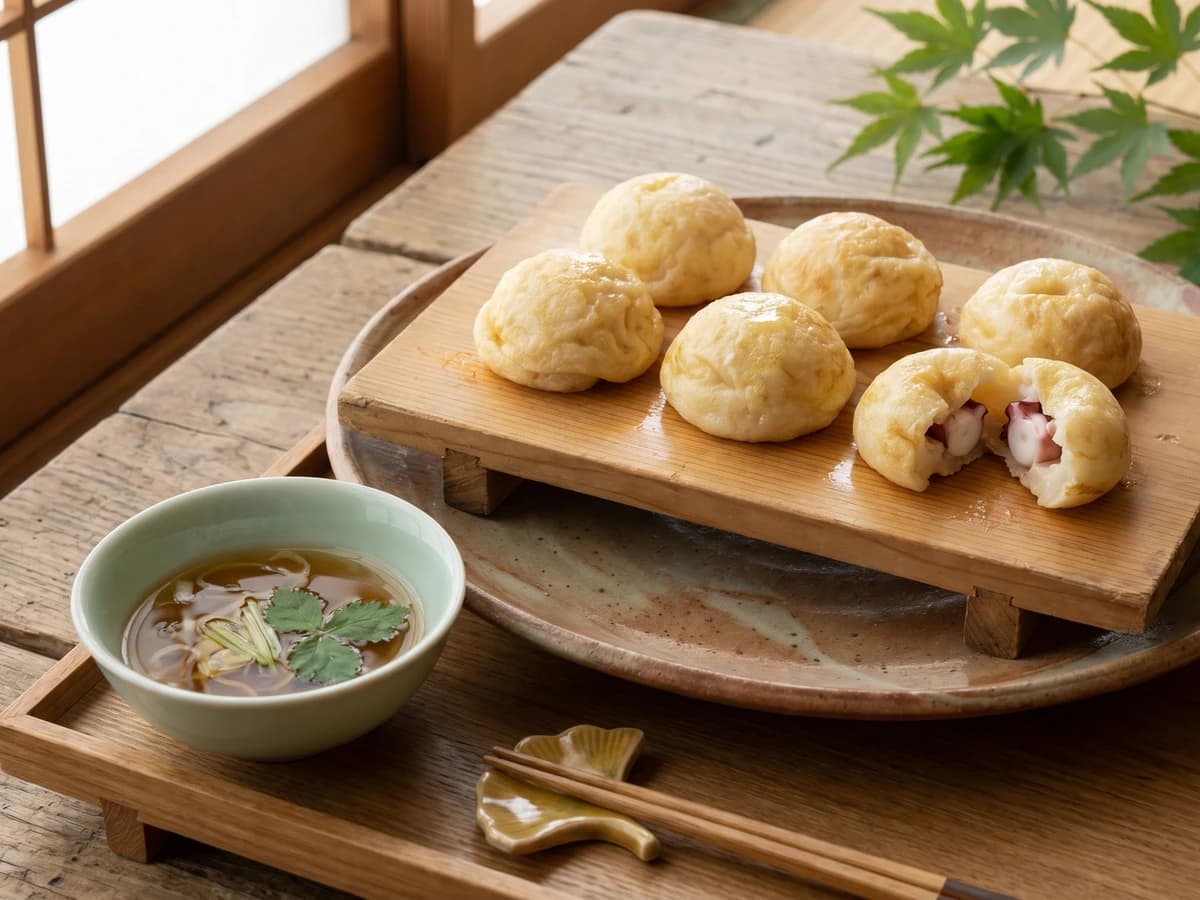
Akashi-yaki is not sauced takoyaki. It is egg-rich batter, tender octopus, and clear dashi, cooked pale and soft so each ball can be dipped like a small custard dumpling.

Chef Takumi
A whole anago looks like a test of nerve. It is mostly good sourcing, a dry skin, cold batter, and oil hot enough to leave the eel sweet under its lace.