
Chef Takumi
Aji Fry (アジフライ, panko-fried horse mackerel)
Aji fry is weeknight fish with no mystery: fresh horse mackerel opened cleanly, breaded lightly, and fried until the panko crackles while the flesh stays sweet.
A cooking platform built around craft, culture, and the stories behind what we eat.

Created by
The secret is not a thick sauce. Make the bechamel a little loose, and the oven will turn it into a creamy yōshoku supper under a browned, crisp top.
Macaroni gratin looks like a heavy dish, but the good one is gentler than it seems. The top should brown in freckles, the edges should bubble, and the spoon should find a sauce that still flows. If it stands up like paste, the oven has won too much of the argument.
The one detail that decides it is the thickness of the bechamel. Make it a little thinner than your eye expects, because macaroni drinks milk as it bakes and the heat tightens the flour. This is why we stop the sauce while it still runs from the spoon in a ribbon. It feels almost too loose in the pan. Good. The dish will finish itself in the oven.
This is yōshoku, Western-style food that became Japanese by being cooked at home, on school lunch trays, and in quiet restaurants with thick ceramic gratin dishes. It is honmono, not a riff. Butter, milk, chicken, onion, mushrooms, macaroni, cheese, and panko: nothing hidden, nothing grand. Just a warm weeknight dish with enough care that the plain things behave well.
Guratan entered Japan through Western-style cookery in the Meiji and Taishō periods, when hotel dining rooms, department-store restaurants, and cooking schools helped translate European baked dishes for Japanese kitchens. By the postwar decades, macaroni gratin had settled into yōshoku home cooking, often made with chicken or seafood, onion, mushrooms, white sauce, and a browned cheese top. Its oval heatproof dish, the taine-tsu-zara, became part of the visual grammar of the dish as much as the sauce itself.
Quantity
180g
Quantity
1 tablespoon
for the pasta water
Quantity
250g
cut into bite-size pieces
Quantity
1/2 teaspoon
divided
Quantity
1/4 teaspoon
Quantity
1 small
thinly sliced
Quantity
120g
trimmed and separated
Quantity
45g
Quantity
45g
Quantity
3 cups
warmed
Quantity
1/2 cup
Quantity
1 tablespoon
Quantity
1 teaspoon
Quantity
80g
Quantity
1/3 cup
Quantity
1 tablespoon
Quantity
a small pinch
Quantity
a little
for the gratin dish
| Ingredient | Quantity |
|---|---|
| elbow macaroni | 180g |
| saltfor the pasta water | 1 tablespoon |
| boneless chicken thighcut into bite-size pieces | 250g |
| sea saltdivided | 1/2 teaspoon |
| white pepper | 1/4 teaspoon |
| onionthinly sliced | 1 small |
| shimeji mushroomstrimmed and separated | 120g |
| unsalted butter | 45g |
| all-purpose flour | 45g |
| whole milkwarmed | 3 cups |
| chicken stock or light dashi | 1/2 cup |
| sake | 1 tablespoon |
| usukuchi shōyu (light soy sauce) (optional) | 1 teaspoon |
| melting cheese, such as Japanese pizza cheese or mozzarella | 80g |
| panko | 1/3 cup |
| grated Parmesan (optional) | 1 tablespoon |
| nutmeg (optional) | a small pinch |
| butterfor the gratin dish | a little |
Heat the oven to 220°C, or 425°F. Butter a thick oval heatproof gratin dish, taine-tsu-zara, or use a small ceramic baking dish that holds the mixture in a shallow layer. A shallow dish gives more browned top and less risk of a gluey center.
Boil the macaroni in well-salted water for two minutes less than the package says, then drain it. It should still have a firm bite. The pasta will drink sauce in the oven, so fully cooked macaroni now becomes tired and soft later.
Season the chicken with a little of the salt and the white pepper. Let it sit while you slice the onion and mushrooms. Even ten minutes helps the salt enter the meat instead of sitting on the surface.
Melt 15g of the butter in a wide pan over medium heat. Add the chicken and cook until the outside loses its raw color, then add the onion and mushrooms. Cook until the onion turns translucent and the mushrooms relax and give up their moisture. Add the sake and let it bubble briefly, because that small splash lifts the browned bits without making the sauce taste sharp.
Push the filling to one side or remove it to a bowl. Add the remaining 30g butter, then stir in the flour. Cook for two minutes, stirring, until it smells nutty and pale, not raw. This step matters because uncooked flour gives the sauce a chalky taste no amount of cheese can politely hide.
Add the warm milk a little at a time, whisking smooth before each addition. Warm milk joins the roux more easily and keeps lumps from forming. Stir in the chicken stock or light dashi, then simmer gently until the sauce coats the spoon but still runs off in a ribbon. Season with the remaining salt, the usukuchi shōyu if using, and a small pinch of nutmeg if you like.
Return the filling to the pan if you removed it, then fold in the drained macaroni. Stir just until every piece is coated. If the mixture looks stiff, add a splash of milk. It should settle softly when spooned, because a tight pan now means a pasty dish later.
Spoon the mixture into the buttered gratin dish, keeping it below the rim. Scatter the cheese, then the panko and Parmesan if using. Bake for 15 to 18 minutes, until the top is freckled brown and the edges show glossy bubbles. The color tells you the top has dried and crisped while the inside stays creamy.
Let the gratin stand for five minutes before serving. The sauce settles in that short rest, so the first spoonful comes out creamy rather than flooding the plate. Serve it in the dish, with a spoon set at the rim and room left around it.
1 serving (about 450g)
Culinary guides, cultural storytelling, and the editorial depth that makes cooking meaningful.
Discover Culinary ExplorerChef Takumi
Aji fry is weeknight fish with no mystery: fresh horse mackerel opened cleanly, breaded lightly, and fried until the panko crackles while the flesh stays sweet.
Chef Takumi
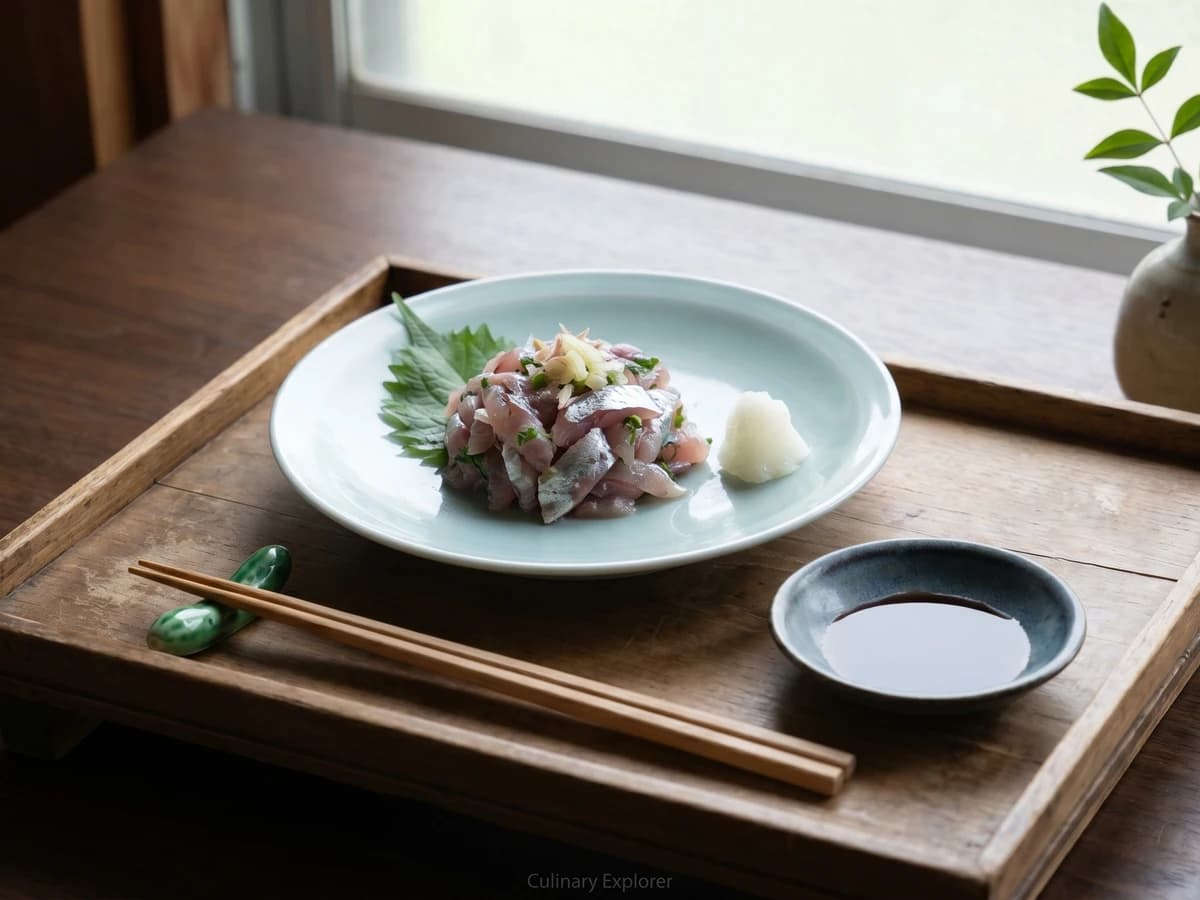
Summer horse mackerel, chopped just enough to catch ginger and scallion, becomes a cool, clean main dish with rice. The secret is fresh fish and a knife that does not bruise it.
Chef Takumi
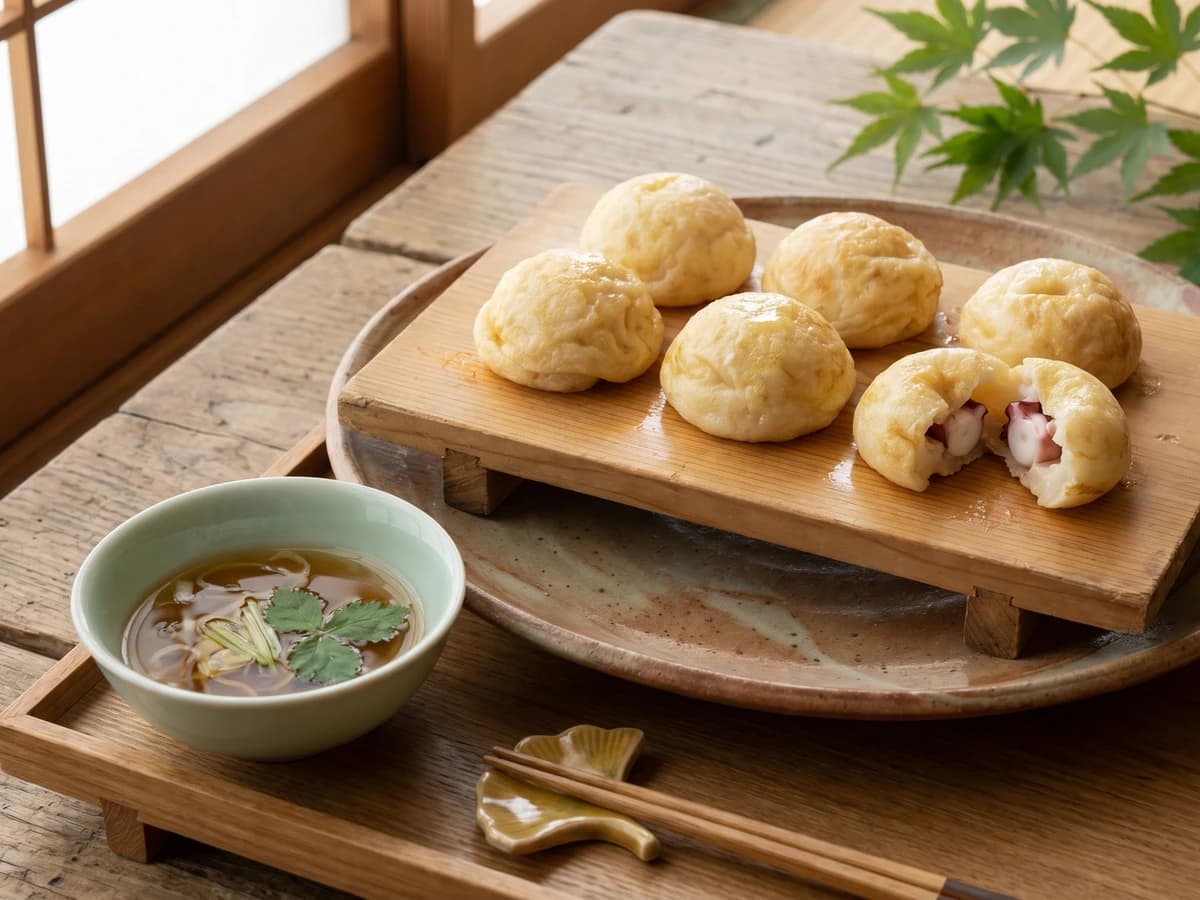
Akashi-yaki is not sauced takoyaki. It is egg-rich batter, tender octopus, and clear dashi, cooked pale and soft so each ball can be dipped like a small custard dumpling.

Chef Takumi
A whole anago looks like a test of nerve. It is mostly good sourcing, a dry skin, cold batter, and oil hot enough to leave the eel sweet under its lace.