
Chef Takumi
Aji Fry (アジフライ, panko-fried horse mackerel)
Aji fry is weeknight fish with no mystery: fresh horse mackerel opened cleanly, breaded lightly, and fried until the panko crackles while the flesh stays sweet.
A cooking platform built around craft, culture, and the stories behind what we eat.

Created by
Sapporo soup curry keeps the broth thin, the vegetables generous, and the rice separate. The one detail is balance: clear stock first, spice second, nothing muddied.
This is not the thick curry that sits over rice like a blanket. Sūpu karē is broth first: light enough to sip, spiced enough to wake the hands, with a whole chicken leg and vegetables left big because they should still look like themselves.
The hesitation is usually the spice. Don't worry over it like a locked cabinet. Build a clean dashi, brown the chicken for depth, then bloom the curry powder in oil so the spices open before the liquid goes in. Raw curry powder tastes dusty. Bloomed curry powder tastes awake. A small thing, but it decides the dish.
In Sapporo, we eat the rice separately and spoon the curry over it bite by bite. That keeps the grains clean and the soup alive, instead of turning everything into one heavy bowl. Use vegetables at their shun: winter kabocha, sweet carrot, potato that holds its shape, eggplant when it is glossy and firm. Nothing hidden. The broth should carry each piece, not bury it.
Sūpu karē developed in Sapporo in the 1970s, often traced to the medicinal-spiced yakuzen curry served at Ajanta in 1971. The name sūpu karē spread after Sapporo's Magic Spice used it in the 1990s, and the dish became a Hokkaido specialty during the curry boom of the early 2000s. Its thin broth, separate rice, and large vegetables mark it clearly apart from the thicker Japanese curry rice that grew from Meiji-era yōshoku.
Quantity
1 piece (about 10g)
Quantity
20g
Quantity
5 cups
Quantity
4
thigh and drumstick attached
Quantity
1 teaspoon
divided
Quantity
2 tablespoons
divided
Quantity
1 medium
thinly sliced
Quantity
3 cloves
grated
Quantity
1 tablespoon
grated
Quantity
3 tablespoons
Quantity
1 teaspoon
Quantity
1/2 teaspoon
Quantity
1/4 teaspoon
Quantity
2 tablespoons
Quantity
2 tablespoons
Quantity
1 tablespoon
Quantity
1 tablespoon
Quantity
1 teaspoon
Quantity
2 medium
cut into large oblique pieces
Quantity
4
halved
Quantity
1/4
sliced into thick wedges
Quantity
2
halved lengthwise
Quantity
1
cut into large strips
Quantity
4
peeled
Quantity
4 cups
Quantity
for serving
| Ingredient | Quantity |
|---|---|
| konbu (dried kelp) | 1 piece (about 10g) |
| katsuobushi (bonito flakes) | 20g |
| cold water | 5 cups |
| whole chicken legsthigh and drumstick attached | 4 |
| sea saltdivided | 1 teaspoon |
| neutral oildivided | 2 tablespoons |
| onionthinly sliced | 1 medium |
| garlicgrated | 3 cloves |
| fresh gingergrated | 1 tablespoon |
| Japanese curry powder | 3 tablespoons |
| ground cumin | 1 teaspoon |
| ground coriander | 1/2 teaspoon |
| cayenne pepper (optional) | 1/4 teaspoon |
| tomato paste | 2 tablespoons |
| soy sauce | 2 tablespoons |
| mirin | 1 tablespoon |
| sake | 1 tablespoon |
| sugar | 1 teaspoon |
| carrotscut into large oblique pieces | 2 medium |
| small potatoeshalved | 4 |
| kabocha squashsliced into thick wedges | 1/4 |
| Japanese eggplantshalved lengthwise | 2 |
| red bell peppercut into large strips | 1 |
| soft-boiled eggspeeled | 4 |
| cooked Japanese short-grain rice | 4 cups |
| lemon wedges (optional) | for serving |
Wipe the konbu with a damp cloth, but don't wash it. Put it in the cold water and warm it slowly until the water trembles and small bubbles climb the pot. Lift the konbu out before the boil, because boiled kelp turns the stock bitter and slick. Add the katsuobushi, take the pot off the heat, and let the flakes sink for three minutes. Strain through cloth or a fine sieve and don't squeeze, since pressing the flakes clouds the clean stock you need for this thin curry.
Pat the chicken legs dry and season them with half the salt. Heat 1 tablespoon oil in a wide pot and brown the chicken skin-side down until the skin is deep gold, then turn briefly. Browning gives the broth a roasted backbone, and dry skin browns faster than damp skin. Remove the chicken to a plate.
Add the remaining oil and the onion to the pot. Cook until the onion softens and begins to color, about 8 minutes, then stir in the garlic and ginger for 1 minute. Add the curry powder, cumin, coriander, and cayenne if using, and stir until fragrant. Keep the heat moderate. You want the spices to bloom in fat, not scorch, because scorched curry turns harsh and follows you all the way to the bowl.
Stir in the tomato paste and cook until it darkens slightly, about 2 minutes. Pour in the dashi a little at a time, scraping the browned bits from the bottom. Add the soy sauce, mirin, sake, sugar, and remaining salt. Return the chicken to the pot and simmer gently, uncovered, for 35 to 40 minutes, until the meat is tender but still attached to the bone.
Add the carrots and potatoes to the broth for the last 20 minutes, so they soften without collapsing. Cook the kabocha, eggplant, and bell pepper separately in a lightly oiled pan, turning until tender and browned at the edges. This keeps their color clear and their shapes intact. If everything boils together from the start, the soup grows cloudy and the vegetables lose their dignity. A small dignity, yes, but still worth defending.
Taste the broth. It should be thin but not weak, with dashi underneath the spice. If it tastes flat, add a few drops of soy sauce. If it tastes heavy, add a spoonful of water or dashi. Don't thicken it with roux. This dish is soup curry, and the spoon should move through it cleanly.
Set one chicken leg in each deep bowl and ladle the curry broth around it. Arrange the carrot, potato, kabocha, eggplant, bell pepper, and one halved egg so the colors stay visible. Serve the rice in a separate bowl or on a small plate. Spoon curry over the rice bite by bite, the way we do it here, so the rice stays bright and the soup keeps its shape.
1 serving (about 900g)
Culinary guides, cultural storytelling, and the editorial depth that makes cooking meaningful.
Discover Culinary ExplorerChef Takumi
Aji fry is weeknight fish with no mystery: fresh horse mackerel opened cleanly, breaded lightly, and fried until the panko crackles while the flesh stays sweet.
Chef Takumi
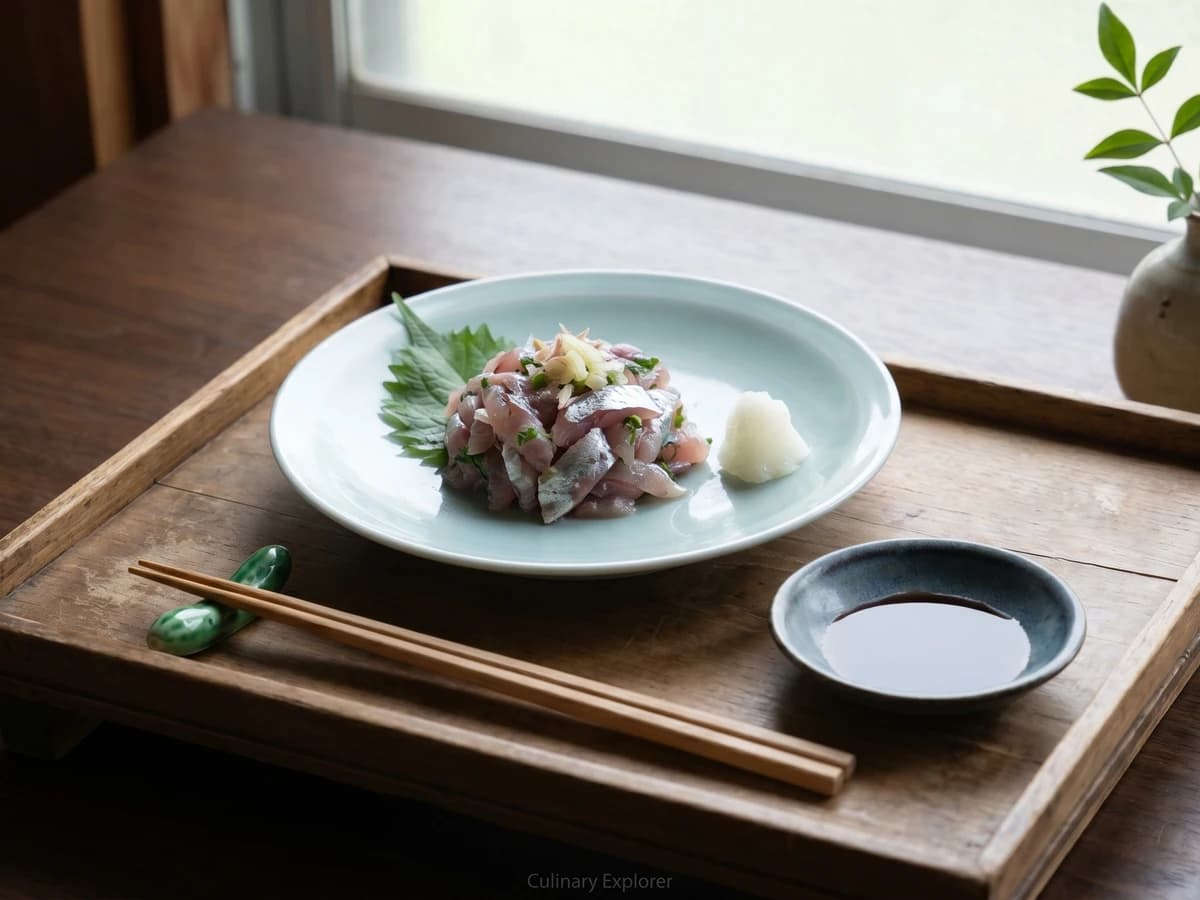
Summer horse mackerel, chopped just enough to catch ginger and scallion, becomes a cool, clean main dish with rice. The secret is fresh fish and a knife that does not bruise it.
Chef Takumi
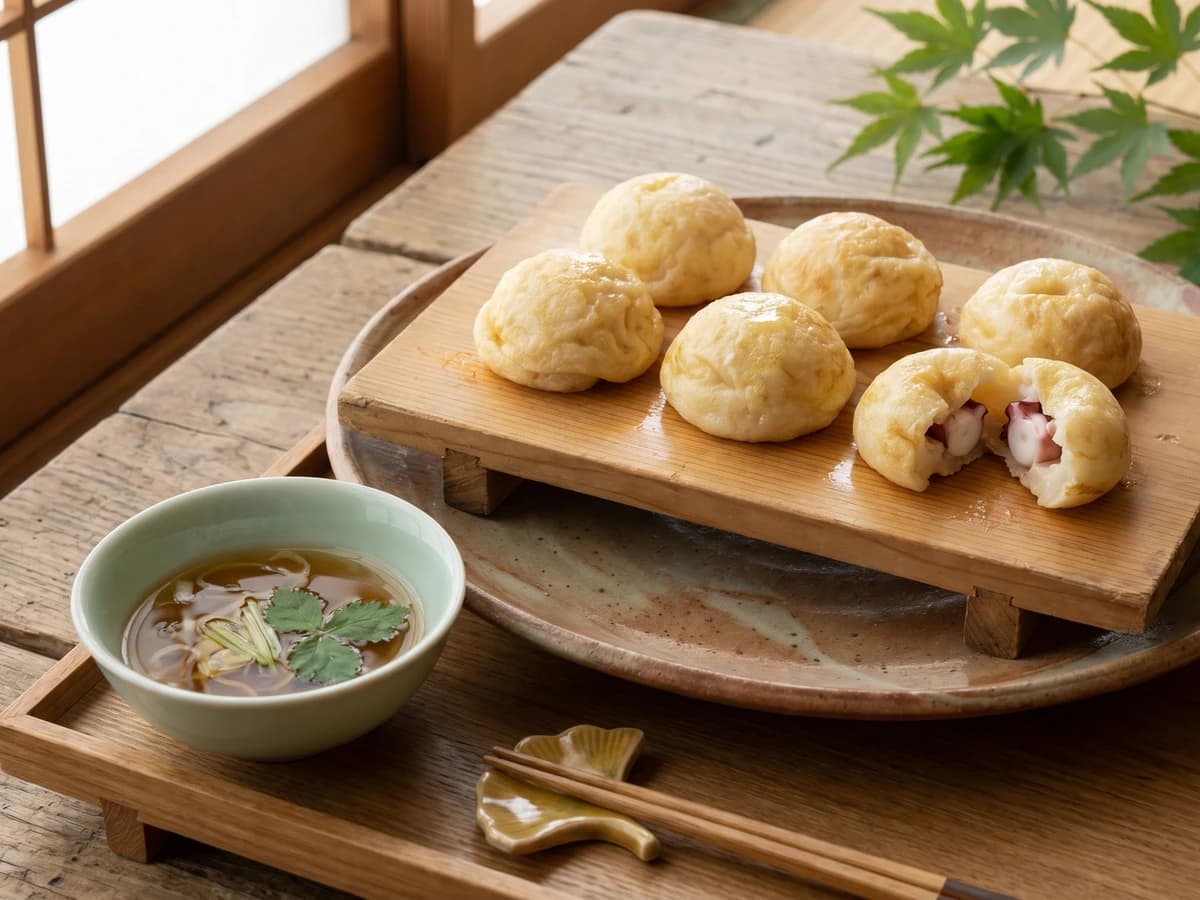
Akashi-yaki is not sauced takoyaki. It is egg-rich batter, tender octopus, and clear dashi, cooked pale and soft so each ball can be dipped like a small custard dumpling.

Chef Takumi
A whole anago looks like a test of nerve. It is mostly good sourcing, a dry skin, cold batter, and oil hot enough to leave the eel sweet under its lace.