
Chef Takumi
Aji Fry (アジフライ, panko-fried horse mackerel)
Aji fry is weeknight fish with no mystery: fresh horse mackerel opened cleanly, breaded lightly, and fried until the panko crackles while the flesh stays sweet.
A cooking platform built around craft, culture, and the stories behind what we eat.

Created by
Autumn mushrooms, browned until their edges darken, meet butter, shōyu, and a spoon of dashi. The sauce is small by design, just enough to coat spaghetti and carry shiso's green perfume.
Kinoko announce autumn quietly: a browned edge, a forest smell, a little juice gathering in the pan. This pasta belongs to that moment. It isn't Italian cooking with soy sauce dropped in at the end. It is wafū, Japanese-style, one of the yōshoku dishes the home kitchen made its own.
The deciding detail is to cook the mushrooms harder than your caution wants. Spread them out, let them sit, and don't add the shōyu until they have browned. Mushrooms carry water, and if you season them too early they give it up into the pan and stew in their own dampness, which is as noble as it sounds. Brown them first and the butter takes on their scent. Then soy and a spoon of dashi become a glossy sauce instead of a puddle.
Use mixed mushrooms at 旬 (shun, at their prime) if you can: shiitake for depth, shimeji for snap, maitake for those frilled edges that brown so well. Spaghetti is the right noodle here, not a compromise, because this is how we cook wafū pasta. Finish with shiso at the last breath. Boil it in the pan and its perfume runs away; scatter it over the top and the whole dish wakes up. This is 本物 (honmono, the real thing), and it takes less time than people spend being nervous about it.
Wafū pasta belongs to yōshoku, the Japanese practice of adopting Western dishes into local cooking, and it became especially visible after dried spaghetti spread in postwar cafes and home kitchens. The Tokyo shop Kabe no Ana, opened in Shibuya in 1953, is often linked with early wafū spaghetti, especially tarako spaghetti, which it began serving in the 1960s. Soy sauce, butter, nori, mushrooms, and shiso became ordinary seasonings in this branch of pasta because Japanese cooks treated spaghetti as a noodle that could carry the pantry they already knew.
Quantity
180g
Quantity
for the pasta water
Quantity
300g
shiitake sliced, shimeji separated, maitake or eringi torn into bite-size pieces
Quantity
1 tablespoon
Quantity
1 small
thinly sliced
Quantity
2 tablespoons
divided
Quantity
1 tablespoon
Quantity
1/4 cup
ichiban dashi, or konbu-shiitake dashi for a meatless table
Quantity
1 1/2 tablespoons
Quantity
1/4 cup, plus more as needed
Quantity
6
stacked, rolled, and cut into fine ribbons
Quantity
to taste
| Ingredient | Quantity |
|---|---|
| spaghetti | 180g |
| fine sea salt | for the pasta water |
| mixed mushroomsshiitake sliced, shimeji separated, maitake or eringi torn into bite-size pieces | 300g |
| neutral oil | 1 tablespoon |
| garlic clovethinly sliced | 1 small |
| unsalted butterdivided | 2 tablespoons |
| sake | 1 tablespoon |
| dashiichiban dashi, or konbu-shiitake dashi for a meatless table | 1/4 cup |
| Japanese soy sauce (shōyu) | 1 1/2 tablespoons |
| reserved pasta cooking water | 1/4 cup, plus more as needed |
| shiso leavesstacked, rolled, and cut into fine ribbons | 6 |
| freshly ground black pepper (optional) | to taste |
Wipe the mushrooms clean with a barely damp cloth if they need it, but don't wash them under the tap. Water clings to the gills and frilled edges, and then the pan spends its first minutes drying them instead of browning them. Slice the shiitake, pull shimeji into small clusters, and tear maitake or eringi by hand where you can. Torn edges brown well and catch the soy-butter sauce.
Bring a large pot of well-salted water to a full boil and cook the spaghetti until one minute shy of the package time. It should still have a little bite, because it finishes in the pan and drinks in the sauce there. Before draining, save at least 1/2 cup of the cooking water. The starch in that water helps butter and dashi cling to the noodles instead of sliding to the bottom.
Set a wide skillet over medium-high heat and add the oil. When it shimmers, add the mushrooms in as close to a single layer as your pan allows. Leave them alone for two minutes before tossing. This is the detail that decides the dish: mushrooms carry water, and if you move them too much or salt them too early, they stew in their own dampness. Once the edges are browned and the pan smells nutty and woodsy, add the garlic and 1 tablespoon of the butter.
When the garlic is fragrant but not colored, add the sake and let it bubble for a few seconds so its raw edge cooks off. Add the dashi and shōyu, scraping the bottom of the pan with a wooden spoon. You're not making a heavy sauce. You're lifting the browned mushroom flavor into a small, glossy broth that can coat the spaghetti cleanly.
Add the drained spaghetti, 1/4 cup of reserved pasta water, and the remaining 1 tablespoon butter. Toss firmly with tongs or saibashi until the noodles turn glossy and the sauce clings in a thin coat. If the pan looks dry, add another spoonful of pasta water. If it looks soupy, keep tossing over the heat for a few seconds. The right finish is sheen, not a puddle.
Take the pan off the heat. Add black pepper if you like, then toss in half the shiso and plate at once. Scatter the rest over the top. Shiso's fragrance is quick and green, and it fades when cooked too long, so it belongs at the end. Serve the pasta with a little height and room around it, the way we leave the plate breathing.
1 serving (about 400g)
Culinary guides, cultural storytelling, and the editorial depth that makes cooking meaningful.
Discover Culinary ExplorerChef Takumi
Aji fry is weeknight fish with no mystery: fresh horse mackerel opened cleanly, breaded lightly, and fried until the panko crackles while the flesh stays sweet.
Chef Takumi
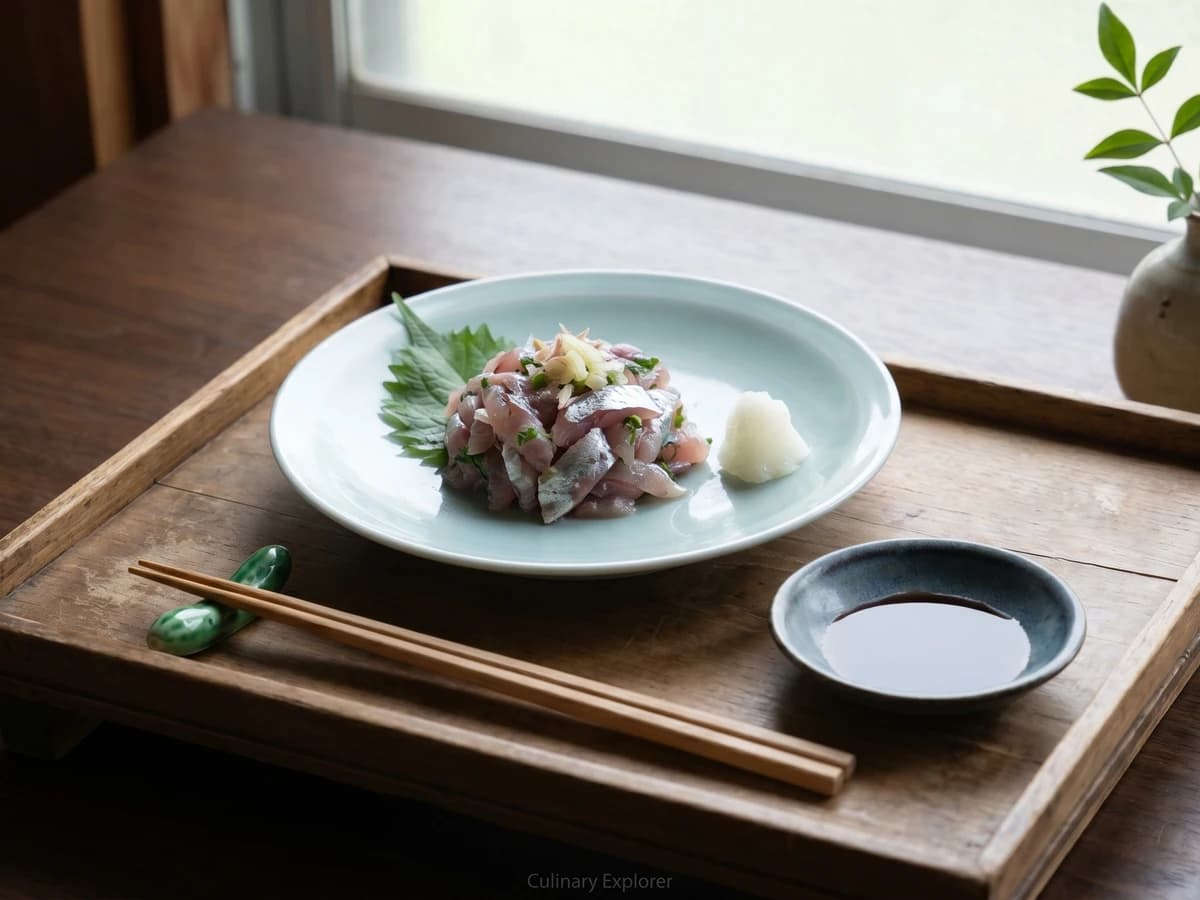
Summer horse mackerel, chopped just enough to catch ginger and scallion, becomes a cool, clean main dish with rice. The secret is fresh fish and a knife that does not bruise it.
Chef Takumi
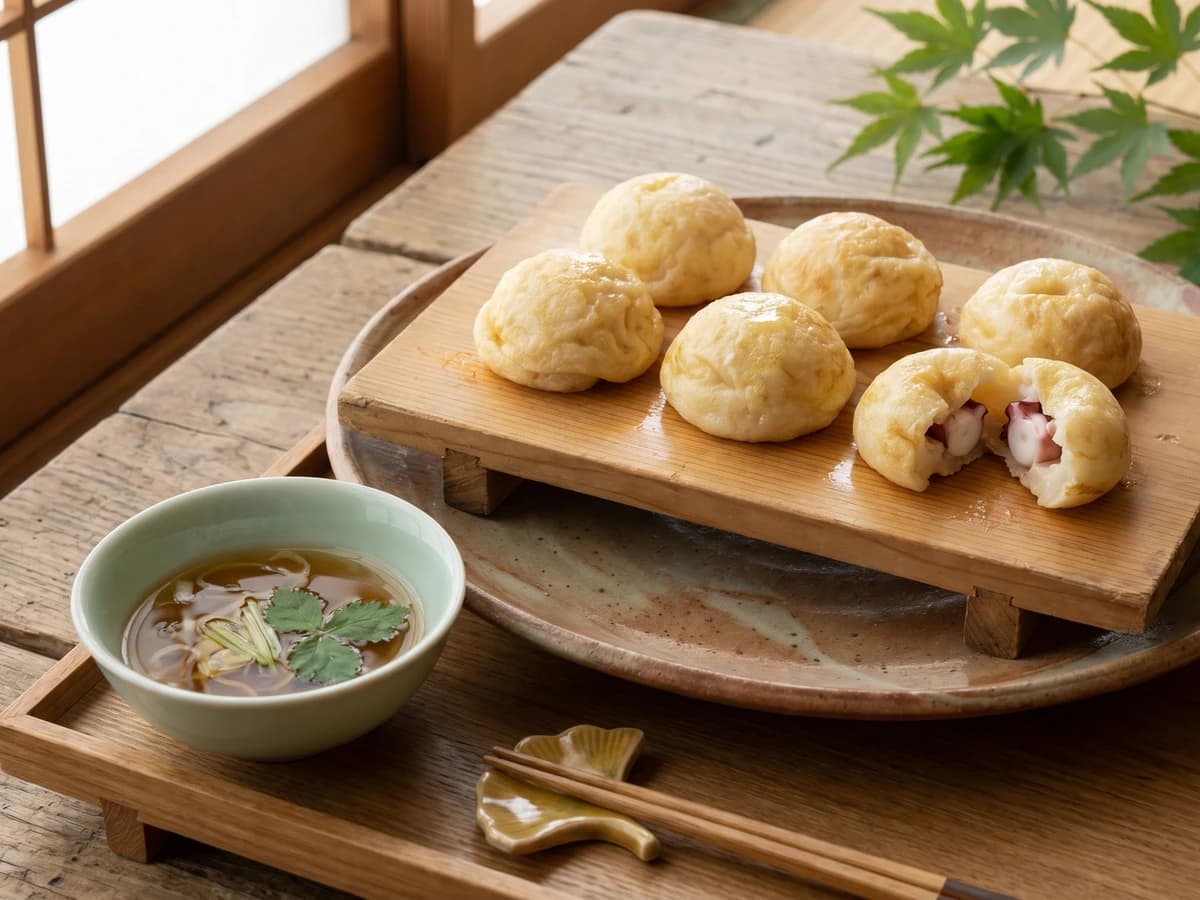
Akashi-yaki is not sauced takoyaki. It is egg-rich batter, tender octopus, and clear dashi, cooked pale and soft so each ball can be dipped like a small custard dumpling.

Chef Takumi
A whole anago looks like a test of nerve. It is mostly good sourcing, a dry skin, cold batter, and oil hot enough to leave the eel sweet under its lace.