
Chef Takumi
Aji Fry (アジフライ, panko-fried horse mackerel)
Aji fry is weeknight fish with no mystery: fresh horse mackerel opened cleanly, breaded lightly, and fried until the panko crackles while the flesh stays sweet.
A cooking platform built around craft, culture, and the stories behind what we eat.
Created by
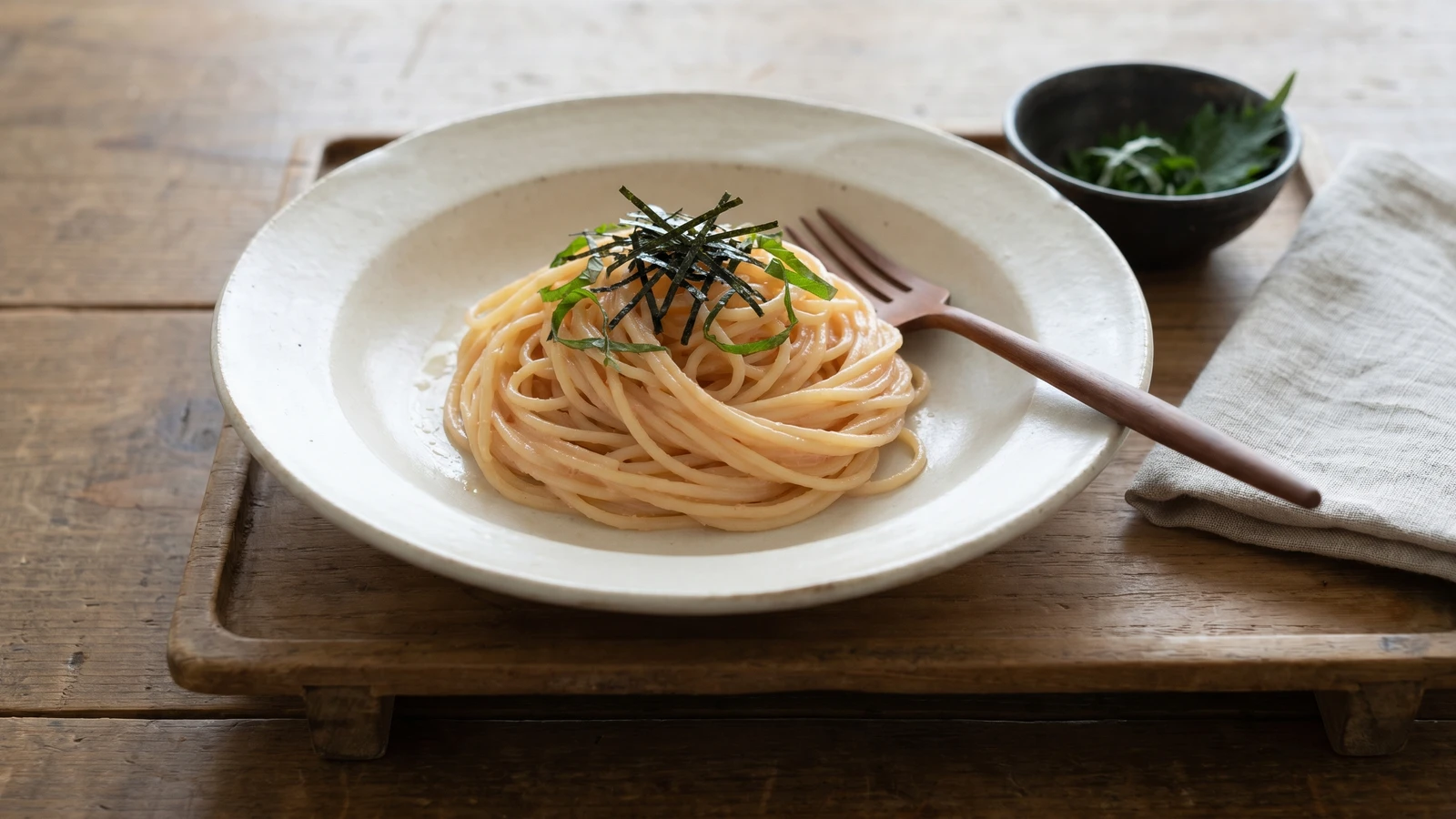
Tarako spaghetti is weeknight yōshoku at its best: salted cod roe, butter, soy, hot pasta, and the discipline to take the pan off the heat.
The roe decides everything here. Tarako is already salted, already vivid, already carrying the clean taste of the sea. Treat it roughly and it turns tight and grainy. Treat it gently and it coats the spaghetti in a pale pink gloss, rich with butter and sharp at the edges with soy.
This is yōshoku, Japanese food that learned from the Western plate and then became its own honest thing. Don't make it grand. There is no heavy sauce to build, no long simmer, no cleverness hiding in the corner. We mash the roe with softened butter, loosen it with a little pasta water, and toss the hot spaghetti off the heat. The pasta warms the roe enough. The stove would overdo it.
The first secret is restraint. Use good tarako, cook the noodles firmly, and save the water before you drain them. That starchy water is what lets butter, roe, and soy cling to each strand instead of sitting in a salty lump at the bottom of the bowl. Finish with nori cut into fine strips, and leave it room. A quick meal can still sit politely at the table.
Tarako spaghetti belongs to the postwar growth of wafū pasta, Japanese-style pasta, when restaurants and home cooks began pairing spaghetti with ingredients already familiar to the Japanese table. Tokyo's Kabe no Ana, opened in Shibuya in 1953, is often credited with helping popularize cod-roe pasta in the 1960s after customers asked for a Japanese answer to roe-dressed pasta. The dish spread because it suited the home kitchen: fast, salty, buttery, and built from supermarket tarako rather than restaurant ceremony.
Quantity
200g
Quantity
2 sacs (about 70g)
membranes removed
Quantity
3 tablespoons
softened
Quantity
1 teaspoon
Quantity
1 tablespoon
Quantity
1/4 cup, plus more as needed
Quantity
1 sheet
cut into fine strips
Quantity
1 tablespoon
thinly sliced
| Ingredient | Quantity |
|---|---|
| spaghetti | 200g |
| tarako (salted cod roe)membranes removed | 2 sacs (about 70g) |
| unsalted buttersoftened | 3 tablespoons |
| soy sauce | 1 teaspoon |
| sake (optional) | 1 tablespoon |
| reserved pasta water | 1/4 cup, plus more as needed |
| noricut into fine strips | 1 sheet |
| shiso (optional)thinly sliced | 1 tablespoon |
Split each tarako sac lengthwise and scrape out the tiny eggs with the back of a knife. Leave the membrane behind. The membrane turns chewy in the sauce, while the eggs themselves melt into the butter and cling to the spaghetti.
In a large mixing bowl, mash the tarako with the softened butter, soy sauce, and sake if using. Use a bowl, not a hot pan. Tarako needs warmth, not cooking, and direct heat makes it tighten into sandy little grains.
Boil the spaghetti in well-salted water until firm, usually one minute less than the package says. Before draining, scoop out at least 1/2 cup of the cooking water. The starch in that water helps the butter and roe coat the noodles evenly.
Add the hot drained spaghetti to the bowl of tarako butter and toss quickly with tongs. Add reserved pasta water a spoonful at a time until the sauce turns glossy and loose enough to coat every strand. The heat of the pasta is enough to soften the butter and wake the roe without cooking it.
Taste and adjust with a few drops of soy if needed. Twist the spaghetti into two shallow plates, scatter the nori in fine strips over the top, and add shiso if you like its clean green edge. Serve at once, before the butter cools and the sauce tightens.
1 serving (about 340g)
Culinary guides, cultural storytelling, and the editorial depth that makes cooking meaningful.
Discover Culinary ExplorerChef Takumi
Aji fry is weeknight fish with no mystery: fresh horse mackerel opened cleanly, breaded lightly, and fried until the panko crackles while the flesh stays sweet.
Chef Takumi
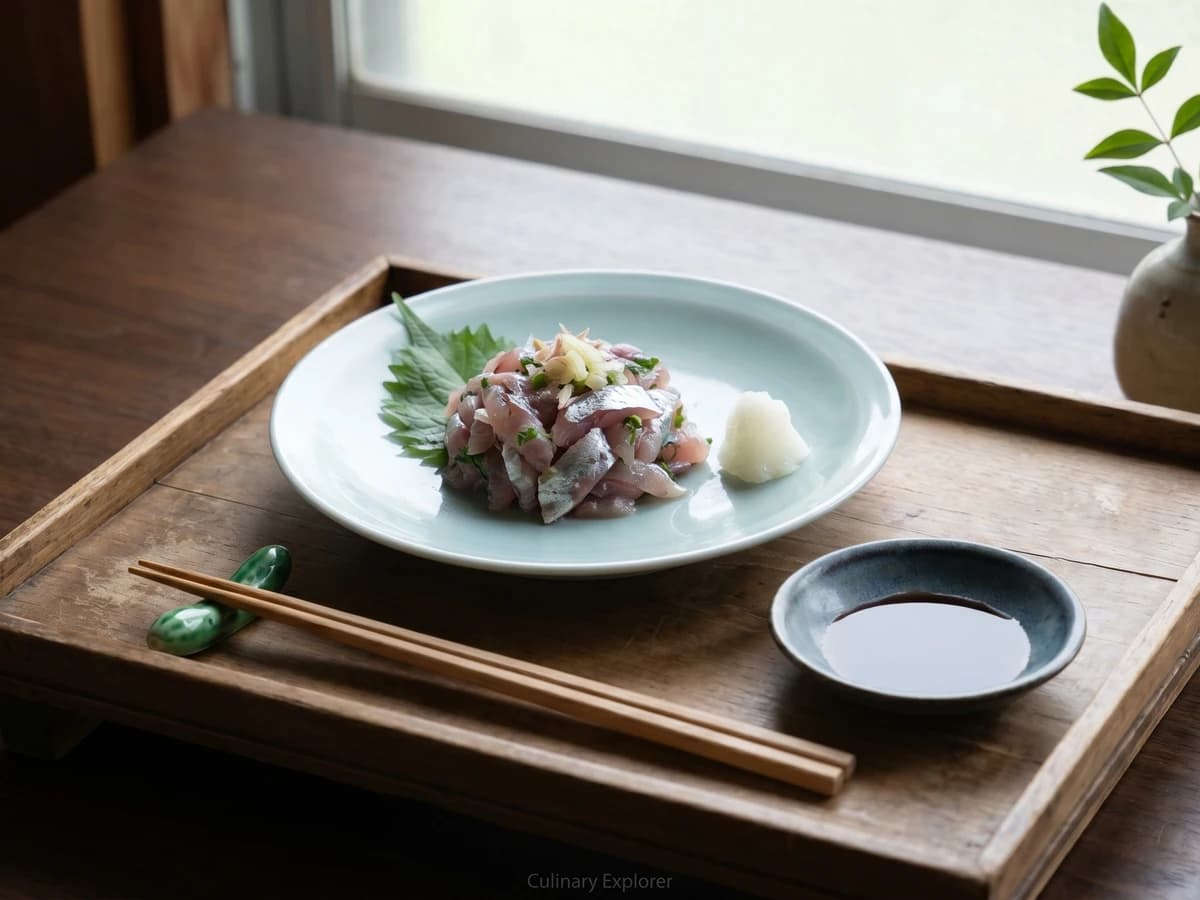
Summer horse mackerel, chopped just enough to catch ginger and scallion, becomes a cool, clean main dish with rice. The secret is fresh fish and a knife that does not bruise it.
Chef Takumi
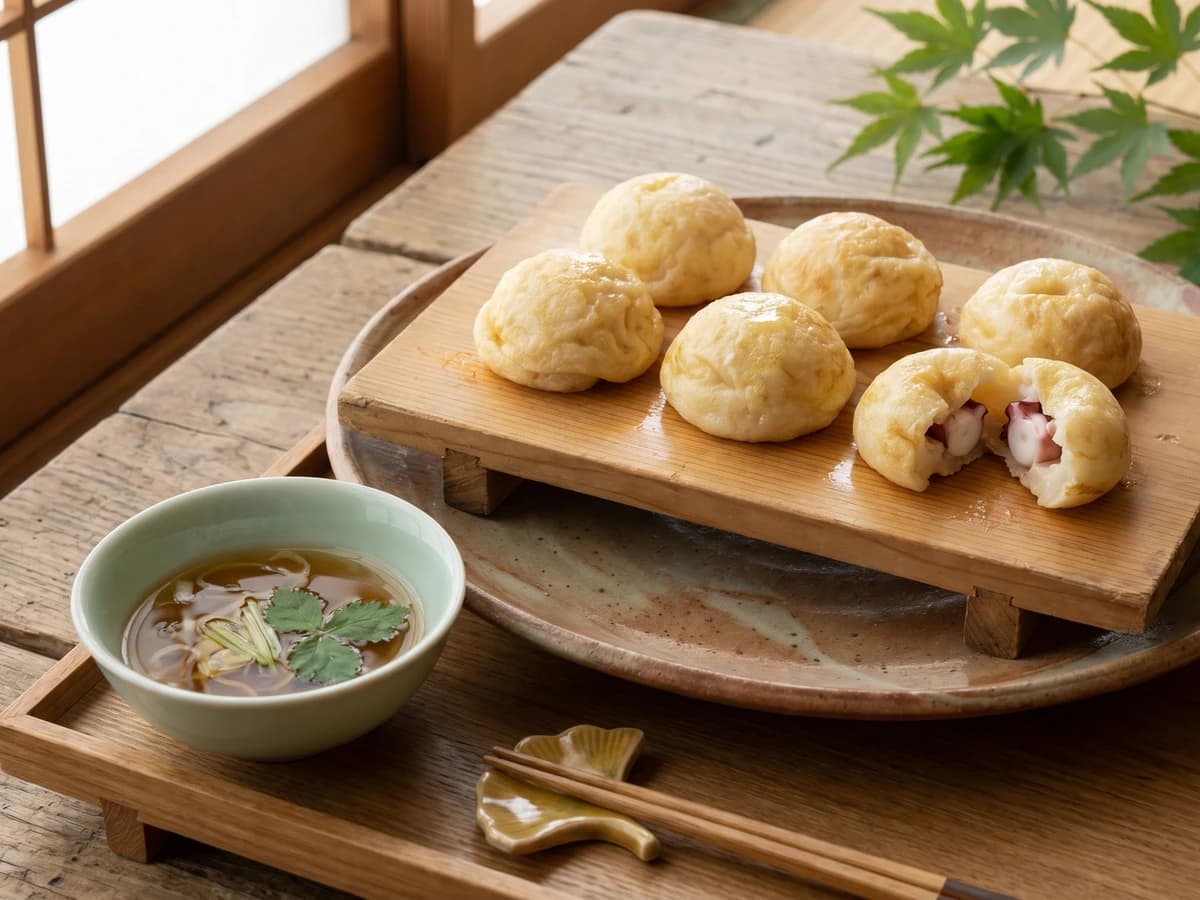
Akashi-yaki is not sauced takoyaki. It is egg-rich batter, tender octopus, and clear dashi, cooked pale and soft so each ball can be dipped like a small custard dumpling.

Chef Takumi
A whole anago looks like a test of nerve. It is mostly good sourcing, a dry skin, cold batter, and oil hot enough to leave the eel sweet under its lace.