
Chef Takumi
Aji Fry (アジフライ, panko-fried horse mackerel)
Aji fry is weeknight fish with no mystery: fresh horse mackerel opened cleanly, breaded lightly, and fried until the panko crackles while the flesh stays sweet.
A cooking platform built around craft, culture, and the stories behind what we eat.

Created by
Kīma karē is Japanese curry taken almost dry: browned mince, patient onion, and roux cooked down until the sauce clings. Set it beside rice, break the soft egg, and supper is done.
Kīma karē is curry without the long bath. The sauce has nearly vanished by the time it reaches the plate, and that is not an accident. The mince, onion, and little bits of vegetable carry the seasoning themselves, each grain glossy with curry roux. If your idea of curry is a deep pot murmuring for an afternoon, this one will correct you politely after work.
The first secret is evaporation. Cook the onion and pīman until their wetness is gone, brown the meat before you add liquid, then simmer the roux down until a spoon leaves a clean path through the pan. Stop too soon and you have loose curry with ground meat in it. Go too far and it turns pasty. The right point is shiny, loose enough to spoon, dry enough to sit beside rice without running.
This is yōshoku, Japanese food by adoption and long use, and for this dish a boxed curry roux is honmono, not a guilty little packet hiding in the drawer. It gives the body and familiar sweetness Japanese curry asks for; curry powder alone gives aroma but not the same thick, gentle cling. Serve it with short-grain rice and a soft egg. The yolk is not decoration. It is the last sauce, and it does its work at the table.
Japanese curry entered the country in the Meiji period through British-style curry powder, and Seiyō Ryōri Shinan, an 1872 cookbook of Western dishes, printed one of the earliest Japanese curry recipes. The Imperial Japanese Navy helped settle karē raisu as a rice-and-curry meal because it was filling, cheap, and nutritionally useful aboard ship. Kīma karē takes its name from Hindi and Urdu qīma, minced meat, but in Japan it became a dry yōshoku curry for cafes and home kitchens, often made with boxed roux and served with short-grain rice.
Quantity
2 tablespoons, plus 1 teaspoon for the eggs
Quantity
1 large (about 250g)
finely minced
Quantity
1 medium (about 120g)
finely minced
Quantity
2, or 1 small green bell pepper
finely minced
Quantity
1 teaspoon
divided
Quantity
450g
Quantity
2 cloves
finely grated
Quantity
1 tablespoon
finely grated
Quantity
1 tablespoon
Quantity
2 tablespoons
Quantity
1 tablespoon
or Worcestershire sauce
Quantity
1 teaspoon
Quantity
3/4 cup
Quantity
50g (about 2 blocks)
finely chopped
Quantity
4 bowls
Quantity
4
Quantity
for serving
Quantity
1
thinly sliced
| Ingredient | Quantity |
|---|---|
| neutral oil | 2 tablespoons, plus 1 teaspoon for the eggs |
| onionfinely minced | 1 large (about 250g) |
| carrotfinely minced | 1 medium (about 120g) |
| pīman (Japanese green peppers)finely minced | 2, or 1 small green bell pepper |
| fine sea saltdivided | 1 teaspoon |
| aibiki-niku (mixed ground beef and pork) | 450g |
| garlicfinely grated | 2 cloves |
| gingerfinely grated | 1 tablespoon |
| Japanese curry powder | 1 tablespoon |
| ketchup | 2 tablespoons |
| chūnō sauceor Worcestershire sauce | 1 tablespoon |
| soy sauce | 1 teaspoon |
| water or light dashi | 3/4 cup |
| Japanese curry roux blocksfinely chopped | 50g (about 2 blocks) |
| cooked Japanese short-grain rice | 4 bowls |
| large eggs | 4 |
| fukujinzuke (optional) | for serving |
| scallion (optional)thinly sliced | 1 |
Finely mince the onion, carrot, and pīman, keeping the pieces small enough to vanish into the meat. Chop the curry roux into thin shards. Kīma karē cooks quickly because the pieces are small; large dice stay wet and fight the dry, glossy finish you want.
Heat 2 tablespoons oil in a wide frying pan over medium heat. Add the onion, carrot, pīman, and 1/2 teaspoon salt. Cook for 7 to 8 minutes, stirring often, until the onion turns translucent, the carrot softens, and the pan sound changes from a wet hiss to a quiet sizzle.
Add the aibiki-niku and the remaining 1/2 teaspoon salt. Spread the meat into an even layer and leave it alone for 2 minutes, then break it into small crumbles and cook until no pink remains and browned flecks appear on the pan. Stillness gives you browning. Stir from the start and the meat steams.
Stir in the garlic, ginger, and curry powder and cook for about 1 minute, until the harsh dustiness is gone and the aroma rounds out. Add the ketchup, chūnō sauce, and soy sauce and stir another minute. Curry powder tastes flat if it only meets water; fat and heat wake it, while the sauces cook down into sweetness, salt, and a little tang.
Pour in the water or light dashi, scraping the browned bits from the bottom of the pan. Bring it to a small simmer, then turn the heat to low, or pull the pan off the burner for a minute. Add the chopped curry roux and stir until it melts completely.
Return the pan to medium-low heat and simmer uncovered for 6 to 8 minutes, stirring often, until the curry is glossy and a spoon leaves a clean path through it. It should mound softly, not pour. This is the detail that decides the dish: the sauce is mostly gone, but the curry is not dry.
Heat the remaining teaspoon oil in a lidded nonstick pan over low heat. Crack in the eggs, cover, and cook until the whites are just set and the yolks are still loose, 2 to 3 minutes. A soft yolk finishes the curry at the table; a hard one only sits there looking dutiful.
Spoon the rice into deep oval plates and set the kīma karē beside it, not over every grain. Place a soft egg on the curry, add a small spoonful of fukujinzuke, and scatter scallion if using. Leave a little plate showing. Even weeknight curry deserves ma, the empty space that lets the food breathe.
1 serving (about 510g)
Culinary guides, cultural storytelling, and the editorial depth that makes cooking meaningful.
Discover Culinary ExplorerChef Takumi
Aji fry is weeknight fish with no mystery: fresh horse mackerel opened cleanly, breaded lightly, and fried until the panko crackles while the flesh stays sweet.
Chef Takumi
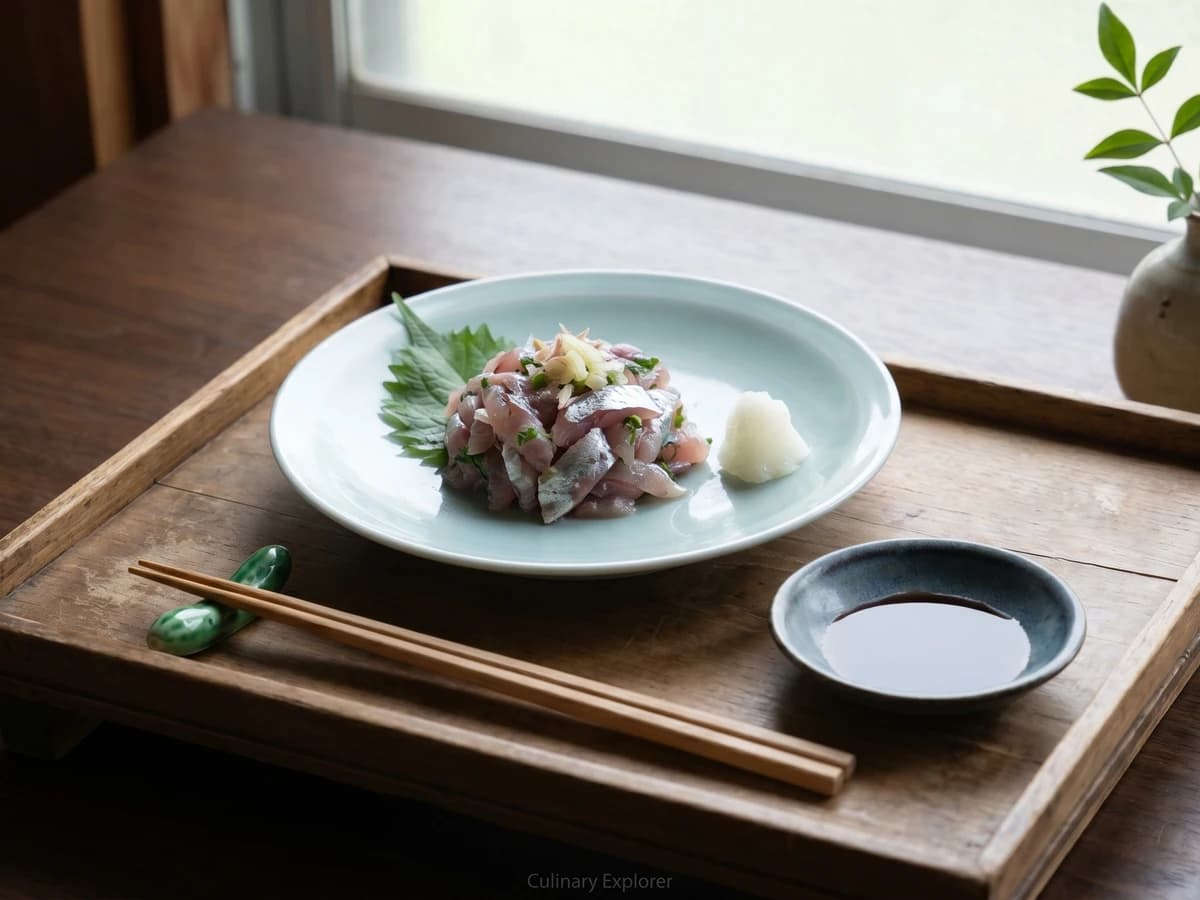
Summer horse mackerel, chopped just enough to catch ginger and scallion, becomes a cool, clean main dish with rice. The secret is fresh fish and a knife that does not bruise it.
Chef Takumi
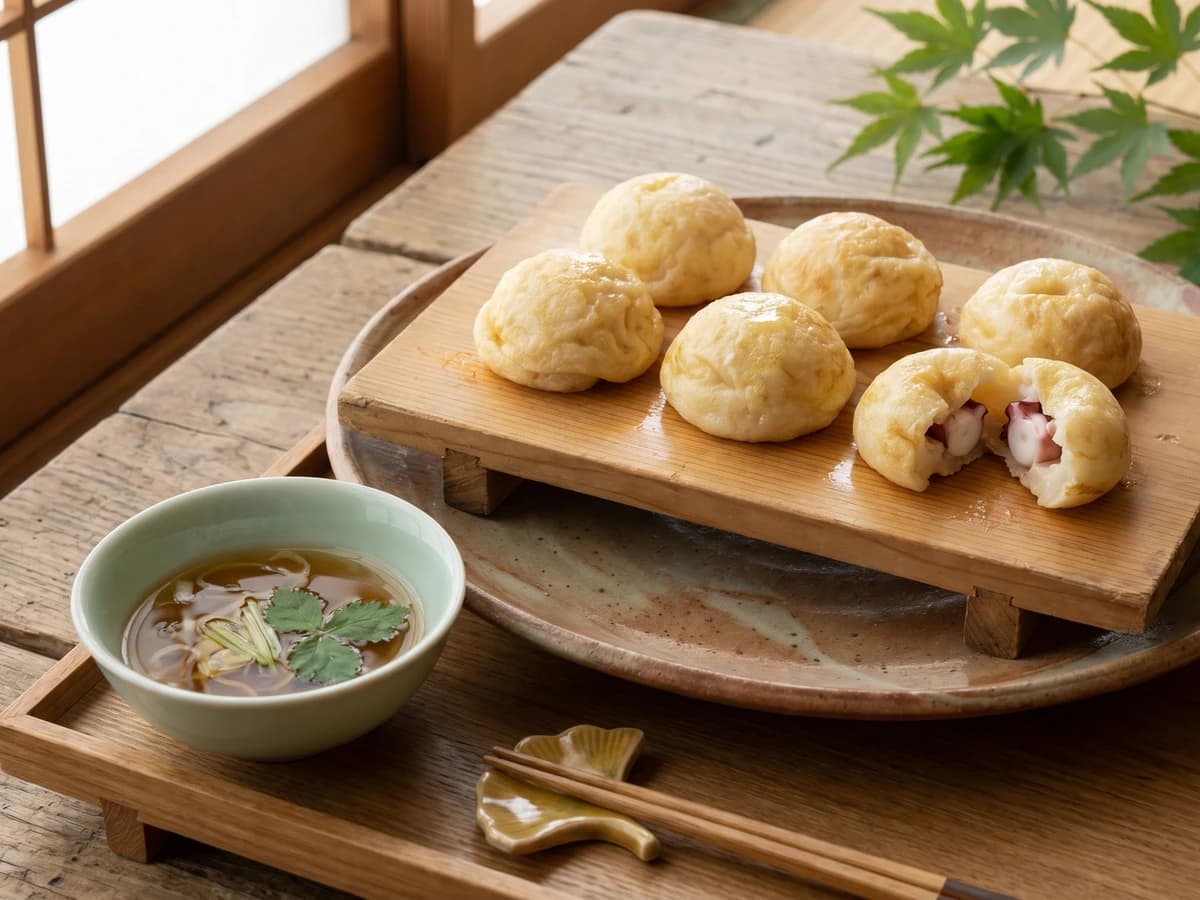
Akashi-yaki is not sauced takoyaki. It is egg-rich batter, tender octopus, and clear dashi, cooked pale and soft so each ball can be dipped like a small custard dumpling.

Chef Takumi
A whole anago looks like a test of nerve. It is mostly good sourcing, a dry skin, cold batter, and oil hot enough to leave the eel sweet under its lace.