
Chef Takumi
Aji Fry (アジフライ, panko-fried horse mackerel)
Aji fry is weeknight fish with no mystery: fresh horse mackerel opened cleanly, breaded lightly, and fried until the panko crackles while the flesh stays sweet.
A cooking platform built around craft, culture, and the stories behind what we eat.

Created by
Butter rice, a neat spoonful of meat sauce, loose bechamel, and just enough cheese: Milano-fū Doria is yōshoku comfort baked until the top freckles brown and the bowl murmurs at the edges.
Milano-fū Doria looks like a casserole with opinions: rice below, white sauce above, meat sauce in the middle, cheese browning over all of it. People see the layers and imagine a long afternoon. It isn't that. You're making three modest things and letting the oven introduce them.
Yōshoku is Japanese food with Western tools in its hands. This doria is honmono, the real thing, because it cooks the way the dish lives in Japan: short-grain rice, a practical meat sauce, milk-white bechamel, melting cheese, all restrained enough that the rice still matters. The yellow color points toward Milan, but the bowl belongs to the Japanese table.
The one detail is thickness. Reduce the meat sauce until it sits where you spoon it, and keep the bechamel loose enough to pour. If both are stiff, the bake turns heavy. If both are thin, the rice drowns. Get those two textures right and the rest is calm work.
Serve it in individual tainetsu-zara, heatproof gratin dishes, with a spoon beside the chopsticks. It suits a cool evening, when comfort food should be warm, direct, and not too proud of itself. Leave a little border in the dish and a little quiet around it on the tray. Even yōshoku needs ma, the useful beauty of space.
Doria in Japan is usually traced to Hotel New Grand in Yokohama, where the Swiss-born chef Saly Weil served a baked rice gratin in the 1930s; the hotel's shrimp doria remains the dish's best-known ancestor. The Milan-style name points less to an old Milanese casserole than to yellow rice, an echo of risotto alla Milanese, folded into Japan's yōshoku habit of making foreign techniques into rice dishes. Saizeriya, founded in Ichikawa, Chiba in 1967, made Milano-fū Doria a modern standard by putting meat sauce, white sauce, and yellow rice into an inexpensive oval gratin dish.
Quantity
4 cups cooked (about 600g)
warm and loosened
Quantity
2 tablespoons
for the rice
Quantity
1/4 teaspoon
Quantity
1 teaspoon
divided, plus more to taste
Quantity
1 tablespoon
Quantity
1/2 medium
finely minced
Quantity
1 small
finely minced
Quantity
1 clove
finely minced
Quantity
250g
Quantity
1 tablespoon
Quantity
1/4 cup
Quantity
1 cup
Quantity
2 tablespoons
Quantity
1 tablespoon
Quantity
1 teaspoon
Quantity
1 teaspoon
Quantity
2 tablespoons
Quantity
1 small
Quantity
to taste
freshly ground
Quantity
3 tablespoons
for the bechamel
Quantity
3 tablespoons
Quantity
2 cups
warmed
Quantity
pinch
Quantity
pinch
Quantity
1 teaspoon
for the gratin dishes
Quantity
3/4 cup
Quantity
1 tablespoon
Quantity
1 tablespoon
| Ingredient | Quantity |
|---|---|
| Japanese short-grain ricewarm and loosened | 4 cups cooked (about 600g) |
| unsalted butterfor the rice | 2 tablespoons |
| turmeric | 1/4 teaspoon |
| sea saltdivided, plus more to taste | 1 teaspoon |
| neutral oil | 1 tablespoon |
| onionfinely minced | 1/2 medium |
| carrotfinely minced | 1 small |
| garlicfinely minced | 1 clove |
| aibiki niku (mixed ground beef and pork) | 250g |
| tomato paste | 1 tablespoon |
| red wine or sake | 1/4 cup |
| canned crushed tomatoes | 1 cup |
| ketchup | 2 tablespoons |
| Worcestershire sauce | 1 tablespoon |
| soy sauce | 1 teaspoon |
| sugar | 1 teaspoon |
| prepared demi-glace sauce (optional) | 2 tablespoons |
| bay leaf | 1 small |
| black pepperfreshly ground | to taste |
| unsalted butterfor the bechamel | 3 tablespoons |
| all-purpose flour | 3 tablespoons |
| whole milkwarmed | 2 cups |
| white pepper | pinch |
| nutmeg (optional) | pinch |
| unsalted butterfor the gratin dishes | 1 teaspoon |
| shredded melting cheese | 3/4 cup |
| grated Parmesan (optional) | 1 tablespoon |
| finely chopped parsley (optional) | 1 tablespoon |
Heat the oven to 220 C / 425 F with a rack in the upper third. Butter four oval heatproof gratin dishes, or one shallow 2-quart baking dish. A hot oven matters because the layers are already cooked; you're browning the top and letting the sauces settle together, not cooking rice from cold.
Melt 2 tablespoons butter in a wide skillet over low heat. Stir in the turmeric, then add the warm rice and 1/4 teaspoon salt. Fold gently until the rice glows pale yellow and shines, but don't mash it flat. The butter coats the grains so the bechamel rests on the rice instead of turning it heavy and paste-like.
Warm the oil in the same skillet over medium heat. Add the onion, carrot, garlic, and a pinch of salt, then cook for 4 to 5 minutes until the onion turns translucent and sweet-smelling. This step drives off raw moisture, which lets the meat sauce deepen instead of tasting sharp.
Add the aibiki niku and spread it in the pan. Leave it alone for a minute or two before breaking it into small crumbles. Those browned bits are the backbone of the sauce, and the pork in the mix keeps the meat tender rather than dry.
Stir in the tomato paste and cook until it darkens to brick red. Add the red wine or sake and scrape the bottom of the pan, then cook until the liquid is nearly gone. Add the crushed tomatoes, ketchup, Worcestershire sauce, soy sauce, sugar, demi-glace if using, bay leaf, black pepper, and 1/4 teaspoon salt. Simmer for 12 to 15 minutes, stirring now and then, until a spatula leaves a clear path through the sauce. Remove the bay leaf.
In a saucepan, melt 3 tablespoons butter over medium-low heat. Stir in the flour and cook for about 2 minutes, whisking constantly, until the mixture is pale, foamy, and smells gently nutty. Cooking the flour removes the raw taste; keeping it pale protects the milk-white sauce.
Add the warm milk in four additions, whisking smooth after each one. Simmer for 3 to 5 minutes, until the sauce coats a spoon but still pours in a ribbon. Season with 1/2 teaspoon salt, white pepper, and nutmeg if using. If it thickens like paste, whisk in milk a tablespoon at a time. It will thicken more in the oven, so stop while it still moves.
Divide the butter rice among the prepared dishes and spread it loosely. Spoon the bechamel over the rice, then place the meat sauce in a neat oval down the center. Scatter the melting cheese over the top, with Parmesan if using. Don't pack the rice or bury the dish under cheese. We want the layers to meet, not disappear.
Bake for 12 to 15 minutes, until the cheese has melted, the top is freckled brown, and the edges bubble thickly. If the top is pale, broil for 1 to 2 minutes and watch it closely. Rest for 5 minutes before serving. The sauces settle in that pause, and it saves you from the molten first bite that teaches humility faster than any teacher.
1 serving (about 460g)
Culinary guides, cultural storytelling, and the editorial depth that makes cooking meaningful.
Discover Culinary ExplorerChef Takumi
Aji fry is weeknight fish with no mystery: fresh horse mackerel opened cleanly, breaded lightly, and fried until the panko crackles while the flesh stays sweet.
Chef Takumi
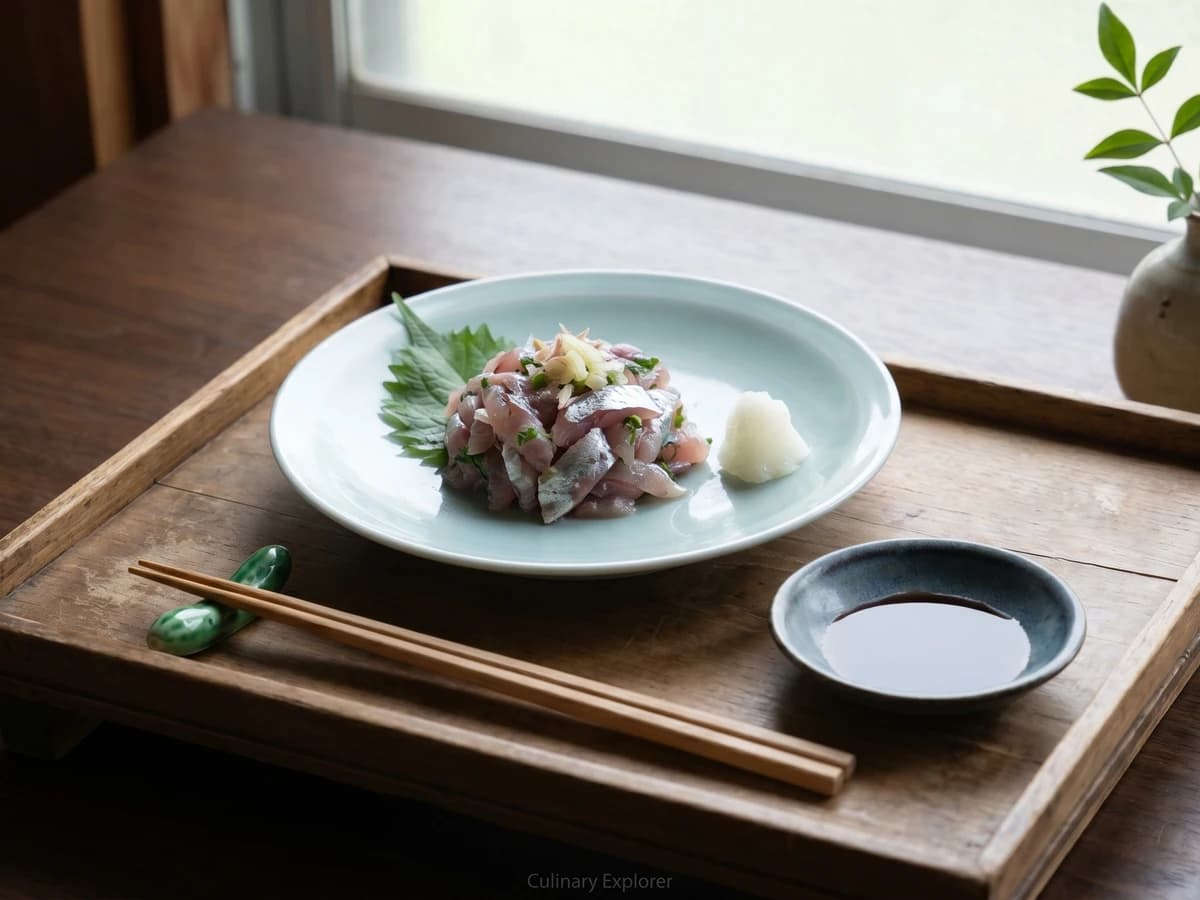
Summer horse mackerel, chopped just enough to catch ginger and scallion, becomes a cool, clean main dish with rice. The secret is fresh fish and a knife that does not bruise it.
Chef Takumi
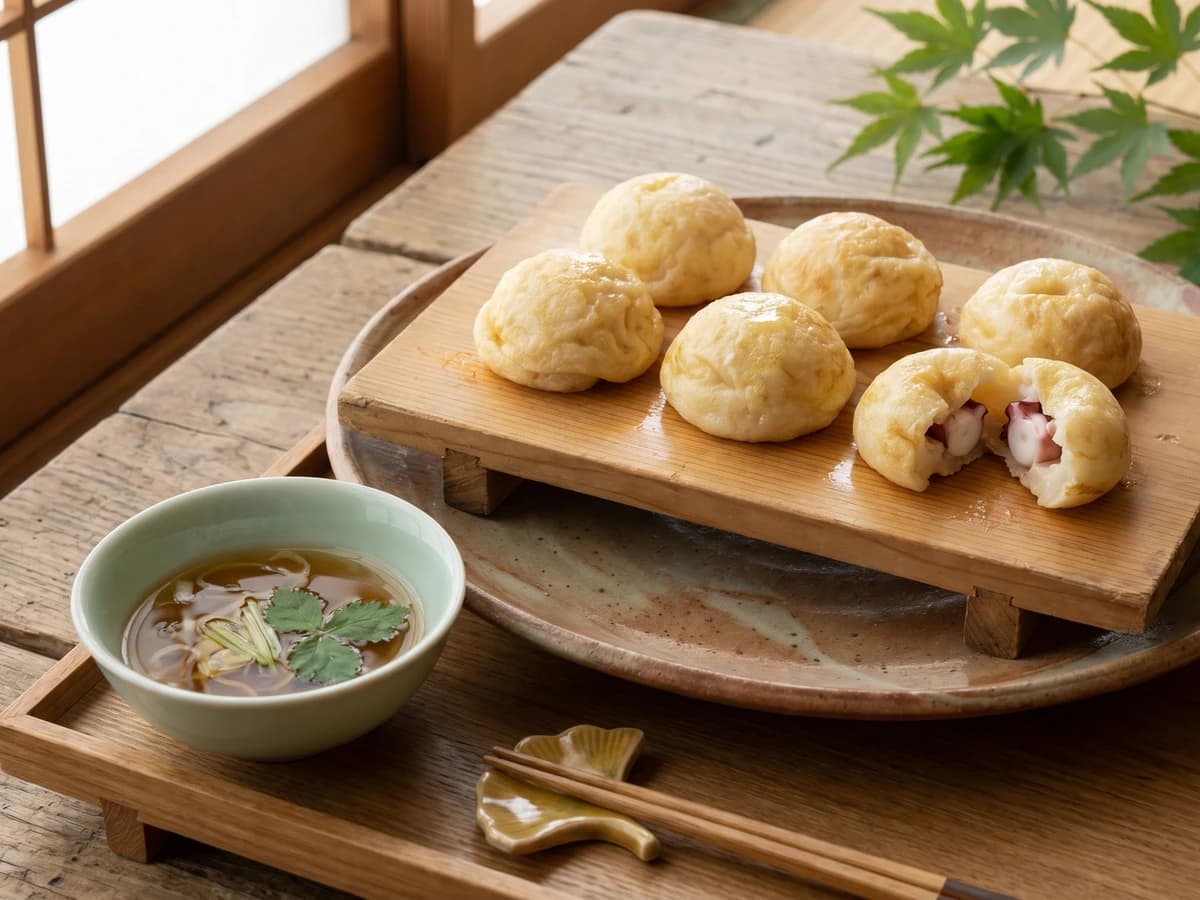
Akashi-yaki is not sauced takoyaki. It is egg-rich batter, tender octopus, and clear dashi, cooked pale and soft so each ball can be dipped like a small custard dumpling.

Chef Takumi
A whole anago looks like a test of nerve. It is mostly good sourcing, a dry skin, cold batter, and oil hot enough to leave the eel sweet under its lace.