
Chef Takumi
Aji Fry (アジフライ, panko-fried horse mackerel)
Aji fry is weeknight fish with no mystery: fresh horse mackerel opened cleanly, breaded lightly, and fried until the panko crackles while the flesh stays sweet.
A cooking platform built around craft, culture, and the stories behind what we eat.

Created by
This is the curry that made Japan a curry country: plain beef, potatoes, carrots, onions, and a roux dark enough to taste cooked, not raw.
Yokosuka kaigun karē looks like a humble plate of curry rice because that is exactly what it is. No clever garnish, no hidden trick. Beef, onion, carrot, potato, curry powder, flour, and rice. The reputation is large because the history is large, but the cooking is very reachable.
The one detail that decides it is the roux. Cook the flour patiently in fat until it smells nutty and turns the color of weak tea, then bloom the curry powder in that warmth. If the flour stays pale, the sauce tastes dusty. If the powder scorches, the bitterness follows you all the way to the table. A quiet pan does better work than a dramatic one, as usual.
This is yōshoku, Japanese food that came through a Western door and then settled down at our own table. We cook it as honmono: a rice dish with a thick, gentle sauce, square-cut vegetables, and enough sweetness from the onion and carrot to make the spice feel rounded. Serve it with a small salad and a glass of milk beside it. That may sound like school lunch manners, but here it is part of the dish's memory.
Yokosuka kaigun karē is tied to the Imperial Japanese Navy's effort in the Meiji period to feed sailors a nutritious, easy-to-repeat meal, with curry recipes appearing in naval cooking manuals such as the 1908 Kaigun Kappōjutsu Sankōsho. Yokosuka, home to a major naval base, later formalized the dish as a local specialty, requiring it to follow the navy-style pattern of curry rice served with salad and milk. The milk was not decoration: it reflected the modern nutrition thinking that helped make curry rice a national everyday food.
Quantity
600g
Quantity
350g
cut into 3cm pieces
Quantity
1 teaspoon
divided
Quantity
1/4 teaspoon
Quantity
2 tablespoons
divided
Quantity
2 large
thinly sliced
Quantity
2
cut into 2cm rangiri pieces
Quantity
3 medium
peeled and cut into 3cm chunks
Quantity
3 cups
Quantity
1
Quantity
3 tablespoons
Quantity
4 tablespoons
Quantity
2 tablespoons
Quantity
1 tablespoon
Quantity
1 tablespoon
Quantity
1 tablespoon
Quantity
1 teaspoon
Quantity
4 small glasses
for serving
Quantity
for serving
| Ingredient | Quantity |
|---|---|
| cooked Japanese short-grain rice | 600g |
| beef chuck or stew beefcut into 3cm pieces | 350g |
| sea saltdivided | 1 teaspoon |
| freshly ground black pepper | 1/4 teaspoon |
| neutral oildivided | 2 tablespoons |
| onionsthinly sliced | 2 large |
| carrotscut into 2cm rangiri pieces | 2 |
| potatoespeeled and cut into 3cm chunks | 3 medium |
| beef stock or water | 3 cups |
| bay leaf | 1 |
| unsalted butter | 3 tablespoons |
| all-purpose flour | 4 tablespoons |
| Japanese curry powder | 2 tablespoons |
| tomato paste | 1 tablespoon |
| Worcestershire sauce | 1 tablespoon |
| soy sauce | 1 tablespoon |
| sugar (optional) | 1 teaspoon |
| milkfor serving | 4 small glasses |
| simple green salad | for serving |
Pat the beef dry, then season it with half the salt and the pepper. Dry meat browns instead of steaming in its own moisture, and that first browning gives the curry a base the roux can hold onto.
Warm 1 tablespoon oil in a heavy pot over medium heat. Brown the beef in a single layer, turning until the edges are well colored, then lift it to a plate. Don't crowd the pot. Pale meat makes a pale-tasting curry, and this dish has nowhere to hide.
Add the remaining oil and the onions to the same pot. Cook slowly, stirring often, until the onions soften, shrink, and turn light brown at the edges, about 12 minutes. This is not a race. The onion's sweetness is what rounds the curry powder.
Return the beef to the pot with the carrots, potatoes, stock or water, bay leaf, and remaining salt. Bring it just to a boil, skim any foam, then lower the heat to a quiet simmer for 35 to 40 minutes, until the beef is nearly tender. Skimming keeps the sauce clean, and gentle simmering keeps the potatoes from breaking into grit.
In a small pan, melt the butter over medium-low heat. Stir in the flour and cook, stirring constantly, until the paste turns beige and smells nutty, 6 to 8 minutes. Add the curry powder and tomato paste, then cook 1 minute more. The flour needs time to lose its raw taste, while the curry powder needs only warmth to wake it. Give it fire and it turns bitter.
Ladle a little hot broth from the pot into the roux and stir until smooth. Add two more ladles, one at a time. This loosens the paste before it meets the pot, so you get a smooth curry instead of little flour islands that no amount of wishing will fix.
Stir the loosened roux into the pot. Add the Worcestershire sauce and soy sauce, then simmer gently for 10 to 15 minutes, stirring often, until the sauce turns glossy and coats a spoon. Taste. If it feels sharp, add the sugar. If it feels flat, add a pinch of salt, not more curry powder.
Mound hot short-grain rice on one side of each deep oval plate and spoon the curry beside it, letting some sauce lean into the rice. Serve with a small salad and a glass of milk. The plate should look fed, not flooded. Leave it room.
1 serving (about 760g)
Culinary guides, cultural storytelling, and the editorial depth that makes cooking meaningful.
Discover Culinary ExplorerChef Takumi
Aji fry is weeknight fish with no mystery: fresh horse mackerel opened cleanly, breaded lightly, and fried until the panko crackles while the flesh stays sweet.
Chef Takumi
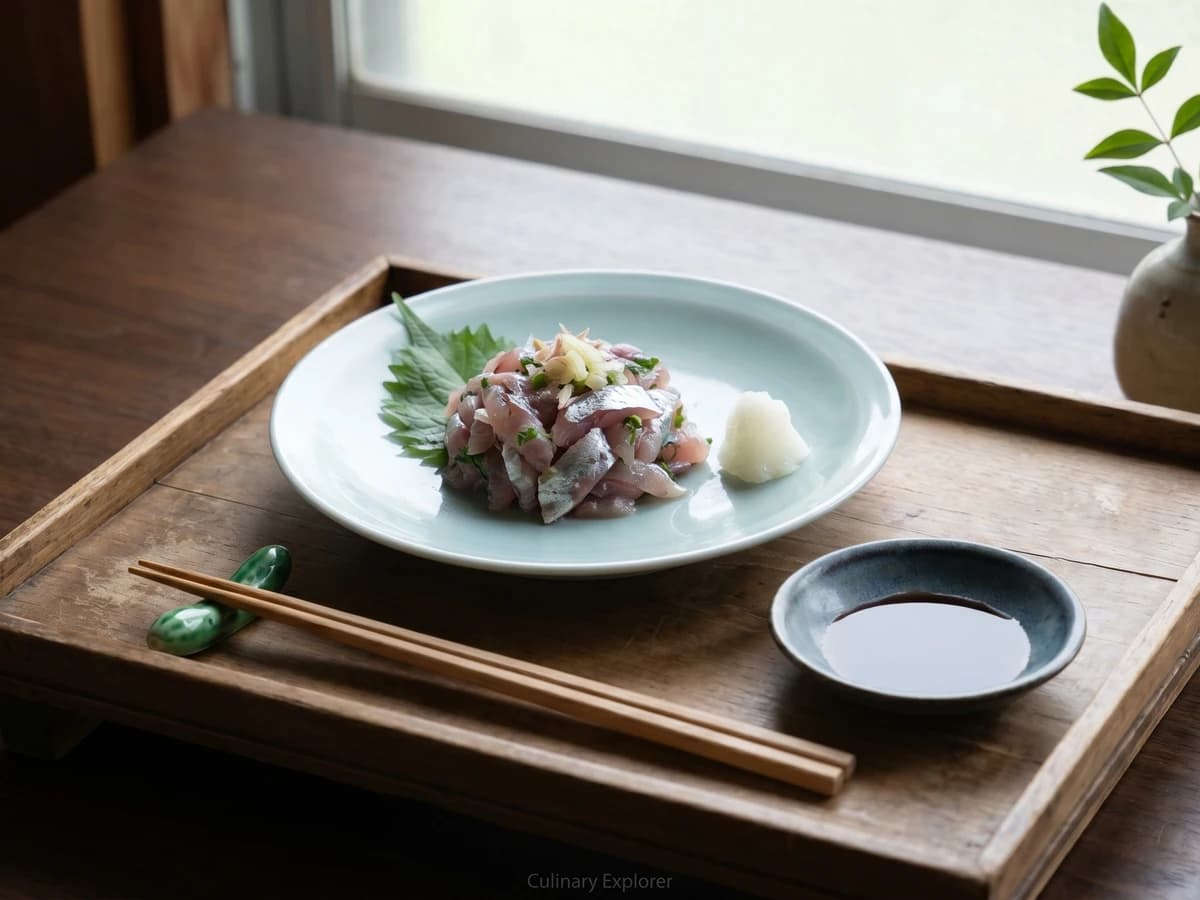
Summer horse mackerel, chopped just enough to catch ginger and scallion, becomes a cool, clean main dish with rice. The secret is fresh fish and a knife that does not bruise it.
Chef Takumi
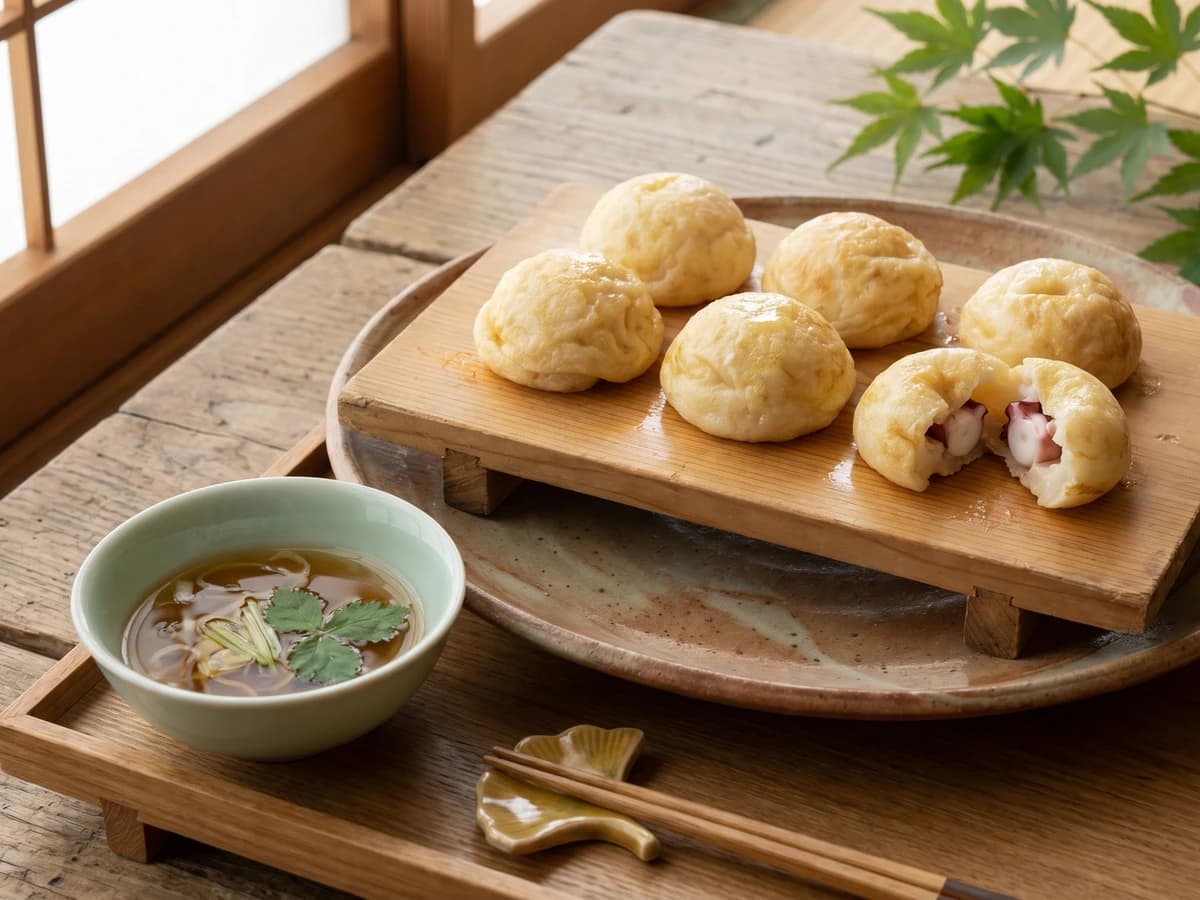
Akashi-yaki is not sauced takoyaki. It is egg-rich batter, tender octopus, and clear dashi, cooked pale and soft so each ball can be dipped like a small custard dumpling.

Chef Takumi
A whole anago looks like a test of nerve. It is mostly good sourcing, a dry skin, cold batter, and oil hot enough to leave the eel sweet under its lace.