
Chef Takumi
Aji Fry (アジフライ, panko-fried horse mackerel)
Aji fry is weeknight fish with no mystery: fresh horse mackerel opened cleanly, breaded lightly, and fried until the panko crackles while the flesh stays sweet.
A cooking platform built around craft, culture, and the stories behind what we eat.

Created by
Pirafu is yōshoku at its most useful: rice glossed in butter, cooked through with clear consommé, and finished with the faint browned bottom that rewards patience.
The browned rice at the bottom is not a mistake. It's the prize. In pirafu, the butter does two jobs at once: it perfumes the rice and coats the grains before the consommé goes in, so the pot cooks up tender without turning gluey. A little okoge, the browned rice at the bottom, tells you the heat was steady and your patience held.
Pirafu is yōshoku, the Japanese Western-style cooking that became its own honest kitchen. Butter, consommé, onion, chicken or shrimp: none of these needs apology here. This is honmono because we cook it as the dish asks to be cooked, raw rice first, stock measured, lid left alone. The real work is not fancy. Rinse the rice, drain it well, and let the butter touch a dry grain.
The detail that decides it is dryness before sautéing. Wet rice steams in the pan and the butter slides away; drained rice goes matte, then glossy as it takes the fat. Once the stock is in, stop stirring. The grain has had its arrangement made, and meddling now only breaks it. The pan will make a soft crackle near the end, a modest sound, but a good one.
Set pirafu in the center of a weeknight table with pickles, a green vegetable, and a clear soup when you're feeling orderly. For a dinner party, serve smaller portions on a warm plate and leave it room. Yōshoku doesn't have to shout to be generous. It only has to be cleanly made.
Pirafu belongs to yōshoku, the Japanese category of Western-style dishes that took shape during the Meiji period (1868-1912), when hotel kitchens and urban restaurants began adapting European cooking to Japanese rice and table habits. The word comes from pilaf, but in Japan it settled into a household and kissaten dish of raw rice glossed in butter, cooked by absorption with consommé, and mixed with chicken, shrimp, mushrooms, or small vegetables. Japanese cookbooks still distinguish pirafu from chāhan (fried rice): chāhan begins with cooked rice in a hot pan, while pirafu begins with raw rice and seasoned stock.
Quantity
2 rice-cooker cups (about 300g)
rinsed and drained
Quantity
1 3/4 cups
warmed
Quantity
200g
chicken cut into 1/2-inch dice, or shrimp peeled and deveined
Quantity
3 tablespoons
divided
Quantity
1 teaspoon
Quantity
1/2 small
finely diced
Quantity
1/2 small
cut into 1/4-inch dice
Quantity
80g
finely diced or separated into small clusters
Quantity
1/3 cup
thawed if frozen
Quantity
2 tablespoons
Quantity
1 teaspoon
Quantity
1/2 teaspoon, divided
plus more to taste
Quantity
1/4 teaspoon
Quantity
1 small
Quantity
1 tablespoon
| Ingredient | Quantity |
|---|---|
| Japanese short-grain ricerinsed and drained | 2 rice-cooker cups (about 300g) |
| clear chicken consommé, light chicken stock, or shrimp stockwarmed | 1 3/4 cups |
| boneless chicken thigh or shrimpchicken cut into 1/2-inch dice, or shrimp peeled and deveined | 200g |
| unsalted butterdivided | 3 tablespoons |
| neutral oil | 1 teaspoon |
| yellow onionfinely diced | 1/2 small |
| carrotcut into 1/4-inch dice | 1/2 small |
| button mushrooms or shimejifinely diced or separated into small clusters | 80g |
| green peasthawed if frozen | 1/3 cup |
| sake or dry white wine (optional) | 2 tablespoons |
| shōyu (soy sauce) | 1 teaspoon |
| fine sea saltplus more to taste | 1/2 teaspoon, divided |
| white pepper | 1/4 teaspoon |
| bay leaf (optional) | 1 small |
| finely chopped parsley (optional) | 1 tablespoon |
Put the rice in a bowl, cover with cool water, stir with your hand, and pour the cloudy water off at once. Repeat until the water is only faintly cloudy, then drain in a sieve for 20 to 30 minutes, until the grains look matte. Washing removes loose surface starch; draining matters just as much, because butter can coat a dry grain and cannot do much with a wet one.
Warm the consommé or stock in a small saucepan. If you're using shrimp and have the shells, simmer the shells in the stock for 8 minutes, strain, and top the liquid back up to 1 3/4 cups. Season the chicken or shrimp with 1/4 teaspoon of the salt and the white pepper. Warm stock keeps the pan from cooling suddenly, so the rice begins cooking evenly the moment the lid goes on.
Melt 1 tablespoon of the butter with the oil in a heavy lidded frying pan or shallow pot over medium heat. Add the chicken and cook for 2 to 3 minutes, just until the outside turns opaque, then transfer it to a bowl. If using shrimp, cook 30 to 45 seconds per side, just until the edges turn pink while the center is still a little translucent, then transfer it. This first touch of butter seasons the pan; pulling the protein early keeps it tender while the rice cooks.
Add the onion, carrot, mushrooms, and a small pinch of the remaining salt to the same pan. Cook for 4 to 5 minutes, stirring, until the onion is translucent and the mushroom moisture has cooked away. You're not looking for deep browning. You're driving off water so the rice can be sautéed, not merely warmed in a damp pan.
Add 1 1/2 tablespoons of the butter and the drained rice. Stir for 3 to 4 minutes, until each grain looks glossy and the edges turn slightly translucent. Add the sake or wine, if using, and cook until the pan is nearly dry again. This is the method, not the menu: fat coats the grain before the stock enters, which keeps pirafu light instead of heavy.
Pour in the warm consommé or stock, the shōyu, the bay leaf, and the remaining salt if your stock tastes mild. Return the chicken now if you're using it; keep shrimp aside for later. Stir once, scrape the bottom clean, then level the rice. Bring it to a brisk simmer. That one stir distributes the seasoning; more stirring releases starch and makes the rice sticky.
Cover tightly, reduce the heat to low, and cook for 14 minutes without lifting the lid. Open quickly: the surface should look pocked, with no free liquid. Scatter the peas on top; if using shrimp, lay the shrimp on top now. Cover again and cook 3 minutes more. Peas go late to stay green, and shrimp goes late because a small shrimp has no patience for 17 minutes of heat.
Raise the heat to medium-low for 45 to 60 seconds, listening for a soft crackle at the bottom and smelling the butter turn nutty. Take the pan off the heat, keep it covered, and rest for 10 minutes. The rice finishes in its trapped warmth, and the bottom sets into okoge, the browned rice crust, instead of burning.
Remove the bay leaf. Dot the rice with the remaining 1/2 tablespoon butter and scatter over the parsley, if using. Fluff with a shamoji or wooden spatula from the outside inward, lifting some of the browned bottom through the rice in small pieces. Taste and adjust with salt or white pepper. Serve in a low mound, not packed tight. Leave it room.
1 serving (about 280g)
Culinary guides, cultural storytelling, and the editorial depth that makes cooking meaningful.
Discover Culinary ExplorerChef Takumi
Aji fry is weeknight fish with no mystery: fresh horse mackerel opened cleanly, breaded lightly, and fried until the panko crackles while the flesh stays sweet.
Chef Takumi
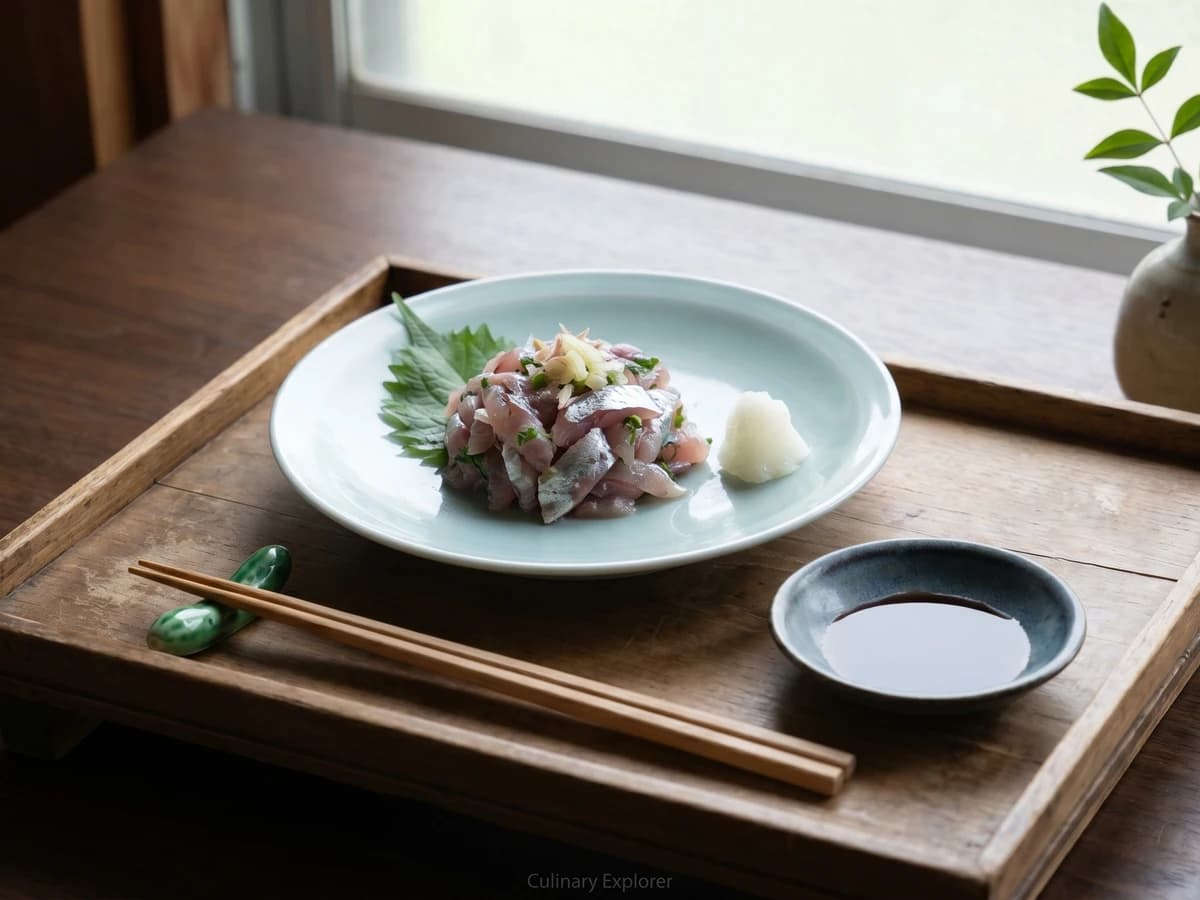
Summer horse mackerel, chopped just enough to catch ginger and scallion, becomes a cool, clean main dish with rice. The secret is fresh fish and a knife that does not bruise it.
Chef Takumi
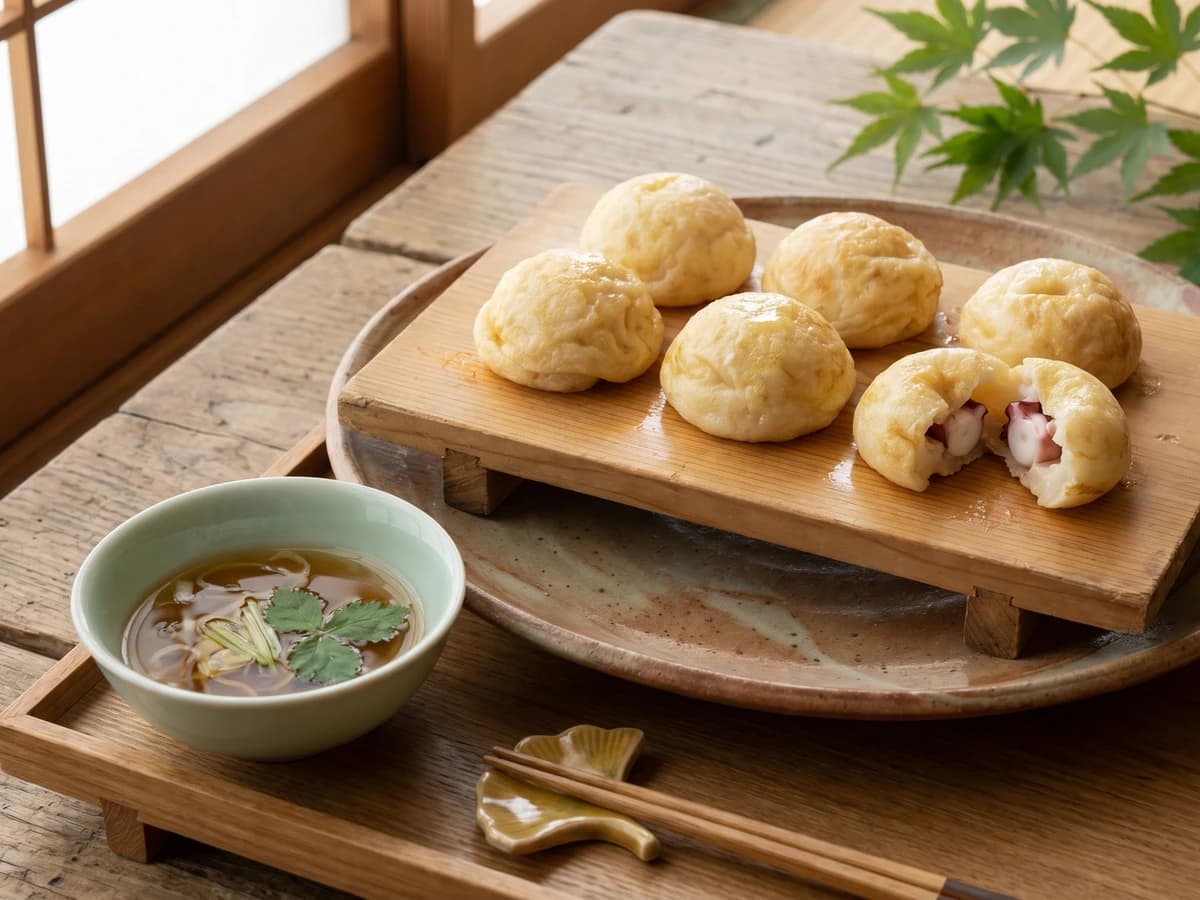
Akashi-yaki is not sauced takoyaki. It is egg-rich batter, tender octopus, and clear dashi, cooked pale and soft so each ball can be dipped like a small custard dumpling.

Chef Takumi
A whole anago looks like a test of nerve. It is mostly good sourcing, a dry skin, cold batter, and oil hot enough to leave the eel sweet under its lace.