Chef Takumi
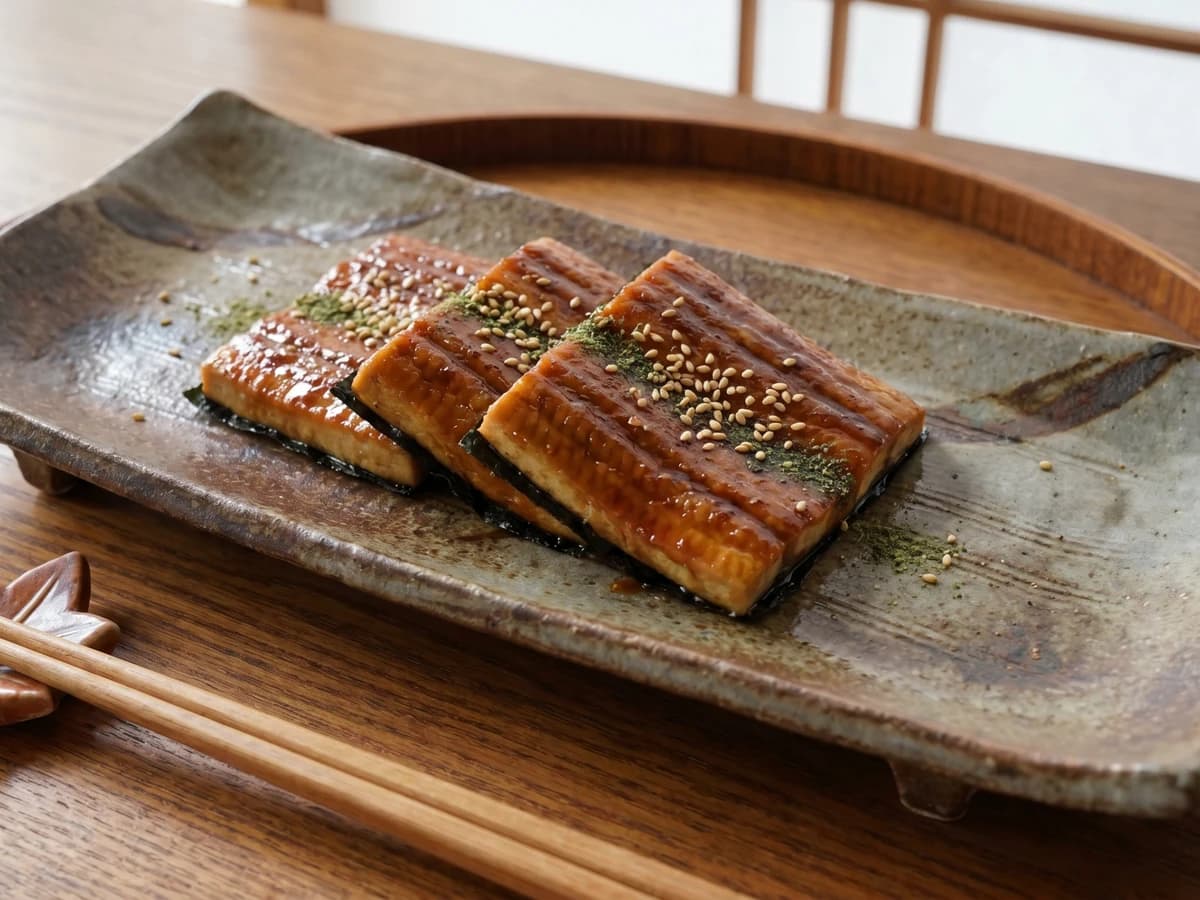
Mock Eel (うなぎもどき, Unagi Modoki)
This is not eel pretending badly. It is temple cooking's clever answer: tofu and mountain yam shaped on nori, fried until tender inside, then glazed like kabayaki.

Updated June 5, 2026
The Buddhist temple-kitchen tradition: konbu-and-shiitake dashi, sesame and kuzu as the protein-thickener axis, tofu and wheat gluten as the modoki materials, and the four temple lineages (Kōyasan, Eihei-ji, Daitoku-ji, Manpuku-ji) that wrote washoku's vegan foundation. Honmono, not compromise.
A cooking platform built around craft, culture, and the stories behind what we eat.
Chef Takumi
This is not eel pretending badly. It is temple cooking's clever answer: tofu and mountain yam shaped on nori, fried until tender inside, then glazed like kabayaki.
Chef Takumi
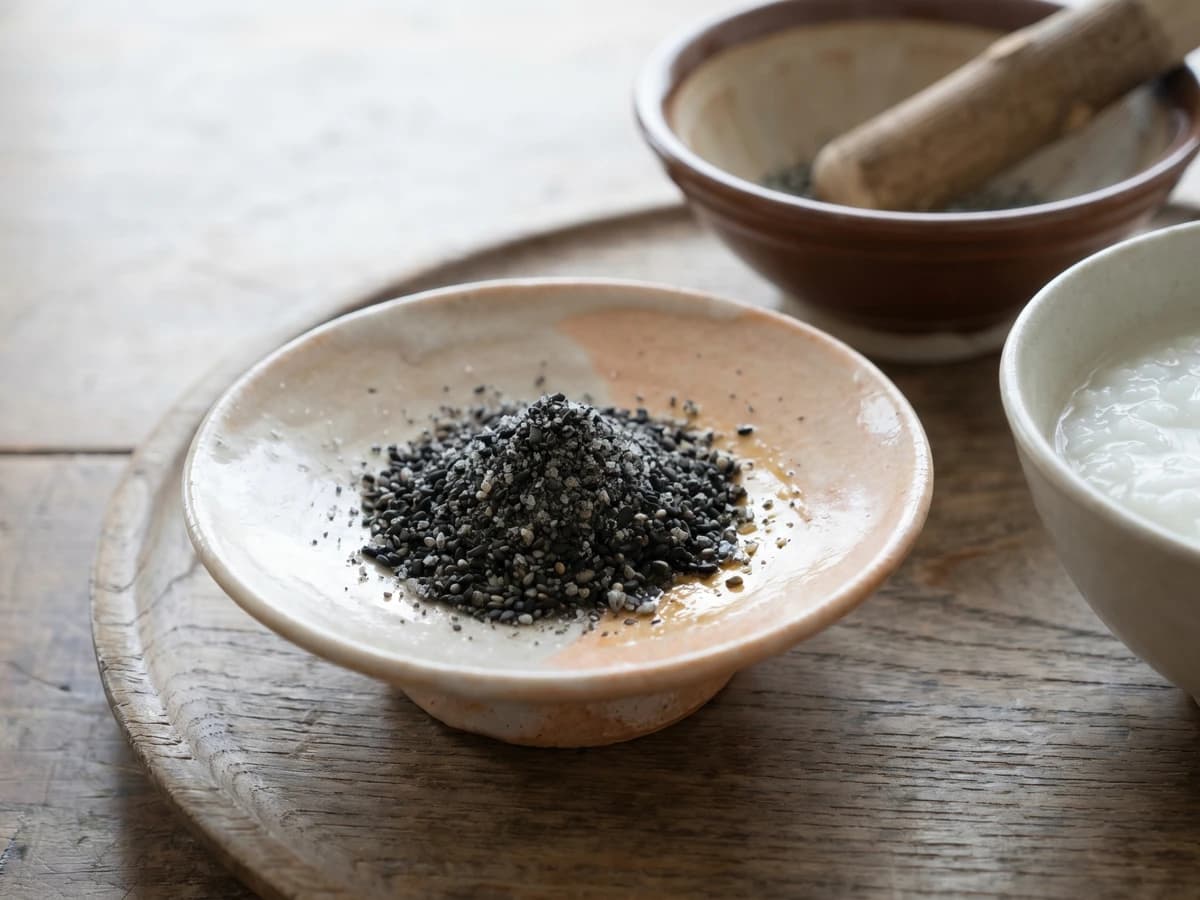
Black sesame, parched until fragrant, ground just halfway, then mixed with dry-warmed salt. Keep it small and fresh, and a spoonful gives rice or porridge a quiet, nutty lift.

Chef Takumi
Nama-fu dengaku is softer than it looks: fresh wheat gluten browned gently, brushed with sweet aka-miso, and served in small skewers that taste of Kyoto restraint.
Chef Takumi
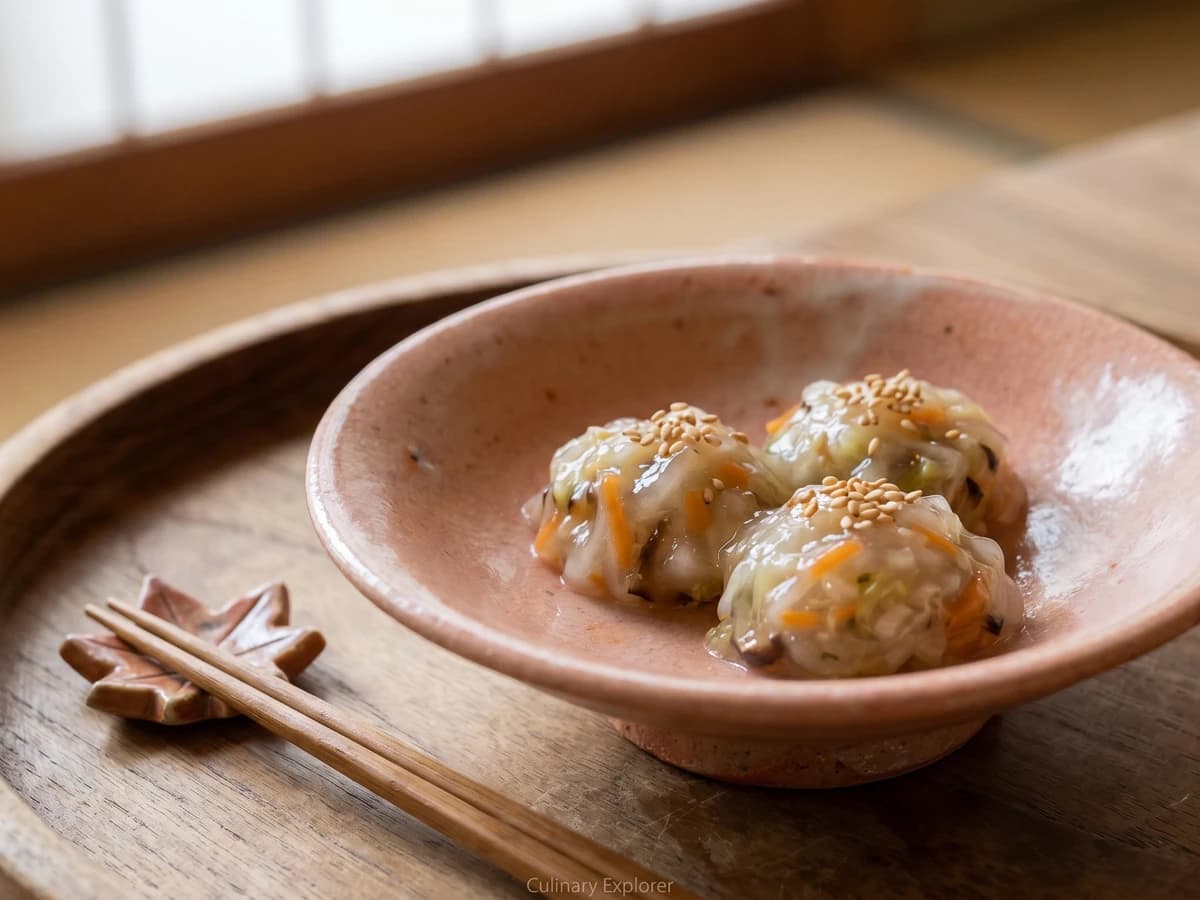
Unpen turns peels, stems, and small vegetable ends into a quiet temple dish: finely cut, lightly sautéed, then bound with kuzu until the scraps gather like clouds.
Chef Takumi
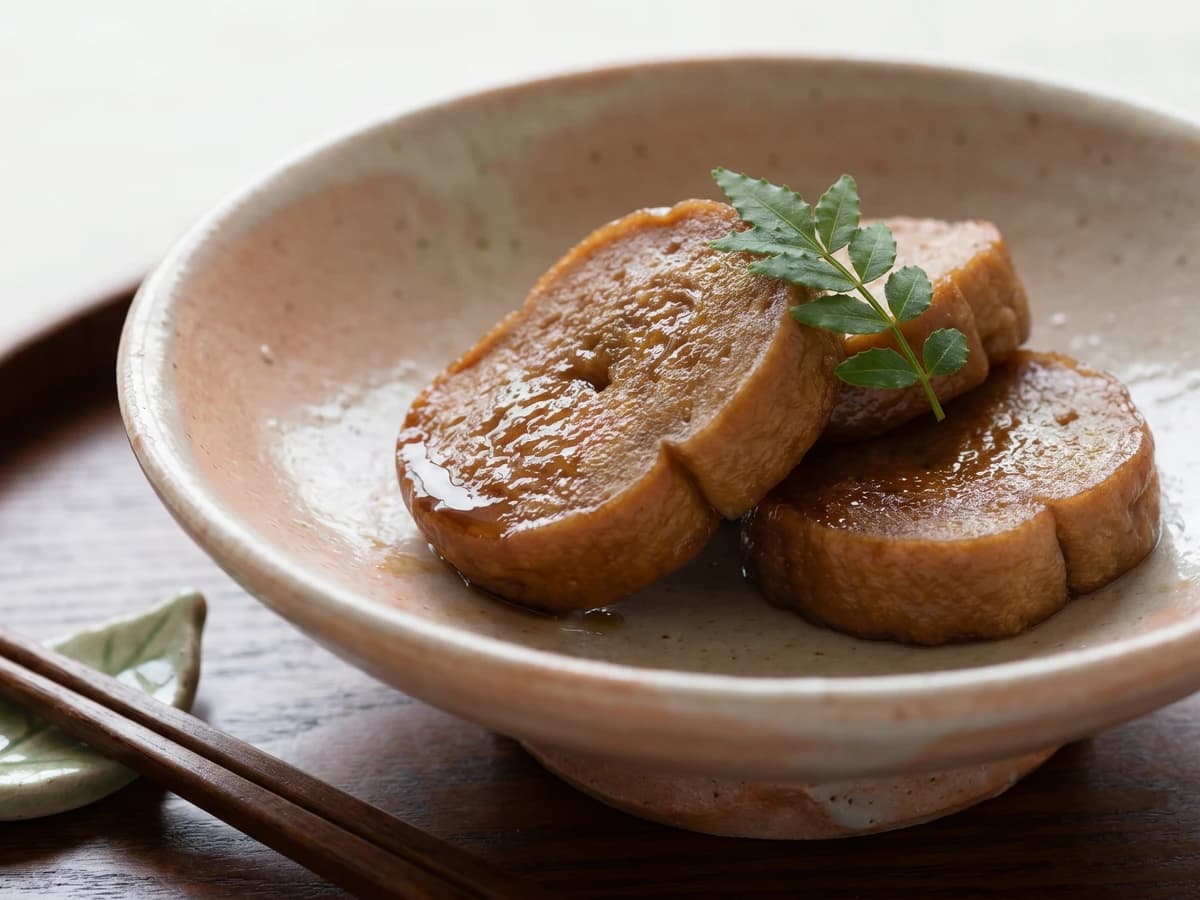
Daitokuji fu looks like a serious temple secret, then gives itself away: soak the wheat gluten well, simmer it gently in sweet shōyu, and let it rest until the seasoning reaches the center.

Chef Takumi
Soy milk, heat, and patience. Lift the skin the moment it gathers strength, and fresh yuba becomes a quiet dish with nothing hidden.
Chef Takumi
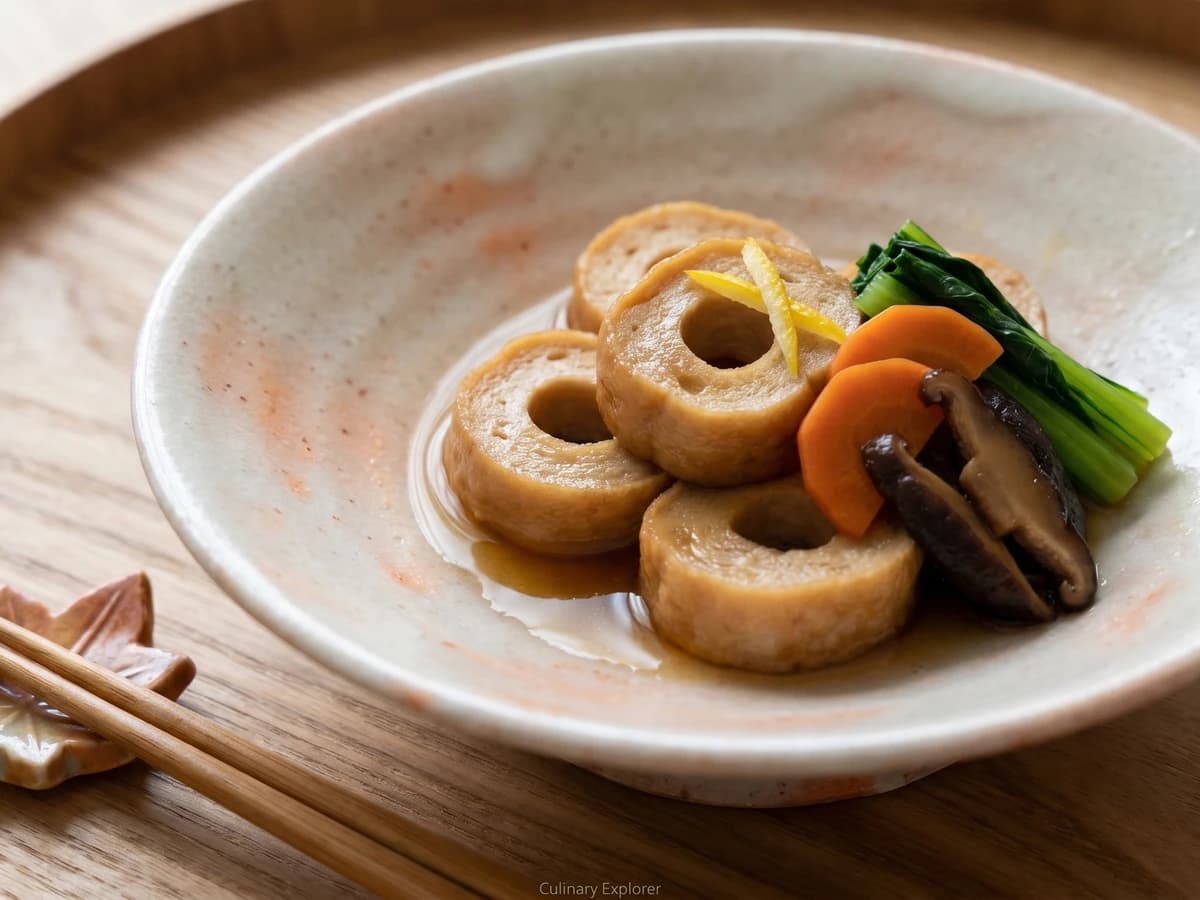
A pantry dish with monkish patience: dry toasted wheat gluten drinks clear dashi and seasoning until it becomes tender, savory, and quietly useful beside rice.

Chef Takumi
Shunkan looks formal because it arrives as one generous mound, but the method is plain: good spring bamboo, temple dashi, patient simmering, and a light kuzu gloss that lets every piece keep its own face.

Chef Takumi
Ganmodoki is tofu made brave: pressed dry, kneaded with roots and seaweed, fried until bronzed, then given a quiet bath in konbu-shiitake dashi for a weeknight main that keeps.

Chef Takumi
This is nattō without the strings: soybeans turned by kōji, salt, and time into black glossy beads, so strong that three beans can season a bowl of rice.
Chef Takumi
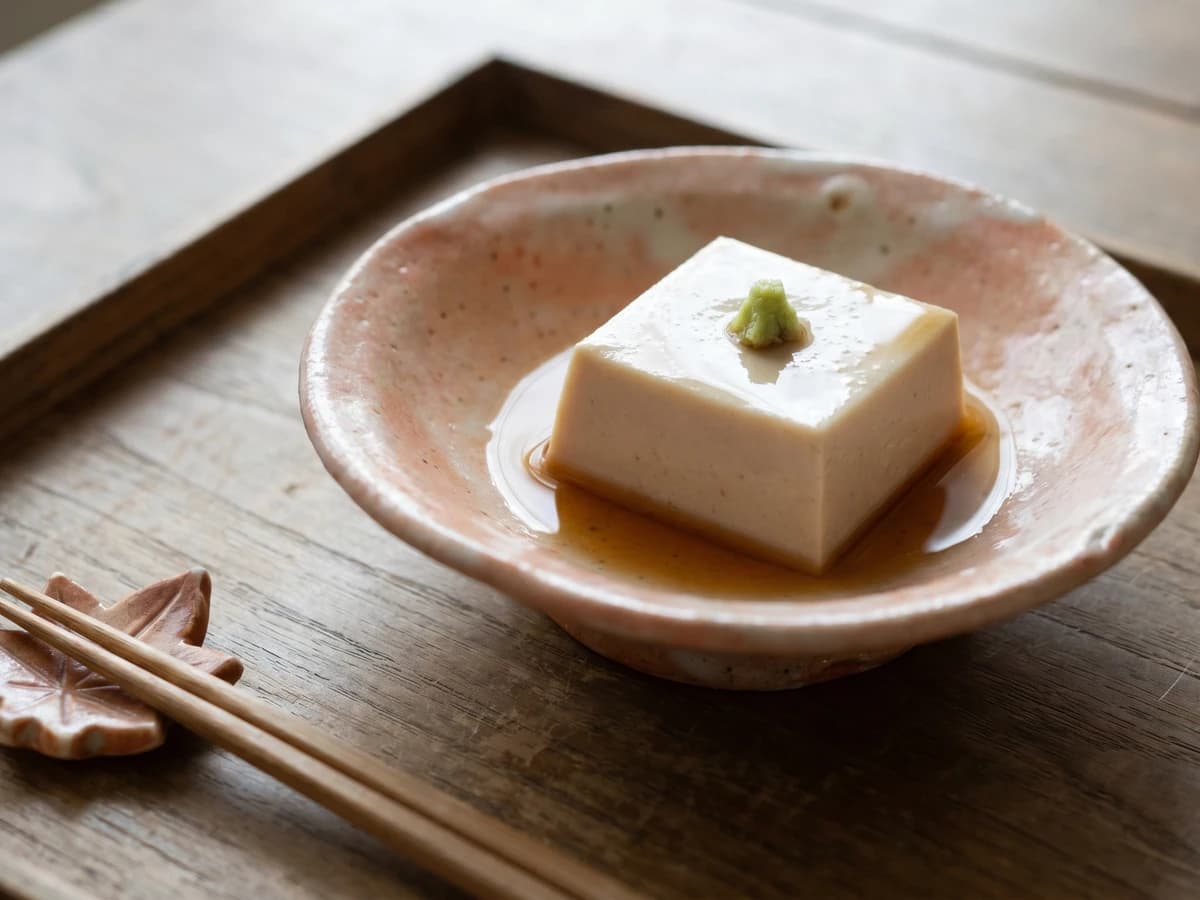
Goma-dofu looks like tofu but belongs to sesame and kuzu. Stir steadily, chill it well, and the knife reveals a cool, nutty block with nothing hidden.
Chef Takumi
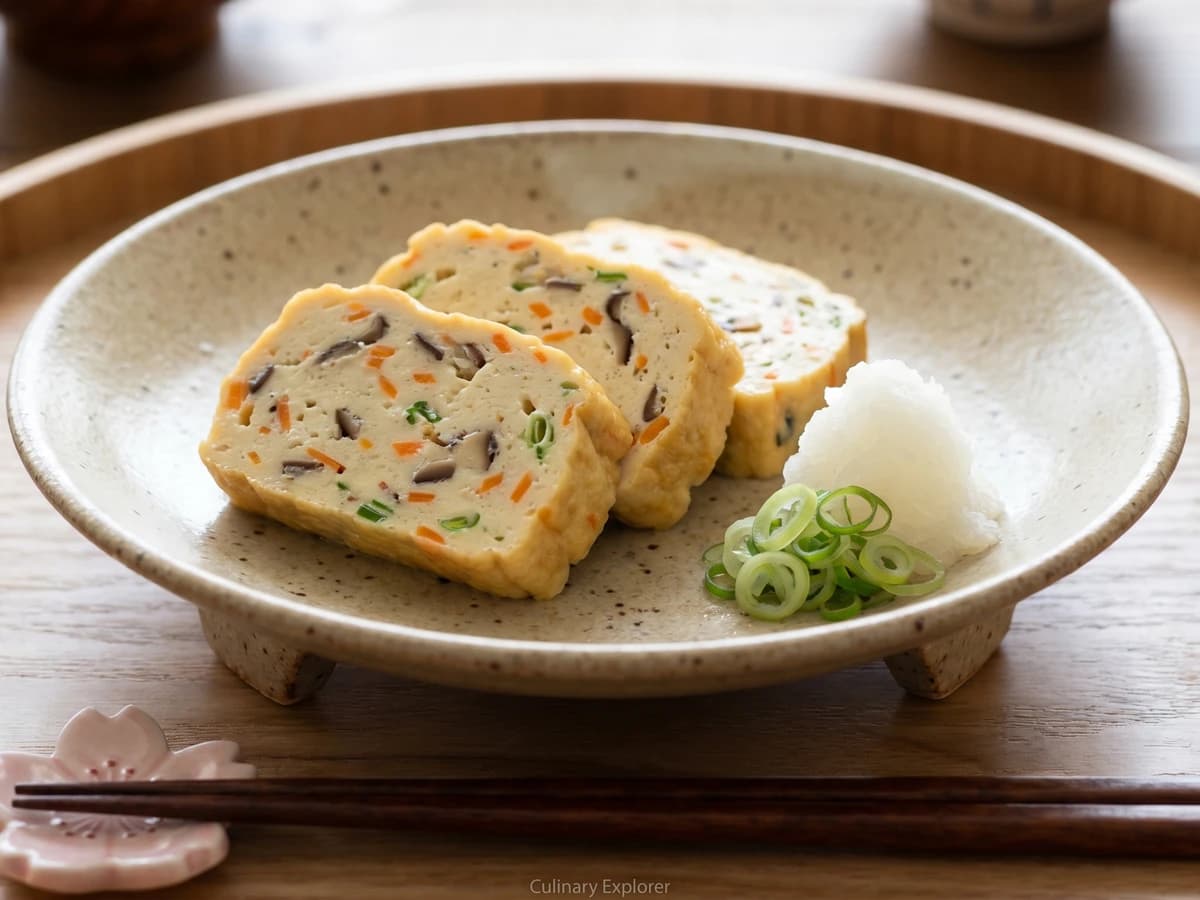
Mock tofu sounds like a trick, but the dish is plain good sense: crumble tofu, season it gently, bind it, press it back into shape, and let each slice show the work.
Chef Takumi
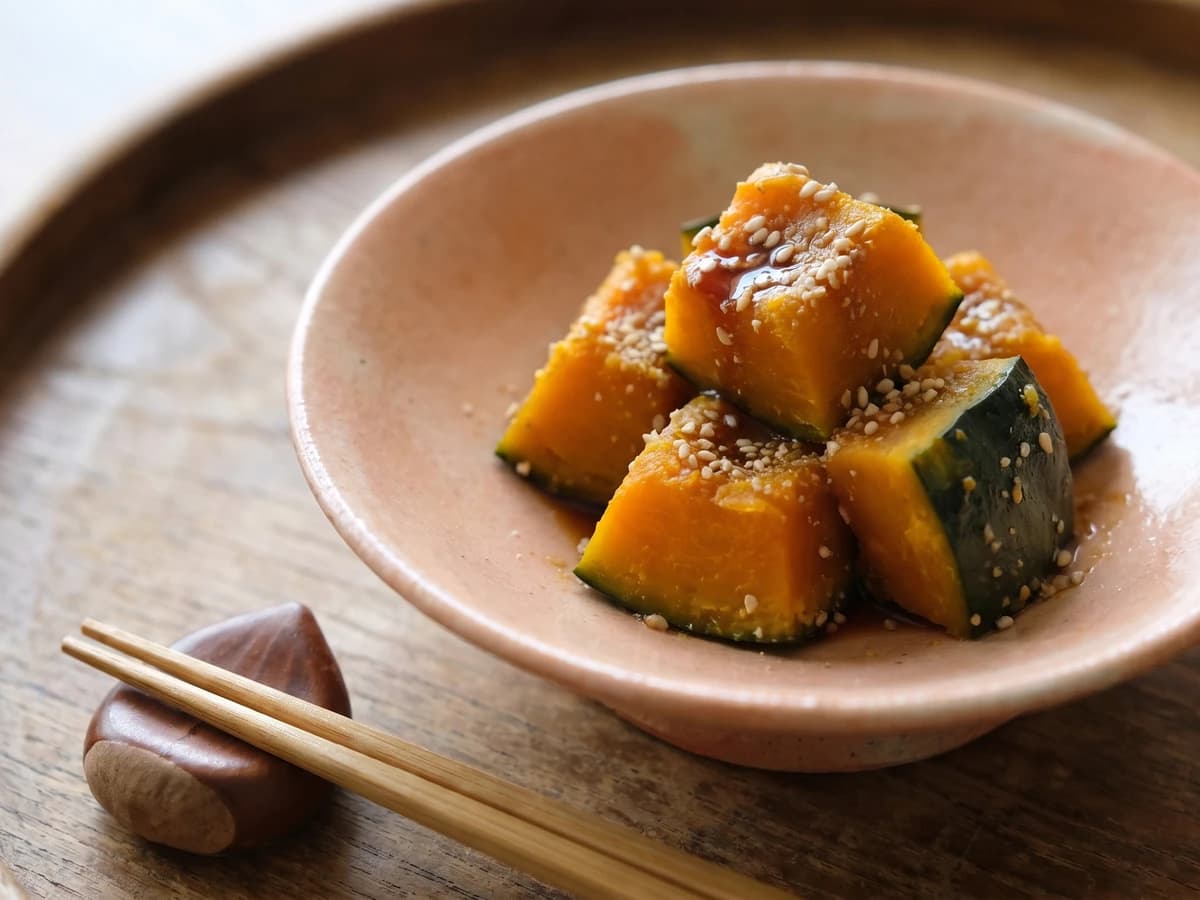
Kabocha no goma-ae is autumn squash made plain and good: steamed until tender, then folded through fragrant ground sesame, shoyu, and sugar while the flesh is still warm.
Chef Takumi
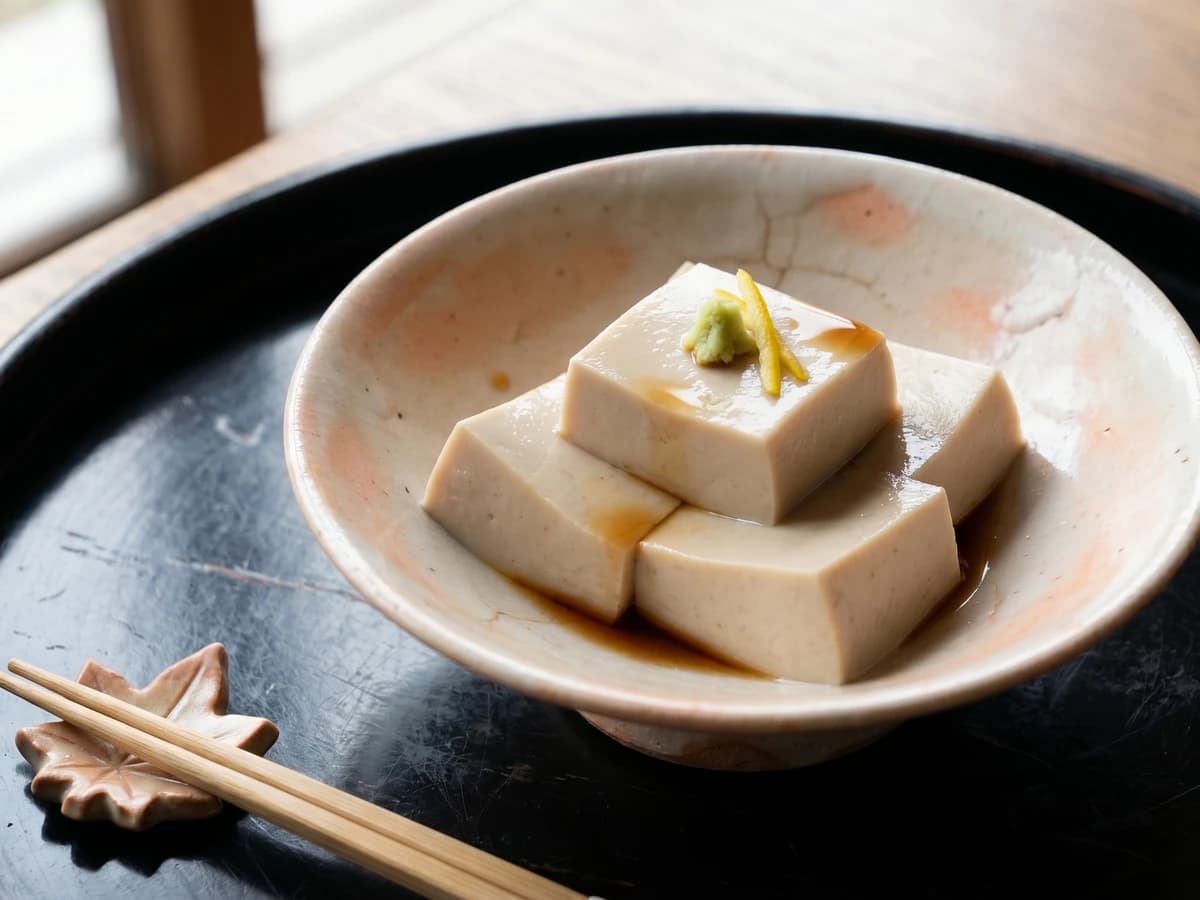
Walnuts and kuzu make a cool, silken tofu without soybeans: autumn richness held in a quiet square, set patiently over the flame and served with wasabi, soy, and restraint.
Chef Takumi
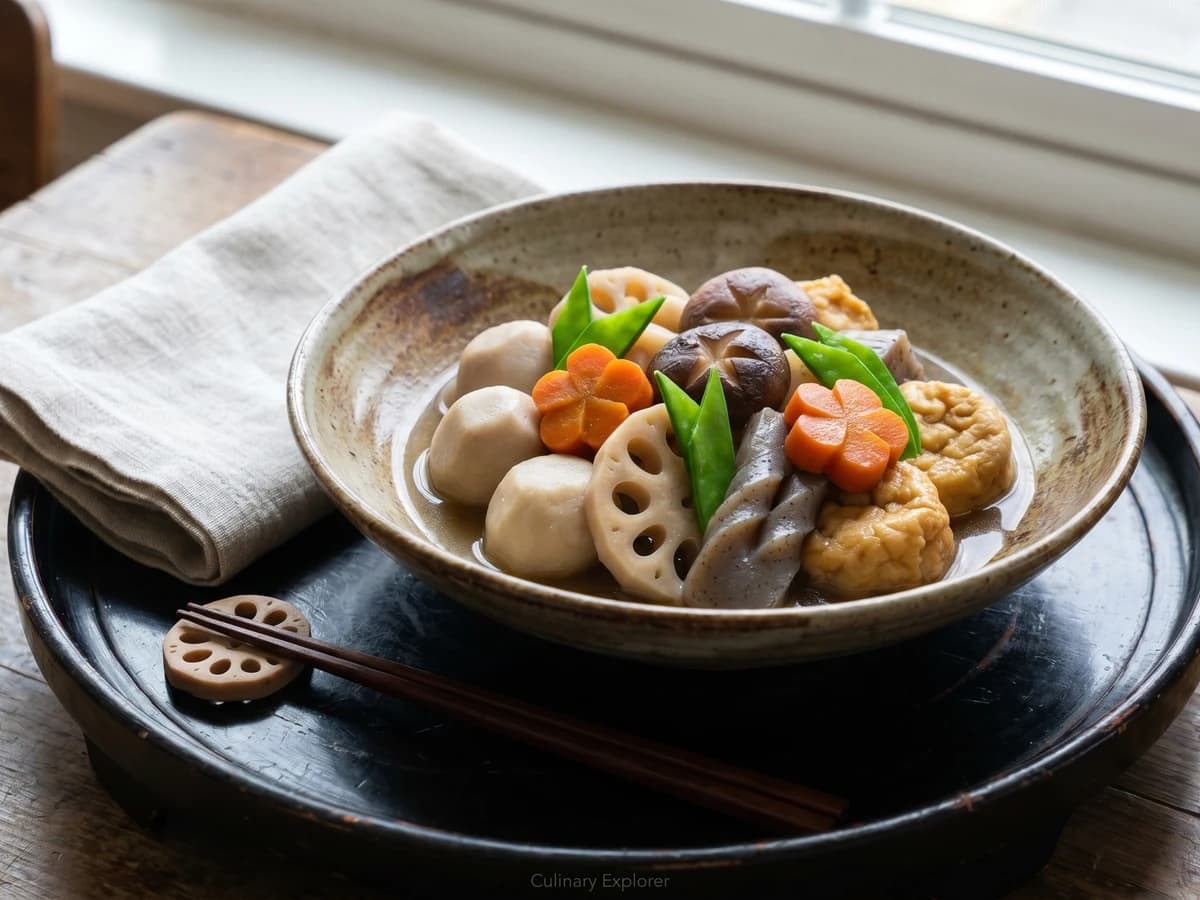
Obon's temple plate looks complicated because every vegetable keeps its shape. The secret is careful simmering: each piece drinks the same dashi while keeping its own character.
Culinary guides, cultural storytelling, and the editorial depth that makes cooking meaningful.
Discover Culinary ExplorerChef Takumi is a fictional culinary guide to Japanese Washoku Cuisine, written with the assistance of AI.