
Chef Takumi
Aji Fry (アジフライ, panko-fried horse mackerel)
Aji fry is weeknight fish with no mystery: fresh horse mackerel opened cleanly, breaded lightly, and fried until the panko crackles while the flesh stays sweet.
A cooking platform built around craft, culture, and the stories behind what we eat.
Created by
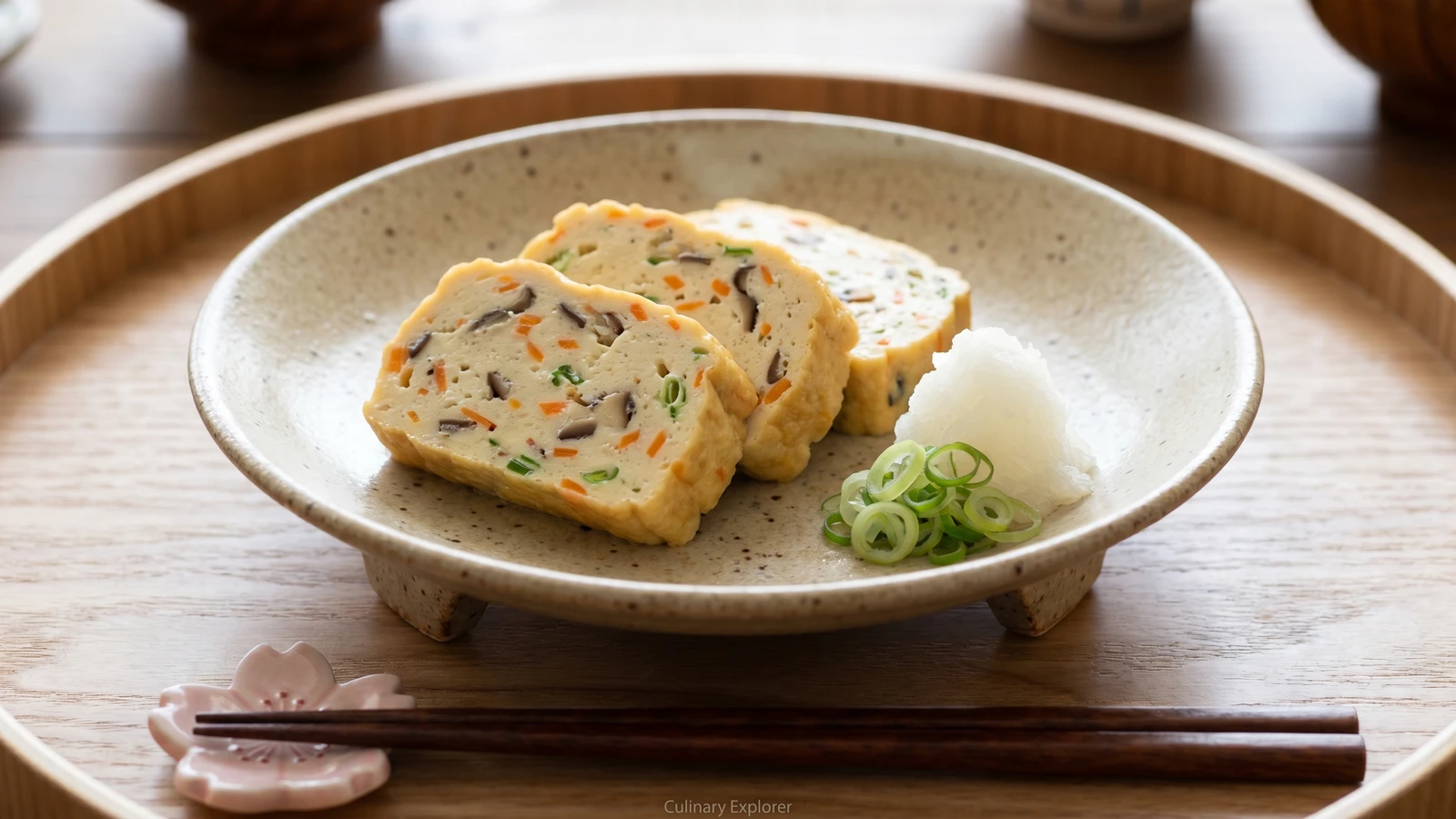
Mock tofu sounds like a trick, but the dish is plain good sense: crumble tofu, season it gently, bind it, press it back into shape, and let each slice show the work.
Gisei-dofu begins by ruining tofu on purpose. You press it, crumble it, scramble it with a little carrot and shiitake, then put it back into a loaf as if nothing happened. A serious cuisine permits a small joke, thank goodness.
The point isn't disguise. It is second life. Firm tofu carries clean soybean flavor, but once it is crumbled and cooked with dashi, shoyu, and vegetables, every grain takes seasoning. Egg binds it into a sliceable block, soft enough to eat with chopsticks, firm enough to pack into a bento. The one detail that decides it is dryness: watery tofu makes a loaf that slumps, while well-drained tofu sets neatly and tastes concentrated.
Use konbu and dried shiitake dashi here and the dish stays close to the temple kitchen spirit, honmono for a meatless table, not a compromise. Serve it warm, room temperature, or chilled beside rice and pickles. Like many quiet washoku dishes, it rewards the cook who makes it ahead and leaves it alone long enough to settle.
Gisei-dofu belongs to the family of tofu dishes associated with shōjin ryōri, the Buddhist vegetarian cooking that developed around Japanese temples from the medieval period onward. The word gisei means imitation or made to resemble something else, because the tofu is broken apart, seasoned, bound, and formed again into a block. Modern home versions often use egg as the binder, while stricter temple-style versions avoid egg and rely on starch or yam for cohesion.
Quantity
1 block (about 400g)
pressed and crumbled
Quantity
3
soaked, stems removed, caps finely sliced
Quantity
1/2 cup
for soaking shiitake
Quantity
1/3 cup
Quantity
1 small
finely cut into matchsticks
Quantity
2
thinly sliced
Quantity
2
lightly beaten
Quantity
1 tablespoon
Quantity
1 tablespoon
Quantity
1 teaspoon
Quantity
1/2 teaspoon
Quantity
1 teaspoon
for the pan
Quantity
for serving
| Ingredient | Quantity |
|---|---|
| firm tofupressed and crumbled | 1 block (about 400g) |
| dried shiitake mushroomssoaked, stems removed, caps finely sliced | 3 |
| warm waterfor soaking shiitake | 1/2 cup |
| konbu and dried shiitake dashi | 1/3 cup |
| carrotfinely cut into matchsticks | 1 small |
| scallionsthinly sliced | 2 |
| large eggslightly beaten | 2 |
| shoyu (Japanese soy sauce) | 1 tablespoon |
| mirin | 1 tablespoon |
| sugar | 1 teaspoon |
| sea salt | 1/2 teaspoon |
| toasted sesame oilfor the pan | 1 teaspoon |
| grated daikon (optional) | for serving |
Wrap the tofu in a clean cloth or paper towels, set it on a plate, and weight it with another plate for 20 minutes. You are not trying to make it hard, only to drive off the loose water. That water would dilute the seasoning and keep the loaf from setting cleanly.
Soak the dried shiitake in the warm water until soft, about 20 minutes. Squeeze them gently, save the soaking liquid, remove the stems, and slice the caps finely. The soaking liquid is flavor, but pour it slowly and leave any grit behind.
Warm the sesame oil in a skillet over medium heat. Add the carrot and shiitake and cook for 2 minutes, just until the carrot loses its raw edge. Keep the pieces fine and modest, because this is tofu's dish and the vegetables should season it, not turn it into a garden argument.
Crumble the pressed tofu into the pan with your fingers. Add the dashi, 2 tablespoons of the clear shiitake soaking liquid, shoyu, mirin, sugar, and salt. Cook, stirring gently, until the liquid is mostly gone and the tofu looks moist but not wet, about 5 minutes. This cooking step seasons each small grain and dries the mixture enough to hold its shape.
Lower the heat. Stir in the beaten eggs and scallions, moving slowly until the eggs just begin to thicken around the tofu. Stop before they scramble into large curds. You want a binder, not breakfast.
Line a small loaf pan or square mold with parchment. Spoon in the tofu mixture, press it into the corners, and smooth the top. Cover with another piece of parchment and weight it lightly for 10 minutes. A nagashikan, the traditional square mold, is neat here, but a small loaf pan does the work honestly.
Let the loaf cool until firm, then lift it out and cut it into thick slices with a damp knife. Wipe the blade between cuts so the faces stay clean. Serve warm, room temperature, or chilled, with grated daikon if you like its quiet sharpness.
1 serving (about 150g)
Culinary guides, cultural storytelling, and the editorial depth that makes cooking meaningful.
Discover Culinary ExplorerChef Takumi
Aji fry is weeknight fish with no mystery: fresh horse mackerel opened cleanly, breaded lightly, and fried until the panko crackles while the flesh stays sweet.
Chef Takumi
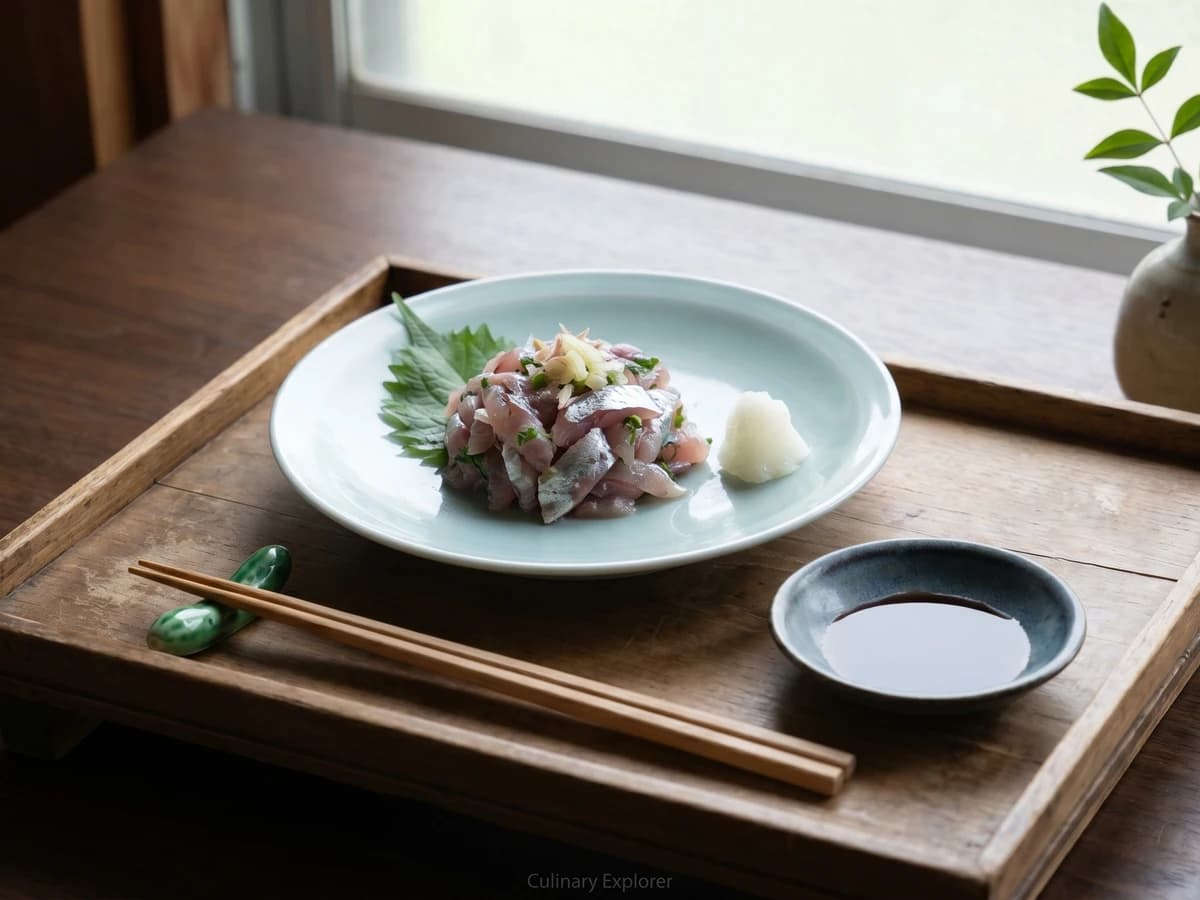
Summer horse mackerel, chopped just enough to catch ginger and scallion, becomes a cool, clean main dish with rice. The secret is fresh fish and a knife that does not bruise it.
Chef Takumi
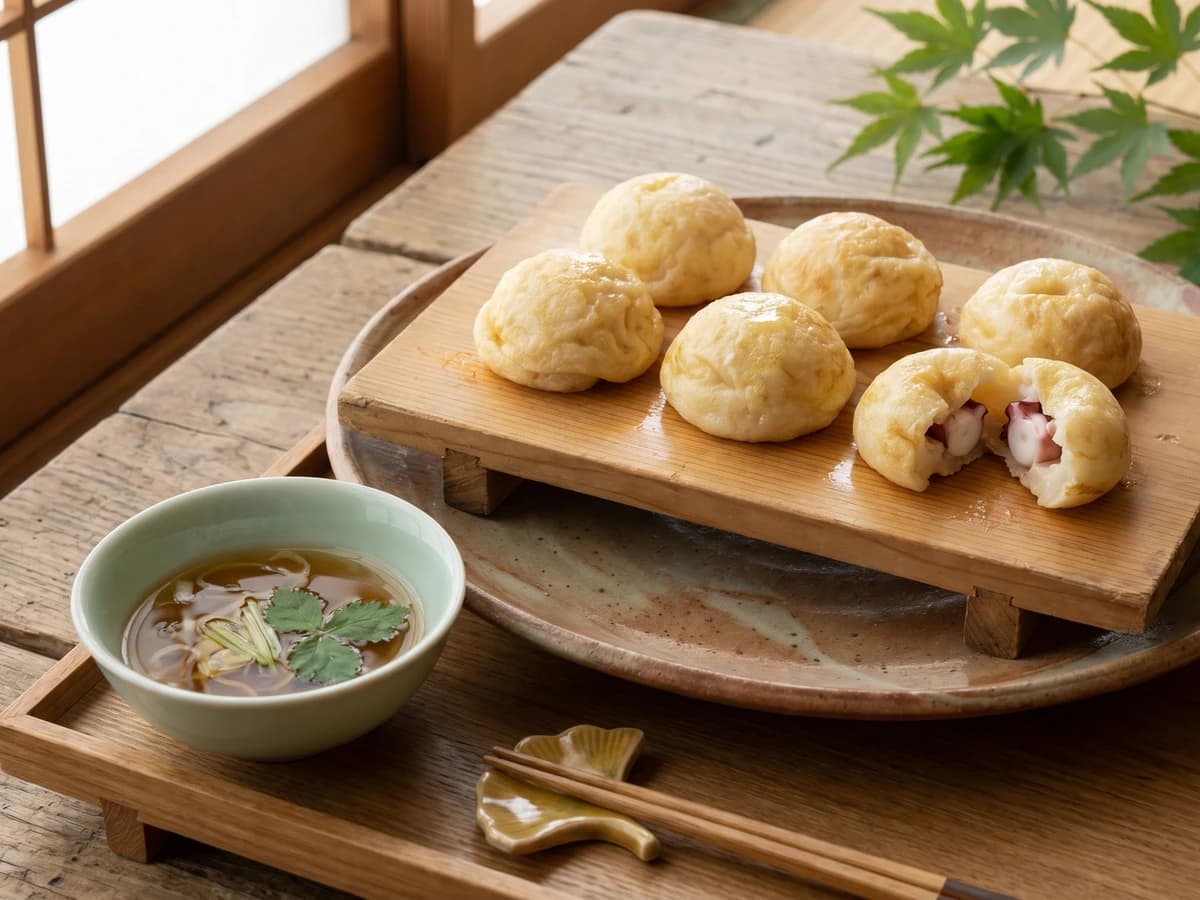
Akashi-yaki is not sauced takoyaki. It is egg-rich batter, tender octopus, and clear dashi, cooked pale and soft so each ball can be dipped like a small custard dumpling.

Chef Takumi
A whole anago looks like a test of nerve. It is mostly good sourcing, a dry skin, cold batter, and oil hot enough to leave the eel sweet under its lace.