
Chef Margarida
Pastéis de Bacalhau
The salt cod fritters that define Portuguese snacking, found in every pastelaria window, every grandmother's repertoire, every family gathering where fingers reach across the table

Updated January 22, 2026
Traditional Portuguese petiscos and starters from grandmothers' kitchens across Portugal's regions, curated for preservation.
A cooking platform built around craft, culture, and the stories behind what we eat.
Chef Margarida
The salt cod fritters that define Portuguese snacking, found in every pastelaria window, every grandmother's repertoire, every family gathering where fingers reach across the table
Chef Margarida
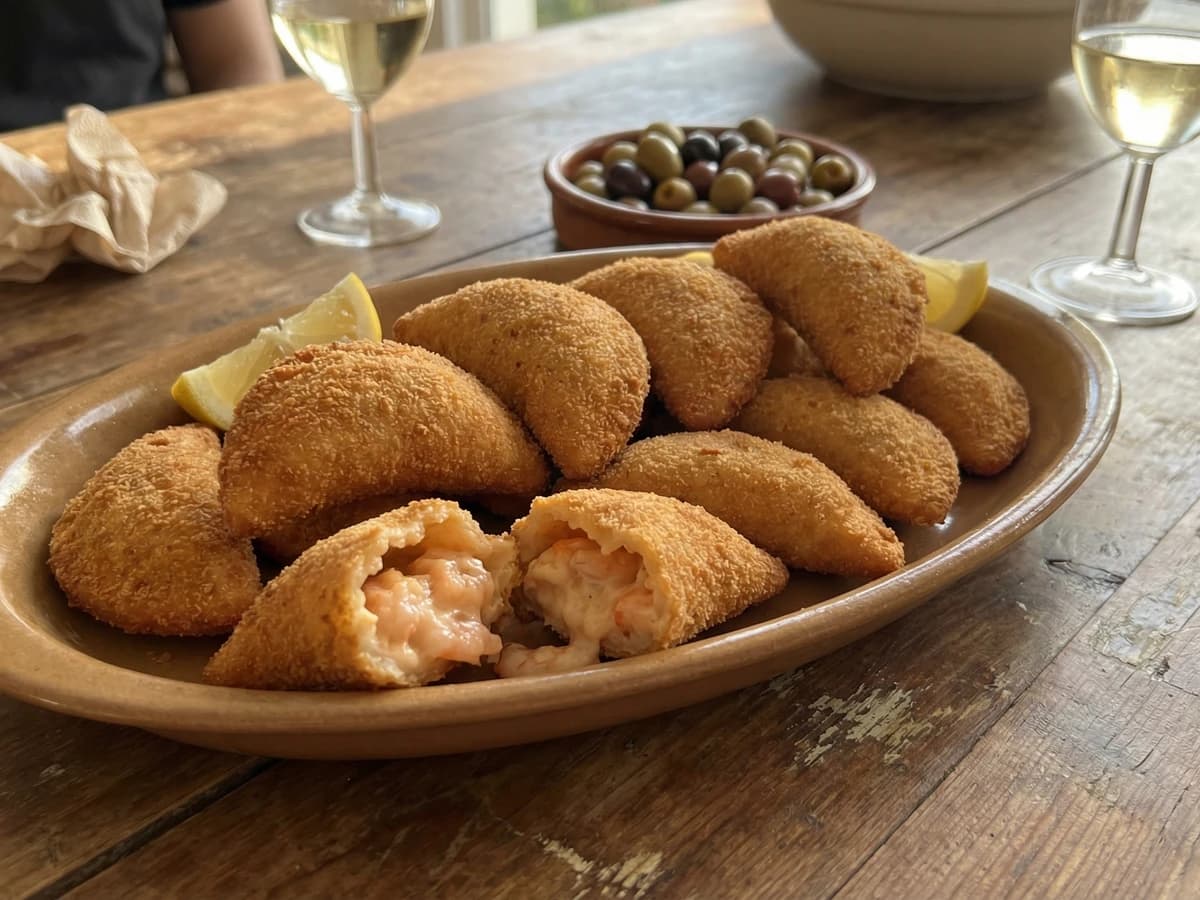
The shrimp turnover that appears at every Portuguese celebration, proof that when French béchamel met Portuguese hospitality, something perfect was born. Crispy shell, creamy filling, no occasion too small.
Chef Margarida
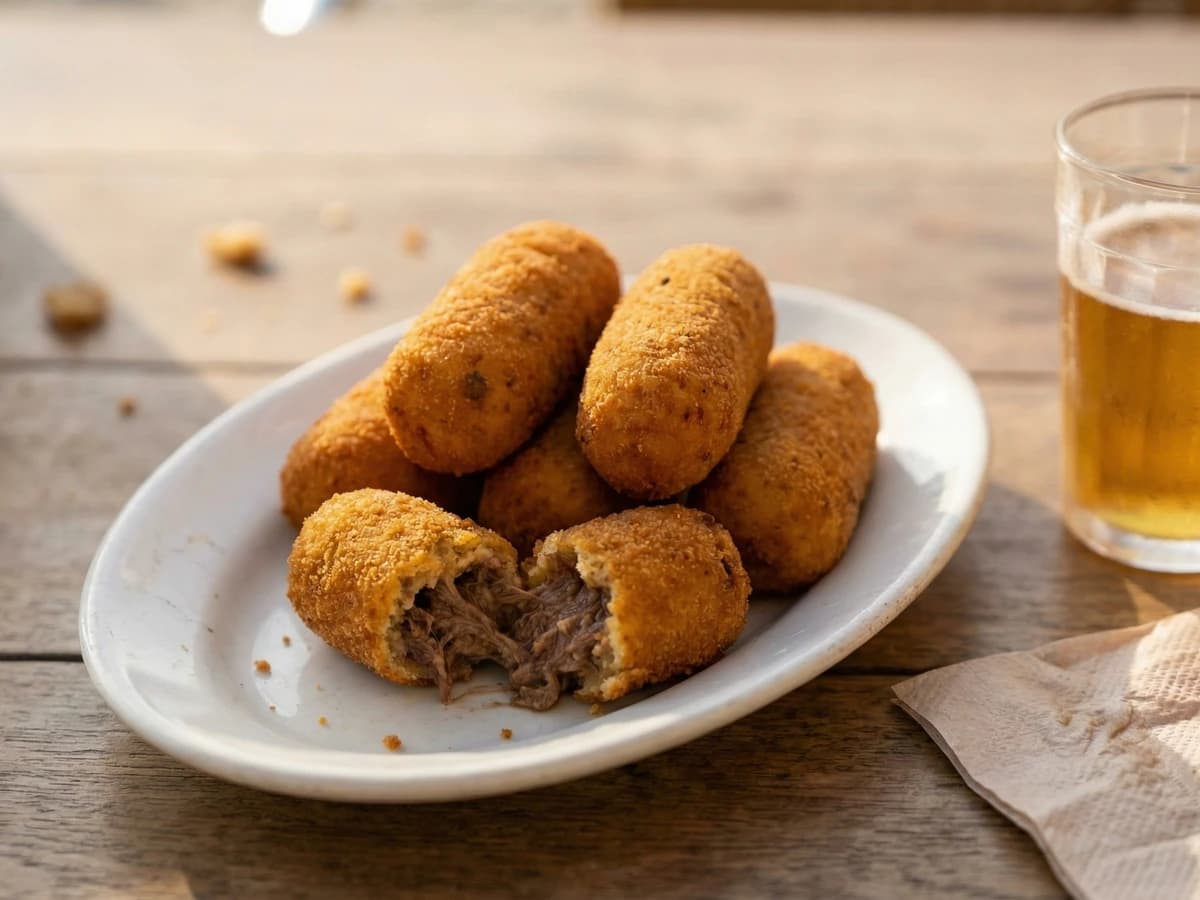
The cylinder-shaped beef croquettes on every café counter in Portugal, proof that the simplest foods done right become the ones you crave most. Crisp outside, soft inside, perfect with a cold imperial.
Chef Margarida
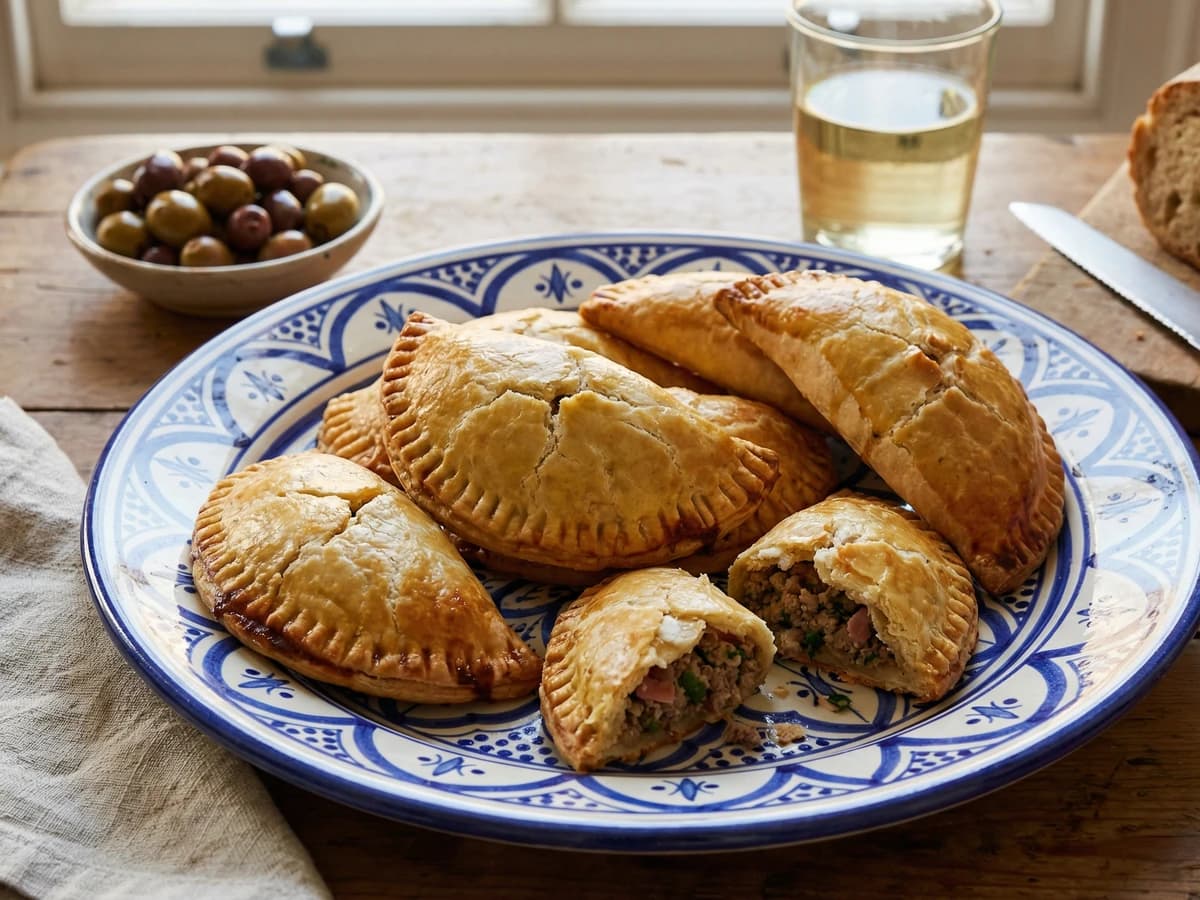
An 18th-century treasure from noble Portuguese kitchens: delicate unbreaded pastries with lemon-bright meat filling, the elegant ancestor of the rissol that nearly vanished from memory.
Chef Margarida
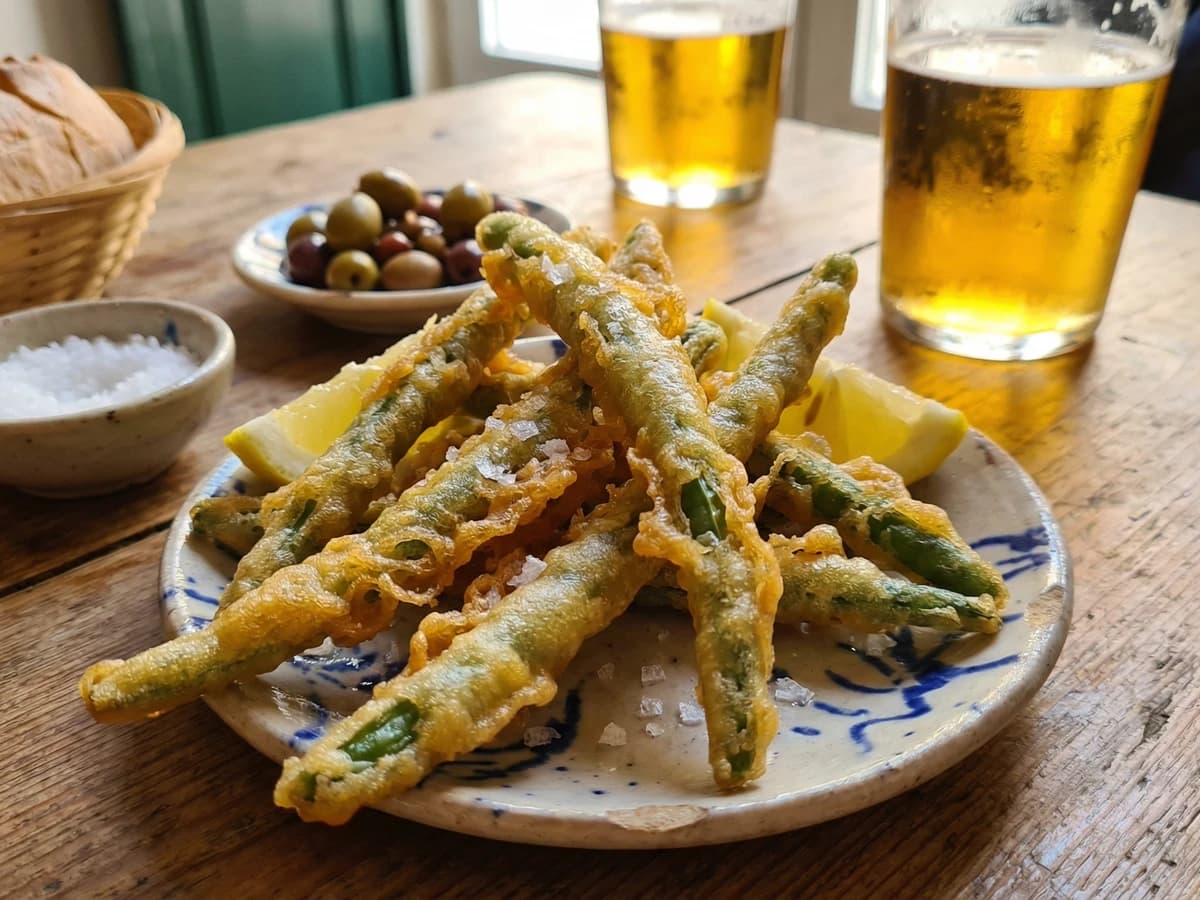
Green beans transformed into crispy golden 'little fish,' the humble petisco that traveled from Portuguese tascas to Japan and became tempura. Sometimes the simplest things change the world.
Chef Margarida
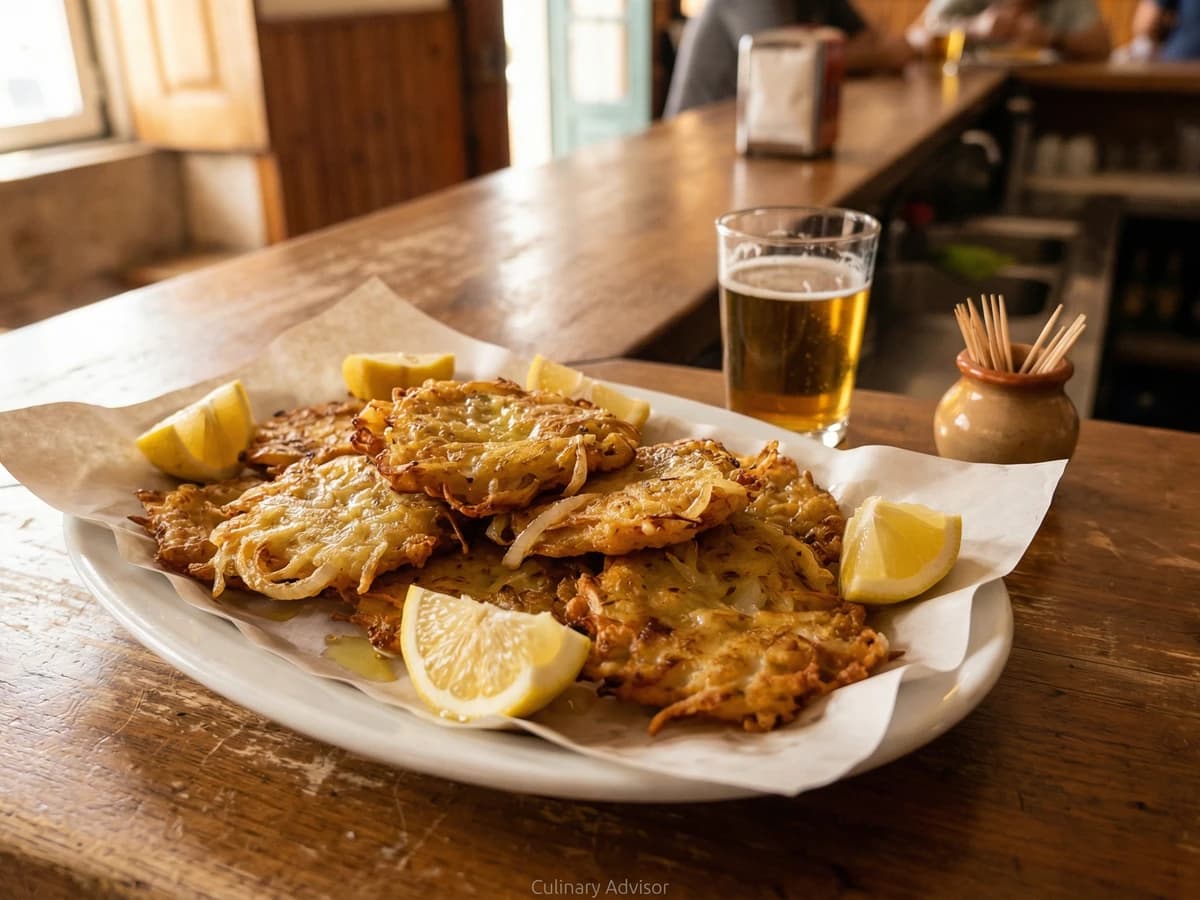
Lisbon's lacy cod fritters, flat and golden with shreds of bacalhau and onion visible through every bite. Tasca food. Standing-at-the-bar food. The kind of cooking that makes you understand why the Portuguese never get tired of salt cod.

Chef Margarida
Crispy triangles of spiced meat wrapped in golden pastry, carrying the flavors of Goa across the ocean to every Portuguese tasca and family gathering. Colonial history you can eat.
Chef Margarida
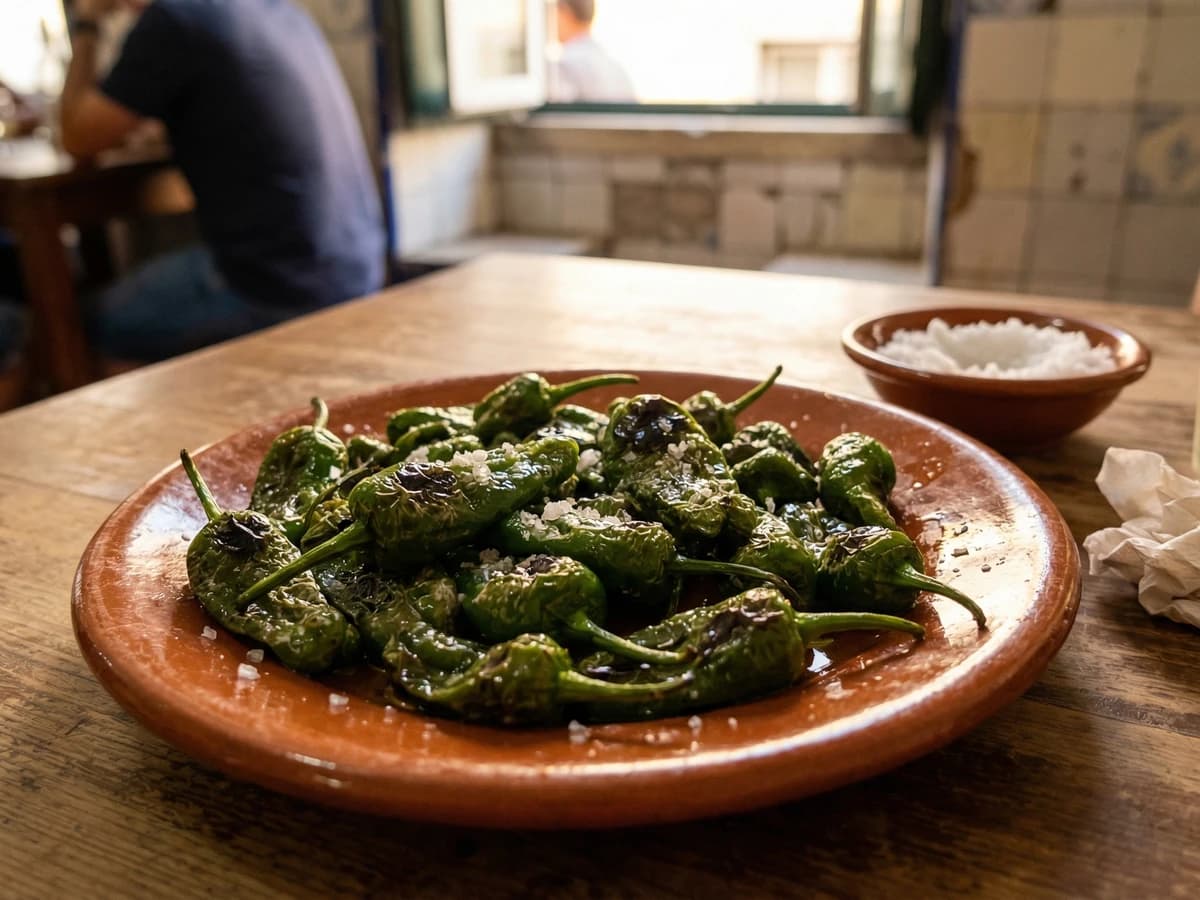
The gambling dish of Portuguese tascas. Grab a pepper, bite, hope for mild, maybe get fire. Coarse salt, hot oil, and a prayer. This is how you start an evening.
Chef Margarida
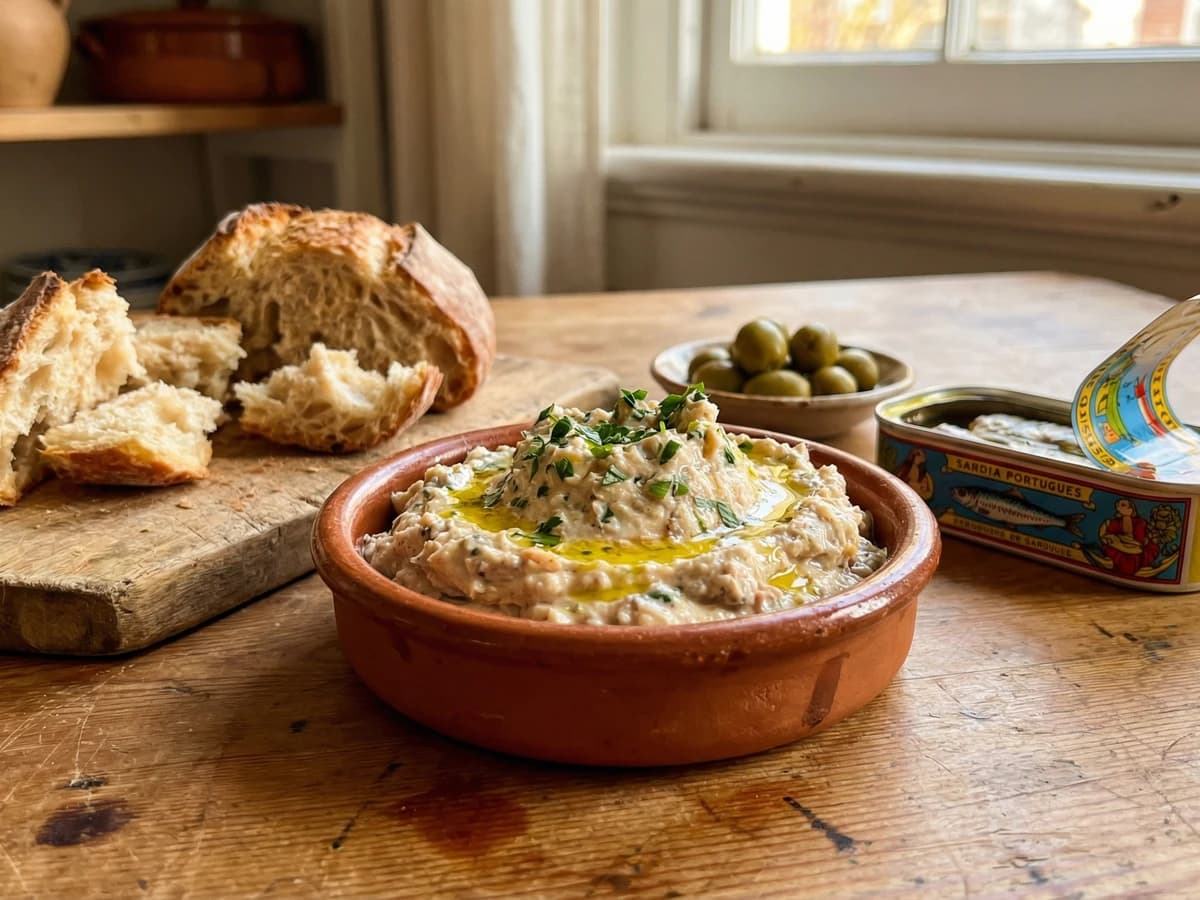
The spread that arrives before every meal in every tasca in Portugal. Sardines, cream, lemon, five minutes of work, and suddenly you're sitting in Alfama with a glass of wine and nowhere to be.
Chef Margarida
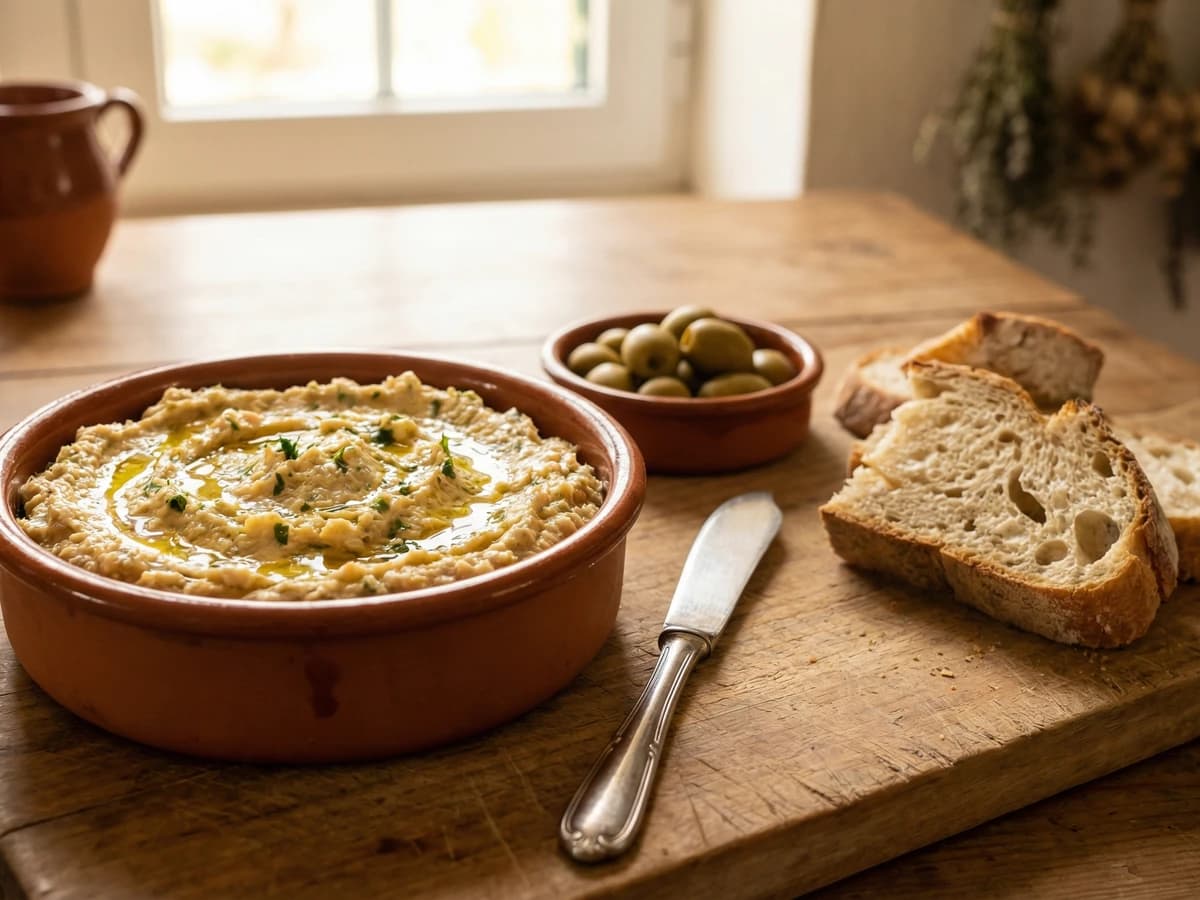
The spread that greets you at every Portuguese table before the meal even begins, proof that the simplest things done right need no improvement. Conservas, queijo creme, bread. That's it.

Chef Margarida
The marinated olives that sit on every tasca table in Portugal, swimming in garlic, herbs, and enough azeite to make you reach for bread before you've even ordered. This is how we begin.
Chef Margarida
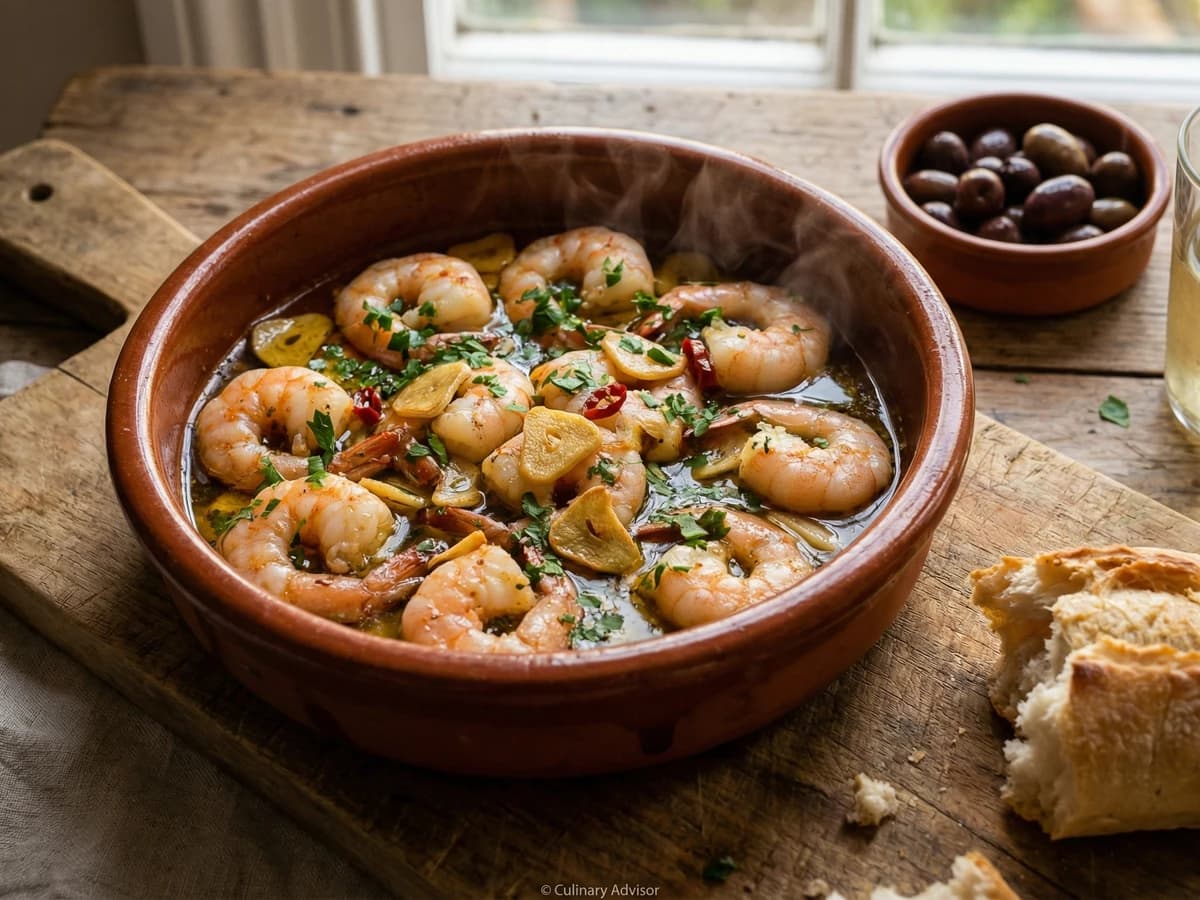
Prawns swimming in hot azeite and enough garlic to ward off vampires. This is tasca cooking at its finest: simple, bold, meant to be shared with bread and wine and people you want to stay longer.
Chef Margarida
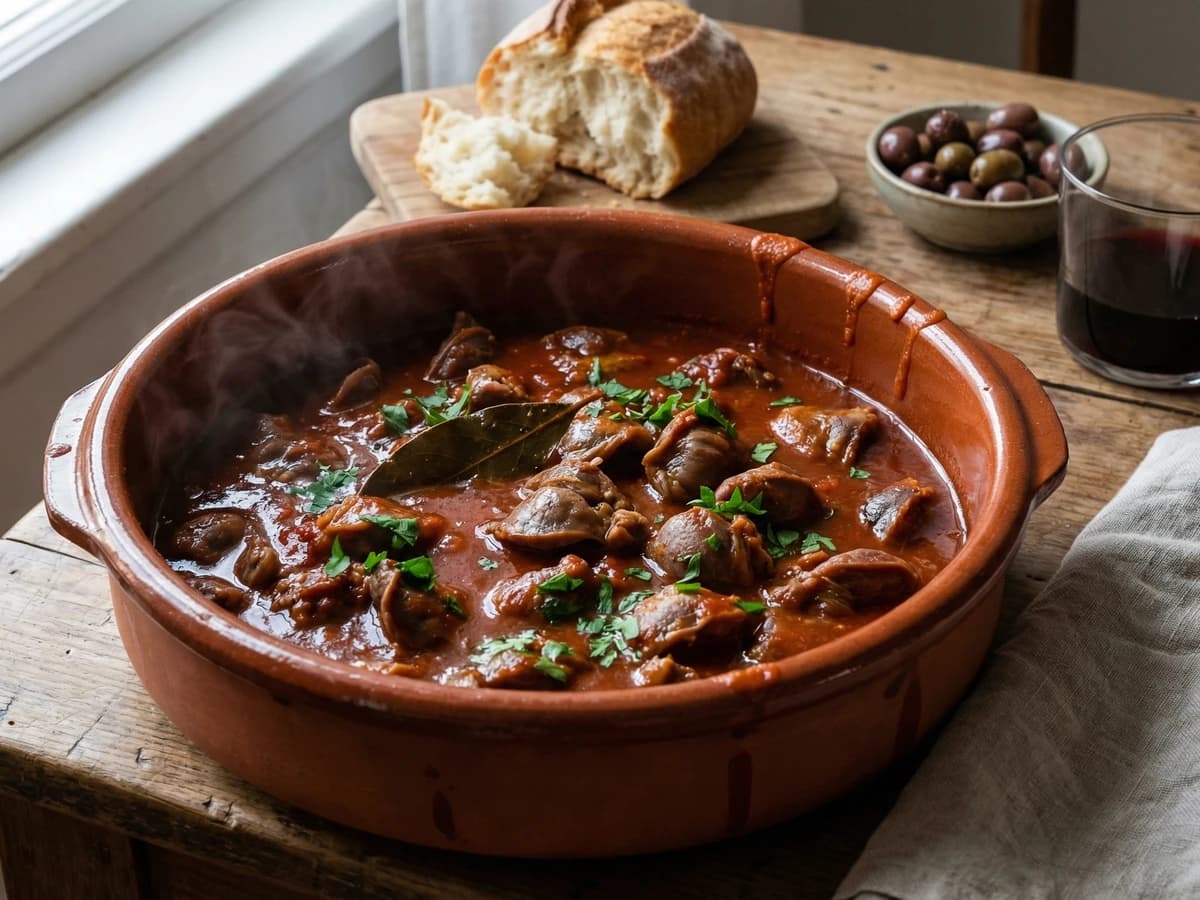
The braised gizzards of Lisbon's tascas, simmered low in tomato and wine until tender and proud. Working-class food that proves the humble parts are often the most delicious.
Chef Margarida
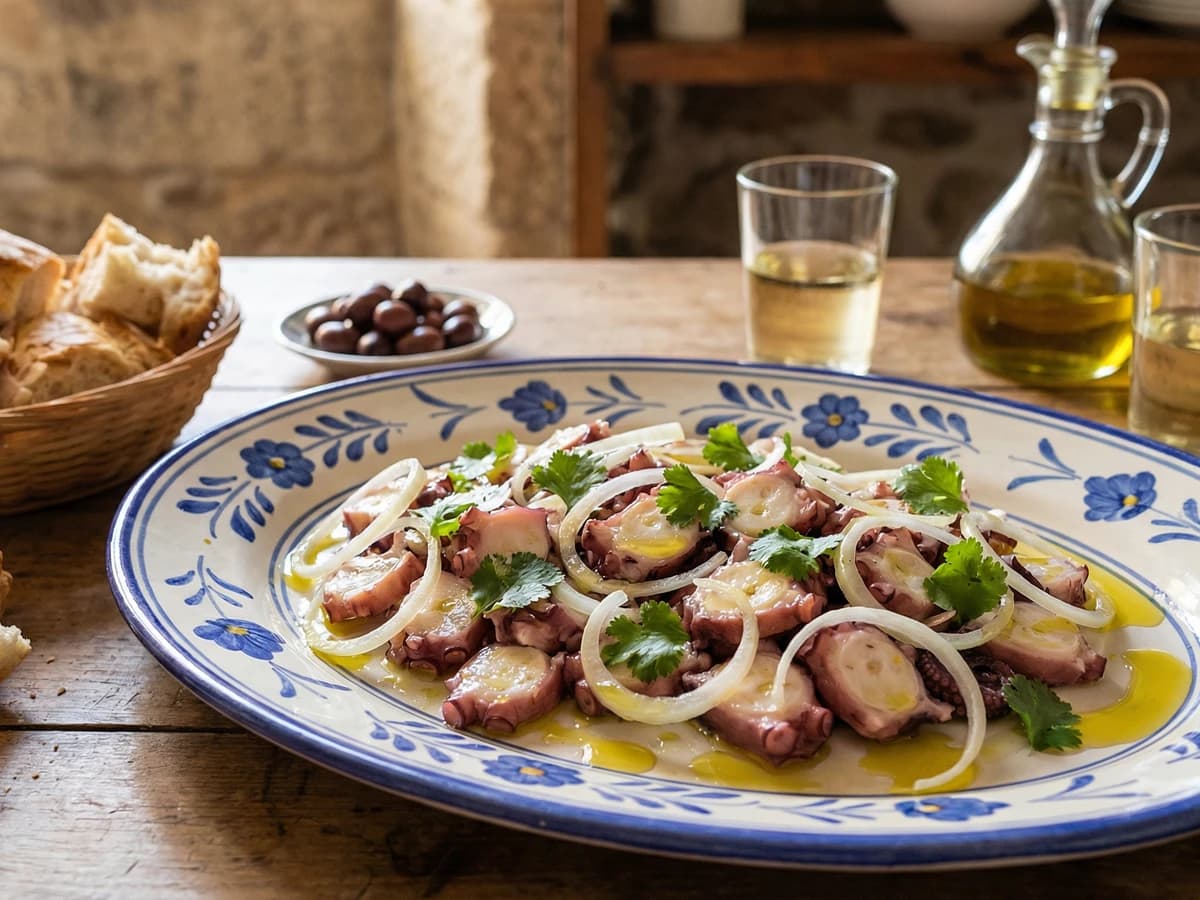
The octopus salad that anchors every proper petisco spread, tender tentacles dressed simply with azeite, vinegar, and coentros. This is how the coast eats when the catch is good.

Chef Margarida
Há caracóis! The signs appear in May and all of Lisbon knows summer has arrived. Tiny snails in spiced broth, sucked from shells at plastic tables, washed down with imperial after imperial.
Chef Margarida
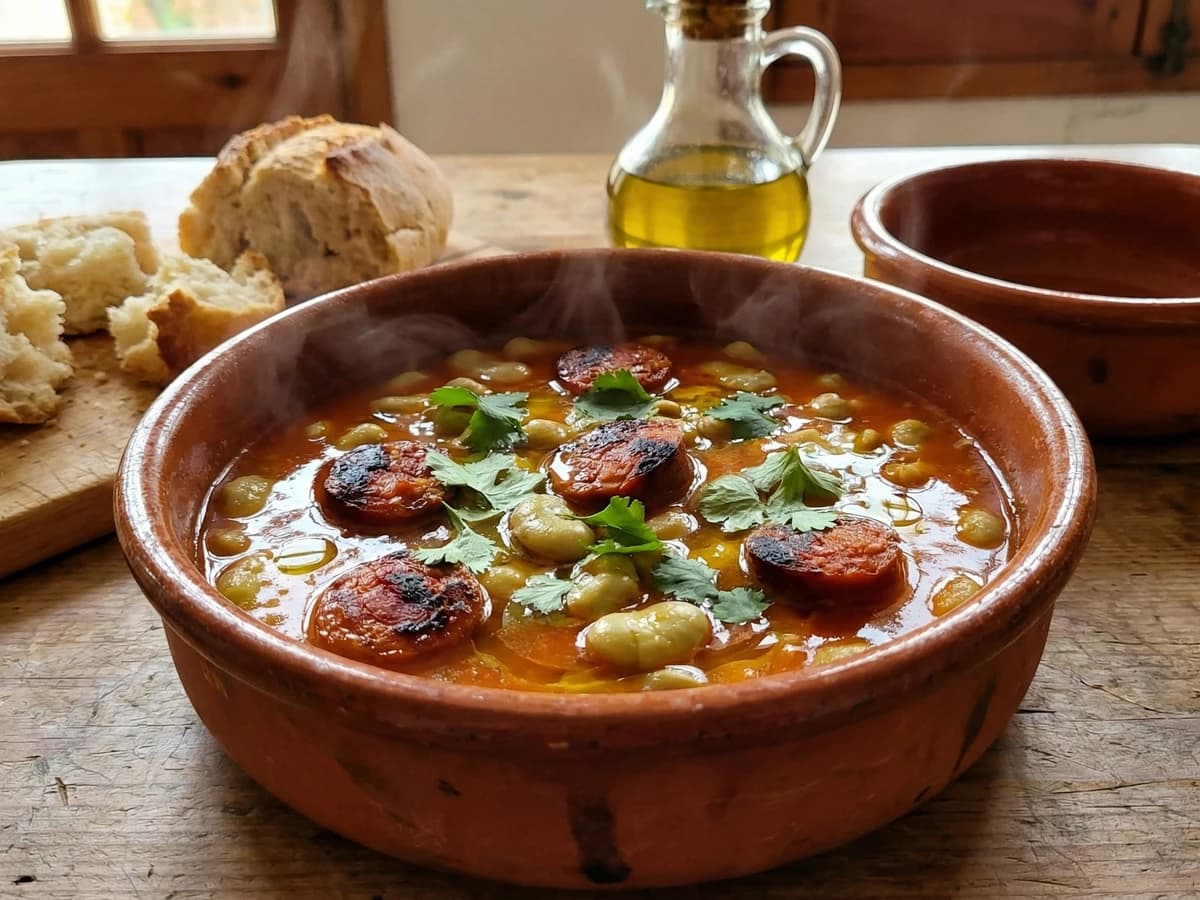
Fava beans and chouriço, stewed slow until the beans turn creamy and the broth runs red with smoky fat. Spring in a bowl. Bread for soaking is mandatory.
Chef Margarida
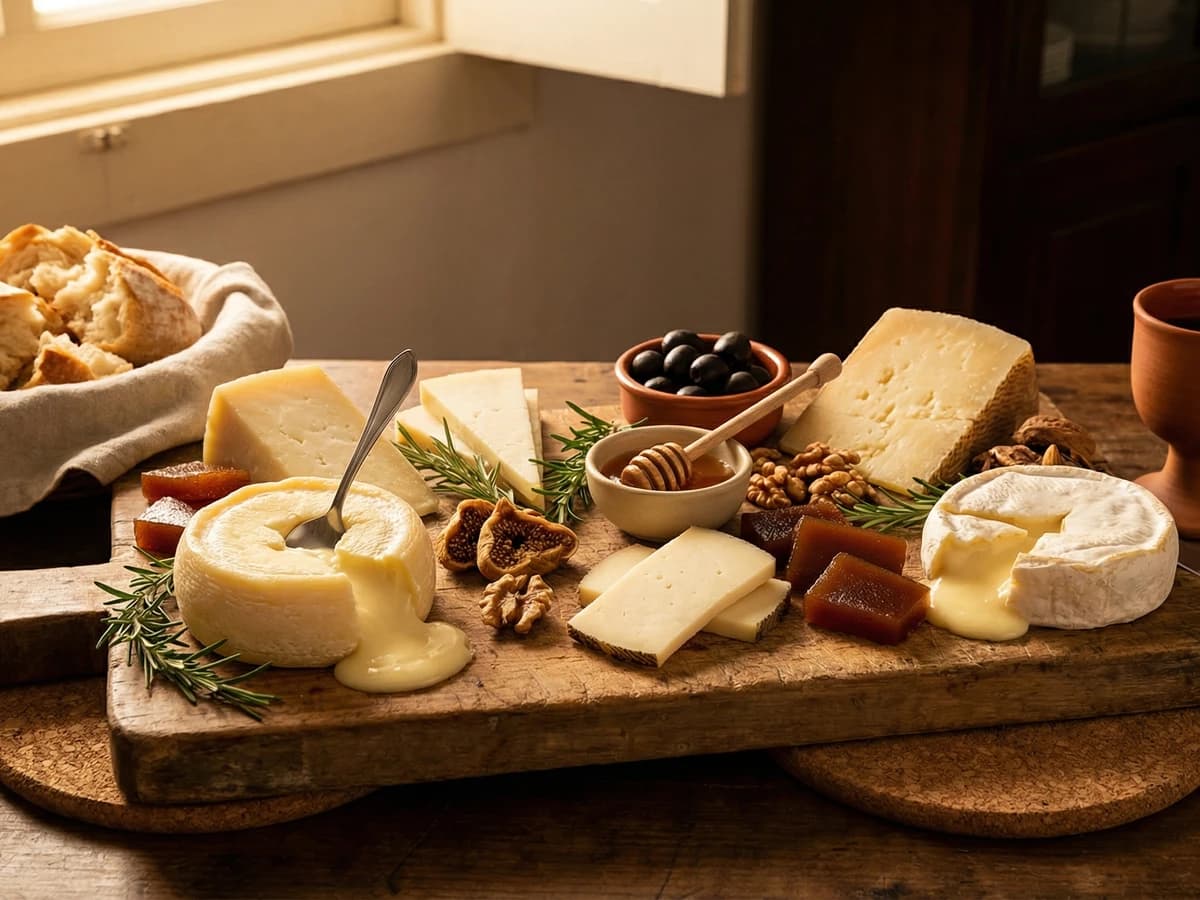
Four regions, four cheeses, four centuries of shepherd's wisdom arranged on a single board. This is how Portugal welcomes guests: with abundance, with stories, with the understanding that sitting together matters more than what's on the table.
Chef Margarida
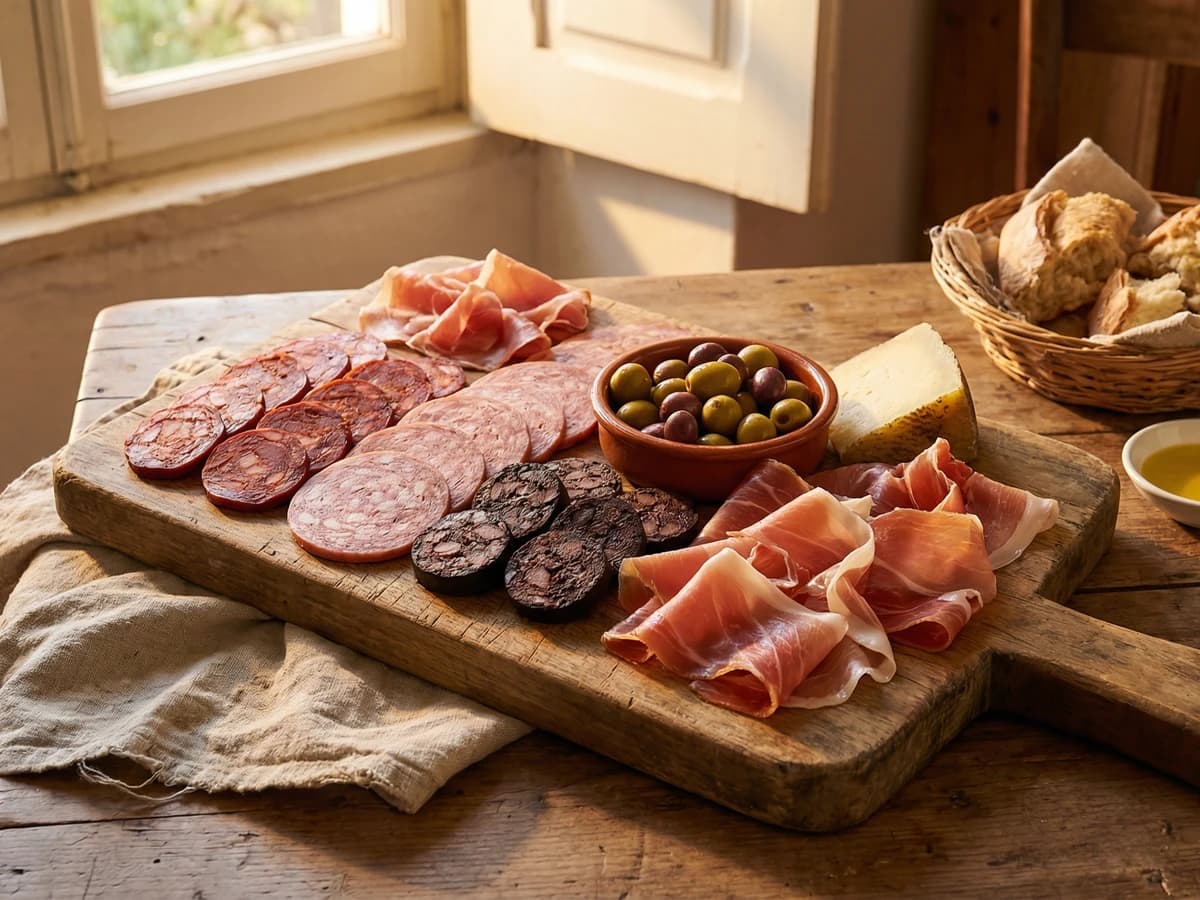
A board of Portugal's finest cured meats, each slice carrying centuries of mountain smoke and village tradition. No cooking required. Just respect for the craft, a sharp knife, and people worth sharing it with.
Chef Margarida
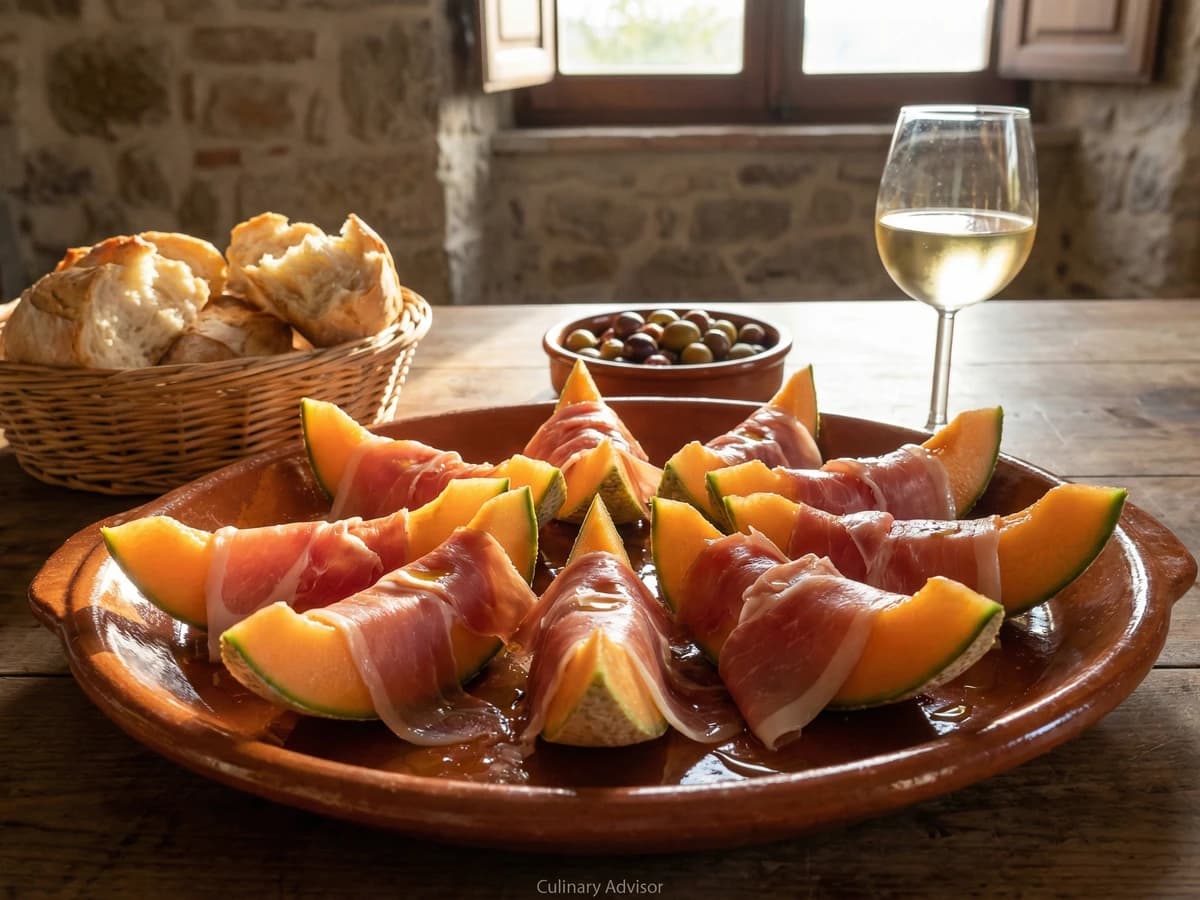
Two ingredients. That's all. Presunto from Alentejo's black pigs, melon at the peak of summer ripeness, and the understanding that the best cooking often means doing almost nothing at all.
Chef Margarida
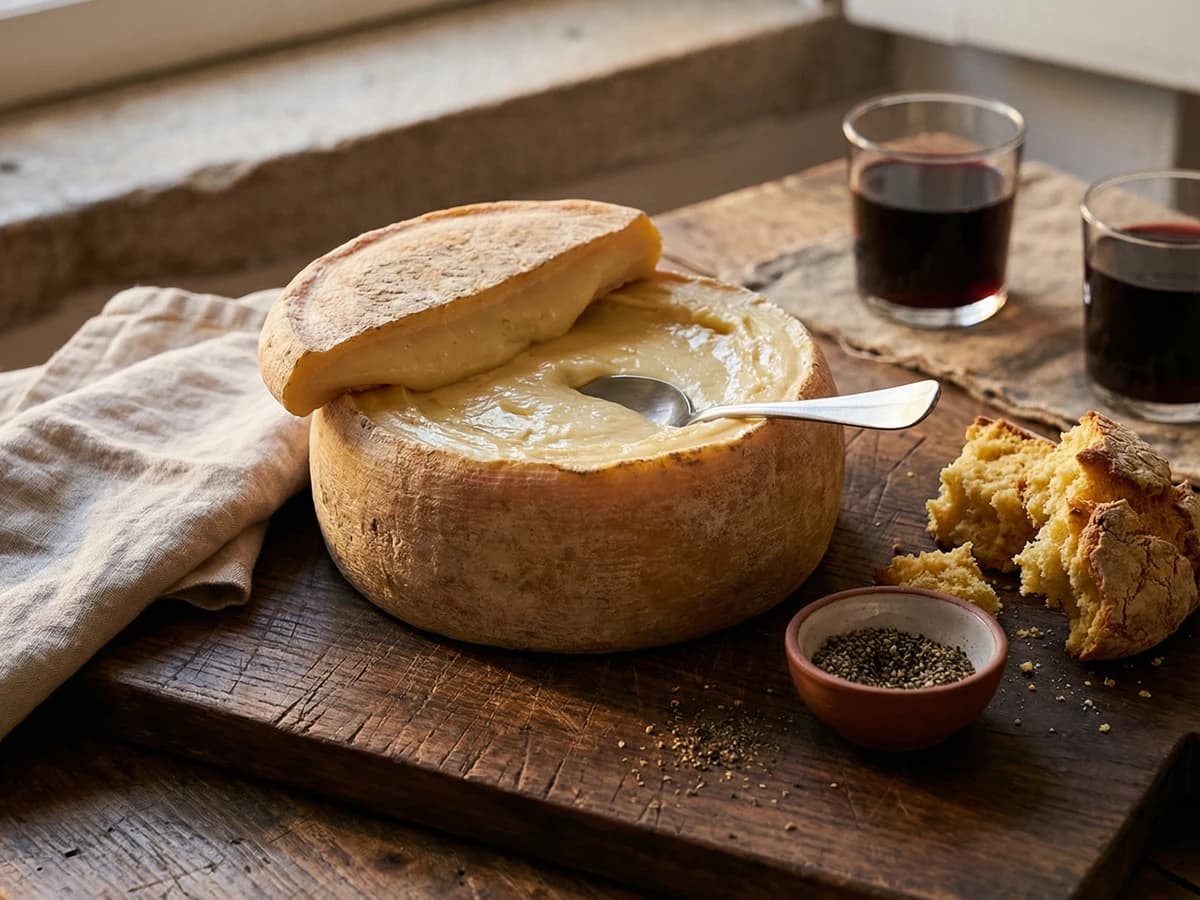
Portugal's most treasured cheese, brought to the table at its moment of perfection. Cut the top, dip your bread, and understand why the shepherds of Serra da Estrela have guarded this tradition for centuries.
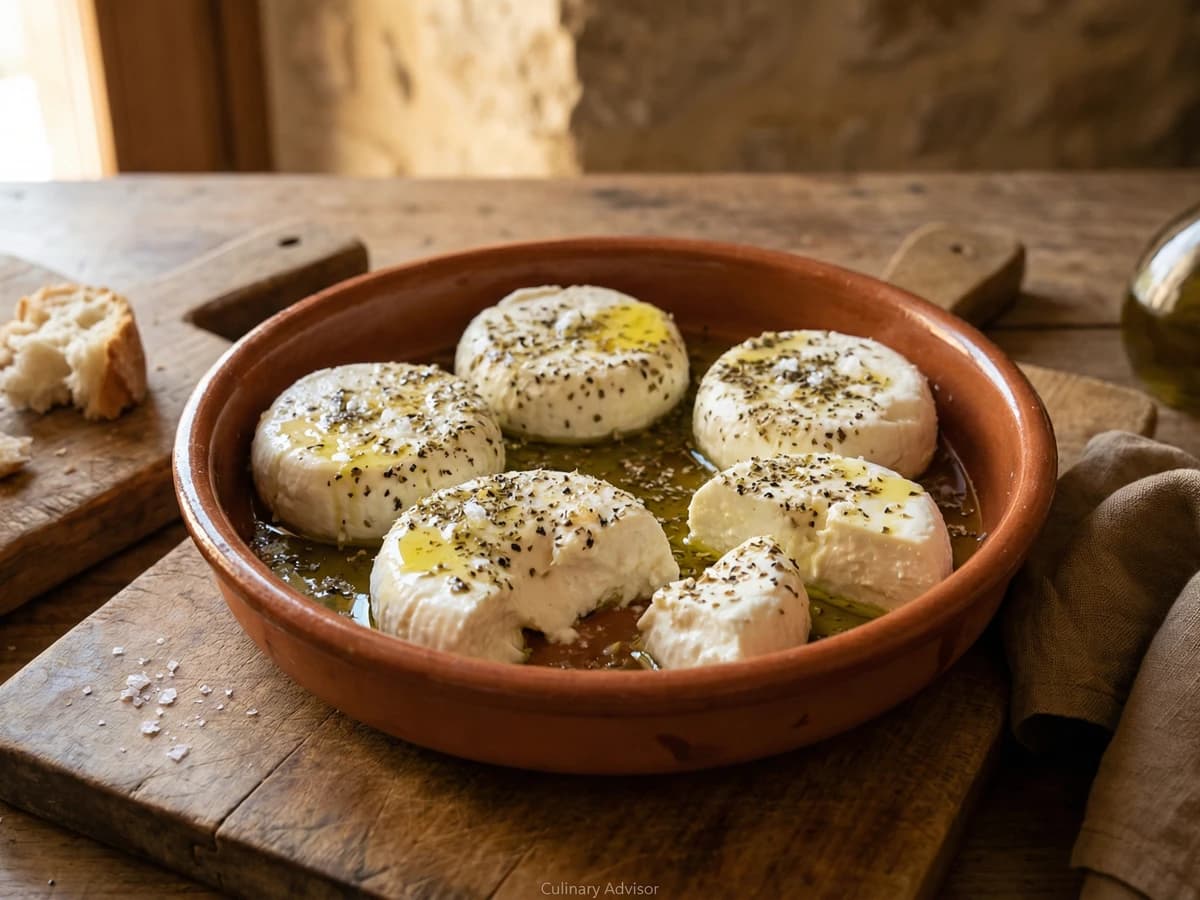
Chef Margarida
Fresh cheese curds from Alentejo dressed the way shepherds have done it for centuries: good oil, cracked pepper, dried herbs, and nothing to prove. The first thing on the table and the last thing you stop reaching for.
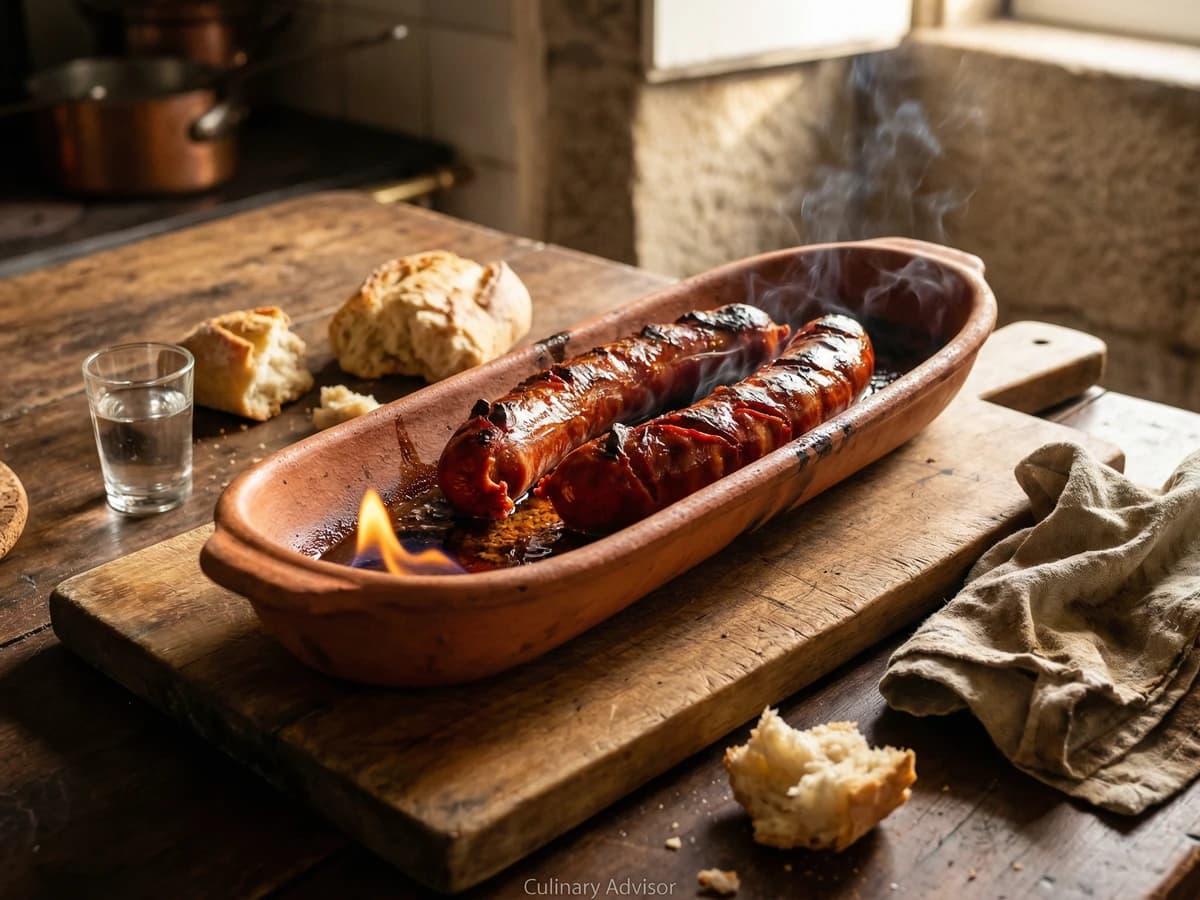
Chef Margarida
The theater of the tasca: chouriço set ablaze in its clay vessel, aguardente flames dancing blue and orange until the casing splits and the smoky fat runs. This is how we gather.
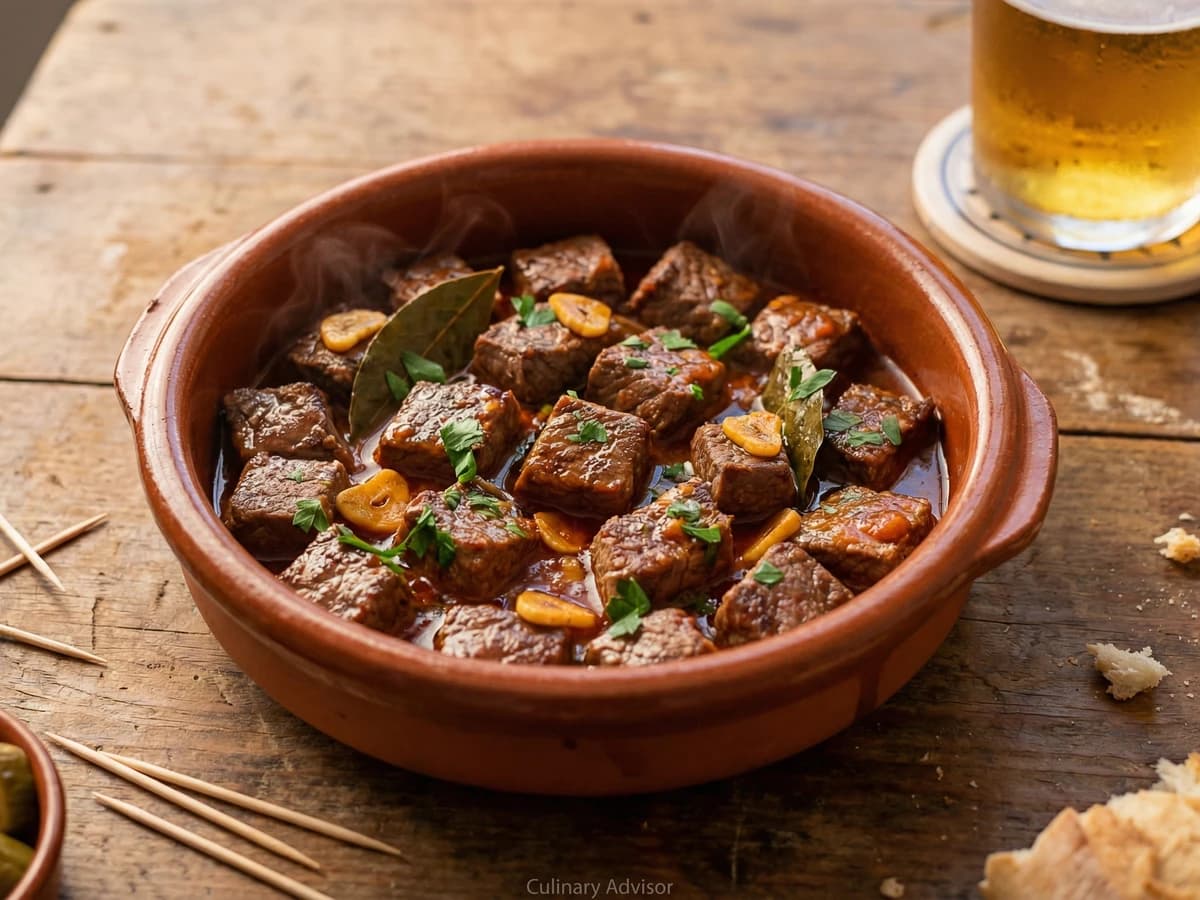
Chef Margarida
The petisco that keeps you at the table longer than you planned. Tender beef swimming in garlic and wine, spicy enough to demand another beer, served with pickles and toothpicks for the picking.
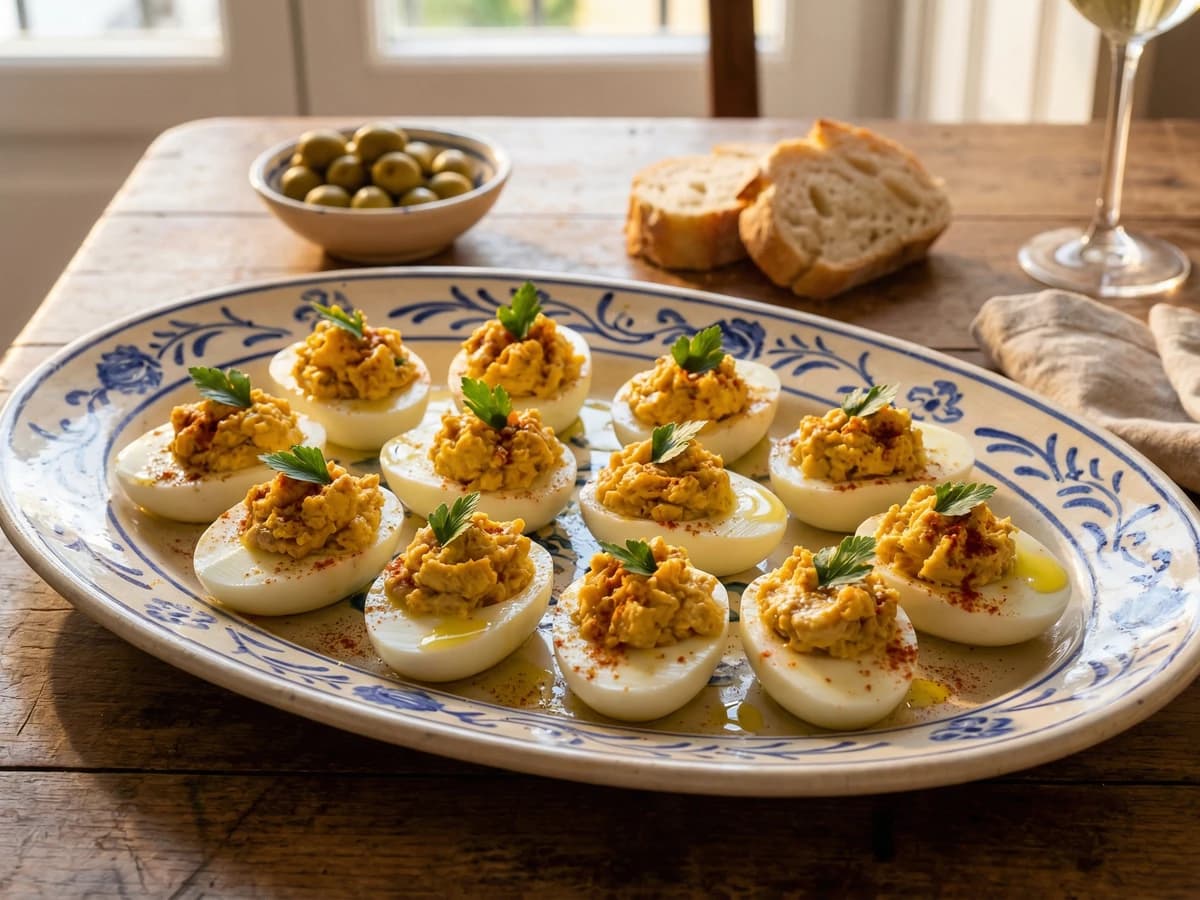
Chef Margarida
The stuffed eggs of every Portuguese celebration, where humble ingredients become something festive. Tuna, mayonnaise, mustard, a dust of colorau. Simple, satisfying, and gone from the platter before you can blink.

Chef Margarida
Mushrooms stuffed with chouriço and baked until the cheese bubbles and browns, the kind of petisco that disappears from the table before you've finished pouring the wine. Tasca food for your home.
Chef Margarida
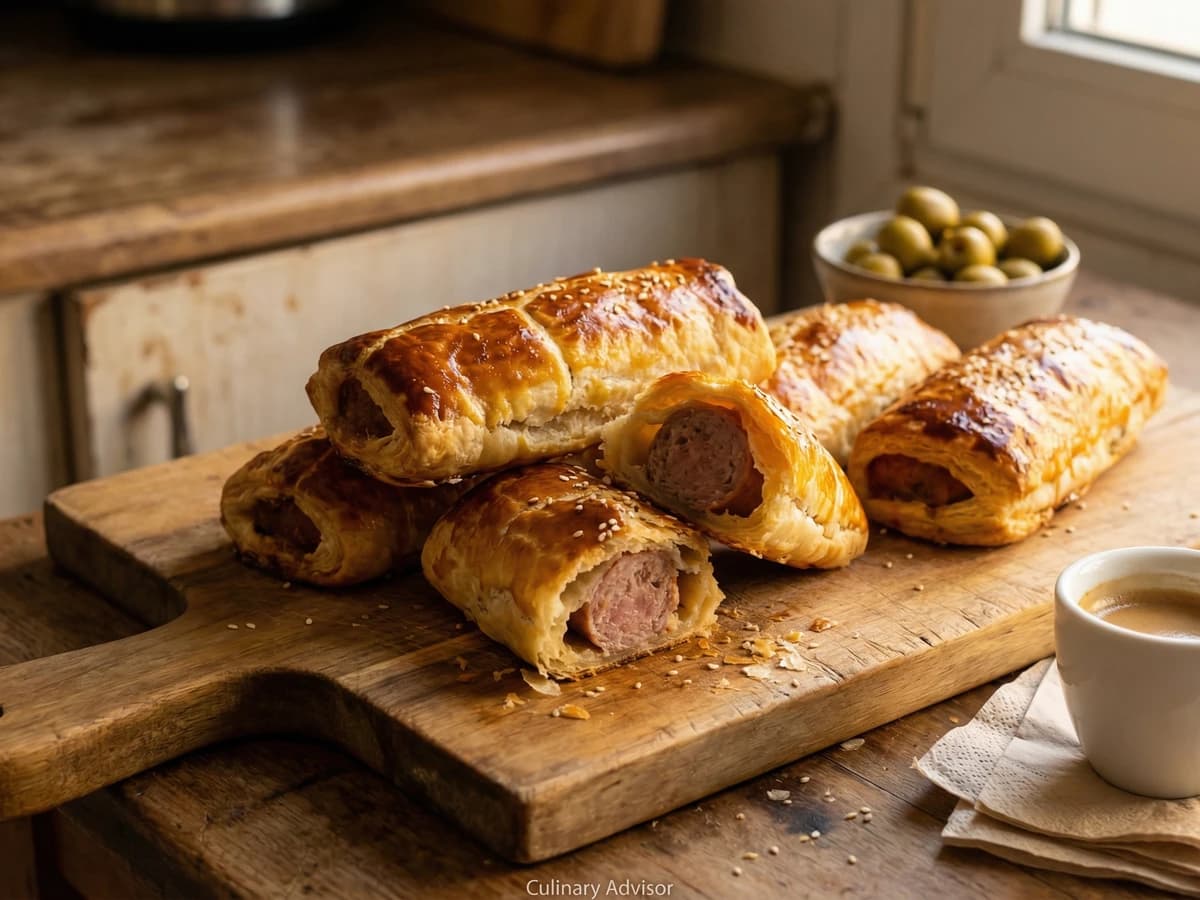
The sausage rolls that fill every bakery case in Portugal, golden puff pastry wrapped around seasoned pork, the kind of snack you grab without thinking and remember all day
Chef Margarida
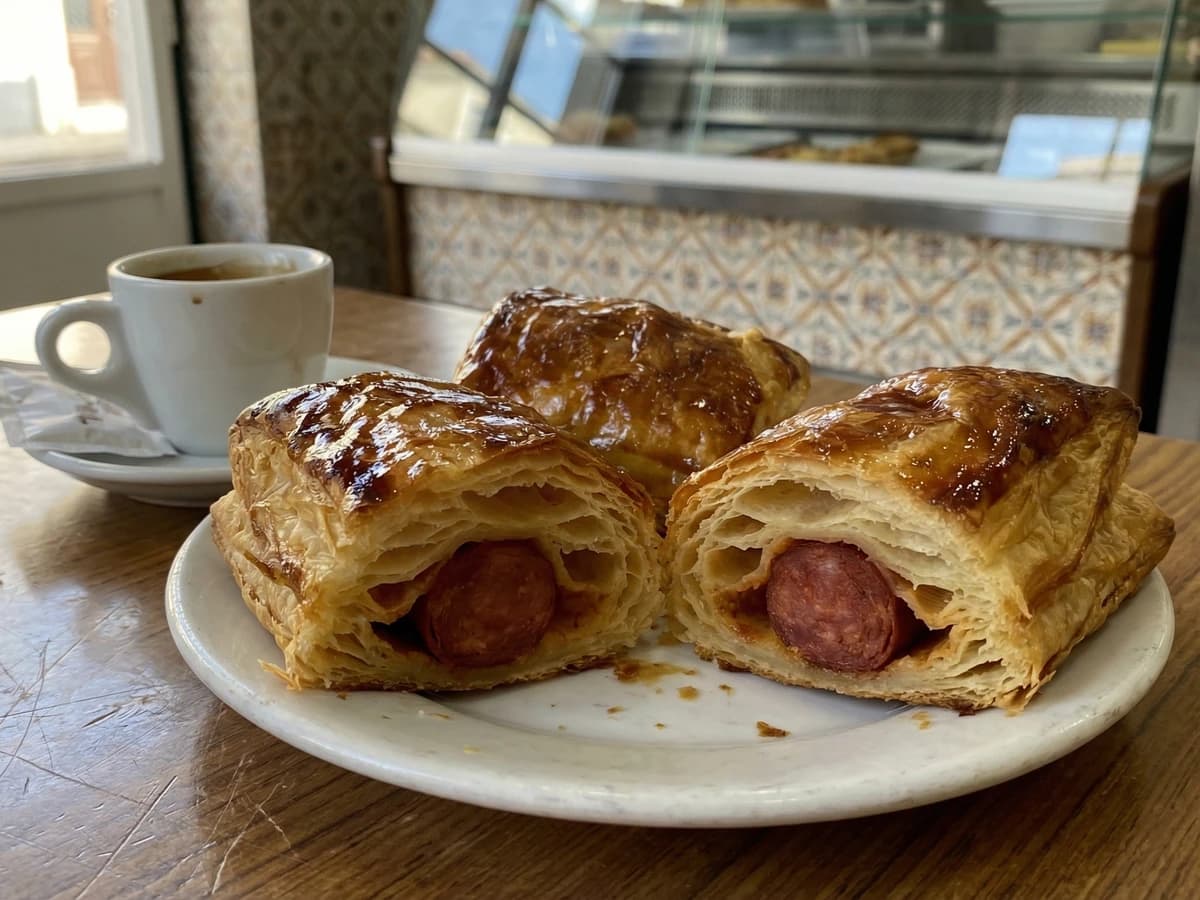
Buttery puff pastry wrapped around smoky chouriço, baked until the layers shatter and the fat renders into every fold. Pastelaria perfection that belongs with your afternoon coffee.
Culinary guides, cultural storytelling, and the editorial depth that makes cooking meaningful.
Discover Culinary ExplorerChef Margarida is a fictional culinary guide to Portuguese Regional Cuisine, written with the assistance of AI.