
Chef Margarida
Azeitonas Temperadas
The marinated olives that sit on every tasca table in Portugal, swimming in garlic, herbs, and enough azeite to make you reach for bread before you've even ordered. This is how we begin.
A cooking platform built around craft, culture, and the stories behind what we eat.
Created by
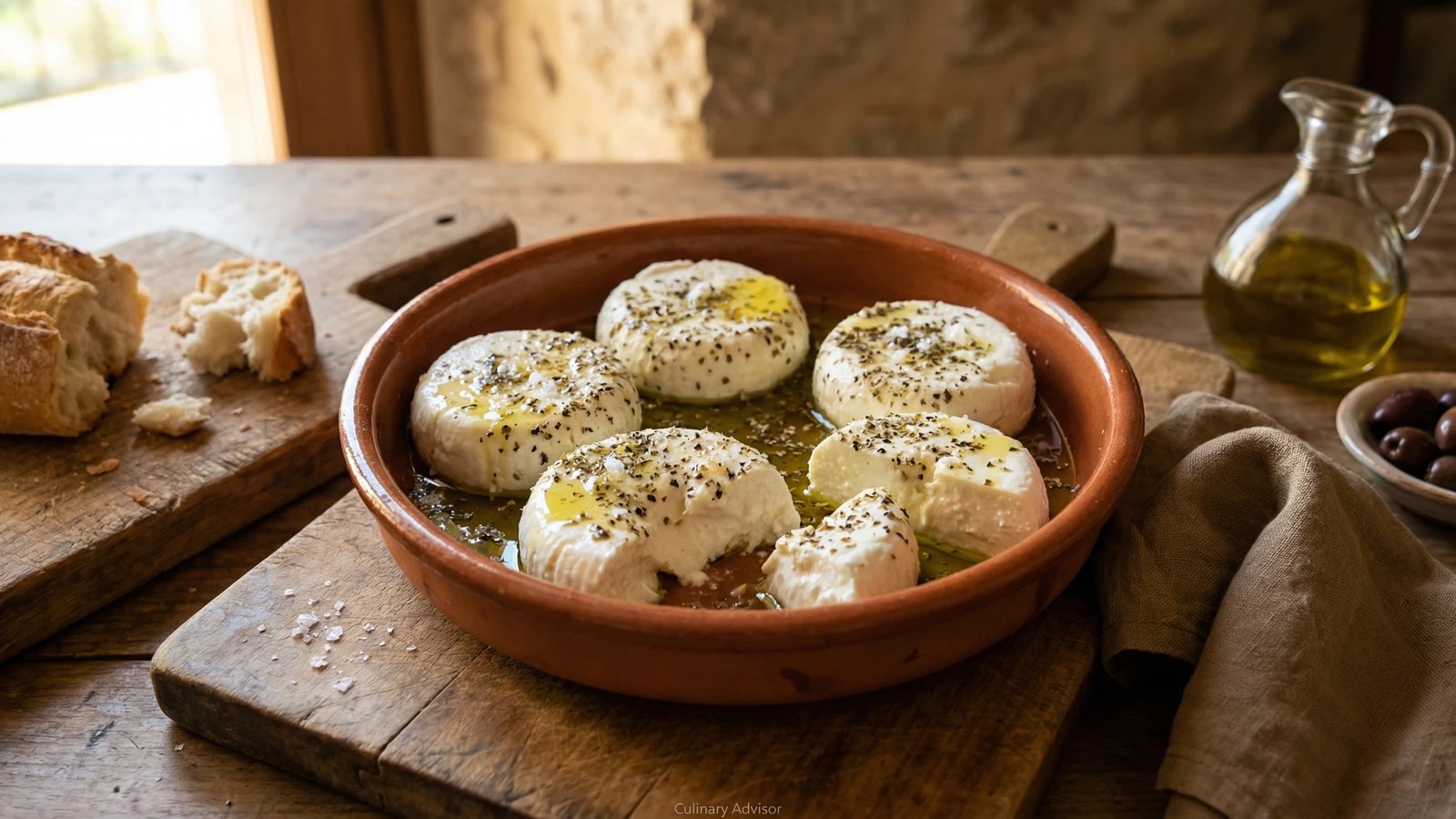
Fresh cheese curds from Alentejo dressed the way shepherds have done it for centuries: good oil, cracked pepper, dried herbs, and nothing to prove. The first thing on the table and the last thing you stop reaching for.
Before the meal begins, before the wine is poured, before anyone sits down properly, this appears. A plate of fresh cheese glistening with oil. Oregano scattered like confetti. The crack of pepper. Someone tears bread. Someone reaches. The conversation starts.
This is how it always was at Avó Leonor's house. Queijinhos frescos temperados. The most humble thing on the table and somehow the thing everyone remembers. She bought her cheese from a neighbor who kept sheep on the hillside outside Évora. The curds would arrive still warm, wrapped in cloth. By the time we sat down, they'd be dressed and waiting.
There's no recipe here, not really. You're not cooking. You're honoring. You're taking something already perfect and giving it a stage. The cheese does the work. The azeite does the work. Your job is to not mess it up.
I serve these at every Mesa da Avó dinner, always first, always before people have settled into their seats. It sets the tone. It says: we're eating simply tonight. We're eating honestly. There's bread, there's oil, there's wine. Pão, azeite, vinho, sempre. This is who we are.
Fresh sheep and goat cheeses have been made in Alentejo since before Portugal existed as a nation, with techniques passed from Roman settlers through Moorish occupation to the present day. The tradition of dressing fresh curds with olive oil and herbs emerged from pastoral life, when shepherds carried their provisions across the plains: cheese from their flocks, oil pressed from local olives, wild oregano gathered from the hillsides. This preparation requires no fire, no kitchen, nothing but good ingredients and the wisdom to leave them alone.
Quantity
400g
preferably sheep or goat milk
Quantity
1/3 cup
Quantity
1 teaspoon
Quantity
1/2 teaspoon
coarsely cracked
Quantity
1/2 teaspoon
Quantity
1 small clove
minced very fine
Quantity
pinch
Quantity
for serving
| Ingredient | Quantity |
|---|---|
| fresh cheese curds (queijo fresco)preferably sheep or goat milk | 400g |
| extra virgin olive oil (azeite) | 1/3 cup |
| dried oregano (oregãos) | 1 teaspoon |
| black peppercoarsely cracked | 1/2 teaspoon |
| flaky sea salt | 1/2 teaspoon |
| garlic (optional)minced very fine | 1 small clove |
| piri-piri or red pepper flakes (optional) | pinch |
| crusty bread | for serving |
Remove the queijo fresco from its liquid and pat dry gently with a clean cloth. If using one large round, cut it into rough wedges or thick slices. If using small individual curds, leave them whole. The cheese should be at room temperature, not cold from the refrigerator. Cold cheese doesn't absorb the oil properly and the flavors stay on the surface instead of seeping in.
Place the cheese pieces on a shallow terracotta dish or rustic plate. Don't stack them. Give each piece room to breathe and catch the oil. This is presentation at its most honest: the cheese is the star, and it should look like it belongs on a grandmother's table, not a restaurant.
Drizzle the olive oil generously over and around the cheese. You want pools of golden azeite collecting in the dish. Scatter the oregano evenly, then the cracked pepper and flaky salt. If using garlic, sprinkle it sparingly. If using piri-piri, add just a whisper. The cheese should be the voice; everything else is backup.
Let the cheese sit for 5 to 10 minutes at room temperature. This isn't optional. The oil needs time to seep into the soft curds, the oregano needs to bloom, the flavors need to marry. Serve with thick slices of crusty bread for scooping. The bread will catch the oil and herbs left on the plate. That's half the pleasure.
1 serving (about 120g)
Culinary guides, cultural storytelling, and the editorial depth that makes cooking meaningful.
Discover Culinary ExplorerChef Margarida
The marinated olives that sit on every tasca table in Portugal, swimming in garlic, herbs, and enough azeite to make you reach for bread before you've even ordered. This is how we begin.
Chef Margarida
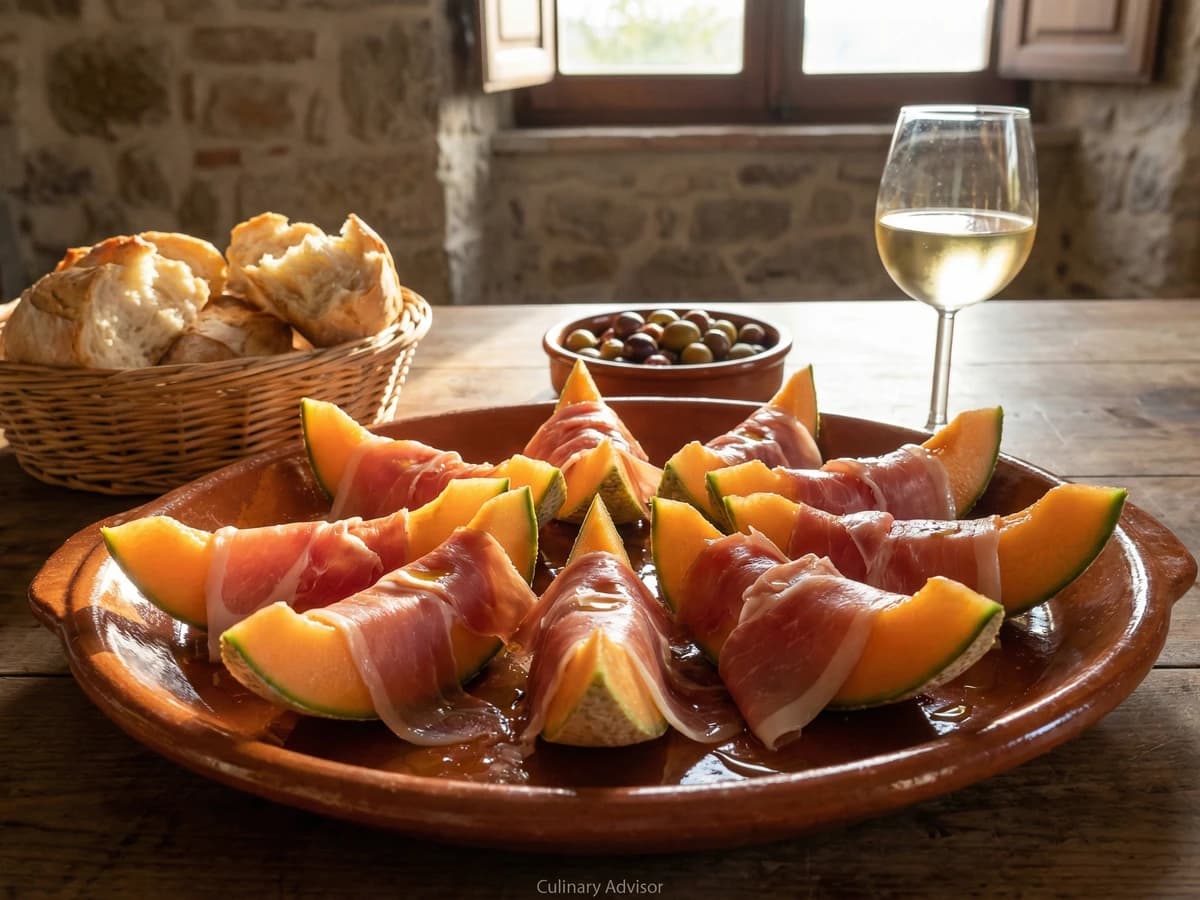
Two ingredients. That's all. Presunto from Alentejo's black pigs, melon at the peak of summer ripeness, and the understanding that the best cooking often means doing almost nothing at all.

Chef Juliette
Tiny éperlans, lightly floured and fried until their tails stand crisp, arrive in a generous heap on a napkin with fried parsley and grooved lemon, a weeknight lesson in heat and restraint.

Chef Juliette
Brandade de Morue turns salt cod, warm olive oil, and milk into a pale, silky emulsion: keep everything warm and add the oil slowly, then crown the generous dome with butter-fried bread.