Chef Margarida
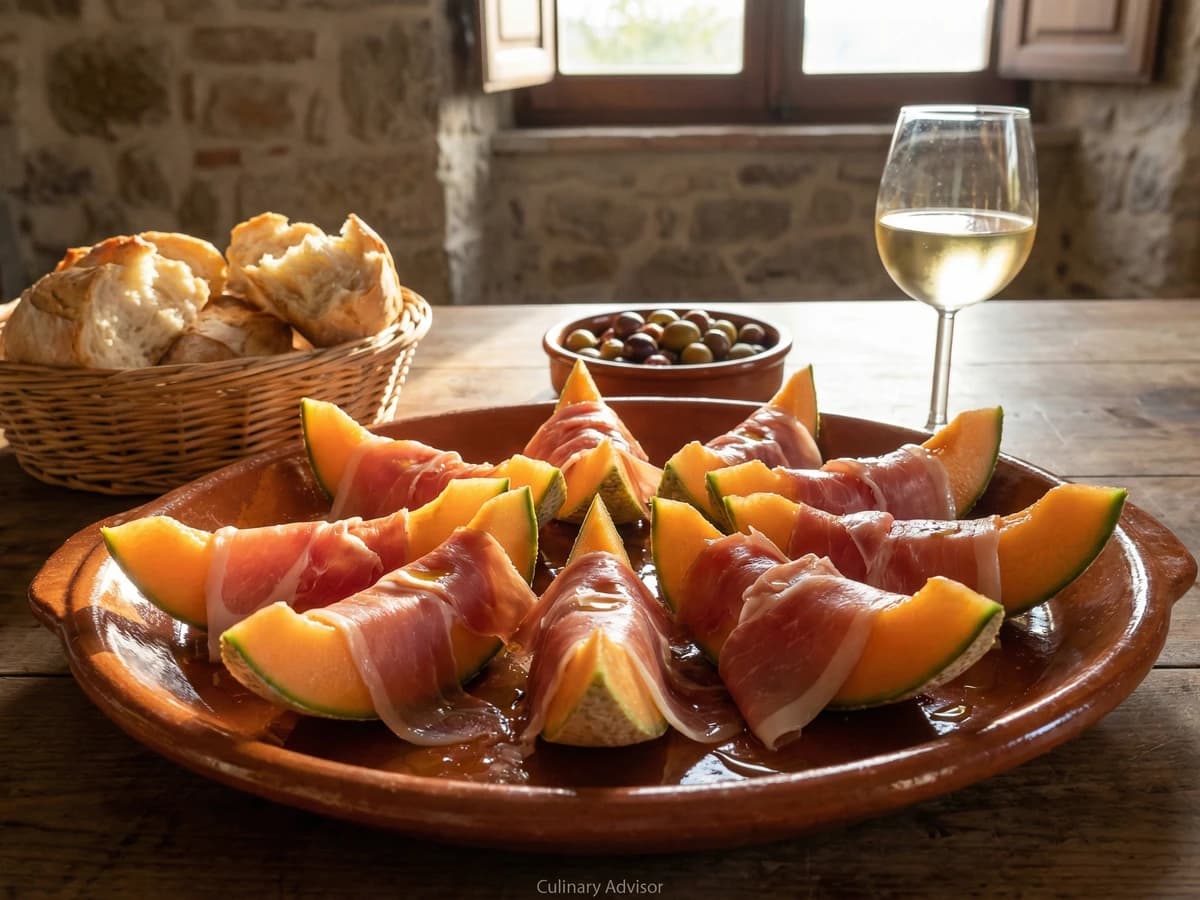
Presunto com Melão
Two ingredients. That's all. Presunto from Alentejo's black pigs, melon at the peak of summer ripeness, and the understanding that the best cooking often means doing almost nothing at all.
A cooking platform built around craft, culture, and the stories behind what we eat.
Created by
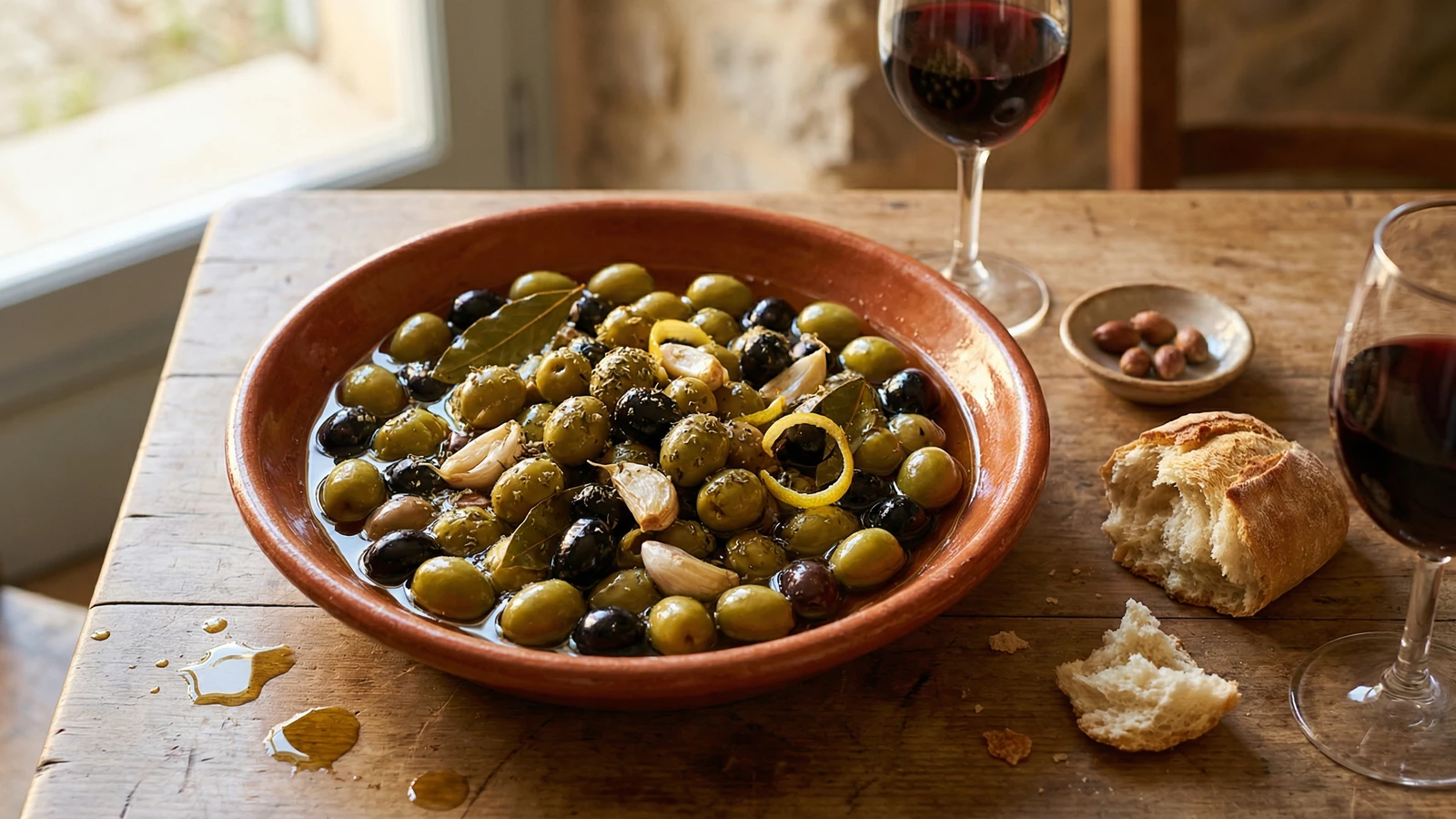
The marinated olives that sit on every tasca table in Portugal, swimming in garlic, herbs, and enough azeite to make you reach for bread before you've even ordered. This is how we begin.
Before there's food, there are olives. Before the first course arrives, before the wine is poured, before anyone has even looked at a menu, someone puts a bowl of azeitonas temperadas on the table. That's how it works in Portugal. That's how it's always worked.
Avó Leonor kept a jar of these in her kitchen at all times. A clay pot tucked in the cool corner near the window, olives floating in azeite with whole garlic cloves and sprigs of dried oregano. She'd fish them out with a wooden spoon for anyone who walked through her door. Visitors, neighbors, the postman. Everyone got olives.
This isn't a recipe so much as a ritual. You take good olives. You bathe them in good oil. You add garlic, herbs, maybe a curl of lemon peel. Then you wait. The waiting is the work. The marinating transforms plain preserved olives into something you can't stop eating, something that makes you reach for bread to soak up the oil, something that makes you pour another glass of wine because what else would you do?
At Mesa da Avó, these are on the table before guests sit down. No explanation needed. Everyone knows what to do. Pão, azeite, azeitonas, sempre. Bread, olive oil, olives, always. This is how we begin.
Olive cultivation in Portugal dates back over 3,000 years, brought by Phoenician traders to the Alentejo plains. Tempering olives in oil and aromatics was a preservation technique long before refrigeration, allowing families to keep olives edible through the hot summers. The tradition of serving marinated olives before meals likely comes from ancient Roman convivium customs that never left the Iberian Peninsula.
Quantity
500g
Quantity
1 cup
Quantity
6
smashed
Quantity
2
Quantity
1 tablespoon
Quantity
1 teaspoon
Quantity
2 strips (about 5cm each)
pith removed
Quantity
1 small chili or 1/2 teaspoon
Quantity
1/2 teaspoon
Quantity
1 teaspoon
| Ingredient | Quantity |
|---|---|
| mixed Portuguese olives | 500g |
| extra virgin olive oil (azeite) | 1 cup |
| garlic clovessmashed | 6 |
| bay leaves | 2 |
| dried oregano | 1 tablespoon |
| dried thyme | 1 teaspoon |
| lemon peelpith removed | 2 strips (about 5cm each) |
| dried chili or piri-piri flakes (optional) | 1 small chili or 1/2 teaspoon |
| black peppercorns | 1/2 teaspoon |
| coarse sea salt | 1 teaspoon |
Drain the olives from their brine and rinse them briefly under cold water. Pat them dry with a clean kitchen towel. If using olives with pits (as they should be, for better flavor), leave them whole. The pits protect the flesh and keep the olive firm during marinating.
Place the garlic cloves on your cutting board and press down firmly with the flat of your knife until they crack open. Don't mince them. You want whole smashed cloves that will infuse the oil slowly and look beautiful in the bowl. Avó Leonor said the garlic should be big enough to pick out and eat on its own. She wasn't wrong.
Place the olives in a clean glass jar or ceramic bowl. Add the smashed garlic, bay leaves, oregano, thyme, lemon peel, chili if using, and peppercorns. Sprinkle the salt over everything. Pour in the olive oil, making sure all the olives are submerged. The oil should cover them completely. If it doesn't, add more.
Cover the jar and let it sit at room temperature for at least 24 hours before serving. Better: 3 days. Best: a week. The longer they sit, the more the flavors marry. Give the jar a gentle shake once a day to redistribute the aromatics. The oil will become fragrant, the garlic will soften, and the olives will transform from ordinary to irresistible.
Bring the olives to room temperature before serving if stored in the refrigerator. Spoon them into a shallow bowl with plenty of the infused oil. Serve with crusty bread for soaking up the oil. The garlic cloves are edible and delicious. The bay leaves are not. Make sure there's a small dish for the pits. This is the first thing on the table and the last thing to be finished.
1 serving (about 105g)
Culinary guides, cultural storytelling, and the editorial depth that makes cooking meaningful.
Discover Culinary ExplorerChef Margarida
Two ingredients. That's all. Presunto from Alentejo's black pigs, melon at the peak of summer ripeness, and the understanding that the best cooking often means doing almost nothing at all.
Chef Margarida
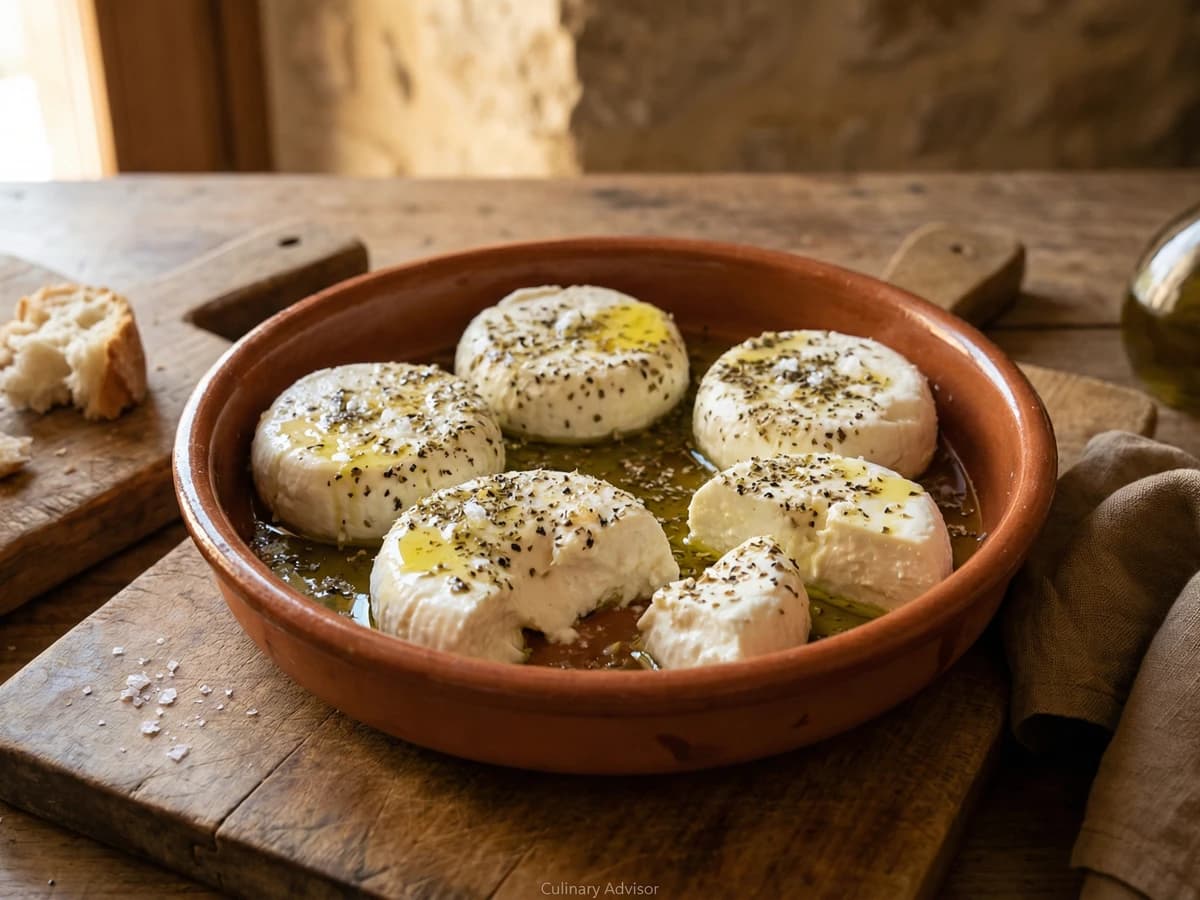
Fresh cheese curds from Alentejo dressed the way shepherds have done it for centuries: good oil, cracked pepper, dried herbs, and nothing to prove. The first thing on the table and the last thing you stop reaching for.

Chef Juliette
Tiny éperlans, lightly floured and fried until their tails stand crisp, arrive in a generous heap on a napkin with fried parsley and grooved lemon, a weeknight lesson in heat and restraint.

Chef Juliette
Brandade de Morue turns salt cod, warm olive oil, and milk into a pale, silky emulsion: keep everything warm and add the oil slowly, then crown the generous dome with butter-fried bread.