
Chef Margarida
Pastel de Chila
Golden tarts born in convent kitchens, where nuns discovered that an unlikely vegetable could become the most elegant of sweets. The chila's threads shine like captured sunlight.
Updated January 24, 2026
Traditional Portuguese pastries and cookies from convent kitchens, padarias, and grandmother's recipes. A cozinha é memória.
A cooking platform built around craft, culture, and the stories behind what we eat.
Chef Margarida
Golden tarts born in convent kitchens, where nuns discovered that an unlikely vegetable could become the most elegant of sweets. The chila's threads shine like captured sunlight.
Chef Margarida
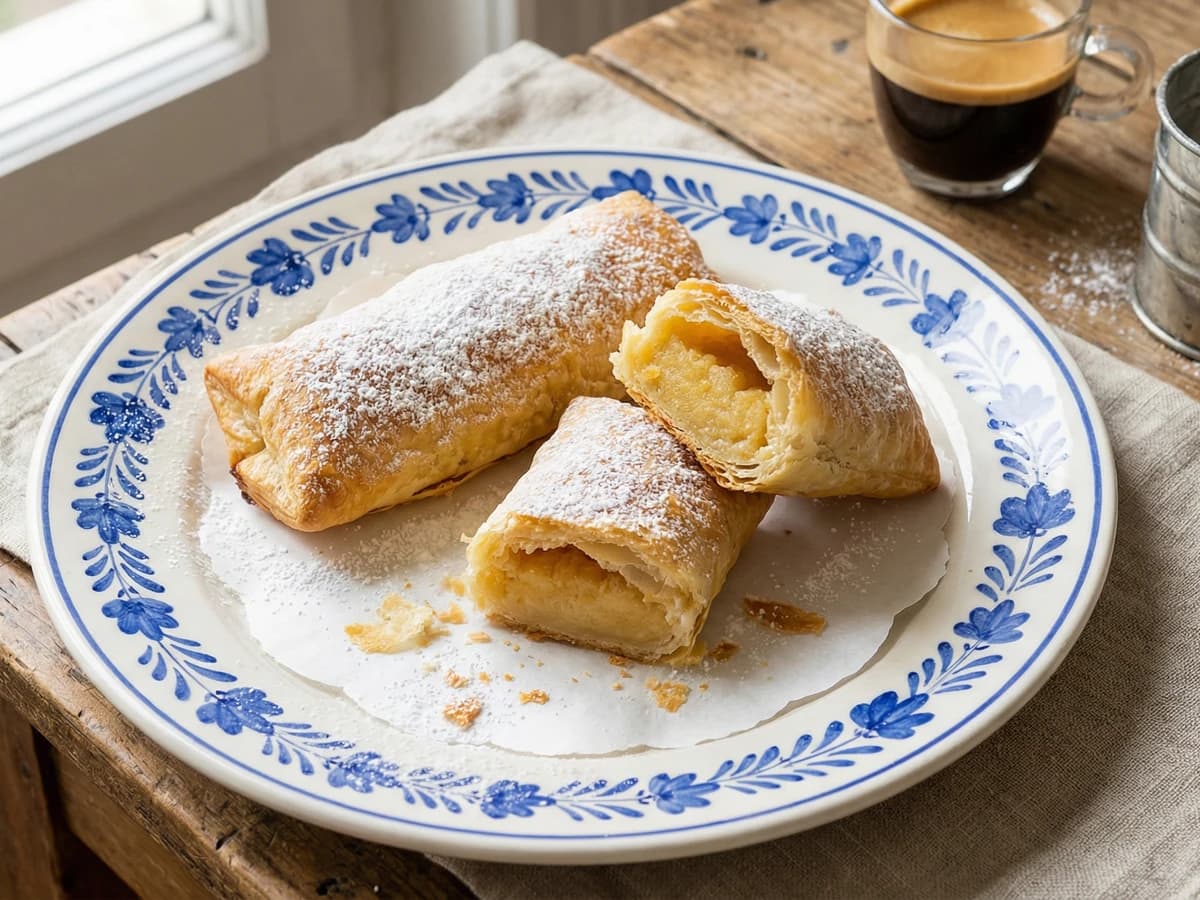
The pillow pastries of Sintra, where flaky layers of real puff pastry embrace a filling of ground almonds and egg yolks, born in convent kitchens and perfected in a family padaria that's been guarding the recipe for eight decades.
Chef Margarida
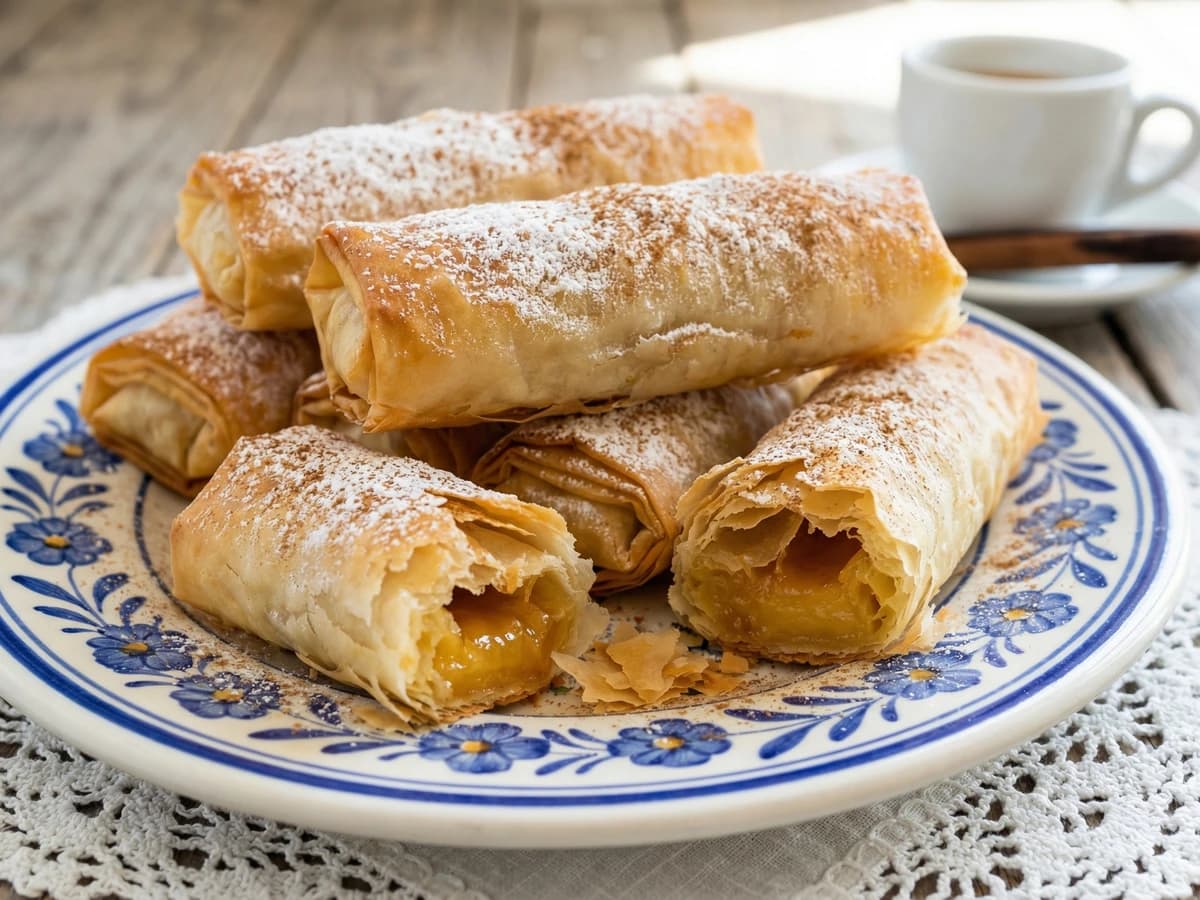
Dough stretched thin as breath, wrapped around golden egg custard, dusted with sugar and cinnamon. The nuns of Tentúgal spent centuries perfecting what your hands will learn today.
Chef Margarida
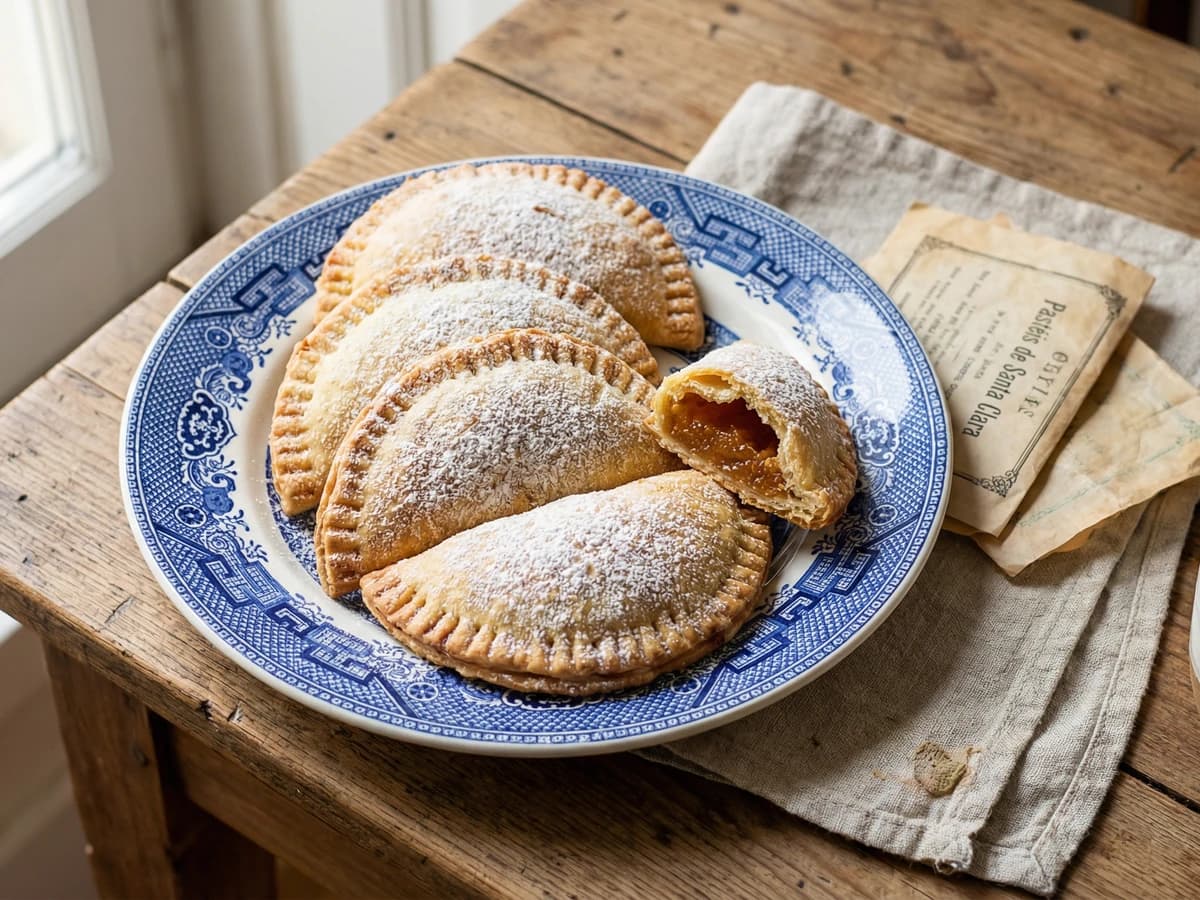
The half-moon pastries of Coimbra's cloistered nuns, crisp golden shells cradling a rich almond and egg yolk cream that speaks of centuries when convents fed both souls and sweet teeth.
Chef Margarida
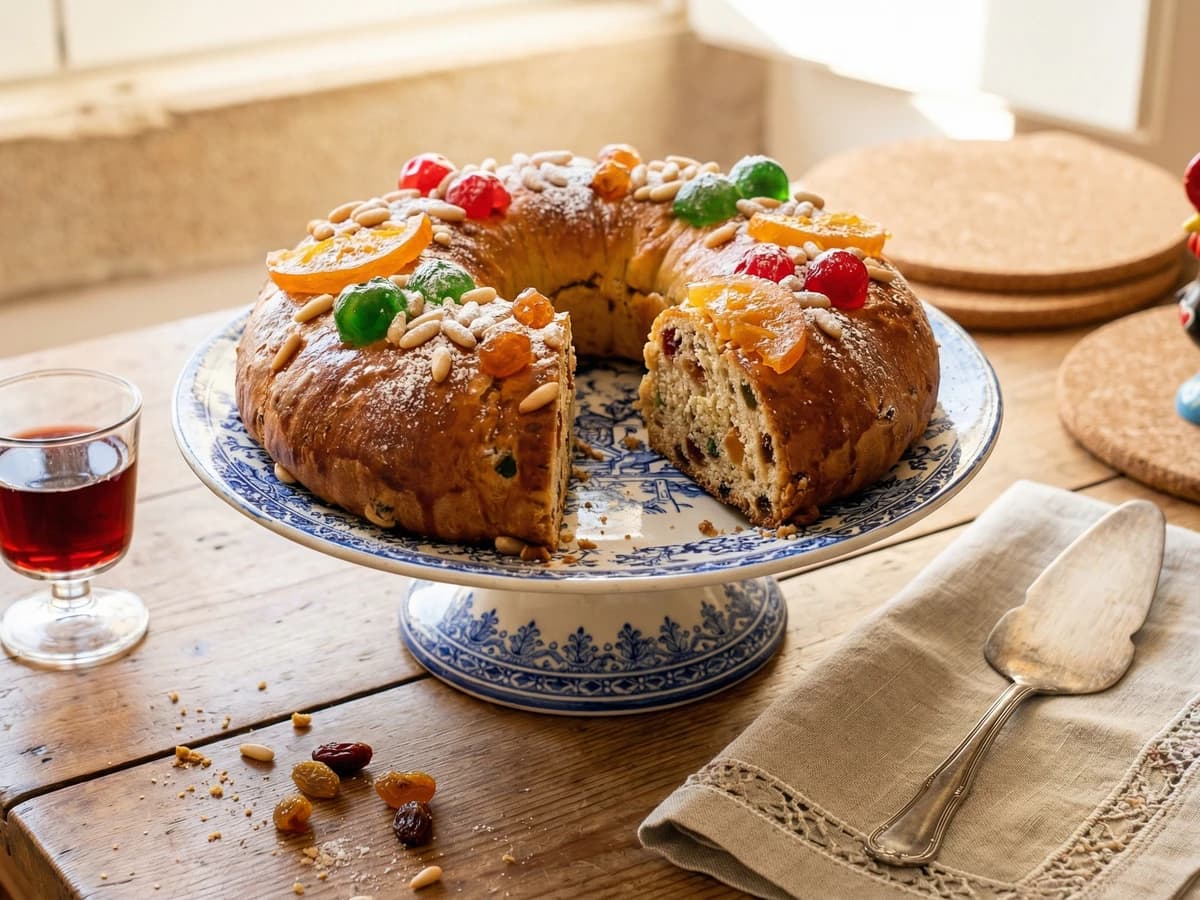
The crown cake of Portuguese Christmas, golden and jeweled with candied fruits, hiding a fava bean for the one who buys next year's. Every bite tastes like December coming home.
Chef Margarida
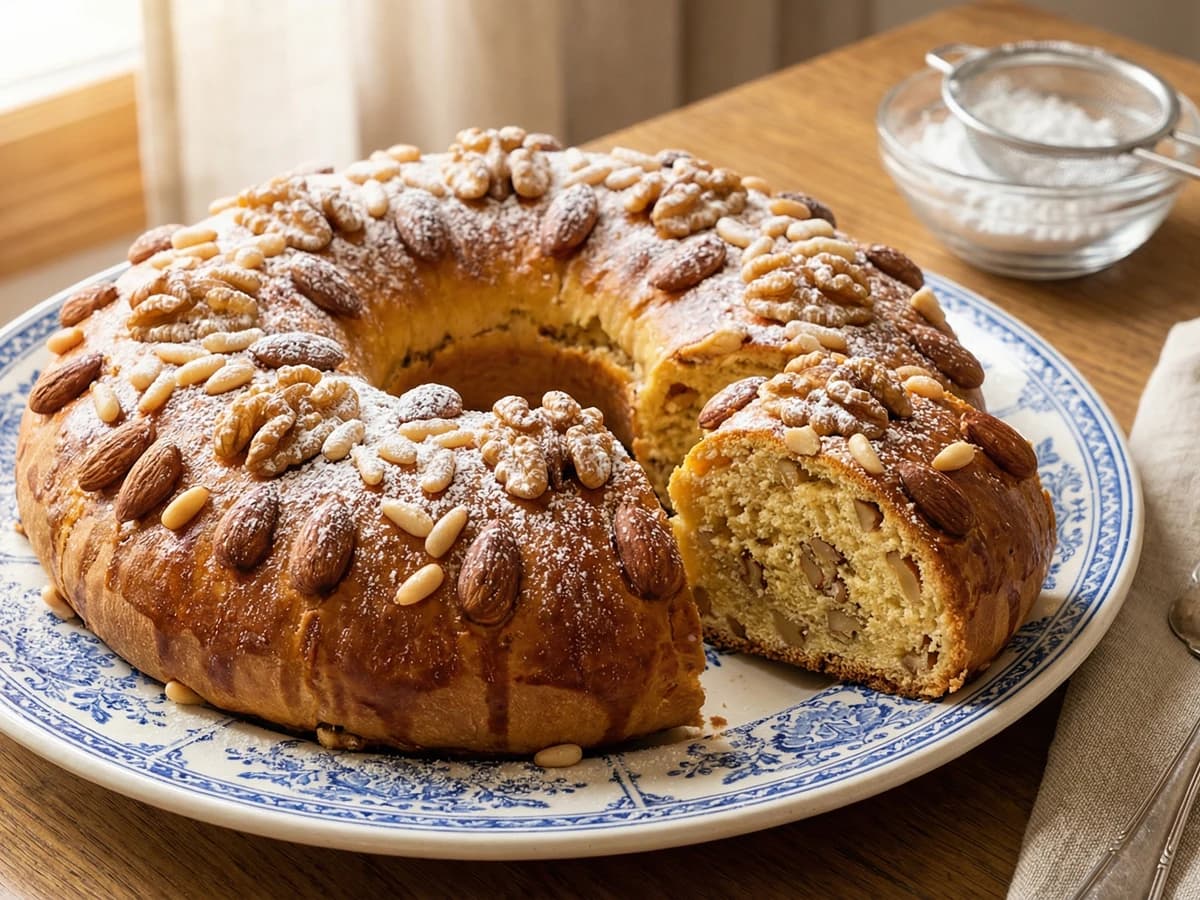
The queen to Bolo Rei's king, born for those who wanted their Christmas crown filled with toasted nuts instead of jewel-colored fruit. Same festive tradition, different treasure within.
Chef Margarida
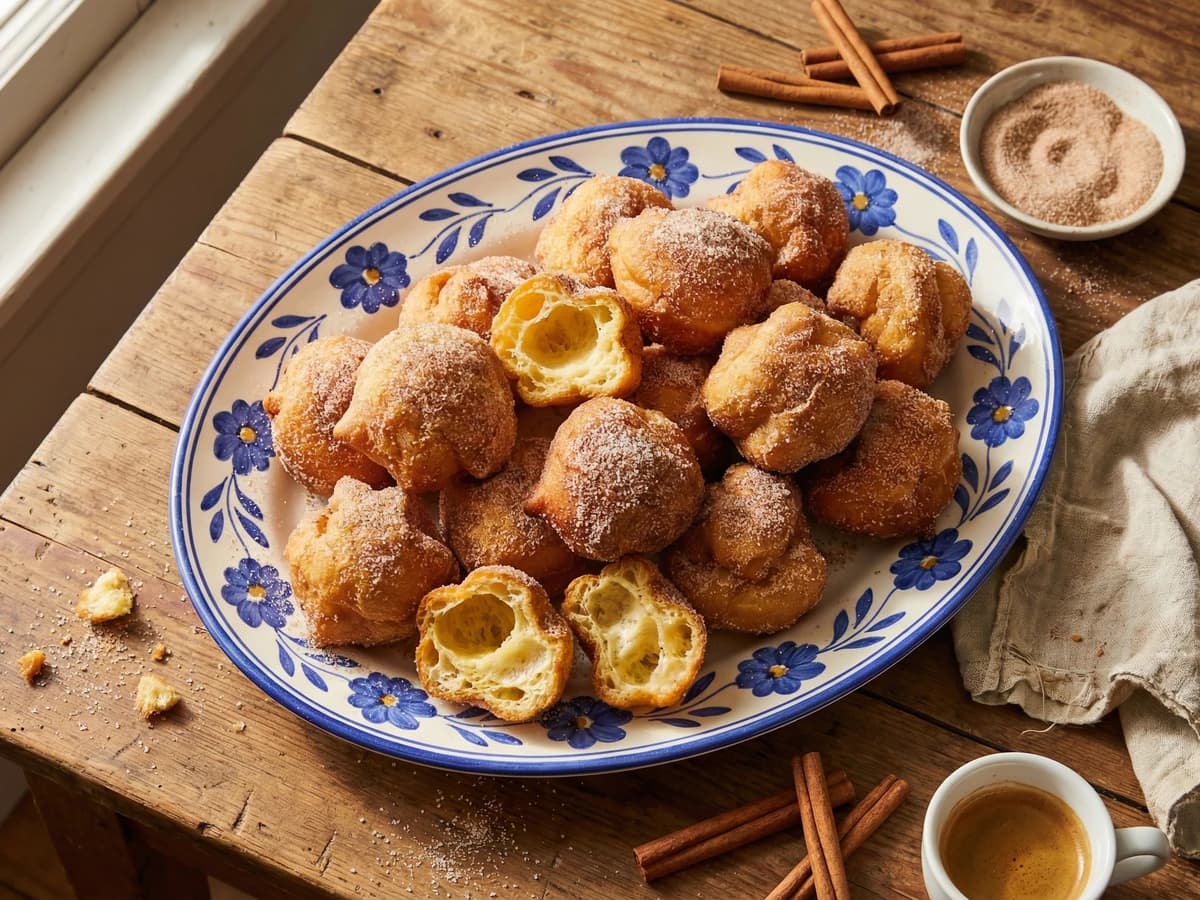
They're called dreams because that's exactly what they taste like. Pillowy fried dough, warm cinnamon sugar, the smell of Christmas morning in every Portuguese household. Light as air, gone in one bite.
Chef Margarida
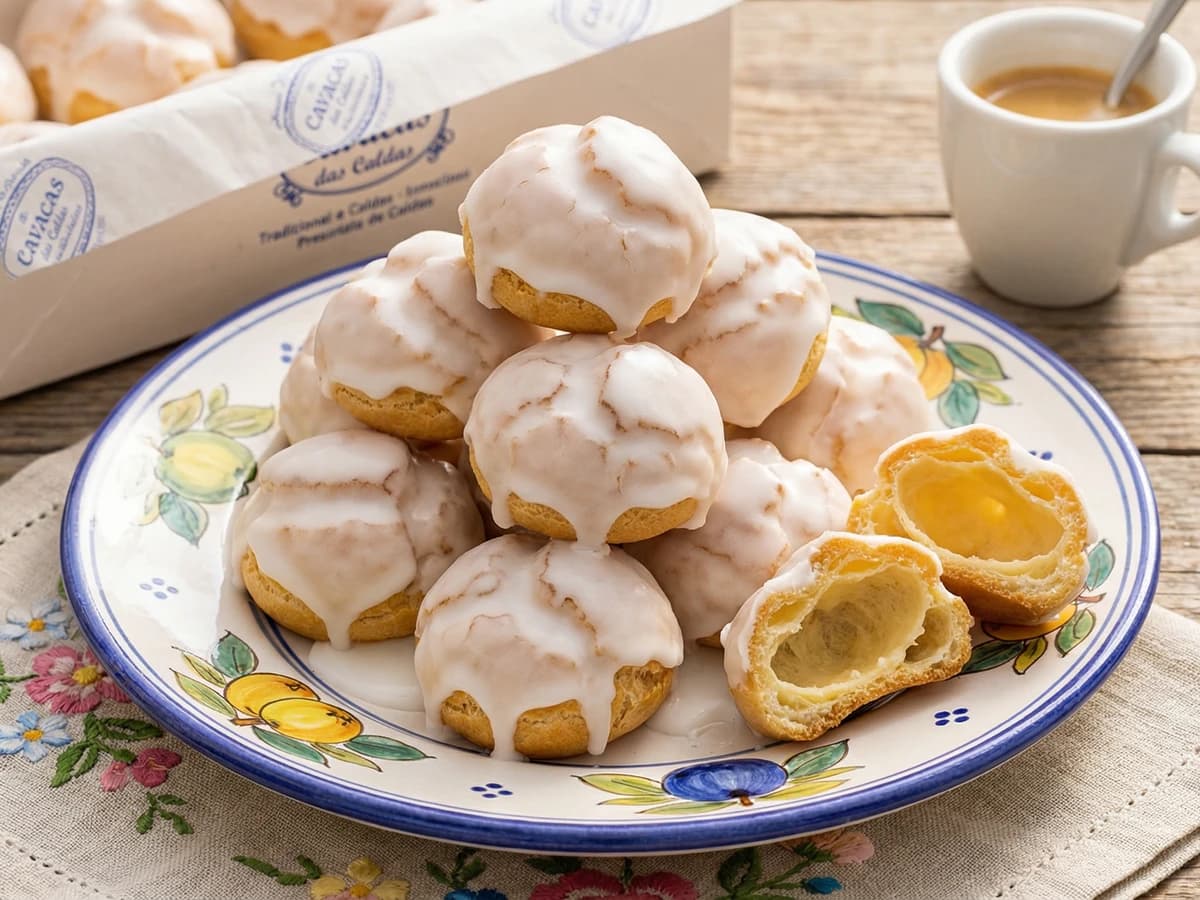
The glazed choux pastries of Caldas da Rainha, crisp shells hiding soft interiors, born in a town of thermal waters and whimsical ceramics, sweet and proud and unmistakably Portuguese.
Chef Margarida
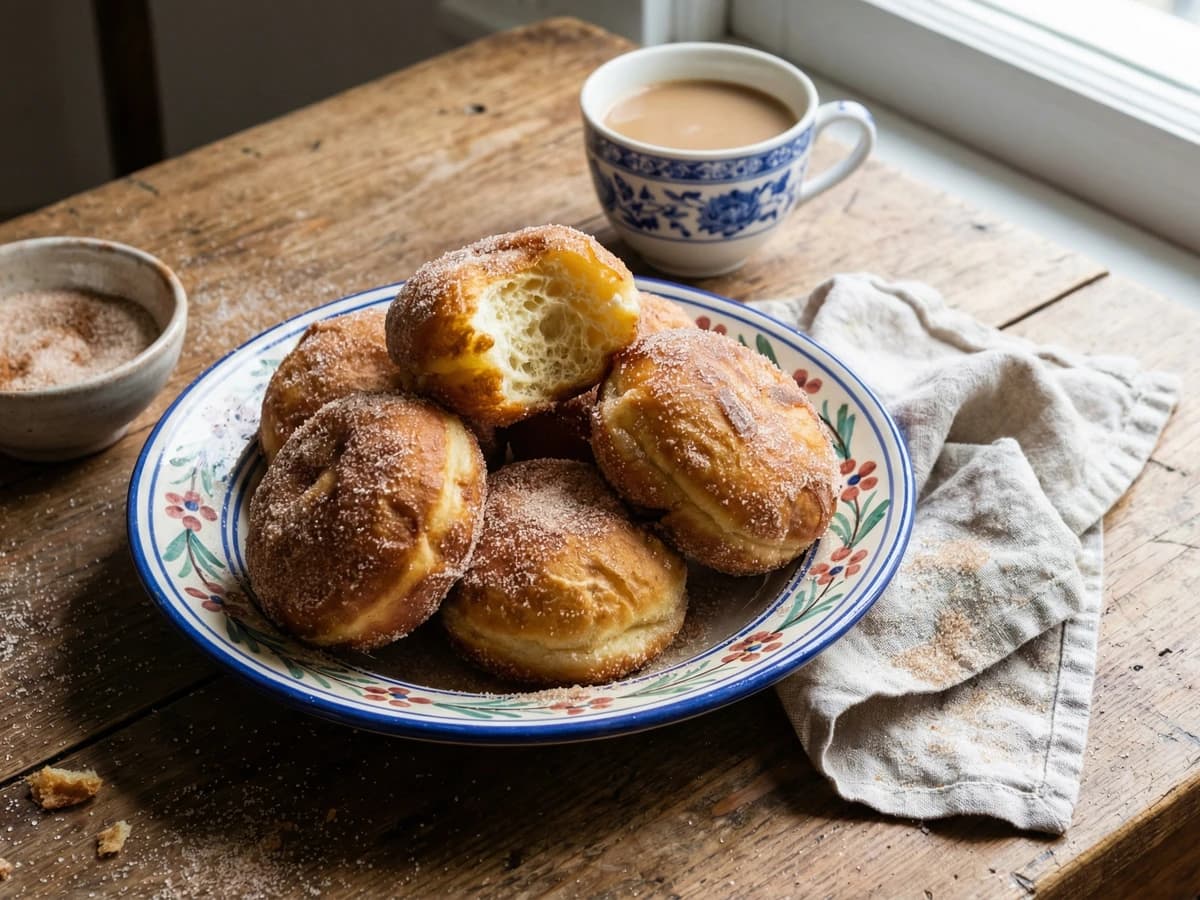
Azorean fried dough that puffs into golden pillows, rolled in cinnamon sugar while still warm. The taste of Carnival, of celebration, of using every good thing in the kitchen before the fasting begins.
Chef Margarida
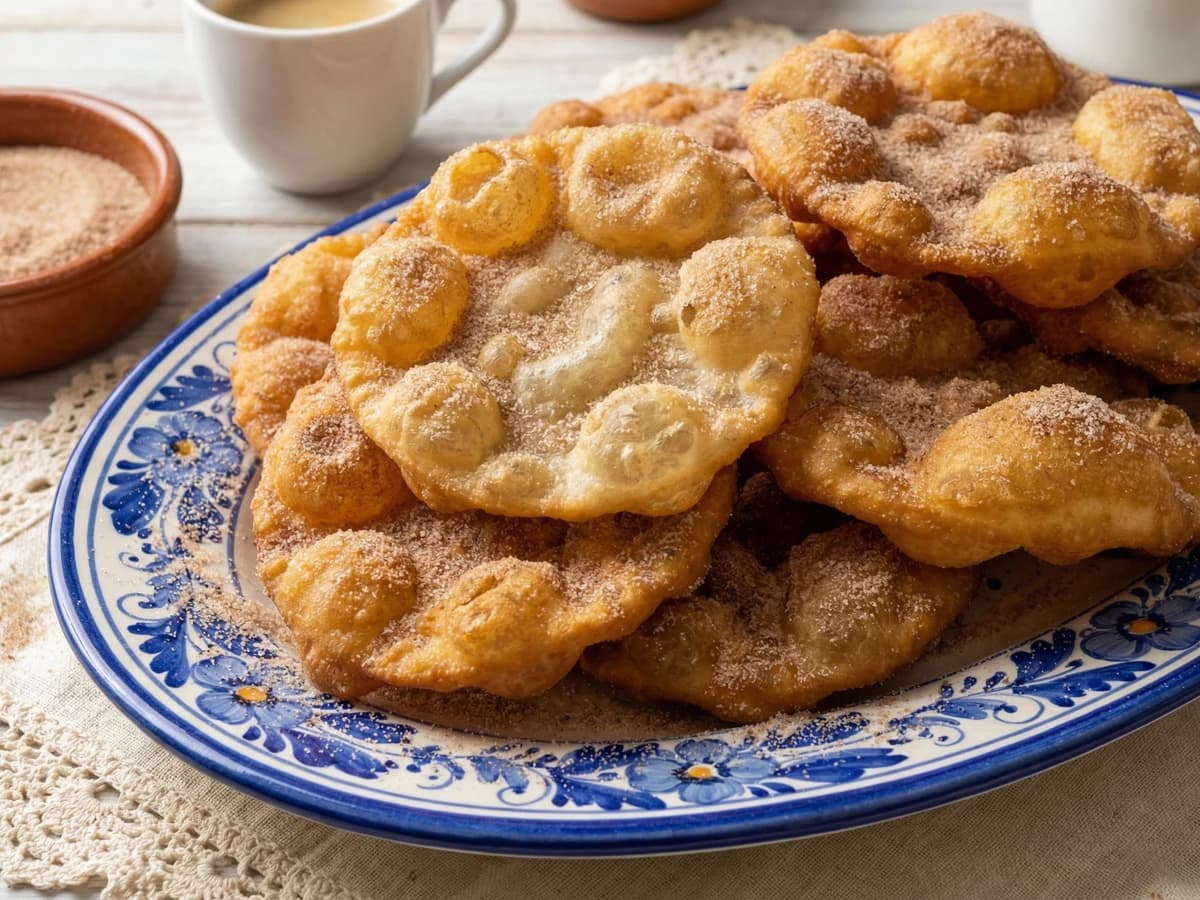
The Christmas fried dough that every Portuguese grandmother shapes differently, stretched thin by hand and fried golden, then buried under cinnamon sugar while still warm. This is what December smells like.
Chef Margarida
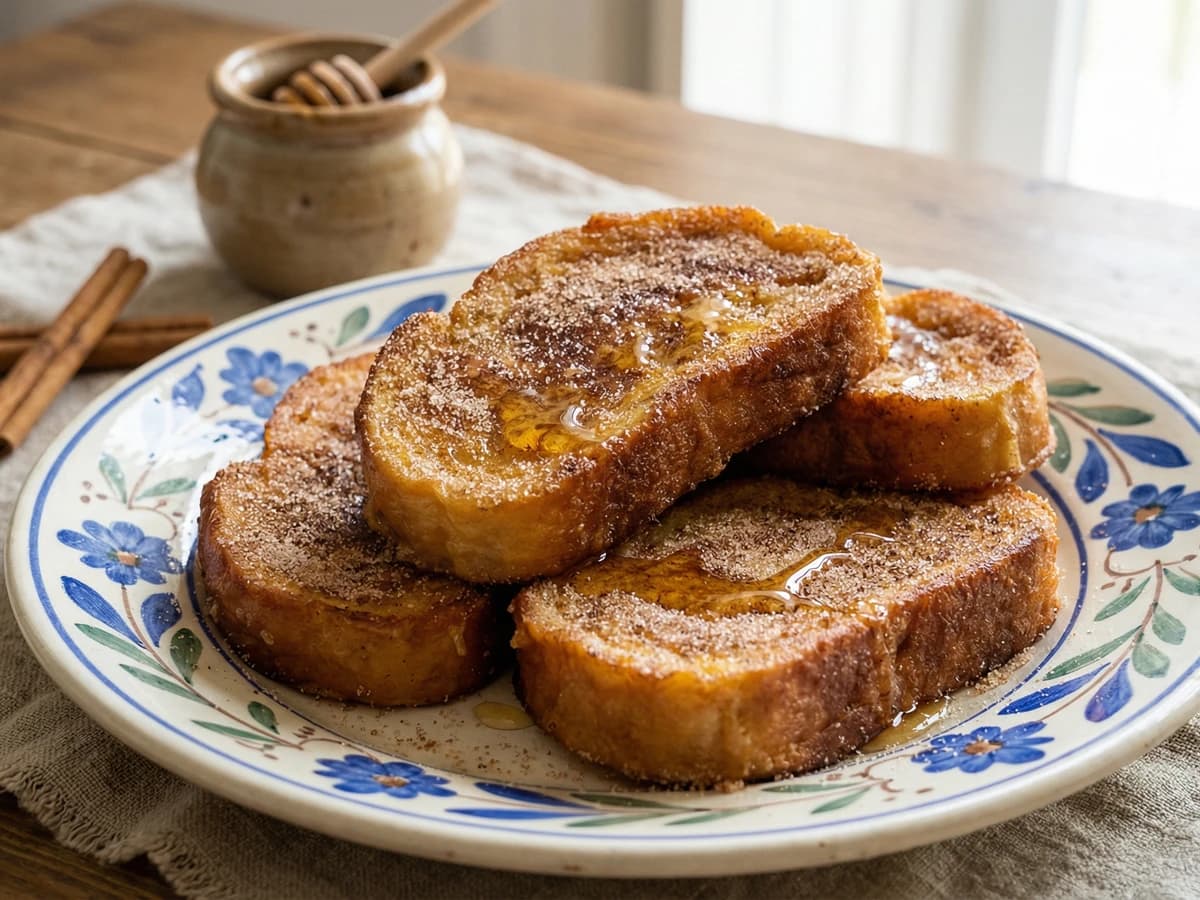
The golden slices of Portuguese Christmas, when stale bread transforms into something sacred. Soaked, fried, sugared, fought over at the table while the house smells of cinnamon and memory.

Chef Margarida
The Christmas turnovers of Alentejo, where humble chickpeas become something miraculous inside a crispy shell. Proof that Portuguese grandmothers could turn anything into celebration.
Chef Margarida
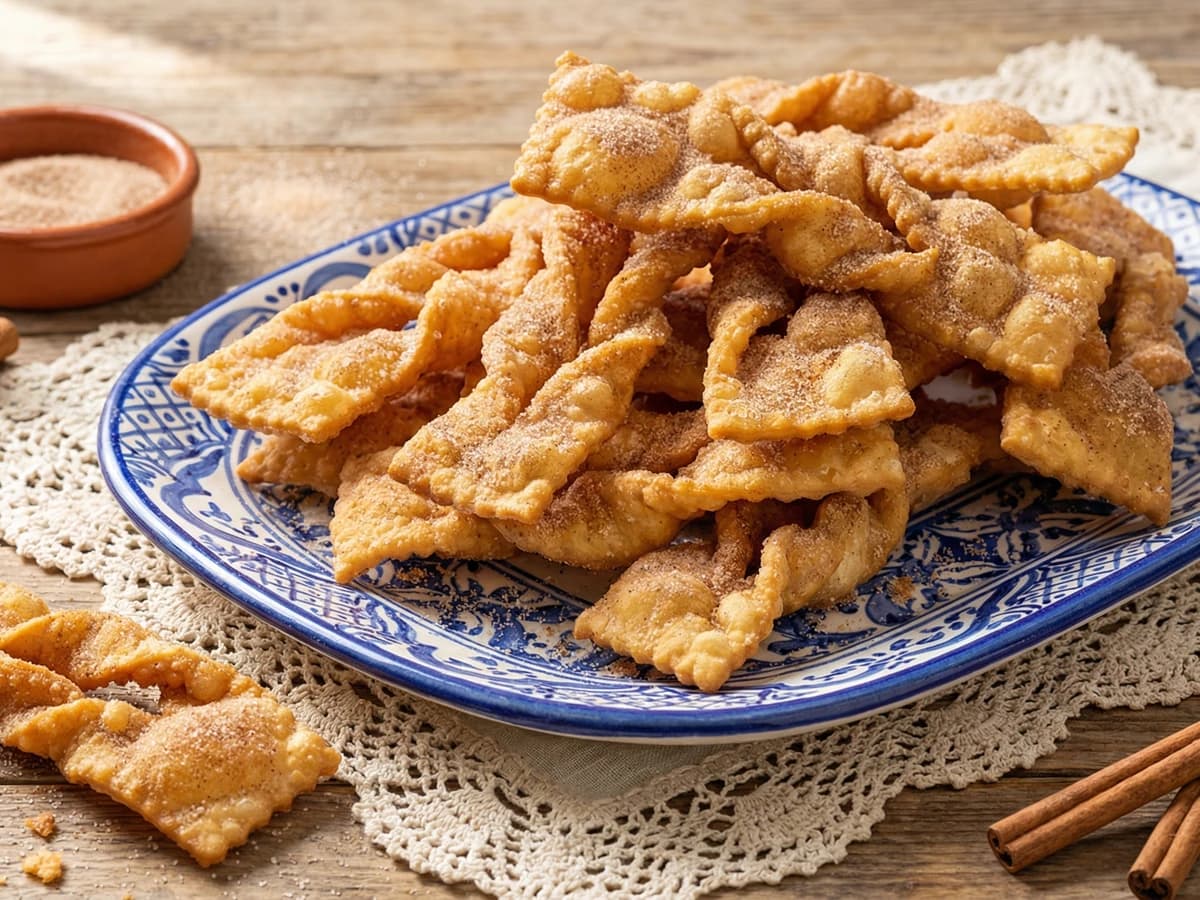
Thin ribbons of fried dough, crisp and sweet, twisted into whimsical shapes and buried in cinnamon sugar. Carnival tradition, but honestly good any time you need something sweet.
Chef Margarida
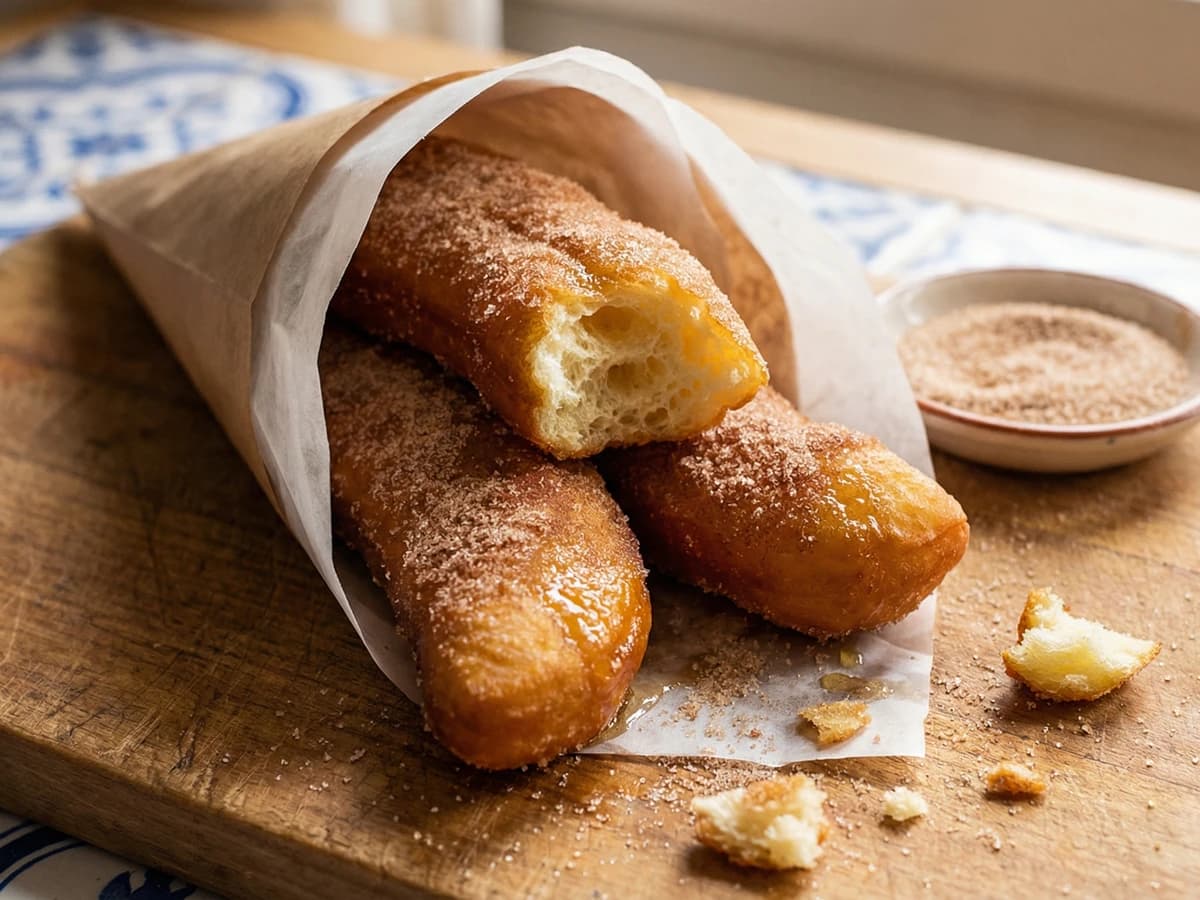
The fried spirals of Portuguese feiras, piped hot into oil and rolled in cinnamon sugar. Street food you eat walking, paper cone in hand, powdered sugar on your chin. This is what summer tastes like.
Chef Margarida
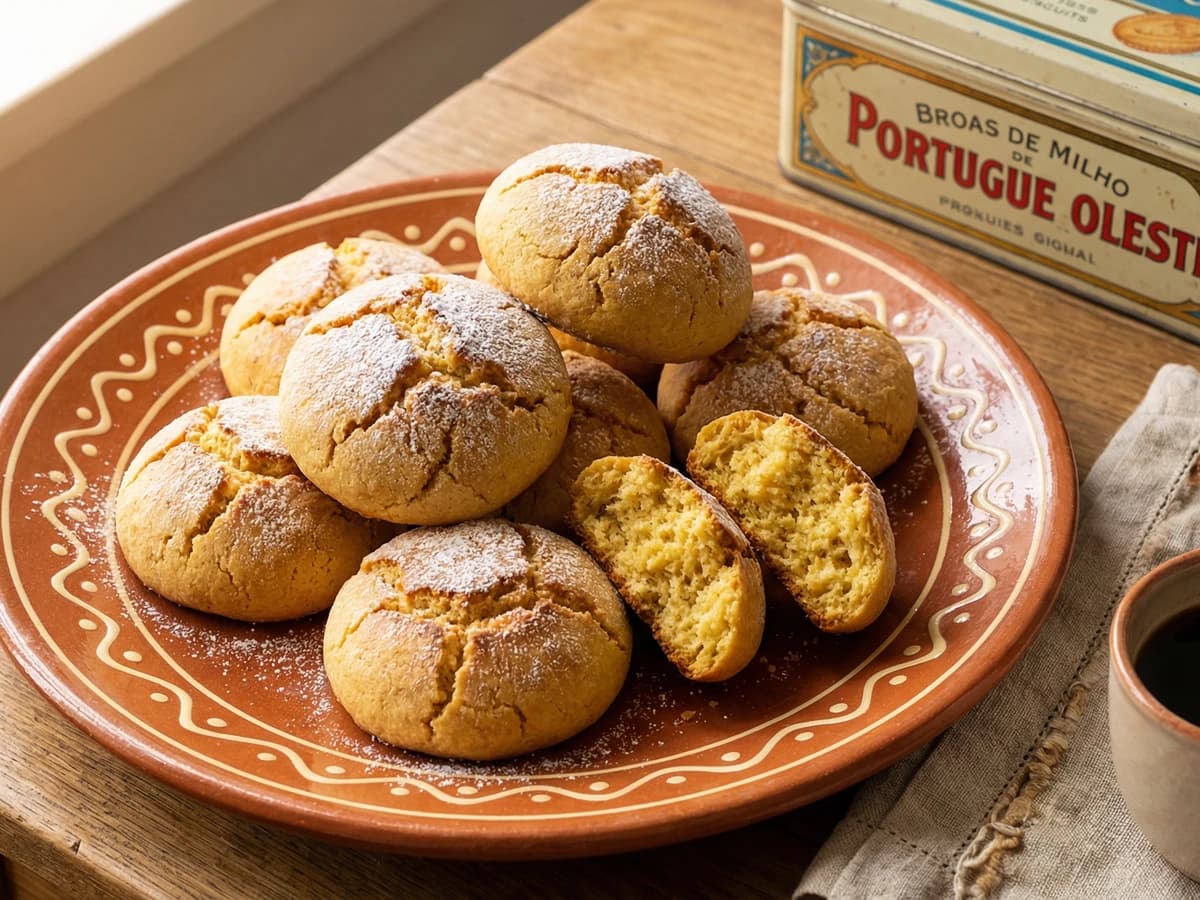
Golden corn cakes from northern Portugal, where milho has fed families for centuries. Dense, crumbly, sweetened just enough to serve with coffee or eat standing at the kitchen counter.
Chef Margarida
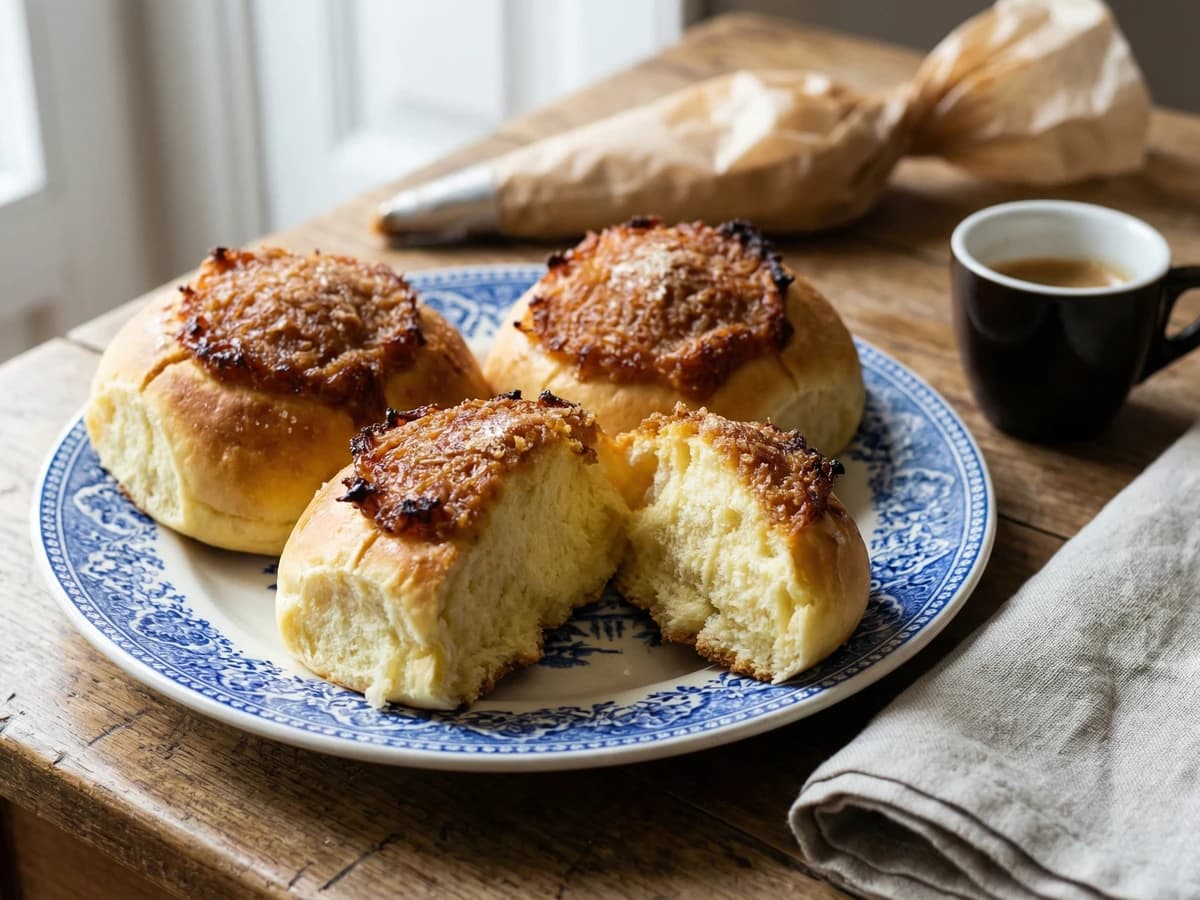
Soft sweet rolls crowned with golden coconut and sugar, the kind of simple perfection that made Portuguese padarias famous. Called 'bread of God' because that's exactly what they taste like.
Chef Margarida
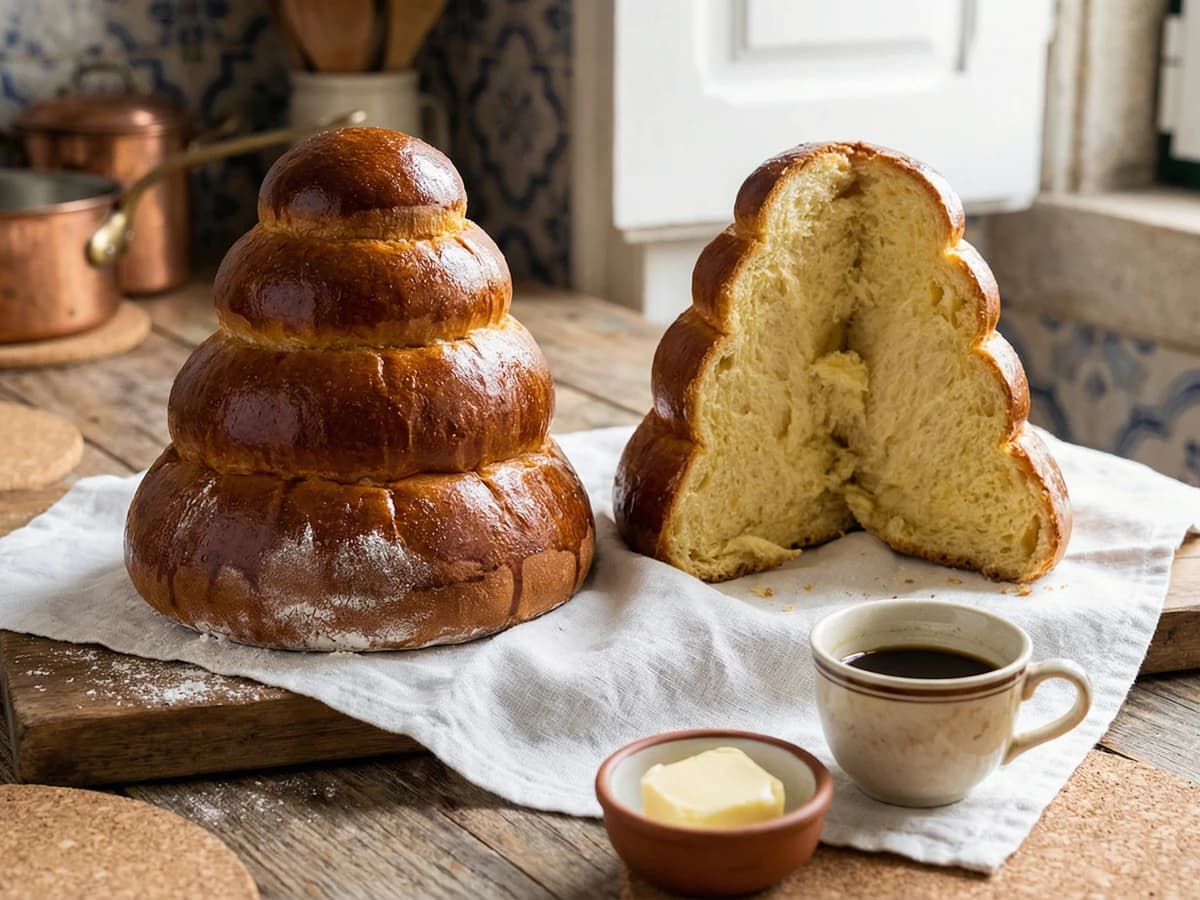
The sacred sweet bread of Santa Maria da Feira, shaped like castle towers and carried on the heads of young women in procession. Five centuries of faith baked into every tier.
Chef Margarida
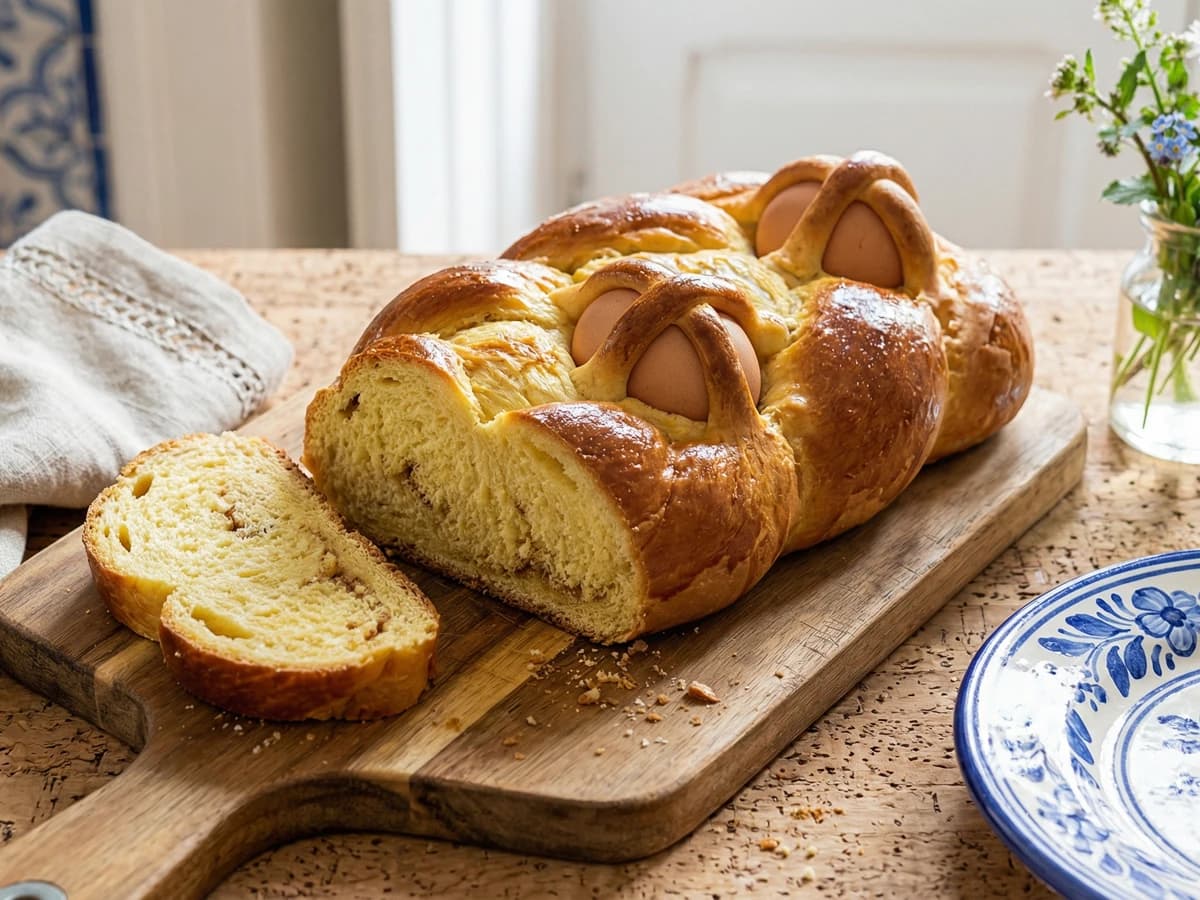
The sweet Easter bread that every Portuguese family bakes differently and every family bakes best. Eggs hidden inside, cinnamon and lemon in the crumb, the smell that means Páscoa has arrived.

Chef Margarida
The butter cookies of the Azores, shaped into golden rings by island grandmothers who knew that the best things in life are simple: good butter, fresh eggs, and a cup of strong coffee.

Chef Margarida
The sand cookies of Cascais, where three simple ingredients become something that melts on your tongue and sparkles like the beach at sunset. Butter, flour, sugar. That's all. That's enough.
Chef Margarida
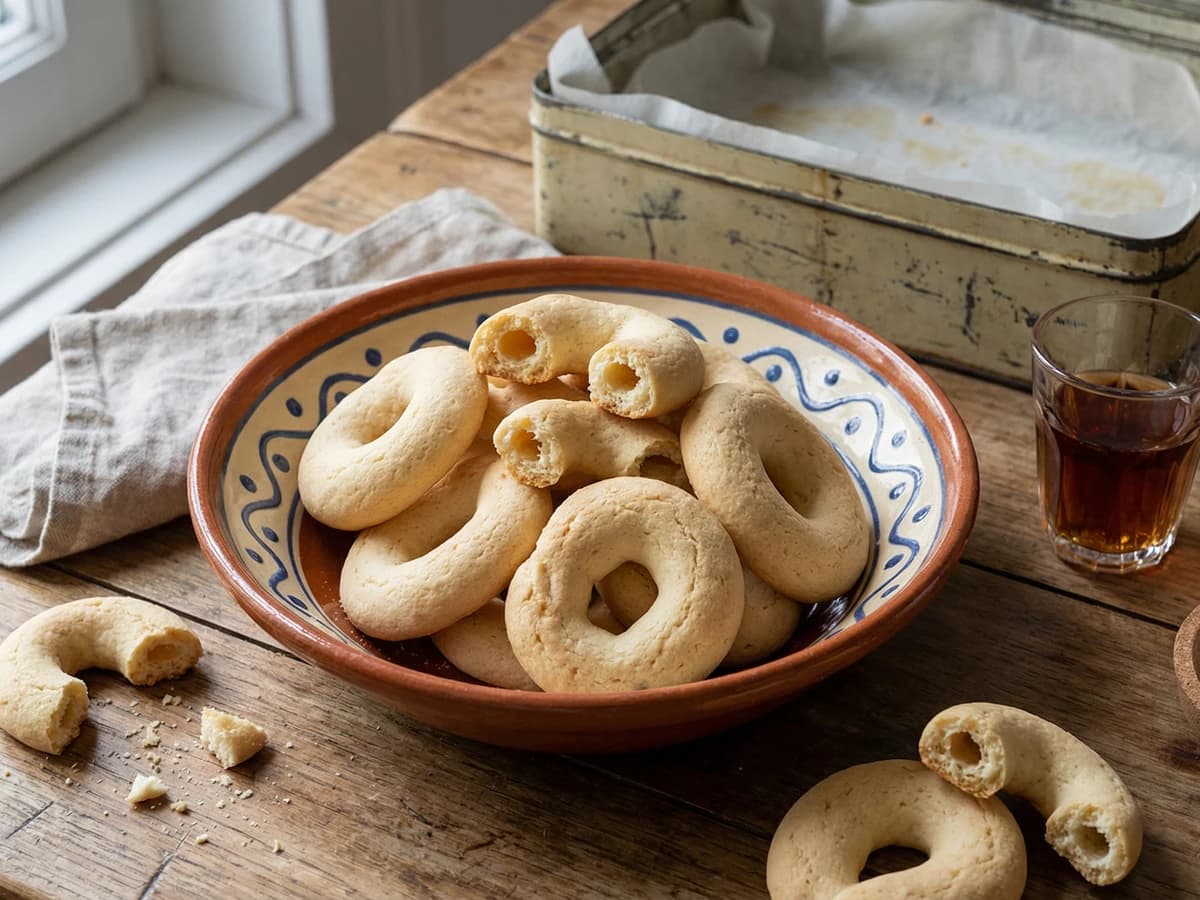
The twice-baked rings of Resende, where Douro grandmothers turned simple dough into something worth saving. Crisp as autumn leaves, scented with lemon, made to be dipped.
Chef Margarida
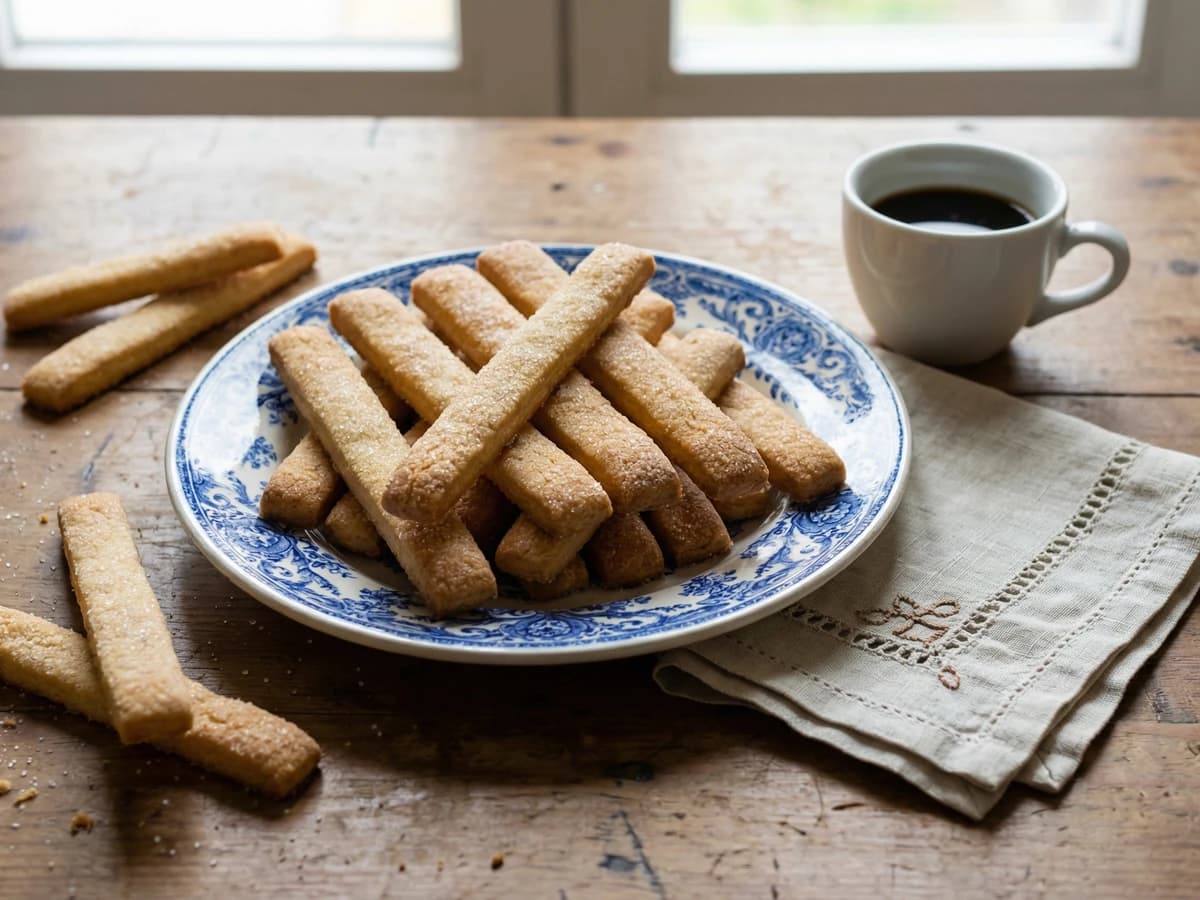
The delicate cookie sticks of Coimbra, where students have been dunking them in coffee between lectures for generations. Simple dough, patient rolling, and the kind of crispness that shatters at first bite.

Chef Margarida
The almond cookies of the Algarve, where Moorish orchards still bloom white against blue January skies. Three ingredients, centuries of tradition, the taste of southern Portugal in every tender bite.
Chef Margarida
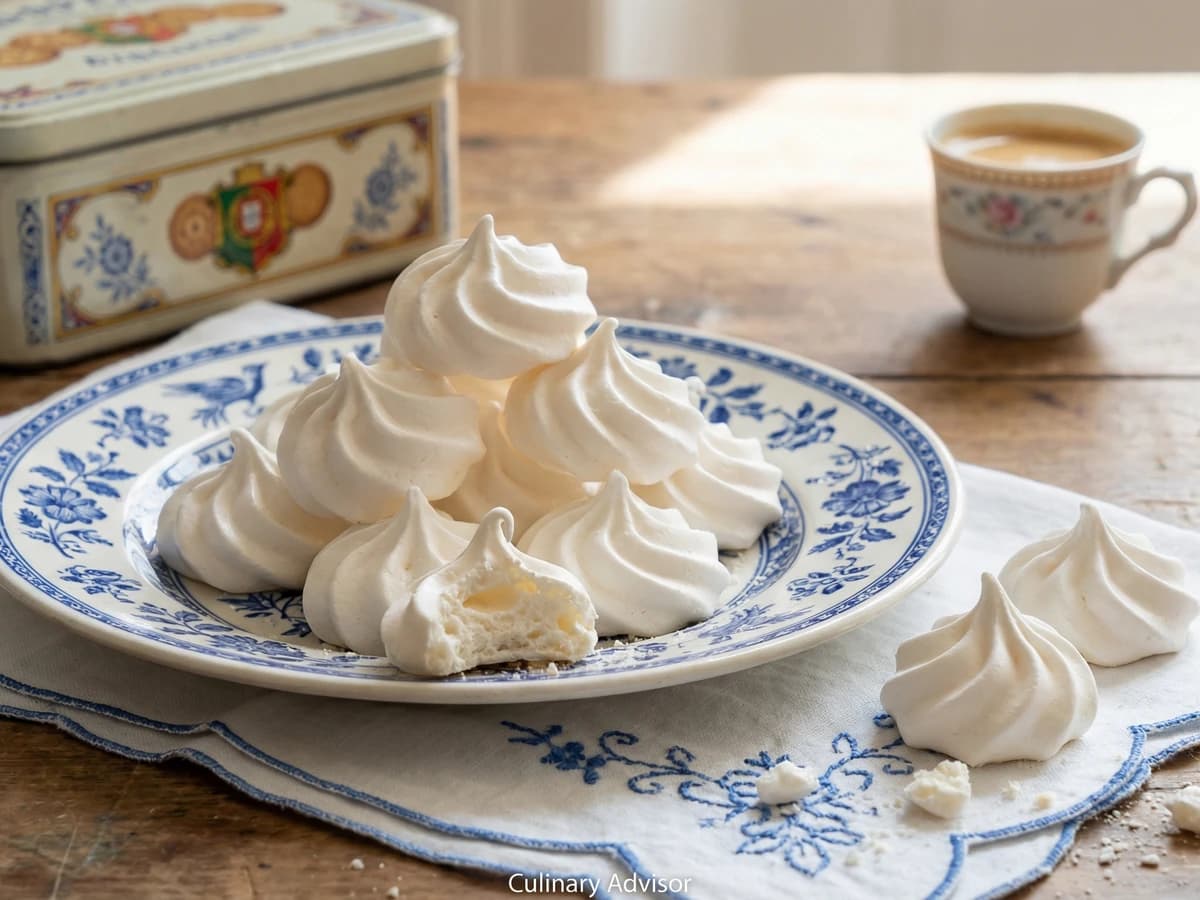
The meringue kisses that melt on your tongue like whispered secrets, born in convent kitchens where nothing was wasted and everything became beautiful. Two ingredients, endless patience, pure magic.
Chef Margarida
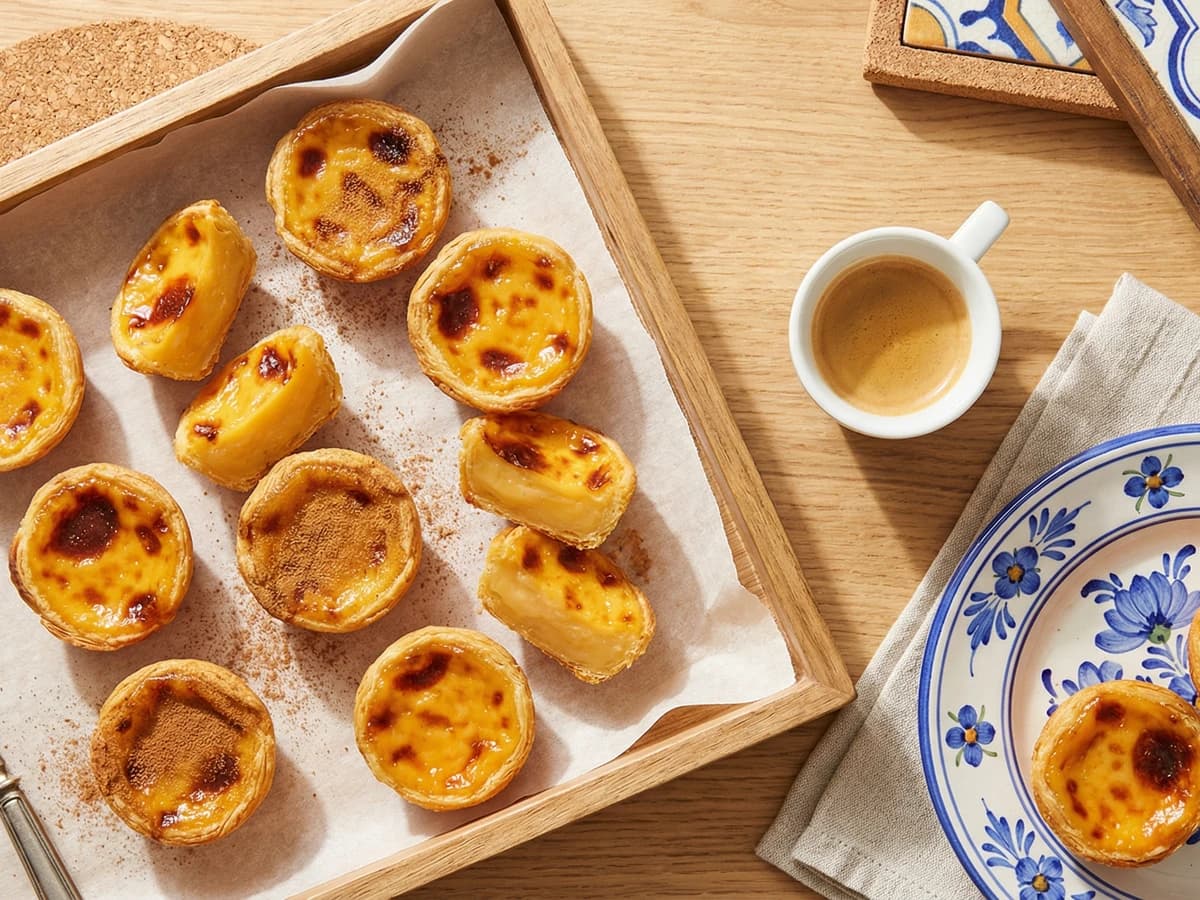
The little golden tarts of Leiria, named for the river that runs through the city. Egg yolks and sugar transformed by nuns into something that dissolves on the tongue like a prayer.
Chef Margarida
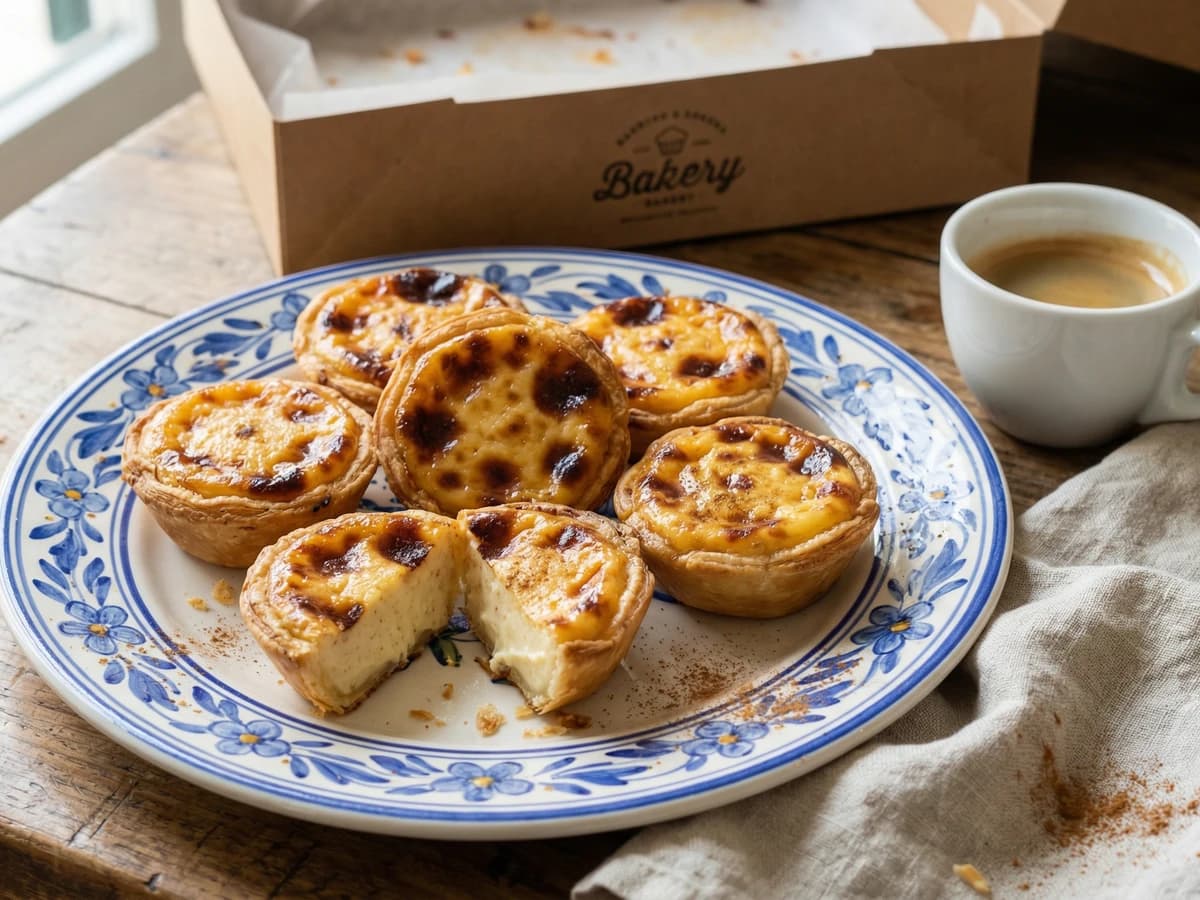
The little cheese tarts that put Sintra on the map, made with fresh queijo, eggs, sugar, and true Portuguese cinnamon. Some recipes survive centuries for a reason.
Chef Margarida
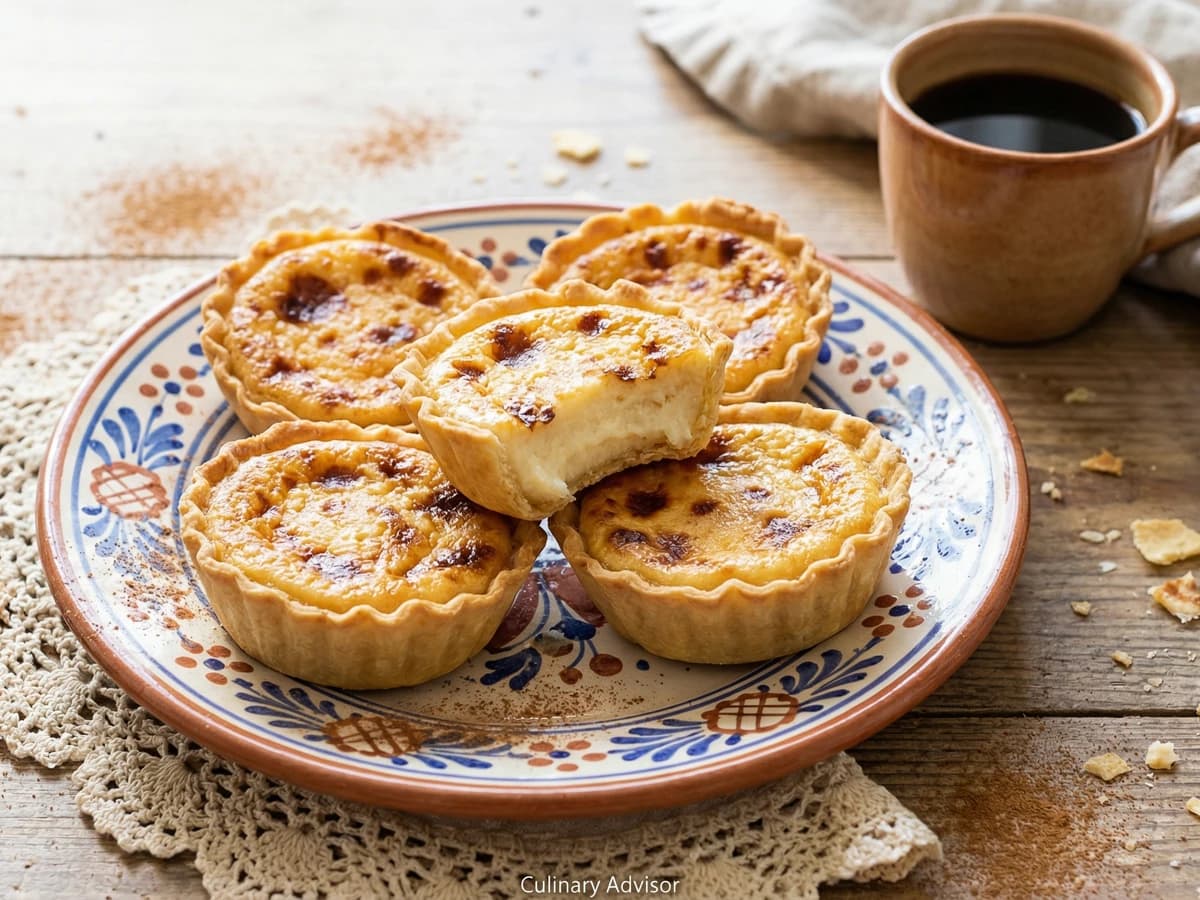
The cheese tarts of Évora, where fresh sheep's milk cheese meets sugar and cinnamon in a paper-thin shell. Alentejo's gift to anyone with a sweet tooth and respect for tradition.
Chef Margarida
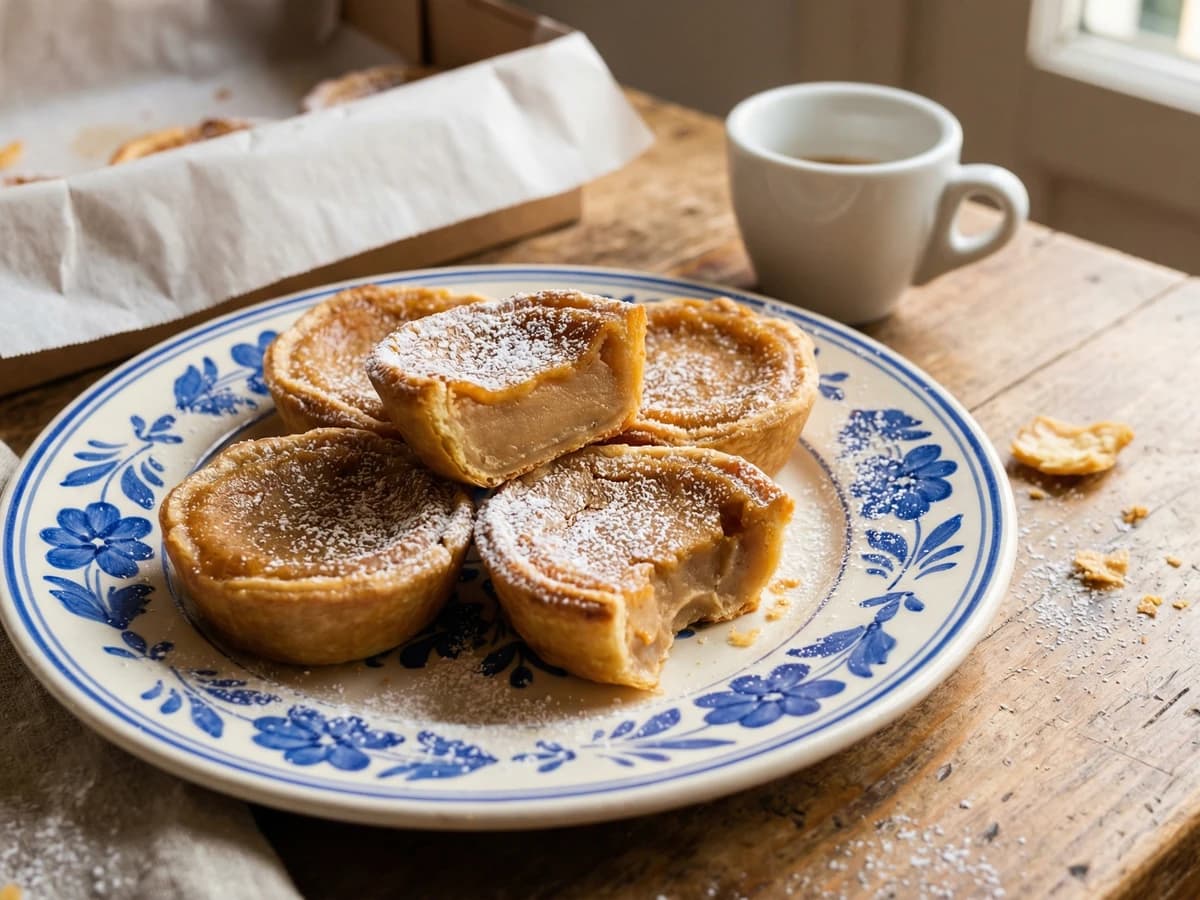
The secret sweet of Torres Vedras, where humble white beans transform into silky custard-like filling. One bite and you'll never guess the ingredient. That's the magic.
Culinary guides, cultural storytelling, and the editorial depth that makes cooking meaningful.
Discover Culinary ExplorerChef Margarida is a fictional culinary guide to Portuguese Regional Cuisine, written with the assistance of AI.