
Chef Graziella
Fagioli all'Olio
White beans dressed with nothing but the finest olive oil, salt, and pepper. This is Tuscan cooking reduced to its essence, where there is nowhere to hide and quality is everything.

Recipe Archive
Side dishes should earn their place at the table. These recipes focus on contrast, seasoning, and supporting flavors that make the whole meal better.
1006 recipes
A cooking platform built around craft, culture, and the stories behind what we eat.
Chef Graziella
White beans dressed with nothing but the finest olive oil, salt, and pepper. This is Tuscan cooking reduced to its essence, where there is nowhere to hide and quality is everything.

Chef Graziella
Green beans cooked the Italian way, tender and flavorful, with garlic that whispers and tomato that barely speaks. A contorno that proves the side dish can be the quiet star of the meal.

Chef Makoa
Sāmoa's faʻi umu is the starch of the hot-stone oven: green bananas baked in their own skins until tender, peeled warm, and eaten with fresh peʻepeʻe.

Chef Juliana
You think farofa is just dry crumbs beside the meat. Wrong. Toast the cassava flour slowly in butter and onion, and it becomes the side that catches every good drop on the plate.

Chef Juliana
You think Amazonian flour and little manteiguinha beans sound like someone else's kitchen. They're not. Soak, refogar, toast, and you have farofa that turns rice, fish, and greens into dinner.

Chef Juliana
You don't need courage for farofa. You need a pan, cassava flour, good fat, and ten minutes of attention so every grain turns golden, savory, and loose.
Chef Juliana
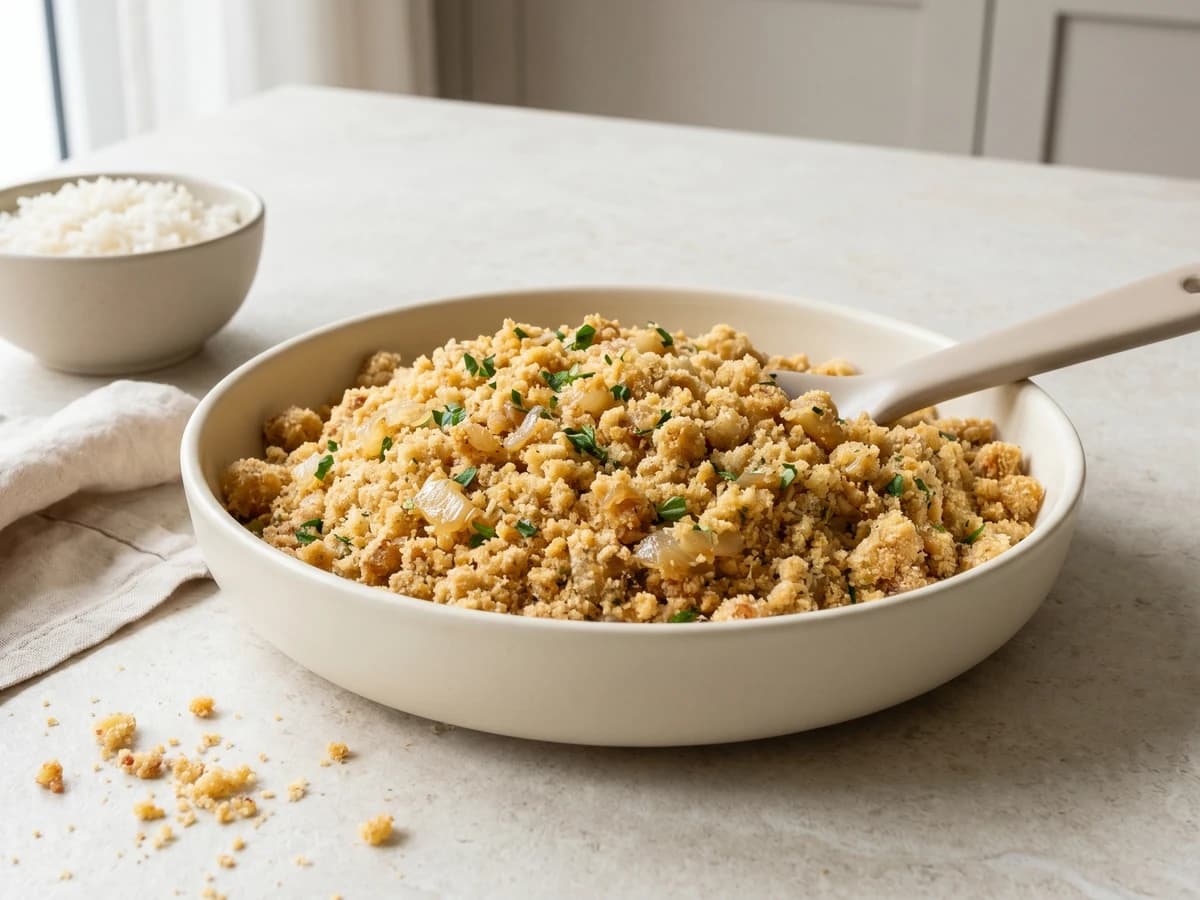
You think farofa is something you buy in a bag. Anota aí: butter, onion, cassava flour, low heat, and ten patient minutes will fix that idea.

Chef Juliana
You think holiday farofa is one of those things only an aunt knows by hand. Nonsense. Low heat, good fat, and patience turn plain cassava flour into the crunch of the whole table.

Chef Graziella
The grain that fed Roman legions and Tuscan farmers for millennia, prepared simply with vegetables charred at high heat and dressed with nothing more than good olive oil.

Chef Ally
Chewy ancient grain tossed with whatever the market offers at its peak, dressed simply with good olive oil, bright acid, and herbs that still smell like the garden.

Chef Graziella
The peasant dish of Puglia where creamy dried fava beans meet bitter wild chicory, proving that poverty creates genius when you understand the poetry of contrast.

Chef Makoa
Tahiti's fēʻi are orange-fleshed mountain bananas, cooked until tender and served like a starch, warm with sea salt, coconut cream, and the quiet sweetness of the high valleys.
Chef Juliana
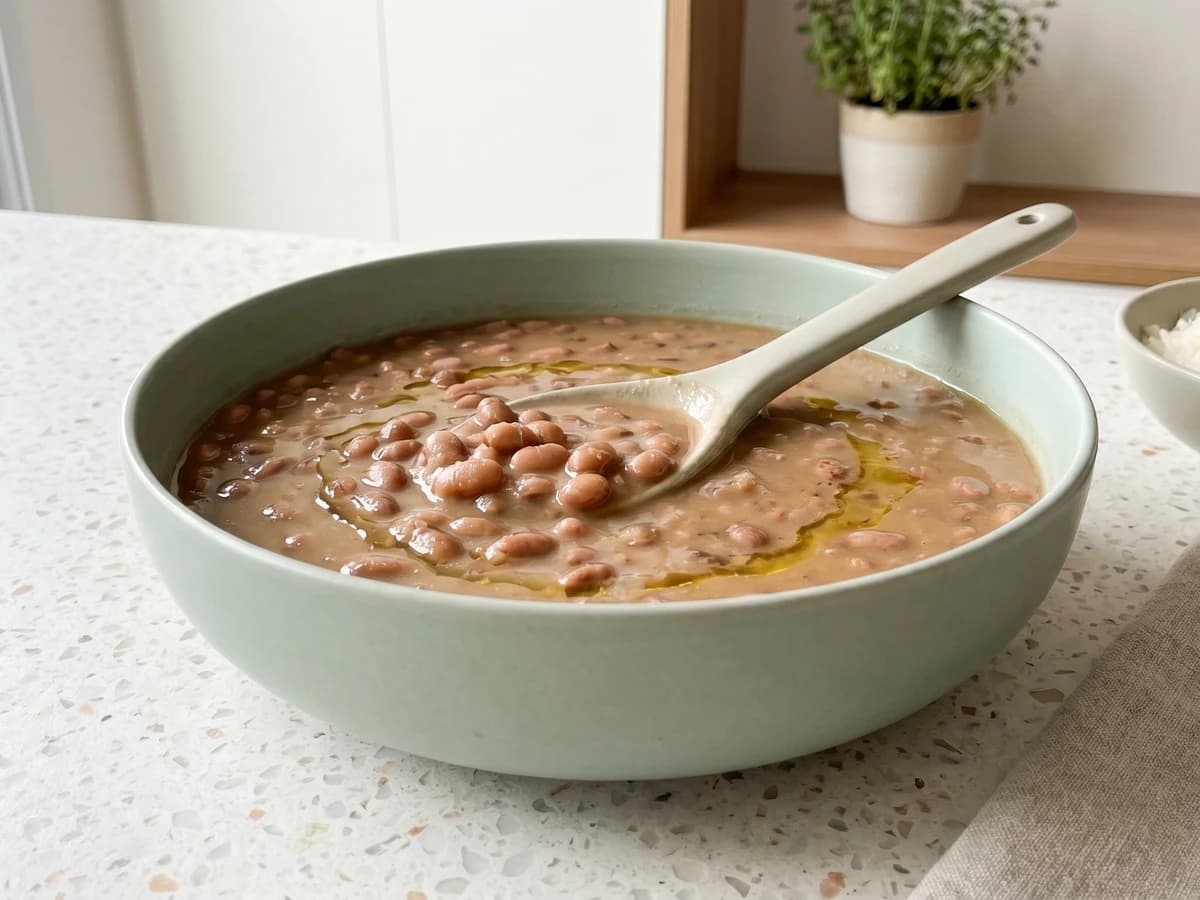
You think the bean pot is not for you. Good. We'll prove that wrong with water, time, onion, garlic, and one mashed ladle that makes the caldo creamy.

Chef Juliana
You think leftover beans are a problem. They're not. They're a head start. Add a real refogado, a little cassava flour, and you solve dinner without pretending Tuesday is a banquet.
Chef Juliana
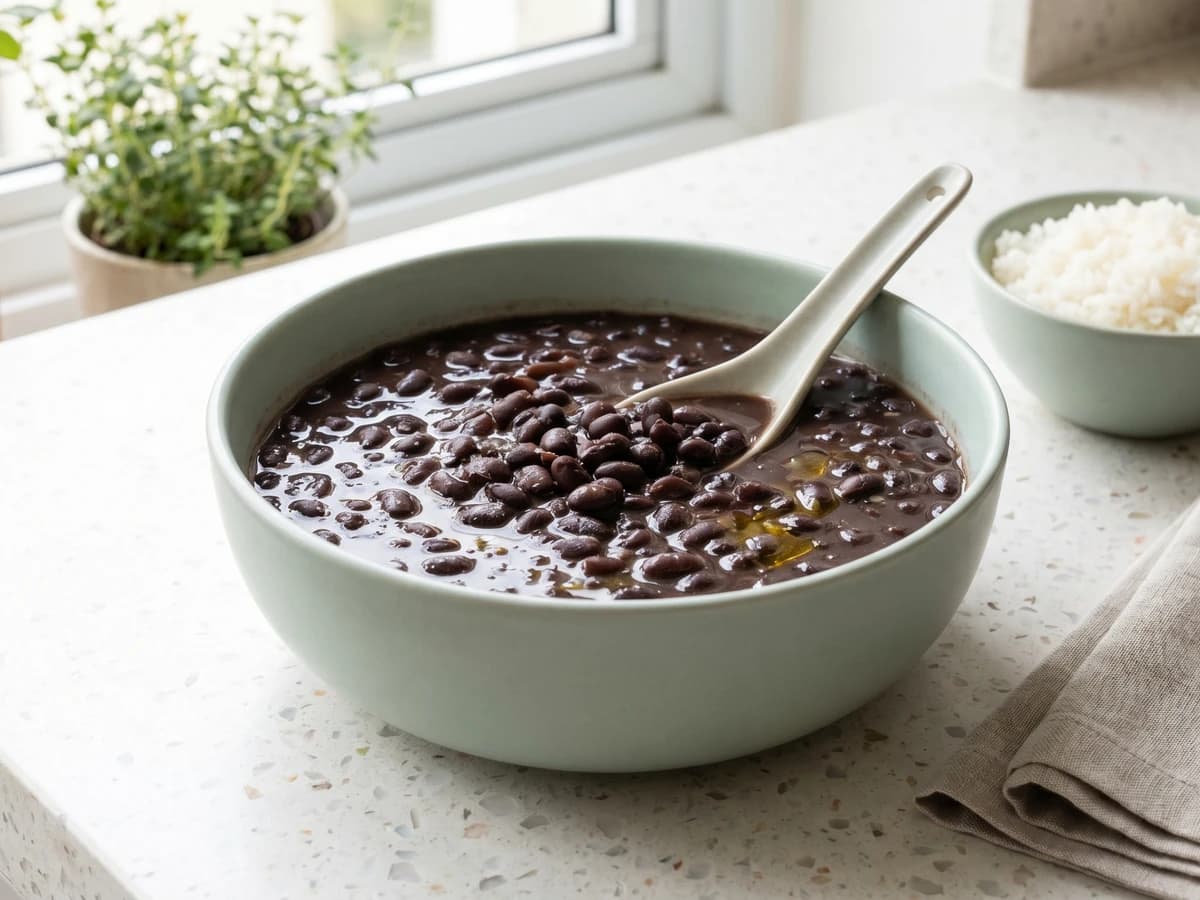
You think a pot of black beans is not for you. Wrong. Soak, simmer, refogar, mash one ladle back in, and the rice already knows what to do.
Chef Juliana
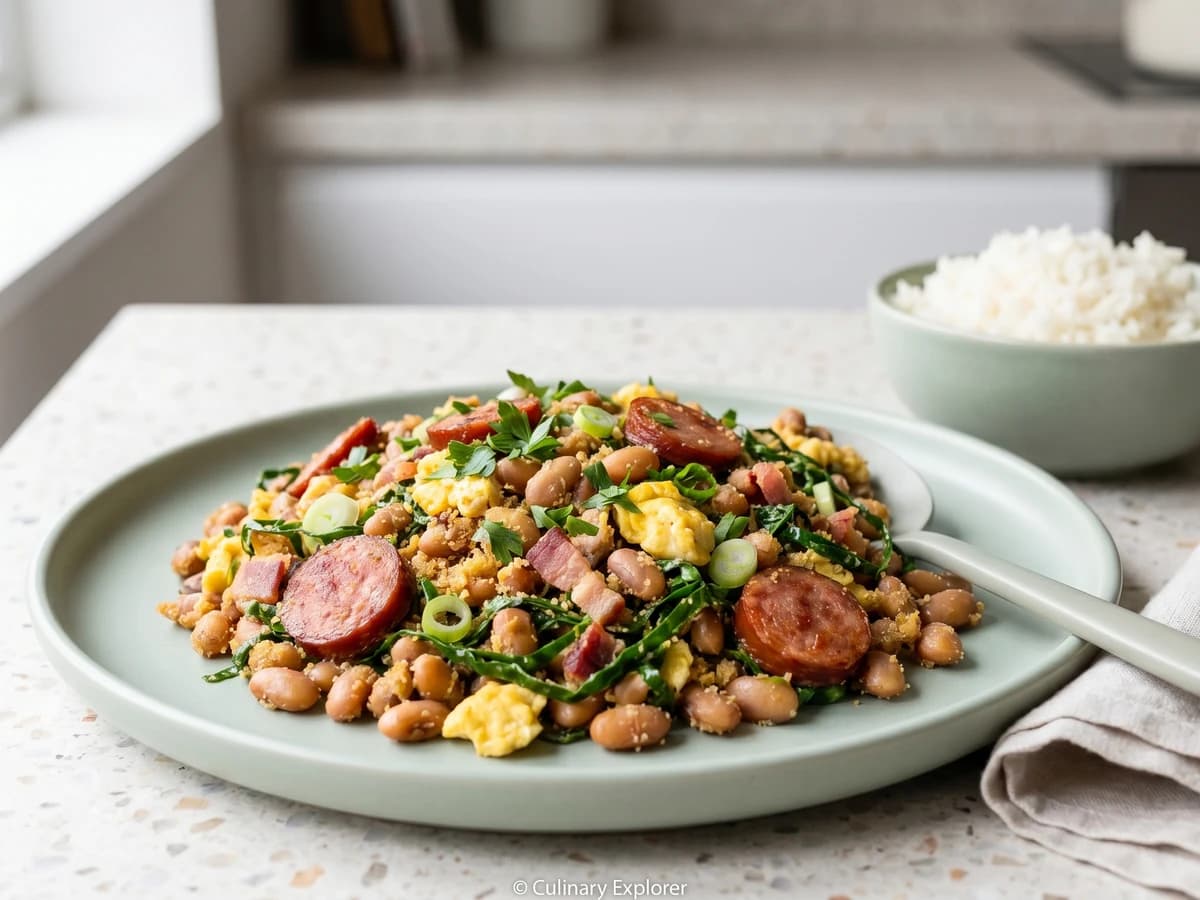
You think this is a dish for someone else's kitchen. Wrong. Cook the beans right, brown the linguiça properly, fold in the farofa, and dinner starts behaving.

Chef Juliana
You don't need a grandmother whispering secrets over your shoulder. Fresh feijão, a real refogado, and nata folded in at the end give you Ceará's creamy side without powder, drama, or fear.
Chef Makoa
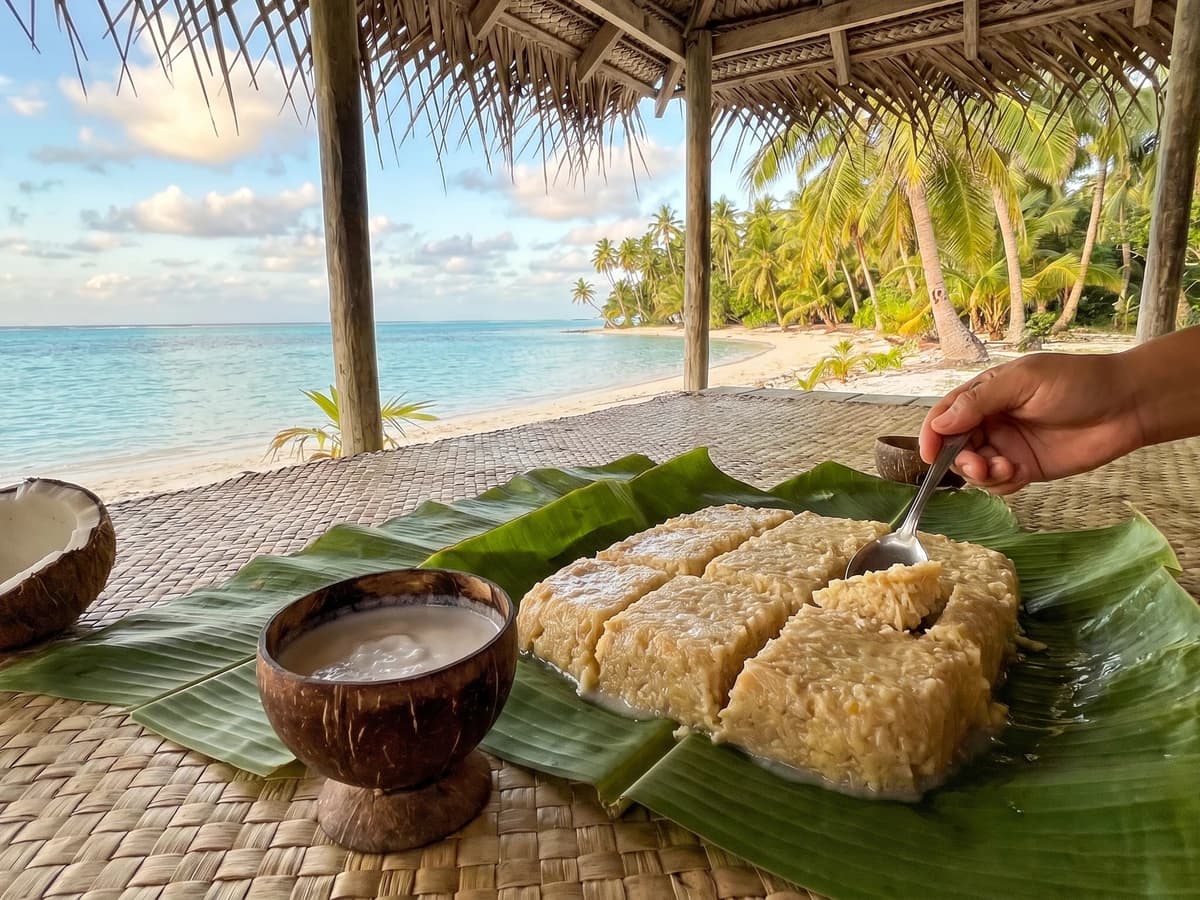
Tuvalu grates pulaka from the pit, folds it with rich coconut cream, then cooks it in leaves until it sets dense and tender, coral-island food with the old root still holding the table.
Chef Ally
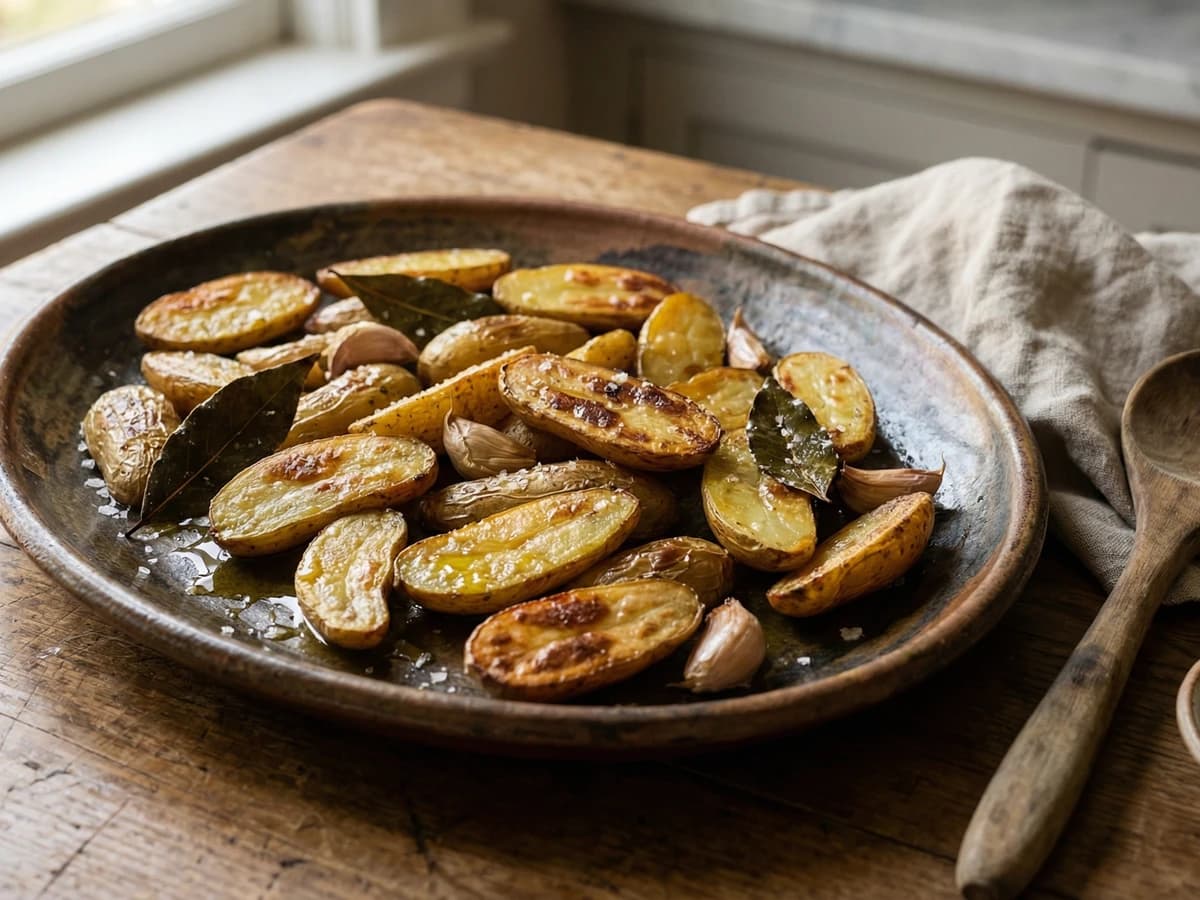
Small potatoes roasted slowly with bay leaves until they are golden and crackling outside, soft as butter within, perfumed with something ancient and green that makes guests ask what you did.
Chef Graziella
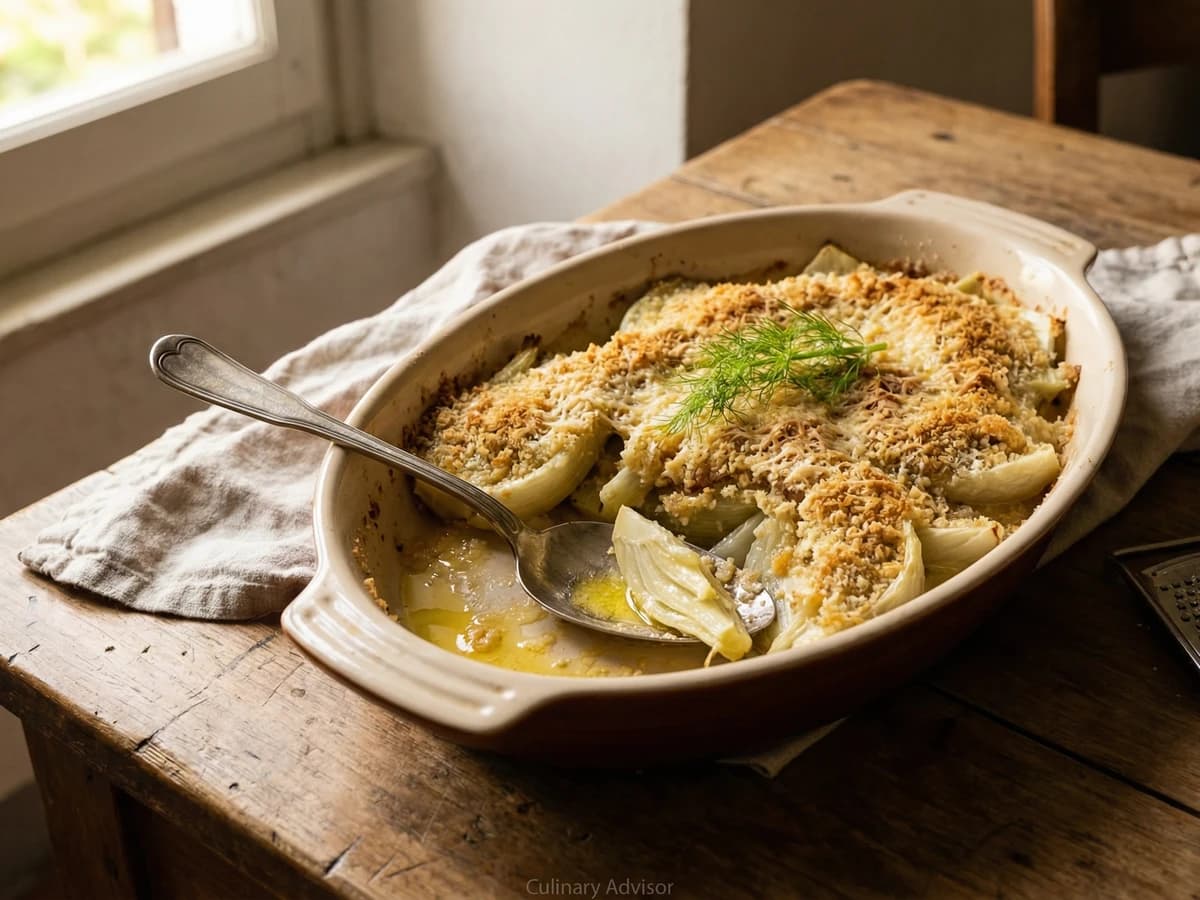
Fennel transformed by nothing more than proper blanching, good cheese, honest breadcrumbs, and butter. What you leave out matters as much as what you put in.

Chef Graziella
Roman street food at its most fleeting: zucchini blossoms stuffed with mozzarella and anchovy, dipped in a batter of ice water and flour, fried until golden and shatteringly crisp.

Chef Ally
Blistered Padron peppers straight from a screaming hot pan, charred and tender, dressed with nothing but good olive oil and flaky sea salt, the way they eat them in Spain.

Chef Dean
Summer vegetables roasted at screaming-high heat until their edges blacken and their sugars concentrate into something approaching worship. This is California produce at its honest best, requiring nothing more than good olive oil and restraint.
Chef Takumi
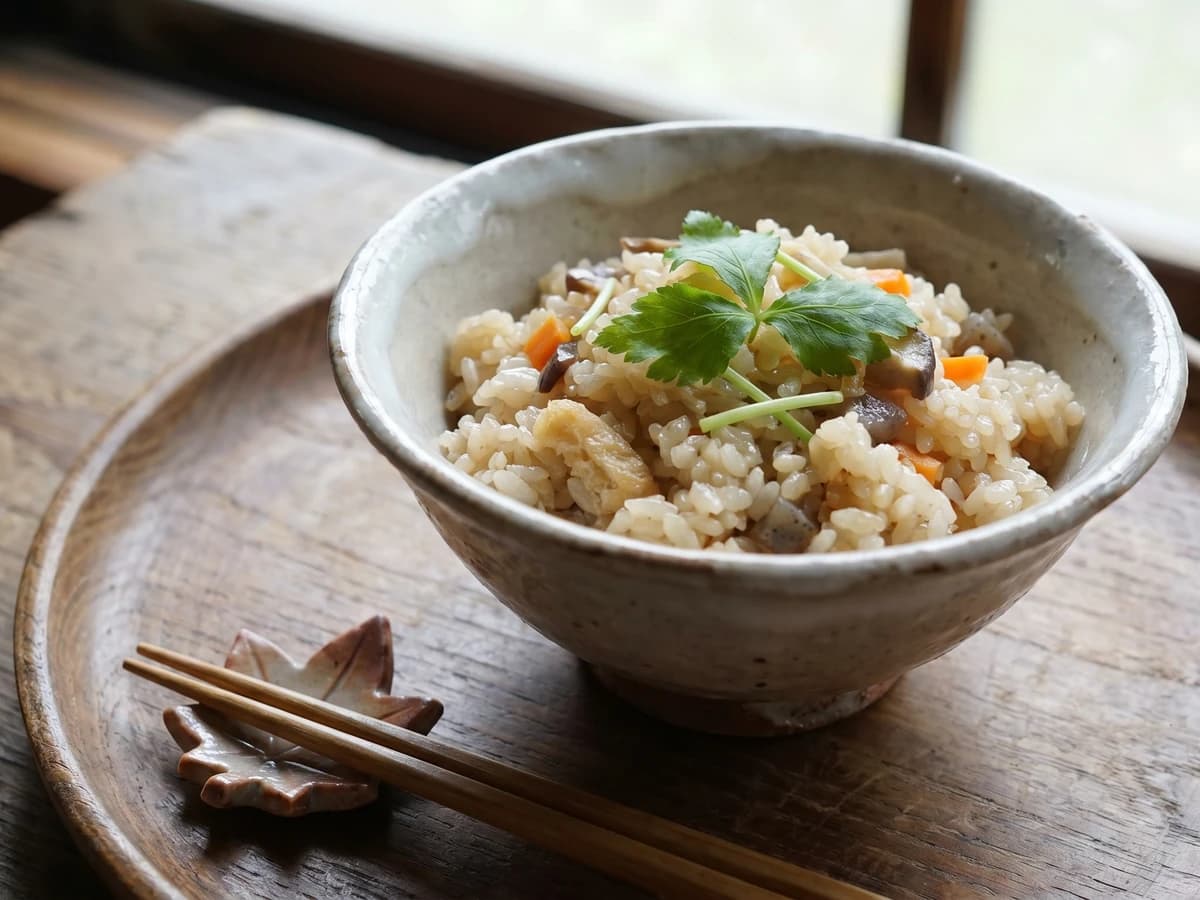
Five small cuts, one good dashi, and rice that cooks with its seasoning from the start. Gomoku gohan is the home cook's standard, plain enough to teach you everything.
Culinary guides, cultural storytelling, and the editorial depth that makes cooking meaningful.
Discover Culinary Explorer