
Chef Freja
Flødekartofler
Thin potato slices layered with onion and heavy cream, baked until the top turns deep gold and the edges bubble. The quiet, rich dish that holds its place beside duck and pork on every Danish Christmas table.

Recipe Archive
Side dishes should earn their place at the table. These recipes focus on contrast, seasoning, and supporting flavors that make the whole meal better.
1006 recipes
A cooking platform built around craft, culture, and the stories behind what we eat.
Chef Freja
Thin potato slices layered with onion and heavy cream, baked until the top turns deep gold and the edges bubble. The quiet, rich dish that holds its place beside duck and pork on every Danish Christmas table.

Chef Lupita
Veracruz's Totonacapan dry-season guiso of cleaned flor de izote, tomato, chile jalapeño, epazote, and pork lard, bittersweet enough to remind you this plant came from the monte before the market.

Chef Thomas
Small, golden balls of herbed breadcrumbs and suet, scented with lemon and thyme, baked until they smell like the best part of a Sunday roast and served alongside the bird where they belong.
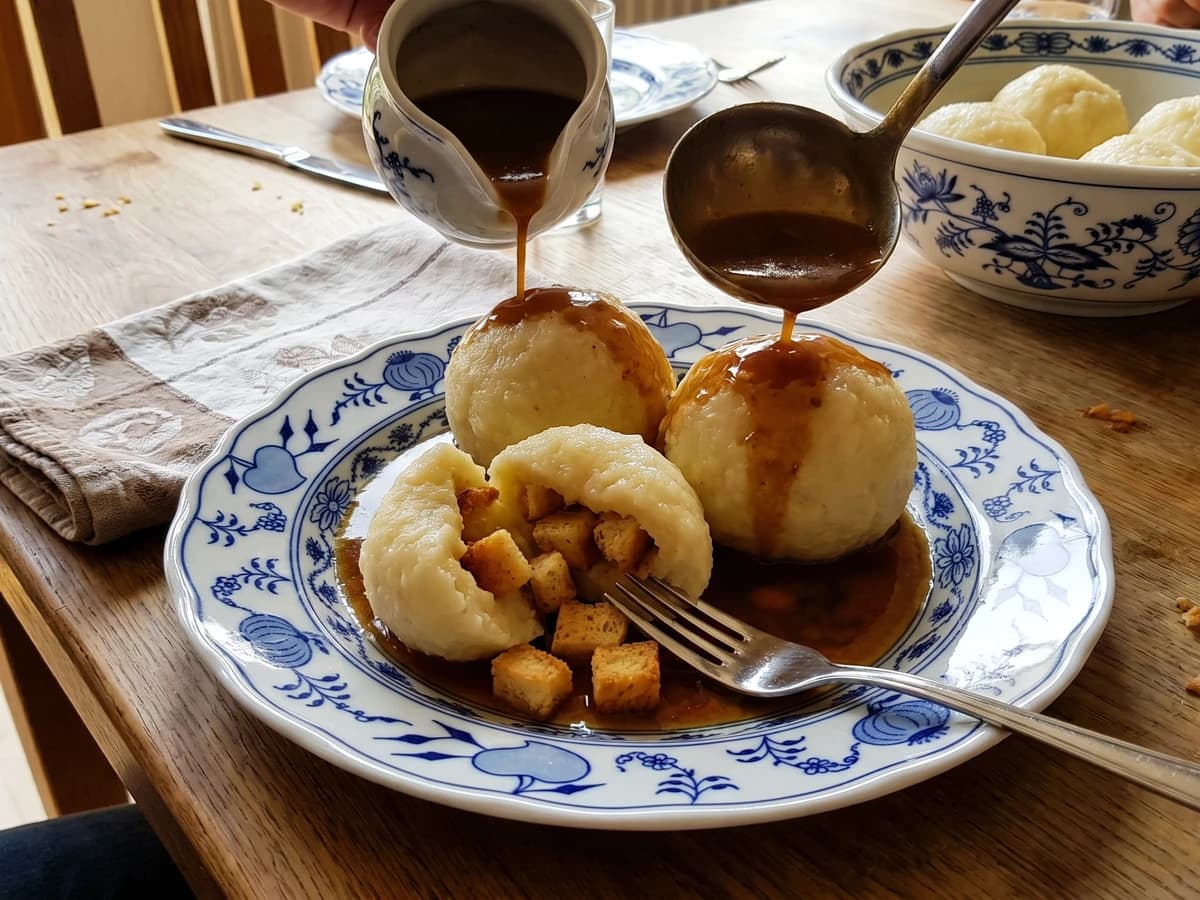
Chef Klaus
The Franconian Sunday Kloß is half thrift and half technique: raw potato pressed bone-dry, cooked potato binding it, and browned bread hidden in the middle.

Chef Ally
Summer corn at its peak, kernels sliced from the cob and barely kissed with butter, seasoned simply to let the natural sweetness shine through.
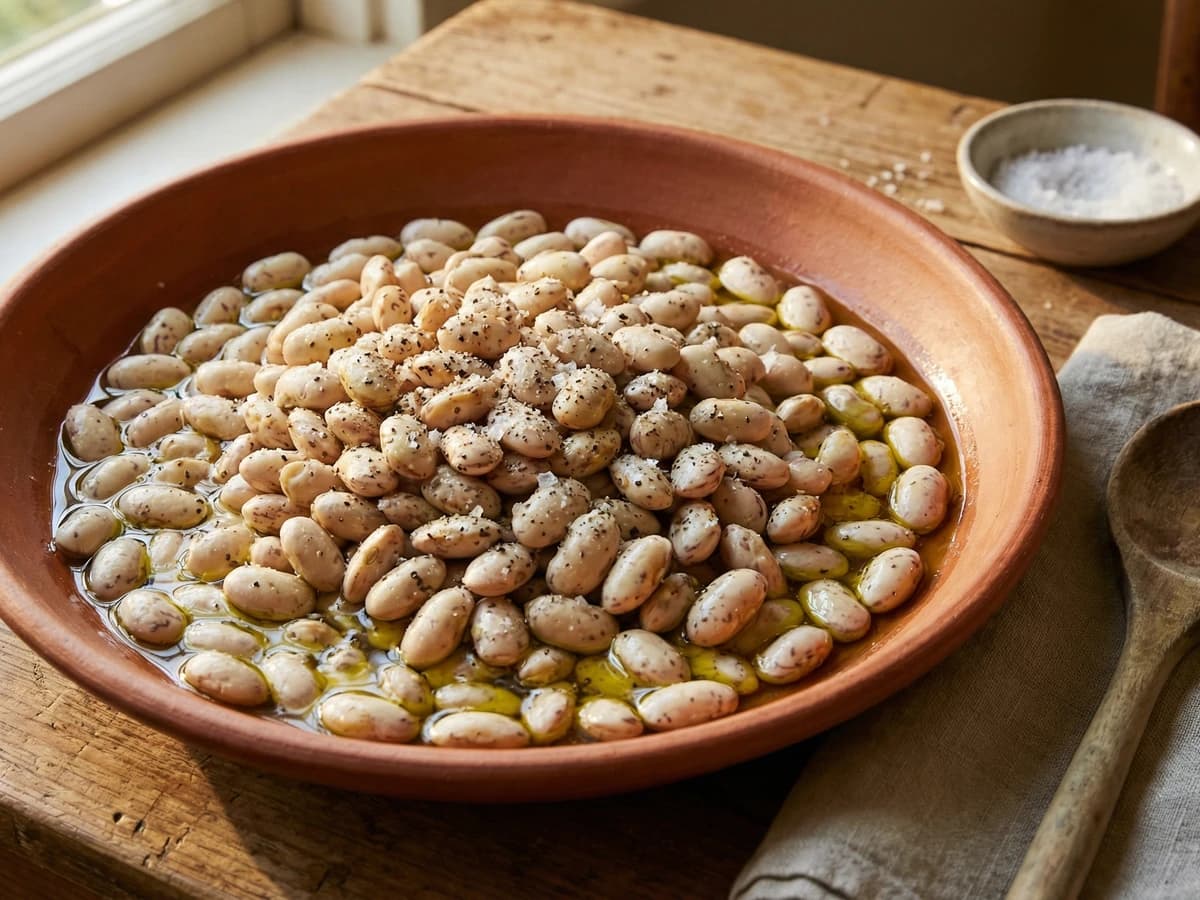
Chef Ally
Late summer shell beans, shelled by hand and cooked gently until impossibly creamy, dressed with nothing but your finest olive oil and sea salt, a dish that proves the best cooking is often the least.

Chef Takumi
Nama-fu dengaku is softer than it looks: fresh wheat gluten browned gently, brushed with sweet aka-miso, and served in small skewers that taste of Kyoto restraint.
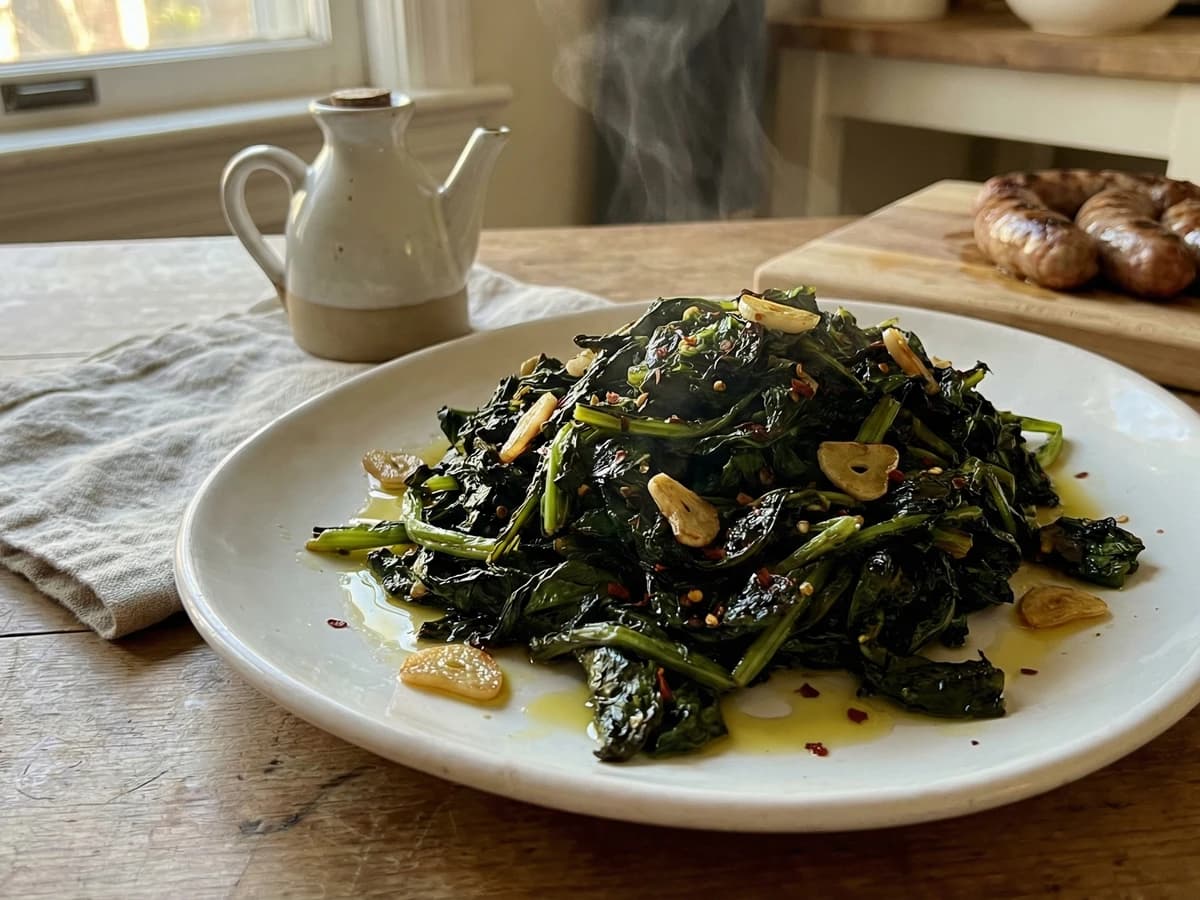
Chef Graziella
The bitter greens of Naples, sautéed with garlic and dried chili until the edges char and the stems surrender. Four ingredients. Absolute honesty.

Chef Graziella
The humblest contorno of Bologna, where white onions and tomatoes melt together over low heat until they become something almost indistinguishable from each other, sweet and yielding.
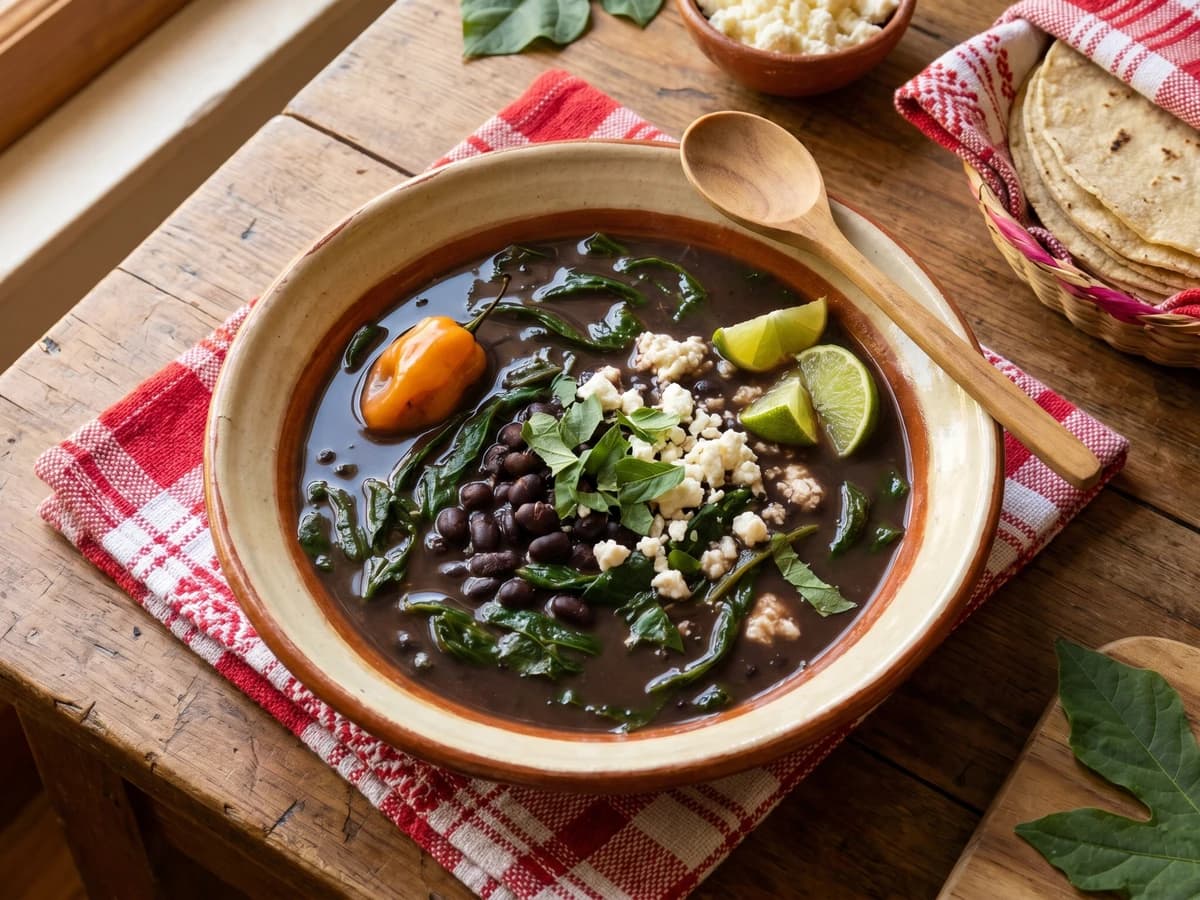
Chef Lupita
Yucatan's everyday pot of black beans simmered with chaya, epazote, and a whole unsplit habanero, finished with lard bloomed in onion and garlic at the very end.

Chef Lupita
Veracruz's black bean pot from the Gulf lowlands, simmered with epazote, finished in manteca with jitomate and chile chipotle meco, and served thick enough to hold a spoon.

Chef Lupita
Michoacán's P'urhépecha ayocotes, grown beside corn in the milpa, cooked in a clay olla, then guisados in pork lard with Cherán K'eri style chilke rojo and cooked quelites.

Chef Lupita
Guanajuato's bayo beans cooked low in a clay olla with manteca de cerdo, epazote, xoconostle, and a careful touch of chilcuague from the Sierra Gorda.

Chef Lupita
The drunken bean pot of northern Mexico. Pintos simmered with tocino and chorizo, finished with a full bottle of Mexican lager that thickens the broth and rounds the salt of the meat. The pot that sits next to every carne asada from Monterrey to Hermosillo.

Chef Lupita
Guanajuato and Querétaro's Bajío charro pot, beige bayo beans with tocino, chorizo, xoconostle, and a pinch of chilcuague, brothy enough for the clay cazuela and sober enough to leave the beer out.
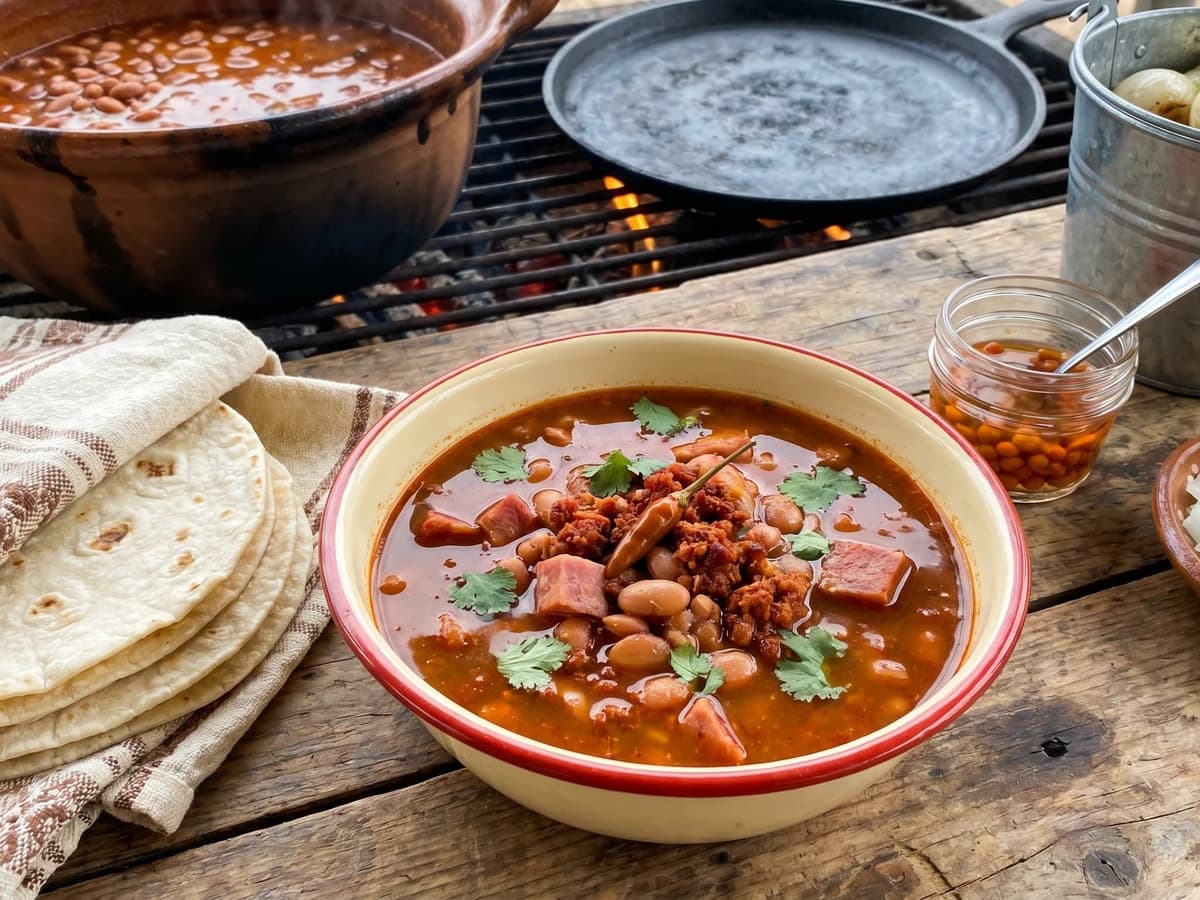
Chef Lupita
The brothy bean pot of Mexico's north, built on pintos, bacon, chorizo, ham, and tomato, simmered until the broth turns the color of brick dust and served alongside every carne asada from Hermosillo to Saltillo.

Chef Lupita
Guanajuato's Bajio refried bayos, worked in manteca de cerdo until the beans turn satin-smooth and pull from the clay cazuela, with xoconostle acid and the quiet bite of chilcuague.

Chef Lupita
Valles Centrales black beans, simmered with hoja de aguacate, strained until satin-smooth, then fried in asiento or pork lard so they spread cleanly across memelas, tlayudas, and enfrijoladas.

Chef Lupita
Guerrero Costa Chica black beans simmered with carne oreada, epazote, hoja de aguacate, and chile costeño, the Afro-Mexican preserved-meat pot Cuajinicuilapa puts on the Sunday table.

Chef Lupita
Oaxacan black beans simmered slow with chepil, the wild legume herb that grows along the milpas of the Sierra Sur, finished with lard and epazote and eaten from clay bowls with warm corn tortillas.

Chef Lupita
Chiapas black beans finished with fresh chipilin, onion, garlic, and manteca de cerdo, a budget pot with green fragrance in the broth and the plain authority of a southern home kitchen.

Chef Lupita
Guerrero's Costa Chica black beans, simmered until thick and brothy with epazote, hoja de aguacate, onion, garlic, and manteca de cerdo.

Chef Lupita
Ciudad de Mexico's everyday bean pot from the Valle de Mexico: frijol bayo simmered in clay with white onion, garlic, epazote, and a small spoon of manteca.

Chef Lupita
Oaxaca's foundational pot of small black beans simmered with toasted avocado leaf, lard, and garlic. Not epazote, not bay leaf. Hoja de aguacate, the herb that defines the Oaxacan bean pot.
Culinary guides, cultural storytelling, and the editorial depth that makes cooking meaningful.
Discover Culinary Explorer