
Chef Lupita
Arroz a la Oaxaqueña
Oaxaca's red rice, stained with tomato and fried in lard, steamed with carrots, ejotes, black beans, and epazote. The side that anchors a Oaxacan family meal and earns its place beside the main.
A cooking platform built around craft, culture, and the stories behind what we eat.

Created by
Guanajuato's rainy-season milpa greens, verdolagas and quelite cenizo, sautéed fast in manteca with garlic, xoconostle, chilcuague, and blistered chile serrano beside frijoles bayos.
Guanajuato, the Bajío between Dolores Hidalgo, San Luis de la Paz, and the road toward Querétaro, is where these quelites belong. Verdolagas hug the wet ground after the rains. Quelite cenizo comes dusty green, tender at the tips, the kind of green a market señora weighs with her hand before she names a price. This is not food from a supermarket bag. It is milpa knowledge.
The acid is xoconostle, the sour cactus fruit the Otomí cooks of the semi-arid center know better than any imported lemon. The spark is chilcuague from the Sierra Gorda, a root that makes the mouth wake up when you use it correctly. The chile is serrano, blistered whole in manteca, not chopped into punishment. No me vengas con atajos. If you skip the xoconostle, you have sautéed greens, not this dish.
I learned this style from Hñähñu and Otomí cocineras who sorted greens with more discipline than most cooks give to meat. The technique is fast: blister the chile, wake the garlic, touch the xoconostle to the fat, then move the greens before they turn gray. Overcook them and you lose the point. Saber cocinar es saber vivir.
Serve the cazuela with frijoles bayos, beige-tan and soft, not pintos and not black beans. Put corn tortillas on the comal. Let the chiles sit whole on top. This is a 32-state cuisine, and this small dish carries Guanajuato's face.
The word quelite comes from the Nahuatl quilitl, a broad category for tender edible greens gathered from the milpa, field edges, and rainy-season paths long before Spanish crops entered central Mexico. The 16th-century Códice Florentino, compiled by Bernardino de Sahagún with Nahua collaborators, recorded market knowledge of herbs, greens, cactus fruits, and pungent roots including chilcuague, still associated with the Sierra Gorda pantry of Guanajuato, Querétaro, and San Luis Potosí. The Bajío's colonial ranching economy brought manteca de cerdo into older milpa-green cooking, while xoconostle remained the semi-arid Otomí acidulant that gives dishes like this their regional signature.
Quantity
12 ounces
tender sprigs picked over and thick lower stems trimmed
Quantity
10 ounces
tender leaves and thin stems only
Quantity
2 medium
peeled, seeds removed, flesh diced small
Quantity
4
stems left on, slit once lengthwise
Quantity
2 tablespoons
Quantity
1/2 medium
thinly sliced
Quantity
4
2 thinly sliced and 2 left whole for pounding with chilcuague
Quantity
1 teaspoon finely grated
or 1/2 teaspoon dried chilcuague powder
Quantity
1 teaspoon, plus more to taste
Quantity
2 sprigs
leaves torn
Quantity
2 tablespoons
only if the cazuela runs dry
Quantity
2 cups
warm, for serving
Quantity
for serving
warmed on the comal
| Ingredient | Quantity |
|---|---|
| verdolagastender sprigs picked over and thick lower stems trimmed | 12 ounces |
| quelite cenizotender leaves and thin stems only | 10 ounces |
| xoconostlespeeled, seeds removed, flesh diced small | 2 medium |
| fresh chile serranostems left on, slit once lengthwise | 4 |
| manteca de cerdo | 2 tablespoons |
| white onionthinly sliced | 1/2 medium |
| garlic cloves2 thinly sliced and 2 left whole for pounding with chilcuague | 4 |
| fresh chilcuague rootor 1/2 teaspoon dried chilcuague powder | 1 teaspoon finely grated |
| kosher salt | 1 teaspoon, plus more to taste |
| fresh epazoteleaves torn | 2 sprigs |
| broth from frijoles bayos de olla (optional)only if the cazuela runs dry | 2 tablespoons |
| frijoles bayos de olla or refritos in manteca de cerdo (optional)warm, for serving | 2 cups |
| hand-pressed corn tortillas (optional)warmed on the comal | for serving |
Pick through the verdolagas and quelite cenizo with patience. Remove thick, woody stems and any yellow leaves. Wash the greens in a large basin of cold water, lift them out, dump the sandy water, and repeat until the water is clean. Grit in quelites is laziness you can feel in your teeth. Dry the greens well so they sauté instead of stew.
Hold each xoconostle with a kitchen towel, because the tiny spines like to stay behind. Peel off the skin, cut the fruit open, and scrape out the seed center. Dice the sour flesh small. Xoconostle is not sweet tuna. It is the acid of this Bajío dish, and without it the greens taste flat.
In a molcajete, pound the two whole garlic cloves with the salt until you have a rough paste. Add the grated chilcuague root and work it in. Use a measured hand. Chilcuague wakes the mouth with a clean tingling bite, but too much will numb everything and then you have taught nobody anything.
Heat a low clay cazuela or heavy skillet over medium-high heat. Add the manteca de cerdo. When it shines, add the slit chile serrano and roll them in the fat with a wooden spoon until the skins blister in dark spots and the kitchen smells sharp and green. Remove the chiles to a plate. Leave the lard in the cazuela. La manteca es el sabor.
Add the sliced onion to the same manteca and cook for two minutes, just until it softens at the edges. Add the sliced garlic and cook until pale gold. Do not brown it hard. Burned garlic makes the whole cazuela bitter, and no amount of xoconostle will save you.
Add the diced xoconostle and toss for one minute so its sour juice loosens the browned bits in the cazuela. Add the verdolagas first and cook for one minute, then add the quelite cenizo by handfuls. Toss constantly. The greens should collapse, turn glossy, and stay alive in color. If the cazuela runs dry, add a spoonful or two of frijoles bayos broth, no more. Fold in the epazote during the last thirty seconds.
Turn off the heat. Stir in the garlic and chilcuague paste while the greens are still hot. Return the chiles toreados to the cazuela and taste for salt. The xoconostle should make the greens bright, the chilcuague should wake the lips, and the serranos should sit whole on top for whoever wants the bite. Not all Mexican food needs to punish you with chile.
Carry the cazuela to the table and serve the quelites family-style, with warm frijoles bayos and hand-pressed corn tortillas. No flour tortillas here. That is northern tradition, and this is Guanajuato. Cada estado, su propia cocina.
1 serving (about 315g)
Culinary guides, cultural storytelling, and the editorial depth that makes cooking meaningful.
Discover Culinary ExplorerChef Lupita
Oaxaca's red rice, stained with tomato and fried in lard, steamed with carrots, ejotes, black beans, and epazote. The side that anchors a Oaxacan family meal and earns its place beside the main.
Chef Lupita
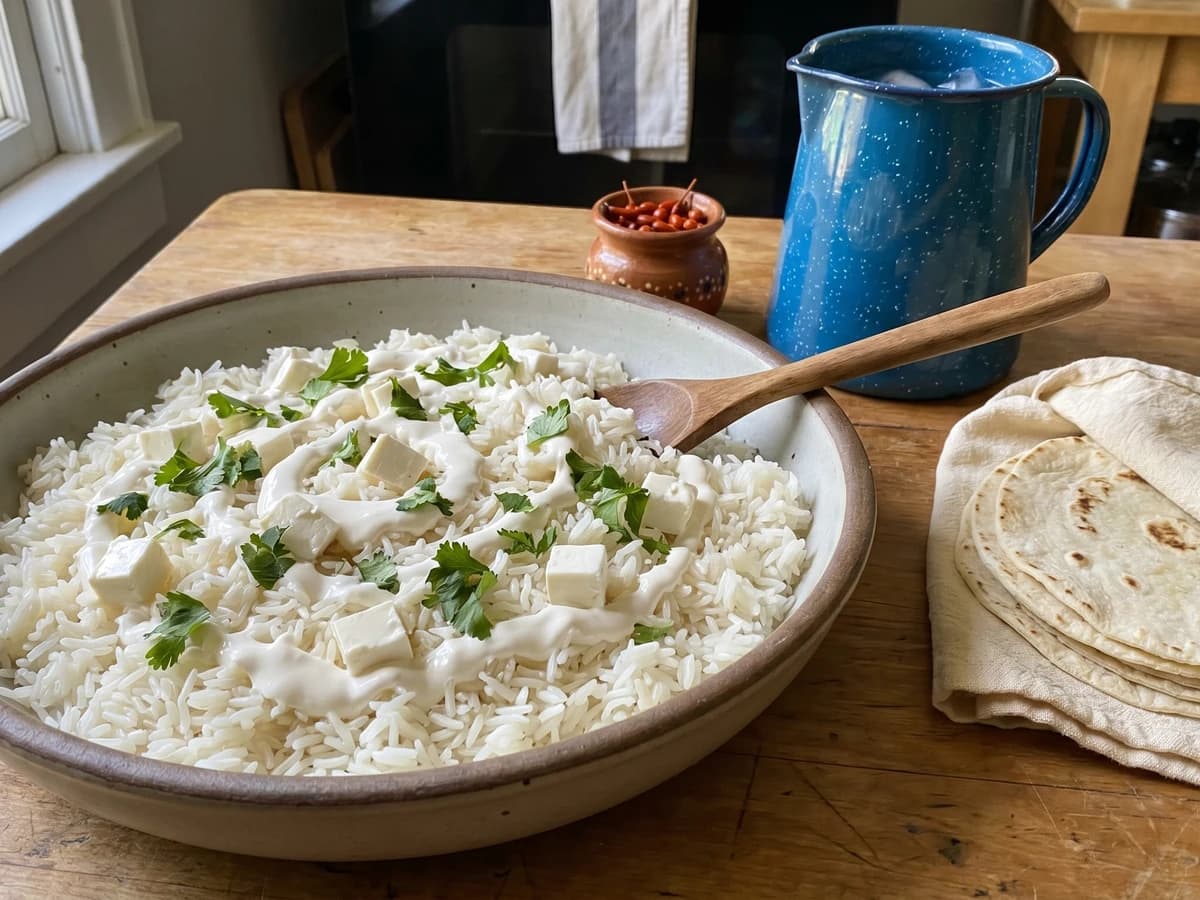
Sinaloa's home-cook white rice topped with cold cubes of cream cheese that soften into the warm grain, finished with crema and a sprinkle of chiltepin at the table. The trick that makes a side dish feel like a small luxury.
Chef Lupita
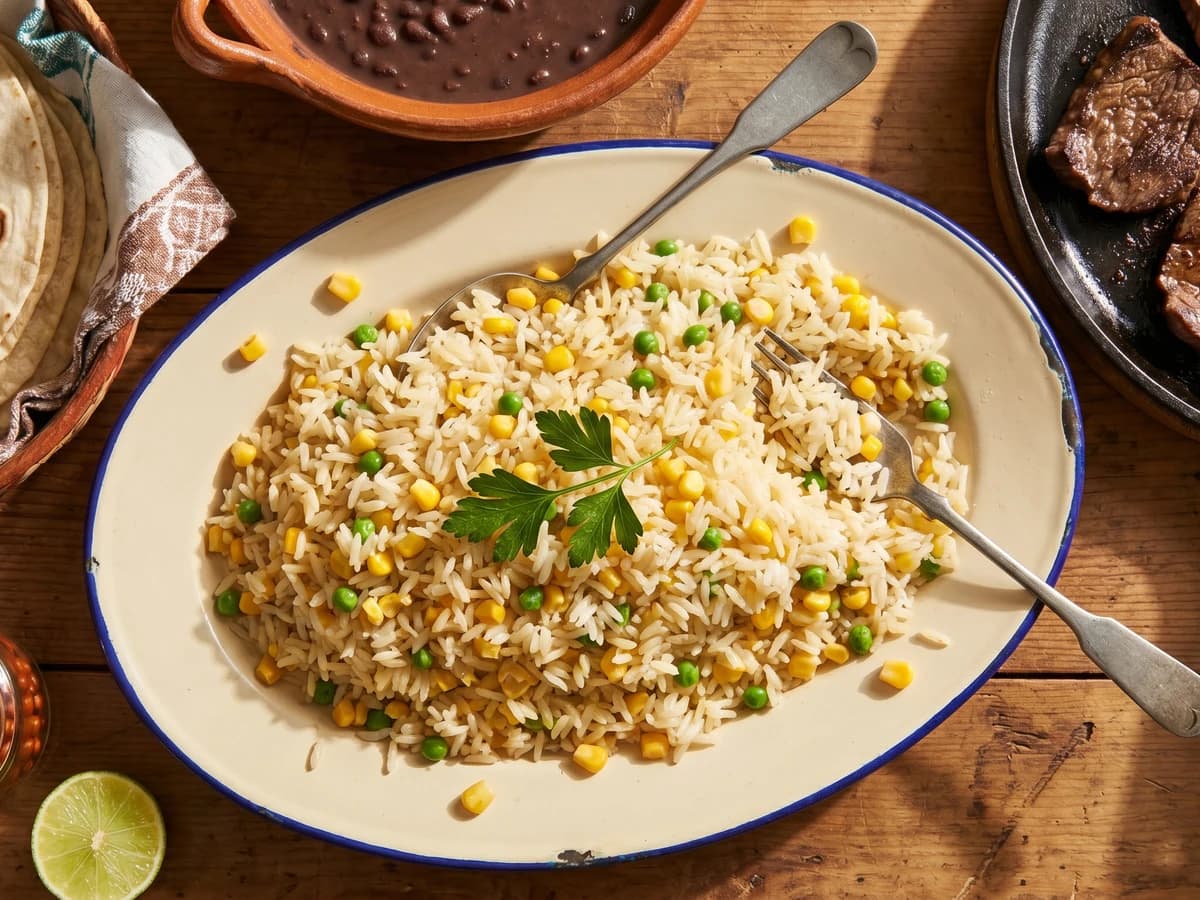
Sonora's white rice, toasted in butter and steamed with sweet corn and tender peas. The clean, quiet partner to a plate of carne asada, not the red rice of central Mexico.

Chef Lupita
Yucatán's white rice with sweet corn kernels, toasted in lard with garlic and onion. The quiet base that holds up against the peninsula's bold achiote-stained stews.