Chef Juliana
Abobrinha Refogada
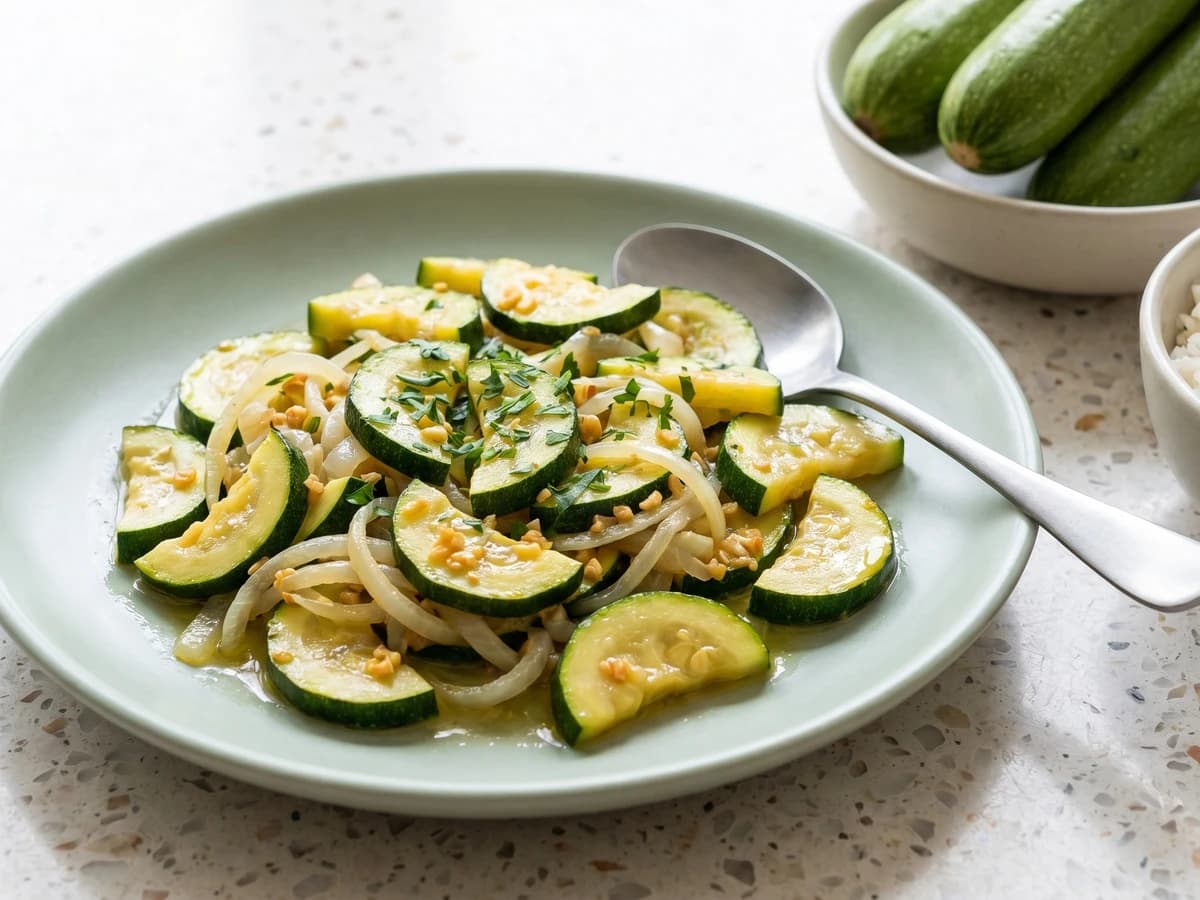
You think you'll turn zucchini into mush. Fine. Anota aí: high heat, wide pan, salt at the end, and suddenly this little green side starts solving dinner.
A cooking platform built around craft, culture, and the stories behind what we eat.
Created by
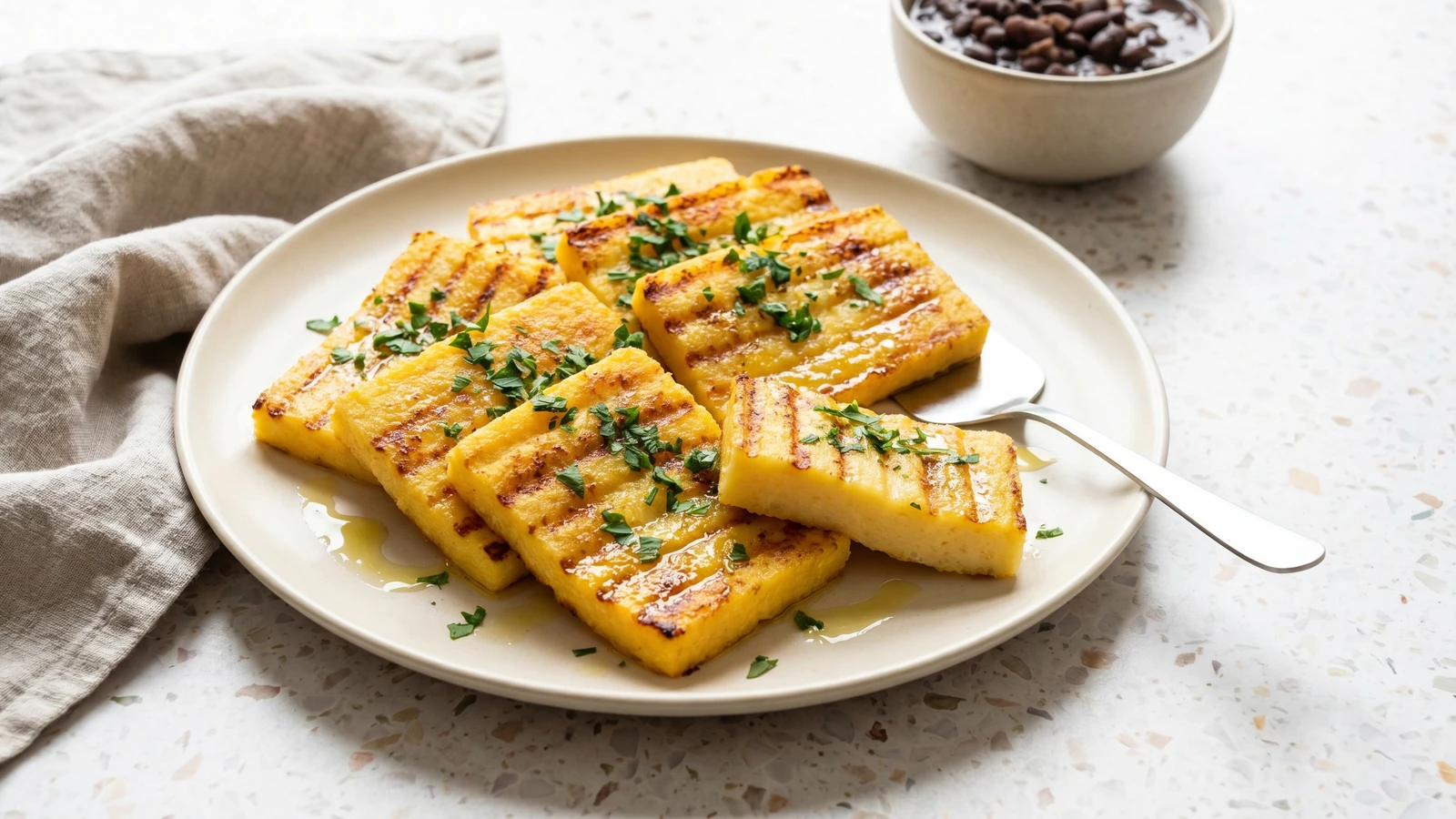
You don't need a special hand for polenta. Cook it thick, let it set, slice it, and give it time on the grill until the crust does the talking.
You may be looking at cornmeal and thinking, isso não é pra mim. Too lumpy, too sticky, too likely to glue itself to the pot and make you regret dinner. I know. I learned late too, and my first polenta had the personality of wet cement. Anota aí: cozinhar não é dom, é um aprendizado.
Polenta brustolada is the friendliest proof. You cook cornmeal into a thick, honest base, let it firm up, then slice and dourar on a hot grill or skillet until the outside goes crisp and golden and the middle stays soft. The trick isn't mystery. It's ratio, heat, and patience. Add the cornmeal slowly so it doesn't clump, stir until it pulls thick and smooth, chill it flat so it slices clean, then leave each piece alone long enough to make a crust.
This is comida de verdade doing what comida de verdade does best: stretching one cheap ingredient across two meals. Fresh polenta one night, brustolada the next. Put it beside feijão, couve, an egg, frango, sausage, or whatever is solving dinner. It fits the pê-efe because it behaves like a good side should: steady, warm, filling, and not trying to be clever.
And no, the instant packet doesn't get applause here. Some shortcuts I'll hand you myself because a Tuesday is a Tuesday. But cornmeal, water, salt, and a spoon already make the thing. Let a gente desgourmetizar dinner properly.
Polenta became deeply rooted in southern Brazil after Italian immigration to Rio Grande do Sul, Santa Catarina, and Paraná in the late nineteenth century, especially from 1875 onward in the Serra Gaúcha. The word brustolada comes from Italian regional speech tied to brustolare, to toast or roast, and in Brazilian Italian-descendant kitchens it usually means leftover firm polenta sliced and browned on a chapa, grill, or skillet. The dish is less a separate recipe than a household system: cook once, set the leftovers, and bring them back the next day with a crust.
Quantity
1 1/2 cups
fubá mimoso or polenta cornmeal
Quantity
5 cups
divided
Quantity
1 1/2 teaspoons
Quantity
2 tablespoons, plus more for the pan
Quantity
1 tablespoon
Quantity
1 small
finely grated or minced
Quantity
2 tablespoons
finely chopped
| Ingredient | Quantity |
|---|---|
| medium or fine yellow cornmealfubá mimoso or polenta cornmeal | 1 1/2 cups |
| waterdivided | 5 cups |
| salt | 1 1/2 teaspoons |
| olive oil or neutral oil | 2 tablespoons, plus more for the pan |
| butter (optional) | 1 tablespoon |
| garlic clove (optional)finely grated or minced | 1 small |
| parsley (optional)finely chopped | 2 tablespoons |
Put the cornmeal in a bowl and whisk in 1 cup of the cold water until it looks smooth and pourable, like thin batter. Do this before the pot goes on your nerves. Cold water separates the grains so they don't hit boiling water, panic, and turn into lumps.
Bring the remaining 4 cups water, salt, and 2 tablespoons oil to a boil in a heavy pot. Lower the heat to medium-low and whisk in the cornmeal slurry slowly. Keep whisking until the mixture thickens and stops looking grainy at the edges, about 3 minutes. Slow pouring and steady whisking are how you get smooth polenta, not luck.
Switch to a wooden spoon and cook on low heat, stirring every minute or so, until the polenta is thick, glossy, and pulls away from the side of the pot in heavy waves, 25 to 30 minutes. Taste a little. It should feel soft on the tongue, not sandy. Undercooked cornmeal tastes raw and flat, and grilling won't fix that.
Stir in the butter and garlic, if using, for the last minute, just until the garlic smells sweet. Scrape the polenta into an oiled 20 by 20 cm baking dish or a small tray and smooth it into an even layer about 2 cm thick. Let it cool, then refrigerate until firm, at least 2 hours. A flat, firm slab slices cleanly; a warm soft one tears and sticks, and then everybody starts saying rude things to the cornmeal.
Turn the firm polenta out onto a board and cut it into 12 rectangles or triangles. Wipe the knife if it drags. Dry the pieces with a clean towel if the surface looks wet. A dry surface browns; a wet one steams first and keeps the crust from forming.
Heat a cast-iron skillet, grill pan, or chapa over medium-high heat until a drop of water jumps and disappears. Brush the pan and the polenta lightly with oil, then lay the slices down with space between them. Cook without moving until the underside is deep golden and releases easily, 4 to 5 minutes. If it sticks, wait. Food that has browned properly lets go.
Turn the slices with a thin spatula and brown the second side, another 4 to 5 minutes. The edges should be crisp, the center still soft, and the surface marked with real color, not pale politeness. Sprinkle with parsley if you're using it and serve right away with beans, greens, eggs, chicken, sausage, or whatever your pê-efe needs today.
1 serving (about 185g)
Culinary guides, cultural storytelling, and the editorial depth that makes cooking meaningful.
Discover Culinary ExplorerChef Juliana
You think you'll turn zucchini into mush. Fine. Anota aí: high heat, wide pan, salt at the end, and suddenly this little green side starts solving dinner.

Chef Juliana
You think this is sacred enough to be impossible. It isn't. Acaçá is patience, stirring, and ponto, taught plainly, with respect for the terreiros that carry it.
Chef Juliana
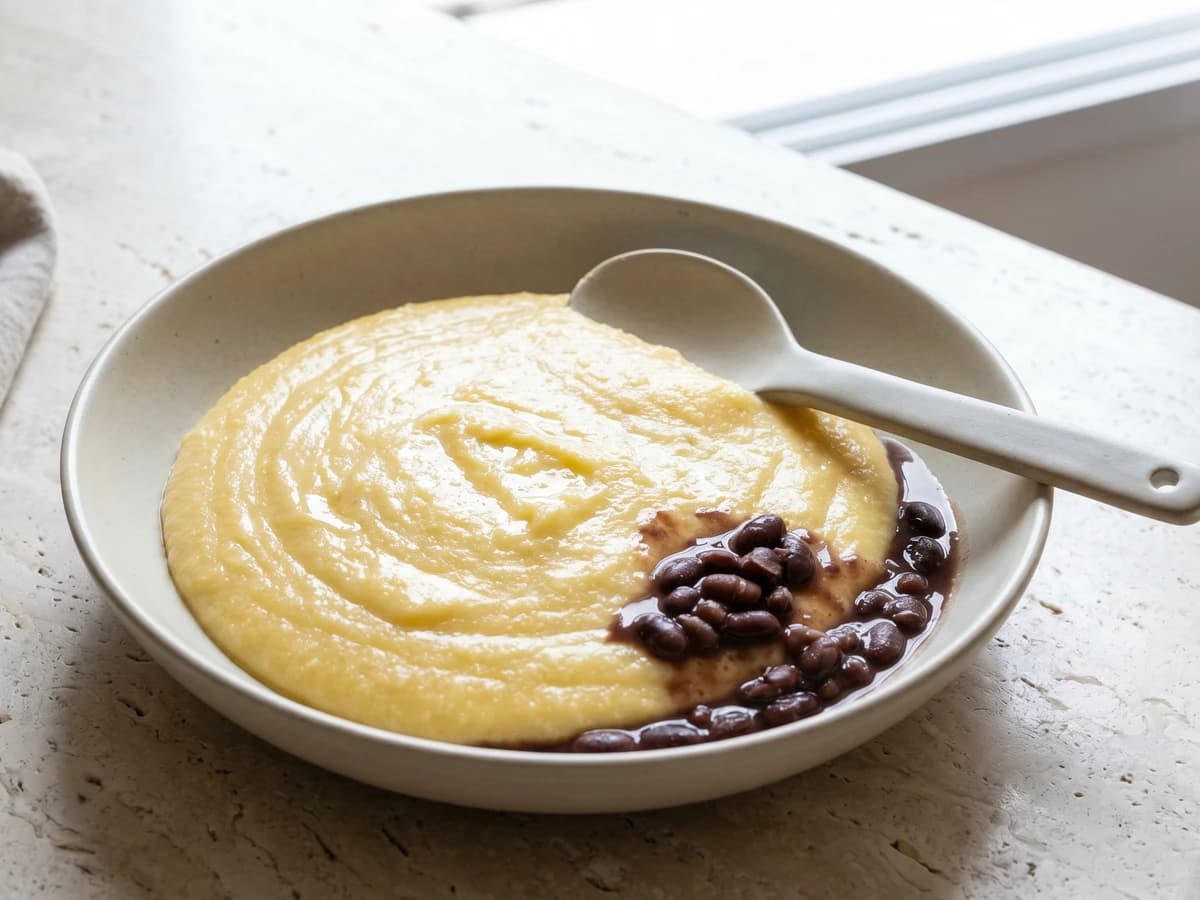
You think cornmeal will turn into lumps and shame. It won't. Cold water first, patient stirring, and a real garlic base give you angu that solves dinner.
Chef Juliana
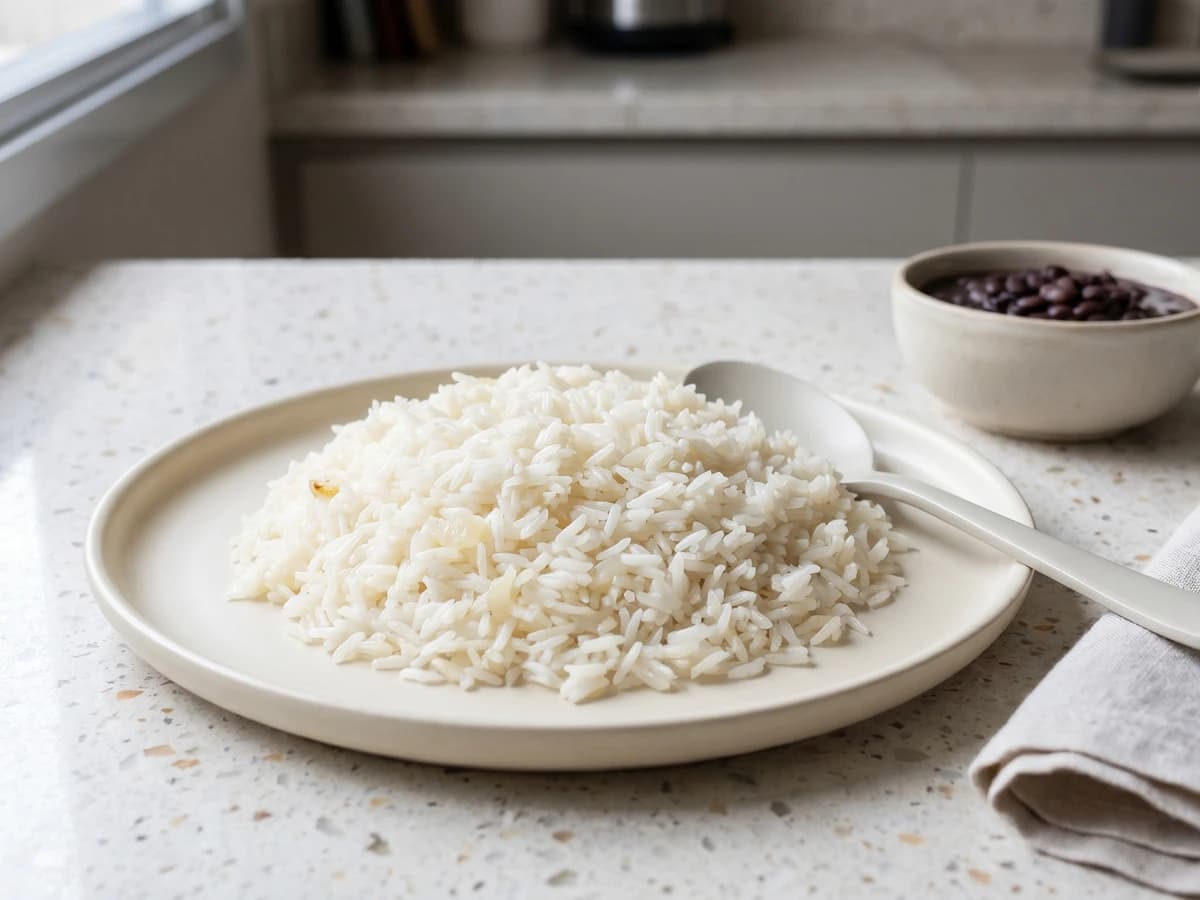
Everyone swears they can't make good rice. They're wrong. Refogue onion and garlic, use two parts water to one rice, then close the lid and leave the poor thing alone.