Chef Juliana
Abobrinha Refogada
You think you'll turn zucchini into mush. Fine. Anota aí: high heat, wide pan, salt at the end, and suddenly this little green side starts solving dinner.
A cooking platform built around craft, culture, and the stories behind what we eat.
Created by
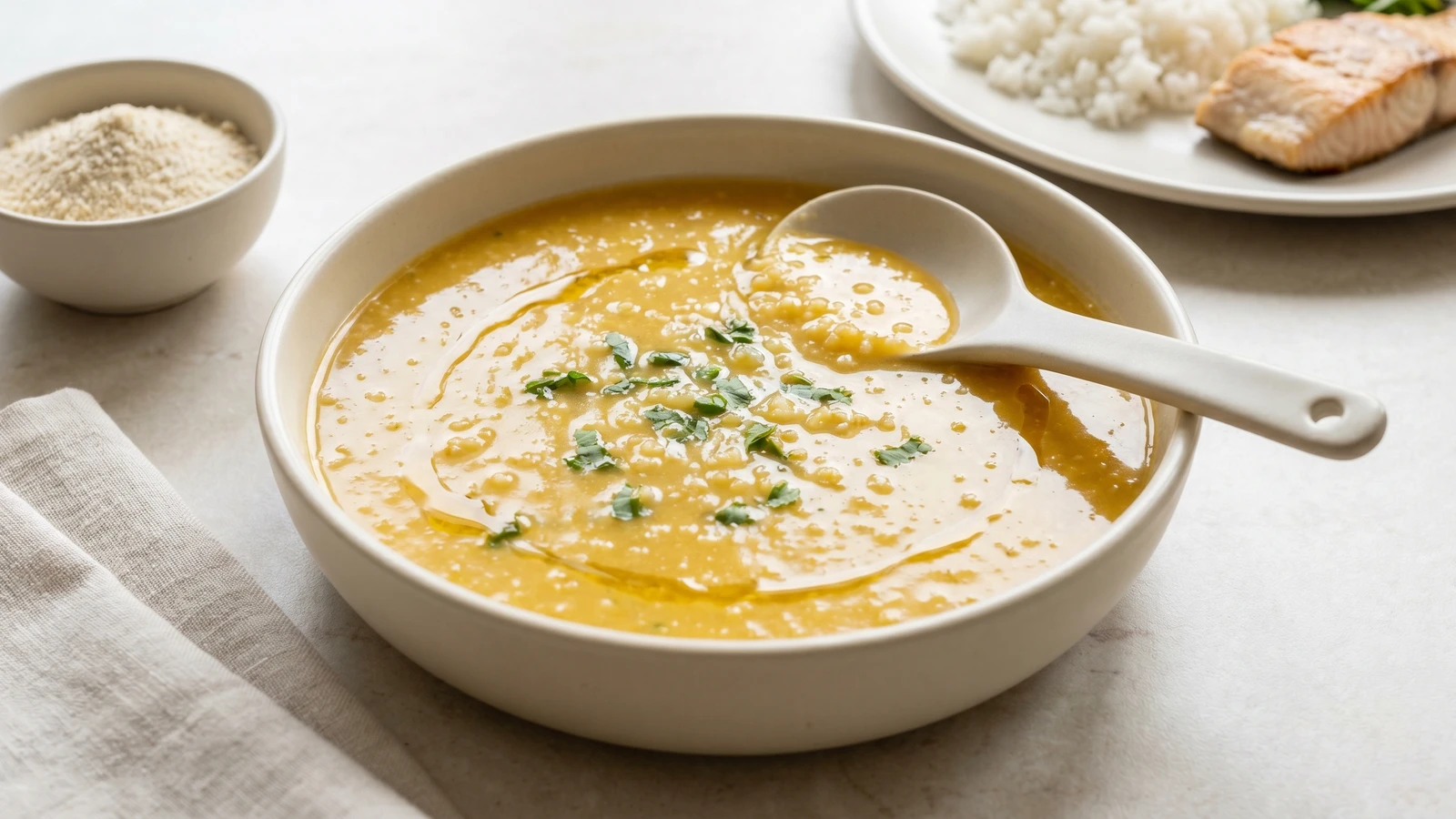
You don't need mystery here. You need real bottled tucupi, good farinha, and the patience to sprinkle slowly. Anota aí: the point is glossy, spoonable, and unmistakably Pará.
You look at a yellow bottle of tucupi and a bag of farinha and hear that quiet voice: isso não é pra mim. I know. I had the same voice over beans, over rice, over onions I burned so many times they probably formed a union. But cozinhar não é dom, é um aprendizado. This is not magic from far away. It's liquid, heat, and cassava flour learning to thicken without lumps.
Pirão belongs beside the everyday plate because it does what good home food does: it brings the plate together. Rice, beans, a piece of fish or chicken, something green, and then this glossy spoonful of tucupi and mandioca tying everything with acidity, heat, and that deep yellow cassava flavor. The pê-efe changes from region to region, but the idea stays: a real meal built from real things.
The method is simple, but you have to respect it. Warm the tucupi with onion, garlic, cheiro-verde, and chicória-do-Pará if you have it. Then rain in the farinha slowly while whisking. Dump it in and you get lumps, because dry farinha grabs liquid fast and protects a dry middle like it's hiding a secret. Sprinkle, stir, watch the spoon. That's how a gente gets a pirão that is glossy and spoonable instead of a paste you could patch a wall with.
Buy the real tucupi, already properly processed and bottled by people who know cassava. Don't improvise raw tucupi at home, and don't let a packet pretend to be dinner. This is comida de verdade, and it can solve a Tuesday plate in fifteen minutes.
Tucupi is the yellow fermented broth pressed from wild manioc, especially central to Pará and Amazonas cooking, where it appears in dishes such as pato no tucupi, tacacá, and everyday fish plates. Because raw wild manioc contains compounds that must be removed by proper processing and boiling, tucupi belongs to a long Indigenous cassava technology, not to kitchen improvisation from raw roots. Local specifics from places like Mosqueiro, Santarém Novo, Bragança, and Baniwa traditions are carried by the cooks from those communities; this home version starts from properly processed bottled tucupi and a good bag of farinha.
Quantity
3 cups
properly processed and ready to cook
Quantity
1/2 cup, plus more if needed
Quantity
1 tablespoon
Quantity
1/2 medium
finely chopped
Quantity
2 cloves
minced
Quantity
1 small
seeded and minced
Quantity
1/2 teaspoon, plus more to taste
Quantity
2 tablespoons
chopped
Quantity
2 tablespoons
chopped
Quantity
1/2 to 3/4 cup
added gradually
| Ingredient | Quantity |
|---|---|
| bottled tucupiproperly processed and ready to cook | 3 cups |
| water or unsalted fish stock | 1/2 cup, plus more if needed |
| neutral oil or annatto oil | 1 tablespoon |
| onionfinely chopped | 1/2 medium |
| garlicminced | 2 cloves |
| fresh chile (optional)seeded and minced | 1 small |
| salt | 1/2 teaspoon, plus more to taste |
| chicória-do-Pará or culantro (optional)chopped | 2 tablespoons |
| cilantro or cheiro-verdechopped | 2 tablespoons |
| farinha d'água or medium cassava flouradded gradually | 1/2 to 3/4 cup |
Check the tucupi bottle first. It should say it is processed, cooked, or ready for culinary use. Shake it, open it, and smell it: it should be sharp, yellow, and fermented, not rotten or fizzy like trouble. Tucupi comes from wild manioc, so we respect the work already done by the people who process it properly. This is not the place to be brave with raw cassava liquid.
Warm the oil in a medium pot over medium heat. Add the onion and cook until it murcha, soft and see-through, about 4 minutes. Add the garlic and chile, if using, and stir for 1 minute, just until the garlic smells sweet. This little refogado gives the tucupi a base to sit on; burnt garlic turns bitter and then follows you around the whole pot.
Pour in the tucupi and water or stock, scraping the bottom of the pot. Bring it to a lively simmer, then lower the heat and cook for 8 minutes. Taste before you salt fully, because bottled tucupi changes from maker to maker. You want bright, savory, gently sharp, not a salt lick wearing yellow.
Lower the heat. Hold the farinha in one hand and a whisk or wooden spoon in the other. Sprinkle in 1/2 cup farinha little by little, stirring the whole time, until the liquid turns glossy and starts to leave a soft trail when the spoon passes through it. This is the ponto. Dump the farinha in all at once and it clumps, because the outside hydrates before the inside can catch up.
Cook for 2 to 3 minutes, stirring, so the farinha hydrates fully and loses any raw sandy bite. If you want a thicker pirão, add the remaining farinha 1 tablespoon at a time. If it gets too stiff, loosen it with hot water or tucupi, 2 tablespoons at a time. Pirão thickens as it stands, because cassava keeps drinking. Plan for that, or you'll think dinner turned into cement when you weren't looking.
Turn off the heat and stir in chicória-do-Pará and cheiro-verde. Taste again and adjust the salt. Serve warm beside rice, beans, fish or chicken, and something green. The pirão should mound softly on the spoon, shine on top, and spread slowly when it hits the plate.
1 serving (about 230g)
Culinary guides, cultural storytelling, and the editorial depth that makes cooking meaningful.
Discover Culinary ExplorerChef Juliana
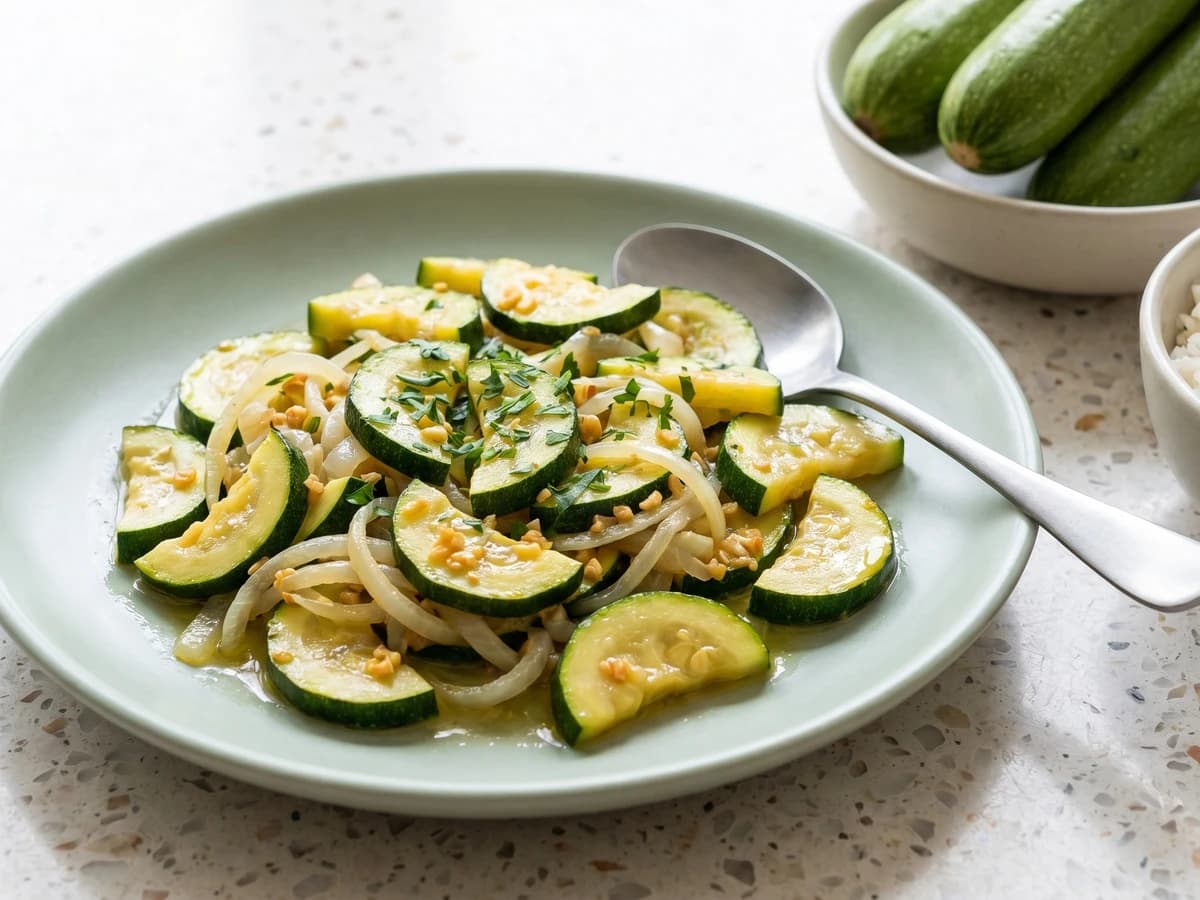
You think you'll turn zucchini into mush. Fine. Anota aí: high heat, wide pan, salt at the end, and suddenly this little green side starts solving dinner.

Chef Juliana
You think this is sacred enough to be impossible. It isn't. Acaçá is patience, stirring, and ponto, taught plainly, with respect for the terreiros that carry it.
Chef Juliana
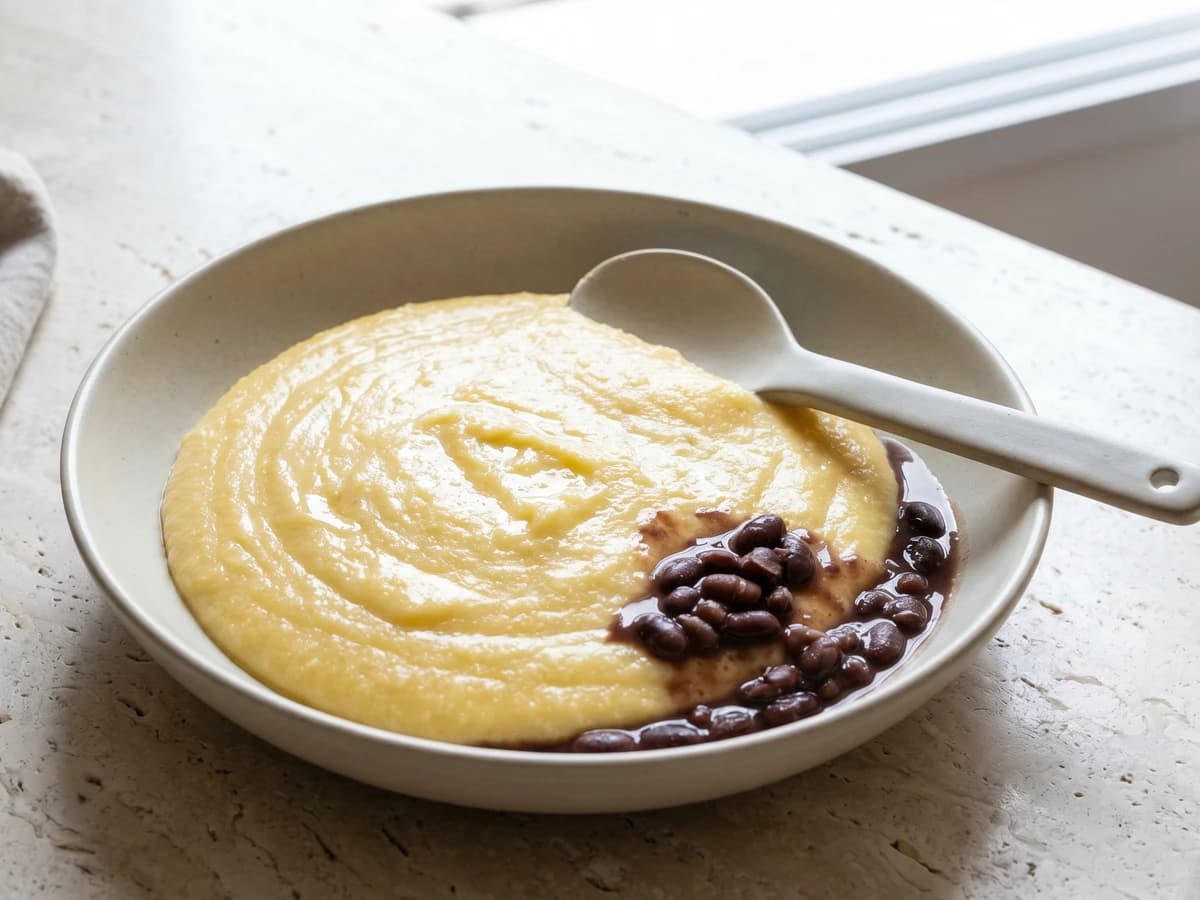
You think cornmeal will turn into lumps and shame. It won't. Cold water first, patient stirring, and a real garlic base give you angu that solves dinner.
Chef Juliana
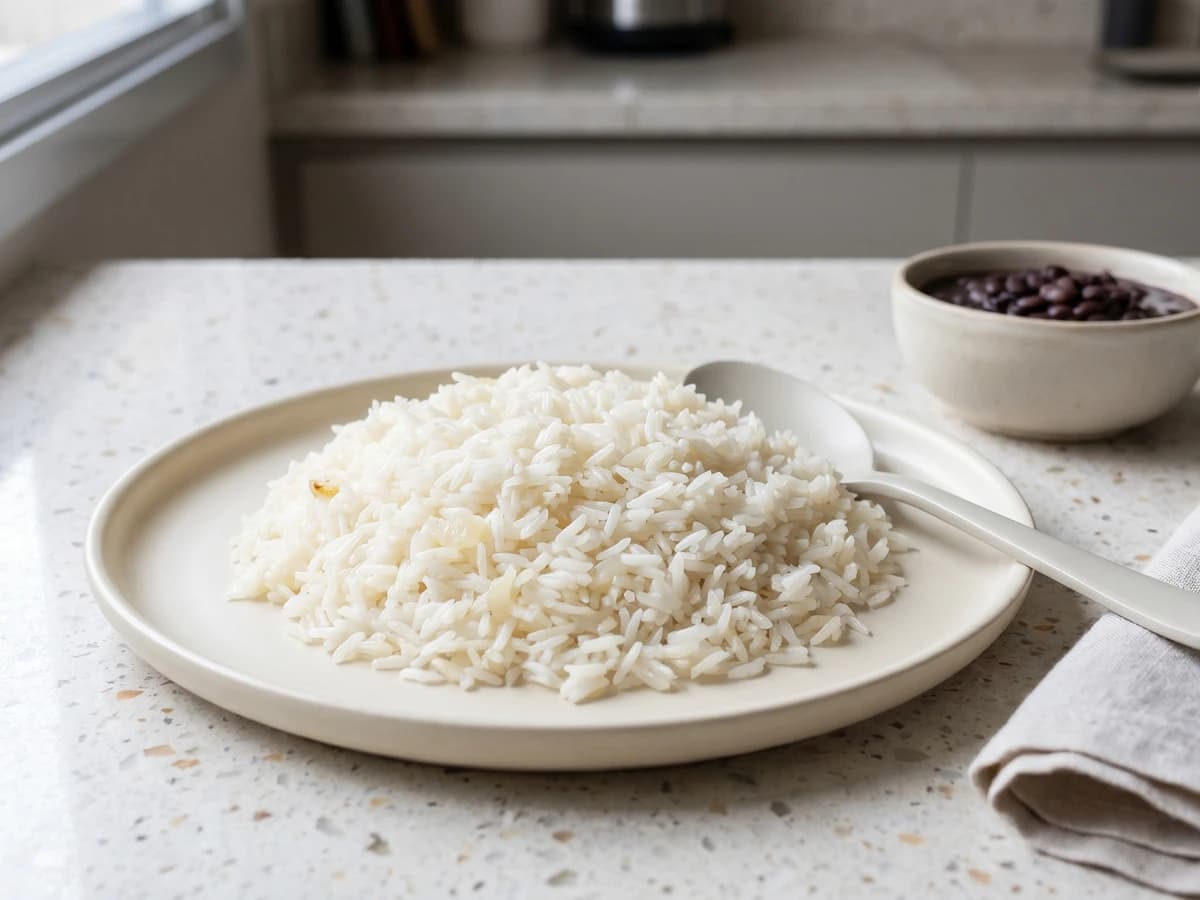
Everyone swears they can't make good rice. They're wrong. Refogue onion and garlic, use two parts water to one rice, then close the lid and leave the poor thing alone.